
The Antinutrient Debate: Examining the Science Behind Plant Defenses and Human Health
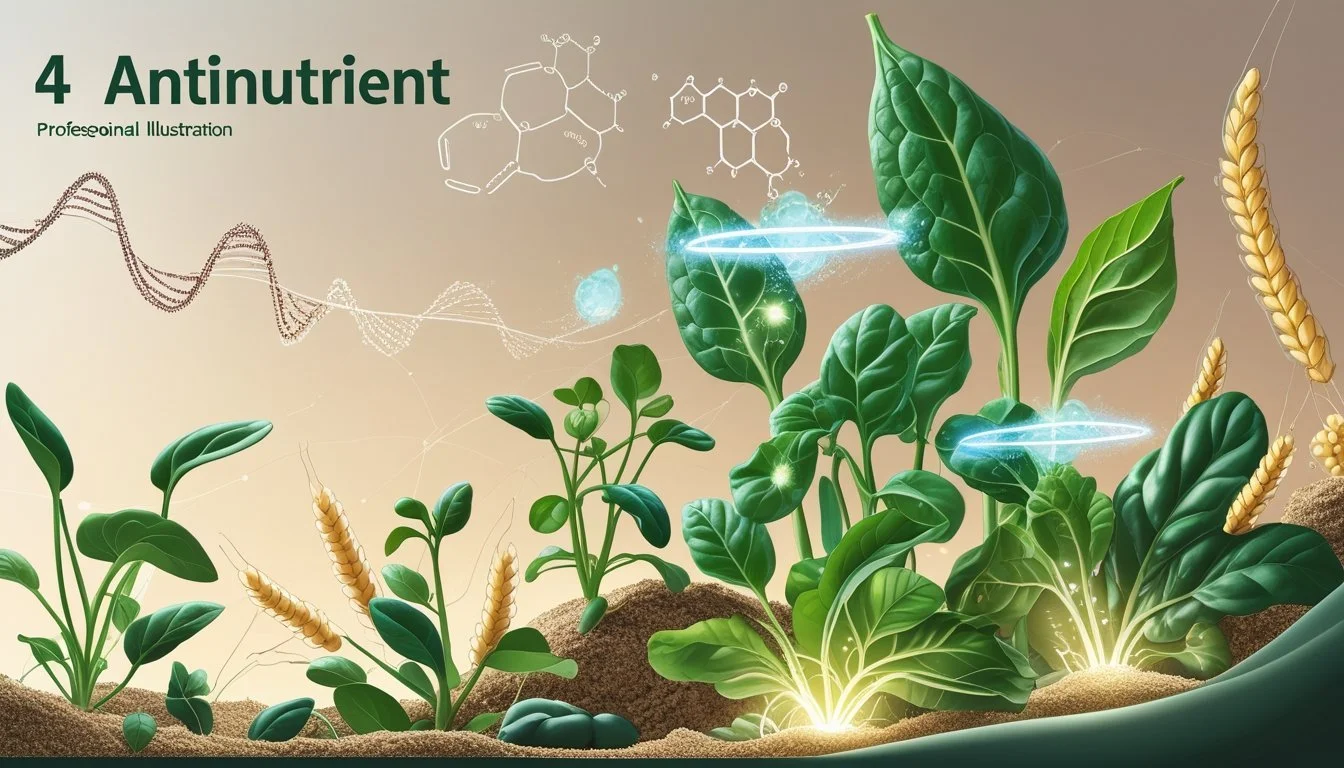
Plants produce an array of compounds known as “antinutrients,” which can interfere with the absorption of certain minerals and nutrients in the human body. These include phytates, oxalates, lectins, and tannins found in many common foods such as grains, beans, and vegetables. Despite concerns, most people who eat a varied, plant-rich diet do not experience significant health issues from antinutrients, and these foods continue to provide crucial nutrients and benefits.
Culinary practices like cooking, soaking, and fermenting can lower antinutrient levels and improve nutrient absorption. While some critics argue that these natural compounds are a defensive measure by plants, research shows that typical diets rarely result in harmful effects from antinutrients, especially when meals are balanced and processed correctly. The ongoing debate about plant “resistance” remains an interesting topic for anyone interested in nutrition and food science.
Understanding Antinutrients in Plants
Antinutrients are naturally occurring compounds in many plant foods. They can impact the absorption of key minerals such as iron, zinc, and calcium, and influence nutrient availability based on food processing and preparation methods.
Definition and Overview of Antinutrients
Antinutrients are substances found in plants that can interfere with the body’s ability to absorb essential nutrients. They act primarily by binding to minerals and reducing their bioavailability in the digestive tract.
Common sources include legumes, grains, nuts, and some vegetables. The presence of antinutrients in plants evolved as a defense mechanism to deter pests and predators.
Despite their effects, most antinutrients do not cause problems for people consuming balanced diets. Traditional cooking or processing methods often reduce their levels.
Types of Common Antinutrients
Several common antinutrients include:
Phytates (phytic acid): Found in grains, seeds, and legumes. Can bind minerals like iron, zinc, and calcium.
Oxalates: Present in spinach, beets, and certain nuts. Known to bind calcium.
Lectins: Abundant in raw legumes and some grains. Can interfere with nutrient absorption if not cooked properly.
Tannins: Found in tea, coffee, and some legumes. May limit iron absorption.
Below is a summary of where these antinutrients are most frequently found:
Antinutrient Main Food Sources Main Mineral Affected Phytates Grains, legumes, seeds Iron, zinc, calcium Oxalates Spinach, beets, nuts Calcium Lectins Beans, lentils, grains Iron, others (if uncooked) Tannins Tea, coffee, some legumes Iron
Antinutrients and Mineral Bioavailability
Antinutrients can lower mineral bioavailability by forming insoluble complexes with minerals in the gut. This decreases their absorption and can, in extreme cases, contribute to micronutrient deficiencies, particularly in populations with limited dietary variety.
Phytates and oxalates are the primary antinutrients of concern due to their effect on non-heme iron and calcium absorption. However, diet diversity and correct food preparation usually minimize these impacts.
Studies show that processes such as soaking, sprouting, fermenting, and cooking can significantly decrease antinutrient content. Some gut microbes are even capable of breaking down phytates, further enhancing mineral availability in those who regularly consume plant-based foods.
The Evolutionary Role of Plant Defense Compounds
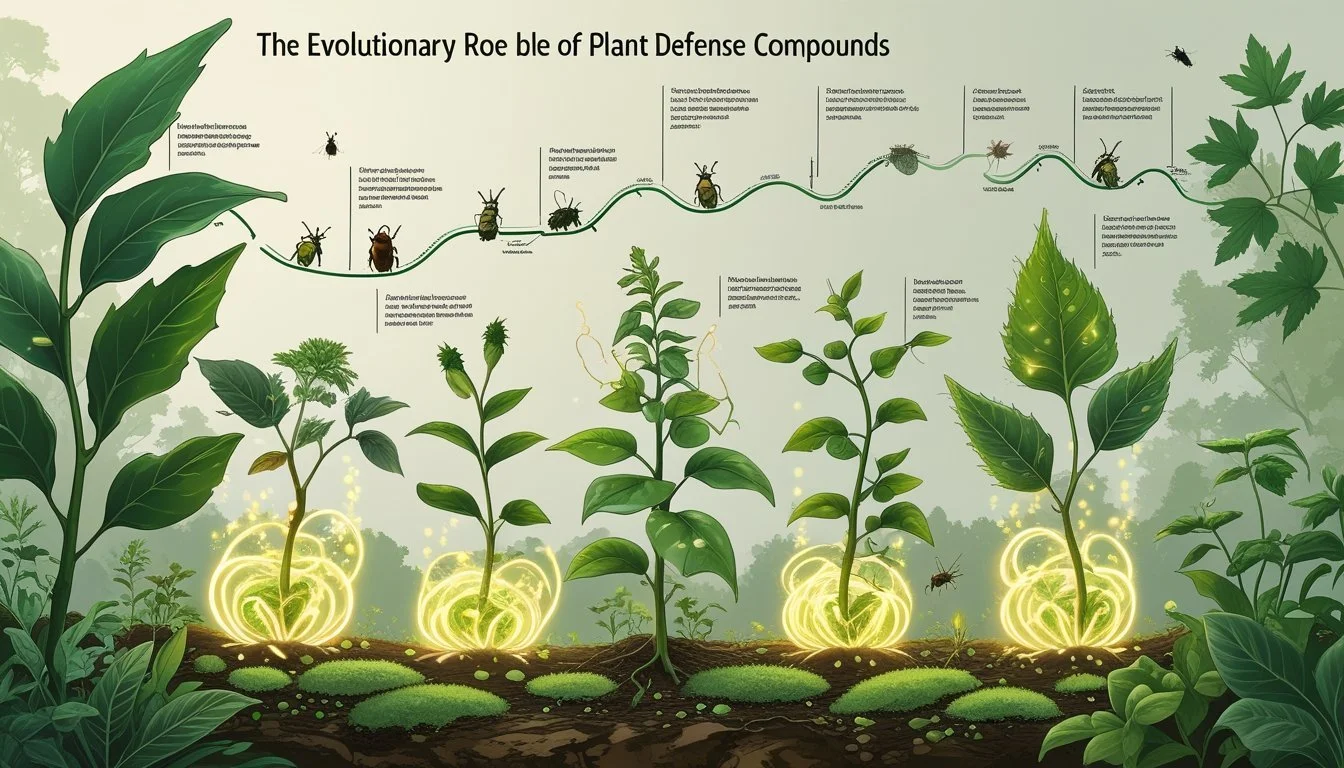
Plants produce a wide range of chemical compounds that serve as defense mechanisms against predators, pests, and environmental stress. Some of these chemicals, including antinutrients and antioxidants, also affect the way humans and other animals absorb and utilize nutrients from plant foods.
Why Plants Produce Antinutrients
Plants cannot move away from threats, so they synthesize chemicals to deter herbivores, insects, and pathogens. Antinutrients such as lectins, oxalates, phytates, and tannins reduce the digestibility or nutrient absorption in the animals that consume them.
These compounds make plant tissues less appealing or even mildly toxic in large amounts, helping the plant survive and reproduce. Environmental factors, like soil quality and climate, can influence the concentration and type of antinutrients produced.
Some antinutrients also play roles in seed preservation and delay seed germination until conditions are ideal. Cooking, soaking, and fermenting plants can reduce antinutrient levels, making foods safer and more nutritious for humans.
Anthocyanins and Other Protective Molecules
Apart from antinutrients, plants generate compounds like anthocyanins, which are water-soluble pigments contributing to red, purple, and blue hues in fruits and vegetables. Anthocyanins act as antioxidants, protecting plant cells from UV damage, drought, and disease.
These molecules help attract pollinators and deter predators by signaling ripeness or unpalatability. Other protective chemicals include flavonoids, glucosinolates, and saponins, each with a specific role in plant defense or signaling.
For humans, dietary anthocyanins provide antioxidant benefits, though their role in human health is still under study. Their dual function — plant protection and potential health advantages — illustrates the complex relationship between plant chemistry and nutrition.
Nutritional Impact: Risks and Benefits
Antinutrients in plant-based foods can affect both nutrient absorption and overall health. Their impact varies depending on factors such as cooking, food preparation, and dietary patterns.
Protein Absorption and Dietary Fiber
Antinutrients like phytates and lectins can attach to proteins, reducing their digestibility. Soybeans, legumes, and whole grains contain these compounds, which may lower amino acid absorption compared to animal-based sources.
Cooking methods such as boiling, steaming, and roasting can significantly reduce these antinutrient levels. Heat breaks down or modifies the structure of phytates and lectins, allowing for improved protein availability in the diet.
Despite concerns about protein inhibitors, plant foods rich in dietary fiber offer important health benefits, such as improved gut health and stable blood sugar levels. Balanced plant-based diets that include a variety of food sources generally provide adequate protein and fiber.
Plant Food Antinutrient Affected Cooking Benefit Lentils Phytates Boiling reduces phytate content Kidney Beans Lectins Boiling inactivates lectins Whole Wheat Phytates Baking reduces phytate levels
Effect on Folate and Other Micronutrients
Antinutrients can bind to minerals such as iron, zinc, and calcium, reducing their absorption in the body. For example, oxalates in spinach limit calcium bioavailability, while phytates can decrease iron uptake.
Folate is a key nutrient found in leafy greens, beans, and lentils. Although some antinutrients may interact with folate, most plant sources provide enough to meet daily needs when included regularly in meals.
Routine food preparation techniques—including washing, soaking, fermenting, and cooking—lower antinutrient content and increase the bioavailability of folate and related micronutrients. Consuming a variety of plant foods ensures that micronutrient needs are generally met without significant deficiencies.
Strategies to Mitigate Antinutrient Effects
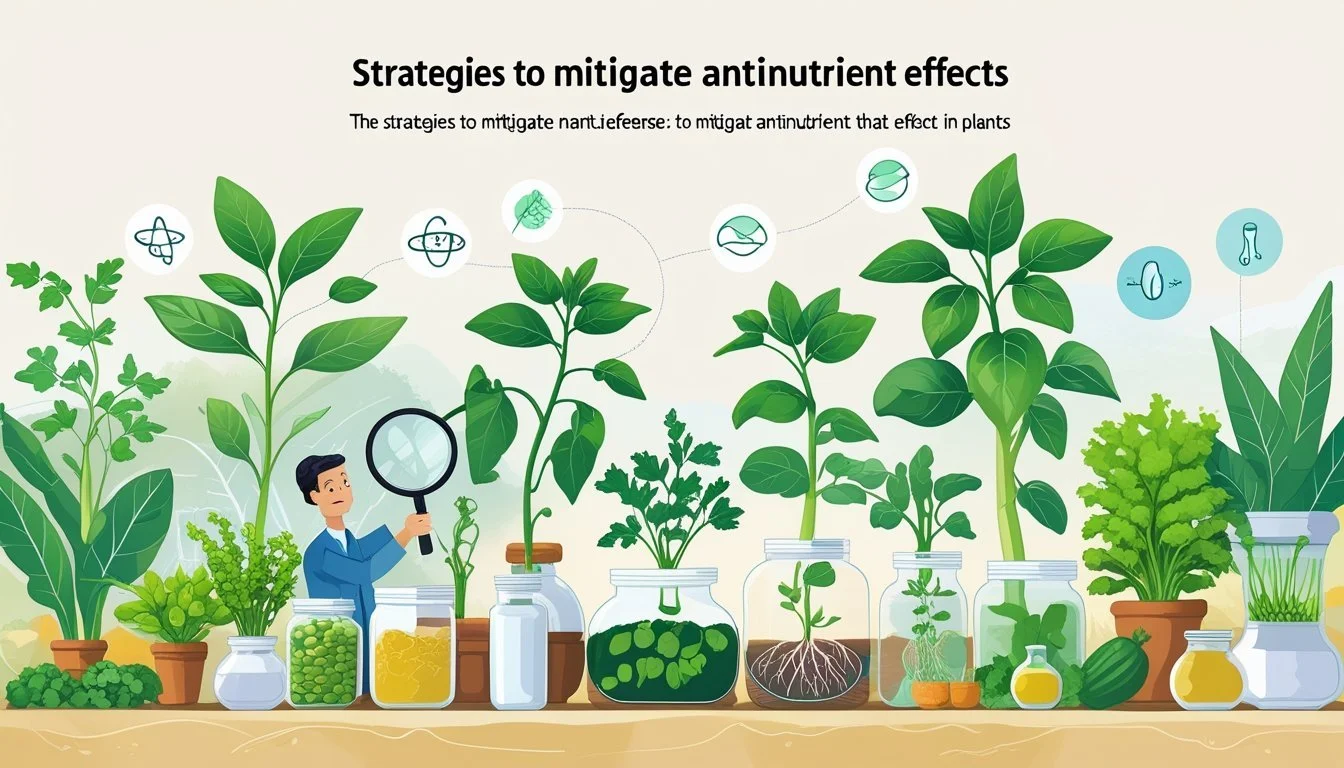
Plant-based foods often contain antinutrients that can reduce the absorption of minerals such as iron, calcium, and zinc. Various preparation and processing techniques can significantly lower these antinutrient levels, making nutrients more accessible.
Soaking, Sprouting, and Cooking
Soaking beans, lentils, and whole grains in water before cooking helps leach out water-soluble antinutrients like phytates and some tannins. Replacement of soaking water before cooking further reduces these compounds.
Sprouting initiates enzyme activity, breaking down phytic acid and other antinutrients. This process can increase the bioavailability of minerals and improve digestibility, especially in legumes and seeds.
Cooking—especially boiling—reduces heat-sensitive antinutrients such as lectins found in beans. Methods like steaming and roasting can also decrease certain compounds but are less effective than boiling. Combining soaking, sprouting, and cooking yields the greatest reduction in antinutrient content.
Method Effect on Antinutrient Content Soaking Reduces phytates, tannins Sprouting Breaks down phytates, improves nutrient absorption Cooking Destroys lectins, reduces saponins & protease inhibitors
Fermentation Processes
Fermentation uses beneficial microbes to break down antinutrients in plant foods. This method is especially effective for beans, soy, and whole-grain products, resulting in higher mineral bioavailability and improved flavor.
Lactic acid bacteria in traditional fermentations such as sourdough, tempeh, and kimchi degrade phytic acid and certain polyphenols. Fermented beans, like those used in miso or natto, show reduced levels of protease inhibitors and oligosaccharides, which can cause digestive discomfort.
Fermentation also creates beneficial byproducts, such as B vitamins, that enhance the nutritional profile. Regularly including fermented plant foods in the diet offers a reliable way to lower antinutrient effects while increasing dietary variety.
Advancements in Bioengineering and Nutrition

Bioengineers and plant scientists are developing new technologies to minimize antinutrient content in staple crops while improving nutrient availability. Genetic strategies and advances in biotechnology are at the center of efforts to address global nutritional needs and food security.
Genetic Modification for Reduced Antinutrients
Genetic modification allows for direct alteration of specific plant genes responsible for antinutrient synthesis, such as phytate and lectins. By targeting these pathways, researchers can lower antinutrient levels and improve mineral bioavailability. For example, reducing phytate in crops like rice and maize has been shown to increase absorption of iron and zinc.
In Peru and other regions relying on plant-based staples, such crops may help address deficiencies in key micronutrients. Methods include traditional breeding, CRISPR genome editing, and transgenic approaches. Regulatory frameworks ensure these genetically modified plants are safe and nutritionally equivalent to conventional varieties, considering not only nutrient enhancement but also antinutrient content.
Key Benefits:
Improved nutrient absorption (e.g., iron, zinc)
Better protein digestibility
Enhanced food security in regions with mineral-deficient diets
Future Research Directions
Future research is moving toward precision bioengineering using tools like gene editing and synthetic biology. Scientists are also exploring beneficial interactions between plants and gut microbiota that can further reduce antinutrient impact after consumption.
Multi-omics approaches, such as genomics and metabolomics, allow for more detailed studies of antinutrient pathways. There is growing interest in creating biofortified crops tailored for specific populations, such as those in Peru. Collaboration across disciplines and countries will remain essential.
Research Priorities:
Developing region-specific bioengineered crops
Monitoring long-term effects on human health
Enhancing collaboration between plant scientists, nutritionists, and policy-makers
Scientific Publishing and the Antinutrient Debate
Debate over antinutrients is influenced by how research is published and accessed. Several major academic publishers play a direct role in how data and findings related to this topic are shared with scientists and the public.
Academic Publishers and Research Dissemination
Academic publishers act as gatekeepers to peer-reviewed research on antinutrients. They manage journals where studies on topics like plant defense mechanisms, nutrient bioavailability, and processing methods are published.
Access to new findings often depends on whether journals are open access or subscription-based. Subscription fees can limit non-academic readers and even researchers from smaller institutions. Open access journals may enable wider awareness but sometimes charge high publication fees.
The influence of major publishers means that which studies become prominent depends in part on editorial selection. This can guide the attention of both the scientific community and broader public debate about antinutrients.
Role of the American Chemical Society
The American Chemical Society (ACS) publishes many influential journals in the fields of chemistry, biochemistry, and food science. Studies on phytochemicals, plant metabolism, and antinutrient compounds appear in their journals, often shaping discourse around safety and benefits.
ACS editorial policies emphasize peer review and methodological transparency. This ensures that discussions on antinutrients are grounded in reproducible data rather than speculation. However, many ACS journals are behind paywalls, which can restrict public access.
Efforts by ACS to increase open access publishing have gradually improved accessibility. Their platforms also offer supporting data, commentaries, and news briefs that provide context for technical studies on antinutrients.
Springer, Elsevier, and Content Access
Springer and Elsevier are two of the largest academic publishers with broad journal portfolios covering nutrition, agriculture, and plant sciences. Many high-impact articles on antinutrients—ranging from genetic editing to processing techniques—appear in their journals.
Their strict subscription policies can be a barrier to non-academic readers. Some content is available under hybrid or open access models, but costs to researchers and institutions can be high. This paywall system affects the visibility of key research findings in the antinutrient debate.
Both publishers maintain digital platforms with advanced search, full-text, and citation tools that aid researchers in locating relevant materials quickly. These features make their journals a primary source for scientists, even though broader access challenges remain.
Copyright, Intellectual Property, and Science Communication
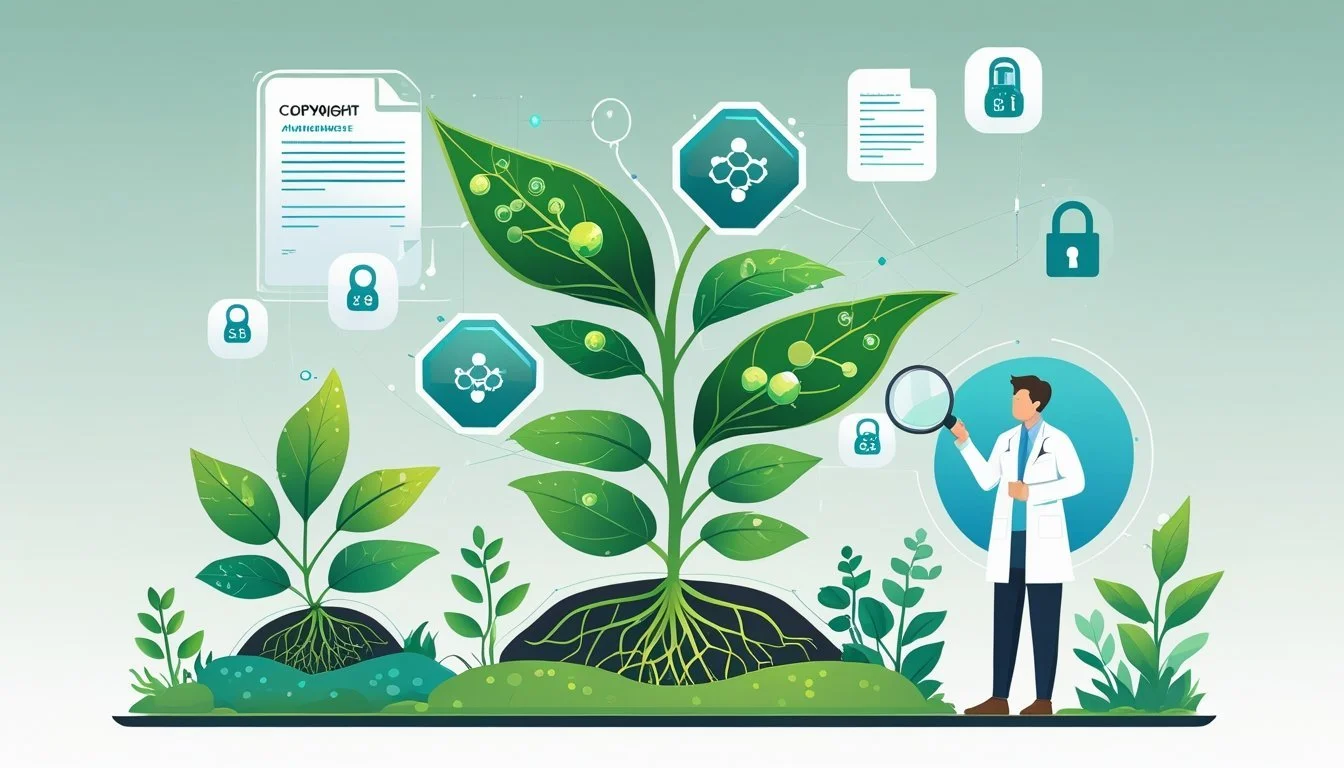
Effective science communication depends on understanding the legal frameworks that guide the use of intellectual property and protect content creators. Issues surrounding copyright, rules for use, and global intellectual property regulations are vital in any context where scientific material and public information intersect.
Copyright Regulations and Rights Holders
Copyright regulations protect original works such as articles, images, and data visualizations. Scientific authors, journalists, and organizations hold exclusive rights to their creations, giving them control over how content is used, distributed, and modified.
Common types of copyrighted materials in science communication include peer-reviewed papers, charts, infographics, and educational content. Reproducing these resources, especially without explicit permission or proper attribution, can violate copyright law and expose users to legal action.
Many publishers and institutions use licenses—like Creative Commons or institutional agreements—that specify how third parties may reuse content. Properly identifying and respecting these licenses helps prevent infringement and fosters ethical sharing.
Takedown Requests and Content Removal Policy
Takedown requests are legal demands to remove content that allegedly violates copyright laws. Rights holders submit these requests when they find unauthorized use of their intellectual property on websites, social media, or databases.
Website operators and publishers often have explicit content removal policies. These policies set procedures for responding quickly to takedown notices, verify the claimant's rights, and assess the material in question. Timely compliance with legitimate requests is crucial to avoid lawsuits and maintain credibility.
Steps in Handling a Takedown Request:
Receive and log the request.
Verify the claimant's rights and the alleged infringement.
Remove or restrict access to the contested material.
Notify the uploader or author and inform them of next steps.
International Intellectual Property Laws
Intellectual property laws vary widely by country, affecting how scientific content can be shared across borders. Some regions enforce stricter copyright protections, while others have exceptions for research, education, or fair use.
International agreements, such as the Berne Convention and the World Intellectual Property Organization (WIPO) treaties, set baseline protections for copyrighted works. These agreements ensure that content from one country is typically protected in others, helping rights holders maintain control worldwide.
Science communicators must consider local regulations and international treaties when sharing, adapting, or translating scientific information. This can impact digital publications, open-access research, and the reuse of figures or data globally.

