
My Carnivore Pregnancy Journey: Experiences, Challenges, and Health Insights
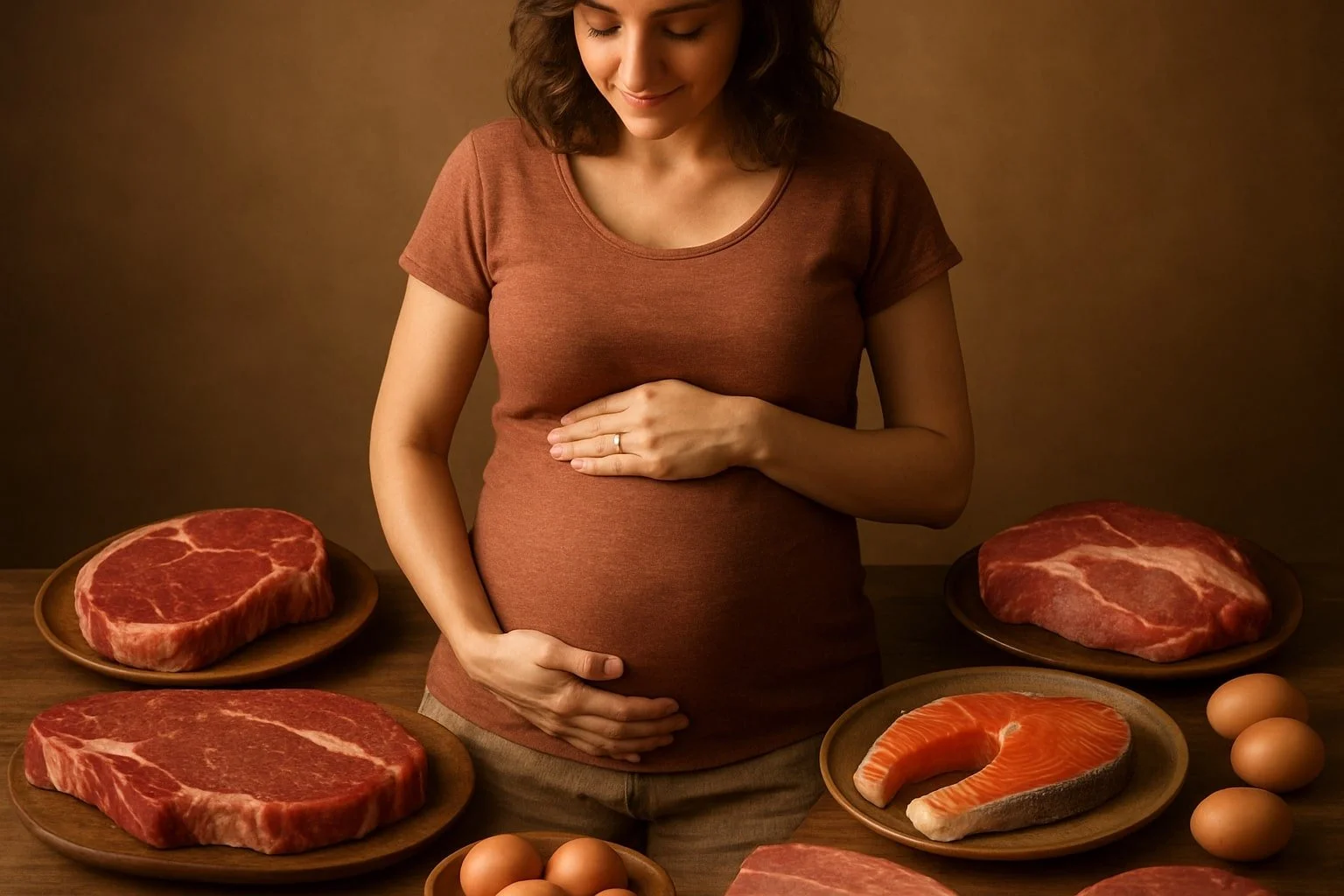
Many people wonder how a strict carnivore diet might affect pregnancy, both for the mother and the baby. A carnivore pregnancy journey can be challenging, especially during the first trimester when symptoms like nausea and food aversions make it difficult to stick to meat-focused meals. Some women have shared that maintaining a fully carnivore diet was not realistic due to constant morning sickness and an unexpected dislike for meat during early pregnancy.
As pregnancy progresses, diet choices can shift. Some find they are able to reintroduce more animal-based foods later on, while others adjust their diet to accommodate tolerable options like chicken, fish, or even some non-carnivore foods. The journey is not the same for everyone, and experiences can vary greatly depending on personal health, symptoms, and preferences.
Hearing personal stories about navigating the carnivore diet during pregnancy offers practical insight and can help others set realistic expectations. This exploration sheds light on the complexities of nutrition, cravings, and well-being while bringing new life into the world.
Why I Chose a Carnivore Diet During Pregnancy
Nutrition and health concerns can influence decisions about diet during pregnancy. A careful, informed approach is especially important when considering less common dietary paths.
Personal Motivations and Research
The main motivation stemmed from a desire to maximize nutrient density. Animal-based foods are rich in protein, iron, B vitamins, choline, and essential minerals, all of which can support fetal development.
After comparing standard prenatal recommendations with the nutritional value of a carnivore diet, she found that many commonly consumed meats and organ foods offer higher concentrations of key nutrients than plant-based sources. She prioritized whole cuts of beef, pork, eggs, and fish, while avoiding processed deli meats.
Several personal health factors played a role. She experienced fewer cravings, reduced morning sickness, and stable blood sugar levels when consuming only animal-sourced foods. Digestive comfort and energy levels also improved after switching from a mixed diet.
To weigh potential risks, she read scientific articles and reviewed experiences from other women who had chosen similar paths. While not a mainstream choice, anecdotal evidence suggested possible benefits for some individuals.
Consultation with Medical Professionals
She discussed the decision with both her doctor and a registered nutritionist before making dietary changes. The doctor addressed any possible nutrient deficiencies, advising regular monitoring of iron, folate, and vitamin D levels.
The nutritionist helped create a meal plan that included a variety of organ meats, bone broth, seafood, and eggs. These foods were chosen for their nutrient profiles and their ability to provide folic acid, omega-3 fatty acids, and other vitamins needed during pregnancy.
Routine blood tests and health checks ensured safe adherence to the carnivore diet. Both professionals emphasized hydration and recommended prenatal supplements to guard against low levels of any critical vitamins or minerals.
Table: Key Nutrients Covered
Nutrient Carnivore Diet Sources Iron Beef, liver Choline Eggs, liver Omega-3 Fatty fish Vitamin B12 Red meat, eggs Protein All animal foods
Understanding the Carnivore Diet for Expecting Mothers
The carnivore diet emphasizes animal products and excludes plant-based foods. This eating pattern can affect nutrition, macronutrient intake, and the diet’s overall suitability during pregnancy.
Basics of a Carnivore Diet
The carnivore diet is defined by its focus on foods derived exclusively from animals. Typical staples include beef, pork, poultry, fish, eggs, and certain dairy products such as cheese and butter. All fruits, vegetables, legumes, grains, and plant oils are removed entirely.
Followers of this diet consume zero to very few carbohydrates, relying primarily on protein and fats for energy. Meat and animal products dominate meals, while organ meats like liver and heart are sometimes included to increase micronutrient intake.
Pregnant individuals on this diet may find it restrictive, especially since common sources of fiber, vitamin C, and folate—found in plant foods—are absent. Attention to food variety within permitted animal products is necessary to address nutrient gaps.
Differences from Keto and Other Diets
The carnivore diet is stricter than keto and paleo diets, as it eliminates not just grains and sugars but all forms of plant food. Keto diets allow low-carb vegetables, nuts, and certain berries, while carnivore excludes these entirely.
Diet Type Carb Limit Animal Products Plant Foods Fiber Source Carnivore 0-2% (very low) Yes No None Keto 5-10% (low) Yes Limited (low-carb) Some Paleo Moderate-low Yes (lean) Yes Yes
Unlike paleo and keto, neither fruits nor vegetables are included on carnivore, minimizing fiber and most phytonutrients. This makes attention to overall nutrition and micronutrient balance more important for pregnant women.
Nutrient Profile of Animal Products
Animal products provide complete protein with all essential amino acids, supporting increased protein needs in pregnancy. They also supply vitamin B12, iron (heme iron, easily absorbed), zinc, and choline, micronutrients critical for fetal development.
Meats, eggs, and dairy are a primary source of saturated fats, which must be monitored, especially if there is a personal or family history of heart disease. Omega-3 fatty acids are obtained mainly from fatty fish and eggs.
However, the absence of plant foods leads to negligible fiber intake. Fiber is important for digestion and gut health, and its lack can increase the risk of constipation during pregnancy. Key vitamins such as vitamin C, folate, and some phytonutrients remain low or absent, highlighting the need for careful planning and possibly supplementation.
Health Benefits and Potential Risks
Some people report health improvements on a carnivore diet during pregnancy, while others experience risks or challenges that can’t be ignored. The effect on digestive health can be significant and merits careful attention.
Reported Health Improvements
Many following a carnivore diet report increased energy and clearer thinking, sometimes described as a reduction in "brain fog." Improved mental health, such as reduced anxiety or greater mood stability, is mentioned anecdotally.
Weight loss can occur, especially in those eating a high-carb diet before switching. Some individuals also see improvements in skin conditions, such as acne, likely due to the removal of common dietary triggers.
Those with certain autoimmune conditions sometimes experience fewer flare-ups. Protein intake is naturally high, supporting fetal growth and maternal muscle maintenance. Essential fatty acids from animal products contribute vital nutrients needed during pregnancy.
List of commonly reported benefits:
Better focus and energy
Fewer autoimmune symptoms
Stable mood
Clearer skin
Risks and Challenges
The carnivore diet is high in saturated fats, which poses concerns for heart health, especially with long-term adherence. Those following only animal-based foods may miss important micronutrients, such as fiber, vitamin C, and certain phytonutrients. Lack of dietary fiber can affect colon health and has raised questions regarding colon cancer risks.
High protein and fat intake may exacerbate existing health issues like high cholesterol or kidney concerns. There is limited research on how long-term carnivore eating affects pregnancy outcomes, so safety is not well established.
Pregnant individuals should be cautious about nutritional deficiencies. Iron intake is high, but folate and calcium may fall short without careful planning. Some may also find it difficult to manage symptoms like constipation or fatigue due to limited food variety.
Impact on Digestive Health
Eliminating all plant-based foods from the diet removes fiber, which is normally important for gut health. Some people report less bloating or an end to digestive discomfort, possibly because common irritants are eliminated.
However, lack of fiber can slow digestion and increase the risk of constipation. For some, this leads to more frequent digestive issues. Risk of colon cancer and other gastrointestinal conditions may rise over time due to reduced fiber intake.
Digestive enzyme production can also be affected, as the gut adjusts to a primarily meat-based diet. Close monitoring and, if needed, adjustments are key, especially during pregnancy when gut health is essential for both mother and baby.
Nutritional Considerations for Pregnancy

A carnivore diet during pregnancy demands careful planning to meet increased nutrient needs for maternal health and fetal development. Focusing on vital vitamins, minerals, protein, and healthy fats can help ensure both mother and baby remain healthy.
Essential Vitamins and Minerals
Pregnant women have a higher requirement for several vitamins and minerals, which can be challenging to achieve on a restrictive diet. Iron is crucial for preventing anemia and supporting baby's growth. Animal foods such as beef, lamb, and liver provide heme iron, which is well-absorbed.
Vitamin B12 is necessary for neurological development in the fetus. Red meats and organ meats contain significant amounts of this vitamin. Vitamin A, found in liver, is important in moderate amounts for immune and vision health, but excessive intake should be avoided due to possible toxicity.
Zinc and selenium support cell division and thyroid function. To ensure sufficient mineral intake, a variety of animal cuts—including muscle meat, organs, and seafood—can help cover gaps. Depending on individual lab results, some women may benefit from targeted supplements for nutrients like folate, magnesium, or iodine.
Nutrient Main Source Role in Pregnancy Iron Beef, liver, lamb Blood production, fetal growth Vitamin B12 Red meat, organs Brain/nerve development Zinc Shellfish, beef Cell growth/immune function Vitamin A Liver (moderation) Vision, organ development
Importance of Saturated Fats and Protein
Protein needs rise during pregnancy to support uterine and fetal tissue growth. A carnivore diet provides high-quality, complete proteins, with all essential amino acids. Eating both muscle meats and organ meats can help meet these elevated requirements.
Saturated fat is also abundant in animal foods and plays a crucial role in hormone synthesis, including progesterone and estrogen, which are key for a healthy pregnancy. It is important to select fatty cuts where possible to help meet both energy and essential fatty acid needs.
Some women may need to monitor their intake of very lean meats, as relying solely on low-fat options can lead to inadequate calorie intake and nutrient absorption. Balancing protein with animal fats offers both concentrated energy and fat-soluble vitamins.
Managing Energy Levels
Pregnancy increases overall energy needs, and a strict carnivore diet is often low in carbohydrates, leading many to rely on ketosis for fuel. Some pregnant women tolerate ketosis well, but others find additional energy from small amounts of dairy, eggs, or fatty meats helpful to reduce fatigue.
Regular meals of fatty meats, bone broth, and organ foods can help stabilize daily energy and avoid spikes and crashes. Hydration and adequate electrolyte intake, especially sodium and potassium, become even more important with increased blood volume and metabolic changes.
Women experiencing low energy should review caloric intake, fat-to-protein ratio, and iron status, as deficiencies in any of these areas can quickly affect endurance and daily well-being during pregnancy. Monitoring physical cues and lab results aids in making safe, tailored diet adjustments.
My Daily Carnivore Pregnancy Meal Plan

A carnivore diet during pregnancy emphasizes nutrient-dense animal products, carefully timed meals, and flexible adaptations as pregnancy needs change. Attention to micronutrient intake and consistent protein sources is an essential part of supporting health for both mother and baby throughout this approach.
Typical Foods and Animal Product Choices
Each day typically starts with a portion of eggs or ground beef, as these are easy to digest and high in protein and micronutrients. Beef, steak, liver, and fatty fish like salmon are included several times per week for their iron, B vitamins, and omega-3 content.
Snacks often involve hard cheeses or sticks of deli meats, while bone broth is used for extra hydration and minerals. Most carbohydrate-rich foods like grains, legumes, fruit, and vegetables are avoided, but some women include small amounts of honey or dairy for flexibility.
Here is a sample daily food list:
Meal Options Breakfast Scrambled eggs, bacon, beef sausage Lunch Ribeye steak, liver, salmon, bone broth Snack Hard cheese, cured meat Dinner Lamb chops, roast chicken, beef patties
Meal Timing and Intermittent Fasting
During pregnancy, meal timing is adjusted to match changes in appetite and energy needs. Some women use extended overnight fasting, such as 12-14 hour fasts, but flexibility becomes important as pregnancy progresses and hunger signals shift.
Small, frequent meals may become necessary in later trimesters to alleviate nausea, heartburn, or discomfort. Intermittent fasting is not always maintained daily and often depends on personal comfort and doctor recommendations.
Careful monitoring of energy intake is key, as fasting windows may need to be shortened to ensure consistent nutrition. Late-night or early-morning snacks, such as bone broth or slices of mild cheese, are common if hunger increases.
Adjusting for Pregnancy Needs
Nutritional needs rise during pregnancy, especially for protein, iron, folate, and fat-soluble vitamins. The meal plan is adjusted by increasing meal sizes, including fattier cuts of beef, or incorporating organ meats like liver weekly.
Hydration is closely tracked with extra bone broth and ample water intake. Some may add small servings of dairy or honey if energy demands climb or if managing food aversions becomes necessary.
Supplementation is discussed with a healthcare provider, especially for nutrients like folic acid and magnesium if they are not sufficiently supplied by animal products alone. Listening to the body’s changing requirements is vital for maintaining a balanced carnivore pregnancy diet.
Monitoring My Health and Pregnancy Progress
Maintaining a carnivore diet during pregnancy required careful attention to medical guidance and personal health data. Constant monitoring prevented potential complications and helped tailor nutrition to specific needs.
Working with Healthcare Professionals
She prioritized regular appointments with her doctor to assess both maternal and fetal health. Blood pressure, urine protein, and weight were checked at every visit to watch for signs of conditions such as preeclampsia or gestational diabetes. The doctor recommended periodic blood work to evaluate markers like hemoglobin, iron levels, and kidney function.
Consulting a registered nutritionist familiar with the carnivore diet helped balance macronutrients and micronutrients. This expert assessed vitamin and mineral intake, flagging areas like folate, vitamin D, and calcium that may need extra attention. Open communication with healthcare providers ensured symptoms—such as fatigue, swelling, or shifts in appetite—were quickly addressed.
If inflammation markers or blood sugar levels showed concerning changes, the team suggested diet adjustments. The goal was to maintain health for both mother and baby through measurable, science-based steps.
Tracking Biomarkers and Symptoms
She kept close track of specific data points to monitor the effects of the diet. At-home blood glucose tests helped screen for gestational diabetes. Blood pressure was measured weekly to catch early hypertension. Lab tests monitored inflammation markers like C-reactive protein (CRP), ferritin, and white blood cell count.
A detailed symptom journal included notes on energy, digestion, sleep quality, and any swelling or pain. Patterns in symptoms or lab values signaled when to consult a health professional or tweak the diet. Tracking weight gain ensured it stayed within doctor-recommended ranges.
Table: Example Biomarkers Tracked
Biomarker Frequency Purpose Blood Pressure Weekly Check for hypertension Blood Glucose Weekly Monitor for diabetes CRP & Inflammation Monthly Assess systemic inflammation Iron & Vitamin D Monthly Ensure adequate nutrition
Consistent tracking provided tangible data to support safe, healthy progress throughout pregnancy on a carnivore diet.
Fertility, Infertility, and the Carnivore Diet
Changes in diet can impact fertility and infertility in several ways, especially for those struggling to conceive. Many have explored how a carnivore diet influences hormone balance, nutrient intake, and the journey to pregnancy.
Experiences with Fertility Before Pregnancy
For some individuals, infertility is marked by irregular cycles, hormonal imbalance, or unexplained challenges in conceiving. Common issues reported include anovulatory cycles, low energy, or difficulty maintaining regular menstrual periods.
Lab reports may highlight low iron, vitamin deficiencies, or thyroid irregularities that interfere with reproductive health. Doctors often raise concerns about chronic inflammation and insulin resistance, both of which are linked to diet.
Attempts to improve fertility may involve previous use of plant-heavy or standard diets, fertility treatments, or supplements. Despite these efforts, some people find little improvement before considering a significant dietary change.
Changes Noticed After Diet Transition
Upon transitioning to a carnivore diet, some people notice specific improvements related to fertility. These can include more predictable cycles, stabilized energy, and fewer inflammatory symptoms.
The diet’s focus on animal protein, iron, zinc, and B vitamins addresses common deficiencies seen in people with infertility. Some report reduced symptoms of PCOS or endometriosis, both key factors in infertility.
Energy for daily activities often increases, and lab markers such as iron levels and hormone panels may begin to normalize. While comprehensive research is limited, anecdotal reports suggest these changes can improve the environment for conception.
Those experiencing benefits usually note the importance of consistency with the diet and attention to overall nutrient balance. Lists of common foods include beef, organ meats, fatty fish, and eggs, providing the body with building blocks needed for reproductive health.
Social Media and Community Support

Documenting a carnivore pregnancy on social media platforms such as Instagram can connect individuals with a wide audience interested in carnivore and animal-based diets. Learning from experienced mothers who have followed the carnivore diet during pregnancy provides practical advice, support, and reassurance.
Sharing My Journey on Instagram
She chose Instagram as her primary platform for sharing daily meals, pregnancy updates, and how she managed cravings while staying animal-based. High-quality photos, meal videos, and honest stories helped others see what a carnivore pregnancy looks like in practice.
Feedback came quickly. Followers, especially those curious or already eating animal-based, asked specific questions about nutrient intake, workout routines, and how she communicated with her doctor. She used Instagram’s interactive tools—polls, Q&A, and live sessions—to answer frequently asked questions and clarify myths about eating only animal products during pregnancy.
She created highlight reels to organize content, making it easy for followers to find tips on favorite cuts of meat, recipes, and tracking basic nutrition. This approach encouraged ongoing discussion and made information accessible to anyone exploring a similar path. The supportive responses in the comments and direct messages helped her feel less isolated during her pregnancy.
Learning from Other Carnivore Moms
Connecting with other women who have experienced a carnivore pregnancy proved invaluable. She joined specialized Facebook groups focused on animal-based and keto pregnancies, where members discussed their lab results, baby outcomes, and managing symptoms like morning sickness or gestational diabetes.
Within these communities, she observed that experiences varied widely. Some moms reported positive outcomes, steady weight gain, and improved blood markers, while others shared concerns raised by their healthcare providers. Practical advice included suggestions for affordable meat sources, how to fit in liver or organ meat, and sample shopping lists.
She relied on shared stories to prepare for prenatal visits, taking note of which health markers to track and what questions to ask clinicians. By learning from others, she refined her own approach and maintained confidence in her dietary choices. Consistently reading both challenges and successes kept her expectations realistic and her focus grounded in facts.
Reflecting on My Carnivore Pregnancy Journey
Adapting to a carnivore diet during pregnancy presented unique challenges, especially when balancing nutritional needs and dealing with physical symptoms. The experience provided clear lessons about managing health, handling dietary shifts, and planning for long-term well-being.
Lessons Learned and Advice
In the early stages of pregnancy, many experience strong food aversions, nausea, or vomiting. For those on a strict carnivore diet, sticking to only animal-based foods can become impractical. Listening to their body was crucial; when meat aversions became overwhelming, some flexibility with food choices helped manage symptoms and provided needed energy.
Practical advice includes prioritizing hydration and considering easy-to-digest proteins when heavy meats are unpalatable. Eggs, fish, and broths may sometimes be more tolerable than red meat during challenging periods. It’s useful to track symptoms and food intake to notice patterns and adjust as needed.
A key takeaway: strict adherence may not always be possible, and self-compassion is important. Consulting with a healthcare professional about diet changes, and being open to a wider range of nutrient sources during difficult weeks, can support both maternal and fetal health.
Future Health Considerations
Long-term health for both mother and child depends on sustained, adequate nutrition throughout pregnancy. It’s important to monitor for signs of deficiencies, especially with restrictive diets. Iron, B12, and essential fatty acids are priority nutrients that require regular attention.
Women should plan for postpartum needs as well, as nutritional demands are high during recovery and breastfeeding. Ongoing dialogue with a qualified healthcare provider can help guide safe dietary adjustments as pregnancy progresses and after delivery.
Considering periodic bloodwork to check nutrient levels may offer peace of mind and early detection of potential issues. Setting realistic expectations and building flexibility into diet planning helps support better health outcomes in both the short and long term.

