
My Carnivore Story: Healing from an Eating Disorder with a Meat-Based Diet

Many people seeking recovery from an eating disorder explore different ways to support their mental and physical health. For some, transitioning to a carnivore diet—focusing solely on animal-based foods—offers a structured approach that helps restore nutritional balance and reduce obsession with food choices. This approach differs from mainstream dietary advice but has gained attention among those searching for alternative paths to healing.
The author’s journey with the carnivore diet began after years of struggling with restrictive eating and the constant cycle of guilt and anxiety around food. By removing most variables and focusing on simplicity, the carnivore diet provided a sense of stability and clarity in both body and mind. That personal experience highlights the complex relationship between diet, mental health, and the process of recovery.
Readers interested in real-life perspectives on eating disorder recovery may find the author’s experience with the carnivore diet both relatable and thought-provoking.
Understanding Eating Disorders and Mental Health
Eating disorders affect both the mind and body, with significant consequences for daily functioning and long-term health. These conditions are complex, involving emotional, behavioral, and physical symptoms that often overlap with other mental illnesses.
Types of Eating Disorders
Eating disorders include several diagnoses, each with unique features. Anorexia nervosa is marked by severe food restriction, an intense fear of gaining weight, and a distorted body image. Bulimia nervosa involves cycles of binge-eating followed by compensation, such as vomiting or excessive exercise. Binge-eating disorder is characterized by consuming large amounts of food in a short period, often accompanied by distress and guilt, without regular purging behaviors.
Other related conditions can include body dysmorphia, in which individuals are preoccupied with perceived flaws in their appearance, and symptoms of obsessive-compulsive disorder (OCD) relating to food rules or rituals. These disorders often co-occur with depression, anxiety, and self-harm behaviors.
Psychological and Physical Effects
Eating disorders have both immediate and long-term health risks. Psychologically, they may trigger anxiety, depression, and impaired social relationships, sometimes leading to self-harm or increased risk for suicide. Cognitive impacts can include trouble focusing, obsessive thoughts about food, and distorted body perception.
Physically, malnutrition is a major concern and can result in muscle wasting, weakened bones, electrolyte imbalances, and organ damage. Chronic pain, fatigue, gastrointestinal issues, and even life-threatening complications may occur. Medical intervention is often required to stabilize physical health before addressing underlying psychological factors.
Relationship Between Mental Health and Nutrition
There is a strong two-way relationship between nutrition and mental health. Inadequate nutrition can contribute to symptoms of depression, irritability, and cognitive decline. Many people with eating disorders develop deficiencies in essential nutrients, which can worsen mental health and physical pain.
Adequate and balanced nutrition is important in managing conditions such as schizophrenia or mood disorders, as it helps maintain stable brain chemistry. Treatment often requires the collaboration of mental health professionals, physicians, and dietitians to address both emotional and biological needs. Proper nutrition supports recovery, but must be paired with psychological therapies to address the root causes of disordered eating.
My Experience With Eating Disorders
For many, eating disorders involve a complex mix of emotional and physical challenges. Patterns of harmful habits, treatment attempts, and experiences with both dietary and mental health interventions shape the journey.
Early Struggles and Triggers
Eating disorders often begin in adolescence or early adulthood, with subtle signs like food restriction or secretive eating. Stressful life events, academic pressures, and body image issues commonly contribute as triggers. Valerie Smith struggled for decades with disordered eating, showing how this condition can be lifelong when left untreated.
Physical symptoms such as malnourishment, fatigue, and dramatic weight changes can emerge. Some patients may turn to alcohol to cope, compounding physical harm. Others live high-functioning lives outwardly, even as their health steadily deteriorates.
Families and loved ones sometimes become informal caretakers. They intervene during crisis points, such as severe malnutrition or when risky behaviors escalate. The role of a caretaker becomes vital, especially if hospitalization is required.
Attempts at Recovery With Conventional Diets
Conventional recovery approaches often involve structured meal plans and food groups reintroduction. Many patients are encouraged to adopt balanced eating methods, yet relapse is common due to lingering psychological issues.
Repeatedly cycling between short-term recovery and relapse can be disheartening. Gentle encouragement from caretakers can help, but shame and frustration often persist. Support groups, nutritionists, and regular monitoring may be suggested, but these do not always address root causes.
Some individuals try multiple dietary approaches, hoping a certain plan might ease symptoms. In Valerie Smith’s case, standard treatments did not yield lasting results, highlighting that not all diets work for everyone. This can result in despair or skepticism toward new recovery strategies.
Seeking Professional Help
Professional help typically includes therapy sessions, medical monitoring, and sometimes medication. Mental hospitals or eating disorder clinics offer intensive programs for those in crisis, providing supervised nutrition as well as psychological support.
Doctors may prescribe antidepressants or antipsychotics, especially if depression or anxiety is prominent. A mix of therapies such as cognitive-behavioral therapy (CBT) and group support is common. Some patients, like those referenced in published accounts, attend facilities far from home, requiring caretakers to manage family responsibilities during their absence.
Even with professional help, progress can be slow. Transitioning back to daily life sometimes leads to setbacks, underscoring the chronic and relapsing nature of eating disorders. Support systems, medication, and therapy remain critical components throughout this process.
Discovering the Carnivore Diet
Switching from a plant-based or conventional diet to a carnivore diet can involve dramatic changes to both mindset and lifestyle. Specific foods, common misconceptions, and the motivation behind the decision all shape the journey.
Transitioning From Plant-Based and Conventional Diets
Many people begin with diets such as vegetarian, pescatarian, or a typical "balanced" diet that includes both animal and plant foods. Some may try the ketogenic (keto) diet, focusing on low-carb options, before considering a meat-only approach.
The transition involves replacing grains, legumes, fruits, and most vegetables with foods like red meat, beef, chicken, bacon, and cheese. For those accustomed to daily salads or oats, this can be a significant mental shift.
Common meals in the carnivore diet might include ground beef patties, steak, eggs, and minimal dairy, such as hard cheeses. Many report dropping coffee and processed snacks as part of this change. Early experiences often involve adapting to a higher fat intake and learning to cook animal foods simply, using salt and minimal seasonings.
Adapting digestion and energy levels may take time, with some reporting changes in satiety and reduced cravings. Support groups and online forums often provide guidance, especially during the initial weeks.
Research and Inspiration
Research and personal stories play a big role in the adoption of the carnivore diet. Many turn to the diet after hearing testimonials of healing from eating disorders or chronic health issues.
Authors, physicians, and advocates such as Dr. Ken Berry, along with popular blogs, share detailed case studies. These sources highlight reported improvements in mood stability, reduced anxiety, and less food-related distress—especially for individuals who struggled with restrictive eating patterns on plant-based or keto diets.
Reading about specific examples—such as individuals who overcame fibromyalgia, chronic pain, and eating disorders—can provide both motivation and a practical framework. Many use lists to track personal progress, noting changes like stable energy and reduced food obsessions.
Evidence from the carnivore community often notes the simplicity of basing meals around beef, chicken, bacon, and cheese compared to the variety and preparation needed for a plant-based or pescatarian diet. This straightforward approach can help remove decision fatigue, which is important when recovering from disordered eating.
Healing Journey on a Carnivore Diet
Many people turn to the carnivore diet for relief from persistent health struggles. For those recovering from an eating disorder, a meat-based approach can impact mental wellness, physical vitality, and attitudes toward food.
Improvements in Mental Health and Anxiety
After switching to a carnivore diet, some individuals notice a significant reduction in anxiety and depressive symptoms. The diet eliminates processed foods and common dietary triggers, which may support brain health through more stable blood sugar levels and optimal intake of nutrients such as B vitamins and omega-3s.
Mood stabilization and a calmer mindset are often reported within the first month. Regular, nutrient-dense meals help minimize obsessive thoughts about food and reduce emotional highs and lows linked to previous eating habits. For some, this structure brings a sense of security and routine that is lacking in less restrictive diets.
Unlike plant-based patterns that may limit certain amino acids necessary for neurotransmitter balance, a carnivore diet provides these in abundance. Consistent nutrient intake can help ease cycles of worry and self-criticism that often accompany disordered eating.
Physical Recovery and Increased Energy
Physical recovery on a carnivore diet often brings steady improvements. Digestive issues—such as bloating, discomfort, or irregularity—tend to lessen as processed foods are removed. As the gut lining heals, nutrient absorption becomes more effective.
Many experience an increase in daily energy after several weeks. This is credited to the body's access to high-quality proteins, iron, and fats, which support hormone production and tissue repair. Some people with a history of under-eating or restrictive diets find muscle aches, fatigue, and cold intolerance gradually diminish.
Steady blood sugar from meat-based meals can also cut down on energy crashes common with disordered eating. For those previously obsessed with calorie counting or nutrient deficits, freedom from constant hunger and the return of physical strength can mark key milestones in the healing journey.
Overcoming Disordered Eating Behaviors
Adopting a carnivore diet changes the relationship many have with food. By eliminating food variety and choice overload, it simplifies eating routines and reduces the pressure associated with meal decisions. This encourages more mindful eating habits and alleviates food obsession.
The diet’s focus on satiety can help interrupt binge-restrict cycles. Most find that eating until comfortably full becomes natural, and guilt around meals lessens over time. The absence of trigger foods—such as sugar or processed snacks—can make it easier to avoid compensatory or compulsive behaviors.
Tracking progress is often more tangible: markers like skin improvement, regular digestion, and balanced appetite offer feedback on recovery beyond the scale. With a consistent source of nutrients and clarity around what to eat, individuals gain the confidence to focus on healing rather than control.
Nutritional Benefits of the Carnivore Diet

An animal-based ketogenic diet provides a concentrated source of nutrition that differs from plant-based or mixed diets. This approach emphasizes specific nutrients often found in animal foods which may be important in both physical health and mental health recovery.
Key Nutrients and Their Role in Recovery
Animal foods like beef, fish, and eggs are rich in complete proteins, heme iron, zinc, and B vitamins. These nutrients are vital for tissue repair, hormone synthesis, and immune function, all of which can support recovery from malnutrition or disordered eating.
Key nutrients in the carnivore diet:
Nutrient Source Role in Recovery Protein Beef, fish, eggs Muscle repair, satiety, metabolism Iron (heme) Red meat, liver Restores energy, reduces fatigue Vitamin B12 Beef, organ meats Supports nerve and brain health Zinc Red meat Immune function, wound healing Omega-3 Fats Fatty fish, eggs Anti-inflammatory, brain protection
Unlike plant-based proteins, animal protein contains all essential amino acids. This makes it more effective in supporting healing and preventing new deficiencies. The inclusion of healthy animal fats also provides steady energy without large blood sugar swings.
Impact on Neurotransmitters and Mental Well-Being
Nutritional psychiatry research highlights the connection between diet, neurotransmitters, and mood regulation. High-quality protein supplies amino acids like tryptophan and tyrosine, which are building blocks for serotonin and dopamine.
An animal-based ketogenic diet may positively influence neurotransmitter balance by increasing dietary fat and reducing sugar spikes. This stable fuel source supports steady brain chemistry and can help reduce anxiety or mood swings that are often present during recovery.
Certain nutrients abundant in animal foods, such as choline from eggs and omega-3s from fish, are critical for maintaining healthy neural membranes and supporting cognitive function. This targeted nutrition is being studied in metabolic psychiatry for its potential to improve mental resilience during recovery from eating disorders.
Addressing Common Health Conditions and Challenges

Some individuals who turn to the carnivore diet are managing complex health conditions, including digestive complications and chronic inflammation. Dietary changes can influence symptoms, with potential benefits and important considerations for those affected.
Digestive Issues and Gastroparesis
People struggling with digestive issues, such as bloating, irritable bowel syndrome (IBS), and gastroparesis, often report significant symptom changes when switching to a carnivore diet. The elimination of fiber and plant foods can help minimize triggers tied to bloating or discomfort. In cases of gastroparesis, which is delayed stomach emptying, easily digestible animal protein may be tolerated better than mixed meals high in fiber or fat.
However, not all people respond the same way. For some, increased fat or protein could potentially aggravate symptoms, so careful monitoring and individualized adjustments are needed. Staying hydrated and selecting easily digestible cuts of meat can help address constipation and promote more predictable digestion. Anyone with severe digestive issues or organ prolapse should consult a healthcare provider before making dietary changes.
Inflammation and Pain Management
Arthritis and other inflammatory disorders can be worsened by certain foods. Some people report that removing potential dietary triggers, such as gluten or processed carbohydrates, leads to fewer flare-ups and reduced joint pain on a carnivore regimen. Animal-based diets are naturally free from many common allergens and food additives, which may benefit those sensitive to these ingredients.
While anecdotal reports and a small number of case studies suggest improvement in symptoms like joint pain, swelling, and general inflammation, scientific evidence is still evolving. Regular assessment of bone health is crucial, especially for people with osteoporosis or at increased risk. Those who are pregnant or experiencing postpartum depression should approach dietary changes cautiously and under medical guidance, as nutritional needs are higher and more specific during these stages.
Lifestyle Changes and Sustainable Recovery
Long-term recovery from an eating disorder often requires meaningful changes to daily routines and food choices. Positive results are driven by intentional habits and continued support.
Building a Support System
Having a reliable support system can make a measurable difference in the recovery process. Many people benefit from involving family members, friends, or caretakers who genuinely understand the challenges of a restrictive or disordered eating background.
Regular check-ins with healthcare professionals, such as therapists or dietitians, support responsible decision-making and help prevent setbacks. Peer support groups—online or in-person—offer a sense of community and allow sharing of practical strategies. Simple routines, like scheduled meals or accountability calls, reinforce stability.
Below is a list of supportive resources that may help:
Trained healthcare providers
Family or close friends
Support groups (local or virtual)
Meal planning apps or tools
A strong support network reduces isolation and encourages healthy habits over time.
Maintaining a Healthy Diet Long-Term
Sustaining a carnivore lifestyle for recovery requires more than just eating animal-based foods. It's important to create a structured meal plan prioritizing nutrient-rich options such as beef, eggs, and organ meats. Including variety can help cover essential vitamins and minerals, supporting physical and mental health.
Preparation matters—batch-cooking, shopping lists, and regular meal times can make a balanced diet more feasible day-to-day. Hydration and monitoring for signs of deficiencies remain ongoing needs.
People in recovery should practice adaptability. Signs of intolerance, digestive distress, or other issues may require adjustments or guidance from a medical professional. Regularly tracking symptoms and being open to change are key components of a sustainable approach.
Scientific Evidence and Clinical Insights
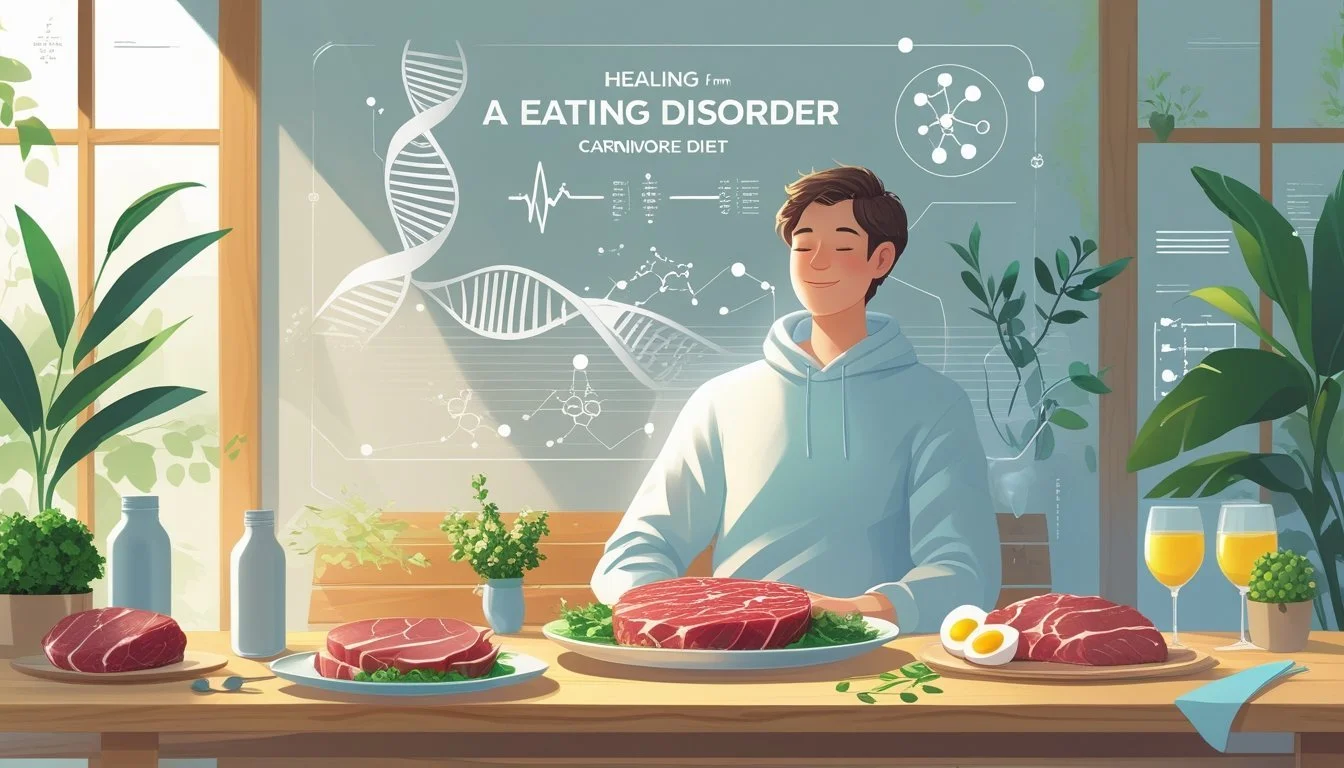
Research into the impact of the carnivore diet on eating disorders and mental health is ongoing, but current findings from clinical studies and expert analysis offer valuable perspectives. Both published trials and experienced clinicians highlight patterns in symptom relief and practical outcomes for those with complex dietary and psychiatric histories.
Relevant Clinical Trials and Studies
Studies on the carnivore diet are limited but growing in number. One notable example is the Harvard Carnivore Diet Study, which examined thousands of individuals following an animal-based diet. Reported outcomes included improved mood and reductions in symptoms of anxiety and depression among some participants.
Specific trials on eating disorders are sparse, but published case reports and retrospective analyses document improvements in binge-eating and compulsive behaviors. Most research points to increased satiety and stabilization of blood glucose as common experiences.
While large randomized controlled trials are still needed, smaller clinical evaluations suggest the diet may benefit those with treatment-resistant conditions. Side effects and sustainability remain areas under investigation, making medical supervision essential.
Expert Opinions on Carnivore Diet and Mental Health
Several experts in metabolic psychiatry have shared their clinical observations. Dr. Georgia Ede, a Harvard-trained psychiatrist, has found well-formulated carnivore diets helpful in challenging cases of overeating and binge-eating disorders. Other clinicians, such as Dr. Ken Berry and Dr. Shawn Baker, report positive outcomes regarding mental clarity and mood regulation.
Anecdotal evidence from practitioners includes documented cases where individuals experienced notably fewer cravings and mood swings after transitioning to animal foods. Experts consistently emphasize the need for individualization and careful monitoring, especially in those with history of mental health challenges.
Key points professionals frequently mention:
Potential for improved emotional stability
Reduced urges to binge
Need for ongoing research and patient-specific plan

