
Dairy-Free Carnivore: Who Should Try It and What to Expect
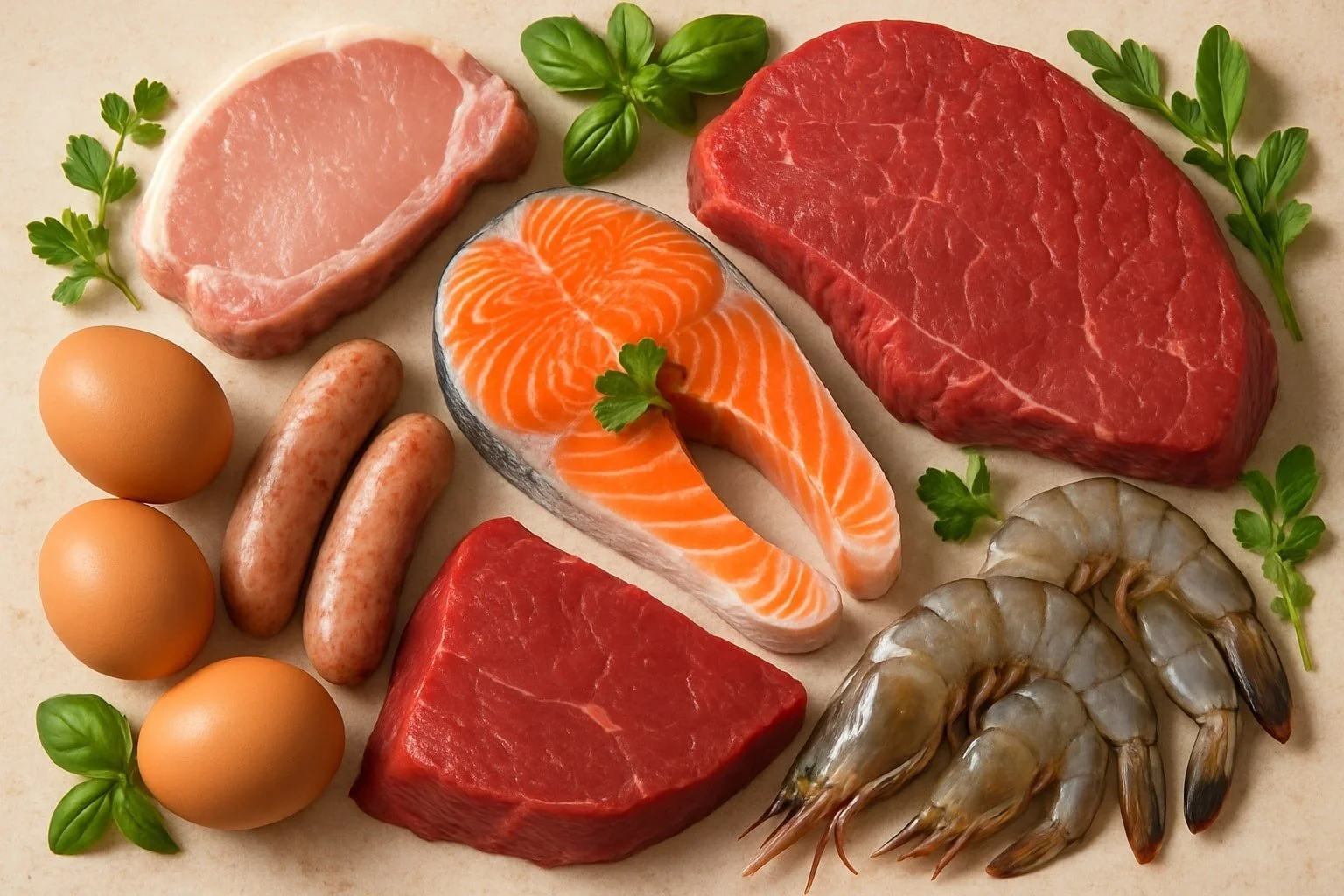
A dairy-free carnivore diet is ideal for individuals who experience dairy intolerance, allergies, or unwanted side effects from consuming milk, cheese, or butter. This approach can also benefit those with autoimmune conditions, digestive disturbances, or a history of negative reactions to A1 dairy proteins. Eliminating dairy while focusing on animal-based foods allows people to maintain a strict carnivore diet without risking discomfort or health setbacks related to dairy.
Many people find success with a dairy-free version of carnivore when managing symptoms like bloating, skin issues, or persistent inflammation. Prioritizing high-quality meats, organ foods, and animal fats ensures nutritional needs are met without relying on any form of dairy.
For those questioning if a dairy-free carnivore lifestyle is necessary or right for them, clear signs often come in the form of recurring symptoms after consuming dairy. Exploring a dairy-free approach can offer clarity and relief.
What Is a Dairy-Free Carnivore Diet?
A dairy-free carnivore diet centers on animal-based foods but intentionally excludes all dairy. This approach is popular with people who are lactose intolerant, sensitive to dairy proteins, or wish to follow the strictest form of animal-only eating.
Defining the Carnivore Diet
The carnivore diet is a restrictive eating pattern that focuses on consuming only animal foods. This means meals usually consist of meat, fish, eggs, and animal fats. Common protein choices include beef, lamb, pork, and poultry.
Organ meats such as beef liver are encouraged due to their nutrient density. The diet removes plant foods, eliminating carbohydrates and most fiber. Some variations include animal-derived products like eggs and low-lactose dairy, though strict followers may avoid these.
Nutritional goals focus on high intake of protein and fat. Followers often rely on animal tallow or rendered fats for cooking. Emphasis is on simplicity—most meals feature just meat, salt, and sometimes eggs.
Dairy-Free Versus Traditional Carnivore
A traditional carnivore diet sometimes allows dairy products like butter, cheese, milk, and heavy cream, provided these come from animals. For many, dairy increases food variety and calorie intake while still aligning with an animal-based philosophy.
A dairy-free carnivore removes all forms of dairy, including cheese, cream, milk, yogurt, and butter. Some include ghee, as it is clarified and very low in lactose and casein, but very strict versions may exclude even that.
Choosing dairy-free can help those with lactose intolerance or dairy allergies avoid digestive discomfort or inflammatory reactions. It also mirrors the "Lion Diet," which is the most restrictive segment and typically includes only meat, salt, and water.
Common Foods Included and Excluded
Included foods on a dairy-free carnivore diet usually are:
Beef (muscle meat and organ meats like beef liver)
Lamb
Poultry
Eggs (whole, yolks)
Fish and shellfish
Animal fats like tallow
Bone broth
Foods generally excluded:
Dairy (milk, cheese, heavy cream, butter)
Ghee (may be allowed for some but excluded on strict plans)
All plant-based foods (including honey)
Processed foods
Many avoid all animal-derived dairy, but eggs remain a staple for those who tolerate them, as they are not classified as dairy. Bone broth and tallow provide cooking options and nutrition without introducing dairy proteins or sugars.
Who Should Consider Dairy-Free Carnivore?
A dairy-free carnivore approach can be especially useful for people struggling with specific digestive concerns, immune issues, or those using strict elimination diets to identify food sensitivities. The following groups are likely to benefit most from removing dairy while following a carnivore diet.
People With Digestive Issues
Many people on carnivore struggle with lingering digestive problems, such as bloating, diarrhea, or abdominal pain. Dairy can be a hidden trigger for these symptoms due to casein proteins or fat content.
Removing milk, cheese, and cream often results in noticeable reductions in gas and discomfort. This approach also allows the gut to heal and stabilizes digestion for some individuals.
Those who have not achieved full symptom relief on standard carnivore may want to assess dairy elimination as a practical next step. Improved digestion typically leads to more consistent energy and well-being.
Common digestive complaints associated with dairy include:
Bloating
Gas
Diarrhea
Cramping
Individuals With Lactose Intolerance
Lactose intolerance is the inability to digest lactose, the main sugar in milk. It affects a large portion of the adult population—especially those of Asian, African, Native American, or Hispanic descent.
Affected individuals may develop gas, stomach rumbling, loose stools, or cramps soon after consuming dairy. These symptoms can be mild or severe, depending on the amount of lactose present.
For someone with lactose intolerance, even small amounts of milk or soft cheese can cause discomfort. Adopting a dairy-free carnivore diet eliminates this source of irritation.
Some people tolerate aged cheeses or butter, which have lower lactose levels, but for strict avoidance, all dairy should be eliminated to prevent symptoms.
Those Experiencing Inflammation or Bloating
Certain proteins in dairy, such as casein or whey, can trigger inflammatory responses in sensitive people. Symptoms may include joint pain, swelling, skin rashes, or persistent bloating.
Low-grade inflammation can worsen autoimmune conditions or slow recovery from physical exertion. Eliminating dairy from the carnivore diet may lead to reduced inflammation and more comfortable digestion.
Many individuals report lower joint pain, clearer skin, and less abdominal swelling within weeks of removing dairy products. Tracking symptoms can help determine if dairy is a likely cause.
A simplified list of common inflammatory symptoms associated with dairy:
Joint pain
Swelling
Skin irritation
Bloating
AIP and Elimination Diet Seekers
The Autoimmune Protocol (AIP) and other elimination diets are designed to remove foods commonly linked with immune reactions or sensitivities. Dairy is often excluded due to its potential to exacerbate symptoms.
People using carnivore as an elimination strategy benefit from going dairy-free if they need to identify triggers of autoimmune flare-ups or chronic health issues. Removing dairy helps isolate animal foods and makes it easier to reintroduce items later and assess reactions.
This method is especially relevant for those with autoimmune diseases, skin disorders, or unexplained fatigue. AIP-inspired carnivore eating can provide a clearer baseline for understanding individual food responses.
Potential Health Benefits of Going Dairy-Free on Carnivore
Many people choose to eliminate dairy from a carnivore diet to address personal health concerns and optimize nutrient intake. This often leads to notable changes in digestion, immune response, and daily cognitive performance.
Improved Digestive Health
Removing dairy can be beneficial for individuals with lactose intolerance or sensitivity to specific milk proteins, such as A1 beta-casein. Consuming conventional milk may trigger bloating, gas, or discomfort due to the presence of lactose or problematic protein fragments.
By excluding dairy, the digestive tract often experiences less inflammation and irritation, particularly in those prone to gut sensitivity. This can support more regular bowel movements and ease symptoms of irritable bowel syndrome (IBS) or similar digestive disorders.
Some people who cut out dairy report enhanced nutrient absorption because their gut lining is less irritated. Focusing on nutrient-dense animal foods like meat and eggs instead of relying on dairy allows for adequate protein and micronutrient intake without digestive complications.
Reduction in Allergic Responses
Dairy products, especially those containing A1 casein, can prompt immune reactions in susceptible people. These reactions may manifest as increased sinus congestion, skin breakouts, or chronic inflammation. For people with allergies or autoimmune tendencies, removing dairy is one method for reducing these symptoms.
A dairy-free carnivore approach may decrease the likelihood of developing eczema, acne, or respiratory issues often linked to dairy proteins and fats. By focusing on non-dairy animal foods, the immune system is less likely to be overstimulated.
Eliminating dairy can also help some people identify lingering sensitivities. This practice makes it clear whether these symptoms were associated with dairy or other foods in the diet.
Mental Clarity and Energy Metabolism
Some individuals notice improved mental sharpness and sustained energy levels after cutting dairy from a carnivore diet. This effect is particularly noticeable in those who previously experienced brain fog or sluggishness after consuming milk, cheese, or other dairy products.
Lactose and certain dairy proteins can cause temporary spikes in insulin, possibly leading to subsequent drops in blood sugar and energy. For people sensitive to these effects, removing dairy can stabilize blood glucose and energy metabolism throughout the day.
A nutrient-dense, dairy-free animal diet provides ample protein and fat for steady energy, which may contribute to better focus and mental clarity. This is most relevant for those who struggled with inconsistent alertness after dairy consumption.
Nutritional Considerations and Challenges
Going dairy-free on a carnivore diet changes nutrient intake patterns, increasing the focus on variety and nutrient density from animal sources. Certain vitamins, minerals, and macronutrients need particular attention to support long-term health on a dairy-free carnivore approach.
Protein Quality and Selection
Dairy is a significant protein source for many, but removing it requires individuals to rely on meat, poultry, fish, and eggs. These foods provide high biological value protein and all essential amino acids. Beef, chicken, pork, lamb, and fatty fish are primary choices, each offering slightly different nutrient profiles.
Grass-fed beef and wild-caught fish deliver more omega-3 fats than conventional options. Organ meats, such as liver, are especially valuable; they offer high-quality protein along with extra nutrients like vitamin A and iron. Lean meats may need to be balanced with fattier cuts to maintain proper energy levels on a dairy-free carnivore diet.
Vitamins and Minerals To Watch
Without dairy, calcium intake naturally drops, so alternative animal sources become important. Sardines (with bones), bone-in salmon, and animal bones used in broths can support calcium intake. Eggs and certain fish also contain small amounts.
Vitamin D and vitamin B12 are generally abundant in animal products like fish, liver, and eggs. However, iron and zinc absorption is optimal from red meat, while selenium is plentiful in seafood and organ meats. B vitamins, including B6, riboflavin, and niacin, are present in most meats, though those who avoid organ meats should be mindful of potential gaps.
A sample table for mineral and vitamin sources:
Nutrient Key Sources (No Dairy) Calcium Sardines, salmon bones, broths Iron Beef, lamb, liver Vitamin B12 Liver, eggs, fish Selenium Seafood, kidney, eggs Vitamin D Fatty fish, liver, eggs
Fats and Carnivore Macros
Dairy products, especially cheese, cream, and butter, contribute both saturated and unsaturated fats on a standard carnivore diet. When omitting them, individuals must adjust fat sources to maintain energy needs and proper macronutrient ratios for satiety.
Fatty cuts of beef, pork belly, lamb, and fatty fish are practical options. Adding rendered animal fats such as lard, tallow, or duck fat can help balance meals. Those relying too heavily on lean meats risk inadequate calorie intake and possible nutrient imbalances.
Consuming a mix of saturated and unsaturated fats from animal sources supports essential fatty acid intake and helps maintain hormonal and metabolic health. Tracking total fat and protein intake may be needed to fine-tune results and well-being over time.
Nutrient Deficiencies: Risks and Solutions
A dairy-free carnivore diet can limit sources of several key nutrients, especially calcium and vitamin D. It’s important to understand how to identify and address these potential gaps for long-term health and optimal function.
Calcium and Bone Health
Calcium plays a direct role in bone strength, muscle function, and nerve signaling. Removing dairy from the diet can reduce calcium intake significantly, putting bone health at risk if not managed carefully.
Some non-dairy, animal-based sources of calcium include bone-in small fish (like sardines and salmon), bone marrow, and homemade bone broth. Regularly consuming these foods boosts calcium intake on a dairy-free carnivore diet.
Using bone broth frequently in meals is a practical way to provide both calcium and other supportive minerals, such as magnesium and phosphorus. However, relying only on muscle meats will not supply enough calcium and may increase nutrient deficiencies over time.
Vitamin D and Absorption
Vitamin D is essential for calcium absorption and bone health. Without fortified dairy, the main sources are fatty fish, egg yolks, beef liver, and sunlight exposure.
Low vitamin D intake can impair calcium use in the body, even if calcium intake is sufficient. For many, sun exposure may not be enough, especially in winter or for people with darker skin. Incorporating fatty fish like salmon, mackerel, or sardines several times per week can increase vitamin D levels.
Testing vitamin D status with a blood test allows individuals to identify any deficiency that might need to be addressed with supplements. Proper vitamin D levels protect bone health and support muscle function.
Addressing Other Micronutrient Needs
Going dairy-free on a carnivore diet can also decrease intake of other micronutrients such as magnesium, potassium, and certain B vitamins. Organ meats—including liver, heart, and kidney—are important sources of many of these nutrients.
The reduction of plant foods removes vitamin C and fiber from the diet. Muscle meat and organ meat do contain some vitamin C, but often in lower amounts compared to fruits or vegetables.
Salt and electrolyte supplementation may be necessary to balance sodium, potassium, and magnesium levels. Tracking symptoms like muscle cramps or fatigue can help signal when minerals are lacking and adjustments are needed.
Foods to Eat and Avoid on Dairy-Free Carnivore
A dairy-free carnivore diet centers on animal-derived foods while eliminating all forms of dairy, including cheese, milk, cream, and butter. Focus is placed on clean protein sources, nutrient-dense organ meats, and pure animal fats to ensure nutritional adequacy and variety.
Meat and Animal-Based Staples
The core of a dairy-free carnivore diet is muscle meats—beef, lamb, pork, chicken, and turkey are all suitable. Fatty cuts of meat such as ribeye, chuck roast, and pork belly offer both protein and energy, which helps compensate for the calories usually provided by dairy.
Beef liver and other organ meats offer essential vitamins and minerals, especially vitamin A, iron, and B12. Including small servings of lamb liver or heart on a weekly basis can further boost nutrient intake.
Fish and shellfish—like salmon, sardines, shrimp, and oysters—supply omega-3s and trace minerals. These options help create a well-rounded menu and add taste variety. Avoid any pre-marinated or processed meats containing plant-based additives or fillers.
Eggs, Tallow, and Animal Fats
Eggs, particularly whole eggs with the egg yolks, are nutrient-dense with high-quality protein, choline, and fat-soluble vitamins. They are versatile and can be incorporated into nearly every meal, making them a dietary staple.
Rendered animal fats such as beef tallow, duck fat, and pork lard can be used for cooking or as toppings. These pure animal fats help meet caloric needs and add flavor. Sea salt can be used as the primary seasoning to support electrolyte balance.
Dairy-derived fats (like butter and ghee) are omitted. Animal gelatin, from bone broth or hydrolyzed collagen, offers protein and supports joint health without including any dairy content.
Carnivore-Approved Snacks and Additions
Snacking options mainly include animal-based items free from dairy. Jerky made from beef, turkey, or lamb—ensuring no sugar or plant additives—is widely used. Hard-boiled eggs, cold slices of steak, and small servings of beef liver are quick snack choices.
Homemade or minimally processed bone broth provides a source of gelatin and supports hydration. Tallow crisps or pork rinds offer crunchy, satiating options.
While strict carnivore plans avoid sweet foods, some may choose to include small amounts of honey as an optional carb source, though this is not universally accepted. Always check ingredient lists to verify no dairy or plant-based fillers are present.
Dairy Ingredients Explained: Casein, Whey, Lactose
Dairy contains several proteins and sugars that impact individuals differently. The way a body responds to lactose, casein, and whey can determine whether dairy fits into a carnivore diet.
Lactose and Lactose Tolerance
Lactose is the main sugar found in dairy. Many adults have reduced lactase enzyme activity, leading to lactose intolerance. This condition causes digestive symptoms like bloating, gas, and diarrhea after consuming dairy products.
Lactose tolerance varies by population. For example, people of Northern European descent are more likely to digest lactose without issues, while East Asian populations experience higher rates of intolerance.
Lactose is present in milk, soft cheeses, cream, and yogurt. Harder cheeses have a lower lactose content. Reading food labels carefully helps identify hidden lactose sources.
Those with lactose intolerance must avoid or strictly limit dairy or consider lactose-free alternatives. On a strict carnivore diet, all forms of lactose may need to be excluded for symptom relief.
The Role of Casein
Casein is the primary protein in cow’s milk, making up about 80% of milk protein. Some individuals react to casein, either via food allergy or sensitivity, resulting in skin rashes, digestive discomfort, or even inflammation.
Casein is found in most dairy products, including cheese, yogurt, and milk-based protein powders. Its structure and slow digestion rate can trigger immune responses in sensitive people.
For those avoiding dairy completely, it is important to note that "caseinate", a common additive in processed foods, is derived from casein. People with casein sensitivity should also avoid products that list sodium or calcium caseinate on the ingredient label.
Choosing a dairy-free carnivore approach eliminates all dietary sources of casein for those with allergies or sensitivities.
Whey and Its Effects
Whey is the other major protein in dairy, accounting for about 20% of milk protein. Whey separates from curds during cheese production and is popular as a protein supplement due to its complete amino acid profile.
Whey may cause reactions in some individuals, similar to casein. These include allergies or intolerance, resulting in symptoms such as hives, digestive upset, or nasal congestion.
Many processed foods, snacks, and protein bars contain whey or whey derivatives. People often encounter ingredient terms such as whey protein concentrate or whey isolate on nutrition labels.
For dairy-free carnivore followers, excluding whey helps prevent unintentional exposure. This step is especially important for those with whey allergies or sensitivity, ensuring all dairy-derived proteins are eliminated from the diet.
Sample Dairy-Free Carnivore Meal Ideas
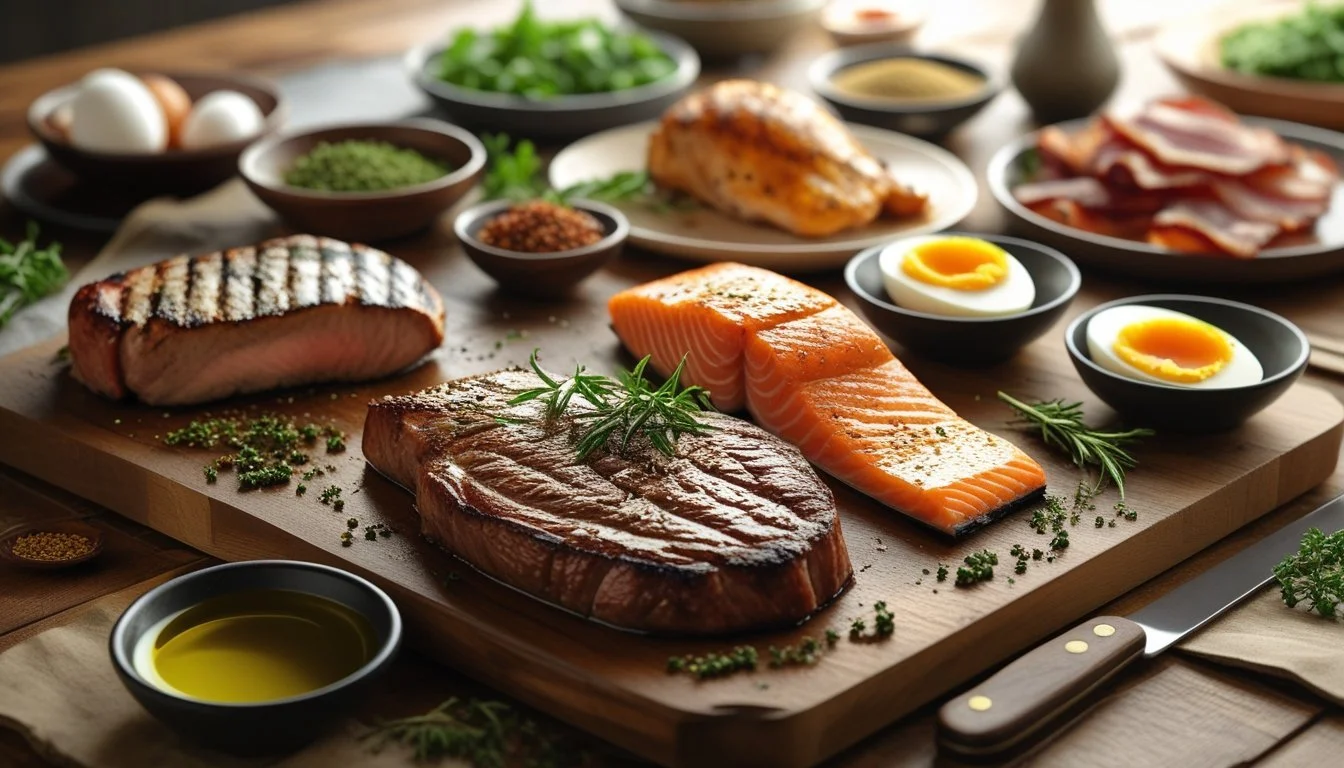
A dairy-free carnivore diet can include a variety of meal ideas that eliminate all forms of milk, cheese, and butter. Many recipes rely on animal fats, eggs, and innovative uses of animal-based ingredients to create satisfying dishes for those who want or need to avoid dairy.
Zero-Carb Breakfast Recipes
Zero-carb breakfast options are popular in the dairy-free carnivore community. Common choices include scrambled eggs cooked in beef tallow or lard, sugar-free bacon, and various types of plain meats. A sample breakfast could be:
4-6 eggs, scrambled in duck fat or beef tallow
3-4 slices of pork belly or sugar-free bacon
Grilled liver or leftover steak from dinner
Eggs provide protein and fat, while tallow or lard serves as a cooking fat that keeps the breakfast dairy-free. Many skip added vegetables or seasoning other than salt for true zero-carb meals. Some enjoy plain ground beef or burger patties cooked in animal fat. These breakfasts can be batch-cooked and kept in the fridge for busy mornings.
Creative Carnivore Waffles and Pancakes
Carnivore waffles and pancakes offer a creative twist for those missing traditional breakfast dishes but avoiding dairy and carbs. These recipes often use egg whites, egg yolks, and meats as the main base.
A blender is usually needed to mix ingredients thoroughly. For example:
4 eggs
4 ounces ground chicken or pork rinds
Salt to taste
Blend until smooth, then pour into a waffle maker or skillet. Some recipes add a tablespoon of gelatin powder or bone broth for texture. Serve with sugar-free syrup (if plant-based sweeteners are tolerated) or simply topped with extra tallow or bacon fat. These waffles and pancakes can be pre-cooked and reheated, making them convenient for meal prep.
Using Gelatin Powder and Bone Broth
Gelatin powder and bone broth are staples in dairy-free carnivore recipes due to their nutritional density and culinary versatility. Gelatin powder can be used to add structure to baked or skillet dishes like carnivore breads, waffles, or pancakes.
Bone broth not only adds moisture and flavor to ground meat recipes but can also replace dairy in dishes requiring liquid. For example, it can be stirred into scrambled eggs or used as a braising liquid for meats. A simple gelatin-based dessert can be made by dissolving gelatin powder in warm bone broth, chilling until set, and serving as a protein-rich snack.
Gelatin enhances texture and satiety, while bone broth contributes collagen and flavor without adding carbs or dairy. Both ingredients fit well into a zero-carb, dairy-free carnivore plan.
Comparing Dairy-Free Carnivore to Other Diet Styles
People interested in a carnivore way of eating often wonder how excluding dairy compares to other variations. Each approach comes with specific nutrient profiles, levels of dietary restriction, and practical considerations for daily life.
Strict Carnivore Versus Dairy-Free Approaches
Strict carnivore diets typically include all animal products: meat, fish, eggs, and full-fat dairy. This allows for greater variety and may make meeting caloric needs easier, especially for those with high energy demands. Dairy is also a source of calcium, fat, and additional protein, which can help diversify meal options.
Dairy-free carnivore restricts the diet to only meat, fish, and eggs, removing dairy-based foods. This approach is suitable for those with lactose intolerance, dairy allergies, or autoimmune issues possibly linked to dairy. It requires more attention to nutrient intake, especially for calcium.
Dairy-free carnivore tends to be more straightforward in terms of ingredients, but may require greater planning to obtain specific micronutrients that dairy would otherwise provide.
Low-Carb and Zero-Carb Comparisons
Low-carb diets permit some non-animal foods, like vegetables or small amounts of fruit, and can range from 20 to 100 grams of carbohydrates daily. These diets usually include dairy and sometimes nuts or seeds, making them more flexible and diverse in terms of meal choices.
The zero-carb approach, often called “carnivore,” eliminates plant foods entirely and may or may not include dairy. When dairy is excluded, dairy-free zero-carb recipes focus solely on meats, fish, and eggs, producing a diet with almost no carbohydrates—typically less than 1 gram per day.
Below is a comparison table:
Diet Style Dairy Allowed Carbohydrate Content Foods Included Strict Carnivore Yes Near zero Meat, fish, eggs, dairy Dairy-Free Carnivore No Near zero Meat, fish, eggs Low-Carb Yes 20-100g per day Meat, eggs, dairy, plants Zero-Carb (DF) No <1g per day Meat, fish, eggs
The choice between dairy-free carnivore and other diet styles depends on individual health needs, preferences, and any specific dietary tolerances. Consistent monitoring can help manage potential nutrient gaps.
Pros and Cons of Dairy-Free Carnivore
Choosing a dairy-free carnivore diet means excluding all dairy products, including cheese, butter, milk, and yogurt. This approach alters both the nutritional profile and potential health effects of the diet.
Pros
Reduced risk of dairy-related issues: Many people experience sensitivity to lactose or casein. Excluding dairy can help reduce digestive discomfort such as bloating, gas, or diarrhea.
Simplified food choices: Focusing only on meat, eggs, and seafood leaves fewer processed foods and additives in the diet.
Low-carb benefits: Without dairy’s carbohydrate content, the diet is nearly zero-carb, which some find helpful for weight management and stable blood sugar.
Cons
Nutrient gaps: Dairy is a major source of calcium, vitamin D, and some B vitamins. Removing it increases the risk of nutrient deficiencies unless alternatives are included or supplemented.
Reduced food variety: Cutting out both plants and dairy can make meal planning repetitive, possibly leading to taste fatigue.
Fat and protein balance: Dairy often provides fat and protein in convenient forms. Without it, there is a need to rely more heavily on fatty cuts of meat to meet energy needs.
Potential Benefits Potential Risks Less bloating and intolerance Lower calcium intake Simple ingredient lists Challenging meal variety Fewer processed foods Possible vitamin D deficiency
Some athletes and individuals with autoimmune conditions report symptom relief on dairy-free carnivore. However, it is important to consider individual needs and monitor for possible nutrient shortages.

