
High-Fat vs. High-Protein Carnivore
Comparing Benefits, Risks, and Results
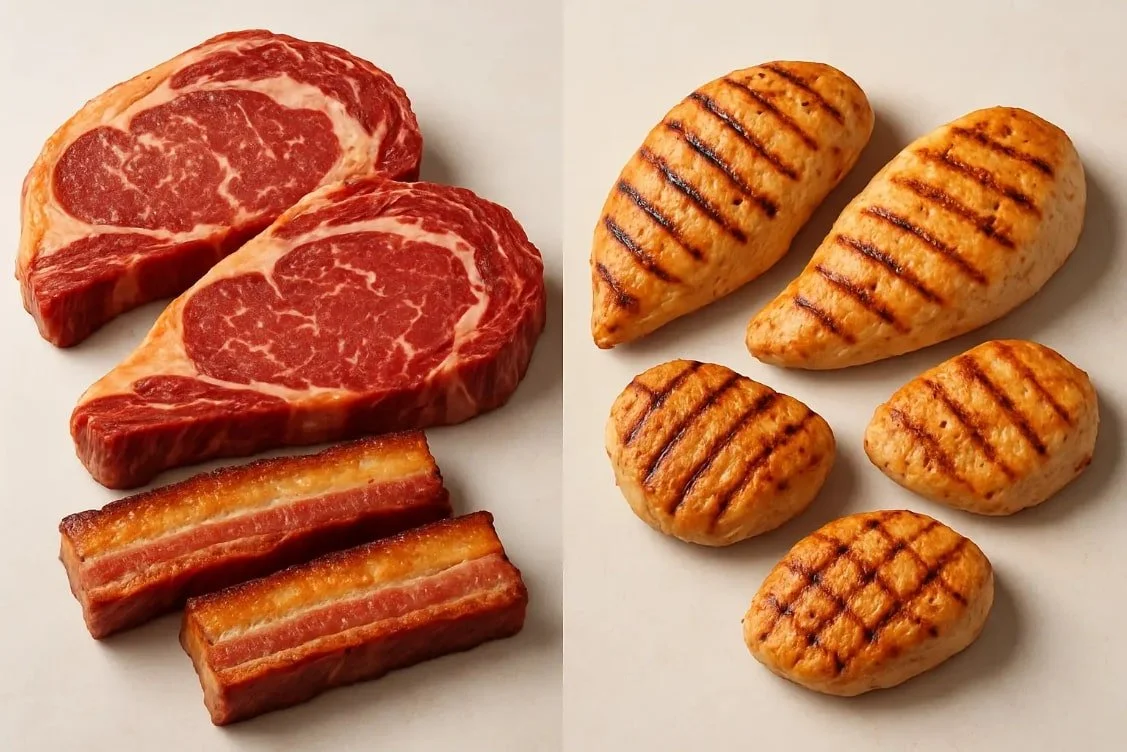
Many people following the carnivore diet debate whether a high-fat or high-protein approach delivers the best results. The answer depends largely on individual goals—those seeking steady energy and satiety may benefit from a higher fat intake, while those focused on muscle growth or weight management might find more success with higher protein consumption.
This article explores the two main ways of eating found within the carnivore diet community, breaking down how each approach impacts energy, body composition, and daily performance. It looks at common foods used to achieve different protein and fat ratios, helping readers find what might work best for their needs.
Clear comparisons and practical examples will guide anyone considering the carnivore diet or refining their current plan, offering straightforward answers and advice based on reliable information.
Understanding the Carnivore Diet
The carnivore diet is based on consuming only animal-derived foods, focusing on meat, fat, and sometimes dairy or eggs. Its macronutrient profile is mostly fat and protein, with minimal or no carbohydrates, making it distinct from many other eating patterns.
Foundational Principles
At its core, the carnivore diet eliminates plant-based foods entirely. Participants rely on foods from animal sources such as beef, pork, poultry, fish, eggs, and dairy (optional for some).
Unlike typical low-carb diets, the carnivore approach aims for near-zero carbohydrate intake. The goal is to provide all essential nutrients through animal-based foods, emphasizing nutrient density from meat and fat.
This diet typically encourages eating to satiety rather than strict calorie counting. Advocates highlight its simplicity and the removal of common dietary allergens found in grains, legumes, and vegetables.
Animal-Based Foods and Macronutrient Composition
Animal-based foods form the foundation of the carnivore diet, each offering specific macronutrient ratios. Most meals are built around red meat, which is high in both protein and dietary fat.
Fatty cuts like ribeye, pork belly, and lamb shoulder are staples for those aiming for a higher fat intake. Leaner meats, such as chicken breast and some fish, provide more protein with lower fat content.
A typical macronutrient distribution for those following this diet is as follows:
Food Type Protein (%) Fat (%) Carbohydrates (%) Ribeye steak 33 67 0 Chicken breast 80 20 0 Pork belly 10 90 0
Almost all carbohydrate intake is negligible, usually coming from trace amounts in eggs or dairy.
Comparison With Other Diets
The carnivore diet is often compared to low-carb and ketogenic diets due to its restriction of carbohydrates. However, while ketogenic diets still allow small amounts of plant foods and rely heavily on fat for energy, the carnivore diet excludes plant foods entirely.
Traditional low-carb diets might include vegetables, nuts, and seeds, offering more dietary fiber and plant-based nutrients. The carnivore approach does not include these, focusing instead on the nutrient density of animal products.
Unlike high-protein diets designed to preserve muscle mass, the carnivore diet can be tailored toward either high-fat or high-protein intake based on personal goals. This flexibility allows individuals to adjust their macronutrient balance within an all-animal framework.
Common Misconceptions
A common misconception is that the carnivore diet lacks nutrients or is excessively restrictive. In reality, animal-based foods provide significant amounts of vitamins A, D, B12, iron, and zinc, especially in organ meats.
Another misunderstanding is that the diet leads to deficiencies in fiber. While it is true that plant fiber is absent, some individuals report improved digestion and gut health despite this omission.
Some also believe the diet is synonymous with high-protein intake only. In practice, many followers emphasize dietary fat as a major energy source, sometimes consuming 70% or more of their calories from fat, especially when targeting ketosis or avoiding excess protein breakdown.
High-Fat Carnivore Approach
The high-fat carnivore approach emphasizes animal-based fats as the main calorie source. This style is often compared to ketogenic diets, supporting energy and satiety for those excluding plant foods.
Core Concepts of High-Fat Diets
A high-fat carnivore diet typically means consuming 70% to 80% of total calories from fat and the remainder from protein. Daily meals may include ribeye steak, fatty ground beef, eggs, tallow, lard, ghee, and butter. These foods provide both energy and essential nutrients.
Advocates argue that a higher fat intake can support hormone production, mental clarity, and sustained energy. The approach often lowers protein relative to fat, aligning with traditional ketogenic macronutrient ratios. Some recommend an “80/20” split: 80% calories from fat, 20% from protein.
High-fat diets tend to minimize blood sugar fluctuations and limit insulin spikes, which some find useful for weight management or metabolic concerns. Unlike leaner approaches, there is little reliance on carbohydrates or lean meats here.
Role of Dietary Fat and Healthy Fats
Dietary fat is not just an energy source. Animal fats supply essential fatty acids, including omega-3s and other nutrients like vitamin A, D, E, and K2. Tallow, lard, ghee, and butter are common fat choices, offering saturated fats and fat-soluble vitamins.
The type of fat matters. Omega-3 fatty acids are particularly prized for their roles in anti-inflammation and cardiovascular health. Choosing fatty fish, grass-fed beef, or wild game can improve omega-3 intake on a carnivore plan.
Consuming healthy fats means prioritizing unprocessed sources. For those on a strict animal-product diet, this means avoiding seed oils and emphasizing fresh, minimally processed animal fats instead.
Impact on Ketosis and Energy Source
A high-fat carnivore diet mimics many benefits of a ketogenic diet by encouraging the body to use fat, not carbohydrates, for energy. With carbohydrate intake nearly eliminated, the liver converts dietary fat into ketones, providing fuel for the brain and muscles.
Many find this metabolic state—ketosis—leads to steady energy, lower appetite, and improved mental focus. Fat becomes the dominant energy source, reducing dependency on frequent meals or snacks.
This approach also helps some individuals manage neurological symptoms, blood sugar fluctuations, or cravings linked with higher carbohydrate intake. The reliance on animal fat means the quality and proportion of fat in the diet are critical to success.
High-Protein Carnivore Approach
High-protein carnivore diets emphasize animal protein sources such as beef, fish, and eggs. The approach favors protein as the main macronutrient while lowering fat intake compared to high-fat versions.
Core Concepts of High-Protein Diets
A high-protein carnivore diet is structured around maximizing protein intake from animal foods. Common staples include lean beef, fish, chicken breast, egg whites, and low-fat dairy. The objective is to provide sufficient amino acids for muscle maintenance and other metabolic needs.
Unlike traditional ketogenic or high-fat carnivore diets, the protein-focused approach minimizes fat sources like added animal fats or fatty cuts of meat. This results in most calories coming from protein rather than fat. High-protein diets are typically used for satiety, muscle retention, and in some cases, fat loss. Some advocate this method for those with specific fitness or bodybuilding goals.
Protein Intake and Macronutrient Ratios
Protein needs in a high-protein carnivore diet are generally higher than those in standard carnivore or ketogenic eating patterns. Intake often ranges from 1.2 to 2.5 grams per kilogram of body weight per day, with some going higher based on activity or goals. This translates to a substantial portion of daily calories coming from protein.
Sample Macronutrient Breakdown:
Macronutrient Percentage of Calories Protein 50-65% Fat 35-45% Carbohydrate < 5%
Energy primarily comes from protein, with fat playing a smaller role compared to traditional approaches. This macronutrient split can affect energy levels and appetite differently, often promoting fullness and reducing overall calorie intake. Individuals commonly use eggs and lean fish for their high protein, moderate fat content.
Protein-to-Fat Ratio
The protein-to-fat ratio in a high-protein carnivore diet is notably higher compared to the classic 1:1 ratio often advised in ketogenic or high-fat versions. A typical target ranges from 1.5:1 to 3:1 (grams of protein to grams of fat), depending on goals and individual tolerance.
For example, someone eating 200 grams of protein per day might aim for 70–130 grams of fat. This approach requires careful selection of lean protein sources, such as skinless poultry, white fish, wild game, and separating egg whites from yolks to control fat intake.
Maintaining adequate fat is still important for hormone production and nutrient absorption. However, the emphasis shifts to prioritizing protein. Monitoring for symptoms of low fat, such as fatigue or dry skin, is recommended to ensure balance.
Comparing High-Fat and High-Protein Carnivore
A high-fat carnivore diet and a high-protein carnivore diet each deliver distinct nutritional profiles and metabolic results. Differences between them influence factors such as weight loss, satiety, and changes in body composition.
Macronutrient Differences
High-fat carnivore diets prioritize fats, often making up 70-80% of daily calories, with moderate protein intake. High-protein approaches, in contrast, push protein to 40-50% or more of total calories, sometimes lowering the fat ratio significantly.
Below is a basic macronutrient comparison:
Style % Calories Protein % Calories Fat High-Fat 20-30% 70-80% High-Protein 40-50%+ 50-60%
The high-fat model aims to mimic ketogenic ratios, while high-protein versions attempt to maximize dietary protein for muscle preservation or increased thermogenesis. Both eliminate carbohydrates almost entirely but differ substantially in their fat-to-protein ratio.
Effects on Weight Loss and Fat Loss
High-protein carnivore diets can promote weight loss by increasing thermic effect and supporting lean mass during caloric deficit. Protein is more metabolically demanding to digest compared to fat, leading to higher calorie expenditure.
High-fat carnivore diets, while also low in carbohydrates, may encourage ketosis, supporting fat oxidation as the main energy source. However, calorie intake still remains the central factor. If calories are not controlled, entering a caloric deficit may be more challenging with high-fat foods due to energy density.
Some individuals report quicker initial weight loss on a high-protein plan because of reduced calorie intake and preserved lean mass. The optimal choice may depend on a person's goals, activity level, and metabolic health.
Satiety and Appetite Control
Protein is known for its strong effect on satiety. High-protein carnivore diets often help regulate appetite by increasing feelings of fullness after meals, reducing tendencies to overeat.
Fat also contributes to satiety but to a lesser degree than protein. Some find high-fat meals highly satisfying, yet for others, low protein can lead to increased hunger over time. Balancing protein and fat is essential to maintain appetite control, particularly on restrictive diets.
A mixed approach, ensuring a baseline level of protein while allowing sufficient fat, can help satisfy hunger and maintain energy. Individual responses vary, so close attention to fullness cues is important.
Impacts on Body Composition
Protein intake is closely tied to muscle preservation during weight loss. High-protein carnivore diets support maintenance of lean body mass, especially when paired with resistance training or regular physical activity.
High-fat versions, while fueling fat metabolism, may not optimally support muscle if protein intake falls too low. This can put muscle at risk during caloric restriction, potentially affecting resting metabolic rate and long-term body composition outcomes.
A high-protein emphasis may offer advantages for those seeking to lose fat while maintaining or building muscle. However, adequate fat is still necessary for hormone production and overall nutrition, especially on diets devoid of carbohydrates.
Health Benefits and Considerations
Both high-fat and high-protein carnivore diets may influence energy balance, body composition, and health markers. The impacts relate closely to the balance of dietary fat and protein, with each offering distinct benefits and potential considerations.
Potential Health Benefits
A high-protein carnivore approach can promote satiety and support weight management by helping individuals feel full for longer periods. This can lead to reduced snacking and, combined with low carbohydrate intake, may contribute to fat loss.
High-fat carnivore diets may provide sustained energy due to the efficient use of dietary fats, especially in individuals adapted to low-carb nutrition. Some find improved mental clarity and more stable energy levels with a higher fat intake.
Early adaptations to both versions of the diet can result in improvements in blood pressure, reduced abdominal fat, and stabilization of blood sugar levels. However, these effects can vary depending on individual metabolic health and dietary adherence.
Healing and Inflammation
Both high-fat and high-protein carnivore diets eliminate most plant foods and processed carbohydrates, which may help reduce inflammation markers in some people. Reduced intake of anti-nutrients and allergens, such as gluten and lectins, can contribute to fewer digestive issues and improved gut health for some individuals.
Some proponents suggest that a higher fat intake may further support healing by providing essential fatty acids for cell membrane repair and immune function. Others note that protein intake is crucial for the healing process due to its role in tissue repair.
There is limited long-term research available, and potential risks such as nutrient deficiencies or increased cholesterol may be relevant for some people. Regular monitoring of blood markers and symptoms is recommended for those following strict carnivore diets.
Muscle Growth and Muscle Mass
Protein intake is a key driver of muscle protein synthesis and maintenance of lean body mass. High-protein carnivore diets can be particularly effective for individuals seeking to build or preserve muscle, especially when combined with resistance exercise.
Key Factors for Muscle Support:
Factor High-Protein Carnivore High-Fat Carnivore Muscle Protein Synthesis High Moderate Satiety for Weight Loss High Moderate-High Fat-Soluble Nutrients Moderate High
Fats also play an important role in hormone production, which influences muscle recovery and overall metabolic health. An optimal balance of protein and fat is necessary to maximize muscle growth while supporting other aspects of health.
Digestive and Metabolic Effects
High-fat and high-protein carnivore diets impact digestion, enzyme activity, and hydration differently. Each approach also influences the risk of constipation and the need for fiber.
Digestive Issues and Constipation
High-fat carnivore diets often lead to fewer bowel movements, which some interpret as constipation. This happens because fat is generally easier to digest and does not stimulate gut motility as much as protein or fiber.
High-protein carnivore plans, while more satiating, can occasionally cause harder stools or gastrointestinal discomfort due to increased nitrogenous waste from protein metabolism. Both diets lack plant-based fiber, a factor commonly linked to regular bowel movements.
For some individuals, adjusting the fat-to-protein ratio can reduce digestive discomfort. Staying hydrated and, if tolerated, including bone broth or rendered animal fats may further assist in managing gut transit time.
Production of Enzymes and Metabolism
A high-protein carnivore diet increases the need for proteolytic enzymes such as pepsin and trypsin. The body responds by ramping up their production to handle the greater protein load. This metabolic shift results in higher urea output and more workload for the liver and kidneys.
High-fat carnivore diets prioritize the release of bile acids and lipase to digest increased dietary fat. Fat metabolism generally provides more sustained energy but may be linked with higher calorie intakes compared to protein-focused versions.
The chart below compares main digestive enzymes by diet focus:
Diet Type Primary Enzymes Main Metabolic Pathway High-Protein Pepsin, Trypsin Gluconeogenesis High-Fat Lipase, Bile acids Ketogenesis, Lipolysis
Hydration and Fiber Concerns
Neither high-fat nor high-protein carnivore diets provide dietary fiber, as animal foods lack indigestible plant material. The absence of fiber may lead to denser stools and greater water reabsorption in the colon, increasing the risk of constipation if not managed properly.
High protein intake can increase water needs. Urea production from protein metabolism draws on body fluids, so failing to boost water intake can result in mild dehydration. High-fat diets typically do not demand extra water but may lower sodium retention.
To address these concerns, regular monitoring of hydration status, increasing salt intake if needed, and consideration of fluid-rich animal products are all recommended practices.
Practical Implementation Tips
There are several factors to consider for success when applying high-fat or high-protein carnivore diets. Energy needs, supplement options, and food choices all play important roles in how well the plan fits an individual’s daily life.
Adapting to Activity Level
Activity level has a direct impact on macronutrient needs. For those with high physical output, such as athletes or physically demanding jobs, increasing protein intake can help with muscle recovery and maintenance. High fat can provide dense calories for endurance activities, but may not be sufficient for muscle growth on its own.
Sedentary individuals often benefit from a slightly higher fat ratio, as fat is more satiating and provides energy with fewer digestive byproducts. Lower activity sometimes leads to lower protein needs, but maintaining a baseline of 1–1.5 grams of protein per kilogram of body weight prevents muscle loss.
Adjusting the protein-to-fat ratio according to activity ensures better energy management and supports recovery. Monitoring physical performance and satiety can help determine when to increase or decrease fat and protein levels.
Activity Level Recommended Ratio Highly Active Higher Protein Sedentary Higher Fat Mixed/Moderate Balanced Approach
Using Supplements When Necessary
High-fat and high-protein carnivore diets may miss out on some nutrients found in plants. Common supplements include magnesium, potassium, and vitamin D, especially when meat sources are limited or organ meats are not consumed regularly.
Electrolyte imbalances—such as low sodium or potassium—can cause fatigue or cramps. Supplementing with high-quality bone broth, specialized electrolyte blends, or even added table salt can be beneficial.
Omega-3 fatty acids from fish oil are helpful if fatty fish intake is inconsistent. People focusing heavily on lean meats sometimes consider branched-chain amino acids (BCAAs), but these are rarely necessary with a well-constructed diet. Blood work helps identify any deficiencies early.
Sample Foods: Eggs, Fish, Animal Fats
A variety of foods provide both fat and protein, but meals can be tailored depending on macronutrient goals. Eggs are one of the most versatile options, offering a balanced source of both fat and protein as well as essential micronutrients like choline and vitamin A. They also cook quickly and can be prepared in many ways.
Fatty fish—including salmon, sardines, and mackerel—deliver high-quality protein, omega-3 fatty acids, and vitamin D. Fish can be eaten grilled, baked, or canned for convenience. Fish roe is another nutrient-dense option.
Animal fats, such as beef tallow, duck fat, and lard, increase the fat content of meals without adding significant protein. These fats can be used for cooking or drizzled over lean meats to adjust energy intake. Mixing fattier and leaner cuts allows fine-tuning of macros.
Potential Risks and Precautions
Both high-fat and high-protein variations of the carnivore diet have specific risks and require careful consideration of individual health factors. Monitoring blood markers, understanding long-term consequences, and seeking professional input are important aspects of adopting these diets.
Insulin and Blood Markers
High-fat and high-protein diets may influence insulin sensitivity and cholesterol levels differently. Increased protein intake can have a modest effect on insulin, sometimes leading to lower blood glucose in certain cases but raising concerns for those with impaired kidney function.
High-fat carnivore diets, especially those rich in saturated fats, often raise LDL (“bad”) cholesterol and total cholesterol levels. For some individuals, this may increase cardiovascular risk. Both diets tend to lower triglycerides and may improve HDL (“good”) cholesterol, but responses can differ by person.
It is important to regularly monitor blood markers such as fasting glucose, HbA1c, lipid profile, and kidney function tests. These measurements assist in early detection of potential issues and help guide dietary adjustments.
Long-Term Safety Considerations
There is limited data on the long-term safety of strict carnivore diets. High-protein diets may place a strain on kidney function, especially in those with preexisting kidney disease. People without such conditions may tolerate higher protein intake, but caution is needed.
High-fat carnivore diets can also lead to nutrient deficiencies if the diet lacks variety. Vitamins such as vitamin C, magnesium, and potassium are often low without careful selection of foods or supplementation.
Research points to a potential increase in heart disease risk due to high saturated fat and cholesterol intake, though findings are still debated. Regular health checks and a focus on nutrient density within the constraints of a carnivore approach support a safer practice.
Consulting a Healthcare Professional
It is strongly recommended to involve a qualified healthcare professional before and during major dietary changes. This is particularly important for people with preexisting conditions, such as diabetes or kidney disease, or those taking medications affected by changes in diet composition.
A healthcare professional can guide necessary blood tests, assess health risks, and interpret changes in insulin response or cholesterol markers. They can also advise on nutrient supplementation and monitor for early signs of deficiency or adverse effects.
Periodic consultations ensure the diet is tailored to individual needs and help address health concerns promptly. Open communication with a healthcare provider supports safer implementation of both high-fat and high-protein carnivore diets.

