
Raw vs. Cooked Carnivore: Digestion Efficiency and Energy Impact Explained
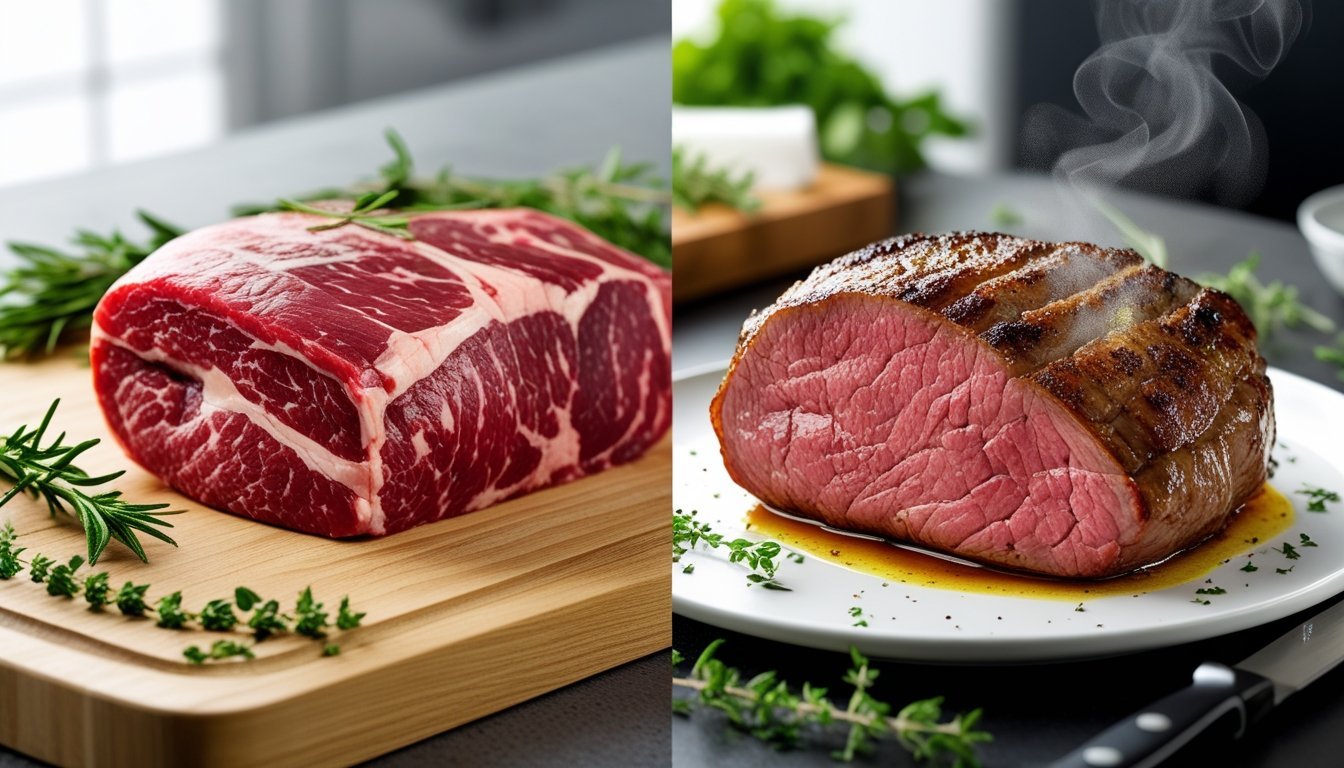
Raw and cooked animal foods have distinct effects on digestion and energy, with raw meat generally being digested more efficiently by the body than cooked meat. Some studies and observations show that raw foods may preserve more natural enzymes and certain nutrients, possibly making them easier to absorb and process. However, traditional cooking can also make some nutrients more available and is widely believed to improve food safety.
People following a carnivore diet often wonder if eating meat raw or cooked leads to better energy and overall well-being. Many animals in the wild consume only raw meat, while humans are unique in their widespread use of cooking, which changes the structure and nutritional profile of food.
Understanding the differences between raw and cooked carnivore diets helps clarify not only how our bodies process food but also why some individuals report varied energy levels and digestive responses based on their preparation choices.
Understanding The Carnivore Diet
The carnivore diet eliminates most foods except for animal products, focusing heavily on meat, fish, and animal-derived foods. It appeals to those seeking simplicity in their meals and specific health outcomes related to food choice and digestion.
Basic Principles Of Carnivore Eating
The central idea behind the carnivore diet is the exclusion of plant-based foods. Followers consume mainly animal-derived proteins and fats, omitting carbohydrates almost entirely. This leads to meals that are high in protein and fat, with little to no fiber.
Nutrition intake centers around foods like beef, lamb, pork, poultry, eggs, and fish. Spices and seasonings may sometimes be included, though strict adherents often avoid even these to minimize dietary variables.
Advocates suggest the diet supports digestive health due to the avoidance of fiber and plant antinutrients. However, it lacks diversity in vitamins, minerals, and phytonutrients typically found in plant foods. Hydration and salt intake also become more crucial due to differences in fluid and electrolyte balance.
Typical Foods Consumed
Below is a list of commonly consumed foods on the carnivore diet:
Beef (steaks, roasts, ground beef)
Pork (chops, ribs, bacon)
Lamb or game meats
Poultry (chicken, turkey, duck)
Eggs
Fish and seafood
Organ meats (liver, kidney, heart)
Bone broth
Animal fats (tallow, lard, butter)
Dairy products like cheese or heavy cream are sometimes included but may be excluded for individuals with sensitivities. Meals tend to be unsweetened, unprocessed, and focused on nutrient density from animal sources.
Processed meats and cured products are typically avoided due to additives and higher sodium content but may be used occasionally for convenience.
Lifestyle And Dietary Choices
Choosing a carnivore diet impacts multiple areas of lifestyle. Many adopt it for simplicity in meal planning, a clear daily routine, and a focus on satiety. There is usually a reduction in grocery variety, but more attention is required for sourcing high-quality meats and monitoring nutrition.
Social situations may become challenging due to limited food choices at gatherings or restaurants. Meal preparation is simplified, but careful attention must be paid to avoid nutritional deficiencies such as vitamin C and certain minerals.
Individuals following this diet often report higher energy from consistent macronutrient intake. Balancing nutrient needs without a traditional balanced diet usually means followers must learn about micronutrients in animal foods and consider supplementing if necessary.
Raw Vs. Cooked Carnivore: Core Differences
Raw and cooked meats have notable differences in digestibility, nutrient content, and possible health outcomes. Factors such as heat-sensitive vitamins, the way proteins and fats are broken down, and the risk of pathogens play important roles in making each approach distinct.
Digestibility And Nutrient Bioavailability
The digestibility of raw and cooked carnivore foods depends strongly on how heat affects their structure. Cooking denatures proteins, making them easier for digestive enzymes to break down. This can result in faster absorption of amino acids.
In contrast, advocates of raw meat argue it is closer to what wild carnivores consume, and may be gentler on digestion for some individuals. Some experiments, such as the frog stomach acid test, suggest that raw tissues can break down more completely via natural enzymes, a process called autolysis.
However, cooking also softens connective tissues, making meats easier to chew and reducing the workload on the digestive system. Some nutrients may be more accessible in cooked foods, while others are diminished.
Nutritional Profile Of Raw Vs. Cooked Meats
Raw meats often retain more heat-sensitive nutrients such as vitamin C and certain B vitamins. Cooking can reduce levels of these and some enzymes, but it can also remove potentially harmful bacteria.
A comparison table:
Nutrient Raw Meat Cooked Meat Vitamin C Higher Lower B Vitamins Higher Lower Protein (usable) Slightly lower Higher Calories Similar May slightly increase due to water loss
Cooking may increase the availability of specific amino acids, and fat becomes easier to digest in some cases when tissues are heated. Though most minerals remain unaffected, their absorption may change depending on cooking methods and the presence of other nutrients.
Health Implications Of Raw And Cooked Approaches
Both approaches carry distinct health risks and benefits. Eating raw meats can expose a person to harmful pathogens like Salmonella, E. coli, or parasites unless food sourcing and handling are especially strict.
Cooking reduces these risks but can create compounds such as heterocyclic amines (HCAs) and advanced glycation end-products (AGEs), which have been studied for their role in certain chronic diseases. Individuals who digest fat or protein poorly may notice different energy and satiety effects with raw versus cooked foods.
Food safety practices are crucial on both diets. Anyone considering either approach over a long timeline should weigh the reduction in risk from cooking with the possible loss of certain micronutrients from heat exposure.
Digestion On A Raw Carnivore Diet
Eating raw meats can affect how the body digests food and absorbs nutrients. Differences include the function of natural enzymes, the efficiency of nutrient breakdown, and possible changes in the gut microbiome.
Role Of Natural Enzymes
Raw meats contain natural enzymes that are present before the cooking process. These enzymes can start breaking down proteins and fats even before they reach the stomach.
Because heat can destroy or denature many enzymes, consuming meat in its raw state may allow these compounds to survive long enough to aid initial digestion. This can help begin the process of nutrient absorption more quickly.
Digestive enzymes from raw meats could supplement the body's own enzyme production. However, the total impact on digestion depends on how well these enzymes survive stomach acid. Most protein digestion still relies on stomach and pancreatic enzymes after ingestion.
Potential For Better Digestion
Some proponents of raw carnivore diets claim that raw meat digests more thoroughly and with less effort than cooked meat. They suggest that because enzymes in raw foods start the breakdown process earlier, the body uses less energy for digestion.
However, scientific research generally finds that the human digestive system is well-adapted to digesting both raw and cooked meat. Cooking denatures proteins, making them easier for the body's enzymes to break down. Studies have shown that cooked meat actually requires less energetic cost to digest compared to raw meat.
While raw meat may offer initial enzymatic activity, cooked meat’s structure can lead to more efficient overall digestion. The benefit of raw diets on digestion is not conclusively proven, and both raw and cooked meat can be thoroughly digested by the human body.
Impact On Gut Microbiome
Consuming raw meat has potential effects on the gut microbiome, the community of microbes living in the digestive tract. Exposure to raw animal proteins introduces different bacterial populations than cooked meats do.
Raw diets may lead to changes in microbial diversity, but these effects are not well-understood. Some bacteria from raw meats may not survive stomach acid, while others could influence gut flora balance. The risk of introducing harmful bacteria also exists if meat handling and quality are not strictly controlled.
There is no strong scientific consensus on whether raw diets support a healthier gut microbiome compared to cooked diets. The gut’s ability to adapt and digest meats remains robust regardless of preparation method, provided food safety is maintained.
Digestion On A Cooked Carnivore Diet
Cooking meat changes its physical and chemical structure, affecting how the human body processes nutrients. Research shows that these changes can make a notable difference in both digestibility and nutrient absorption.
Improved Digestibility Through Cooking
Cooking meat increases digestibility by breaking down tough muscle fibers and connective tissues. This transformation helps make proteins and fats more accessible to digestive enzymes, reducing the effort that the stomach and intestines need to extract nutrients.
Studies indicate that cooked meat requires less energy and time for digestion compared to raw meat. For example:
Preparation Method Digestive Energy Cost Reduction Cooking 12.7% Grinding 12.3% Cooking + Grinding 23.4%
In this way, cooked meat may offer improved efficiency in digestion, with less strain on the gastrointestinal system. Many people find cooked meat easier to tolerate, leading to fewer digestive complaints such as bloating or discomfort.
Breakdown Of Proteins And Fats
During cooking, heat denatures proteins—unfolding them and making peptide bonds more available for enzymatic action. This enables more thorough breakdown during digestion, potentially improving protein absorption and utilization by the body.
Fats in meat are also affected by cooking. Heat melts and softens animal fats, making them easier to digest and absorb. Some vitamins locked within fat tissue, such as fat-soluble vitamins A and D, may also be more accessible after cooking.
While some loss of heat-sensitive nutrients can occur, the potential for greater nutrient bioavailability often outweighs these minor reductions for most people relying on a cooked carnivore approach.
Influence On Digestive Wellness
The changes cooking imparts to meat can directly impact digestive wellness. By reducing the workload of the digestive tract, cooked meat may lower the likelihood of indigestion or stomach upset for sensitive individuals.
Cooked meat is also less likely to carry harmful bacteria or parasites when properly prepared, lowering the risk of gastrointestinal infections. For those with digestive issues or compromised stomach acid production, these factors can make a significant difference.
People often report that switching to a cooked carnivore diet results in fewer symptoms such as gas, bloating, or irregular bowel movements, which suggests that cooking supports smoother and more predictable digestion.
Energy Levels: Raw Vs. Cooked Meats
How meat is prepared can influence calorie absorption, energy availability, and appetite control. Small differences in nutrient bioavailability and digestion impact both daily energy levels and long-term weight management.
Bioavailability Of Calories
Cooking meat changes its physical structure, making proteins and fats more digestible. This means cooked meat typically yields more absorbable calories compared to raw meat. The process of heating causes protein denaturation, which breaks down complex molecules, allowing digestive enzymes to work more efficiently.
Research shows the thermal effect of food (TEF) is higher for cooked meats. It takes less effort for the body to break down these foods, increasing net energy gained per calorie consumed. For people on a strict carnivore diet, this difference can affect total calorie intake and absorption.
Raw meat retains more original enzymes and some heat-sensitive nutrients, but these are often deactivated in the acidic environment of the stomach. The main consideration is that less energy may be extracted from equivalent portions of raw versus cooked meat, which can impact nutritional planning.
Effects On Energy And Vitality
Individuals consuming cooked meats often report steadier and sometimes higher energy levels. This is due to the increased bioavailability of nutrients and calories. The body spends less time breaking down the food, so more energy is available for other processes throughout the day.
Raw meat, by contrast, may offer slightly lower immediate energy because digestion is less efficient. Some carnivore dieters feel lighter or less sluggish after eating raw, which could result from a lower overall calorie uptake or a reduced metabolic demand from processing additional food components.
Factors like individual metabolism, enzyme production, and meal size can affect subjective feelings of energy. However, for most people, cooked meats typically support more consistent physical and mental performance due to higher nutrient absorption.
Weight Management And Satiety
The way meat is prepared can influence hunger and body weight regulation. Cooked meats provide more accessible calories, which may make it easier to maintain or gain weight when needed. Consuming only raw meat, with its lower usable calorie count, could lead to more rapid weight loss or challenges with sustaining weight, especially for those with high daily energy demands.
Satiety, or the feeling of fullness after eating, can be influenced by both the form of the meat and how completely it is absorbed. Cooked meat usually triggers a stronger feeling of satisfaction per serving. This comes from higher nutrient absorption and a more significant impact on gut hormones tied to hunger.
Some people find raw meat meals leave them less satiated, possibly leading to increased meal frequency or greater overall intake. Balancing satiety and calorie intake is especially important for those managing body composition or specific health goals.
Nutrient Retention And Loss In Meat Preparation
Cooking methods can change the nutrient profile of meat significantly. Some nutrients are sensitive to heat, while others dissolve in water or are affected by exposure to air and light during preparation.
Heat-Sensitive Nutrients
Certain nutrients in meat, such as some B vitamins (like thiamine and folate), are sensitive to high temperatures. Cooking meat, especially at high heat, can lead to a notable reduction in these vitamins. For example, vitamin B1 (thiamine) can decrease by up to 70% after prolonged cooking.
Protein quality in meat is generally preserved during typical cooking, but amino acids can be damaged by excessive heat. Fats may oxidize, altering some health properties. Cooking at lower temperatures (e.g., sous-vide) may help reduce nutrient loss compared to high-heat methods like grilling or frying.
Water-Soluble Vitamins And Minerals
Water-soluble vitamins like vitamin C, B6, and B12 are especially prone to being lost during cooking due to both heat and water exposure. When meat is boiled or simmered, a portion of these nutrients leach into the cooking liquid and may not be consumed if the liquid is discarded.
For carnivores, vitamin B12 is a key nutrient found in meat, but studies show it can degrade by 10-40% depending on the cooking method. Minerals such as potassium and phosphorus may also leach out. To minimize these losses, methods that retain juices (like stewing or consuming broth) are more effective.
Nutrient Raw Meat Cooked Meat (boiled) Vitamin B12 Higher Modestly lower Vitamin C Low Mostly lost Potassium Higher Lower if liquid discarded
Carotenoids, Antioxidants, And Phytochemicals
While plant-based foods are the primary source of carotenoids and phytochemicals, small amounts of antioxidants are present in animal products, especially in organ meats. Cooking may reduce levels of these natural antioxidants, but the impact is less dramatic compared to water-soluble vitamins.
Antioxidant content in meat is partly influenced by the animal's diet, such as grass-fed versus grain-fed sources. Some studies suggest light cooking can maintain or even enhance certain antioxidant activities by making them more bioavailable, but intense or prolonged heat usually decreases these nutrients. Lycopene is not present in meat but is relevant for those comparing mixed diets.
Nutrient Absorption And Bioavailability
Nutrient absorption and bioavailability differ between raw and cooked animal foods due to changes in structure, digestibility, and chemical forms. Cooking often alters how effectively the body can extract and utilize essential minerals and vitamins found in meat and organ foods.
Differences In Absorption Of Key Nutrients
When meat and organs are consumed raw, certain minerals—such as zinc, magnesium, and copper—are present in their natural chemical forms. This can benefit some aspects of nutrition but may also limit how efficiently the body absorbs these nutrients.
Raw meat retains more thermolabile vitamins, such as vitamin C and some B vitamins, which can degrade during cooking. However, raw flesh can be more difficult to digest, potentially reducing nutrient uptake for individuals with sensitive stomachs or lower digestive enzymes.
Some nutrients in raw meat, like phosphorus and potassium, are highly available. Yet, the proteins in raw foods may be less digestible because raw muscle fibers remain intact. This can decrease amino acid absorption compared to cooked versions.
Enhanced Nutrient Absorption With Cooking
Cooking disrupts tough connective tissues and denatures proteins, making animal foods softer and easier for the body to digest. This process improves the bioavailability of amino acids and some minerals, including zinc, iron, and phosphorus.
The breakdown of cell membranes and fibers during cooking also increases nutrient release and absorption in the gut. For example:
Zinc: Cooking enhances zinc absorption by reducing compounds that may inhibit its uptake.
Magnesium, Potassium, Copper: These minerals generally become easier to absorb, though some water-soluble vitamins may be lost during the process.
While some vitamins are reduced by heat, the improved digestibility and enhanced nutrient absorption of many key nutrients in cooked carnivore foods can outweigh the losses, especially for those with compromised digestion or increased needs.
Digestive Health Considerations
Raw and cooked carnivore diets can affect digestive health in different ways, especially when it comes to inflammation, gut environment, and dietary fiber from plant foods. These factors may influence how people with varied health backgrounds respond to each approach.
Impact On Inflammation And Gut Health
A well-functioning digestive system depends on healthy gut lining and balanced immune responses. Carnivorous animals naturally have short, acidic digestive tracts suited for breaking down raw meat, limiting bacterial growth and inflammation. When humans eat a raw carnivore diet, certain enzymes and nutrients are preserved, which might improve digestion for some individuals and lead to fewer gut irritations.
Cooking meat, however, changes protein structure and can reduce some nutrients but often destroys harmful bacteria and parasites. For people with compromised gut health or sensitivities, cooked meat is generally better tolerated. There is limited evidence that either raw or cooked meat incites significant inflammation in healthy adults, but individual responses can vary.
Gut health is complex and influenced by both the source of food and preparation method. For those experiencing digestive discomfort, experimenting with meal preparation style under medical guidance can help identify which option suits their needs best.
Fiber And The Role Of Plant Foods
Traditional carnivore diets exclude fruits and vegetables, leading to minimal fiber intake. While fiber from sources such as raw vegetables, fruits, and grains is proven to support bowel regularity and feed beneficial gut bacteria, strict animal-only diets need to rely on other mechanisms for gut health.
Table: Comparison of Fiber Sources
Source Fiber Content Impact on Bowel Health Animal Foods None Dependent on fat/protein Raw Vegetables High Supports motility Fruits Moderate Nourishes gut bacteria
Some individuals switching to a carnivore diet may notice changes in stool frequency or consistency due to lack of dietary fiber. Others report adaptation over time, with the gut adjusting to increased fat and protein. For most people, dietary fiber from plant foods remains important for long-term digestive function, but this can differ depending on genetics and personal tolerance.
Food Safety And Pathogen Risks
Consuming raw or cooked meat on a carnivore diet impacts exposure to harmful microorganisms and compounds. Understanding the risks and safety measures can reduce chances of infection and food poisoning significantly.
Harmful Compounds And Foodborne Illnesses
Both raw and cooked meat can be linked to foodborne illnesses, but the causes differ. Cooking usually destroys bacteria and parasites, but it can also produce compounds such as heterocyclic amines (HCAs) and polycyclic aromatic hydrocarbons (PAHs) at high temperatures, which may be harmful in excess.
Raw meat poses unique risks, as it can harbor live pathogens, including parasites and bacteria, increasing the chances of infections like food poisoning. According to CDC reports, meat is responsible for about one-third of total foodborne illnesses, making food safety a key concern for both approaches.
Plant-based foods still account for a larger portion of foodborne outbreaks, but the risk with raw animal products remains significant due to the higher likelihood of dangerous bacteria and parasites thriving in uncooked environments.
Bacterial Risks: Salmonella And E. Coli
Raw or undercooked meats can contain Salmonella, E. coli, and other pathogens. These bacteria can multiply quickly at improper temperatures and cause symptoms such as diarrhea, stomach cramps, and fever. In severe cases, infections from these bacteria may result in hospitalization or long-term health issues.
Salmonella is commonly found in poultry, eggs, and pork, while E. coli is often linked with ground beef and undercooked steak. Vulnerable groups, including children, pregnant women, older adults, and those with weakened immune systems, face higher risks of complications.
Cooking meat to safe internal temperatures reliably eliminates most of these pathogens. On a raw carnivore diet, the risk of infection is considerably higher, so individuals must be aware of these dangers when consuming uncooked meats.
Safe Food Preparation Methods
Safe food preparation practices are essential for minimizing the risk of foodborne illness. For cooked meat, ensuring internal temperatures reach at least 145°F (63°C) for whole cuts and 160°F (71°C) for ground meats helps kill most harmful bacteria.
When consuming raw meat, use only high-quality, fresh cuts from reputable sources. Some advocate freezing meat for at least 14 days at -4°F (-20°C) to reduce parasite risks, though this does not eliminate all bacteria.
Proper hygiene—such as washing hands, sanitizing surfaces, and using separate utensils for raw and cooked meats—further reduces cross-contamination. Storing meat at or below 40°F (4°C) and consuming it before expiration dates are also crucial food safety steps.
Cooking Methods And Their Effects
Different food preparation methods not only impact flavor and texture, but also influence nutrient retention, the creation of taste compounds, and the presence of potentially harmful chemicals. Specific techniques like grilling, roasting, and frying can change the chemical makeup of meat in distinct ways.
Common Cooking Techniques
Typical cooking methods for carnivore foods include grilling, pan-searing, broiling, boiling, and slow roasting. Each method creates different textures and can impact nutrient availability.
Grilling and broiling expose meat to high, direct heat, which sears the surface quickly and can trap juices inside. However, high temperatures may cause loss of moisture and some vitamins, especially B vitamins.
Boiling and slow roasting typically use lower heat, which preserves more moisture but may result in fewer flavor compounds on the surface. These gentler methods also reduce the risk of burning or charring, decreasing the chance of creating some harmful chemicals compared to higher-heat approaches.
Cooking methods can also affect fat oxidation, especially if oils or fats are used. Animal-derived fats are more stable at high temperatures than many vegetable oils.
Maillard Reaction And Taste
The Maillard reaction is a chemical process that occurs between amino acids and reducing sugars when meat is cooked at high temperatures (usually above 285°F/140°C). This reaction creates complex flavors and brown coloration on the surface of cooked meats.
The intense taste and appealing aroma that result from the Maillard reaction make cooked meat highly palatable. Different methods, such as pan-searing or grilling, optimize this reaction and produce more pronounced flavors.
Raw meat does not undergo the Maillard reaction and has a milder, sometimes metallic taste and soft texture. While raw carnivore diets focus on simplicity, cooked preparations driven by the Maillard reaction can increase satisfaction and diversity in taste.
Formation Of Harmful Chemicals
Cooking meat, especially at high temperatures, can lead to the formation of potentially harmful compounds. Heterocyclic amines (HCAs) and polycyclic aromatic hydrocarbons (PAHs) form when meat is grilled, broiled, or cooked over open flames.
These chemicals are associated with higher risks of some cancers in epidemiological studies, though risk levels depend on cooking frequency, doneness, and portion sizes.
Additionally, the use of certain cooking oils at high temperatures may produce harmful oxidation products. Animal fats, such as tallow or lard, are less likely to degrade dangerously than many vegetable oils. Choosing lower-temperature cooking methods and avoiding burning or heavy charring can minimize exposure to these substances.
Considerations For Nutritional Balance
Raw and cooked carnivore diets differ not only in texture and flavor but also in nutrient absorption and balance. Strategies for supporting optimal health focus on ways to maintain a well-rounded nutritional profile and reduce shortcomings.
Risks Of Nutrient Deficiencies
Carnivore diets, whether raw or cooked, can lead to low intake of certain vitamins and minerals. Vitamin C and some B vitamins may be reduced, especially if relying on cooked meats, as cooking destroys heat-sensitive nutrients. Consuming only muscle meats without including organ meats can further limit nutrient diversity.
Table: Common Deficiencies on a Carnivore Diet
Nutrient Cause of Deficiency Potential Symptoms Vitamin C Cooking, lack of variety Fatigue, weakened immunity Vitamin E, K Lack of fat sources Poor skin, clotting issues Magnesium Low in meats Muscle cramps, weakness
A diet lacking in variety—especially in organ meats and fatty cuts—may impair long-term balance and overall health. Careful selection of animal sources and regular inclusion of nutrient-rich organs such as liver can help maintain optimal nutritional value.
Role Of Fermented And Supplementary Foods
Fermented animal foods, such as fermented fish, cured meats, and raw dairy, may help increase nutrient intake and support gut health. The fermentation process can boost the bioavailability of certain vitamins and introduce beneficial probiotics that aid digestion.
Supplements may be considered for hard-to-obtain nutrients. For example, adding magnesium, vitamin C, or specific B vitamins can compensate for what may be lacking in a strict carnivore diet. However, excessive supplementation should be avoided to reduce the risk of imbalances.
Including a variety of animal products—such as eggs, bone broths, and different cuts—can provide a more complete nutritional profile. This approach helps achieve a better balance suited for optimal health, especially when dietary restrictions are strict.
Potential Downsides And Food Sensitivities
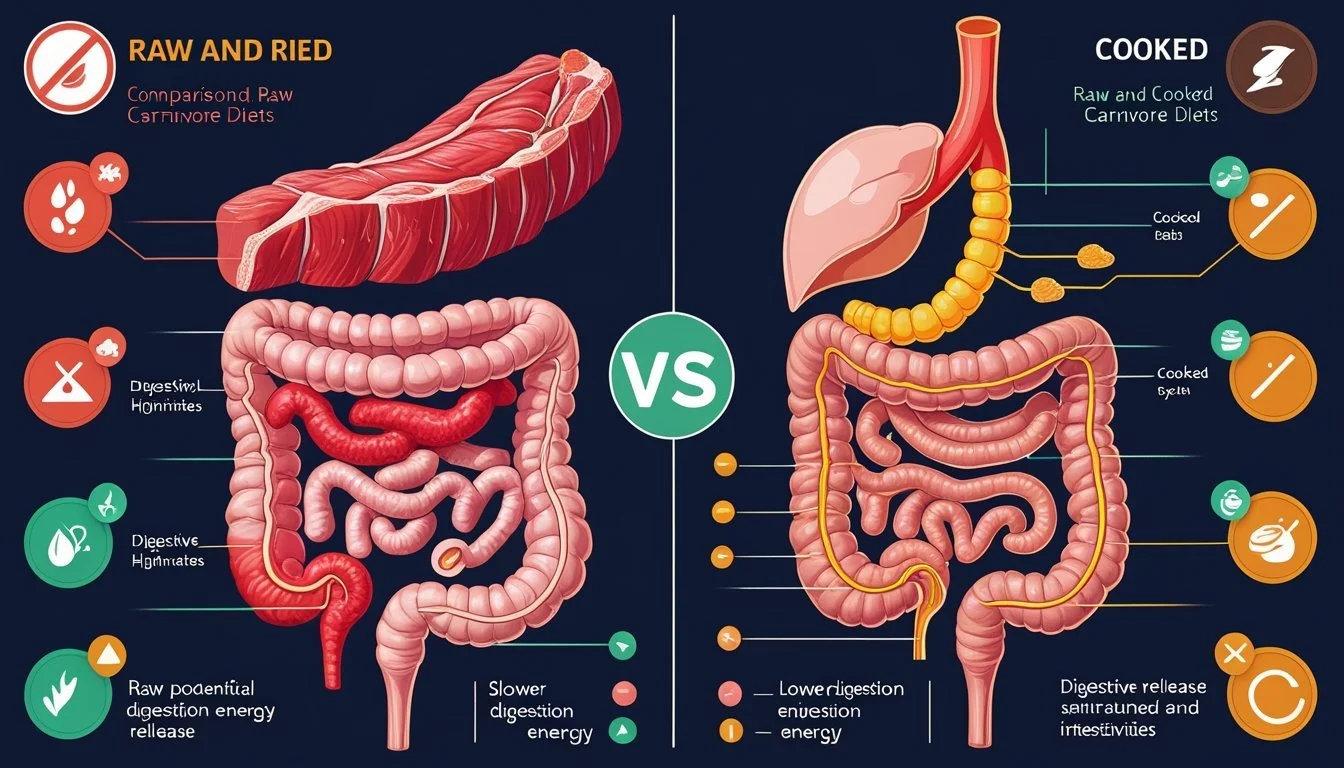
Eating only raw or cooked animal foods can raise issues related to nutrients, digestive tolerance, and immune reactions. These concerns can affect nutrient absorption and overall digestive comfort for those choosing either approach.
Antinutrients And Anti-Nutritional Factors
Animal foods naturally contain few antinutrients compared to plant foods, but some factors can still influence digestion. For example, phytic acid and glucosinolates are mainly present in plants and not a concern on a strict carnivore diet. However, when organ meats are consumed raw, there may be enzymes or substances that interfere with nutrient utilization.
Cooking breaks down resistant proteins and destroys some anti-nutritional factors that might be present, even in trace amounts. Heat treatment improves protein digestibility, which can enhance amino acid absorption. However, excessive cooking, especially at high temperatures, can result in the formation of compounds that may reduce the availability of certain nutrients or create unwanted byproducts.
A table comparing key factors:
Factor Raw Meat Cooked Meat Antinutrients Negligible Negligible Protein Digestibility Moderate High Formation of Byproducts Low Possible
Food Sensitivities And Reactions
Some individuals may experience food sensitivities, even when consuming only animal foods. These can include symptoms like digestive upset, skin reactions, or fatigue. Food intolerance to certain proteins, such as those found in eggs or dairy, is well documented, while sensitivities to specific meat types, like pork or poultry, occur less frequently but are possible.
Undercooked or raw meat also increases the risk of bacterial contamination or foodborne illness, leading to acute digestive symptoms in sensitive people. Additionally, the body's psychological and immune responses to unfamiliar proteins may be heightened, contributing to discomfort or intolerance.
Notably, research suggests that food intolerance can impact mental wellbeing, sometimes causing anxiety or somatic complaints in sensitive individuals. Tracking reactions to particular meats and preparation methods can help identify triggers and minimize negative effects.
Disease Risk And Long-Term Health
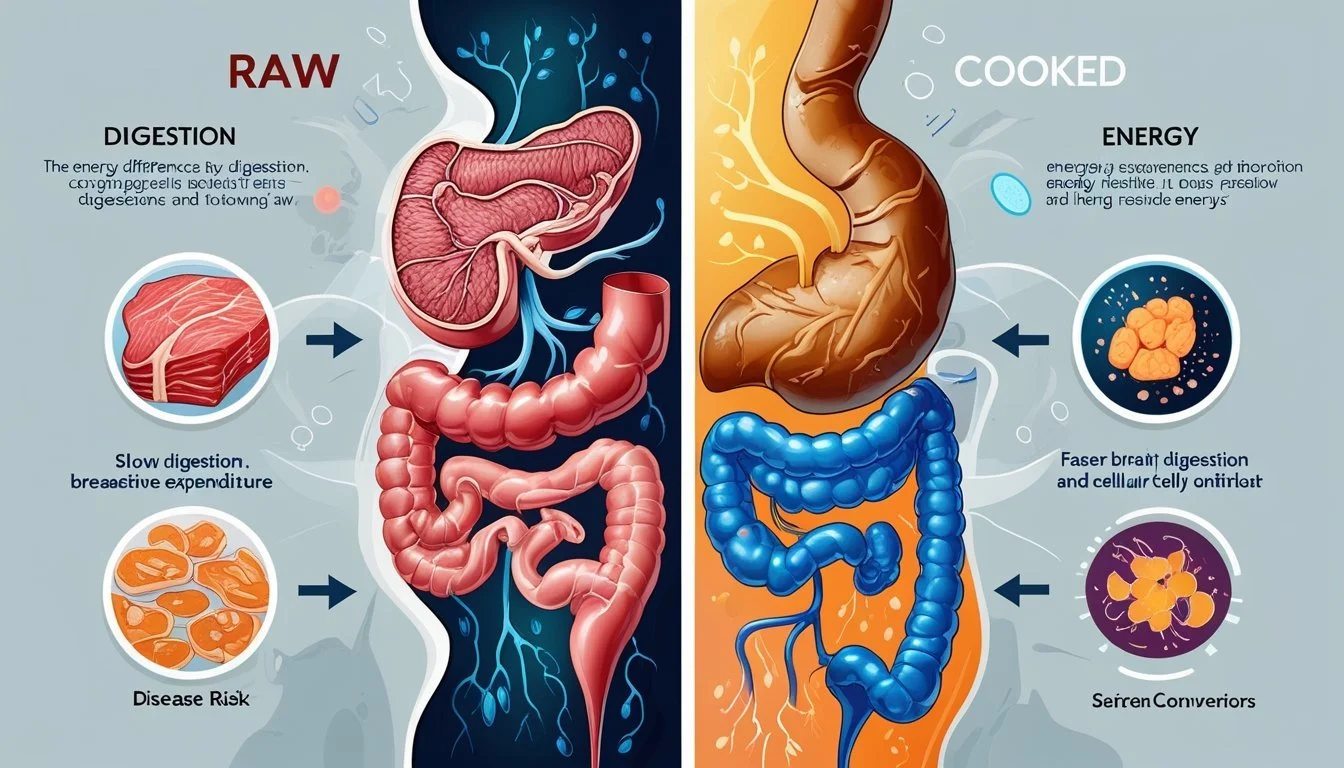
Raw and cooked carnivore diets both have specific health implications, particularly related to heart disease, diabetes management, weight loss, and inflammation. Differences in how these diets impact nutrient intake and metabolism can alter long-term health outcomes.
Heart Health And Chronic Disease Considerations
A carnivore diet—whether raw or cooked—centers on animal-based foods, which are typically high in saturated fats and cholesterol. Research suggests that excessive intake of these nutrients may increase the risk of cardiovascular diseases, especially when the diet lacks fiber and plant-based antioxidants.
Key concerns include:
Elevated LDL cholesterol and total cholesterol levels.
Increased sodium intake, potentially raising blood pressure.
Reduced intake of vitamins C and E, which play roles in vascular health.
Raw meat consumers may be exposed to more pathogens and toxins, further complicating their risk profile. Cooking helps kill pathogens but does not eliminate the potential for adverse effects from high saturated fat intake. Long-term adherence to such restrictive diets might also contribute to other chronic diseases if not closely monitored.
Impact On Diabetes And Weight Loss
Carnivore diets are extremely low in carbohydrates, which can lead to lower blood sugar levels and reduced insulin demand. Some individuals with type 2 diabetes have reported improvements in glycemic control when switching to a high-protein, zero-carb pattern.
Potential effects:
Rapid initial weight loss is common due to water loss and decreased calorie intake.
Altered gut microbiome, as the absence of fiber can reduce beneficial bacteria linked to metabolic health.
Risk of micronutrient deficiencies, including vitamin C if only cooked meat is consumed.
While both raw and cooked versions tend to reduce carbohydrate intake, the risk of nutrient deficiencies and potential long-term metabolic effects should be considered. Individuals with existing kidney issues may be at greater risk due to high protein loads.
Anti-Inflammatory Benefits
Some anecdotal reports claim improved energy and reduced inflammation on carnivore diets, citing the absence of common dietary antigens and processed food additives. Reduction in sugar and refined carbohydrate intake may help decrease certain inflammatory markers.
Raw meat diets might provide higher levels of some heat-sensitive nutrients and enzymes, but also carry the substantial risk of foodborne illness. Cooked diets, while safer from a pathogen standpoint, may lose some anti-inflammatory phytonutrients found in lightly cooked or raw animal foods such as organ meats.
The absence of plant-based antioxidants in both raw and cooked carnivore diets may limit overall anti-inflammatory potential compared to more diverse eating patterns. Regular medical monitoring is advised for anyone adopting these approaches to assess inflammation and other health markers.

