
The Beef-Only Protocol: Elimination Diet on Steroids for Rapid Food Sensitivity Relief

The Beef-Only Protocol, sometimes referred to as the elimination diet on steroids, is a strict approach that involves consuming only beef as the sole source of nutrition. This diet aims to remove nearly all potential food triggers, making it a tool for those seeking to identify sensitivities or reduce symptoms of certain health conditions. By stripping the diet down to one food group, individuals can simplify their eating patterns and more easily monitor bodily responses
Many turn to the beef-only diet after experiencing limited success with broader elimination diets. The reduced food variety is intended to minimize variables and help isolate what, if any, foods are causing issues. While this approach is not without controversy, it continues to attract those interested in self-experimentation, gut health, and highly controlled nutrition strategies.
What Is the Beef-Only Protocol?
The beef-only protocol is a strict dietary approach that removes all foods except for beef, salt, and water. This method is designed as an extreme elimination diet, focusing on the complete exclusion of potential dietary triggers outside of ruminant meat for symptom management or exploration.
Understanding the All-Beef Diet
The beef-only diet, sometimes called the "Lion Diet" or an extreme form of the carnivore elimination diet, restricts all meals to beef products—typically muscle meat, organs, salt, and water. This approach avoids all other animal foods, plants, dairy, additives, and processed ingredients. Adherents commonly select beef due to its nutrient density, digestibility, and low allergenic potential compared to other foods.
This restrictive pattern aims to eliminate all possible variables, making it easier to identify food sensitivities or triggers behind autoimmune, digestive, inflammatory, or mood symptoms. It stands apart from more flexible meat-only or all-meat diets, which may include other animal products such as pork, chicken, or fish.
Those following the protocol often track their responses meticulously, attempting to reach a baseline of symptom relief before reintroducing other foods. Some people use it as a short-term intervention, while others, including some high-profile advocates, adopt it long-term.
Origins and Influencers
The beef-only protocol gained public attention through figures such as Mikhaila Peterson and her father, Jordan Peterson. Mikhaila reportedly adopted the Lion Diet—consuming only beef, salt, and water—to address multiple chronic health issues and shared her experiences online, sparking wider interest.
Jordan Peterson later followed a similar regimen after seeing reported improvements in his daughter's health. These individual stories popularized the protocol in podcast interviews and social media, significantly influencing the carnivore diet community.
Although there are anecdotal reports of benefits, there is limited clinical research on the long-term effects of such a restricted diet. The protocol has been critiqued for potential nutritional gaps and risks, but supporters argue that supplements or careful nutrient tracking can mitigate these concerns.
Comparison to Other Elimination Diets
Compared to typical elimination diets, which may remove common allergens or inflammatory foods for a set period, the beef-only protocol is much more restrictive. Standard elimination approaches usually allow a variety of whole foods such as rice, some fruits, or a range of animal proteins. The Lion Diet explicitly removes everything except ruminant meat.
The table below highlights key differences:
Feature Beef-Only Protocol Typical Elimination Diet Foods Allowed Only beef, salt, water Multiple foods (selected) Duration Varies (from weeks to years) 3-8 weeks Goal Identify/allay any symptom Identify specific food triggers Reintroduction Phase May follow, often slow and careful Standard, stepwise
The beef-only method is described as a tool for those with severe sensitivities, persistent autoimmune issues, or those who have not responded to less restrictive approaches. This protocol is sometimes used as a last resort due to its simplicity and clear results. It is generally not recommended without medical supervision.
How the Beef-Only Protocol Works
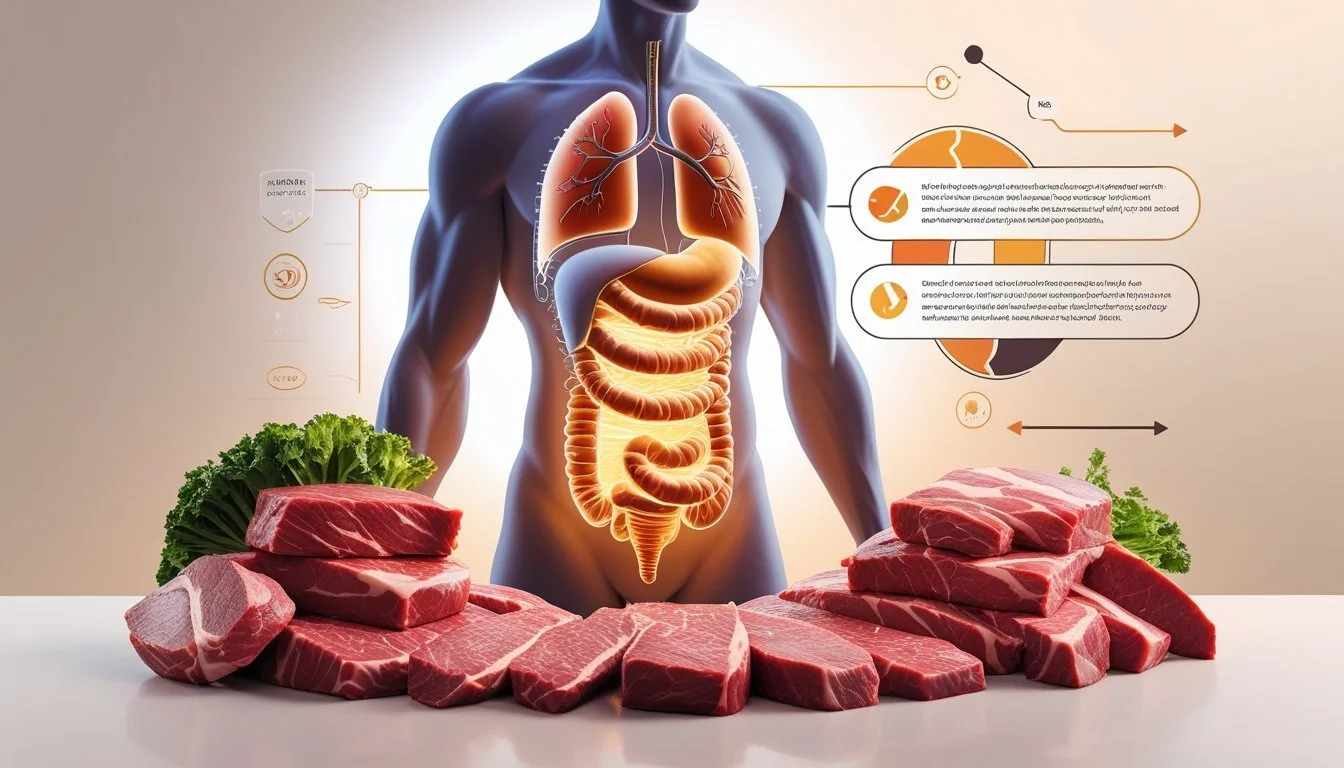
The beef-only protocol is a strict elimination diet designed to identify food sensitivities and manage challenging health issues. By removing most foods except for unprocessed beef, water, and salt, it offers a systematic approach to reducing dietary variables and monitoring the effects of dietary changes on the body.
Fundamentals of the Elimination Process
The core objective of this protocol is to eliminate potential dietary triggers, making it easier to pinpoint causes of symptoms in those with autoimmune disorders or unexplained health problems. All non-beef foods are excluded, which simplifies the diet and reduces the possibility of false positives from food reintroduction.
Participants often rely on this method after experiencing limited success with broader elimination diets. Because beef is an uncommon allergen and is unlikely to cause sensitivities in most people, it serves as a reliable baseline. Careful reintroduction of other foods can later reveal specific triggers.
Unlike general elimination diets with multiple permitted foods, the beef-only approach is highly restrictive. This simplicity allows for a clearer assessment of food sensitivities, minimizing the confounding effects of cross-reactivity between different food groups.
Strict Food Inclusion and Exclusion
Permitted foods are extremely limited. Only unprocessed beef, clean water, and salt are included. No other meats, animal products, plants, seasonings, or processed ingredients are allowed.
This strict inclusion and exclusion reduce the risk of hidden allergens or irritants. It also decreases variables, making it easier to track health changes. Unlike less restrictive diets, there is almost no room for accidental exposure to common triggers like dairy, eggs, grains, or legumes.
Some protocols recommend keeping a detailed food and symptom journal. This can be especially helpful for those monitoring autoimmune flare-ups or tracking other chronic health issues potentially linked to diet.
Duration and Transition Phases
The length of time someone stays on the beef-only protocol varies but often ranges from two to six weeks. This period gives the body enough time to clear out other foods and stabilize symptoms before starting food reintroductions.
After the primary elimination phase, foods are added back one at a time in a systematic way. Each new food is typically introduced over several days, allowing careful monitoring for any reactions. Only one new food is added at a time to accurately identify potential triggers.
Transitioning off the beef-only phase requires patience. Rapid reintroduction can obscure results and make it difficult to distinguish which foods cause issues. Those with autoimmune disorders or complex health concerns may need to work with a healthcare professional to manage this process.
Health Benefits and Therapeutic Uses

The beef-only protocol is sometimes used by individuals seeking relief from complex or persistent health issues. This approach often focuses on measurable health changes such as weight reduction, inflammation control, improved mood, and better management of chronic illnesses.
Weight Loss and Metabolic Improvements
Many participants report significant weight loss after adopting a beef-only elimination diet. This is largely due to the near-complete exclusion of carbohydrates, which can lead to lower insulin levels and reduced fat storage. Medium-chain triglycerides and high-quality protein from beef can help preserve lean muscle while promoting fat loss.
Research and anecdotal reports suggest that some people experience better blood sugar stability. For those with type 2 diabetes, limiting carbohydrate intake may help improve glycemic control. Individuals often see reduced cravings and steadier energy throughout the day.
A simplified table summarizing possible metabolic changes:
Outcome Possible Effects Weight Loss Common and often rapid Blood Sugar Stability Improved Insulin Sensitivity May increase Hunger/Cravings Typically reduced
Anti-Inflammatory Effects
Chronic inflammation is a factor in many illnesses, including autoimmune disorders and metabolic syndrome. The beef-only protocol naturally eliminates many foods linked to inflammation, such as processed carbohydrates and seed oils.
Some people report decreases in symptoms associated with rheumatoid arthritis, psoriasis, and leaky gut. These changes are especially notable in those who have not responded to other dietary approaches.
Lower intake of potential food triggers can simplify identification of substances causing irritation or flare-ups. For people previously affected by joint pain or chronic swelling, these improvements are often among the first noticed.
Mental Clarity and Mood
Mental clarity and improved mood are commonly noted benefits, especially after adapting to the restrictive protocol. By removing possible dietary irritants and stabilizing blood sugar, many report reductions in symptoms like brain fog and depression.
Sharp changes in energy or cognitive performance can accompany fluctuating blood sugar. A beef-only diet removes most variables, leading to more consistent brain function for some individuals. Many individuals use this protocol specifically to address cognitive symptoms resistant to pharmacological or psychological treatments.
People with previous histories of depression or attention issues sometimes observe an increase in daily productivity and emotional stability, though this is not universal.
Managing Autoimmune and Chronic Conditions
The beef-only elimination protocol is sometimes used as an intervention for autoimmune and other chronic health conditions. For individuals with conditions like juvenile arthritis, rheumatoid arthritis, psoriasis, and irritable bowel diseases, strict removal of food triggers can be an effective strategy for symptom management.
Clinical observations have found that those who follow the protocol for at least 2-3 months may see notable reductions in flare-ups and severity of symptoms. The diet serves as a baseline to help identify specific foods contributing to inflammation.
This approach is also used by individuals who have not achieved results with standard elimination diets. Its simplicity can help clarify the relationship between food and disease activity, particularly for those managing persistent inflammation or relapsing health issues.
Potential Risks and Considerations

Restricting the diet to only beef presents unique health concerns. This approach can affect vitamin intake, digestive function, and long-term disease risk.
Nutritional Deficiencies and Essential Nutrients
A beef-only protocol removes many key sources of essential nutrients. Vitamin C, which is abundant in fruits and vegetables, is almost entirely absent in cooked beef. Without enough vitamin C, there is a risk of developing scurvy over time.
Beef also lacks dietary fiber, which is necessary for colon health and maintaining regular bowel movements. Deficiencies in other nutrients, such as vitamin K, vitamin E, magnesium, and certain B vitamins commonly found in plant foods, may develop.
Relying solely on beef may also limit intake of phytonutrients and antioxidants. These play a role in reducing inflammation and supporting heart and immune health. Consulting a registered dietitian before starting such a regimen is recommended to avoid deficiencies.
Digestive Health and Constipation
A diet composed only of beef contains almost no fiber. Fiber helps add bulk to stool and promotes regular bowel movements. Without it, constipation is a common complaint, sometimes leading to discomfort and straining.
Low-fiber intake can increase the risk of diverticulosis and other colon disorders. Some research also suggests a possible link between low-fiber diets and higher rates of colon cancer.
Gut microbiome diversity may decline with the absence of plant foods. Reduced diversity in gut bacteria can impact digestion, immune function, and even mood. Those following this protocol should monitor their digestive health closely.
Concerns Over Cholesterol and Heart Disease
Beef, especially fatty cuts, is high in saturated fat and cholesterol. High intakes of saturated fats are associated with increased LDL (“bad”) cholesterol levels in many individuals.
A consistent pattern of elevated LDL cholesterol contributes to higher risk of atherosclerosis and heart disease. While some individuals do not see significant cholesterol changes with increased beef intake, others are more sensitive.
Current guidelines generally recommend limiting saturated fats to support heart health. Individuals with a personal or family history of cardiovascular disease should discuss risks and appropriate monitoring with a healthcare provider.
Key Foods and Preparation

The beef-only protocol focuses on nutrient density, proper sourcing, and practical kitchen strategies. Ruminant meats, especially specific beef cuts, form the primary calorie and nutrient sources, while organ meats and bone broth help round out micronutrient intake.
Importance of Ruminant Meat
Ruminant animals like cows and lamb provide high-quality protein and well-balanced essential fatty acids. Their meat, especially when grass-fed, contains valuable micronutrients such as vitamin B12, iron, and zinc.
Ruminant meat is easier on digestion for some individuals compared to pork or poultry, making it the preferred foundation for strict elimination diets. Ribeye steak is a popular choice due to its balance of protein and fat, contributing both flavor and satiety.
Eating a variety of beef cuts, as well as occasionally including lamb, helps prevent micronutrient gaps. Emphasizing unprocessed, fresh meat supports better outcomes during the elimination period.
Recommended:
Ribeye steak
Ground beef (80/20 or 85/15)
Lamb chops
Beef brisket
Choosing the Right Cuts of Beef
Fat content plays a significant role in satisfaction and energy levels. Cuts like ribeye, short ribs, and brisket offer higher fat, making them ideal for those adapting to increased meat consumption. Leaner cuts—such as sirloin—can be included but may need added fat like suet or tallow for balance.
Marbling in ribeye and similar cuts enhances flavor and texture, supporting adherence to the diet. Selection should prioritize freshness and minimal processing; vacuum-sealed or butcher-sourced beef often offers superior quality.
Cooking methods matter. Grilling, pan-searing, and roasting preserve moisture and maximize palatability. Salt is usually the only seasoning recommended, but some people also use a small amount of pepper as tolerated.
Cut of Beef Fat Content Recommended Cooking Method Ribeye High Grilling, Pan-searing Brisket Moderate Braising, Roasting Ground beef Variable Sautéing, Grilling Sirloin Lean Pan-searing, Grilling
Role of Organ Meats and Bone Broth
Organ meats such as liver, heart, and kidney provide nutrients not abundantly present in muscle meat. Beef liver is a concentrated source of vitamins A, B12, and folate. Including small amounts once or twice per week covers gaps and supports immune and metabolic health.
Bone broth acts as both a hydration source and a provider of minerals like calcium, magnesium, and potassium. Simmering bones, joints, and marrow for several hours extracts gelatin and collagen, which may help with joint and gut health.
Preparing organ meats can be done by pan-searing or blending into ground beef. Bone broth requires slow cooking bones and connective tissue with water and a pinch of salt for at least 8–24 hours. Both elements ensure the diet is as complete as possible while remaining simple.
Scientific Rationale and Evolutionary Context
Modern dietary practices often diverge significantly from what humans consumed throughout most of evolution. Examining human dietary history and the rise of chronic diseases can clarify the motives behind strict elimination diets like the beef-only approach.
Human Dietary Evolution
Archaeological evidence suggests that early humans shifted from plant-dominated diets to include more animal foods as their brains grew larger. Meat, including beef, provided concentrated nutrients and energy, supporting neurological development.
Fossil isotopic analysis and the study of ancient gut morphology indicate omnivory. However, some research estimates that prehistoric diets often derived 30–70% of calories from animal sources but rarely were strictly carnivorous.
Key nutrients found in beef—such as iron, zinc, vitamin B12, and essential amino acids—were less available from wild plants. These nutrients may have been crucial for evolutionary success, given the seasonality and unpredictability of plant foods. The role of animal fat also deserves mention, providing dense calories that aided survival during lean times.
Diseases of Civilization and Modern Diets
The "diseases of civilization"—including obesity, type 2 diabetes, and heart disease—have risen with the spread of industrial diets. The Standard American Diet, high in refined carbs, seed oils, sugar, and processed meat, correlates with these conditions.
Contemporary dietary guidelines encourage a variety of foods, but many critics argue that increased intake of processed foods and refined carbohydrates underlies much chronic illness. Unlike fresh beef, these modern foods often contain added sugars, preservatives, and artificial ingredients, which can disrupt metabolism.
Some proponents see the beef-only protocol as a return to a nutrient-dense, simplified pattern of eating that eliminates problematic food categories. This radical restriction may help some individuals identify sensitivities or reduce symptoms linked to modern dietary exposures.
Implementing the Beef-Only Protocol

A successful beef-only protocol depends on careful planning and ongoing self-monitoring. It is important to consider not only the food itself but also nutritional needs, potential gaps, and methods for tracking how the body responds.
Meal Planning and Caloric Intake
Meal structure on the beef-only protocol is simple but specific. Meals consist exclusively of various beef cuts such as ribeye, ground beef, brisket, or steak. Fatty cuts are usually preferred to maintain sufficient calorie intake and support ketosis.
Sample Meal Plan:
Meal Example Breakfast 8 oz ribeye steak Lunch 10 oz ground beef (80/20) Dinner 8 oz brisket or sirloin
Daily caloric needs depend on age, sex, activity level, and goals. Most adults require 1,600–2,500 calories per day. Lean beef may force a person to increase portion sizes or opt for fattier cuts to avoid fatigue or nutrient deficiency.
Tracking calories helps prevent unintentional undereating or overeating. Some may use kitchen scales and nutrition calculators to ensure intake matches individual requirements, especially for those monitoring weight loss or muscle maintenance.
Hydration, Fasting, and Supplementation
Hydration is critical due to the lack of vegetables and fiber in the diet. Individuals are encouraged to drink water throughout the day, aiming for at least 2-3 liters. Some also include bone broth for added electrolytes.
Electrolytes: Sodium, potassium, and magnesium may become depleted. Many practitioners add salt to food or take supplements to maintain healthy blood pressure and avoid cramping.
Fasting: Some combine the beef-only protocol with intermittent fasting, such as 16:8 or 18:6 eating windows. During fasting, only water, black coffee, or saltwater are typically permitted. Fasting can help control blood glucose levels and may deepen ketosis for some.
Supplements may be needed for vitamins such as vitamin D, magnesium, or omega-3s, based on individual lab results and symptoms. Consulting a healthcare provider ensures supplementation is aligned with personal health needs.
Tracking Progress and Symptoms
Monitoring physical and mental changes is essential to assess the protocol’s impact. Individuals often record meals, daily caloric intake, symptoms, mood, and digestive patterns in a journal or app.
Key metrics may include:
Body weight
Energy levels
Bowel habits
Sleep quality
Blood glucose levels (with a home meter)
Signs of ketosis (urine strips or blood tests)
Early weeks may bring fatigue, headaches, or changes in bowel movements. Noting these helps troubleshoot problems or determine if the diet needs adjusting. Regular blood tests may be used to monitor cholesterol, blood sugar, and nutrient status, especially during extended protocols.
Addressing Common Criticisms
The beef-only elimination diet draws debate due to its environmental footprint, day-to-day practicality, and questions around protein safety. Assessing these concerns helps clarify what participants can expect and addresses misconceptions.
Sustainability and Environmental Impact
Beef production uses more land, water, and resources compared to plant-based foods. Multiple studies and environmental reports show beef has a higher greenhouse gas emission per calorie or gram of protein.
There are methods ranchers use—such as rotational grazing and regenerative agriculture—to lower the carbon footprint. However, these practices are not standard worldwide and high-volume beef farming is still resource-intensive.
Compared to mixed diets, exclusively eating beef limits dietary biodiversity and does not take advantage of less resource-heavy protein sources like legumes or poultry. Consumers interested in sustainability should be aware of these trade-offs and may want to select beef from more sustainable sources if possible.
Social and Practical Challenges
Eating only beef can be difficult in many social situations. Restaurants, parties, and family gatherings rarely cater to an all-beef diet, making compliance challenging.
Meal planning becomes repetitive due to lack of variety. Preparing, storing, and cooking beef daily may also strain budgets, especially with rising meat prices.
Traveling raises further obstacles, since not all destinations provide easy access to beef. Individuals doing the diet should weigh these practical factors, since long-term adherence depends on more than just willpower.
Misconceptions About Protein Poisoning
A common myth claims that eating only beef puts a person at risk for protein poisoning or "rabbit starvation." Protein poisoning occurs when protein intake is very high and insufficient dietary fat and carbohydrates are present.
Beef contains both protein and fat, particularly in fattier cuts, which reduces the risk. Historically, cases of protein poisoning have involved extremely lean meats—such as wild rabbit—where fat intake was much lower.
Individuals following the beef-only protocol can avoid protein poisoning by choosing fatty cuts and ensuring adequate calorie intake. Most modern beef diets naturally include enough fat to prevent this concern.
Alternative Protocols and Modifications

Many individuals using the beef-only protocol consider adapting the approach based on personal preferences, tolerances, or health goals. Variations can help with dietary compliance, nutrient variety, or the transition to broader eating habits.
Incorporating Other Animal Foods
Some adopt a more flexible animal-based approach by adding foods such as lamb, pork, chicken, eggs, or fish. Lamb is often well-tolerated and can be a valuable source of nutrients like zinc and B vitamins. Individuals sometimes include low-lactose dairy products (e.g., butter, hard cheese) if no adverse reactions are noted.
Eggs and dairy introduce new proteins that may cause sensitivities, so additions are typically made one at a time. Many modifications align with keto or low-carb dietary frameworks, which utilize a broader range of animal fats and proteins while still minimizing plant foods and carbohydrates.
A brief table outlines common animal foods added:
Food Reason for Inclusion Lamb Nutrient-rich, often tolerated Eggs Easy protein, micronutrients Dairy Fat, calcium, taste variety Fish Omega-3s, different protein
Transitioning Off the Protocol
Transitioning away from a beef-only approach requires a deliberate reintroduction of new foods. Foods are typically added one at a time, often beginning with other red meats like lamb or low-lactose dairy, before introducing eggs, poultry, or fish.
This staged process helps identify specific triggers or sensitivities that may not have been apparent before. After establishing animal food tolerance, some people integrate low-carb or keto diet staples, such as non-starchy vegetables, in small amounts.
Patience is necessary; each new food should be eaten for several days before adding another. Tracking symptoms and responses in a journal can clarify which foods are well-tolerated, supporting long-term diet customization.
The Beef-Only Protocol: Success Stories and Notable Figures

Individuals making health transformations with the beef-only protocol often reference real-life experiences. Two of the most recognized advocates are Mikhaila Peterson and Jordan Peterson, whose strict adherence to the diet has attracted significant attention.
Mikhaila Peterson’s Health Journey
Mikhaila Peterson is widely regarded as one of the primary figures behind the popularization of the beef-only or "Lion Diet." She began this elimination approach to manage numerous severe autoimmune symptoms including joint pain, chronic fatigue, depression, and multiple food sensitivities.
After trying various restrictive diets without lasting relief, Peterson switched to eating only beef, salt, and water. According to her detailed accounts, she noticed substantial improvements within weeks. Symptoms such as arthritis and intense fatigue reportedly decreased or disappeared.
Mikhaila has publicly shared her experience across various platforms, emphasizing the drastic impact the diet has had on her health and daily function. For many people with similar unexplained symptoms, her story has served as a reference point and starting template.
Jordan Peterson’s Experience
Jordan Peterson, a well-known psychologist and author, also adopted the beef-only protocol after observing his daughter's health improvements. He has described his switch to the diet as pragmatic, aiming to address his own struggles with mood regulation, energy levels, and physical health concerns.
Jordan has stated that eliminating all other foods led to pronounced changes almost immediately. According to his interviews, benefits included improved mood stability, reduced anxiety, better sleep, and greater energy.
Though he has discussed certain challenges such as increased dietary monotony, Peterson credits the protocol with noticeable enhancements in his quality of life. His experience has prompted wider conversation and curiosity about the role of restrictive diets in managing chronic health issues.

