
Nose-to-Tail Carnivore for Nutritional Completeness
Maximizing Whole-Animal Nutrition
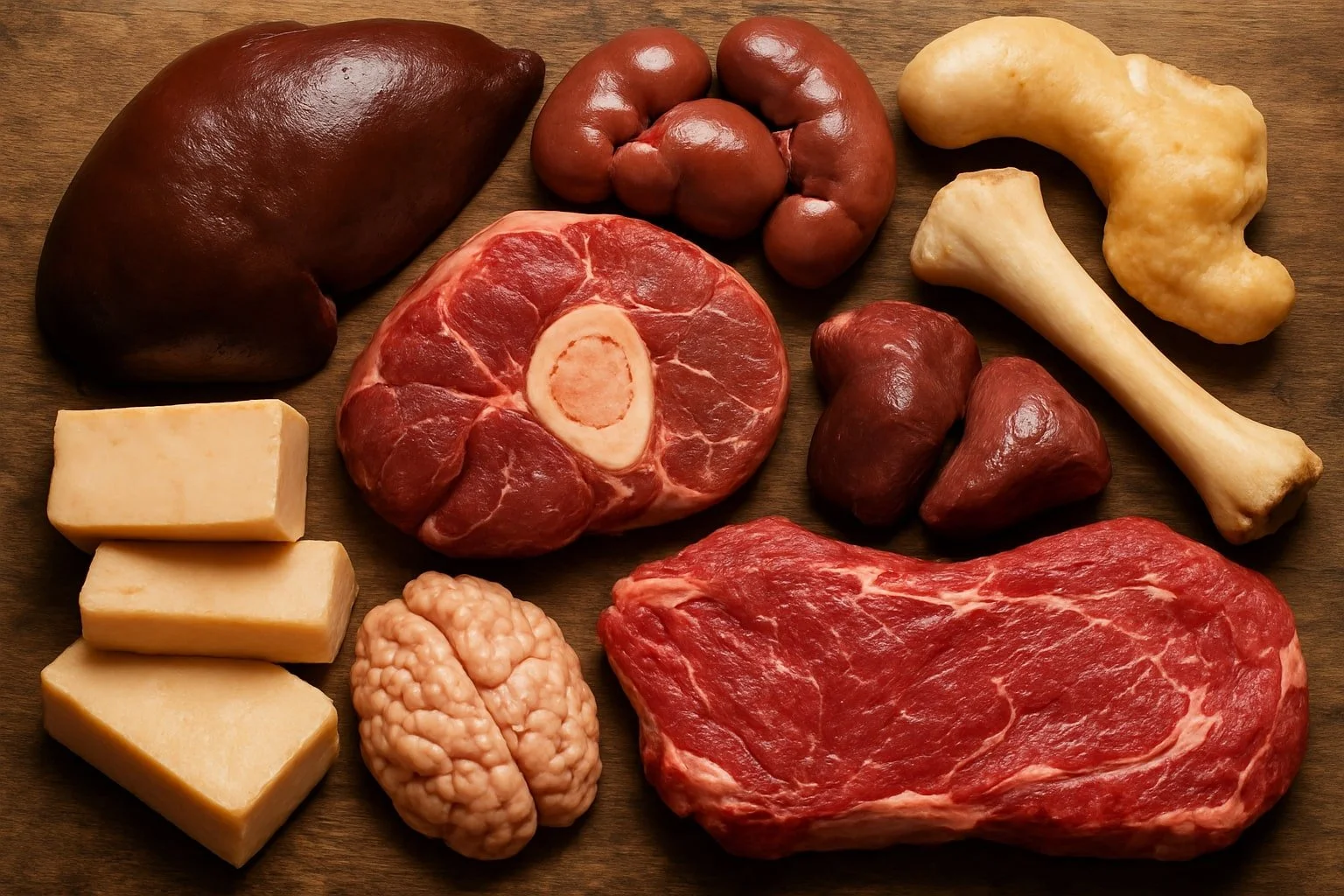
Eating nose-to-tail on the carnivore diet is the most effective way to achieve nutritional completeness and maintain long-term health. Unlike limiting meals to steak and eggs, a true nose-to-tail approach includes organ meats, bones, and connective tissues, supporting a more balanced intake of essential nutrients. This method mirrors evolutionary eating patterns and is increasingly recognized among those who prioritize nutrition and health.
Adopting a nose-to-tail philosophy on the carnivore diet means benefiting from a broader spectrum of vitamins and minerals that are often lacking in muscle meat alone. Bone, cartilage, and organ meats contribute nutrients like vitamin A, iron, and collagen, helping to fill nutritional gaps. This comprehensive eating style strengthens the dietary foundation for those choosing a carnivore lifestyle.
Fundamentals of Nose-to-Tail Eating
Nose-to-tail eating is a nutritional approach focused on consuming both muscle meats and organ parts like liver, heart, and marrow. By including a variety of animal tissues, this method aims to provide a spectrum of essential nutrients often lacking in traditional diets centered solely on muscle meat.
Principles of the Nose-to-Tail Carnivore Diet
At the core of the nose-to-tail carnivore diet is the idea of utilizing as much of the animal as possible. This means that meals go beyond steaks and roasts to include organs, connective tissues, bones, and fats.
Advocates emphasize minimizing waste and obtaining a broad nutritional profile. Eating multiple parts of the animal is rooted in ancestral practices, where survival depended on making full use of each hunt.
Key principles include:
Diversity of animal parts: Emphasis on regular consumption of both common cuts and less popular items like kidney or cartilage.
Balance: Eating muscle meat alone can be nutritionally incomplete, so organs and marrow are included for their nutrient density.
Preparation methods: Techniques such as slow-cooking, fermenting, or making bone broth help increase nutrient absorption and make tougher cuts palatable.
Why Nose-to-Tail Supports Nutritional Completeness
Muscle meat supplies high-quality protein and some micronutrients but lacks others like vitamin A, vitamin K2, and certain minerals. Organs such as liver and heart are rich sources of vitamins, minerals, and essential fatty acids.
Consuming a full range of animal parts reduces the risk of deficiencies commonly seen in diets lacking organ meats. For instance, liver provides vitamin A and B12, while bone marrow offers healthy fats and collagen.
Table: Key Nutrients by Animal Part
Animal Part Key Nutrients Liver Vitamin A, B12, Iron Heart CoQ10, Zinc, B vitamins Bones/Marrow Collagen, Calcium, Omega-3 fats Kidneys Selenium, C, B vitamins
Consistent inclusion of these parts helps ensure a more balanced intake of essential nutrients compared to eating muscle meat alone.
Role of Meat and Organs in Human Health
Animal-sourced foods have played a vital role in human evolution and health. Muscle meat offers complete proteins with a full amino acid profile, which is critical for tissue repair, immune function, and overall energy.
Organs support specific biological functions. For example, liver boosts red blood cell formation and immune defense, while heart supplies nutrients that benefit cardiovascular health. Eating the lungs and other organs of respiration, although less common, can contribute unique peptides and micronutrients.
Carnivore diets that include organs tend to be richer in fat-soluble vitamins and minerals than those centered only on steak or ground beef. This well-rounded intake can support bone health, hormonal balance, and metabolic resilience for those following an animal-based approach.
Key Food Groups in Nose-to-Tail Carnivore
A nose-to-tail approach involves consuming all usable parts of the animal to optimize nutritional intake. This pattern not only increases nutrient density but also helps address potential gaps seen in more restrictive carnivore diets that rely solely on muscle meat.
Muscle Meat and Its Benefits
Muscle meat forms the basis of many carnivore meals. It provides high-quality, complete protein essential for muscle function, tissue repair, and enzyme production.
Muscle cuts such as ribeye, sirloin, and ground beef are rich in amino acids like leucine and lysine. These amino acids are critical for maintaining lean muscle mass and support metabolic health. Muscle meat is a significant source of iron, particularly heme iron, which the body absorbs efficiently. Adequate iron intake is closely linked to supporting the circulation of the blood and preventing iron deficiency anemia.
B vitamins, such as B6 and B12, are abundant in muscle meat. These vitamins play a key role in energy metabolism and the formation of red blood cells. Including a variety of muscle meat cuts in the diet helps cover daily macronutrient needs while providing foundational micronutrients.
Nutrient Function Example Sources Protein Muscle growth/repair Beef, lamb Iron Blood formation Steak, pork chops Vitamin B12 Nerve, blood health Ground beef, bison
Organ Meats: Nutritional Powerhouses
Organ meats are among the most nutrient-dense foods available. Liver, heart, kidney, and spleen offer concentrated sources of vitamins and minerals not found in muscle meat alone.
Beef liver, for example, contains very high amounts of vitamin A, B12, folate, copper, and choline. Heart is rich in CoQ10, a nutrient involved in energy production and circulation of the blood. Including organs like kidney and spleen extends the nutrient profile by providing selenium, zinc, and additional iron.
Eating a variety of organs helps fill common nutrient gaps and ensures intake of micronutrients vital for immune function, vision, and cardiovascular health. Some carnivore practitioners recommend consuming small servings of organ meats weekly due to their potency and concentration of fat-soluble vitamins.
Tip: Unfamiliar eaters can introduce organ meats by mixing small amounts into ground meat recipes.
Bone, Marrow, and Connective Tissue
Bones, bone marrow, and connective tissue play an important role in a nose-to-tail regimen. Simmering bones yields bone broth loaded with collagen, gelatin, and minerals such as calcium, magnesium, and phosphorus.
Marrow, found inside large bones, is a source of healthy fats, fat-soluble vitamins, and stem cells. Consuming the soft connective tissue in oxtails, shanks, and skin provides additional collagen and glycine—key components for joint, skin, and gut health.
Regularly eating these parts may help support overall connective tissue and bone strength. The gelatin and glycosaminoglycans present in broth and stews promote healthy cartilage, lubricate joints, and may even aid digestion by supporting intestinal lining integrity.
Source Primary Benefit Example Dish Bone Broth Collagen, minerals Stock, soups Marrow Bones Healthy fats, vitamin K2 Roasted marrow Tendons/Skin Gelatin, glycine Stews, broths
How Nose-to-Tail Eating Achieves Nutritional Completeness
Nose-to-tail eating includes all edible parts of the animal—muscle, organs, connective tissue, and fat—unlike typical meat-based eating patterns. By using the whole animal, this approach offers a broader range of nutrients and balances that can be hard to achieve with muscle meat alone.
Essential Micronutrients in Animal Foods
Organs such as liver, heart, and kidney provide some of the most concentrated sources of essential vitamins and minerals available. For example, liver is high in vitamin A, B vitamins, iron, copper, and folate, supporting energy, immune function, and red blood cell production.
Heart contains significant amounts of coenzyme Q10, B12, and selenium, all of which play roles in metabolic health and cellular energy. Kidneys offer selenium and other trace minerals. Consuming a variety of these parts as part of a nose-to-tail diet ensures intake of nutrients that muscle meats often lack.
A simple comparison can be seen below:
Organ Key Nutrients Liver Vitamin A, B12, Iron Heart CoQ10, B12, Selenium Kidney Selenium, B6, Iron
These micronutrients are particularly important for supporting health, athletic performance, and metabolic function.
Balancing Macronutrients on a Carnivore Diet
Eating nose-to-tail helps provide a more complete range of macronutrients than eating only lean muscle meat. While skeletal muscle is rich in protein, other parts—like fat trimmings, marrow, and skin—supply essential fats and collagen.
Fatty cuts and organ meats also contain saturated and monounsaturated fats, which are vital for hormone production and energy balance on a carnivore plan. The collagen and connective tissues found in less commonly consumed parts support joint health, skin structure, and recovery—important for athletic performance.
This balance helps maintain stable energy, especially when dietary carbohydrates and fiber are minimal. It reduces the risk of deficiencies that typically occur if only lean meats are consumed for extended periods.
Role of Variation in Food Selection
Variation in food choices—such as including different organs, cuts, and fat sources—maximizes nutrient diversity and intake. Regularly rotating liver, heart, kidney, marrow, and even skin ensures different micronutrients and amino acids are consumed, addressing the limits of any single food item.
Variation is also crucial for minimizing toxicity from over-consuming one type of organ, especially those high in vitamin A or other fat-soluble nutrients. Selecting cuts with varying fat and protein contents allows for better macronutrient customization for individual health goals and activity levels.
Although animal-based diets are generally low in fiber, rotating parts that include some connective tissue can contribute to digestive health. This approach supports both optimal nutrition and adaptability for different lifestyles and activity demands.
Evolutionary and Historical Context
The practice of nose-to-tail carnivory draws from a long evolutionary lineage, shaped by foraging behaviors, fossil evidence, and observations from both extinct and modern animals. Research from anthropology and paleontology provides important insights into how early humans secured nutrition and adapted over time.
Human Ancestry and Carnivory
Early Homo species, such as Homo habilis and Homo erectus, incorporated animal foods extensively into their diets. Archaeological records indicate not only the use of stone tools to process flesh but also targeted extraction of nutrient-rich organs like marrow and brains.
Evidence of cut marks on large mammal bones points to systematic butchery for both muscle meat and softer, more nutritious tissues. Eating the whole animal—muscle, fat, organs, marrow—likely supported larger brain growth due to a higher intake of critical nutrients.
Modern analyses of ancestral diets suggest that including organ meats provided vitamins A, B12, and essential minerals that are difficult to obtain from muscle meat alone. This comprehensive approach to eating allowed early humans to thrive in variable, often challenging environments.
Significance of Fossil Remains and Extinct Animals
Fossil remains inform much of what is known about meat consumption in prehistory. Excavations have uncovered bones with distinctive tool and percussion marks indicating marrow extraction and skull opening for brain access.
A table of select fossil finds:
Site Species Activity Noted Olduvai Gorge Large mammals Marrow extraction Swartkrans Cave Extinct bovids Skull breakage for brain access Schöningen, Germany Horses Systematic butchery, organ use
Studies of extinct megafauna, such as mammoths and ancient bovids, reveal recurrent exploitation not just of flesh, but also high-value fat deposits, brains, and marrow—often left intact by larger carnivores but accessed by tool-using hominins.
Early Scavengers and Naturalists
Before mastering hunting, early humans and their ancestors engaged in scavenging, taking advantage of leftovers from other predators. This behavior prioritized nutrient-dense parts, particularly marrow and organs, which were often left behind.
Observations from naturalists and studies by palaeontologists show that many present-day carnivores and scavengers consume a wide range of tissues, not just muscle. For instance, spotted hyenas, lions, and jackals display selective eating patterns that maximize nutrition.
Early human scavenging mirrored this approach. By accessing carcasses for organ meats and fat, these populations gained key nutrients critical to growth and survival, supporting the adoption of a nose-to-tail strategy over thousands of years.
Anatomical Insights from the Living World
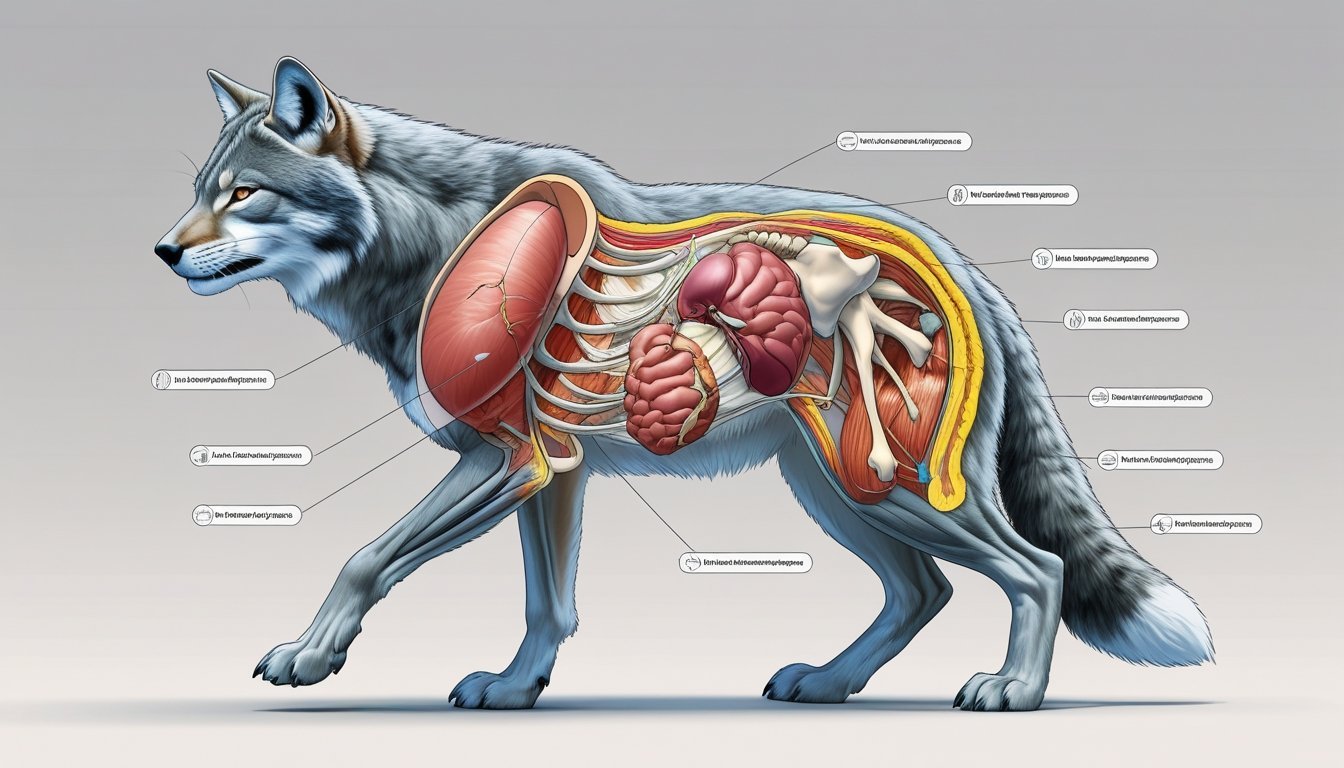
Patterns in anatomical variation reveal how structural adaptations support diverse dietary strategies and ecological roles. Focusing on actual species and heritable traits can help clarify the relevance of nose-to-tail principles to nutrition and physiology.
Adaptive Variation Among Living Beings
Living beings display a range of anatomical adaptations affecting bone structure, organ size, and nutrient utilization. For example, the femur and humerus vary in length and robustness depending on an animal's mode of locomotion and body mass.
Vertebrae also reflect lifestyle, with differences in flexibility seen between predators and grazing animals. Carnivores tend to have more flexible spines, supporting rapid movements, while herbivores have more rigid vertebral columns for stability.
These variations are not random; they result from specific evolutionary pressures tied to each species’ ecological niche and dietary requirements.
Notable Examples: Equus caballus and Argentina
Equus caballus, the domestic horse, provides a clear example of anatomical specialization. Its long, sturdy femur and reinforced vertebrae allow for high-speed running and endurance, optimized for open grasslands.
In Argentina, traditional diets often utilize the full range of animal parts, reflecting adaptive use of available resources. The inclusion of bone marrow, organ meats, and connective tissues supports nutritional completeness and aligns with nose-to-tail principles.
By contrasting the horse’s skeletal adaptations with dietary practices in Argentina, it becomes clear that species and cultural context determine how anatomical features and food choices are interrelated.
Hereditary Transmission in Carnivores
Hereditary transmission of anatomical traits in carnivores ensures the survival of characteristics best suited for hunting and processing animal foods. Features like elongated humerus and femur bones, along with specialized vertebrae, are commonly inherited.
These traits enable carnivores to efficiently capture prey and consume not only muscle, but also nutrient-rich organs and bones. Such inheritance is vital for offspring survival, as young animals adopt feeding behaviors and anatomical advantages from their parents.
Specific genetic pathways regulate development of these structures, ensuring fidelity across generations and supporting the nose-to-tail model seen in natural carnivore populations.
Optimizing Athletic Performance with Nose-to-Tail Nutrition
Nose-to-tail carnivore eating prioritizes nutrient density by including organ meats, connective tissues, and muscle cuts, supporting robust muscle function and metabolic health. Key animal-derived nutrients contribute to efficient blood circulation, tissue recovery, and potentially better athletic performance when compared to conventional diets.
Impact of Animal-Based Diets on Muscle Function
Animal-based diets, especially when practicing nose-to-tail eating, supply proteins containing all essential amino acids. These proteins assist in muscle repair and hypertrophy after periods of intense activity.
Organ meats provide nutrients like creatine, carnosine, and B vitamins, which are important for energy production within muscles. Creatine, commonly found in red meat and organs, supports higher intensity training by boosting adenosine triphosphate (ATP) synthesis.
Collagen-rich cuts and connective tissues may benefit joint health, aiding resilience and flexibility. By eating a variety of animal parts, athletes can support the full structure and function of muscle and connective tissue.
Role of Circulation of the Blood in Physical Activity
Nutrients found in organ meats, such as iron and CoQ10, play a crucial role in optimizing blood circulation for athletes. Iron from liver and spleen supports hemoglobin synthesis, crucial for oxygen transport during exercise.
CoQ10, abundant in heart tissue, enhances cellular energy output in muscles and the cardiovascular system. This compound has been linked with maintaining youthful vascular function and reducing inflammation, which helps with exercise recovery.
Nose-to-tail nutrition supplies vitamin B12, heme iron, and other factors that help prevent anemia and support endurance by maintaining a healthy red blood cell count. Good circulation ensures efficient nutrient delivery and waste removal during physical activity.
Comparing Athletic Outcomes: Carnivore vs. Other Diets
Studies and anecdotal reports suggest that some athletes on nose-to-tail carnivore diets experience stable energy, quick muscle recovery, and improved body composition. The absence of plant-based anti-nutrients can also reduce gastrointestinal distress for some individuals.
Compared to plant-based or high-carbohydrate diets, nose-to-tail carnivore eating provides high levels of bioavailable proteins and micronutrients. This makes it easy to meet requirements for iron, zinc, and B vitamins critical for sports performance.
However, individual responses vary. Some athletes may miss the rapid glycogen replenishment associated with higher carb intakes. Still, the nutrient density and bioavailability of animal-based diets can deliver unique performance advantages, particularly for strength and power sports.
Scientific Perspectives and Future Directions
The nose-to-tail carnivore approach has provoked considerable interest from both scientists and nutritionists, who note its connections to evolutionary history and human physiology. Scientific exploration continues to investigate the nutritional impact, health implications, and wider ecological considerations.
Current State of Scientific Knowledge
Researchers agree that the nose-to-tail concept mirrors the dietary habits of ancestral populations.
Studies identify that organ meats, connective tissue, and animal fats deliver nutrients that are rare in muscle meat alone, such as vitamin A, copper, zinc, and glycine. Consuming a broader range of animal parts supports micronutrient balance and may address deficiencies seen in restrictive diets focused solely on muscle meat.
Clinical data on long-term health outcomes is limited. However, observational and anthropological evidence confirms high prevalence of nose-to-tail eating in traditional societies. This dietary practice is believed to have supported human development and adaptation throughout history.
Ongoing Research in Natural History and Organic Life
Investigations into natural history reveal that apex predators, including early humans, typically consumed entire animals. This behavior maximized nutrient availability and minimized waste, aligning with patterns observed in organic nature.
Modern studies in organic life focus on how comprehensive animal consumption supports gut health and immune function. Animal-sourced nutrients, including collagen, omega-3 fatty acids, and essential minerals, are being examined for their roles in cellular repair and metabolic processes.
Scientists are also studying animal tissue in relation to the living world’s cycles, evaluating how traditional consumption patterns impact sustainability and ecosystem balance. This research draws connections between ancestral eating and modern health considerations.
Potential Applications and Implications
The nose-to-tail philosophy may influence future dietary guidelines by emphasizing nutrient density and food diversity within animal-based diets.
Potential applications include:
Nutritional therapy for those with specific deficiencies
Sustainable food practices that reduce waste
Culinary innovation driven by whole animal consumption
Adopting these principles may advance personal health and promote ethical, environmentally aligned food systems. Careful integration into modern eating habits requires awareness of sourcing, food safety, and individual nutritional needs. Continued research will clarify long-term effects and refine practical recommendations.

