
Intermittent Fasting vs. Grazing on Carnivore
Comparing Meal Timing Strategies for Meat-Based Diets

Intermittent fasting and grazing are two common strategies people use on the carnivore diet to manage their eating patterns and support their health goals. On a carnivore diet, intermittent fasting typically involves eating all meals within a set timeframe, while grazing means eating small amounts of animal-based foods throughout the day. Choosing intermittent fasting on a carnivore diet often leads to more stable energy, easier appetite control, and may provide metabolic benefits compared to grazing.
Many people notice that eating less frequently can help simplify food choices, reduce cravings, and allow the body to rest between meals. Grazing, by contrast, may appeal to those who prefer to eat whenever hungry but can sometimes make it harder to maintain strict carnivore guidelines or manage calorie intake.
Readers interested in optimizing their results on a carnivore diet will find that understanding the benefits and challenges of both approaches is essential for making an informed decision about which eating pattern fits best with their lifestyle and health objectives.
What Is Intermittent Fasting on a Carnivore Diet?
Intermittent fasting on a carnivore diet involves scheduled meal timing that limits eating to specific windows, typically using only animal products. This approach often leads to fewer meals and longer fasting periods due to the satiating nature of zero-carb, protein- and fat-rich foods.
Common Intermittent Fasting Protocols
Intermittent fasting protocols vary in structure and duration, with the 16:8 method being one of the most popular. In this protocol, individuals fast for 16 hours and eat during an 8-hour window.
Another widespread approach is One Meal a Day (OMAD), where all food is eaten within a single meal window, usually lasting 1-2 hours. Some also adopt alternate-day fasting, where food is consumed every other day.
Protocol Fasting Window Eating Window 16:8 16 hours 8 hours OMAD 23 hours ~1 hour 18:6 18 hours 6 hours Alternate Day 24 hours Every other day
These routines are often chosen to suit personal preferences, lifestyle, and satiety cues.
How Intermittent Fasting Works with Zero-Carb Diets
On a carnivore diet, which consists exclusively of animal products and excludes carbohydrates, fasting often becomes easier because fatty meats and protein provide more sustained satiety. This helps regulate hunger cues more naturally, allowing longer periods without food.
Insulin levels typically remain stable due to lack of sugar intake, enabling efficient fat metabolism during fasting windows. The absence of plant-based foods eliminates potential spikes in blood glucose, further assisting with stable energy levels.
Combining fasting with animal-only meals can support weight management, as the body readily switches to using stored fat for energy. This synergy between fasting and the carnivore diet may also lead to improved metabolic flexibility.
Popular Meal Timing Patterns
Those following intermittent fasting on a carnivore diet commonly eat one or two meals per day. For example, many choose a midday meal and an evening meal to fit their 8-hour eating window, often skipping breakfast.
OMAD is especially popular, as large, nutrient-dense meals from animal products can provide enough calories and nutrition at once. Eating windows are typically straightforward: late afternoon or early evening is a common time for the day's only meal.
Skipping snacks is standard, as the diet's satiating nature reduces the desire to graze. Strict meal timing patterns help reinforce fasting habits and support consistency, often matching the preferences and energy needs of carnivore dieters.
What Is Grazing on a Carnivore Diet?
Grazing on a carnivore diet involves eating small amounts of animal-based foods several times throughout the day. This approach contrasts with structured meal timing and typically emphasizes continuous access to animal products and stable energy intake.
Meal Frequency and Structure
Grazing means consuming multiple small meals or snacks daily instead of eating two or three large meals. People often eat every 2–3 hours, aiming to avoid long periods without food. There are no long fasts or extended breaks between eating sessions.
Instead of traditional breakfast, lunch, and dinner, the day includes several mini-meals. These can be as frequent as six to eight eating occasions per day. The goal is to keep hunger minimized and avoid large spikes in appetite or fullness.
Adopting this eating pattern may feel more natural to some, especially those prone to hunger or those who dislike heavy meals. There is no standard schedule; each person adjusts their timing based on routine, work, and activity levels.
Typical Food Choices
Grazers on a carnivore diet focus on animal-based foods, primarily meat, fish, eggs, and sometimes dairy. Snacks might include slices of cooked steak, hard-boiled eggs, pieces of cheese (if tolerated), or small servings of ground meat.
Most avoid processed foods, plant-based snacks, and sugar. A typical day’s list of grazing options:
Jerky or dried meat
Cooked bacon or sausage
Leftover roast beef or chicken
Pork rinds
Egg bites or quail eggs
Cheese sticks (if dairy is included)
Portion sizes are intentionally small, just enough to satisfy hunger for a couple of hours. Emphasis is placed on foods with high protein and fat to provide steady energy and reduce cravings.
Energy Levels Throughout the Day
Frequent consumption of animal products supplies a steady stream of calories and nutrients. This approach aims to prevent energy dips that might occur with longer fasting intervals or very large, infrequent meals.
People who graze may report more consistent energy without sudden fatigue or hunger-driven drops in mood. Stable intake of protein and fat helps sustain concentration and physical performance, especially during busy or active days.
However, some notice that energy levels remain more constant but never reach the same sense of fullness or satisfaction that larger, less frequent meals provide. Short breaks between meals may help avoid the sluggishness linked to overeating, but can require more planning and preparation throughout the day.
Comparing Weight Loss and Fat Loss Results
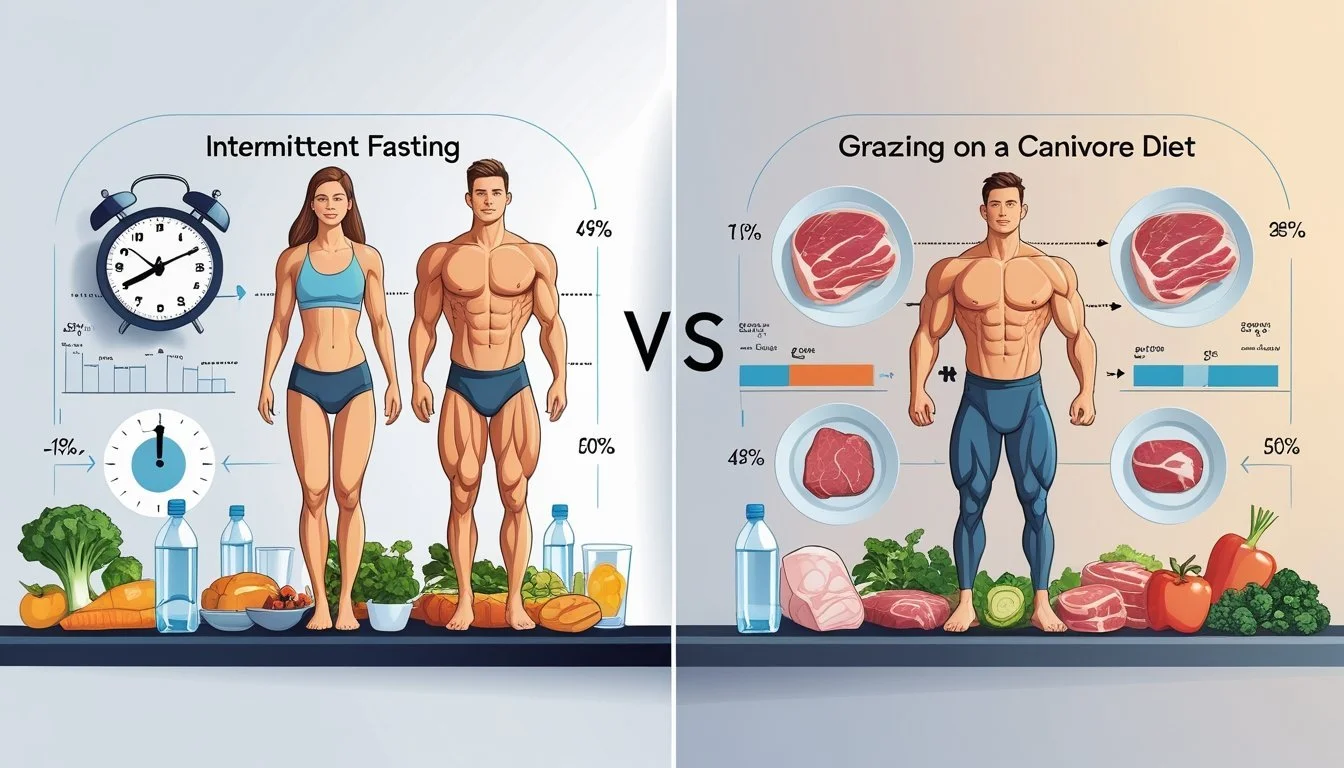
Weight and fat loss can differ depending on whether someone follows intermittent fasting or a grazing pattern on the carnivore diet. Differences in fat burning, insulin sensitivity, and appetite control can be significant between these two eating approaches.
Fat Burning and Metabolic Health
Intermittent fasting, such as the 16:8 or alternate-day fasting methods, encourages the body to shift into a fat-burning state during fasting periods. This occurs because glycogen stores become depleted, prompting the body to utilize stored fat for energy.
Studies show that alternate-day fasting can result in greater weight loss compared to continuous calorie restriction. For example, people following a 4:3 fasting schedule over one year lost more weight than those on a standard calorie-restricted diet.
Grazing, where individuals eat small, frequent meals throughout the day, tends to keep insulin levels higher and may limit the body's ability to tap into fat stores. Although steady energy intake can help prevent hunger for some, this eating style may blunt fat-burning compared to intermittent fasting patterns.
Effects on Insulin Sensitivity
Improvement in insulin sensitivity is often cited as a benefit of intermittent fasting. Periods of fasting lead to reduced insulin levels, allowing cells to respond better to insulin when food is consumed again.
On the carnivore diet, reducing carbohydrate intake already plays a significant role in lowering overall insulin demand. However, stacking intermittent fasting may further improve metabolic health, particularly in people with obesity or insulin resistance.
Grazing tends to create more frequent spikes of insulin throughout the day. While the meat-heavy carnivore diet may minimize sharp rises, eating more often still doesn't allow insulin levels to drop as low as they do during extended fasting periods.
Satiety and Appetite Control
Satiety—the feeling of fullness—can be affected by both meal frequency and food composition. On a carnivore diet, high protein and fat content tend to promote fullness for longer periods, regardless of how often one eats.
Intermittent fasting may improve appetite regulation by aligning eating windows with natural hunger cues and reducing opportunities for mindless snacking. Many reporting using fasting find that hunger decreases over time, making it easier to maintain a calorie deficit for weight loss.
In grazing, appetite control is dependent on very regular eating intervals. For some, this can stabilize energy and prevent overeating. However, others may find constant access to food encourages additional calories consumed, potentially hindering fat loss, especially if satiety signals are blunted.
Impact on Blood Sugar and Insulin
Meal timing on a carnivore diet can affect how the body manages blood sugar and insulin. Different eating patterns, such as intermittent fasting or grazing, lead to distinctive metabolic responses with potential implications for health.
Blood Sugar Levels Throughout the Day
Intermittent fasting tends to produce more stable blood sugar levels over a 24-hour period compared to frequent grazing. By introducing longer fasting periods between meals, blood glucose levels drop and remain lower for extended periods, reducing fluctuations.
In contrast, grazing—eating multiple small meals or snacks throughout the day—can cause modest but frequent spikes in blood sugar. Although the carnivore diet is very low in carbohydrates and does not cause large surges like high-carb meals, regular protein intake can still trigger mild increases.
Monitoring fasting glucose is important for assessing how each pattern affects overall metabolic health. Individuals with prediabetes or insulin resistance may find that intermittent fasting helps keep fasting glucose in an optimal range. Shorter eating windows can minimize the number of blood sugar elevations, promoting steadier control.
Insulin Response to Meal Patterns
Insulin sensitivity is often improved by intermittent fasting. With fewer meals, insulin is released less frequently, allowing insulin levels to fall to baseline between meals and potentially increasing the body’s responsiveness to it. This is especially beneficial for those with insulin resistance or at risk for developing type 2 diabetes.
When grazing, the constant intake requires the pancreas to secrete insulin throughout the day. Even on a carnivore diet, frequent meals can maintain moderately elevated insulin for longer periods, which may challenge insulin sensitivity over time.
Table: Insulin Dynamics by Meal Pattern
Eating Pattern Insulin Frequency Effect on Sensitivity Intermittent Fasting Less frequent, longer gaps Often increased Grazing Frequent, short gaps May decrease over time
Reducing meal frequency allows for periods of low insulin, possibly supporting better long-term metabolic health. For those already experiencing insulin resistance, spacing out meals can make a difference in how the body responds to insulin after eating.
Nutrient Intake and Potential Deficiencies
Both intermittent fasting and grazing on a carnivore diet shape nutrient intake differently. These eating patterns can affect protein, fat, and micronutrient consumption, with possible risks for nutrient deficiencies depending on dietary choices.
Protein and Fat Requirements
Animal products are dense sources of complete protein and fat. Grazing on a carnivore diet generally meets daily protein needs, supporting muscle maintenance and cellular function.
Typical animal-based foods—such as beef, poultry, and fish—provide a full range of essential amino acids. Fats from these foods supply energy and help absorb fat-soluble vitamins (A, D, E, K).
Intermittent fasters on a carnivore diet consume the same foods but in condensed meal windows. As long as total calorie and protein needs are met during eating periods, there is no evidence that intermittent fasting reduces protein or fat intake from animal sources.
Micronutrient Considerations
Carnivore diets mainly provide micronutrients such as iron, zinc, and vitamin B12, which are abundant in red meat and organ meats. However, strict adherence can limit intake of nutrients typically found in plant foods, like vitamin C and certain phytonutrients.
Some forms of intermittent fasting, especially if calorie intake drops too low, may risk deficiencies due to reduced food volume. Grazers may fare better, but lack of dairy or organ consumption can still result in deficiencies in calcium, magnesium, or vitamin K2.
Key nutrients to monitor on either approach include:
Nutrient Main Animal Source Deficiency Risk Vitamin C Liver, limited in meat Moderate Calcium Dairy, bones Moderate Magnesium Organ meats, shellfish Moderate B12, Iron Red meat, organs Low
Regular inclusion of nutrient-dense animal parts (liver, bone-in cuts, shellfish) and, if tolerated, dairy, helps reduce risk of deficiencies. Supplements are sometimes considered if dietary sources are insufficient.
Health Benefits and Potential Risks
Research into intermittent fasting and grazing on a carnivore diet highlights their influence on inflammation levels, digestive health, cellular repair, mental function, and risk factors for chronic diseases. Each approach shows distinct effects that impact key aspects of health, based on both scientific evidence and clinical experience.
Reduced Inflammation and Gut Health
Intermittent fasting has been associated with reductions in systemic inflammation markers such as CRP and IL-6. Short, regular fasting windows may give the digestive system a break, potentially lowering the burden on gut tissues and allowing for improved gut barrier function.
A carnivore diet, which eliminates plant fibers and common dietary irritants, may be beneficial for certain individuals with autoimmune symptoms or irritable bowel syndrome. Grazing throughout the day on only animal products, however, could increase digestive load and reduce the gut’s natural periods of rest. This may lead to mixed results for gut microbiome diversity and long-term gut health, with the risk of nutrient imbalances or constipation if not properly managed.
Autophagy and Mental Clarity
Autophagy—a process of cellular cleanup and renewal—is stimulated during extended fasting periods. Intermittent fasting is linked to an increase in autophagy, which may protect neural health and support mental clarity by removing damaged cell components. Some people report enhanced focus and reduced brain fog, particularly during fasting windows.
Grazing on a carnivore diet does not trigger autophagy to the same extent, since constant nutrient intake, especially of protein, tends to suppress this process. However, the simple composition of the diet may decrease exposure to substances that negatively impact brain function in sensitive individuals, though there is little evidence that grazing itself enhances cognitive function.
Heart Disease and Long-Term Effects
Fasting regimens such as time-restricted feeding or alternate-day fasting can lead to improvements in key heart disease risk factors. These include decreased blood pressure, improved blood lipid profiles, and reduced insulin resistance. Individuals with a family history of cardiovascular disease may benefit from careful application of fasting protocols under medical supervision.
Grazing on a carnivore diet eliminates plant-based sources of antioxidants and fiber. While some report better blood sugar control and weight loss, potential risks include an increase in LDL cholesterol and reduced intake of key nutrients like vitamin C and potassium. The impact of a purely animal-based grazing diet on long-term cardiovascular health is not yet fully understood, and more research is needed to clarify these effects.
Lifestyle Factors and Individual Preferences
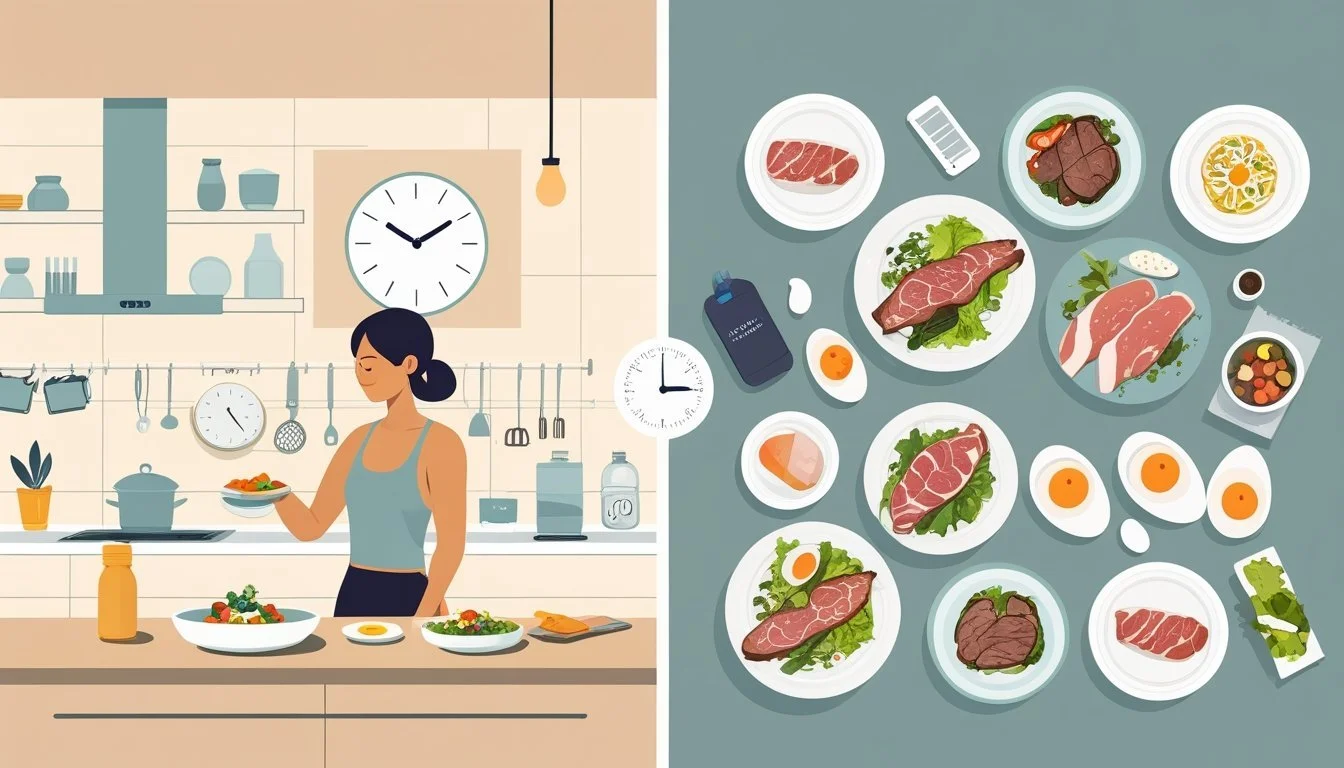
Selecting between intermittent fasting and regular grazing on a carnivore diet depends on several practical considerations. These include how each approach fits into daily routines, the impact on exercise habits, and the role of personal taste and social situations.
Adhering to a Carnivore Meal Plan
Maintaining a carnivore meal plan requires a structured approach. Intermittent fasting typically limits meals to specific windows, such as eating only between 12 p.m. and 8 p.m., which can offer convenience for those who prefer fewer, larger meals. Grazing encourages more frequent meals throughout the day, which some find helps energy levels but may require more meal preparation and accessibility to animal-based foods.
For people with busy schedules, intermittent fasting on carnivore can simplify planning by reducing the number of meals. This approach may also minimize time spent cooking, shopping, and cleaning. However, grazing might be more appropriate for those sensitive to hunger or who have demanding physical jobs where sustained energy is necessary.
Both methods require consistent access to animal products, making advance meal prep and bulk buying beneficial. Practicality often influences which approach is sustainable long-term.
Exercise and Physical Activity
The effect of meal timing on exercise is an important factor. Individuals practicing intermittent fasting may need to align workouts with eating windows to ensure optimal energy and recovery. Consuming animal protein soon after training can support muscle repair, which can be challenging if the fasting window does not align with workout times.
Grazing allows for more flexibility, as food is consumed throughout the day. This can help maintain steady energy during prolonged or intense physical activity, making it easier to incorporate multiple workouts or physically demanding tasks. Some athletes and highly active individuals may prefer this eating pattern to maintain performance.
Hydration and electrolyte management are critical, especially on a strict carnivore diet. Both fasting and grazing require attention to these needs, but extended periods without food can sometimes increase risk of fatigue during exercise.
Dietary Preferences and Social Considerations
Personal taste and social life play significant roles in dietary adherence. Intermittent fasting may require declining invitations to breakfast or early lunches, but those following this pattern often report easier weight management and simpler meal decisions. Conversely, grazing allows for more social eating opportunities and participation in spontaneous meals.
A carnivore diet, regardless of meal timing, can present challenges in group settings due to limited options. Individuals may need to plan ahead or bring food to social gatherings. Clear communication about dietary needs is often necessary.
The choice between intermittent fasting and grazing also aligns with individual hunger cues and preferences for meal size. Some people prefer feeling full after larger meals, while others feel better with smaller portions eaten more often. Both approaches can be adapted with proper planning and support.
Processed, Plant-Based, and Animal-Based Foods: A Comparative Note
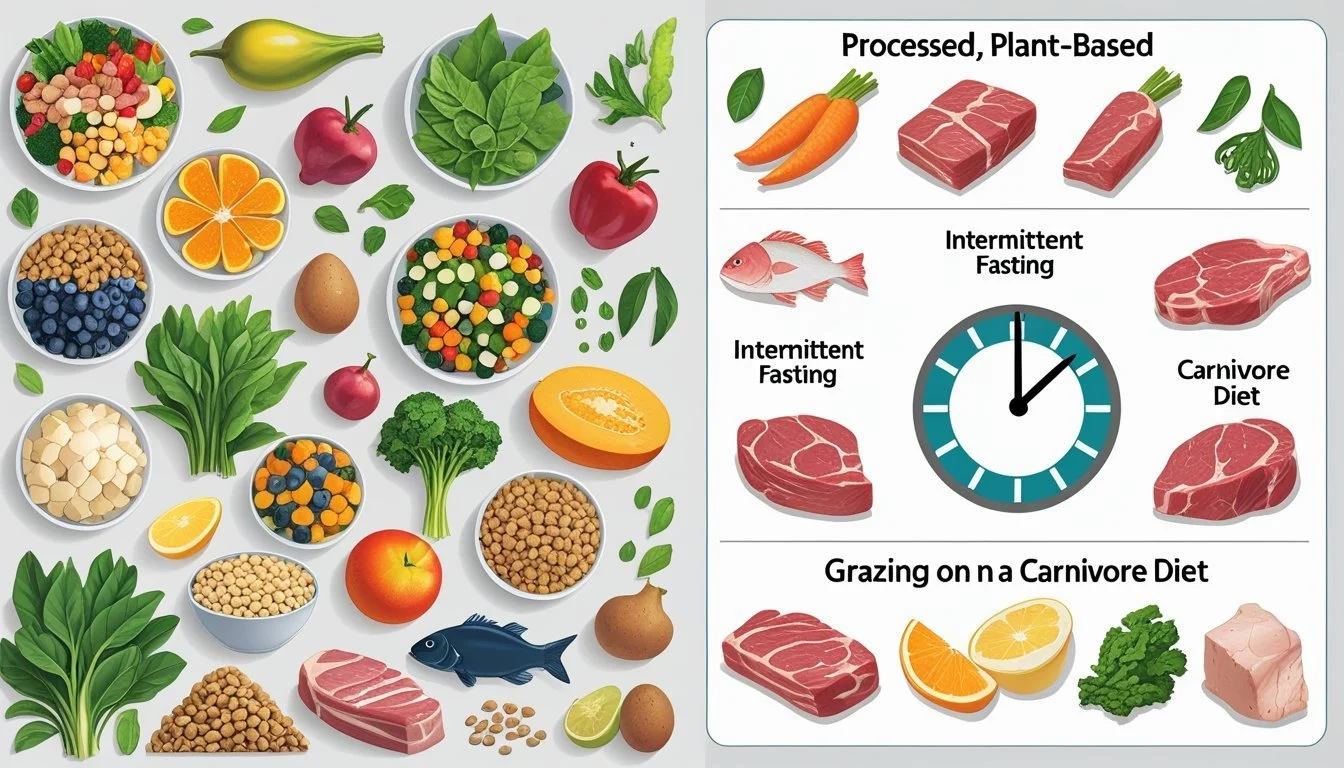
Processed foods are usually defined as items that have been altered from their natural state for convenience or shelf life. Common examples include deli meats, packaged snacks, and frozen dinners. These foods often contain added sugars, sodium, and preservatives.
Plant-based foods center around ingredients derived from plants, such as vegetables, fruits, grains, nuts, and legumes. Many plant-based options are minimally processed, but some—like plant-based burgers or snacks—can be highly processed. Processing can impact the nutritional content and the presence of additives.
Animal-based foods include meats, eggs, dairy, and fish. On a carnivore diet, the focus is on unprocessed options like fresh meat, organ meats, and eggs. Some animal-based products, such as sausages or bacon, can be heavily processed and contain stabilizers, sodium, and preservatives.
Food Type Typical Examples Processing Level Processed Sausages, Chips High Plant-Based Leafy Greens, Beans Low to High Animal-Based Steak, Eggs Low to High
People choosing carnivore diets often prioritize whole, animal-based foods. They may avoid or limit processed meats due to concerns about additives. Those who include plant-based foods, even occasionally, may also consider how processing affects nutrient density and ingredient purity.
Key considerations for any diet include the level of processing and nutrient profile, regardless of whether the foods are plant-based, animal-based, or a mix.

