
Targeted Carnivore for Athletes: Enhancing Performance and Recovery with Precision Nutrition
Many athletes look for diets that can support intense training, faster recovery, and sustained energy levels. The carnivore diet, focused on animal-based foods, has attracted attention for these reasons, but some athletes question whether it can truly meet high performance demands. A targeted carnivore approach allows athletes to maintain the benefits of a meat-based diet while strategically modifying nutrient intake to better support training, recovery, and overall performance.
This version involves careful food selection and timing, which can help manage energy needs during periods of intense athletic activity. Athletes following targeted carnivore often tailor their intake by adding small, purposeful amounts of non-animal nutrients or adjusting meal timing before and after workouts.
Understanding how targeted carnivore strategies work can help athletes decide if this approach aligns with their goals and lifestyle. Readers interested in optimizing athletic performance on a meat-based diet will find practical insights and considerations ahead.
Understanding the Targeted Carnivore Diet
The targeted carnivore diet is structured to maximize athletic performance by modulating intake of animal-based foods and selectively including macronutrients around physical activity. It prioritizes high-protein and fat-rich animal products, with careful adjustments for training demands.
Core Principles of the Carnivore Diet
The carnivore diet focuses exclusively on animal-based foods. This means all meals and snacks come from sources like beef, pork, poultry, fish, eggs, and certain dairy products. No fruits, vegetables, or plant-derived foods are consumed.
By eliminating plant foods, the diet is low in carbohydrates and instead relies on animal protein and fats as primary energy sources. This approach reduces dietary fiber and plant-based micronutrients but can provide concentrated forms of protein, heme iron, zinc, and vitamin B12. The diet also tends to minimize variability and potential food intolerances by restricting food categories.
How the Diet Is Tailored for Athletes
Athletes on a targeted carnivore diet adjust their animal food choices and meal timing to meet training needs. The standard approach increases protein intake for muscle maintenance and repair. Some may strategically add small amounts of fast-digesting carbohydrates from animal sources (like dairy) around workouts to support performance during high-intensity efforts.
Customizing intake involves:
Increasing lean meat and organ consumption for micronutrient support.
Scheduling meals to maximize energy availability pre- and post-training.
Electrolyte monitoring, as reduced carbohydrate intake may impact mineral balance (e.g., sodium, potassium).
Athletes often monitor variables like muscle mass, endurance, strength, and recovery to ensure the diet aligns with training adaptations while minimizing risk of nutrient deficiencies.
Animal-Based Foods and Macronutrients
Primary foods include red meats (beef, lamb), poultry, fish, eggs, and animal fats such as tallow and butter. Athletes may incorporate organ meats like liver and kidney for additional micronutrients. Low-lactose dairy, such as hard cheeses or Greek yogurt, is sometimes used for extra protein and calories.
Key macronutrient breakdown:
Macronutrient Main Sources Typical Ratio Role for Athletes Protein Meat, fish, eggs, dairy 30–40% of calories Muscle repair, satiety, tissue growth Fat Fatty cuts, animal fats, eggs 60–70% of calories Energy, hormone support, satiety Carbs Minimal (trace dairy or eggs) <5% of calories Sometimes used pre-workout (dairy)
This macronutrient focus encourages muscle retention and supports recovery, while minimizing blood sugar fluctuations.
Benefits for Athletic Performance
A targeted carnivore approach can support training goals through precise nutrient timing and food selection. Key areas affected include energy availability, the development of muscle mass and strength, and the body's ability to recover efficiently after exercise.
Energy and Endurance
Animal-based foods provide dense sources of calories, primarily from protein and fat. These nutrients offer stable, sustained energy during prolonged workouts. There is no intake of fast-digesting carbohydrates, so blood glucose remains steady without significant spikes or crashes.
Athletes may adapt by relying more on fat oxidation for fuel. This can enhance endurance for steady-state activities over time. Electrolyte intake—especially sodium, potassium, and magnesium—is essential on a carnivore diet to prevent dehydration or fatigue.
Many notice reduced gut discomfort during training, as animal foods are low in fiber and residue. This can help improve comfort and performance in activities that are sensitive to digestive upset.
Strength Gains and Muscle Growth
Animal proteins are complete sources of essential amino acids necessary for muscle protein synthesis. Regular intake of beef, poultry, fish, and eggs provides the building blocks for maintaining or increasing muscle mass.
High protein intake—often 1.0 to 1.2 grams per pound of body weight—is typical in a carnivore diet. This supports the repair, growth, and retention of lean muscle. Creatine, naturally present in red meat, contributes to improved power output and strength gains during resistance training.
Carnivore eating also supplies nutrients like iron, B12, and zinc, which are crucial for muscle contraction, oxygen transport, and overall physical performance. These nutrients are efficiently absorbed from animal foods.
Recovery and Reduced Inflammation
Recovery between training sessions is influenced by protein quality, micronutrient intake, and inflammation levels. The carnivore diet provides bioavailable protein for muscle repair, along with nutrients like omega-3 fats from fatty fish, which support the reduction of exercise-induced inflammation.
Low exposure to dietary lectins, oxalates, and other plant compounds may result in reduced digestive and systemic inflammation for some athletes. Less soreness and quicker bounce-back have been commonly reported anecdotally.
Good iron and zinc intake alongside B vitamins aid tissue healing. Most athletes find the simplicity of meal composition aids compliance, making recovery routines easier to manage day-to-day.
Optimizing Protein and Amino Acid Intake
Athletes following a targeted carnivore diet need to focus on specific protein sources and ensure their intake of essential amino acids supports muscle health. Choosing nutrient-dense animal foods, understanding protein synthesis, and prioritizing recovery are central for optimal results.
High-Quality Animal Protein Sources
High-quality animal proteins are complete, offering all essential amino acids that human bodies cannot make on their own. Beef, chicken, fish, eggs, and dairy are among the richest sources, providing high protein content per serving and a favorable amino acid profile for athletic needs.
Table: Common Animal Proteins and Protein Content per 100g
Food Protein (g) Key Amino Acids Beef 26 Leucine, Isoleucine Chicken 27 Valine, Lysine Salmon 22 Methionine, Lysine Eggs 13 Leucine, Arginine Greek Yogurt 10 Threonine, Methionine
Organ meats like liver add micronutrients such as iron and B vitamins, further benefiting performance and recovery. Selecting a variety of animal protein sources ensures coverage of all essential nutrients.
Protein Synthesis and Muscle Repair
Muscle repair and growth depend on consistent protein intake, particularly after intense physical activity. Protein synthesis is triggered by amino acids, and animal-based proteins—especially those high in leucine—are the most efficient at stimulating this process.
Athletes require higher protein intake than sedentary individuals, typically ranging from 1.6 to 2.2 grams per kilogram of body weight. Consuming protein evenly throughout the day, such as after training and before sleep, maximizes repair and growth.
Proper timing also enhances recovery rates and helps reduce muscle soreness. Including both whole food and supplemental protein may be useful during periods of intense training or limited access to whole foods.
Amino Acids and Muscle Recovery
Amino acids are the building blocks for muscle tissue. Essential amino acids, especially branched-chain amino acids (BCAAs) like leucine, are critical for promoting muscle recovery and reducing breakdown.
Animal proteins contain all essential amino acids, which is why they are considered complete sources for athletes. Recovery is optimized when sufficient amino acids are available to repair damaged muscle fibers and support new growth.
Research indicates that consistent intake of complete protein post-exercise reduces recovery time. Foods such as beef, eggs, and fish deliver a rapid supply of amino acids, supporting athletes in demanding training cycles.
Essential Fats and Metabolic Adaptation
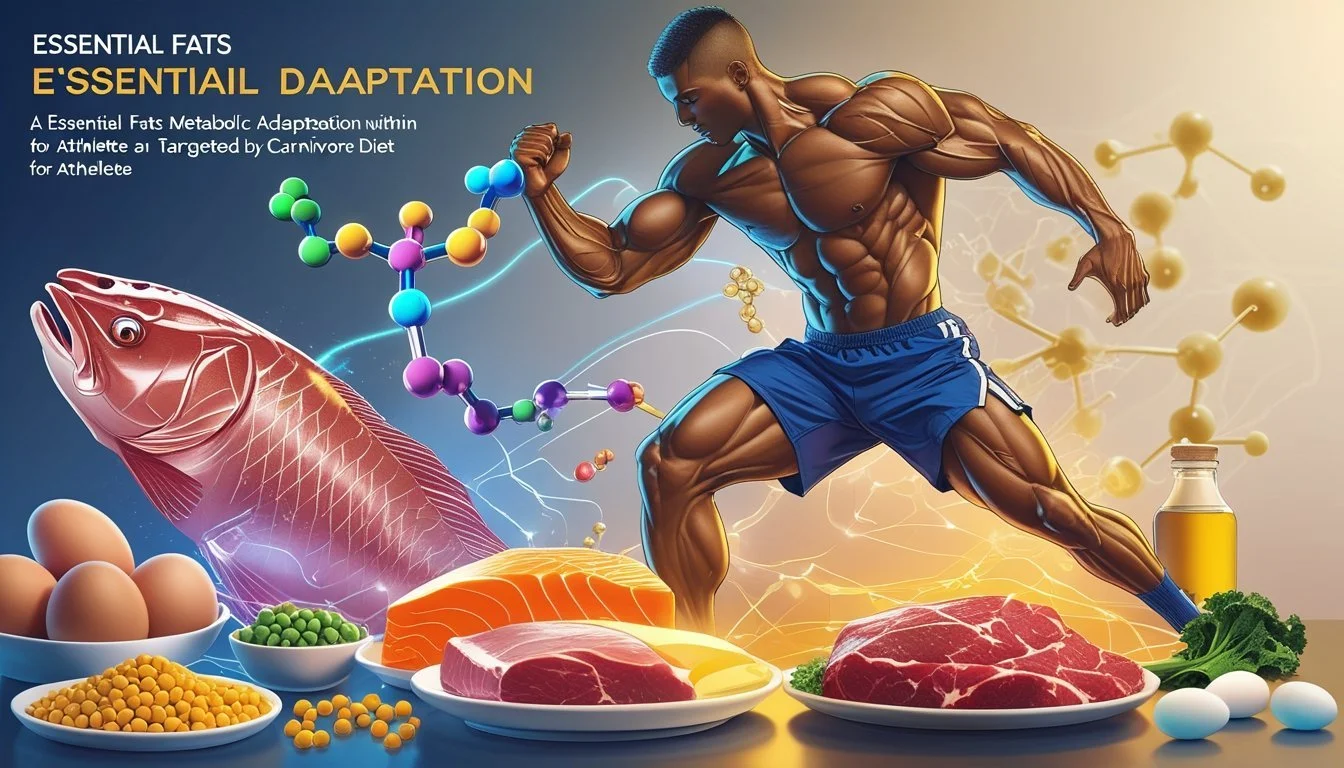
Fats play important roles in an athlete’s energy metabolism, cellular function, and performance. A well-structured carnivore approach leverages these essential fats to support fat adaptation and optimize metabolic health for athletic needs.
Role of Healthy Fats for Athletes
Healthy fats, such as those from fatty cuts of meat, fish, and eggs, provide a dense source of calories and essential nutrients. They are vital for hormone production, cellular structure, and aiding the absorption of fat-soluble vitamins (A, D, E, and K).
For athletes, these fats deliver long-lasting energy, especially during prolonged, lower-intensity exercise. Unlike carbohydrates, fats offer a more sustained release of fuel and reduce the need for frequent refueling. This can translate to fewer energy dips mid-session and more reliable performance in endurance efforts.
Individuals on a carnivore diet often meet their fat needs through sources like beef tallow, pork fat, and oily fish. Consuming a balance of saturated and unsaturated fats helps support inflammation control and cardiovascular health.
Fat Adaptation and Ketosis
Fat adaptation refers to the body’s enhanced ability to burn fats as the primary energy source, crucial for athletes limiting carbohydrate intake. In a fat-adapted state, metabolic pathways shift to favor lipolysis and ketogenesis, leading to the production of ketones for brain and muscle energy.
Key benefits of fat adaptation:
Greater access to stored body fat for fuel
Reduced reliance on glycogen during endurance activities
Stable blood sugar and fewer energy crashes
Studies have shown fat-adapted athletes can oxidize fat at significantly higher rates—up to 1.5 grams per minute—than those on standard high-carbohydrate diets. This adaptation may support steady performance in long-duration events and reduce gastrointestinal issues from carbohydrate overload.
Omega-3s and Essential Fats
Omega-3 fatty acids, especially EPA and DHA found in fatty fish, are essential fats that cannot be synthesized in sufficient amounts by the body. They have an established role in reducing exercise-induced inflammation, supporting recovery, and aiding brain function.
For athletes following a carnivore diet, rich animal sources of omega-3s include salmon, sardines, mackerel, and grass-fed meats. Ensuring regular intake of these foods can help maintain optimal omega-6 to omega-3 ratios, which contributes to cardiovascular health and muscle recovery.
Sources of essential fats:
Food Key Fatty Acids Salmon, sardines EPA, DHA (omega-3s) Beef (grass-fed) ALA, CLA Eggs DHA, cholesterol
Micronutrient Needs and Supplementation
Athletes who follow a targeted carnivore diet often obtain key micronutrients from animal-based foods, but specific nutrients may still be lacking due to dietary restrictions. Understanding which nutrients are abundant, which may require supplementation, and how these impact performance is essential.
Vitamins and Minerals From Animal Products
Animal products are primary sources of several critical vitamins and minerals. For example, red meat and organ meats contain high amounts of vitamin B12, heme-iron, zinc, and creatine. Liver offers concentrated vitamin A and essential minerals such as copper.
Eggs, dairy, and fish provide additional vitamin D and calcium, supporting bone health. Bone marrow and connective tissue in meat supply collagen and trace minerals like phosphorus and magnesium. The bioavailability of these nutrients in animal products is generally high, making them readily absorbed.
Animal Food Key Micronutrients Beef (muscle) Iron, Zinc, Creatine, B12 Liver Vitamin A, Copper, B12 Eggs Vitamin D, Choline, Selenium Fish Vitamin D, Omega-3, Magnesium Bone Marrow Zinc, Collagen, Phosphorus
Preventing Nutrient Deficiencies
A strict carnivore diet can lead to shortfalls in certain micronutrients not widely found in animal foods. Magnesium, vitamin C, and electrolytes like potassium are common concerns.
Athletes may need to supplement with magnesium to support muscle function and recovery, especially if their intake from fish or offal is insufficient. Electrolyte balance is essential for hydration and performance; supplementation with potassium and sodium may be required, particularly if sweat losses are high.
Some nutrients, such as vitamin C, are present in small amounts in raw meats or certain animal tissues, but this may not meet daily recommended levels. Choosing a variety of animal products can help address gaps, but targeted supplementation is often necessary.
Key Micronutrients for Athletic Performance
Athletes on a carnivore diet should focus on micronutrients that directly influence muscle function, recovery, and endurance. Creatine from meat supports strength and power, while zinc and B12 play vital roles in energy metabolism and red blood cell production.
Magnesium is crucial for muscle contraction and recovery after workouts; deficiencies can impair performance and increase risk of cramps. Electrolytes—especially sodium, potassium, and chloride—help maintain proper hydration and nerve function during intensive training.
Monitoring intake of these nutrients can optimize recovery and support training demands. In some cases, supplementation of specific micronutrients is recommended to prevent performance declines and ensure nutritional adequacy.
Meal Planning and Nutrient Timing
Proper meal planning helps athletes on a carnivore diet meet daily protein and calorie needs, while nutrient timing supports performance and recovery. Adjusting meal content and timing gives athletes a practical advantage for demanding training schedules.
Building a Targeted Carnivore Meal Plan
A targeted carnivore meal plan focuses on animal-based foods while considering training demands. High-quality meats such as beef, chicken, lamb, salmon, and eggs form the foundation. Organ meats like liver and kidney may be added for micronutrients such as iron, vitamin B12, and zinc.
Athletes should plan for three main meals or two larger meals with snacks, distributed throughout the day. Example meal components include:
Meal Protein Source Fat Source Optional Additions Breakfast Steak, eggs Beef tallow, butter Liver Lunch Salmon, chicken Pork belly Bone marrow Dinner Ground beef Lamb chops Egg yolks
Meal prep in advance ensures nutrient targets are met. Portion sizes must be adjusted to align with calorie expenditure and muscle repair needs.
Pre- and Post-Workout Nutrition
Pre-workout meals should focus on easily digestible protein and moderate fat to minimize discomfort. A typical pre-workout meal includes lean meats such as chicken breast or sirloin, plus a small amount of fat for sustained energy. Athletes can eat this 60–90 minutes before training to allow for digestion.
Post-workout nutrition is vital for muscle recovery and glycogen replenishment. Meals rich in protein—like ground beef or eggs—paired with fattier cuts help support muscle protein synthesis and reduce inflammation. Timing the post-workout meal within 1–2 hours after exercise ensures optimal nutrient uptake and recovery.
Hydration is also critical. Athletes may benefit from electrolyte-rich broths or mineral waters alongside meals.
Meal Timing for Training and Recovery
Strategic meal timing helps athletes align nutrient intake with training demands. Many thrive on three meals per day, spaced to fuel morning, midday, and evening training windows. Some opt for two larger meals to simplify meal prep and naturally compress eating windows.
Key times for nutrient intake include 1–2 hours before and after intense physical activity. Adjusting meal frequency and size based on workout intensity, rest days, and recovery needs maximizes performance and adaptation. Keeping a structured meal schedule helps maintain consistent energy levels and efficient recovery.
Choosing the Best Animal Foods
Selecting optimal animal foods is central to maximizing athletic performance on a targeted carnivore diet. Each food brings distinct benefits, from supporting lean muscle mass to offering unique nutrients only found in animal sources.
Red Meat and Lean Cuts
Red meat such as beef, bison, lamb, and venison provides high-quality, complete protein critical for muscle repair and growth. These meats are rich in iron, zinc, and B vitamins—nutrients that play a direct role in oxygen transport and energy release during exercise.
Athletes aiming to maintain lean muscle while controlling total caloric intake often select leaner cuts. Examples include sirloin, eye of round, and venison loin. The table below highlights typical protein content in common options:
Protein Source Protein (g per 100g) Fat (g per 100g) Beef (Sirloin) 23 6 Bison 22 2 Venison 24 2
Trimming visible fat and using cooking methods like grilling or broiling further helps control fat content without sacrificing protein quality.
Organ Meats and Nutrient Density
Organ meats are unparalleled for micronutrient density. Beef liver, heart, and kidney supply high levels of vitamins A and B12, folate, iron, and copper—nutrients often under-consumed yet vital for energy metabolism, red blood cell production, and immune function.
Including small portions of organ meats a few times a week can complement muscle meats, filling nutritional gaps. For example, just 30–50 grams of beef liver meets or exceeds the daily requirement for vitamin A and B12. For ease, organ meats can be diced and mixed into ground meat dishes, making them approachable for those new to these foods.
Incorporating Pork and Other Proteins
Pork cuts, especially tenderloin and loin chops, are versatile additions to a high-protein diet. These lean pork options provide ample protein while keeping saturated fat moderate.
Other protein-rich choices include eggs, poultry (chicken, turkey), and fatty fish like salmon and sardines. This variety helps cover the full spectrum of essential amino acids and micronutrients. Many athletes rotate meats for variety and to prevent palate fatigue.
For those with specific dietary preferences or restrictions, careful selection within these categories ensures nutrient needs are met without reliance on plant sources. Rotating proteins throughout the week supports dietary compliance while maximizing overall nutrient intake.
Addressing Common Challenges
Athletes starting a targeted carnivore approach frequently encounter physical changes, shifts in hydration needs, and must pay close attention to food quality. Managing these issues can optimize performance, support recovery, and minimize unwanted side effects.
Initial Adaptation and Individual Responses
The transition to a targeted carnivore diet can trigger a range of initial symptoms. Common experiences include fatigue, digestive changes, and shifts in appetite. These effects often occur because the body adjusts to using fats and proteins as its main energy source instead of carbohydrates.
Adaptation time varies. Some athletes report improved energy after one to two weeks, while others need several weeks to fully adjust. It is important to monitor sleep, training output, and overall well-being during this phase.
Individual response depends on factors such as training intensity, genetics, and prior diet. Tracking performance metrics—like recovery speed and muscle soreness—can help assess how well someone is adapting. Adjusting meal timing or food choices based on personal feedback may reduce adaptation discomfort.
Hydration and Electrolyte Strategies
A carnivore diet often increases the risk of fluid and electrolyte imbalances, especially for athletes with heavy sweat losses. Lower carbohydrate intake reduces body water retention, making proper hydration more critical.
Key electrolytes to monitor:
Electrolyte Main Sources Symptoms of Deficiency Sodium Salt, bone broth Cramps, fatigue, headaches Potassium Beef, fish, eggs Weakness, irregular heartbeat Magnesium Organ meats Muscle twitching, cramps
Athletes should add salt to meals and consider supplementing with magnesium or potassium if cramping occurs. Drinking enough water and rehydrating after training sessions prevents dehydration. Signs to watch include persistent thirst, dizziness, or dark urine.
Avoiding Processed Foods
Maintaining the integrity of a carnivore diet requires avoiding processed meats and packaged foods. These often contain additives, preservatives, and excess sodium that can hinder recovery and cause digestive discomfort.
Unprocessed meats provide more bioavailable nutrients and fewer inflammatory compounds. Prioritizing whole cuts—such as steak, fish, eggs, or organ meats—improves nutrient density. Cooking at home allows better control over food quality, ingredient lists, and portion sizes.
Reading labels for hidden fillers is essential. Even when buying seemingly simple foods, athletes should watch for added sugars, thickeners, or non-carnivore ingredients that can disrupt adaptation and performance.
Performance Insights From Real Athletes
Athletes using a targeted carnivore diet often share practical experiences about its effects on energy, recovery, and results in specific sports disciplines. These perspectives provide valuable insight for anyone considering this approach for performance enhancement.
Case Studies and Success Stories
Many endurance athletes have reported improved muscle recovery and stable energy on a targeted carnivore plan. For example, some triathletes document a reduction in joint soreness and more sustained energy during long training sessions, likely due to the higher fat intake from animal-based foods.
In practical terms, runners and cyclists described fewer gastrointestinal issues compared to plant-heavy diets. One case study highlighted an ultramarathoner who maintained training intensity while experiencing less fatigue, attributing this to simplified nutrition and consistent fueling from animal products. Athletes also reported quicker injury recovery and less inflammation.
Athlete Type Reported Benefit Noted Change Triathlete Reduced soreness Fewer carbs, more fat Ultra Runner Steady energy Simpler meal prep Cyclist Improved gut comfort No fiber-induced distress
Diets for Different Athletic Disciplines
Endurance athletes, such as marathoners and cyclists, often adjust the carnivore approach by incorporating leaner cuts of meat and timed fat intake to match caloric needs for longer sessions. Power athletes, including sprinters and Olympic lifters, might increase protein and organ meats to support muscle repair and explosiveness.
For sports requiring bursts of power, some athletes use periodic carbohydrate “targeting”—such as consuming small amounts of honey or dairy before high-intensity events. This helps maintain glycogen availability without departing from animal-based staples. Recovery, nutrient timing, and meal composition are highly individualized but follow similar foundational principles.
Most carnivore athletes experiment with different ratios of red meat, eggs, and organ meats to optimize energy and maintain body composition specific to their sport. The flexibility in food choice and timing is key for the diet’s application across disciplines.
Bodybuilders and CrossFit Athletes
Bodybuilders on the carnivore diet often emphasize increased protein and fat from beef, eggs, and fish to support muscle growth and reduce body fat. Experienced athletes report that this approach helps them retain lean mass during cutting phases, as it helps manage hunger and insulin fluctuations.
CrossFit athletes with high metabolic demands may tailor the carnivore plan by introducing strategic re-feeds or including dairy to meet caloric requirements. This flexibility supports muscle recovery after frequent, intense workouts while keeping inflammation low.
Notable carnivore athletes in strength and functional fitness cite improved focus, diminished joint pain, and stable output across training blocks. These results are especially notable during competition prep, when dietary consistency and recovery speed matter most.
Body Composition and Weight Management
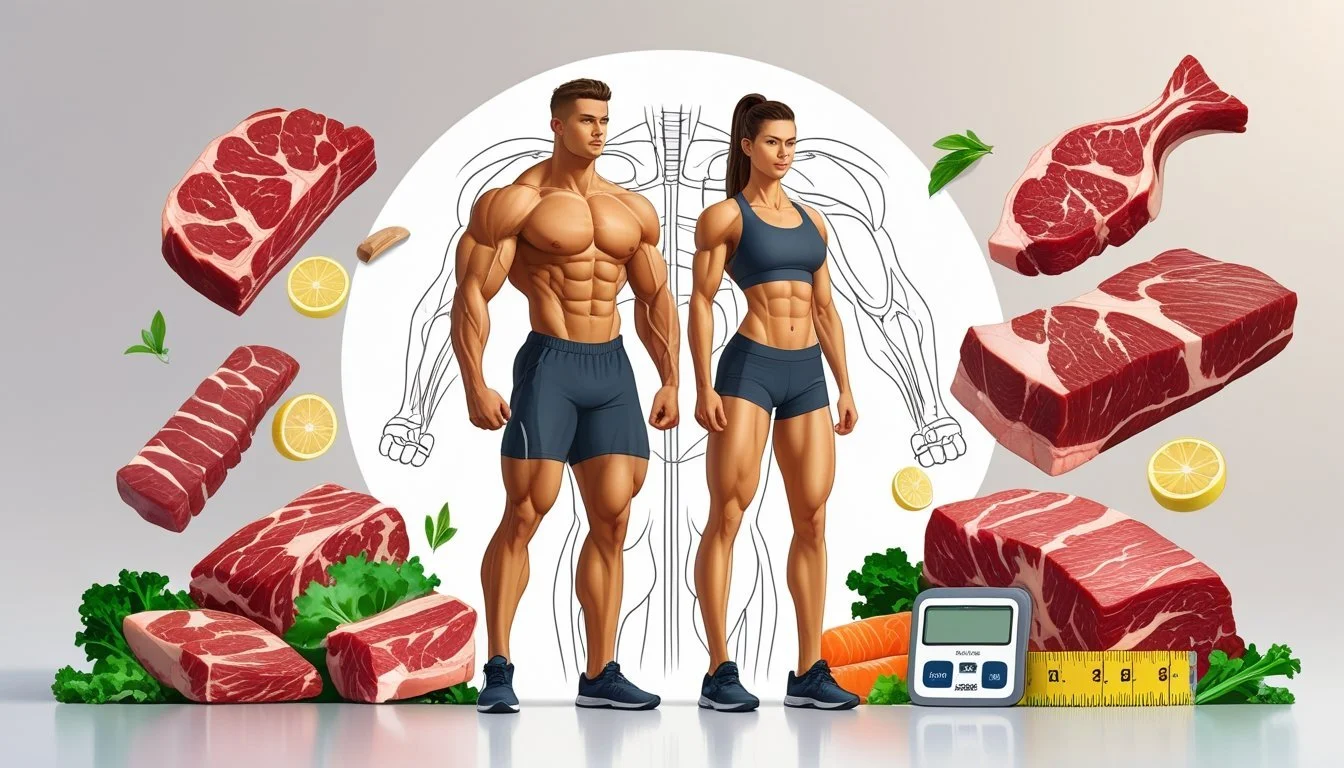
The targeted carnivore approach emphasizes precision in adjusting diet to support optimal muscle mass, body fat levels, and overall weight management for athletes. Key factors include calorie balance, nutrient timing, and resistance training to shape body composition outcomes.
Gaining Lean Muscle Mass
Athletes on a targeted carnivore diet prioritize high-quality animal proteins such as beef, eggs, and fish to provide essential amino acids. Sufficient protein intake, combined with resistance training, is critical for muscle growth and minimizing muscle loss during calorie restriction.
Leucine-rich foods (e.g., red meat, eggs) can positively influence muscle protein synthesis. Creatine and heme iron, found in animal products, further support muscle recovery and performance. Without structured resistance training, maintaining or increasing muscle mass is much more challenging, even when consuming adequate protein.
Sample Animal-Based High-Protein Foods:
Food Protein per 100g Beef 26g Chicken 27g Salmon 25g Eggs 13g
Body Fat Reduction Strategies
Fat loss with a carnivore approach relies on creating a consistent calorie deficit, focusing on nutrient-dense meats while limiting excess fat calories. Lean cuts of meat, portion control, and meal frequency adjustments help promote steady fat loss without drastic energy swings.
Tracking daily calorie and fat intake is recommended to avoid unintentional overconsumption. Athletes often use intermittent fasting or time-restricted eating alongside the carnivore diet to further support body fat reduction and metabolic flexibility.
Effective strategies include:
Choosing lean animal protein sources
Monitoring portion sizes
Limiting added animal fats
According to available research, preserving muscle during fat loss on a calorie-restricted carnivore diet is most effective when paired with regular resistance or strength training.
Calorie Intake and Weight Loss
Managing calorie intake is central for athletes who need to control their weight for sport performance or body composition goals. While animal-based diets can be satiating and reduce food cravings, precise calorie tracking remains important to ensure progress toward weight loss targets.
Athletes may use a food scale, tracking apps, or pre-portioned meals to maintain consistent calorie intake. The balance between protein, fat, and overall calories should be tailored to support energy needs, reduce risk of muscle loss, and sustain training intensity.
Typical daily calorie needs vary depending on training load, gender, age, and goals. Adjusting fat intake, while keeping protein high, helps align overall calorie consumption with individual weight management plans.
Gut Health and Inflammation
Gut health and inflammation are closely linked areas that affect athletic recovery, joint comfort, and performance. The carnivore diet influences these systems through changes in gut microbiota and dietary nutrient intake, which can impact inflammation levels and recovery strategies.
Balancing Nutrition for Joint Health
Joint health relies on adequate intake of collagen, amino acids, and micronutrients such as zinc and omega-3 fats. Animal-based diets provide abundant collagen and essential amino acids, which are structural components of joint tissues.
Potential benefits:
Collagen-rich meats (e.g., tendon, skin, bone broth) support cartilage structure.
Organ meats supply vitamin A, copper, and other nutrients critical for connective tissue repair.
However, total exclusion of plant foods removes certain antioxidants and phytonutrients that may also help joint integrity. Ensuring a variety of animal sources can help offset potential micronutrient gaps.
For athletes, optimized joint nutrition may contribute to reduced soreness and quicker post-training recovery. Including fatty fish, eggs, and offal may help meet the needs for omega-3s and micronutrients without plant-based foods.
Link Between Diet and Reduced Inflammation
Animal-only diets eliminate potential plant allergens, lectins, and high-fiber foods, which can benefit individuals with food sensitivities. Some athletes following a carnivore diet report reduced bloating and gastrointestinal irritation due to the elimination of fermentable fibers.
Dietary impacts on inflammation:
Animal proteins are low in fermentable fiber, possibly lessening gut irritation for some.
A shift in gut bacteria may reduce some gut-driven inflammation, though the long-term effects are still debated.
Lower systemic inflammation may contribute to faster muscle recovery and less post-exercise joint discomfort. Still, long-term effects on gut microbiota diversity and resiliency remain an active area of research, especially regarding how this diet may affect inflammation over time in athletes.
Lifestyle Factors for Long-Term Success

A targeted carnivore approach for athletes depends on more than diet alone. Combining healthy lifestyle practices and professional nutrition advice increases the chances of sustaining results and avoiding pitfalls.
Healthy Lifestyle Habits
Athletes benefit by prioritizing consistent sleep, effective stress management, and structured hydration routines. Tracking hydration is crucial, especially in the absence of water-rich fruits or vegetables. Scheduling regular rest and recovery intervals helps maintain performance and reduce injury risk.
Meal timing holds special importance. Consuming higher-protein meals post-training supports muscle repair and growth. Including a variety of animal protein sources—such as beef, fish, eggs, and dairy—helps meet a broad spectrum of micronutrient needs.
Mindful eating practices reduce the likelihood of overeating or nutrient gaps. Using a food intake journal or an app can make tracking progress straightforward. It also allows athletes to spot patterns that may affect energy, mood, or recovery rate.
Registered Dietitian Guidance
Working with a registered dietitian provides access to evidence-based recommendations and tailored support. A dietitian can identify gaps related to vitamins, minerals, or fatty acids that are harder to monitor on a restricted eating plan.
Regular check-ins with a dietitian help individualize adjustments and prevent the risks of deficiency or imbalance. Below are some benefits of professional guidance:
Benefit Example Personalized meal plans Addressing energy needs per sport Lab monitoring Checking vitamin and mineral levels Nutrition education Teaching about portion sizes and timing
Dietitians support athletes with safe supplementation advice and strategies to make dietary changes sustainable. Their expertise helps ensure compliance with sport-specific nutritional regulations and personal goals.
Recipes and Practical Meal Ideas

Athletes following a targeted carnivore approach require meals that deliver high-quality protein, essential fats, and micronutrients to support recovery and performance. Well-chosen recipes and organized meal prep make it easier to meet nutritional needs, stay consistent, and manage training demands.
Quick Recipes for Athletes
Easy carnivore recipes help athletes maintain energy and adapt to busy schedules. A beef and egg scramble is ready in minutes: cook ground beef in butter or tallow, add eggs, and scramble until set. Another fast option is bacon-wrapped sausages baked at 200°C until crispy. For nutrient density, a chicken liver and egg bowl can be made by lightly frying chicken liver in ghee and adding soft-boiled eggs.
Fish dishes are also quick. Pan-seared salmon seasoned with salt and cooked in butter takes under 10 minutes. For snacks, cooked steak strips or hard-boiled eggs offer portable protein.
A sample table for a simple day:
Meal Recipe Breakfast Beef & Egg Scramble Snack Hard-Boiled Eggs Lunch Pan-Seared Salmon Snack Steak Strips Dinner Chicken Liver and Egg Bowl
Meal Prep Tips
Effective meal prep saves time and ensures access to quality fuel. Batch cooking proteins, such as roasting several chicken breasts or baking multiple salmon fillets, allows for fast assembly of meals throughout the week. Slicing steak or beef roast in advance creates ready-to-eat options.
Store cooked meats in airtight containers in the fridge for up to three days. Portioning eggs, sausages, or offal into single servings makes it simple to grab meals on the go. Freezing portions extends shelf life and cuts down on last-minute cooking.
Include a mix of lean cuts, organ meats, and fatty options to maintain nutrient balance. Rotate recipes to prevent monotony and ensure micronutrient diversity needed for athletic recovery.

