
Carnivore Diet and AI Nutrition Planning
Optimizing Results with Smart Technology
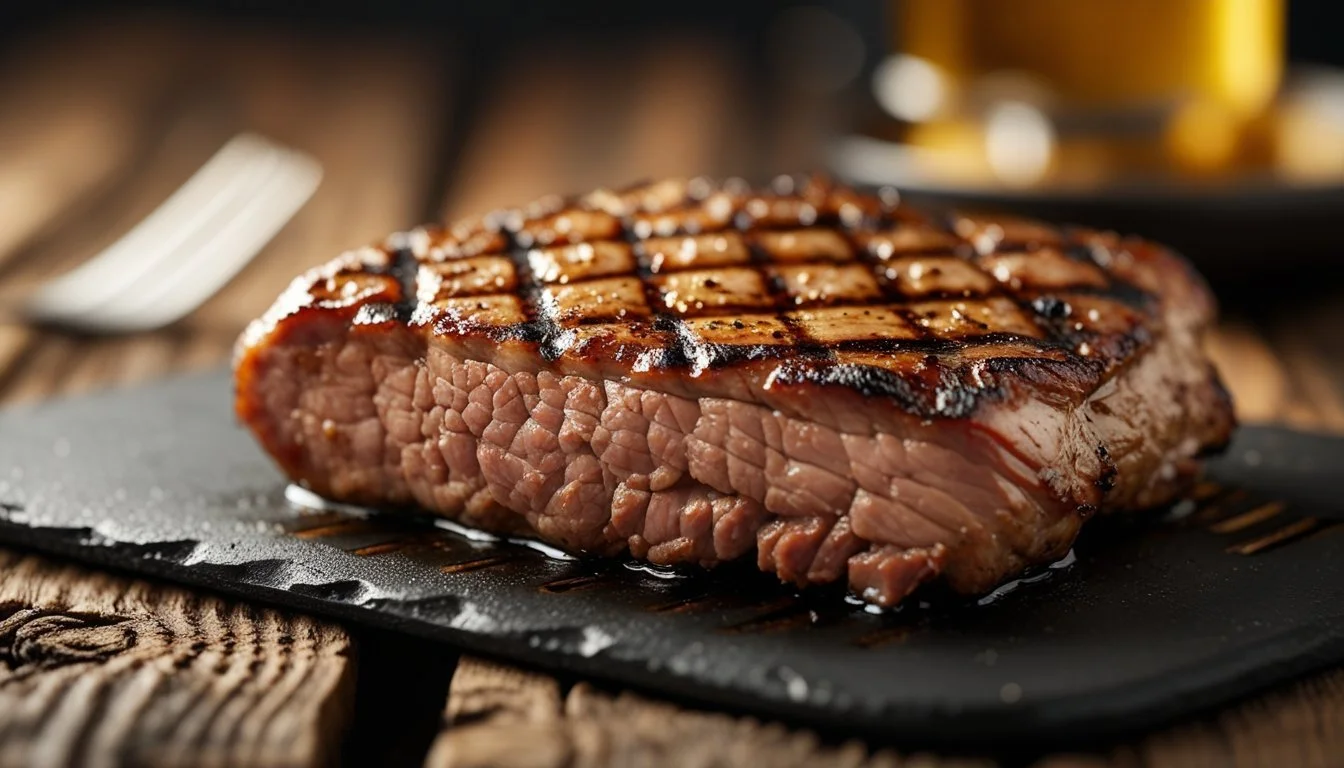
The carnivore diet, which centers around animal-based foods such as meat, poultry, fish, and eggs while excluding plant-based foods, has gained attention for its simplicity and focus on protein and fats. As more people explore this diet, questions have emerged about how to ensure balanced nutrition and whether technology can support personalized planning. AI-driven nutrition tools now offer new ways to help individuals create structured, nutrient-focused carnivore meal plans based on current dietary research and personal health goals.
By harnessing data and nutritional guidelines, AI can analyze an individual's needs, recommend optimal meal combinations, and highlight nutrients that may require extra attention, such as potassium and fiber, which can be low on a strict carnivore regimen. This technology-driven approach helps users address potential nutrient gaps and maintain a diet that is both sustainable and aligned with their health objectives.
With the rise of digital resources and machine learning, those interested in adopting or refining a carnivore diet have new opportunities to customize their approach, track progress, and make data-informed adjustments for better outcomes.
Understanding the Carnivore Diet
The carnivore diet centers on the exclusive consumption of foods derived from animals. Key considerations include understanding its main guidelines, the types of foods allowed, and the importance of choosing quality animal products.
Core Principles
The carnivore diet eliminates all plant-based foods, focusing instead on animal products. This dietary approach restricts intake to meat, fish, eggs, and, in some cases, limited dairy such as cheese or butter for those who tolerate it.
The diet emphasizes high intake of protein sources, especially ruminant meats like beef and lamb, which are valued for their nutrient density. Proponents argue that this highly restrictive approach can simplify meal planning and reduce exposure to plant anti-nutrients, though scientific support for these claims is limited.
Fat intake tends to be high, with healthy fats like those naturally occurring in animal products, including saturated fat, being central. Meals often include lean cuts of meat and fatty cuts to balance energy needs and satiety.
Carnivore Diet Food List
Only foods derived from animals are permitted. Common examples include beef, pork, lamb, poultry, fish, and seafood. Organ meats such as liver, kidney, and heart are encouraged for their concentrations of vitamins and minerals, notably vitamin A, iron, and B vitamins.
Eggs provide additional protein and essential micronutrients, while bone broth can supply collagen and minerals. Dairy products, if included, are typically full-fat and should be tolerated well individually. Processed or cured meats with added sugars, fillers, or vegetable oils are generally avoided.
A sample food list:
Allowed Foods Not Allowed Beef, Lamb, Pork, Poultry Fruits, Vegetables Fish, Shellfish Grains, Legumes Eggs Seeds, Nuts Organ Meats Added Sugars Bone Broth Vegetable Oils Full-Fat Dairy (optional) Processed Foods
High-Quality Animal Products
Selecting nutrient-dense, whole foods is critical for anyone following a carnivore diet. Grass-fed and pasture-raised meats are often favored for higher omega-3 content and a more favorable fatty acid profile. Fresh seafood and shellfish offer important nutrients like iodine and omega-3 fatty acids.
Including organ meats adds essential micronutrients that can be lacking from muscle meat alone. Eggs from pasture-raised chickens supply high-quality protein, choline, and healthy fats.
Choosing a mix of lean and fatty cuts helps maintain nutritional balance and provides energy. Bone broth can support mineral intake. Prioritizing minimally processed animal foods ensures reduced exposure to additives and preservatives, supporting a more nutrient-focused diet plan.
AI-Driven Nutrition Planning
AI technologies are increasingly used to create structured meal plans and offer nutrition advice tailored to individual needs. When applied to the carnivore diet, these tools focus on accuracy, user preferences, and personalized guidance.
Role of AI in Meal Planning
AI is transforming the way meal planning is approached by analyzing dietary requirements, health data, and lifestyle factors.
For a carnivore diet, AI-driven systems sift through food options limited to animal-based sources. This involves creating balanced meal patterns based on protein and fat needs, while avoiding plant-based ingredients.
Key features of AI in meal planning:
Assess user preferences and dietary restrictions
Generate daily or weekly tailored meal plans
Adjust recipes for caloric accuracy and nutritional adequacy
A recent review found that AI-powered chatbots can build nutritionally adequate weight-loss meal plans. The level of detail and precision reduces manual planning work for users following specialized diets.
ChatGPT and Personalized Dietary Advice
ChatGPT and similar AI models provide personalized dietary advice using user data and real-time feedback. They can handle queries about food choices, alternative ingredients, and adjustments to macronutrient distribution within the carnivore framework.
These systems use large nutrition databases to suggest specific meal combinations. For example, they can recommend different cuts of meat or address issues if a user has particular allergies.
Notable capabilities:
Responds to user feedback on meal preferences
Adjusts plans for specific nutritional goals, like high-fat or high-protein variants
Offers ongoing support and accurate guidance
AI, including ChatGPT, is used by apps and services to personalize nutrition guidance, helping users achieve consistent results while reducing guesswork in planning.
Designing Personalized Carnivore Meal Plans
Personalized carnivore meal plans use data such as body composition, health targets, and preferences to provide precise food recommendations. AI tools make the process straightforward, generating meal plans and shopping lists tailored to individual needs and restrictions.
Assessing Nutrient Needs
A personalized meal plan starts with calculating daily nutrient needs. This includes protein, fat, vitamins, and minerals essential for health on a meat-based diet.
AI platforms request information like age, weight, activity level, and health goals to estimate these requirements. For example, an athlete may need higher protein and calorie intake, while someone with sedentary habits might benefit from a more moderate plan.
A nutritional summary is typically produced for easy reference:
Nutrient Target Amount Primary Sources Protein 120g-180g Beef, chicken, fish Fat 100g-200g Pork, lamb, beef Vitamin B12 2.4 mcg Liver, eggs Iron 8-18 mg Red meat, organ meats
These targets help avoid deficiencies in the first week and support long-term success.
Dietary Preferences and Restrictions
AI-powered meal planning considers food allergies, specific dislikes, or religious/traditional requirements. Users can exclude certain meats (such as pork or shellfish) or processed foods as needed.
Budget concerns are also addressed, with plans that adapt to cost limits by selecting more budget-friendly cuts or suggesting bulk buying. Some platforms allow further choices like including dairy or eggs for additional variety.
For individuals with medical conditions, customized plans can limit sodium or include organ meats for extra micronutrients, ensuring the meal plan meets strict dietary guidelines.
Building a Shopping List
After dietary needs and preferences are set, AI generates a detailed shopping list. Lists include quantities based on daily nutritional information, portion size, and plan duration.
A typical shopping list for a week might look like:
4 lbs beef (variety cuts)
2 lbs chicken thighs
1 lb pork belly
1 dozen eggs (if included)
0.5 lb liver
Lists are organized for efficient grocery trips and can be adjusted for serving sizes or swapped ingredients. Many systems regroup the list to prevent missed items and help manage costs by highlighting weekly sales or local discounts.
Health Benefits of a Carnivore Diet
A carnivore diet may contribute to specific health outcomes, including body composition, digestive changes, and support for athletic performance. People report benefits such as reduced bloating, more stable energy levels, and changes in muscle mass when following this diet.
Weight Loss and Weight Management
Individuals following a carnivore diet often experience weight loss, especially in the early stages. The diet typically eliminates processed foods and carbohydrates, leading to a natural decrease in calorie intake. Because protein and fat promote fullness, people may feel less hungry and consume fewer calories without tracking.
Key mechanisms include:
Increased satiety: High protein and fat content helps reduce cravings.
Stable blood sugar: The absence of carbohydrates prevents spikes and crashes in blood glucose, which may reduce overeating.
Rapid initial water loss: Cutting carbs also reduces water retention, leading to quick but temporary weight drops.
These effects can support those looking for appetite control and sustained weight management.
Muscle Gain and Athletes
The carnivore diet supplies large amounts of complete protein, which is essential for muscle repair and growth. Athletes often require more protein to recover from intense exercise. With steady intake of animal-based nutrients, individuals can achieve optimal dietary protein without plant-based sources.
Nutritional highlights important for athletes:
Amino acids: Red meats and fish provide all essential amino acids.
Creatine: Naturally found in animal foods, supporting power and strength performance.
Iron and B vitamins: Needed for oxygen delivery and energy production.
Some athletes may find more consistent energy levels and improved muscle recovery. However, adjustments may be necessary for endurance sports due to the lack of dietary carbohydrates.
Improved Digestion and Bloating
For some, transitioning to a carnivore diet results in less gastrointestinal discomfort. The exclusion of plant fibers and certain carbohydrates may benefit those prone to bloating, irregular stools, or food intolerances.
Common digestive changes include:
Reduced bloating: Lower intake of fermentable fibers and sugars decreases gas production.
Consistent bowel habits: Simpler meals lead to fewer variables affecting digestion.
Potential symptom relief: Certain individuals with IBS or sensitivities might see improvement.
It is important to note that others may experience constipation, so individual responses can vary. Hydration and monitoring are recommended for managing digestive health on this diet.
Managing Health Conditions with AI Nutrition Planning
AI-powered nutrition planning helps tailor dietary changes for people managing complex health needs. It can analyze personal health data, preferences, and goals to recommend suitable dietary approaches and monitor health markers in real time.
Obesity and Metabolic Syndrome
AI nutrition tools can support weight loss by generating meal plans that match an individual's caloric needs and food preferences. These systems analyze metabolic markers like glucose and lipid levels to adjust recommendations over time. For those on a carnivore diet, AI can recommend protein and fat intake ranges based on laboratory results.
Important functions include automated progress tracking, feedback on adherence, and alerts for unhealthy trends in weight or lab tests. AI helps users adjust their meal frequency, portion sizes, and ingredient choices to support fat loss. This technology also assists clinicians in reviewing trends and making precise changes without waiting for in-person reviews.
Key Features Example Application Meal customization Adjust meat cuts for calorie targets Progress monitoring Track weekly weight and body fat change Real-time feedback Adapt macros to lab changes
Autoimmune Conditions and IBS
AI can identify ingredient triggers for people with autoimmune diseases and IBS, which often require strict dietary management. For carnivore diets, it tracks symptom flare-ups against specific food intake and recommends minor adjustments, such as removing eggs or dairy if adverse reactions occur.
It can help log digestive symptoms daily and cross-reference them with food consumption to spot correlations. Personal data like stress and sleep are also considered, allowing for more comprehensive insights. AI-generated reports streamline communication with healthcare providers, improving decision-making for dietary tweaks.
Lists used to highlight symptom sources or dietary exclusions help users make choices:
Monitor and log food reactions
Suggest removal of potential triggers
Advise on gradual food reintroduction
Support data sharing with care teams
Heart Disease Risks
For individuals at risk of heart disease, AI evaluates markers such as LDL cholesterol, triglycerides, and blood pressure. When following a carnivore diet, it uses recent lab results and health history to adjust food choices—such as balancing red meat intake with fatty fish or recommending organ meats for micronutrient diversity.
Continuous health monitoring via connected devices allows AI to notify users of any negative trends. Meal plans can be tuned to moderate saturated fat if necessary, based on evolving cholesterol or blood pressure results. All recommendations are grounded in guidelines from evidence-based cardiology sources.
Key monitoring with AI:
Track cholesterol, triglycerides, and inflammatory markers
Provide alerts if lab values move outside target range
Adjust protein and fat sources for cardiac concerns
Specialized Carnivore Diet Approaches
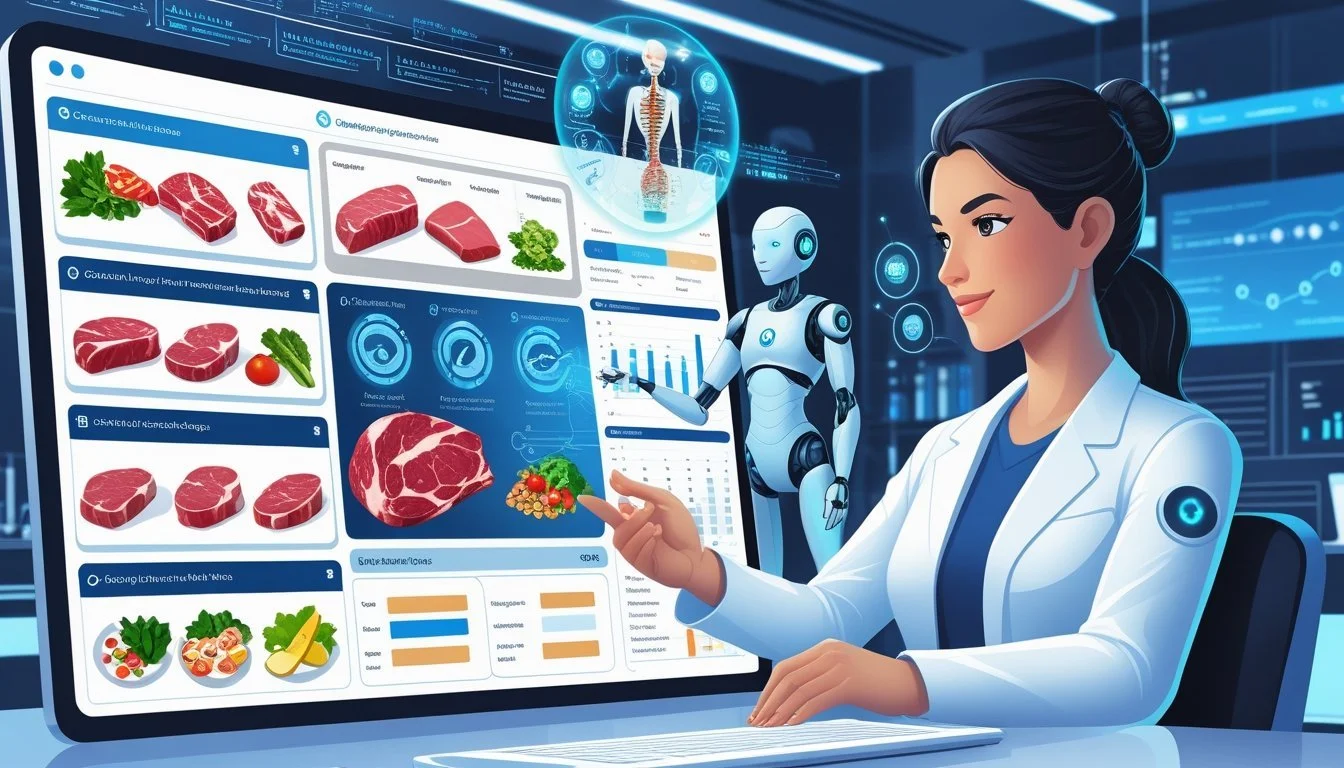
Specialized methods within the carnivore diet can be adapted to fit unique nutritional goals and lifestyle needs. These approaches often emphasize macronutrient ratios or timing of meals to optimize metabolic outcomes.
Keto Carnivore Diet
The keto carnivore diet merges principles from both ketogenic and carnivore eating patterns. It involves consuming only animal-based foods while keeping carbohydrate intake as close to zero as possible and increasing fat intake to promote nutritional ketosis.
Adherents typically focus on foods such as fatty cuts of beef, eggs, butter, and organ meats. This combination aims to stabilize blood glucose and insulin levels, supporting steady energy and, for some, easier weight management.
Common daily macronutrient ratios for this approach are about 70–80% fat and 20–30% protein. The absence of plants and strict avoidance of carbohydrates is notable, potentially making micronutrient planning important to prevent deficiencies. An AI nutrition planner can help monitor nutrient intake and adjust food selections to maintain ketosis and address individual balance.
Intermittent Fasting Strategies
Intermittent fasting (IF) is frequently combined with the carnivore diet to accentuate metabolic benefits. Fasting windows often range from 16 to 24 hours, during which only water, black coffee, or plain tea are typically consumed.
This approach may help the body stay in a deeper state of ketosis as stored body fat is used for energy between feeding times. Popular IF schedules include 16:8 (16 hours fasting, 8 hours eating) and OMAD (one meal a day), depending on individual tolerance and preferences.
AI nutrition planning tools can structure meal timing, ensure that essential nutrients are consumed during eating periods, and adjust fasting duration based on user feedback and goals. Some people find that combined, these strategies support appetite regulation and simplify dietary adherence.
Nutrient Optimization and Supplementation
Proper nutrient intake is essential on a carnivore diet, as this approach relies on animal-based foods for nearly all nutrition. Key considerations include maintaining a full spectrum of amino acids and preventing hydration or electrolyte imbalances.
Amino Acids and Collagen
Animal foods provide all essential amino acids, but specific cuts or sources can impact amino acid ratios. For example, eating mostly muscle meats may supply high levels of methionine and low amounts of glycine. This can lead to an imbalance, as glycine supports collagen synthesis and joint health.
Collagen-rich foods—such as skin, tendons, and bone broth—help balance amino acid intake. Including these options may support connective tissue and skin integrity. Some individuals benefit from supplemental collagen powders when dietary intake is limited or if they avoid specific animal parts.
A table summarizing amino acid sources:
Food Source Key Amino Acids Provided Steak, Chicken Methionine, Leucine, Lysine Bone Broth Glycine, Proline, Hydroxyproline Pork Skin Glycine, Proline
Paying attention to both muscle and connective tissue foods helps ensure broad amino acid coverage.
Hydration and Electrolyte Balance
Strict carnivore diets can result in decreased water retention due to very low carbohydrate intake. This may lead to increased urination and loss of electrolytes such as sodium, potassium, and magnesium.
Common hydration strategies include drinking water throughout the day and using electrolyte supplements, especially during adaptation phases. Many people use sea salt or electrolyte powders to maintain sodium levels.
Magnesium intake can be insufficient, particularly for those beginning a carnivore diet with low body stores. Magnesium supplementation is often recommended, especially for individuals with a history of inadequate intake. Symptoms like muscle cramps or fatigue may signal electrolyte imbalances.
Specific daily needs may vary, so it’s important to adjust based on individual health, activity level, and symptoms. Regular monitoring can help prevent dehydration or deficiency.
Addressing Common Challenges and Considerations
Transitioning to a carnivore diet and using AI for nutrition guidance raises specific challenges that require practical solutions. Adhering to a strict animal-based approach involves adjustments and watchfulness regarding food choices.
Adapting to Dietary Change
Switching from mixed or plant-rich diets to a strict carnivore pattern often leads to noticeable changes in appetite, digestion, and energy. Many experience an initial adaptation period, which may include symptoms such as fatigue, cravings, or digestive shifts.
Using AI nutrition planning tools can help by tracking symptoms, meal consistency, and nutrient intake. Algorithms can analyze individual responses and adjust dietary suggestions, offering personalized tips for managing common adaptation effects like electrolyte imbalances or insufficient caloric intake.
Structured routines and gradual phase-ins may ease the transition. Individuals benefit from regular monitoring—sometimes tracking weight, hydration, or blood markers—supported by feedback loops from AI tools. A table summarizing adaptation symptoms and possible AI-driven solutions can assist users:
Adaptation Challenge Possible AI Support Cravings Meal planning, reminders, alternatives Digestive changes Food diaries, intake adjustment Fatigue Nutrient analysis, timing recommendations
Avoiding Processed and Plant-Based Foods
A core tenet of the carnivore diet is the elimination of plant-based foods and reduction of processed animal products. Identifying hidden plant-derived ingredients and common additives in packaged foods poses an ongoing challenge.
AI-powered apps can scan ingredient lists and barcodes to flag non-compliant foods. These technologies can maintain up-to-date databases of products, helping users identify acceptable choices. Lists or tagging functions in nutrition apps further support adherence by making non-carnivore ingredients immediately visible during shopping or meal preparation.
For those new to this strict way of eating, referencing permissible and off-limit foods is essential. AI tools can generate personalized shopping lists, suggest substitutions for processed animal foods, and automate tracking of dietary compliance, reducing the risk of unintentionally consuming excluded items.
Sample 30-Day Carnivore Diet Meal Plan

A 30-day carnivore diet meal plan focuses on animal-based foods such as beef, pork, chicken, fish, eggs, and certain dairy products. It excludes plant foods and processed foods to align with a strict animal-sourced approach.
A sample week may look like:
Day Breakfast Lunch Dinner Monday Scrambled eggs Ribeye steak Pork chops Tuesday Bacon & eggs Salmon fillet Ground beef Wednesday Hard-boiled eggs Chicken thighs Lamb chops Thursday Beef sausage Tuna steaks Grilled steak Friday Omelet with cheese Beef liver Roasted chicken Saturday Steak Chicken wings Pork ribs Sunday Fried eggs Shrimp Beef roast
Snacking is optional but can include plain jerky, hard cheeses, or boiled eggs.
Individuals are encouraged to adjust portions to meet their preferred calorie or protein intake. Emphasis is placed on nutrient density, using organ meats like liver once or twice a week.
Hydration is key, so water, bone broth, and plain tea are commonly included in healthy meal plans. Many stick to simple seasonings like salt and pepper to keep the meals straightforward.
AI nutrition planning tools can help customize the 30-day carnivore diet meal plan. These tools consider food preferences, lifestyle, and nutritional targets while generating shopping lists and meal schedules.

