
Salt-Free Carnivore: Does It Work?
Exploring Benefits, Risks, and Scientific Insights
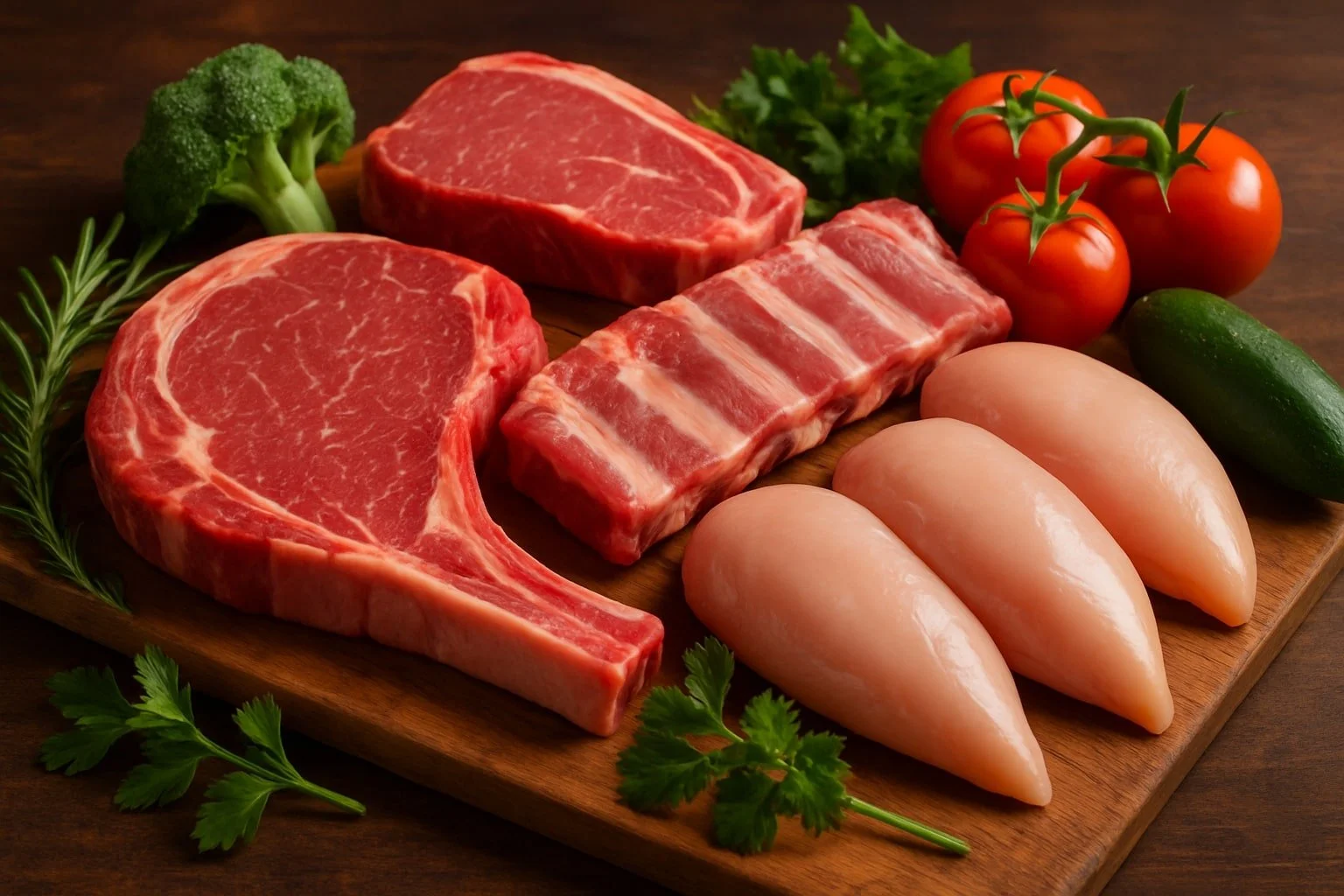
A salt-free carnivore diet can work for some people, but it is not universally recommended and requires careful attention to the body’s signals. While many in the carnivore community rely on added salt for taste and electrolytes, others prefer to exclude it, citing improved well-being or a desire to avoid processed ingredients. On a salt-free version, people often report feeling more in tune with their hunger and fullness cues.
The decision to use or skip salt on carnivore often depends on individual differences, such as health status, sodium needs, and sensitivity to salt. Some find that eliminating salt brings noticeable changes, while others miss the benefits it provides. This debate highlights the personal nature of diet experimentation, as what works for one may not work for another.
What Is a Salt-Free Carnivore Diet?
A salt-free carnivore diet removes all added sodium, relying entirely on the natural minerals found in animal products such as meats, fish, eggs, and select dairy. This approach focuses on pure animal foods without plant foods, processed foods, or additional seasonings.
Key Characteristics of the Carnivore Diet
The carnivore diet is based on consuming only animal-derived foods. Common foods include beef, pork, poultry, fish, eggs, and occasionally dairy if well tolerated. It excludes all plant-based products, grains, sugars, and processed foods.
Most adherents prioritize whole cuts of meat and organ meats to maximize nutrition. Fatty meats are encouraged, as the diet aims to provide all calories from protein and fat. By focusing on animal foods, people on a carnivore diet avoid most sources of carbohydrates.
Typical carnivore meals are simple and may include only one or two ingredients. This pattern of eating is sometimes chosen for its simplicity or for relief from food sensitivities.
Understanding Salt-Free Approaches
A salt-free carnivore diet eliminates added salt entirely, including table salt, sea salt, and electrolyte supplements. Instead, followers depend on the sodium that naturally occurs in meats and other animal products.
This approach is stricter than general carnivore diets. While meat, eggs, and some dairy provide a small amount of sodium, the overall intake is much lower without additional salt. Proponents believe this aligns more closely with ancestral diets, where processed salt was not available.
Removing salt means adjusting not only taste preferences but also expectations about possible changes in hydration and mineral balance. Monitoring for symptoms of sodium deficiency may become important for those who avoid all added salt.
How This Diet Differs from Traditional Carnivore Diets
Traditional carnivore diets often include salt to enhance flavor and help meet electrolyte needs. Many people add salt during cooking or at the table, and some even use salt-based supplements to support mineral intake.
In contrast, salt-free carnivore diets avoid any added sodium sources. The difference mainly affects sodium consumption and may influence fluid balance, blood pressure, or taste preferences.
A key distinction is the stricter stance toward any seasoning or mineral additive. On this diet, the person chooses only whole animal products without enhancement or fortification, focusing solely on foods in their natural state. This variation appeals to individuals seeking the most unprocessed and minimalistic form of carnivore eating.
Potential Benefits of Going Salt-Free on Carnivore
Removing added salt from a carnivore diet can influence health outcomes in measurable ways. A focus on whole, animal-based foods without processed additives also changes the nutritional landscape of the diet.
Blood Pressure and Cardiovascular Health
Excessive salt intake is strongly linked to higher blood pressure levels. Lowering dietary salt may help decrease the risk of hypertension, a key risk factor for stroke and heart disease. The World Health Organization recommends reducing salt consumption to help prevent cardiovascular disease.
A salt-free carnivore diet eliminates the primary source of extra dietary sodium—added salt. This approach relies on the natural sodium found in animal foods, which is typically much lower than that in processed foods. For individuals who are salt-sensitive or have a family history of high blood pressure, this may result in noticeable improvements in blood pressure readings.
Research suggests that even modest reductions in sodium intake can reduce the risk of heart attack and stroke. For those adhering strictly to a salt-free approach, it's important to monitor blood pressure and make adjustments as needed, as sodium needs can vary between individuals.
Lower Risk of Water Retention and Swelling
Salt promotes the retention of water within the body, contributing to bloating and swelling for some people. By cutting out added salt, a person may notice decreased water retention, especially in the hands, feet, and face.
This benefit is often most pronounced during the initial phase of adjusting to a salt-free diet. Less water retention can translate to a lower scale weight and reduced feelings of puffiness. Medical literature notes that lower dietary sodium can also reduce the risk of edema, particularly in those with cardiovascular conditions.
Individuals who have struggled with swelling, especially those prone to hypertension or heart failure, may find salt-free eating helpful for symptom control. However, it's important to balance fluid intake and monitor for signs of dehydration, as sodium also plays a role in hydration status.
Impact on Processed Foods and Additives
Eliminating added salt almost always means cutting out processed foods and pre-seasoned cuts of meat. Processed foods are a major source of excess sodium in most modern diets and are linked to an increased risk of cardiovascular disease.
On a salt-free carnivore approach, meals are prepared from fresh, whole animal sources—beef, chicken, fish, eggs, and unseasoned dairy. This means avoiding packaged meats like sausages, bacon, and deli meats, which frequently contain not only salt but also other additives and preservatives.
A focus on unprocessed, additive-free foods reduces overall chemical exposure and supports a more nutrient-dense way of eating. For those concerned about artificial additives or hidden sources of sodium, this method provides more dietary control and transparency.
Risks and Concerns of Eliminating Salt
Removing salt entirely from a carnivore diet can affect several bodily systems and lead to issues with hydration, muscles, and energy. Direct impacts often relate to how the body manages key electrolytes and blood pressure.
Electrolyte Imbalances
Electrolytes such as sodium, potassium, and magnesium play vital roles in maintaining fluid balance, nerve signaling, and muscle contraction. Without added salt, sodium intake drops, which can disrupt the ratio of sodium to other electrolytes.
This change may lead to symptoms of low sodium (hyponatremia), including headaches, confusion, and nausea.
The kidneys attempt to compensate by retaining more sodium, but adaptation can vary by individual. Low sodium often causes shifts in other electrolyte levels, such as increased potassium excretion. Maintaining proper hydration becomes challenging without a balanced electrolyte profile.
An electrolyte imbalance can also negatively affect heart rhythm and blood pressure, possibly causing lightheadedness or weakness.
Muscle Cramps and Performance Issues
Muscle function relies on correct electrolyte concentrations, particularly sodium and potassium. Eliminating salt may make muscle cramps more frequent, especially after physical activity.
Without sufficient sodium, muscles may have trouble contracting and relaxing efficiently.
Athletes or individuals who exercise regularly can experience reduced performance or recovery difficulties. Cramps may start as mild discomfort and progress to sharp pain if low sodium persists.
A lack of dietary sodium can also impact the ability of muscles to retain water, leading to early signs of dehydration. For those on a carnivore diet, this risk is higher since plant-based foods—normally an extra source of potassium—are missing.
Fatigue and Dizziness
Fatigue is a common complaint when salt is excluded, as sodium supports blood pressure and helps transport nutrients into cells.
Low sodium may lead to reduced blood volume, making it harder for the heart to circulate blood, especially when standing up quickly.
Dizziness and faintness become more likely in these situations.
Table: Common Symptoms from Low Salt Intake
Symptom Cause Fatigue Low blood volume, reduced nutrient flow Dizziness Drop in blood pressure (hypotension) Headaches Changes in electrolyte balance
These symptoms can affect daily activities and decrease quality of life. Replacing salt too quickly, however, can also bring risks, so changes should be made with care.
Nutritional Considerations and Micronutrient Intake
A salt-free carnivore diet emphasizes animal foods while omitting added sodium. This eating pattern can influence the intake of key minerals and vitamins, which are mostly derived from animal sources.
Essential Minerals and Vitamins
Animal-based foods provide significant amounts of iron, vitamin B12, zinc, and other micronutrients. Beef, lamb, and organ meats are rich in heme iron and vitamin B12, which support red blood cell health and neurological function.
Calcium and magnesium are less abundant in muscle meats but can be sourced from bone-in cuts and certain organ meats. Liver is high in vitamin A, while kidneys offer selenium.
Without plant foods or dairy, some nutrients—such as vitamin C or folate—may be limited. Table: Key Nutrients from Animal Foods
Nutrient Main Animal Sources Notable Functions Iron Beef, liver Oxygen transport, energy Zinc Red meat, shellfish Immune support, metabolism Vitamin B12 All meats, organs Nerve and blood health Calcium Bones, sardines Bone health, muscle function
Balancing Nutritional Needs Without Added Salt
Omitting added salt reduces sodium intake, which is typically low on strict animal-based diets. Sodium is essential for fluid balance, nerve transmission, and muscle contraction.
If bone broths or organ meats are not emphasized, the risk of sodium, potassium, and magnesium deficiency increases. These electrolyte imbalances can cause dizziness, fatigue, or muscle cramps.
Individuals may need to choose bone-in meats or occasionally include naturally salty seafood to boost mineral intake. Tracking symptoms and considering occasional blood tests is advised, as nutritional needs can vary.
Careful attention to the variety and sources of animal foods is critical to support overall micronutrient intake and reduce the risk of deficiency on a salt-free carnivore plan.
Sources of Sodium and Electrolytes in a Carnivore Diet
Sodium and other electrolytes are essential for nerve function, hydration, and muscle health. Even without added salt, various animal foods provide these nutrients in different amounts.
Natural Sodium in Animal Foods
Most unprocessed meats naturally contain sodium, though the levels can vary by cut and animal type. For example, 100 grams of beef typically provides about 50-70 mg of sodium. Chicken, pork, and lamb contain similar or slightly lower amounts.
Dairy foods such as cheese and whole milk can be moderate sources of sodium, especially if consumed regularly. Hard cheeses, in particular, may be higher in sodium, but watch for those with added salt. While animal products contain sodium, the total intake on a salt-free carnivore diet tends to be low, so attention to symptoms of deficiency is important.
Potassium, magnesium, and calcium are also present in meats and dairy. However, levels are generally lower than what is found in plant foods or fortified products.
Role of Organ Meats, Fish, and Eggs
Organ meats like liver and kidney are exceptional sources of electrolytes, including sodium, potassium, and magnesium. Eating small amounts of organs weekly provides a broader range of minerals that support cardiovascular and nerve function.
Fish, especially fatty fish like salmon and sardines, contain more sodium per serving than most meats. For instance, wild-caught salmon provides both sodium and potassium, making it a useful addition for electrolyte balance. Certain seafood, such as shrimp and oysters, may contain even higher sodium levels.
Eggs are a modest source of sodium, supplying about 70 mg per large egg. While not a primary sodium source, regular consumption of eggs contributes to overall intake. Together, organ meats, fish, and eggs help diversify electrolyte sources for those following a salt-free carnivore approach.
Role of Salt in Hydration, Digestion, and Fluid Balance
Salt, mainly through its sodium content, directly affects how the body manages fluids and processes food. Its presence or absence can change not only hydration status but also how efficiently nutrients are absorbed and waste is expelled.
Impact on Digestion and Fluid Retention
Sodium plays a significant role in the process of digestion. It helps with the absorption of nutrients in the small intestine, particularly glucose and amino acids, by facilitating the transport of these molecules into the body. Without enough sodium, digestive efficiency may decrease, potentially resulting in cramps or irregular bowel movements.
Salt also influences water retention. Sodium helps maintain blood volume and pressure by regulating how much water the kidneys retain or excrete. Low sodium intake can lead to decreased water retention, which may lower blood pressure but can also increase the risk of dehydration.
Digestive juices, such as hydrochloric acid in the stomach, rely on sodium for proper function. In a salt-free carnivore diet, reduced sodium intake could slow these processes, impacting how the body breaks down and utilizes protein and fat from animal foods.
Balance Between Hydration and Dehydration
Hydration relies on a precise electrolyte balance. Sodium is a primary electrolyte that helps control the movement of water between cells and compartments in the body. When dietary salt is very low, the body may struggle to maintain this balance, especially under heat, exercise, or increased fluid loss.
Signs of poor sodium balance can include muscle cramps, headaches, fatigue, or dizziness. Some carnivore diet adherents try adding salt to prevent these issues, but others argue that animal foods alone provide adequate sodium for most people's needs.
It's important to recognize that individual requirements vary. Fluid retention is reduced on a salt-free carnivore diet, which can decrease blood volume and potentially impair circulation if not monitored carefully. Careful observation for symptoms of dehydration is essential for anyone minimizing salt intake.
Effects on Exercise, Performance, and Cravings
Eliminating salt on a carnivore diet can influence exercise capability, muscle function, and cravings. Electrolyte management plays a key role in physical performance and daily energy levels.
Muscle Function and Recovery
Salt is a primary source of sodium, an electrolyte essential for nerve conduction, muscle contraction, and hydration. Removing salt can lower sodium intake, which may lead to muscle cramps, fatigue, and even reduced exercise performance, particularly in high-intensity or endurance activities.
Lack of sodium may impact post-exercise recovery by increasing muscle soreness and delaying rehydration. Performance drops may be more apparent in hot environments or during longer workouts, when sodium loss through sweat is higher.
Some individuals compensate with natural sodium from animal foods like beef, but this may not be enough for those who are physically active. Signs of insufficient sodium may include headaches, dizziness, muscle twitching, and prolonged fatigue after training.
Managing Cravings Without Salt
The removal of added salt can initially increase cravings for salty foods and snacks, especially for those with prior high-salt diets. Cravings often spike during periods of increased sweating or stress, when the body’s sodium needs are greater.
To help manage cravings, some rely on saltier cuts of meat, organ meats, or seafood, which naturally contain higher sodium. Drinking more water or adjusting meal timing can sometimes help reduce salt cravings, but these are not always fully effective.
Strategies for coping without salt:
Choose fattier meats (can be more satisfying)
Include eggs and fish (higher in minerals)
Monitor for signs of electrolyte imbalance (muscle weakness, headaches)
Tracking symptoms and adjusting food choices assists in maintaining both physical performance and satisfaction on a salt-free carnivore diet.
Salt-Free vs. Moderate Salt Consumption on Carnivore
Salt intake on a carnivore diet raises questions about health, electrolyte balance, and food satisfaction. Differences exist between eliminating added salt entirely and including moderate amounts, especially regarding hydration, nutrient absorption, and personal preference.
Pros and Cons of Each Approach
Salt-Free Carnivore:
Some individuals remove all added salt, relying solely on naturally occurring sodium in meat. This can reduce the risk of excessive sodium intake and may benefit people with conditions worsened by high sodium, such as certain kidney disorders.
However, a salt-free approach can increase the risk of headaches, muscle cramps, low energy, and poor workout performance, especially in those who sweat heavily or drink a lot of water.
Moderate Salt Consumption:
Consuming a moderate amount of added salt, often in the range of 4–7 grams of sodium per day, can help maintain electrolyte balance and prevent symptoms of low sodium such as dizziness or fatigue. Moderate salt use makes meat dishes more enjoyable and encourages consistent eating.
On the downside, some may experience mild bloating or elevated blood pressure if they are especially sensitive to sodium chloride.
Approach Potential Benefits Potential Drawbacks Salt-Free Less risk of excess sodium, simple Headaches, cramps, low energy Moderate Salt Better balance, improved satisfaction Potential for bloating, blood pressure
High-Quality Salt Choices: Sea Salt, Himalayan Pink Salt
When choosing salt, the type used makes a difference. Sea salt and Himalayan pink salt are popular options on a carnivore diet because they contain trace minerals like magnesium and potassium, unlike standard table salt.
Sea salt is minimally processed and retains natural minerals. Himalayan pink salt is mined from ancient sea beds and is praised for trace elements such as iron, which give it a distinctive color.
Both can serve as alternatives to regular sodium chloride for seasoning. They generally provide a more nuanced flavor and avoid additives sometimes found in processed salts.
While the mineral content is not a substitute for whole-food nutrients, using high-quality salt allows individuals to personalize their sodium intake without unnecessary additives, fitting well within most carnivore approaches.
Electrolyte Supplement Strategies Without Added Salt
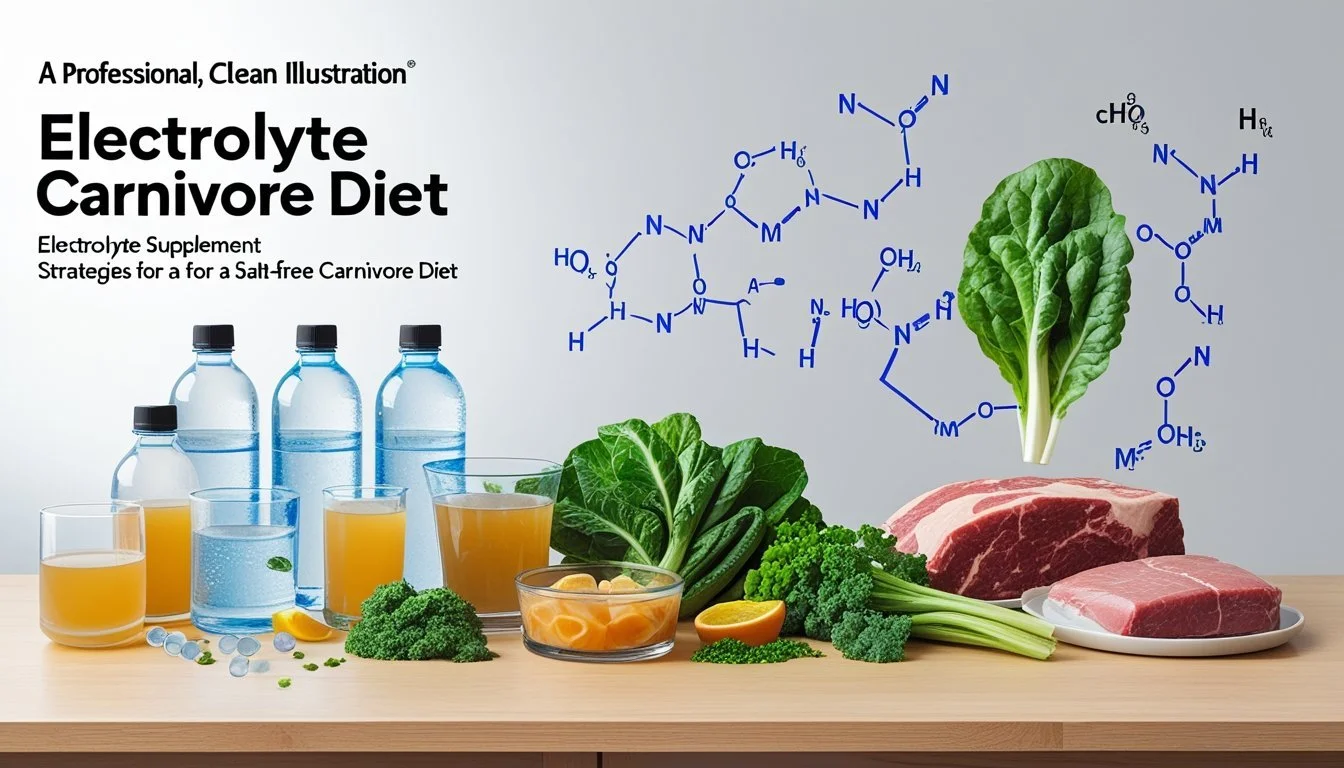
On a salt-free carnivore diet, maintaining electrolyte balance poses unique challenges. Common practices involve using mineral-rich foods and carefully chosen supplements to support sodium, potassium, and magnesium levels.
Bone Broth and Electrolyte Supplements
Bone broth is frequently used by salt-free carnivore dieters as a natural electrolyte source. When simmered long enough, bone broth provides minerals like potassium, calcium, and magnesium, though the exact content varies based on preparation methods. It's important to note that unless bones and connective tissues are used, the mineral concentration may be modest.
Electrolyte supplements offer a controlled way to replenish key minerals without adding table salt. Many choose products specifically formulated without sodium chloride, focusing on potassium, magnesium, and calcium. When selecting a supplement, reviewing ingredient labels is important to avoid hidden sodium.
Some individuals rotate bone broth and supplements to cover a broader spectrum of electrolytes. Tracking symptoms such as cramping, fatigue, or headache may help identify possible deficiencies, guiding further adjustments.
Common Challenges and Side Effects of a Salt-Free Carnivore Diet
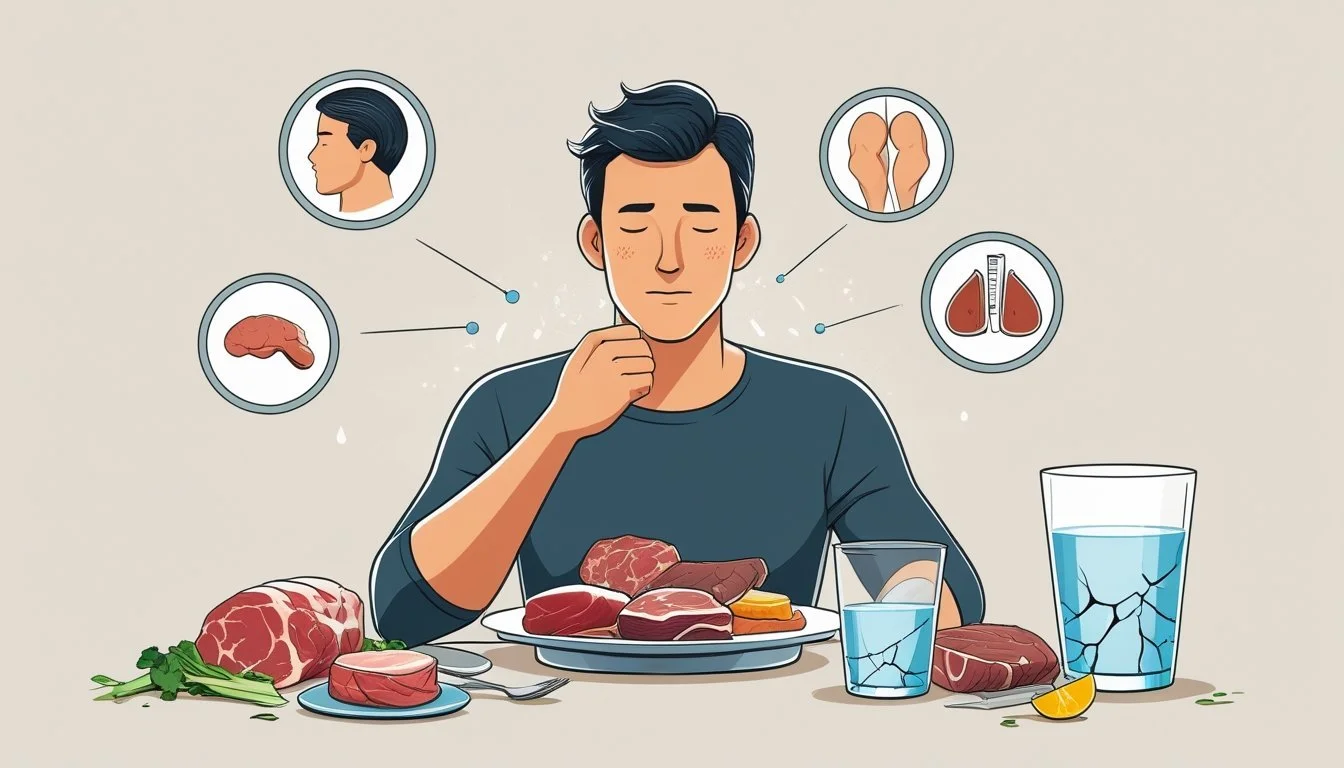
Removing salt from a carnivore diet increases the risk of sodium deficiency and related symptoms. It is also common for people to experience physical and mental side effects during the transition phase.
Warning Signs of Sodium Deficiency
Sodium is essential for maintaining fluid balance, nerve function, and muscle contractions. Omitting salt can result in sodium deficiency, a state that may lead to dehydration or other nutrient imbalances. Early warning signs often include:
Headaches
Muscle cramps
Weakness or fatigue
Dizziness, especially upon standing
In more severe cases, individuals may notice confusion, irregular heartbeat, or low blood pressure. Monitoring these symptoms is crucial, especially since animal foods naturally contain lower sodium than processed foods. If left unaddressed, prolonged sodium deficiency may contribute to electrolyte imbalances and negatively affect kidney and cardiovascular function.
Managing Transition Symptoms
Adapting to a salt-free carnivore diet can cause short-term discomfort as the body adjusts. Common transition symptoms include increased thirst, irritability, and mental fog. Some people experience digestive changes such as constipation or diarrhea.
Managing these symptoms may require strategies like adjusting water intake and being attentive to overall electrolyte balance. While some rely entirely on the sodium content in fresh meats, others may find it helpful to monitor for signs of dehydration:
Symptom Description Dry Mouth Persistent dryness or thirst Reduced Urination Dark, concentrated urine Headache Often linked to low sodium or fluid
Staying hydrated and paying close attention to body signals helps prevent the more serious effects of nutrient and sodium imbalances during the transition.
Comparing Salt-Free Carnivore to Other Low-Carb Diets
Salt intake and electrolyte management differ significantly between salt-free carnivore and other popular low-carb diets. Each approach manages sodium, potassium, and overall mineral balance in a unique way based on its fundamental food choices and restrictions.
Keto, Paleo, and Primal Diets
The keto diet restricts carbohydrates to enter and maintain ketosis, typically requiring higher sodium intake to offset increased kidney excretion of electrolytes. Many keto advocates recommend intakes of 3,000–5,000 mg sodium per day.
The paleo diet eliminates grains, legumes, and processed foods, focusing on whole foods like meat, fish, fruits, and vegetables. It doesn't intentionally increase salt, but moderate use is typical since some paleo foods are sodium-rich naturally. Primal diets are similar to paleo but may allow for raw dairy.
In all these diets, some form of salt or mineral supplementation is often considered important, especially as refined carbohydrates are absent and natural food sodium varies. Salt use is common to prevent symptoms of electrolyte imbalance like headaches or dizziness.
Key Differences in Salt and Electrolyte Management
The salt-free carnivore diet stands apart by strictly avoiding added salt and relying only on the sodium and other minerals found in animal products. Foods like beef, pork, and fish supply varying amounts of sodium, but usually less than diets that use added salt.
Compared to keto, which often requires proactive sodium and potassium management, carnivore with no added salt trusts the body’s ability to regulate and conserve electrolytes from whole animal foods. In contrast, paleo and primal diets allow flexibly for some salt use, as their broader food variety can dilute mineral content.
Table: Salt Approach by Diet
Diet Added Salt Used? Main Electrolyte Source Carnivore Rare/None Animal products only Keto Frequently Animal foods + supplementation Paleo/Primal Occasionally/Flexible Meat, fish, plants, some salt
Individuals may tolerate salt restriction differently, and careful monitoring is important, especially during the transition to very low-carb eating patterns.
Optimizing Body Composition and Weight Loss
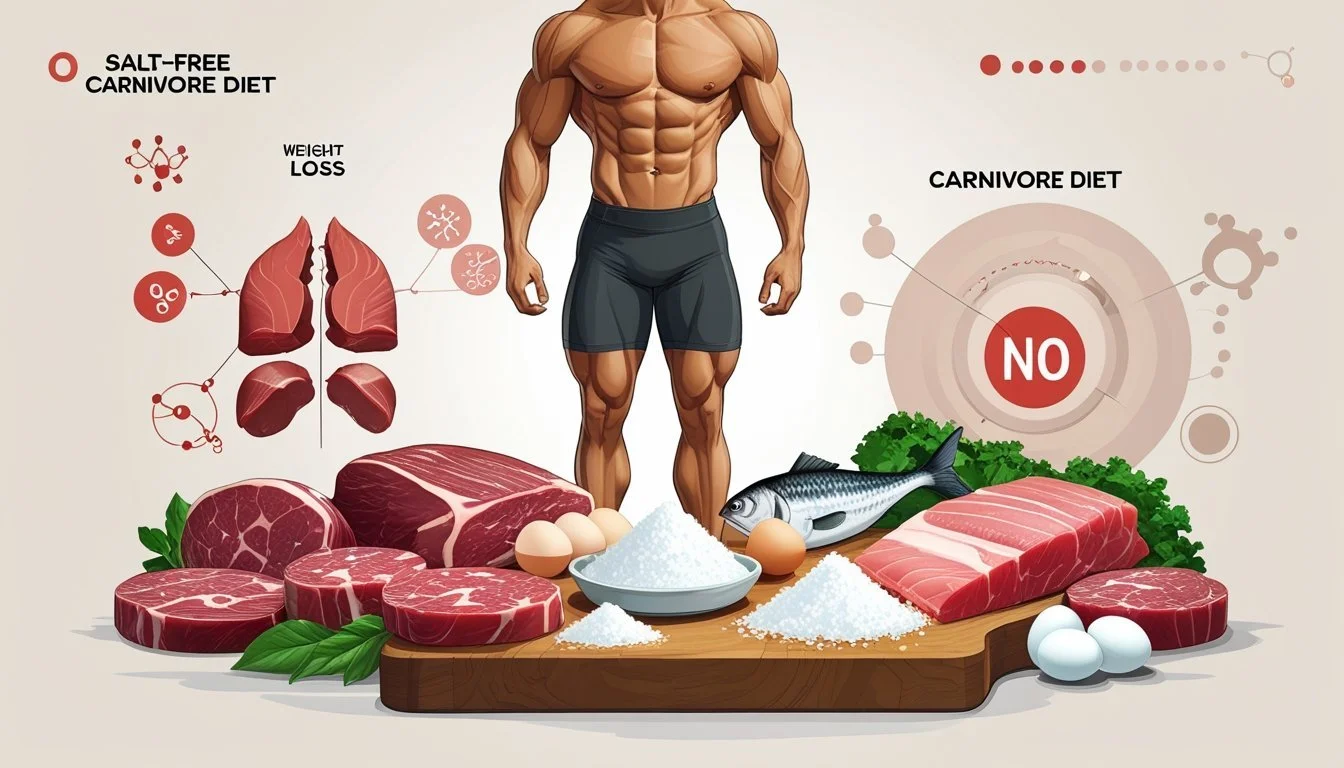
Body composition on a salt-free carnivore diet is shaped by macronutrient choices and the body's physiological shifts during adaptation. Success with fat loss and weight management depends on understanding these underlying mechanisms.
Role of Fat and Protein Intake
The balance of fat and protein intake directly influences body composition. Protein provides essential amino acids that help preserve lean muscle mass, especially during calorie deficits. High-quality animal proteins also support satiety, which can help reduce overall calorie consumption.
Fat intake affects energy levels and provides the calories needed for bodily functions. On a salt-free carnivore diet, choosing fatty cuts of meat can help maintain sufficient calorie intake to prevent muscle loss. Adequate dietary fat is also important for hormone balance, which may impact fat metabolism and overall health.
In addition, insufficient protein or calories can increase the risk of unwanted weight or muscle loss. Tracking and adjusting fat versus protein ratios allows individuals to align their diet with specific goals, such as preserving muscle while losing body fat.
Impact on Fat Loss and Water Weight
Weight loss on a salt-free carnivore diet often begins with a quick drop in water weight. This is due to reduced carbohydrate and sodium intake, which leads to lower glycogen stores and less water retention. This initial loss may be significant but does not reflect true fat loss.
After this phase, further weight changes result mostly from fat loss. Consistent intake of sufficient protein helps encourage fat loss rather than muscle loss. The exclusion of processed foods and carbohydrates naturally reduces calorie intake for many, potentially leading to continued body fat reduction.
It's important to monitor energy and nutrient intake to avoid excessive muscle breakdown, especially with lower sodium levels that can affect hydration and electrolyte balance. Consistency and proper adjustment help ensure long-term improvements in body composition.
Popular Salt-Free Carnivore Variations and Influencers
Several approaches to the salt-free carnivore diet exist, each with distinct guidelines and advocates. Some focus on strict food lists, while others highlight the impact of omitting salt on health and well-being.
Lion Diet and Dr. Paul Saladino
The Lion Diet is a very strict version of the carnivore diet. It permits only ruminant meats (like beef and lamb), water, and sometimes salt, but many followers choose to omit added salt completely. This limited ingredient list aims to minimize variables for people seeking to identify food sensitivities.
Dr. Paul Saladino is a well-known proponent of the carnivore movement. He has discussed both salted and salt-free variations, although he often emphasizes the importance of sodium for health. Saladino suggests experimentation for individuals dealing with autoimmune or inflammatory symptoms. He recommends careful observation of electrolyte balance and symptom changes when attempting a no-salt carnivore approach.

