
Using Blood Glucose Meters on a Zero-Carb Diet:
Practical Insights and Monitoring Tips
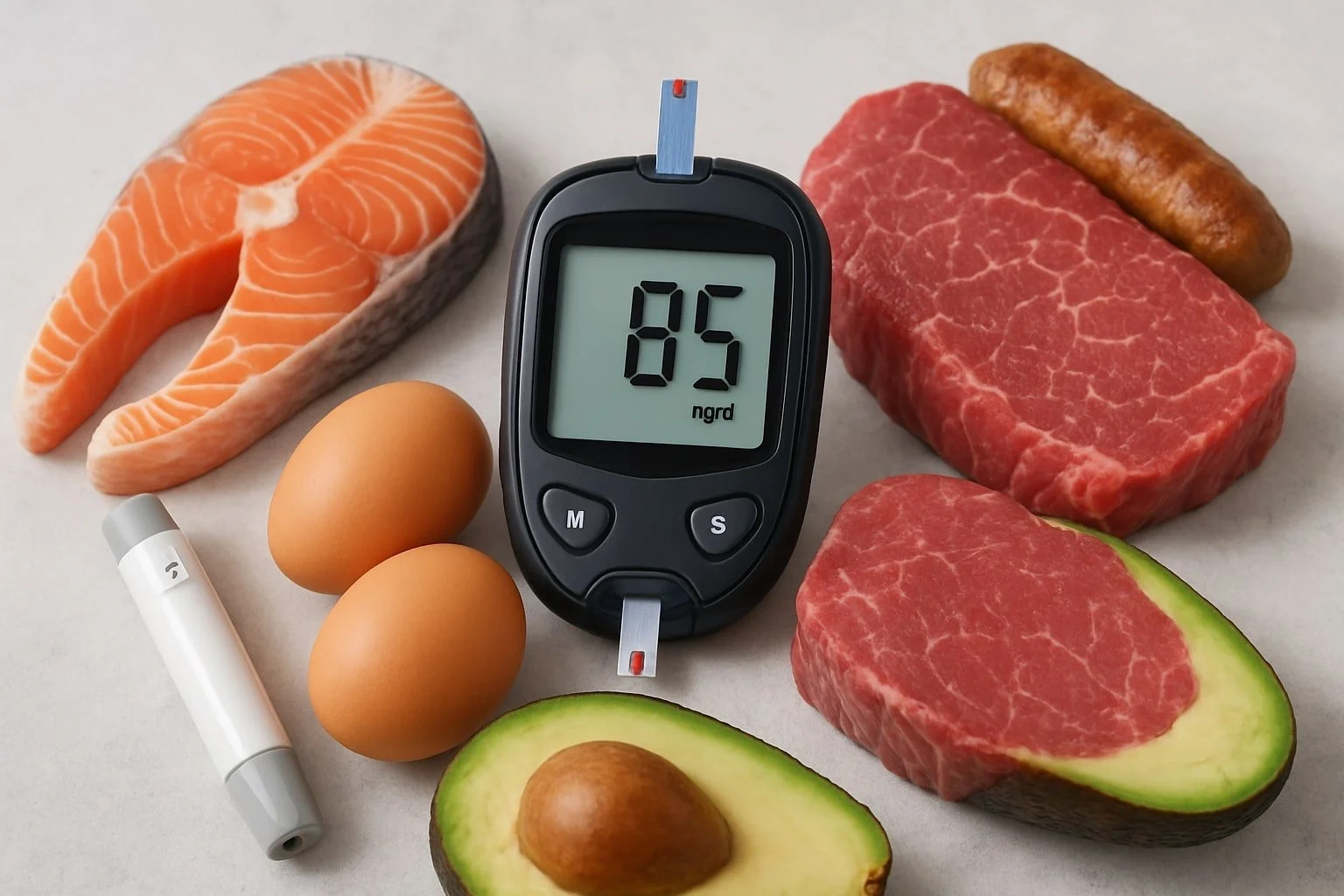
Using a blood glucose meter on a zero-carb diet gives real-time feedback on how strictly avoiding carbohydrates affects blood sugar levels. Monitoring these readings can help people see whether their glucose remains stable, drops too low, or fluctuates in unexpected ways. This information is valuable, especially when adjusting to a new way of eating or managing metabolic health issues.
Many people on zero-carb diets want to confirm that their approach leads to steady, healthy blood sugar. Regular checks with a glucose meter can track changes over time and provide reassurance or highlight the need for further adjustments. For those interested in optimizing health and understanding the effects of diet changes, tracking glucose offers straightforward, actionable insights.
What Is a Zero-Carb Diet?
A zero-carb diet eliminates nearly all carbohydrates and relies heavily on animal products, protein, and fats. This way of eating draws a clear line between foods that contain carbohydrates and those that do not, impacting food choices, nutrition, and health outcomes.
Defining Zero-Carb Versus Low-Carb Diets
A zero-carb diet involves restricting carbohydrate intake to as close to zero grams per day as possible. Most who follow this diet avoid all plant-based foods, grains, and sugars, eating mainly meat, fish, eggs, and some dairy.
In contrast, a low-carb diet typically allows 20-100 grams of carbohydrates per day. Low-carb diets might include vegetables, nuts, seeds, and some fruits, whereas a zero-carb diet excludes these almost entirely.
Some people compare the zero-carb approach to the ketogenic diet, but keto usually allows small amounts of carbohydrates to maintain ketosis. Zero-carb is stricter regarding food selection and has different potential impacts on metabolism and nutrient intake.
Common Foods Allowed and Avoided
Allowed foods on a zero-carb diet usually include:
Beef, pork, poultry, lamb, and other meats
Fish and shellfish
Eggs
Butter and most animal fats
Some high-fat dairy (e.g., hard cheeses, heavy cream)
A strict zero-carb approach avoids:
Bread, pasta, rice, and other grains
Starchy and non-starchy vegetables
Fruits and fruit juices
Legumes and beans
Nuts and seeds
Most dairy except those very low in lactose
The diet centers on animal-based foods and healthy fats while excluding carbohydrate-rich or plant-derived foods. Reading ingredient labels is essential, as even processed meats may contain hidden sugars or starches.
Potential Benefits and Controversies
Some advocates claim that a zero-carb diet may help manage blood glucose levels, reduce inflammation, and support weight loss. These potential benefits are linked to the reduction or elimination of foods that can spike blood sugar, such as refined grains and sugars.
There are also important controversies. Critics raise concerns about missing out on dietary fiber, vitamins, and phytonutrients found in plant-based foods. Long-term effects on heart health, gut microbes, and nutrient status are debated, and scientific studies on the zero-carb diet are limited compared to low-carb or ketogenic diets.
People considering a zero-carb diet should weigh both claimed benefits and known risks. Consultation with a healthcare professional is recommended, especially for those with preexisting health conditions or concerns about nutritional deficiencies.
Understanding Blood Glucose and Its Role
Blood glucose, or blood sugar, is crucial for energy production and metabolic stability. Its regulation involves a complex interaction between hormones, diet, and the body’s need for fuel, making it essential to understand these factors when following a zero-carb diet.
How Blood Glucose Is Regulated
Blood glucose levels are tightly maintained by the body to ensure cells receive enough energy. After eating carbohydrates, blood sugar rises, prompting the pancreas to release insulin. Insulin helps move glucose into cells for use or storage.
When blood glucose drops, the hormone glucagon signals the liver to release stored glucose from glycogen. This balance between insulin and glucagon maintains normal blood sugar levels. Even without carbohydrate intake, the body’s mechanisms adapt to keep glucose within a safe range.
Constant regulatory monitoring helps prevent hypoglycemia and hyperglycemia. Blood glucose meters can show these real-time fluctuations, offering valuable feedback.
Glucose Metabolism Without Carbohydrates
On a zero-carb diet, dietary carbohydrates are largely absent, so glucose must be sourced internally. The body shifts to relying on alternative pathways to maintain required glucose for tissues that need it, such as the brain and red blood cells.
Glycogen stores in the liver are used first to maintain glucose levels, but these reserves are limited and deplete after roughly 24–48 hours without carbs. After this point, the body increases production of glucose through other means.
Fat becomes a primary fuel source for most tissues, while glucose use is minimized—a metabolic adjustment sometimes called metabolic flexibility. Blood glucose meters can reveal the stability or variability of glucose under these dietary conditions.
Insulin Dynamics on a Zero-Carb Diet
With little to no carbohydrate intake, insulin secretion is reduced compared to higher-carb diets. Lower insulin levels shift the body towards increased fat utilization and encourage the breakdown of fat stores for energy.
Reduced insulin also means there is less inhibition of fat breakdown (lipolysis), resulting in greater reliance on fatty acids and ketones for fuel. People with insulin resistance may see improvements, as reduced insulin demand can help restore better metabolic function.
Blood glucose meters often show lower and more stable glucose readings, lacking large post-meal spikes. Insulin response becomes tightly coupled to protein intake, as proteins can also stimulate insulin, but to a lesser degree than carbohydrates.
Gluconeogenesis and Glucose Sparing
Gluconeogenesis is the metabolic pathway by which the liver and kidneys generate glucose from non-carbohydrate sources like amino acids (from protein) and glycerol (from fat breakdown). This process becomes the primary way the body provides glucose on a zero-carb diet.
Many tissues adapt by using alternative fuels—mainly fatty acids and ketone bodies—a process known as glucose sparing. This reduces the body’s overall need for glucose, preserving it for cells that are completely dependent on it.
The interplay of gluconeogenesis and glucose sparing ensures stable blood sugar levels, even in the absence of dietary carbohydrates. Blood glucose monitoring can help confirm adequacy of these adaptive metabolic responses.
Why Monitor Blood Glucose on a Zero-Carb Diet?
Monitoring blood glucose on a zero-carb diet provides insight into how the body responds to minimal carbohydrate intake. This process gives valuable data, especially for those managing medical conditions related to blood sugar.
Benefits for Diabetes and Prediabetes Management
People with diabetes or prediabetes benefit significantly from tracking blood glucose levels, even while following a zero-carb diet. Since carbohydrate restriction often reduces but does not eliminate fluctuations in glucose levels, regular monitoring helps detect unexpected changes.
Blood glucose meters can quickly indicate whether adjustments in medication, meal composition, or lifestyle are needed. For type 1 and type 2 diabetes, maintaining target fasting glucose and avoiding large spikes or drops is crucial for reducing risk of complications.
Measuring blood sugar also allows individuals with prediabetes to evaluate if their A1C (hemoglobin A1c) improves over time. Frequent data points empower them to make timely decisions that support better glycemic control.
Glycemic Variability and Metabolic Health
Even with no carbs in the diet, glycemic variability—swings in blood sugar levels—can still occur due to factors like stress, illness, or excess protein. Monitoring glucose reveals how the body reacts across the day, not just after eating.
Reducing glycemic variability has been linked to improved long-term metabolic health and lower risk of diabetes complications. Tracking these fluctuations helps assess whether the zero-carb approach is providing steady glucose levels or if further adjustments are needed.
Using a blood glucose meter alongside tracking metrics like A1C provides a comprehensive picture of overall glycemic control and metabolic health, beyond just single readings.
Detecting Hidden Issues: Hypoglycemia, Hyperglycemia, and Dawn Phenomenon
Blood glucose monitoring is essential for catching less obvious issues such as hypoglycemia (low blood sugar) or hyperglycemia (high blood sugar). These conditions can still happen with zero-carb intake, especially if insulin or medication dosages are not adjusted appropriately.
The dawn phenomenon, a natural rise in blood glucose in the morning, can also affect people on a zero-carb diet. Without monitoring, these trends might go unnoticed and lead to unexpected symptoms or unsafe glucose levels.
Routine measurement helps expose these patterns early, enabling timely changes to meals, medication, or activity to achieve safer, more stable glucose levels.
Choosing and Using Blood Glucose Meters
Monitoring blood sugar is essential, even on a zero-carb diet, to track patterns and avoid unexpected fluctuations. Selecting the right glucose monitoring method and using it properly can provide the data needed to maintain stable blood sugar levels and reduce the risk of issues like reactive hypoglycemia.
Types of Glucose Monitors: Meters vs. CGMs
There are two primary options for personal glucose monitoring: traditional blood glucose meters (glucometers) and continuous glucose monitors (CGMs).
Glucometers require a fingerstick to collect a small drop of blood, usually for fasting or postprandial blood glucose checks. These are portable, affordable, and provide instant results for single time points.
Continuous Glucose Monitors (CGMs) use a small sensor inserted under the skin, typically worn on the abdomen or arm. CGMs provide real-time tracking and show trends throughout the day and night, minimizing the risk of missing episodes of low or high blood glucose.
Comparison Table:
Type Pros Cons Glucometer Low cost, quick results Only single-point data, fingersticks CGM Trend tracking, less manual testing Higher cost, sensor changes required
Selecting an Accurate Glucometer
Accuracy in a glucose monitor is crucial, especially on a restrictive diet where blood sugar may trend lower than usual.
Look for glucometers that meet FDA or international standards for accuracy. Devices should report both low and normal blood sugar levels precisely, as zero-carb diets may increase the chance of dropping below typical fasting glucose ranges.
Consider features such as memory storage for past results, easy display screens, and minimal required blood sample for each test. Some models also offer Bluetooth syncing to smartphones, allowing better tracking over time.
Individuals with a history of reactive hypoglycemia or unpredictable blood sugar swings may benefit from a CGM over a meter. Consult with a healthcare provider before purchase if unsure about individual needs.
Tips for Reliable Blood Sugar Measurement
To ensure reliable readings, always wash and dry hands thoroughly before testing; any residue on the skin can affect results.
Test blood sugar at consistent times, such as upon waking (fasting glucose) and one to two hours after eating (postprandial). Rotating testing sites on the finger helps prevent soreness and maintains consistency.
Use new, sterile lancets to avoid infection, and store test strips in a cool, dry place to prevent damage. If using a CGM, follow manufacturer recommendations for sensor calibration and site changes.
Recording results in a log or app assists in spotting patterns and identifying potential dietary or lifestyle issues. This is especially important for zero-carb diets that may influence normal blood sugar levels.
Troubleshooting Common Issues
Common problems with glucometers include error messages, inconsistent readings, and device malfunctions. Double-check that the test strip is fully inserted and not expired.
If numbers seem off, verify hand cleanliness, use a second strip, or check the battery in the device. Temperature extremes can also affect strip performance.
For CGMs, occasional sensor errors can occur. If readings are inconsistent with how a person feels, confirm with a fingerstick reading.
If reactive hypoglycemia or unexpected drops occur, review recent meals or activity changes. Persistent problems with any device should be addressed with a healthcare professional or the meter's customer support.
Interpreting Blood Glucose Readings on a Zero-Carb Diet
Blood glucose patterns can shift when someone follows a zero-carb diet. Understanding what values to expect, how to react to unusual numbers, and how fasting and after-meal levels behave is key for anyone monitoring with a blood glucose meter.
Expected Ranges and Patterns
Individuals on a zero-carb diet may notice their fasting blood glucose is often in the lower end of the healthy range. Typical fasting levels for these individuals range from 70–90 mg/dL (3.9–5.0 mmol/L).
Daily patterns may differ from those on higher-carb diets. Glucose readings after meals (postprandial blood glucose) usually remain steady and do not spike significantly due to the lack of carbohydrate intake. However, some may see slightly elevated fasting blood sugar in the morning from the "dawn phenomenon" or adaptive glucose sparing, usually not a cause for concern.
A table of common readings:
State Typical Value (mg/dL) Fasting 70–90 Postprandial (1 hour) 70–100 Postprandial (2 hour) 70–90
Responding to Unusual Results
If higher than expected glucose values appear, consider recent stress, illness, or hidden carbs. The "dawn phenomenon" may result in mild morning elevations in fasting blood glucose, even on a zero-carb diet.
For readings that are consistently outside the expected healthy range (above 100 mg/dL fasting or frequent postprandial excursions), check for potential hidden sources of carbohydrate and consider factors like sleep deprivation or medication effects. If readings drop below 65 mg/dL and are accompanied by symptoms such as dizziness or confusion, treat as low blood sugar and consult a healthcare provider.
Always double-check the meter’s calibration and use a control solution if numbers seem inconsistent. If using an oral glucose tolerance test, expect an abnormal response, as adaptation to zero carbs may affect results.
Understanding Fasting and Postprandial Levels
Fasting glucose levels are a key marker. On a zero-carb diet, these are usually stable, though slightly higher values may occur in the morning. This is often due to increased gluconeogenesis and the release of stored glucose by the liver, not necessarily impaired glucose metabolism.
Postprandial blood glucose remains remarkably flat after meals. Since there are virtually no dietary carbohydrates, the glycemic index of the consumed foods is typically negligible. Spikes over 100 mg/dL are uncommon unless there is hidden carb intake or other metabolic conditions present.
A consistent pattern of low variability between fasting and postprandial blood sugar indicates proper adaptation to a zero-carb lifestyle.
Factors Influencing Glucose Readings on a Carb-Free Diet
Glucose readings on a zero-carb diet can fluctuate due to several physiological and lifestyle elements, despite almost complete carbohydrate avoidance. Protein intake, fat consumption, physical activity, stress, hydration, and hormonal changes all contribute to blood sugar levels and their interpretation.
The Role of Protein and Fat
On a zero-carb diet, protein intake has a direct effect on blood glucose readings. The body can convert some amino acids from protein into glucose through gluconeogenesis, which may cause mild increases in blood sugar after meals.
Healthy fats, such as those from avocados, olive oil, and fatty fish, typically do not raise glucose levels directly. However, they can affect metabolism and energy balance, helping to stabilize blood sugar over time.
A diet very high in protein but low in fat may produce more noticeable increases in glucose compared to a diet that balances both macronutrients. Monitoring both macronutrients is crucial for interpreting meter readings.
Impact of Exercise and Sleep Quality
Exercise improves insulin sensitivity and helps the body manage blood glucose more efficiently. After physical activity, glucose may drop as muscles use it for fuel, or sometimes temporarily rise due to stress hormones being released during intense workouts.
Sleep quality is also critical. Poor sleep may impair glucose metabolism and reduce insulin sensitivity, leading to higher fasting blood sugar even when no carbs are consumed.
A simple table can illustrate the differences:
Factor Expected Glucose Effect Aerobic exercise Often lowers glucose Intense exercise May cause temporary increase Poor sleep Often raises fasting glucose
Hormonal Influences: Cortisol and Stress
Cortisol, the body's primary stress hormone, increases in response to emotional or physical stress. Elevated cortisol promotes gluconeogenesis and can subtly raise blood glucose, even on a zero-carb diet.
Chronic stress may worsen insulin sensitivity and keep glucose elevated, especially in the morning (the “dawn effect”). Acute stress, such as illness or injury, can have a similar temporary impact.
Ways to manage:
Practice relaxation techniques (deep breathing, mindfulness)
Maintain a consistent sleep and meal schedule
Monitor for patterns in blood glucose during high-stress periods
Hydration, Dehydration, and Electrolytes
Hydration status can impact blood glucose measurements. Dehydration reduces blood volume, which may artificially concentrate glucose and show higher readings on a meter.
Over time, a zero-carb diet can lead to increased fluid loss and changes in electrolyte balance. Electrolytes, such as sodium, potassium, and magnesium, are necessary for muscle and nerve function and may be depleted if water intake is too low.
To support accurate readings and stable metabolism:
Drink water throughout the day
Pay attention to signs of dehydration: thirst, dark urine, fatigue
Consider supplementing electrolytes, especially during adaptation to a carb-free lifestyle
Linking Glucose Tracking to Health Outcomes
Monitoring blood glucose offers valuable insights into how a zero-carb diet affects glycemic control, body composition, and markers of metabolic health. Tracking patterns and recognizing trends can guide adjustments in food choices, medication, and overall lifestyle.
A1c, Glycemic Control, and Cardiovascular Risk
Regular blood glucose tracking allows individuals to observe the immediate and long-term effects of a zero-carb diet on blood sugar levels. Hemoglobin A1c (HbA1c) reflects average blood glucose over two to three months, serving as a critical marker for glycemic control.
Lower HbA1c is linked with reduced risk of diabetes complications, including heart disease and high blood pressure. Several clinical trials found that structured blood glucose monitoring can reduce HbA1c by approximately 0.3% compared to usual care. Acting promptly on glucose data also leads to further improvements.
Better glycemic control helps minimize large glucose swings, which may lower rates of vascular damage associated with heart disease. A table summarizing the relationship is below:
Marker Relevance to Zero-Carb Impact of Better Tracking HbA1c Long-term control Reduction by 0.2-0.3% Blood Pressure Cardiovascular risk Potential for improvement
Weight Management and Body Composition
Blood glucose data can inform individuals how different foods or habits affect weight gain or loss. A zero-carb diet is often associated with reduced energy intake due to increased satiety and stable blood sugar.
Frequent glucose monitoring can highlight how meal timing and composition impact hunger and cravings. This awareness supports adherence to dietary goals and helps prevent unintentional energy overconsumption that leads to weight gain.
Studies also suggest that zero-carb or low-carb diets often promote fat loss and maintenance of lean body mass. Monitoring glucose helps identify patterns that correlate with more effective weight loss and improved body composition.
Long-Term Effects: Clinical Evidence
Clinical trials have examined the influence of structured blood glucose monitoring on long-term health markers in diabetes. Evidence indicates that consistent use of blood glucose meters and connected apps leads to improved glycemic control, reduced hyperglycemia episodes, and better metabolic health.
Remote and digital monitoring tools have shown positive effects in large populations with both type 1 and type 2 diabetes. These include lower HbA1c, fewer complications, and stabilization of weight.
Long-term tracking may also support early intervention for cardiovascular risk factors by identifying trends before clinical symptoms appear. This data-driven approach allows more individualized dietary and medication adjustments, tailoring patient care to optimize health outcomes.
Dietary Practices for Stable Blood Sugar Without Carbs
Maintaining blood sugar stability on a zero-carb diet depends on meal composition, food choices, and attention to nutritional adequacy. Managing factors like portion size and making informed decisions about sweeteners can help avoid unwanted blood glucose fluctuations.
Portion Sizes, Meal Timing, and Intermittent Fasting
Controlling portion sizes is essential because even zero-carb foods like meat and eggs can affect insulin levels due to protein content. Eating moderate amounts at each meal supports more consistent energy levels and avoids overloading the body's metabolic capacity. Large portions of protein can also convert to glucose via gluconeogenesis, which may impact blood sugar.
Meal timing plays a significant role as well. Spacing out meals—as opposed to grazing or snacking—minimizes frequent insulin spikes. Intermittent fasting, such as 16:8 (16 hours fasting, 8-hour eating window), can further improve insulin sensitivity and stabilize blood glucose. Many people find fasting easier on a low carbohydrate or keto diet due to reduced hunger. Tracking meal size and timing in a food journal or with an app may help optimize individual results.
Choosing Sweeteners and Additives on Zero-Carb
Even on zero-carb diets, people may wish to use sweeteners in beverages or recipes. It is important to select sweeteners that do not cause spikes in blood sugar or insulin. Options like stevia, monk fruit extract, and some sugar alcohols (such as erythritol) generally have minimal effect on blood glucose when used in moderation.
Artificial sweeteners like aspartame and sucralose usually do not contain carbohydrates, but their long-term effects and their impact on cravings remain debated. Avoid sweeteners like maltodextrin and dextrose, which can raise blood sugar. Always read ingredient labels because some "zero-carb" products contain hidden sugars or starches. Stick with single-ingredient sweeteners and avoid processed blends with additives.
Optimizing Nutrition and Avoiding Deficiencies
Excluding all carbohydrate-rich foods can increase the risk for deficiencies in vitamins, minerals, and fiber. Individuals following a zero-carb or keto diet should prioritize nutrient-dense foods from animal sources, such as beef liver, sardines, eggs, and shellfish. These foods are rich in B vitamins, iron, and essential fatty acids.
Consider adding supplements for nutrients that are difficult to obtain, such as magnesium, potassium, and vitamin C. Incorporate organ meats regularly, as they are particularly high in micronutrients. Tracking food intake using a nutrition app or a table may help identify any nutritional gaps. Here’s a quick reference:
Nutrient Zero-Carb Source Possible Supplement Vitamin C Organ meats, fish roe Ascorbic acid Magnesium Shellfish Magnesium citrate Potassium Meat broth Potassium citrate
Limiting plant foods can also reduce gut fiber, which can influence digestive health. Some individuals may choose to include minimal amounts of low-carb, high-fiber vegetables if tolerated.
Consulting Healthcare Providers for Safe Monitoring

Regular input from a healthcare provider is necessary for anyone tracking blood glucose on a zero-carb diet. The right medical support helps address individual risks and ensures safe adjustments, especially for people managing insulin resistance or prediabetes.
When to Seek Medical Advice
A person on a zero-carb diet should contact their healthcare provider if they notice unusual blood sugar spikes or unexpected drops. Rapid changes may signal problems with insulin levels or may indicate that underlying conditions, such as prediabetes, are not well controlled.
Anyone experiencing symptoms like dizziness, confusion, or persistent fatigue—especially with low glucose meter readings—should seek help. Individuals using medications for diabetes or insulin resistance must be cautious, as medication dosages may need adjustment to prevent complications. Consistent communication with a provider ensures timely intervention and prevents risk from unnoticed issues.
Customizing Targets Based on Medical History
Blood glucose goals are not the same for everyone. Healthcare providers take into account personal medical history, including previous episodes of hyperglycemia or hypoglycemia, current medications, and diagnoses like prediabetes or insulin resistance, when setting individualized glucose targets.
For someone with past blood sugar spikes or a family history of diabetes, stricter or more frequent monitoring may be necessary. In contrast, others with no history may be advised to monitor less frequently. Adjustments are based on how the diet is impacting glucose patterns over time, which requires provider-led interpretation of meter data.
Working with Professionals to Optimize Results
Successful monitoring relies on collaboration with diabetes educators, endocrinologists, or primary care providers. These professionals not only interpret meter readings but also help adjust diet or medication safely. By reviewing trends and discussing food intake, activity, and symptoms, they guide changes to avoid complications from too-low or too-high blood sugar.
Providers may suggest specific times for testing, such as before and after meals or activity, to catch potential issues early. They can also help identify interfering substances or errors in blood glucose measurement, ensuring reliability of results. This team approach helps maintain stable blood sugar and supports long-term health on a zero-carb diet.

