
Will Lab-Grown Meat Ever Be Carnivore-Approved?
Evaluating Its Potential for Strict Animal-Based Diets
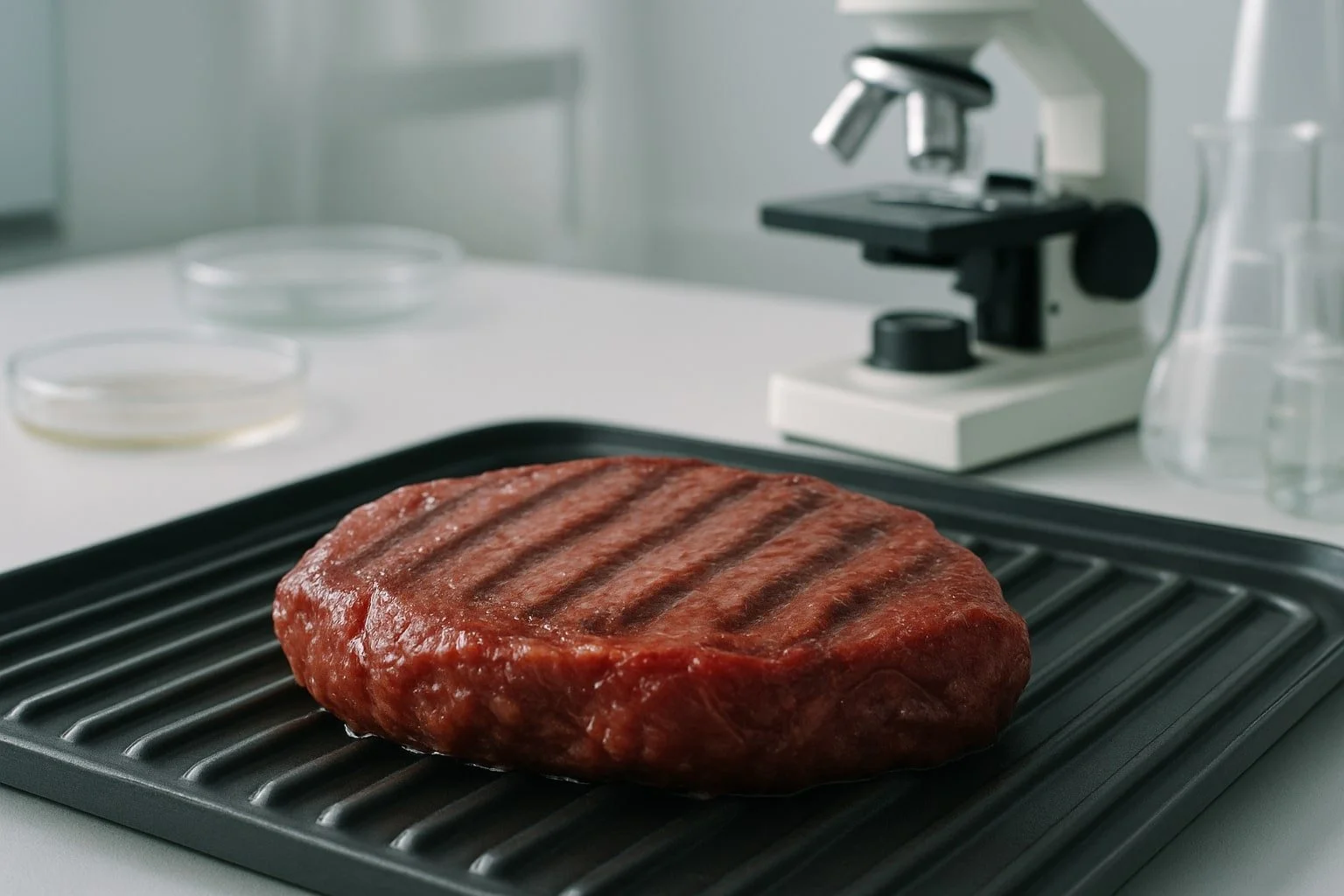
Lab-grown meat, also known as cultivated or cell-cultured meat, is produced from real animal cells but does not require the slaughter of animals. This innovative approach has sparked both curiosity and skepticism, especially among those who follow strict carnivore diets and prioritize animal-derived products.
Some U.S. companies have received regulatory approval to sell lab-grown chicken, but widespread availability remains limited. The acceptance of cultivated meat by the carnivore community depends on factors like taste, nutritional profile, and whether it matches the experience of eating traditional meat.
As lab-grown options continue to progress, the question remains whether they can truly meet the standards and expectations of dedicated carnivores. This article explores the technical, ethical, and cultural aspects that will determine lab-grown meat's future among meat purists.
Understanding the Carnivore Diet
The carnivore diet centers on the exclusive consumption of animal-derived foods. Adherents emphasize quality protein, specific nutrients, and the avoidance of plant-based ingredients.
Core Principles of Carnivore Eating
The foundation of the carnivore diet is strict elimination of plant foods. Followers typically consume only meat, fish, eggs, and animal fats.
This approach is based on the idea that humans thrive on animal-based nutrition while minimizing exposure to anti-nutrients and carbohydrates found in plants. The diet usually excludes fruit, vegetables, grains, legumes, nuts, and seeds.
Some versions allow small exceptions for dairy products such as butter or cheese, but only when well-tolerated. Simplicity and adherence to animal-sourced ingredients are considered essential for compliance.
Nutritional Standards for Approval
For a food to be considered "carnivore-approved," it must meet specific nutritional requirements. These include high-quality, bioavailable protein, full-spectrum essential amino acids, and ample amounts of vitamins B12, A, D, iron, and zinc.
Foods should contain minimal carbohydrates and avoid plant-derived additives or fillers. Additives like soy protein, pea protein, or artificial flavorings are not accepted.
Most importantly, the foods should be minimally processed. The presence of connective tissue, collagen, healthy animal fats, and organ meats is often valued. The nutrient density is a major focus, as many carnivore proponents use the diet for nutrient optimization or specific health outcomes.
Common Foods and Exclusions
The main foods consumed are beef, lamb, pork, poultry, fish, shellfish, eggs, and animal organs such as liver or kidney. Certain versions may include high-fat dairy like butter or ghee, but only from animal sources.
Typical foods:
Unprocessed muscle meats
Organ meats
Animal fats
Fish and seafood
Eggs
Excluded foods:
All vegetables and fruits
Grains and legumes
Seeds and nuts
Sugars and sweeteners
Seed oils and plant-based additives
Processed meats are accepted only when free of non-animal ingredients. Strict adherence to these exclusions is common within the carnivore community.
What Is Lab-Grown Meat?
Lab-grown meat, also called cultured or cultivated meat, is made from animal cells instead of being taken from slaughtered animals. This technology uses cell culture methods to create real meat products without traditional livestock farming.
Production Process Explained
The production of cultivated meat begins with a small sample of animal cells, often muscle cells, taken through a painless biopsy. These starter cells are placed in a controlled bioreactor, where they are fed nutrients such as amino acids, vitamins, and minerals.
Growth factors stimulate these cells to multiply and form muscle tissue. Over time, the growing tissue is harvested and processed into products like hamburger patties or chicken nuggets. The major components used in these systems are water, cell culture media, and energy to maintain the correct temperature and atmosphere.
Manufacturers carefully control the environment to minimize contamination risks and to ensure uniform texture and composition. The framework allows producers to design specific cuts and yields, reducing waste. The process is still being refined to scale up efficiently and lower costs.
Nutritional Profile of Cultivated Meat
Cultivated meat is made of the same basic components as conventional meat: protein, fat, water, and micronutrients. Its nutrition can be adjusted by altering the culture medium and growth conditions, making it possible to fine-tune fat types or vitamin content.
The protein content of lab-grown meat closely matches that of its animal-derived counterpart. Essential amino acids, iron, and B vitamins are present. Fat profiles can be influenced, so manufacturers might develop versions with less saturated fat or add healthy omega-3s.
However, cultivated meat typically lacks connective tissue and certain micronutrients unless specifically supplemented. Quality varies depending on cell source and culture conditions. Most products so far have focused on ground or unstructured meat rather than steaks or whole cuts.
Current Regulatory Status
Regulatory approval for lab-grown meat is emerging but limited. In the United States, the USDA and FDA share oversight of its safety and labeling. Cultivated chicken has been cleared for sale in some restaurants in San Francisco and Washington, DC, since mid-2023.
Singapore became the first country to approve the commercial sale of cultivated meat in 2020. Approvals in other regions, including Europe, are under review. Each regulatory body examines factors like contamination risk, allergenicity, and accurate product labeling.
So far, only a small number of companies have secured permission to sell to consumers. Widespread retail availability is still pending further safety assessments and manufacturing scale-up.
Evaluating Lab-Grown Meat for Carnivore Diets
Lab-grown meat is produced through cell culture techniques, beginning with animal cells and growing them into muscle tissue. For individuals following strict carnivore diets, the source and purity of every ingredient, as well as nutritional equivalence to traditional meat, are primary concerns.
Ingredient Origins and Purity
Lab-grown meat starts with animal muscle or stem cells, usually taken from a live animal with minimal harm. These cells are cultivated in a growth medium, often rich in nutrients and sometimes containing substances like fetal bovine serum or plant-based additives.
For a product to meet carnivore standards, every additive and ingredient must be scrutinized. Some companies are shifting to serum-free or animal-only nutrient sources, but practices vary by manufacturer. Labels and disclosures about the entire production process are essential for carnivore consumers who avoid even trace plant components or synthetic additives.
Key considerations:
Initial cell source (animal origin)
Growth medium ingredients (may include non-animal components)
Additives, scaffolds, and processing aids
Degree of ingredient transparency
Comparison to Conventional Meat
Nutritional content in lab-grown meat closely resembles that of conventional meat, with similar protein and fat levels. However, micronutrient profiles like iron, zinc, and B12 content may differ if not carefully engineered during production.
Texture and fatty acid composition can vary, depending on the bioreactor environment and cell types used. Some products incorporate plant oils or other non-animal fats to adjust mouthfeel, which may not align with strict carnivore guidelines.
Table: Lab-Grown vs Conventional Meat
Attribute Lab-Grown Meat Conventional Meat Protein Comparable Standard Fat Engineered, variable Natural Additives Possible, varies Usually none Micronutrients May need supplementation Naturally present
Health Implications of Consuming Lab-Grown Meat
Lab-grown meat is produced by cultivating animal cells in a controlled environment. This technology has raised questions about its nutritional content, safety, and how it fits into strict meat-based diets.
Potential Benefits for Carnivores
Lab-grown meat replicates the primary components of traditional meat, such as protein, essential amino acids, and fats. Because the production process allows for control over nutrient content, manufacturers can potentially optimize levels of saturated fat, cholesterol, or specific micronutrients.
For those who follow a carnivore diet, lab-grown meat provides an option without plant additives or fillers. The process can also minimize contaminants like antibiotics or hormones found in conventional meat. Table: Benefits for Carnivores
Aspect Lab-Grown Meat Conventional Meat Protein Content Comparable Variable Additives Potentially none Possible Antibiotics/Hormones Avoidable Common
Meat cultivated in labs may also lower exposure to animal-borne diseases. This could appeal to individuals seeking safer meat options.
Concerns and Unknowns
Despite FDA approval on safety, clinical research on the long-term health effects of lab-grown meat remains limited. The process can involve growth media with ingredients like fetal bovine serum or proprietary mixes of nutrients, which could impact the final product's safety or allergenic potential.
Faulty cell lines or unanticipated changes during cultivation may cause side effects that are not yet fully understood. The actual health impact of consistently consuming lab-grown meat, especially for exclusive carnivores, is not well documented.
Research is ongoing, and there is currently not enough data to state whether lab-grown meat supports optimal health on restrictive diets. As commercial production evolves, transparency about ingredients and processes remains important for consumers.
Ethical and Environmental Considerations
Lab-grown meat is often seen as a response to growing concerns about traditional meat production. Its development promises new approaches to animal welfare and sustainability in the food industry.
Animal Welfare Perspectives
Conventional livestock farming involves practices such as confinement, physical alterations, and slaughter. Many animal rights advocates argue these methods are harmful and unnecessary when alternatives like cultured meat exist.
Lab-grown meat is produced by cultivating animal cells, typically using a small biopsy from a living animal. This approach eliminates the need to raise and kill animals at scale. No large herds are required, and animals do not endure transport or slaughter.
However, ethical considerations remain about how starter cells and growth serum are sourced. Most early lab-grown meat products used fetal bovine serum (FBS), which is derived from unborn calves. Recent developments are phasing out FBS, but not all companies have fully transitioned to cruelty-free methods.
For individuals committed to strict animal welfare standards, especially vegans and vegetarians, the sourcing of initial cells and growth mediums continues to be scrutinized.
Sustainability Impact
Industrial meat production contributes significantly to greenhouse gas emissions, land use, and water consumption. According to various analyses, cultured meat production can reduce resource use compared to raising cattle, pigs, and chickens.
Lab-grown meat facilities use less land because there’s no need for pasture or large-scale crop production for animal feed. Water usage and pollution levels also drop, as these systems tightly control waste byproducts.
However, energy consumption in cultured meat production remains a challenge. Bioreactor operations require stable electricity, and the total environmental effect depends heavily on the local energy grid's mix.
Experts note that, as production methods scale and energy sources become cleaner, lab-grown meat’s sustainability profile could improve further. Until then, its net environmental benefit varies by location and technology used.
Perspectives Within the Carnivore Community
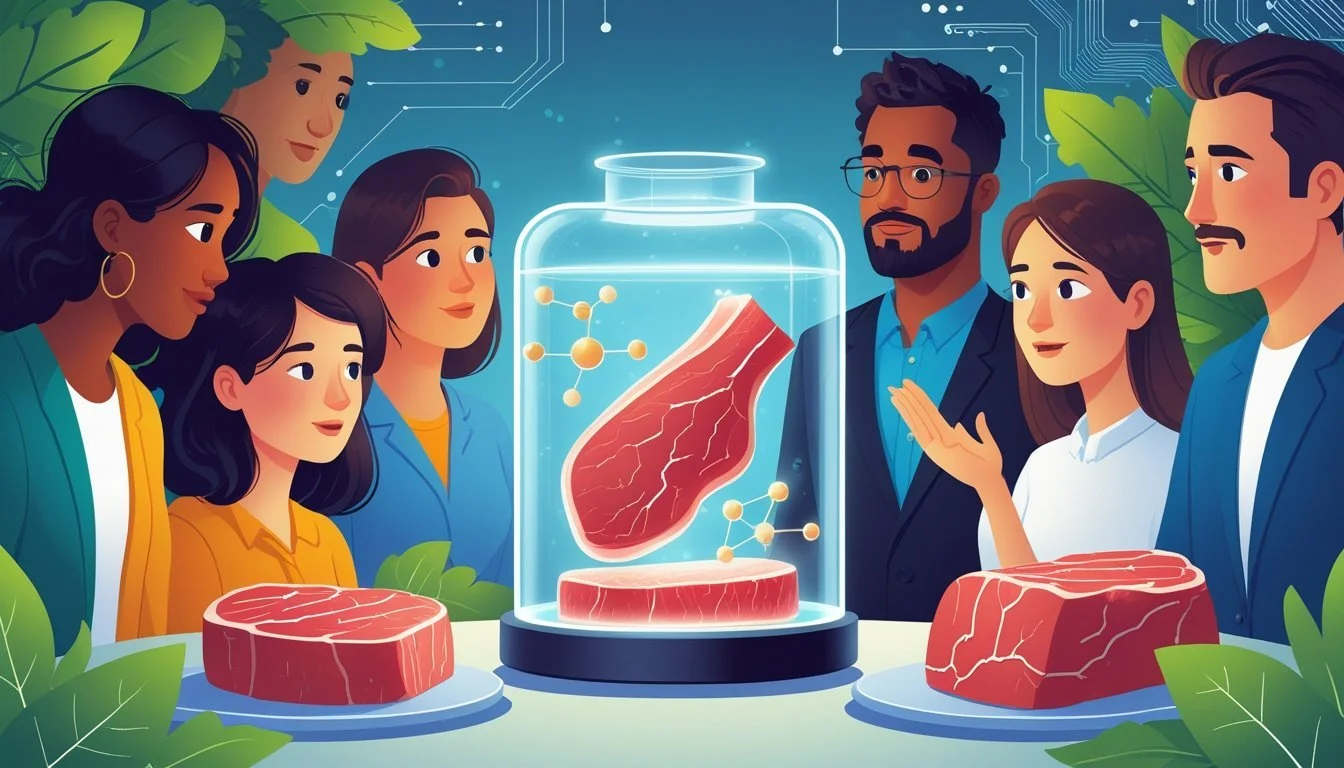
Debate over lab-grown meat within the carnivore community focuses on nutritional quality, authenticity, and alignment with core values. Influential figures and everyday adherents express varying degrees of support, skepticism, or outright resistance.
Influential Voices on Lab-Grown Meat
Prominent carnivore diet advocates tend to doubt lab-grown meat’s compatibility with their approach. Figures like Dr. Shawn Baker and Dr. Paul Saladino emphasize whole-animal, nose-to-tail eating, often citing ancestral and evolutionary reasons for traditional meat consumption. Their primary concerns are centered around processing, the use of additives, and the lack of data on the long-term health impact.
Some carnivore influencers have raised questions about the cell culture medium, which can involve plant-derived or synthetic substances. There is also concern regarding the presence of growth factors and the unknown effects these compounds might have compared to conventional meat. A consistent message is the need for transparent labeling and more independent research before acceptance.
Community Acceptance and Skepticism
Within the online carnivore community, opinions on lab-grown meat are polarized. Supporters point to the potential for reduced animal slaughter and environmental impact, but these are less pressing concerns for carnivore dieters who prioritize nutritional density and bioavailability.
Skeptics frequently reference the artificial nature of cultured meat. There is worry about ultra-processed food risks and whether lab-grown meat can replicate the nutrient profile of muscle meat, including micronutrients and fatty acid ratios.
Common barriers to acceptance:
Desire for minimally processed foods
Uncertainty about ingredients and production methods
Concerns over taste, texture, and satiety
Discussions in forums and social media reveal that most self-identified carnivores remain hesitant, awaiting clear evidence that lab-grown meat can meet their dietary standards.
Market Availability and Future Outlook
Lab-grown meat has started to appear in select markets, but its presence remains limited due to significant production, regulatory, and infrastructure challenges. The pace of adoption and expansion depends on regulatory approval, consumer acceptance, pricing, and technological improvements.
Emerging Products
As of mid-2025, only a handful of companies have successfully launched lab-grown meat products at small scale. Upside Foods and GOOD Meat, for example, have received approval from U.S. regulatory agencies for lab-grown chicken, but commercial availability is still confined to select retailers and restaurants.
Multiple start-ups in the United States, Europe, and Asia are developing lab-grown beef, pork, and seafood products. However, costs remain high due to expensive input materials and limited manufacturing capacity. Some companies, like SCiFi Foods, have already closed, while others have scaled back due to economic pressures and shifting investment trends.
State-level bans in places such as Florida and Alabama have also restricted market expansion in the U.S., adding another layer of complexity to the regulatory landscape. Consumers, meanwhile, remain cautious, with many citing concerns about safety, taste, and the "naturalness" of these foods.
Potential for Widespread Adoption
Widespread adoption of lab-grown meat hinges on achieving price parity with conventional meat and scaling production technologies. Currently, the price for cultivated meat remains several times higher than conventional options, although industry projections suggest costs could drop significantly with further research and development.
Regulatory uncertainty is another major barrier. Approval pathways differ across nations, and several U.S. states have outright banned both production and sale. These legal restrictions inhibit market growth and add operational risk for companies interested in scaling up.
Consumer sentiment is also mixed. While some are motivated by environmental or ethical concerns, many traditional meat eaters remain skeptical. The technology does promise significant resource savings: producing lab-grown meat can use 71-96% less water and 75-98% less land compared to conventional farming.
Challenge Description High production costs Limits competitive pricing and accessibility Regulatory barriers State bans and differing national policies Consumer hesitation Concerns over safety, taste, and “naturalness”
Conclusion
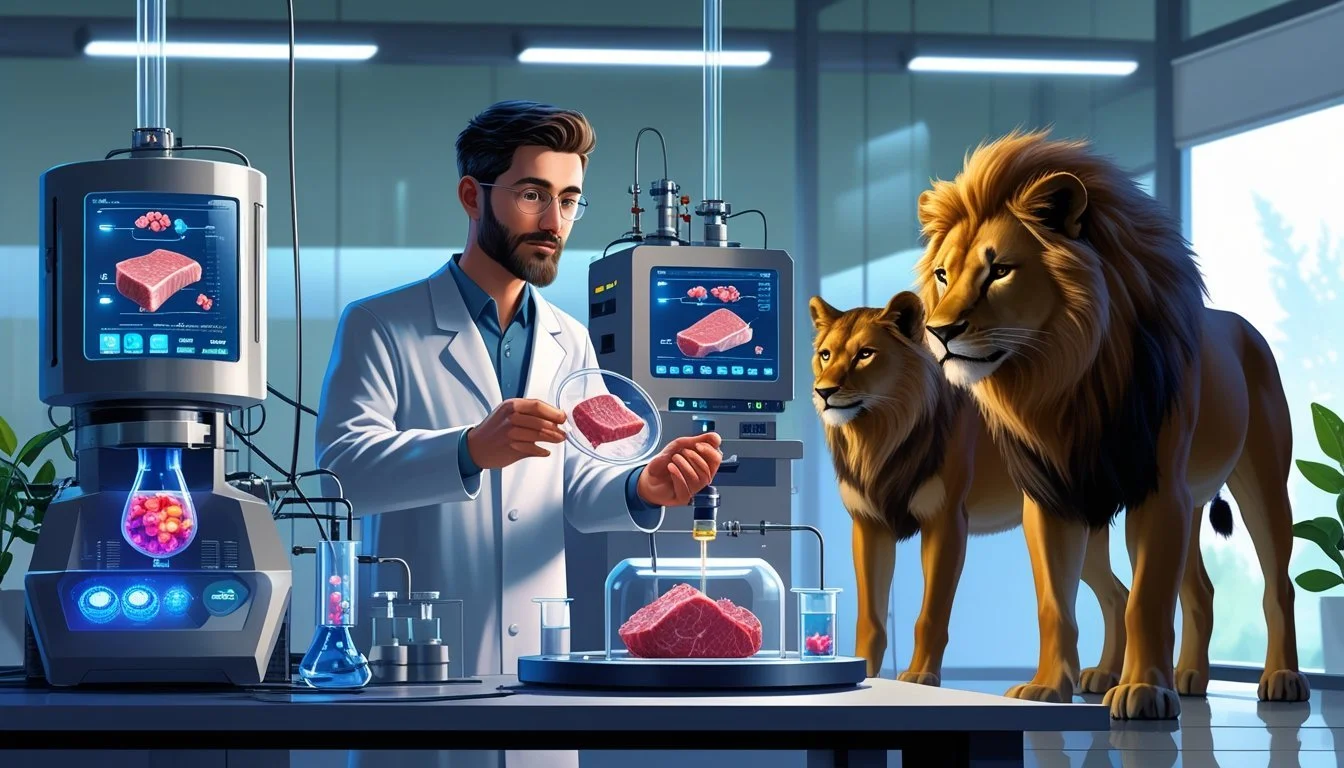
Lab-grown meat continues to prompt debate among carnivore diet enthusiasts and traditional meat eaters. While it offers an alternative source of animal protein, concerns about its origins and processing remain.
Some in the carnivore community appreciate that cultured meat is technically derived from animal cells. However, others question the inclusion of growth media, additives, and the initial use of animal cells, which can be a sticking point.
Potential benefits of lab-grown meat:
Reduces demand for animal slaughter
Lowers greenhouse gas emissions
Uses fewer natural resources
Concerns voiced by carnivores include:
Perceived unnatural production methods
Possible use of non-animal ingredients (e.g., microbial or plant-based growth media)
Lack of data on long-term health effects
There is not a single viewpoint among strict carnivores. Some may consider cultured meat compatible if it closely mimics the nutritional profile and purity of conventional meat. Others may continue to see only traditionally raised meat as acceptable for their diet.
The debate demonstrates that both personal values and scientific evidence play key roles in shaping opinions on lab-grown meat.

