
Are We Seeing the Rise of the Carnivore Restaurant?
Exploring the Growing Trend in Meat-Centric Dining

The rise of the carnivore restaurant is becoming more apparent, as dining concepts focused on meat-heavy menus, inspired by the popularity of the carnivore diet, are gaining attention in 2025. While the past decade saw a surge in plant-based and vegan establishments, trends show a growing number of consumers are now drawn to eateries that exclusively or predominantly serve animal-based dishes.
This shift is supported by an increasing demand for meat-centric products, and some restaurant groups have reported notable growth in sales linked to this new trend. With dedicated carnivore-friendly offerings, as well as apps and online platforms connecting enthusiasts, the dining landscape is seeing clear signs of an emerging movement catering to those seeking an all-meat experience.
For anyone curious about how this trend could reshape dining out, or what it means for the future of restaurants and their menus, there is much to explore in the evolving world of carnivore dining.
Defining the Carnivore Restaurant Trend
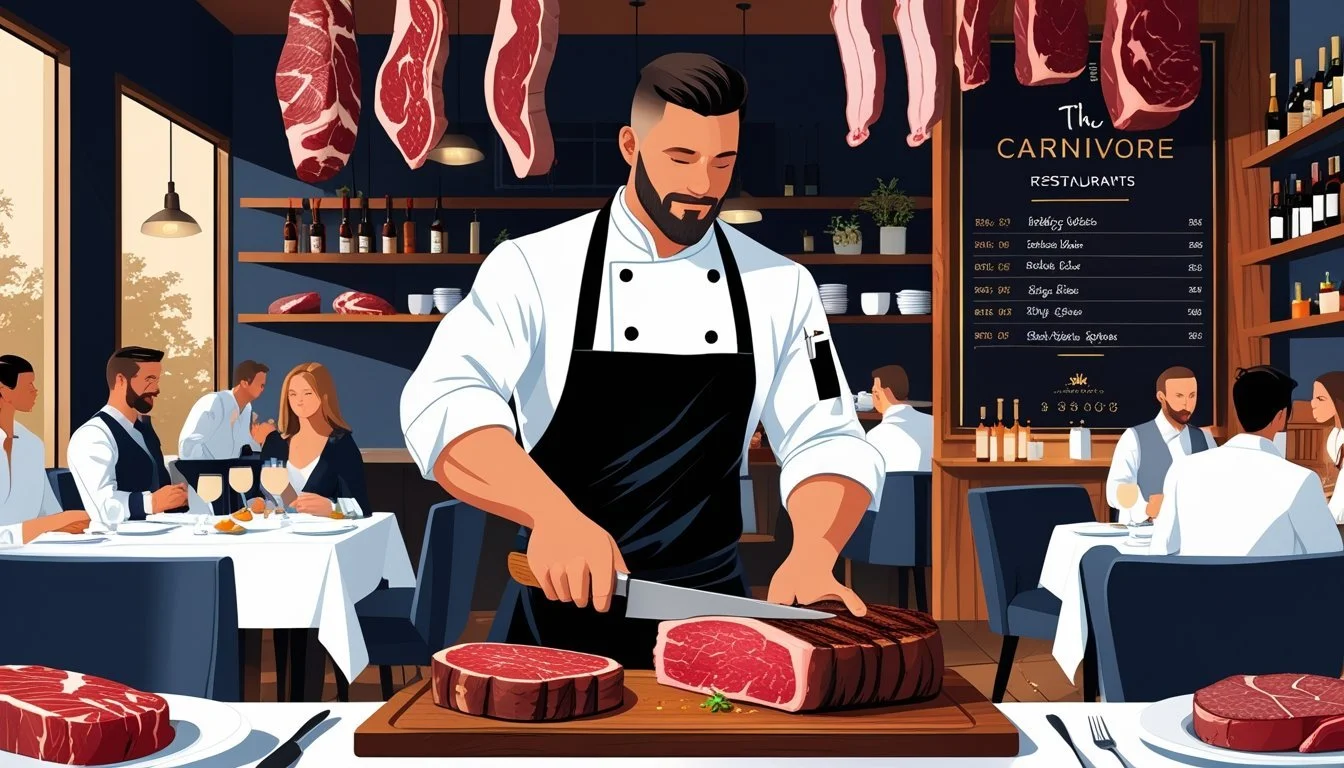
The rise of carnivore restaurants reflects broader shifts in meat consumption, consumer preferences, and dietary movements within the restaurant industry. These venues set themselves apart through their menu focus, operational styles, and targeted customer base.
Origins and Evolution
Carnivore restaurants have roots in classic steakhouses, but the current trend draws momentum from the emergence of the carnivore diet and rising interest in high-protein eating. Dietary trends that favor meat and animal-based products have pushed some restaurants to expand beyond the standard steak or burger menu.
Social conversations and online communities advocating for the carnivore diet sparked curiosity among food entrepreneurs. Restaurant industry analytics show only a small percentage of venues currently dedicate their menu to such diets, indicating an early-phase trend with potential for growth. The idea has evolved from niche dining experiences into concepts designed for mainstream audiences.
Many of the first carnivore-focused venues appeared in urban centers where dietary experimentation is more common. Expansion is gradual but visible, particularly in cities open to food trends that deviate from traditional dining norms.
Key Characteristics of Carnivore Concepts
Carnivore restaurants focus almost exclusively on animal products. This includes beef, pork, lamb, poultry, wild game, fish, eggs, and animal fats. Some locations offer small amounts of low-lactose dairy, but plant-based foods are generally absent except for garnishes.
Menus often list protein sources by cut, preparation, or origin, emphasizing transparency and quality. Diners may see tableside carving, specialized grill equipment, or displays of meat-aging processes. A minimalist side selection, often limited to bone broth or cheese, helps maintain the all-meat emphasis.
Atmosphere varies: while classic steakhouse cues remain influential, some new venues adopt a brighter or more open aesthetic. Table settings may include wooden boards for service, aligning with the rustic, primal identity associated with the carnivore lifestyle.
Comparison With Traditional Restaurants
The primary distinction between carnivore and traditional restaurants is menu composition. Traditional establishments incorporate balanced offerings of vegetables, grains, and plant-based proteins alongside meats. Carnivore restaurants exclude non-animal foods, focusing on a specialized demographic.
Service approaches differ as well. Traditional restaurants often emphasize variety and dietary accommodation, while carnivore venues limit substitutions and rarely cater to vegetarian or vegan preferences. This affects the customer experience and the operational logistics.
Market share remains small for carnivore-specific venues, but their presence draws attention to evolving consumer interests. While steakhouses account for a long-standing segment of the restaurant industry, carnivore concepts represent a contemporary shift towards dietary specialization not previously seen at this scale.
Consumer Preferences and Market Drivers
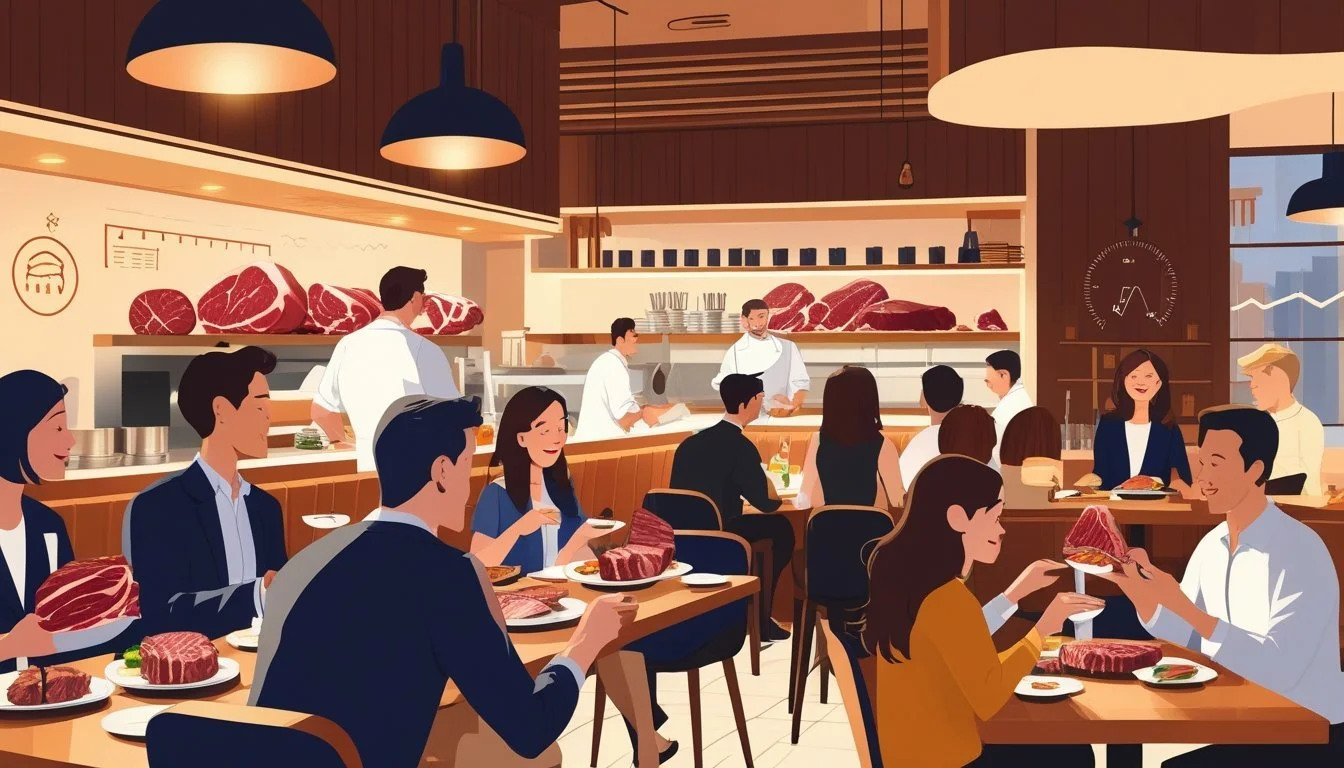
Consumer interest in animal-based dining is changing as new dietary trends gain ground, lifestyle choices shift, and diners seek experiences beyond meals. Both market data and reported behaviors indicate that meat-centric restaurants are reflecting, rather than leading, these shifts.
Shifting Consumer Attitudes Toward Animal Products
Interest in animal products remains strong among meat lovers and omnivores, despite the growth of plant-based options. Recent market reports show that, while plant-forward menus get attention, diners continue to choose classic meat dishes when they dine out, especially in casual and premium segments.
Demand for variety has led restaurants to offer specialty cuts and less common meats, not just beef and chicken. This appeals to both traditionalists and adventurous customers. Data from late 2024 indicates that steady consumer spending at local meat-focused venues has helped sustain overall restaurant sales.
Health concerns and sourcing transparency are increasing in importance. Many guests now select restaurants that emphasize sustainably raised meats or regional sourcing. Transparency around sourcing and preparation methods is becoming part of the value proposition at carnivore-themed spots.
Influence of Diets and Lifestyle Choices
Diet trends such as keto, paleo, and high-protein regimens have bolstered the popularity of animal-based restaurants. These diets often encourage higher meat consumption, guiding diners toward menus that emphasize steak, ribs, and other protein-focused dishes.
Flexitarian and reducetarian patterns also affect demand, as some consumers alternate between plant-based and traditional options. Restaurants serving a robust meat selection that accommodates these flexible approaches are able to attract a broader clientele.
Many meat lovers see animal products as central to their diet, but are increasingly mindful of portion sizes and preparation methods. Menu labeling—highlighting protein content, provenance, and cooking technique—is more common, helping guests make informed choices in line with their lifestyle goals.
Role of Experiential Dining
Experiential dining plays a significant role in the rise of carnivore restaurants. Diners are not only seeking food, but also interactive and memorable events—such as chef’s table tastings, live-fire grilling, and butcher demonstrations.
Some venues offer curated tasting menus featuring different cuts or aged meats, building loyalty among food enthusiasts and reinforcing a sense of occasion. Theatrical preparation—like carving at the table or smoked presentations—adds excitement and engagement.
A focus on communal dining with shared platters appeals to groups and families, creating a social atmosphere. For many, the opportunity to explore premium or rare animal products in a setting that emphasizes craft, knowledge, and participation is central to their decision to dine out at meat-focused restaurants.
Menu Innovation and Ingredient Focus

Menu innovation in carnivore restaurants centers on sourcing high-quality meats, designing appealing yet focused menus, and emphasizing animal products while minimizing or excluding plant-based alternatives. Ingredient selection and menu structure set these establishments apart from other dining concepts.
Emphasis on Meat Quality and Sourcing
Carnivore restaurants prioritize meat quality above all other ingredients. Sourcing often involves relationships with local or regional producers, highlighting a farm-to-table ethos. Transparency about breed, feed, and aging processes is common.
Many establishments publicize details such as grass-fed versus grain-fed beef or heritage pork breeds to educate diners. Some even list the origins or certifications of their meats directly on the menu, reflecting industry demand for traceability.
Operators may avoid commonly mass-produced proteins, focusing instead on specialty cuts or lesser-known animal sources. This includes wild game, dry-aged beef, and offal, which reinforce the restaurant's commitment to variety and quality.
Menu Design Trends
Smaller menus are typical, offering a focused selection to ensure ingredient freshness and consistent execution. Dishes are often built around a single main protein, with simplified accompaniments.
Interactive dining experiences, such as tableside carving or customizable protein platters, have become more common. Some venues highlight ingredient transformation by showcasing different preparations of the same cut.
While classic sides like potatoes may be present, many carnivore menus reduce or omit starchy vegetables such as corn, as well as legumes and grains. Instead, they may feature house-made sauces, pickled vegetables, or umami-rich ingredients like mushrooms and seaweed to complement the meat.
Exclusion of Plant-Based Alternatives
Carnivore-focused restaurants usually exclude plant-based meat substitutes entirely. These menus rarely feature bean burgers, lentil stews, or faux-chicken products.
Non-meat ingredients that do appear are chosen for their ability to enhance—or, at minimum, not distract from—the meat. For example, chiles, mushroom-based sauces, or specialty salts elevate flavor without imitating animal products.
Beverage offerings like coffee and wine are sometimes paired with specific cuts. Salads, if offered, are simple and primarily function as palate cleansers rather than main components. The absence of legumes and other protein-rich plants emphasizes the clear focus on animal-based cuisine.
Operational Efficiency and Technology Adoption
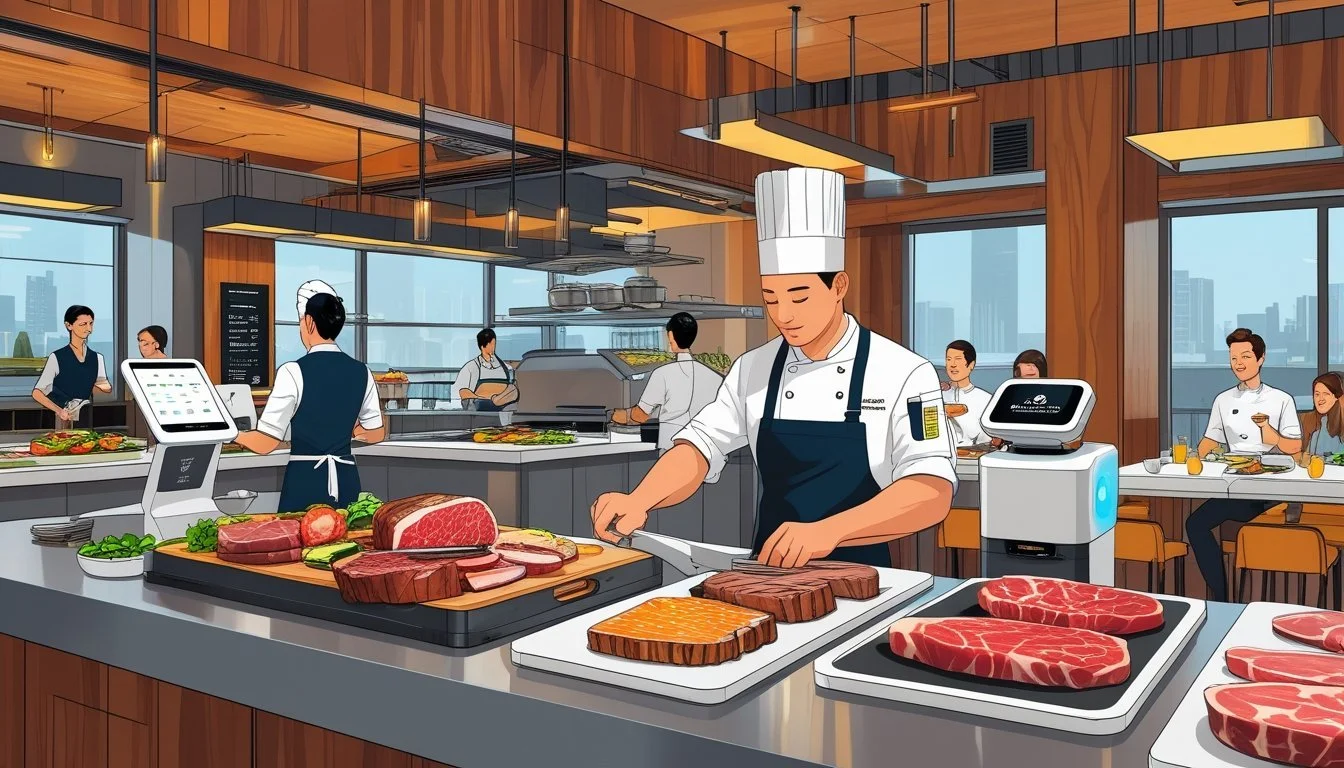
Carnivore restaurants are deploying modern solutions to deliver consistent results, manage costs, and maintain high service standards. Adopting new technology directly influences productivity, accuracy, and guest satisfaction.
Implementing Advanced Kitchen Technologies
Restaurants are increasingly integrating smart grills, temperature sensors, and automated meat cutters to boost kitchen precision. Devices connected through the Internet of Things (IoT) send real-time data, minimizing errors in food preparation.
AI-powered systems monitor cook times and meat doneness, assisting staff in producing reliably cooked steaks or roasts. Some businesses use predictive analytics to forecast inventory needs, helping managers order the right cuts of meat and reduce spoilage.
By automating repetitive tasks, kitchens can focus on quality while reducing labor hours. This mix of automation and data results in faster service and less food waste.
Efficiency in Staffing and Training
The role of AI-driven training platforms is becoming more prominent in hiring and onboarding new staff. These solutions provide personalized learning modules, speeding up training and reducing errors during service.
Restaurants also leverage labor scheduling software to match staffing levels with projected sales. This ensures efficient allocation of resources during peak and off-peak times.
Some carnivore concepts employ technology to track staff performance metrics, recognize top performers, and identify additional training needs. These insights improve consistency and maintain service quality across the team.
Counter Service and Modern Ordering Systems
Many carnivore restaurants are shifting from traditional table service to a counter service model. Digital menu boards and self-service kiosks enable faster ordering and improved accuracy, particularly during busy times.
Online ordering systems and mobile apps let customers place and customize orders remotely. Integrated GenAI chatbots can answer menu questions and guide choices, enhancing the guest experience.
Contactless payment systems further reduce wait times and streamline the checkout process. Together, these innovations create a more efficient and guest-friendly environment.
Financial Considerations and Revenue Strategies
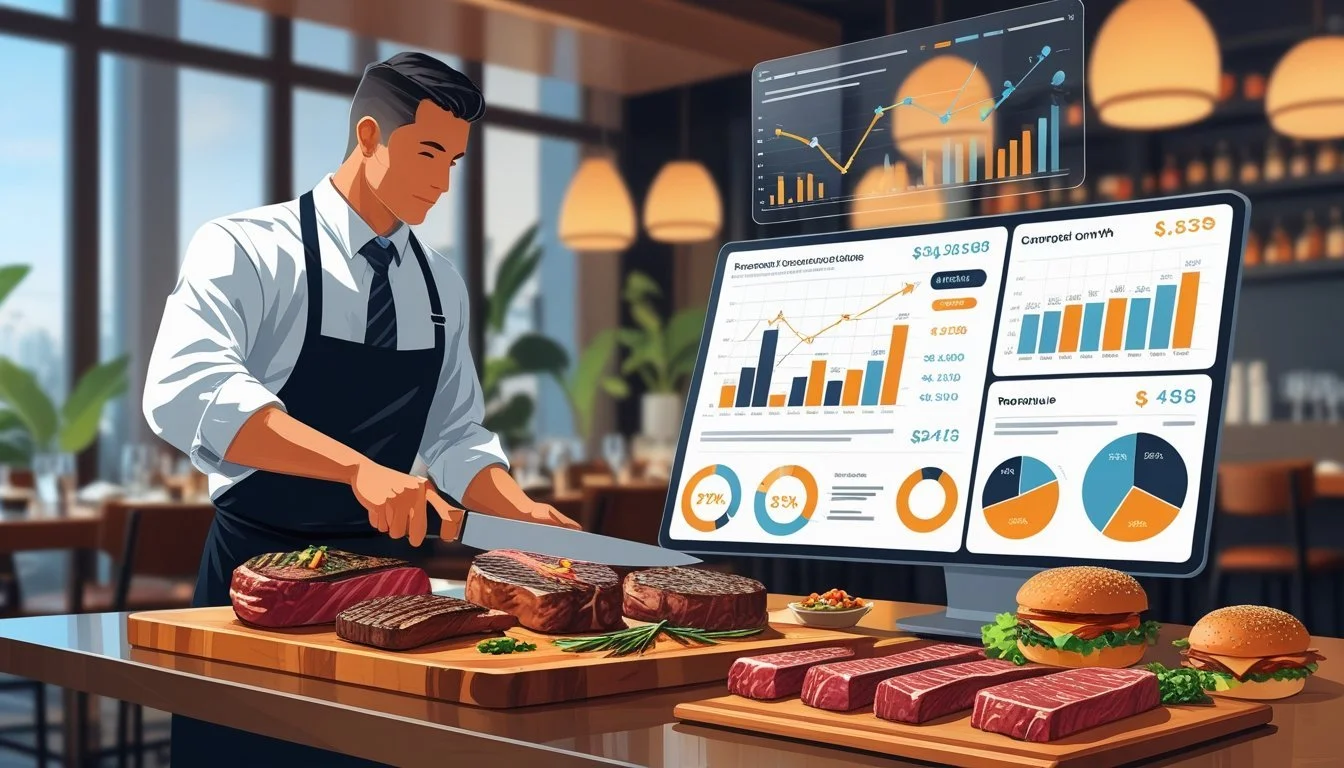
Carnivore restaurants are navigating a shifting restaurant economy due to rising food costs and evolving consumer expectations. Operators are reassessing pricing, menu structures, and sales channels to maintain margins and customer loyalty.
Impact of Inflation on Prices
Inflation has significantly increased the cost of beef, poultry, and other proteins—core ingredients for carnivore concepts. This has forced many restaurant owners to regularly update menu prices, sometimes by 5–10% within a single year.
Recent trends show some brands using smaller portion sizes and selective discounts to limit visible price hikes. Nevertheless, these adjustments risk alienating customers if not communicated transparently.
Operators must also monitor fluctuating wholesale meat prices and renegotiate supplier contracts where possible to control costs. Strategic sourcing, such as partnering with local butchers, can offer more price stability than relying on national distributors.
Value Meals and Affordable Options
To attract budget-conscious guests, carnivore restaurants have increased their focus on value meals and cheap eats. Limited-time combo offers, early-bird specials, and lunch deals with set protein portions are now common.
A typical value meal might feature a smaller steak or burger patty served with cost-effective sides, creating a complete but affordable package. This helps restaurants maintain volume and dining frequency, especially among families and students.
Many restaurants are leveraging data analytics to identify popular low-cost proteins, such as chicken thighs and pork shoulder, and building affordable menu items around these ingredients. Loyalty programs that reward repeat visits can further encourage customer retention during times of economic uncertainty.
Diversified Revenue Streams
Beyond traditional dining, carnivore restaurants are developing new revenue streams to stabilize income. Popular approaches include meal kits, butcher shop retail sales, and branded sauces or rubs.
Third-party delivery apps have also become a critical channel, especially for offering family-style meat platters and takeout party packs. Dedicated pickup shelves and separate kitchen lines help streamline off-premises orders.
Special events, such as chef’s table experiences or butchery classes, create additional income while strengthening brand loyalty. These offerings can be promoted through email campaigns and social media, keeping the restaurant top-of-mind for both regulars and new customers.
Health, Sustainability, and Environmental Impact
Health, environmental impact, and sourcing practices are central issues as more restaurants embrace a carnivore-focused menu. Both industry trends and recent studies highlight the nutritional profile of animal-based diets and the significant effects of meat consumption on sustainability.
Nutritional Aspects and Gut Health
Animal products provide complete proteins, heme iron, vitamin B12, and other nutrients essential for various bodily functions. For many, especially in low-income populations, meat remains a direct source of necessary amino acids and micronutrients.
However, rising meat intake has been linked with increased risks of chronic health conditions. Colorectal cancer, cardiovascular diseases, and certain inflammatory conditions are associated with high consumption of red and processed meats.
The role of diet in gut health is significant. Diets rich in animal-sourced foods alter the composition and diversity of the gut microbiome, sometimes reducing populations of fiber-digesting bacteria. Balancing meat with fiber-rich plant foods supports microbial diversity.
Nutrient Key Source Role in Health Protein Meat, poultry Muscle repair and growth Heme Iron Red meat Oxygen transport, anemia prevention Vitamin B12 Beef, pork, poultry Nerve health, red blood cells
Sustainable Sourcing of Animal Products
The way animal products are sourced directly impacts sustainability outcomes. Restaurants increasingly use local, pasture-raised, or regenerative farm-sourced meats to reduce their ecological footprint.
Sustainable sourcing includes practices like rotational grazing, reduced antibiotic use, and transparency in supply chains. Operators may seek certifications or partner with producers who prioritize animal welfare and soil health.
Consumer interest in sustainable practices is growing. According to industry research, a notable portion of restaurant patrons now consider environmental impact and are often willing to pay a premium for sustainably sourced menu options.
Key sustainable sourcing strategies:
Prioritizing local and seasonal meats
Supporting regenerative agriculture
Reducing waste through whole-animal use
Balancing Environmental Concerns
Meat production drives significant land use and greenhouse gas emissions. According to environmental reports, animal agriculture accounts for a major share of agricultural emissions, especially methane from ruminants and nitrous oxide from manure.
Despite efficiency improvements, increased meat demand places pressure on water resources and contributes to deforestation in some regions. Balancing menu offerings and supply chain choices can help mitigate these risks.
Some carnivore restaurants mitigate impact by choosing suppliers with lower carbon footprints and responsibly managed operations. Strategies include smaller portion sizes, offering alternative proteins, and transparency in sourcing information for diners who value environmental data.
The Future of Carnivore Restaurants
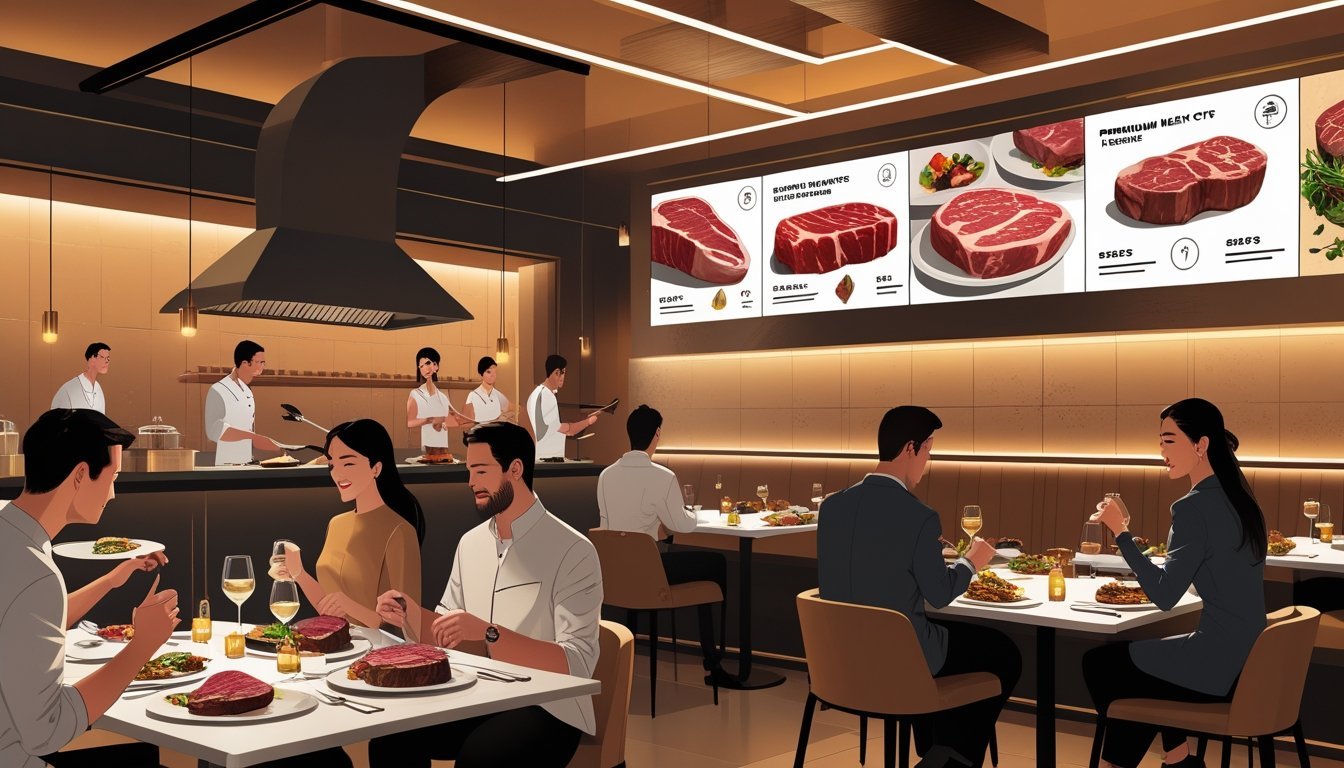
Specialized meat-focused dining is gaining traction in response to shifting consumer habits and broader dietary trends. The restaurant industry is witnessing new business models, emerging concepts, and influential players that shape how carnivore dining could evolve.
Predicted Growth and Expansion
Market data shows increasing interest in meat-centered diets, with the carnivore trend moving beyond online communities into physical restaurants. Dining concepts that focus exclusively on animal products are becoming more visible, especially in metropolitan areas where dietary experimentation is common.
Growth drivers include:
Social media visibility: Influencers and health professionals spark curiosity and demand.
Product innovations: Restaurants now source premium animal-based products, like dry-aged steaks and offal specialties.
Consumer shifts: A segment of customers is prioritizing high-protein, low-carb meals for perceived health benefits.
Restaurant groups and independent chefs see opportunity in curated menus featuring limited or no plant-based offerings. While still a niche, projections suggest a steady increase in openings over the next few years, driven by both urban and suburban demand.
Notable Examples and Inspirations
A few pioneering spots have begun catering exclusively or predominantly to carnivore eaters. Some feature minimalist menus with just steaks, organ meats, and bone broths, allowing diners to customize their protein choices and portion sizes.
Examples include:
Local steakhouses shifting toward simple, ingredient-focused plates.
Boutique meat bars experimenting with rare cuts and traditional preparations, such as tartares or marrow dishes.
Pop-up events hosted by influencer chefs who promote the carnivore diet.
While fully carnivore-only restaurants remain rare worldwide, hybrid concepts—where meat is the clear focus—are more common, particularly in North America and Europe. These establishments serve as both gathering places for enthusiasts and experimental spaces for chefs.
Role of Renowned Concepts Like noma
noma, one of the world's most influential restaurants, is known for pioneering ingredient-driven menus and redefining new Nordic cuisine. Though not strictly carnivore, noma's focus on local meat, game, and animal fats has inspired chefs to rethink how animal products can anchor a fine dining experience.
noma’s approach has impacted restaurant industry standards, encouraging others to embrace simplicity, seasonal sourcing, and preservation techniques such as smoking and curing. This ethos aligns with how some new carnivore-focused eateries design their dishes and source ingredients.
Restaurants looking to replicate noma’s success often build relationships with local farmers and utilize a variety of cuts, expanding beyond typical steakhouse fare. This approach fosters innovation, encourages sustainability, and adds credibility to the evolving carnivore restaurant model.

