
Is a Meat-Based Diet the Future of Space Travel?
Examining Nutrition, Sustainability, and Feasibility
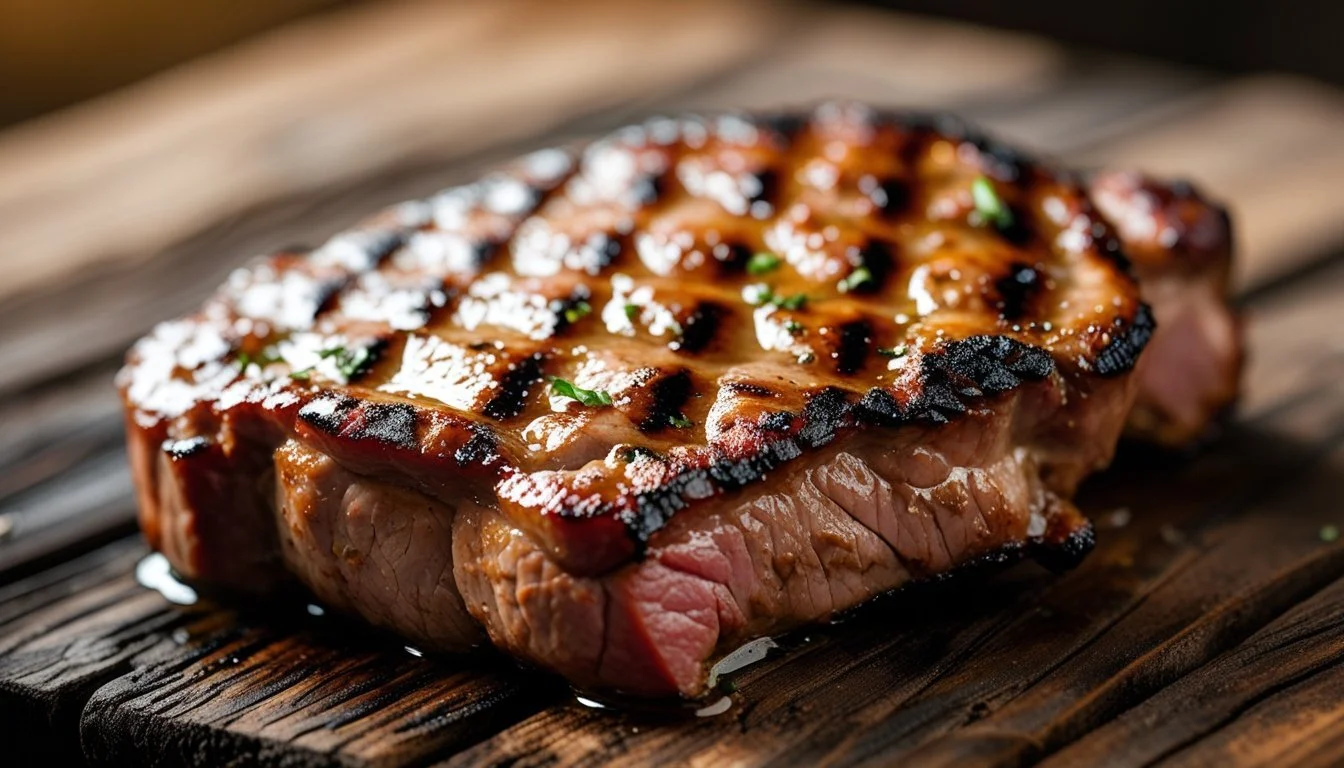
A meat-based diet could play a crucial role in the future of space travel by providing astronauts with essential protein and nutrients that are difficult to obtain from plant-based foods alone. Space agencies, such as the European Space Agency (ESA), are actively researching new technologies like cultured meat to make producing meat in space more feasible and less dependent on resupply from Earth.
Traditional meat storage poses challenges for space missions due to its bulk and limited shelf life, but advancements in cultivated meat and efficient food systems could soon make fresh animal protein available during long journeys in microgravity. The debate around the best diet for astronauts remains ongoing, but the future of space nutrition may be shaped by the ability to produce quality meat on demand far from Earth.
The Evolution of Diets in Space Travel
Space food systems have changed dramatically since the early years of exploration. Advances in technology and nutrition science have reshaped both what astronauts eat and how food is stored for long-duration missions.
Historical Food Systems in Space Missions
Early space missions in the 1960s relied on compact, calorie-dense foods. Foods were packaged as cubes, powders, or puréed meals in metal tubes. These items prioritized efficiency and preservation over taste or variety.
Food choices were extremely limited due to weight and space constraints. Taste was often sacrificed, with astronauts reporting bland flavors and unappealing textures. Hydration was critical, so many foods required water for reconstitution.
NASA’s food systems during the Apollo era added dehydrated and freeze-dried items but still focused on functionality. Efforts to improve palatability led to gradual menu expansion, but food safety and minimal waste remained top priorities.
Current Approaches to Astronaut Nutrition
Modern space food strategies aim to support both health and morale on missions lasting months or years. Today’s space menus include a mix of thermostabilized entrees, snacks, and even international dishes to cater to individual tastes.
Key Features of Current Space Food Systems:
Lightweight packaging that reduces waste
Non-toxic, durable materials to prevent nutrient loss
Barcode tracking for monitoring daily food intake
Culturally diverse options for variety and well-being
Nutritionists carefully design food choices to meet caloric needs, immune function, and psychological support. Spicy and flavorful foods are now common additions because astronauts often experience dulled taste in microgravity.
Defining a Meat-Based Diet for Space
A meat-based diet for space missions must balance unique constraints with nutritional needs. This requires careful selection, preservation, and production methods that fit within the spacecraft environment and mission duration.
Key Characteristics of Meat-Based Diets
A meat-based diet centers on animal-derived foods, including red meat, poultry, and processed meat products. In the context of space travel, this can mean traditional preserved meats or laboratory-cultivated alternatives produced onboard.
Options for space include canned, freeze-dried, or cultivated meats to extend shelf life and reduce mass. Cultured meat production is being explored by agencies like ESA due to its potential for in-situ protein generation. Space menus often integrate meat with grains, fruits, and vegetables to support balanced nutrition and variety.
Processing methods—such as salting or dehydration—must not increase sodium or chemical content to unsafe levels, especially with health risks in confined environments. These factors guide what meats can realistically be included in space diets.
Nutritional Benefits Versus Risks
Meat provides high-quality protein, essential amino acids, and micronutrients such as iron, zinc, and vitamin B12—nutrients that are vital for long-duration missions. Adequate intake helps maintain muscle and bone health in microgravity, supporting astronaut performance and recovery.
Potential risks of increased red or processed meat intake include heightened risk of heart disease and type 2 diabetes, especially when meats are heavily processed or high in saturated fats. Space missions must monitor individual intake and balance meat selections with other food sources to reduce these risks.
Selecting lean cuts, minimizing additives, and incorporating plant-based foods can help meet nutritional needs without overexposing crew members to long-term diet-related health issues. A table of nutrient comparisons or intake guidelines is typically used to optimize space menus.
Environmental and Sustainability Considerations
Producing meat for long-duration space missions involves unique challenges, including managing limited resources and minimizing environmental impacts. The approach taken can affect greenhouse gas emissions and the use of vital inputs like water, energy, and land.
Resource Use in Space Meat Production
Resource efficiency is critical in the closed systems of spacecraft or extraterrestrial habitats. Meat production, particularly traditional livestock, demands large quantities of water, feed, and energy. In space, these inputs are scarce and expensive to transport or recycle.
Cultured meat and plant-based proteins use significantly less water and land compared to raising live animals. According to current research, cultured meat can reduce land use by up to 99% and water use by up to 96% compared to conventional meat.
Air, water, and nutrient recycling technologies can further optimize resource use, but require robust infrastructure. Every kilogram of animal-based protein requires more input than plant-based alternatives, which could constrain sustainable development on missions beyond Earth.
Greenhouse Gas Emissions and Climate Change
Meat production is a leading source of greenhouse gas emissions, primarily methane and nitrous oxide. These emissions contribute to climate change and can challenge planetary boundaries if not managed carefully.
In a space habitat, methane and other gases could accumulate, posing health and safety risks. Cultured meat production emits far fewer greenhouse gases, making it more suitable for controlled environments. Shifting to plant-based diets can cut emissions linked to food production by up to 70%.
Monitoring and capturing gases, as well as efficient waste cycling, are crucial to maintaining environmental sustainability during extended space travel. The choice of diet will shape the overall climate impact of future missions.
Lab-Grown Meat and Alternative Protein Technologies
Lab-grown meat and other alternative proteins are being investigated for space travel due to their potential to reliably supply protein without traditional livestock. These solutions could minimize the need for bulk food storage and frequent resupply missions.
Production Methods and Scientific Advances
Lab-grown meat, also known as cultured or cell-based meat, is created by cultivating animal muscle cells in a bioreactor environment. Growth factors and nutrients are provided to support the cells, resulting in structured tissues that mimic conventional meat.
Scientific advances have enabled the development of meats with similar protein, iron, and vitamin profiles as their traditional counterparts. Companies are working to optimize texture and taste by integrating scaffold materials and refining cell lines. Plant- and fermentation-based alternatives are being developed in parallel, offering additional protein options with scalable processes.
Investment in these technologies has expanded rapidly, with more than 150 companies globally and billions in funding focused on commercialization. Researchers are also investigating ways to make production bioreactors more compact and energy-efficient for deployment in closed environments like space stations or habitats.
Potential for Fuel and Resource Efficiency
Producing protein through lab-based systems can significantly reduce the mass and volume needed for food storage. Instead of launching large quantities of meat, crews might bring cell cultures, growth media, and lightweight equipment, which could cut down launch weight and associated fuel costs.
Lab-grown meat does not require grazing land or large amounts of water, which is essential in the resource-limited settings of space. Energy requirements, while significant, may be balanced by using solar or other renewable sources available in orbital or lunar environments.
Resource recycling, such as reclaiming water from bioreactor waste, is another advantage. These systems can be optimized for closed-loop life support, aligning protein production with broader sustainability goals for long-duration missions. By reducing food waste and improving resource efficiency, such approaches could play a central role in supporting crews beyond Earth.
Health Implications of Meat-Centric Diets
A meat-based diet brings unique nutritional advantages and challenges for long-term space missions. Astronauts’ health outcomes depend not only on nutrient density but also on sustainability, logistics, and the broader impact of dietary change.
Impacts on Astronaut Health and Performance
Meat is a dense source of complete proteins, vitamin B12, iron, and essential amino acids, all of which are important for maintaining muscle mass and cognitive function in microgravity. These nutrients help counteract spaceflight-induced muscle atrophy and anemia.
Animal-sourced foods are also highly bioavailable, meaning astronauts absorb nutrients efficiently. This aspect reduces the risk of deficiencies that can impair performance or immune function.
However, storing and preparing meat in space poses logistical and health-related challenges. There are concerns about food safety, preservation, and resource use—especially water and energy. Excessive red or processed meat consumption has also been linked to certain public health risks, including cardiovascular disease and cancer.
Comparison with Plant-Based Diets
Plant-based diets provide fiber, antioxidants, and phytonutrients often lacking in meat-centric menus. They can support cardiovascular health and may reduce some chronic disease risks observed with high meat diets.
In space, plant-based foods could be grown hydroponically, improving sustainability and reducing resupply needs. However, plant-based diets may make it harder to meet astronauts’ needs for vitamin B12, iron, and certain amino acids, requiring precise planning or supplementation.
Public health perspectives point to lower environmental footprints for plant-heavy diets, with lower greenhouse gas emissions compared to meat-based systems. For space missions, balancing nutrient adequacy, storage limits, and health impacts remains a central challenge for both dietary patterns.
Ethical and Welfare Considerations in Space Diets
The possibility of including meat in long-duration space diets raises concerns related to both the treatment of animals and the moral dimensions of dietary choices off Earth. Ensuring health and mission success for space travelers involves addressing the needs of both crew members and any potential animals involved in food systems.
Implications for Animal Welfare
Raising and caring for animals in space introduces welfare challenges not present on Earth. Microgravity, confinement, and altered light cycles can all have negative effects on animal health and behavior.
Space habitats offer limited space, making it difficult to replicate environments necessary for proper animal welfare. Issues such as stress, restricted movement, and exposure to unfamiliar conditions must be considered to meet ethical standards.
Alternatives like lab-grown meat or plant-based proteins can help address some animal welfare concerns. However, cultivating real or artificial meat in space presents its own technical, ethical, and resource challenges, including energy use and waste management.
Balancing Ethics and Nutritional Needs
A meat-based diet can supply essential nutrients, including complete proteins and micronutrients that are harder to obtain from plant sources alone. This is especially relevant for missions with limited agricultural capability.
Ethical issues arise when considering animal use for food, especially given the difficulties in providing humane living conditions in a closed space environment. Many advocate for minimizing or eliminating animal products in favor of plant-based, cultured, or synthetic foods.
Key considerations include:
The health of crew members versus the ethical treatment of animals
Cultural and personal values of astronauts
Sustainability and efficiency of different food production systems
Food choices in space must therefore balance nutritional adequacy, sustainability, and ethical obligations.
Food Security and the Future of Space Diets
Ensuring reliable access to safe, nutritious food in space remains a central challenge. Meat-based diets and changing dietary preferences both play important roles in shaping food security strategies for extended missions.
Sustaining Crews on Long-Duration Missions
Space missions lasting months or years require systems that supply consistent nutrition while minimizing mass and waste. Traditional pre-packaged foods can meet dietary requirements for short periods, but vitamins and flavors degrade over time. This presents long-term food security risks.
Recently, attention has shifted to cultured meat—meat grown from animal cells in bioreactors—which can be produced on-site and designed to meet protein needs with fewer resources. According to the European Space Agency, such technology could make missions more sustainable by reducing reliance on food shipped from Earth.
A meat-based diet in space may help provide amino acids, iron, and other nutrients essential for crew health. Cultured and plant-based alternatives also help address logistical and ethical challenges.
Key considerations:
Shelf life of traditional food
Resource requirements of production methods
Potential for waste reduction and recycling
Adapting to Changing Food Preferences
Astronaut dietary preferences have evolved alongside shifts on Earth. Many crew members now seek plant-based or blended meat options due to health, ethical, or environmental reasons. Meeting these preferences helps maintain morale and nutritional health during missions.
Plant-based meats and hybrid protein sources represent a way to diversify menus without sacrificing essential nutrients. The ability to produce cultivated or plant-based proteins on board supports both personal choice and long-term food security.
Flexibility in space diets reduces dependency on any single food source. It also helps address varying needs for protein, taste, and cultural acceptability among international crews. As food technologies improve, space missions will likely see more personalized and sustainable approaches to meat consumption and protein intake.

