
Smoking Meat at Home: Carnivore Style Tips for Perfect Results
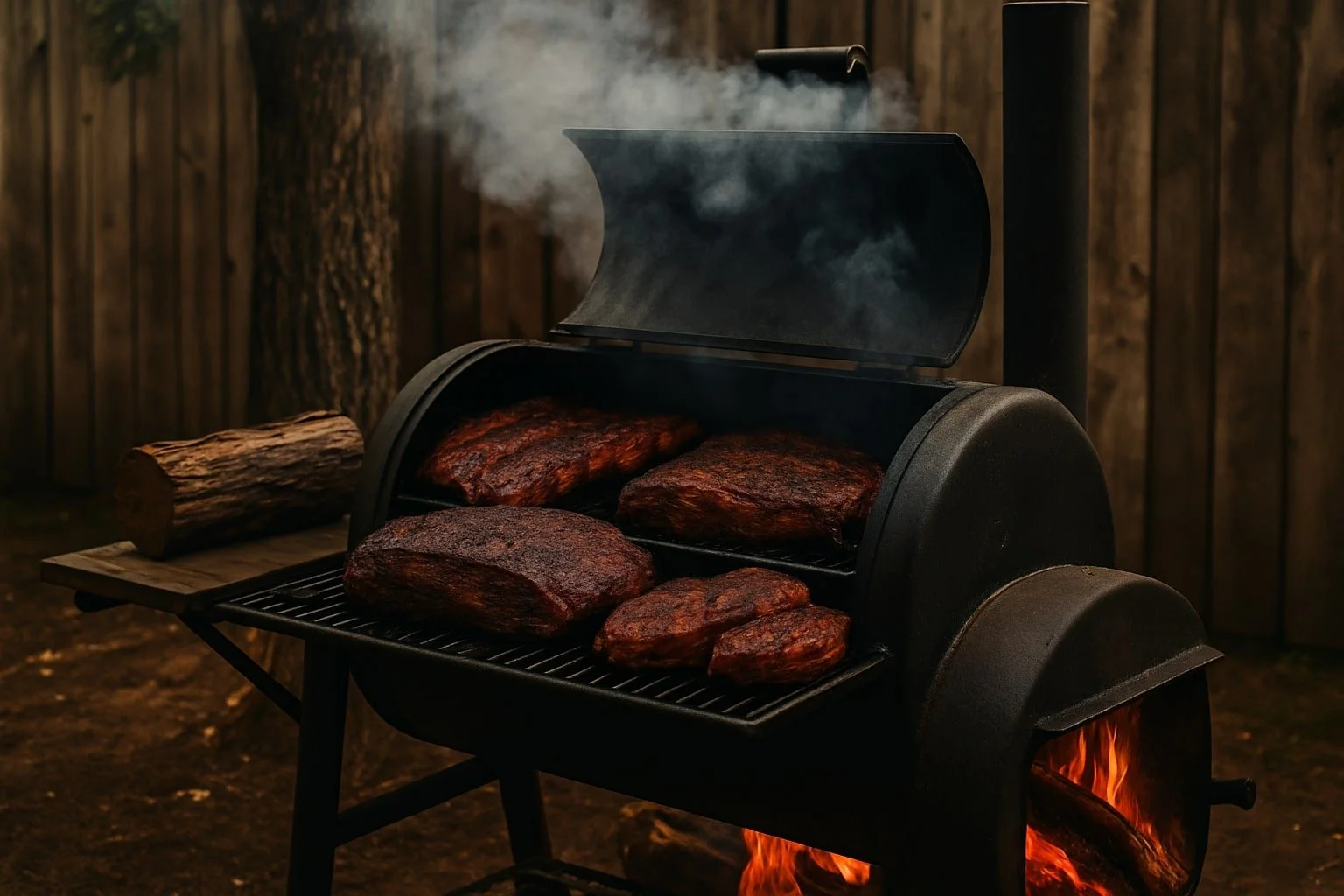
Smoking meat at home is a practical and rewarding way to enjoy flavorful, tender cuts that fit perfectly into a carnivore diet. By mastering wood selection, temperature control, and timing, anyone can achieve rich, smoky flavors that elevate the eating experience without the need for added carbs or fillers. The process highlights the natural qualities of meat while allowing for customization based on individual taste preferences.
Different types of wood chips like hickory, mesquite, and apple can be used to adjust the smoke profile, making each batch unique. Hot smoking remains the recommended method for home cooks, as it ensures food safety and maintains moisture in the meat. For those following a carnivore lifestyle, the clean, robust results from home smoking align well with dietary goals and add variety to daily meals.
Understanding Smoking Meat In A Carnivore Diet
Smoking meat is a centuries-old method that not only preserves meat but also adds distinct flavors without compromising the core principles of a carnivore diet. While many appreciate the taste and texture, it's important to consider health aspects and clear up common misconceptions about smoked meats.
Health Benefits Of Smoked Foods
Smoked meats fit well into a carnivore diet because the process uses no carbohydrates and typically avoids plant-based additives. Smoking can break down collagen and fat, making tougher cuts tender and flavorful.
Key benefits:
Preservation: Smoking helps prevent spoilage by dehydrating the meat and creating an inhospitable environment for bacteria.
Nutrient Retention: Smoking at low temperatures can help retain most proteins, fats, and micronutrients found in animal foods.
No Added Sugars: When prepared simply, smoked meats do not rely on sauces or sweet glazes, making them suitable for strict carnivores.
Care should be taken to use minimal or no added processed seasonings. Many opt for only salt to maintain dietary simplicity and avoid unwanted additives.
Myths And Facts About Smoking Meat
Several myths surround smoking meat, particularly concerns about health risks and diet compatibility. A common misconception is that all smoked meats are unsafe due to potential carcinogens. In reality, moderate consumption, proper smoking techniques, and quality meats reduce these risks.
Some believe smoking meat requires sugary rubs or sauces, which can conflict with carnivore principles. However, plain smoked meats do not include these ingredients. It's important to monitor cooking temperatures and times, as outlined in smoking guides, to avoid undercooked or overexposed products.
Fact vs. Myth Table:
Myth Fact Smoked meat always contains sugar Plain smoked meat can be sugar-free and carnivore-friendly Smoking makes all meat unsafe Properly smoked meats are safe for most people Only processed meats are smoked Fresh cuts can be smoked at home with clean ingredients
Essential Equipment For Smoking Meat At Home
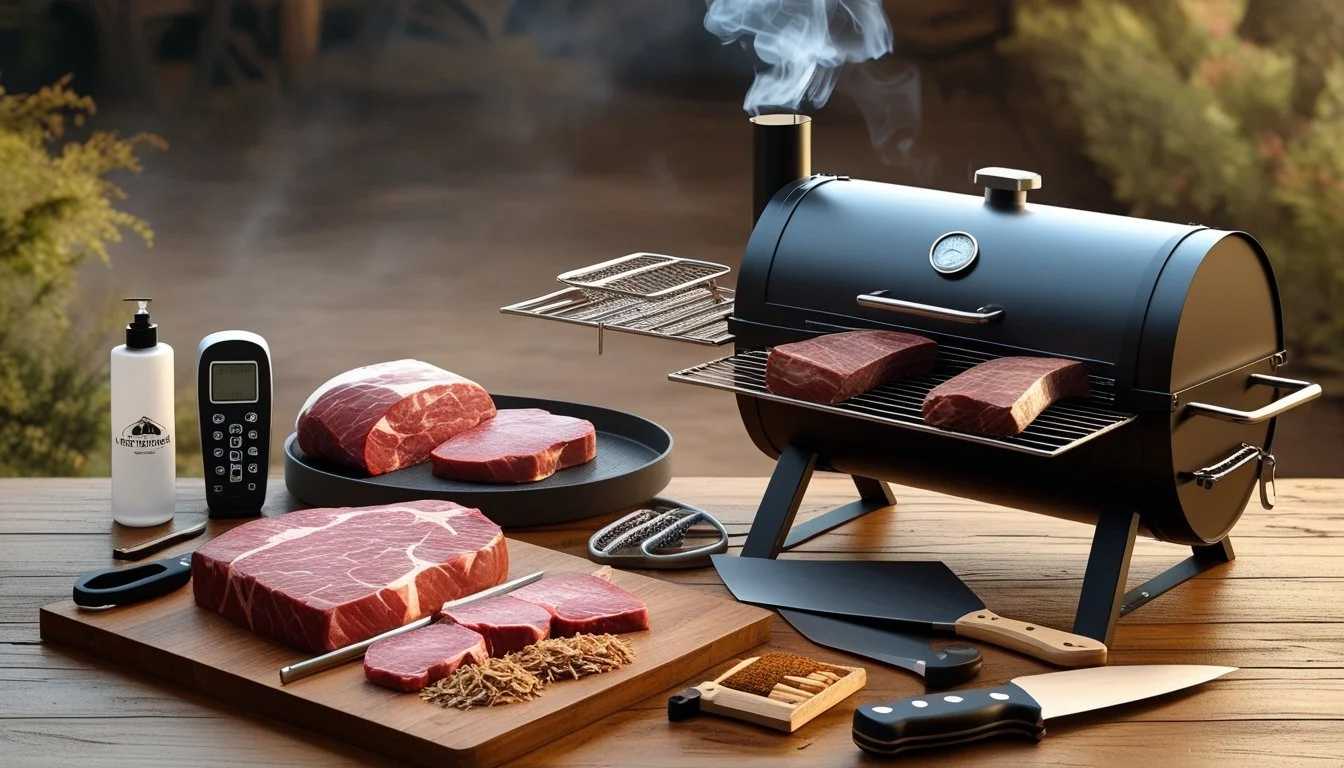
Successful meat smoking starts with the right equipment. The choice of smoker, grill fuel, temperature control tools, and accessories all play a role in achieving the desired smoke flavor and texture.
Types Of Smokers
There are several types of smokers available, each offering distinct benefits. Electric smokers are easy to use and maintain a steady temperature, making them suitable for beginners. These often come in a simple "bullet" style with a heating element at the bottom and racks for meat above.
Charcoal smokers are favored for their rich, traditional smoke flavor. They require more attention to temperature and airflow, but many enthusiasts prefer the resulting taste. Popular models include vertical water smokers and barrel-style cookers.
Gas smokers operate with propane and provide more temperature control than charcoal models. However, they may not deliver as pronounced a smoke flavor without wood chips or chunks added to the firebox. Selection often depends on the user's preferred balance of convenience and flavor.
Charcoal Vs Gas Grills
Charcoal grills can double as smokers with the right setup. By arranging coals to one side and placing wood chunks on top, indirect heat and smoke are achieved. Charcoal grilling offers robust smoke flavor, but it takes more time to manage heat and ash.
Gas grills are simple to ignite and adjust. Some models come with smoker boxes or can use foil packets of wood chips to add smoke. While easier to operate, gas grills generally deliver a lighter smoke profile unless accessories are used.
Comparison Table:
Feature Charcoal Grill Gas Grill Smoke Flavor Strong, authentic Mild, can enhance Heat Control Manual, requires skill Easy, dial knobs Startup Time Longer Quick Maintenance More cleaning Less cleaning
Meat Thermometers
Temperature accuracy is critical for food safety and quality. Digital instant-read thermometers provide fast, reliable readings for both internal meat temp and grill temperature.
For long smoking sessions, probe thermometers with alarms or wireless connectivity allow monitoring without opening the smoker lid. This helps retain consistent heat and smoke, which are vital for the smoking process.
Investing in a reliable meat thermometer reduces the risk of undercooked meat and removes the guesswork from smoking times.
Drip Pans And Accessories
Drip pans serve several purposes. Placed beneath the meat, they collect rendered fat and juices, preventing flare-ups and keeping the interior clean. Some smokers include a dedicated area for a pan; for charcoal grills, a disposable aluminum tray works well.
Accessories like water pans help stabilize the internal temperature and add moisture, keeping meat tender. Heat deflectors, racks, and wood chip boxes enhance both the smoking process and final result.
Keep a pair of heat-resistant gloves, a sturdy brush for cleaning grates, and a reliable set of tongs on hand for efficient and safe meat handling throughout the smoking process.
Choosing Meats For Carnivore Smoking
Selecting high-quality meats is one of the most important steps for successful home smoking. The choice of cut, fat content, and size all influence flavor, tenderness, and juiciness during smoking.
Beef Selections
Beef offers several excellent options for smoking. Beef brisket is one of the most popular choices. Its combination of connective tissue and marbling breaks down during long, slow smoking, resulting in tender, flavorful smoked beef.
Other good beef cuts include short ribs and chuck roast. These cuts contain ample intramuscular fat and collagen, which keep the meat moist through extended cooking. When choosing beef, look for pieces with visible marbling. Marbled beef retains juiciness and develops a rich smoky flavor as it cooks.
Tip: Always use fresh, high-quality beef from a trusted source. Thick cuts such as brisket require several hours of smoking, and fresher meat leads to better results. Opt for unseasoned beef without added marinades or sauces to keep the recipe fully carnivore.
Pork Cuts
Pork is known for its versatility and forgiving nature in the smoker. Pork shoulder (also known as pork butt) is well-suited for making classic pulled pork. Its balance of fat and connective tissue creates moist, flavorful meat that pulls apart easily after smoking.
Pork ribs—especially spare ribs and baby back ribs—are favored for their tender texture and ability to absorb smoke flavor. Smoking enhances the natural sweetness of pork, making smoked pork ribs a common carnivore favorite.
For those who enjoy richer cuts, bacon and pork belly also perform well in a smoker. Choose bone-in cuts when possible. They add extra moisture and flavor, resulting in juicier smoked pork. Always select well-trimmed but not overly lean pork to achieve the best texture.
Smoking Poultry And Fish
Properly smoking poultry and fish calls for careful attention to preparation, smoke quality, and internal temperatures. Both protein types respond well to wood smoke but require different techniques and timings to ensure safe and flavorful results.
Chicken And Turkey
Chicken and turkey benefit from low and slow smoking at temperatures between 225°F and 250°F (107°C–121°C). Brining either bird overnight helps retain moisture and enhances texture. Whole chickens or turkeys should be smoked until the internal temperature in the thickest part reaches 165°F (74°C).
Common smoking woods for poultry include apple, cherry, or hickory, each adding subtle flavor differences. For even cooking, it is best to spatchcock the bird or smoke pieces separately. Regularly monitoring the smoker’s temperature prevents the skin from becoming rubbery and ensures the meat is fully cooked.
Smoked chicken and turkey are popular choices for carnivore diets, offering both versatility and rich flavor. To intensify the smokiness, some cooks apply a dry rub before smoking.
Smoked Fish Varieties
Fish is usually smoked at slightly lower temperatures, around 175°F to 200°F (79°C–93°C), because of its delicate texture. Fatty fish such as salmon, trout, and mackerel absorb smoke flavors particularly well and remain moist throughout smoking. Brining fish before smoking helps to firm the flesh and reduce moisture loss.
Smoked fish can be served hot or cold, depending on desired taste and texture. Lighter smoking woods, such as alder or fruitwoods, are preferred to prevent overpowering the natural flavor of the fish. Fish fillets should be arranged with enough space to allow consistent airflow and smoke penetration.
Monitoring the internal temperature is essential, with most smoked fish considered done at 145°F (63°C). When properly smoked, the result is a firm, flavorful protein ideal for carnivore-focused meals.
Wood Selection And Smoke Flavor Profiles
Choosing the right wood type is essential for delivering the desired smoke flavor in smoked meats. Various hardwoods yield different flavor profiles, which can enhance or overpower the natural taste of the meat.
Hickory And Mesquite
Hickory is a popular choice for smoking red meats like beef and pork. It provides a bold, bacon-like smoke flavor that penetrates well, especially in longer cooks.
Most pitmasters consider hickory a reliable go-to due to its balance of rich and savory notes. Hickory wood chips are often used for ribs, brisket, and pork shoulders.
Mesquite delivers an even stronger, earthy smoke flavor. It's best used with hearty cuts such as beef brisket or wild game. Because mesquite burns hot and produces an intense flavor, it's not recommended for delicate meats or long smoking times.
Key attributes:
Wood Smoke Flavor Best For Hickory Rich, savory Pork, beef, ribs Mesquite Strong, earthy Brisket, wild game, beef
Fruit Woods: Apple And Cherry
Apple wood produces a mild, subtly sweet smoke. It's ideal for pork, poultry, and even some fish. The flavor profile doesn't overpower lighter meats, allowing natural flavors to come through.
Cherry wood offers a slightly stronger, sweeter smoke compared to apple. It also adds a reddish color to the meat's surface, making it visually appealing. Cherry works well with most meats, including pork, poultry, and beef.
Fruit woods like apple and cherry are often blended with stronger woods to balance the overall smoke flavor or paired alone for a gentler finish. Both are commonly available as chunks or wood chips, giving flexibility for different smoking equipment.
Preparing Meat For The Smoker
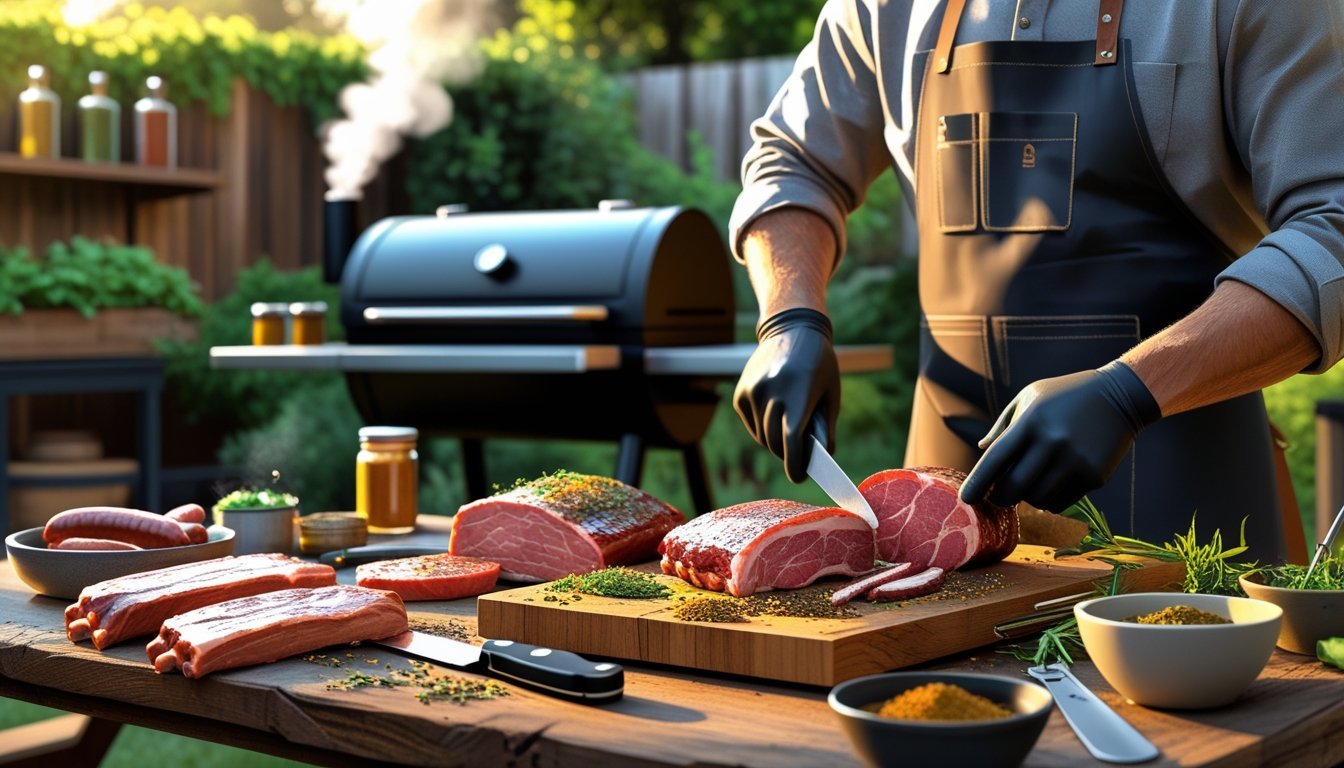
Proper preparation ensures that the meat absorbs smoke flavor evenly and cooks safely. Techniques such as dry brining and trimming help balance moisture, salt content, and fat distribution for the best results.
Dry Brining And Curing
Dry brining involves rubbing salt—sometimes mixed with spices—over the surface of the meat. This method helps retain moisture, improves texture, and enhances the natural flavor. For the carnivore diet, a simple application of coarse kosher salt is common, though some may add a small amount of smoked salt for extra flavor depth.
Curing takes things further by using salt (sometimes with sugar or Prague powder) to preserve and develop specific textures or flavors. While not all cuts require full curing, larger or thicker meats like pork belly may benefit from a longer cure to ensure food safety and taste consistency.
For most meats intended for hot smoking, a 12- to 24-hour dry brine under refrigeration suffices. For very lean meats, avoid excessive salt as it can lead to dryness. Consistent coverage and allowing time for the salt to penetrate deeper layers are essential for well-seasoned, juicy results.
Trimming And Fat Content
Trimming involves removing excess surface fat, silver skin, or connective tissue that won’t render during smoking. This step allows for even smoke penetration and prevents a greasy texture on the finished product. Sharp knives and patience are crucial for achieving clean cuts.
Balanced fat content is important. While some fat is needed to keep the meat moist and add flavor as it melts, too much can cause flare-ups and bitter smoke. For brisket or pork shoulder, leaving about 1/4 inch of fat cap is typical.
Pieces with too little fat risk drying out during the long smoking process. For very lean cuts, consider basting or wrapping to maintain moisture. A simple checklist for trimming:
Remove thick, hard fat layers
Trim off silver skin
Preserve enough marbling for flavor
Proper trimming sets the foundation for a tender, flavorful smoked meat experience.
Perfecting Smoking Temperatures And Times
Selecting the right smoking temperature and knowing the proper timing are two of the most critical factors in achieving flavorful, safe-to-eat smoked meats. Both elements work together to ensure tender results and avoid undercooking or drying out the meat.
Recommended Smoking Temperatures
Maintaining a consistent smoker temperature is essential for optimal results. Most cuts of meat benefit from a range of 225°F to 250°F (107°C to 121°C) during the smoking process.
For poultry such as chicken and turkey, temperatures closer to 250°F (121°C) help achieve crisp skin without drying out the meat. Pork shoulders and ribs do well in the 225°F (107°C) range, allowing fat to break down slowly and keep the meat juicy. Beef brisket and similar cuts are usually smoked at 225°F to 240°F (107°C to 116°C).
A reliable meat thermometer is crucial. Finished safe internal temperatures generally are 165°F (74°C) for poultry, 195°F to 203°F (90°C to 95°C) for brisket and pork shoulder, and 145°F (63°C) for pork loin and chops.
Timing For Different Meats
Smoking times can vary based on the type and thickness of the meat. For example, a pork shoulder (8-10 lbs) may require 1.5 to 2 hours per pound at 225°F (107°C). Beef brisket often follows a similar guideline, with total smoke times of 10 to 15 hours for large cuts.
Chicken typically needs about 45 minutes per pound at 250°F (121°C), while pork ribs usually smoke for 5 to 6 hours at 225°F (107°C). Meatloaf and sausages are ready in 2 to 3 hours at 225°F.
The table below offers a quick guide:
Meat Smoker Temp Time Per Pound Safe Internal Temp Chicken 250°F 45 min 165°F Brisket 225–240°F 1.5–2 hrs 195–203°F Pork Shoulder 225°F 1.5–2 hrs 195–203°F Pork Ribs 225°F 5–6 hrs total 190–203°F
Always use a thermometer to confirm doneness. Relying solely on time can lead to inconsistent or unsafe results.
Smoking Techniques For Maximum Flavor
Proper technique delivers the deep, robust smoky flavor that defines great smoked meat. The type of wood, temperature control, and meat placement all contribute to the final taste and texture.
Maintaining Consistent Heat
Consistent heat is the backbone of quality smoking. Most smoker recipes recommend aiming for a steady temperature, typically between 225°F and 250°F (107°C–121°C). Fluctuations can dry out meat or leave it undercooked.
Using a dedicated thermometer, not just the one built into the smoker, helps avoid temperature swings. Heavier cuts like brisket benefit from prolonged exposure to even heat, yielding tender, juicy smoked meat.
Both charcoal and electric smokers require regular checks. For charcoal smokers, add fuel as needed, and adjust air vents to fine-tune the temperature. Electric or pellet smokers offer more automated controls but should still be monitored closely.
Tips for heat management:
Tip Details Use a quality thermometer Place at grate level for accurate readings Adjust vents gradually Small tweaks prevent rapid temperature changes Refill fuel as needed Keep a steady heat source for consistent results Shelter smoker from wind Minimizes outside temperature influence
Maximizing Smoky Flavor
A pronounced smoky flavor starts with wood selection. Hardwoods like hickory, oak, and mesquite offer bold flavors, while fruitwoods such as apple and cherry give a milder, sweeter smoke. Clean, seasoned wood chips or chunks work best for stable smoke generation.
The smoke itself should be bluish and thin—not billowing white. Over-smoking or using green wood can overwhelm the meat and leave a bitter taste.
Use a combination of dry and soaked wood to control burn rate and smoke output. Arrange wood pieces around the heat source rather than directly over it, especially in offset or barrel smokers.
For optimal smoke absorption, meat should be cold when placed on the smoker. The initial stage of the cook—the first couple of hours—allows the most smoke penetration. Applying rubs or lightly marinating before smoking can enhance the flavor, as studies suggest combining marination with smoking improves sensory characteristics.
Avoid opening the smoker frequently, as this lets heat and smoke escape. Patience and careful observation yield smoked meats with rich, appealing flavors suited to any carnivore diet.
Serving And Enjoying Carnivore Smoked Meats
Properly smoked meats provide robust flavor, rich texture, and optimal nutrition, whether served fresh or reheated. Paying attention to how carnivore smoked meats are served, stored, and reheated helps maintain their quality and safety.
Serving Suggestions
Smoked meats on a carnivore diet can be served in several straightforward and satisfying ways. Brisket, ribs, or smoked steaks can be sliced thick and arranged on a platter. Adding bone marrow as a topping or side offers extra richness and nutrients.
For variety, offer a mix of cuts such as brisket, pork belly, smoked sausage, and short ribs. Pairing different textures and fat levels creates a balanced tasting experience. Serve with simple sides allowed on the carnivore diet, like boiled eggs or plain bone broth.
At a barbecue gathering, keep presentation simple but appealing. Use a wooden board or heavy platter and highlight the cuts. Offer salt and rendered fat as condiments to enhance taste without overpowering the smoke flavor.
Storing And Reheating Smoked Meat
Store leftover smoked meat by wrapping it tightly in foil or vacuum-sealing before refrigerating. For best results, keep meat portions intact rather than sliced to retain moisture. Properly stored smoked meats last 3–4 days in the refrigerator.
To freeze for longer storage, use airtight freezer bags or containers. Label with the date to monitor freshness. Frozen smoked meats keep well for up to three months.
When reheating, keep temperatures low to avoid drying out the meat. Reheat in the oven or a covered pan with a little bone broth or reserved fat for extra moisture. Avoid using a microwave, as it can make the meat tough and unevenly heated.

