
Exploring Alternative Approaches to Gut Health
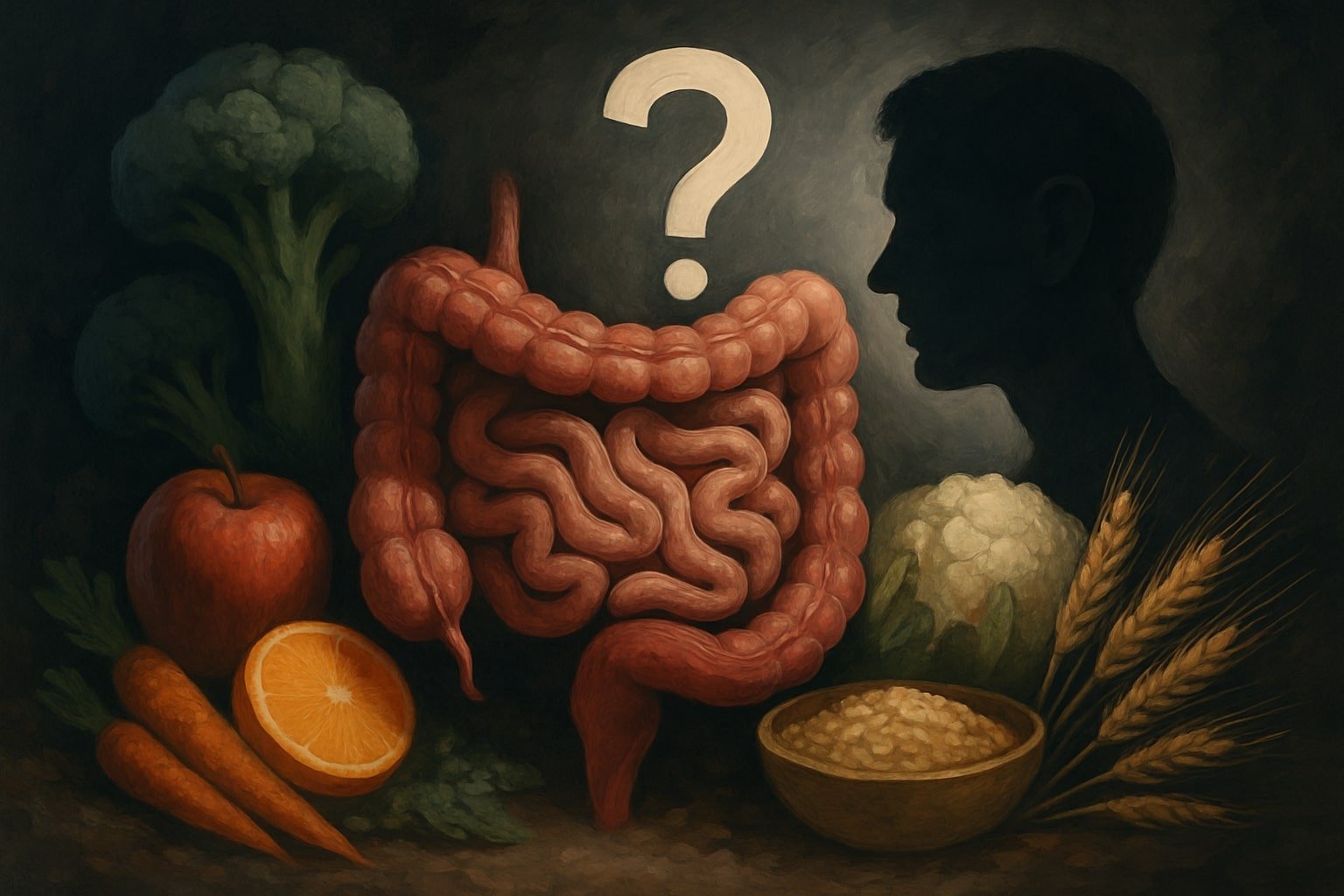
Some health professionals now question whether high-fiber diets are truly essential for gut health, and suggest that reducing certain types of fiber may actually benefit those with digestive problems. While traditional advice highlights the importance of fiber from plants for a healthy microbiome, recent discussions focus on the potential downsides, such as bloating, inflammation, and bacterial overgrowth caused by fermentable fibers.
Emerging research points to the possibility that a low-fermentation or even low-fiber diet could offer relief from digestive issues for some people. This challenges long-held beliefs about diet and health, and encourages a closer look at how different types of fiber interact with the gut.
As scientists and clinicians continue to explore the complex relationship between dietary fiber and the gut microbiome, more people are reconsidering high-fiber recommendations and shifting toward more individualized approaches to gut health.
Understanding Fiber: Origins and Types
Dietary fiber is a group of plant compounds that resist digestion in the small intestine and reach the colon mostly intact. It is classified by its physical properties, effects in the digestive tract, and where it is found in foods such as fruits, vegetables, whole grains, and legumes.
Soluble vs Insoluble Fiber
Soluble fiber dissolves in water and forms a gel-like substance in the gut. It is primarily found in foods such as oats, apples, citrus fruits, barley, and beans. Soluble fiber is well-studied for its ability to slow digestion and potentially lower cholesterol.
Insoluble fiber does not dissolve in water and adds bulk to stool, supporting regular bowel movements. Common sources include whole wheat flour, nuts, potatoes, and certain vegetables like cauliflower and green beans.
Both types interact differently with the gut microbiota. Soluble fibers are easily fermented by gut bacteria, producing short-chain fatty acids (SCFAs), while insoluble fibers tend to pass through the intestines more intact, providing mechanical support for bowel health.
Sources of Dietary Fiber
Dietary fiber is found almost exclusively in plant-based foods. Major dietary sources include:
Fruits: Apples, pears, bananas, and berries
Vegetables: Carrots, broccoli, leafy greens, and potatoes
Whole Grains: Brown rice, oats, and whole wheat products
Legumes: Lentils, beans, and chickpeas
The type and amount of fiber can vary widely across these foods. Whole grains and legumes are particularly dense in both soluble and insoluble fibers. Processed foods often remove large amounts of fiber during manufacturing and refining.
Consuming a variety of these foods helps provide a balanced mix of fiber types. Unrefined, minimally processed sources are generally preferred for fiber intake.
Daily Fiber Intake Recommendations
Recommended daily fiber intake depends on age and sex. For adults, the typical guidelines are:
Group Recommended Intake Men (≤50 years) 38 grams/day Men (>50 years) 30 grams/day Women (≤50 years) 25 grams/day Women (>50 years) 21 grams/day
These values are based on potential health benefits such as improved digestion and reduced disease risk. However, some individuals experience gastrointestinal discomfort, bloating, or changes in bowel habits at higher intakes.
It is also important to increase fiber intake gradually and drink adequate water to minimize digestive side effects. Fiber needs may differ for people with specific digestive conditions, so adjustments may be necessary.
Prevailing Views on Fiber and Gut Health

Dietary fiber is frequently highlighted as a promoter of a healthy gut, influencing microbial balance, digestive outcomes, and metabolic processes. Health organizations and researchers often point to specific mechanisms through which fiber is thought to benefit the human gut microbiome.
Role in the Human Gut Microbiome
Fiber, found in plant-based foods, is not digested by human enzymes but instead reaches the colon, where it interacts with gut microbiota. These microbes ferment various types of fiber, leading to shifts in the microbial community's composition and activity. Multiple studies report that higher fiber intake can increase the diversity and abundance of certain bacterial groups, while reducing others, such as Coprococcus and Porphyromonadaceae.
The human gut microbiome is considered central to digestion, immune response, and nutrient absorption. Many researchers claim that fiber helps maintain "eubiosis," or a balanced microbial ecosystem, potentially reducing the risk of dysbiosis—a state linked to several illnesses. Dietary patterns rich in fiber, such as vegetarian or vegan diets, are often associated with such microbial balance.
Common Health Claims
Supporters of fiber consumption often argue that it::
Improves regularity by increasing stool bulk and softness.
Lowers blood cholesterol levels by binding bile acids.
Reduces chronic disease risk, including heart disease, diabetes, and colorectal cancer.
Vegan and vegetarian diets—naturally high in fiber—are frequently cited as lowering risks of several diseases, largely on the basis of epidemiological data. The idea is that fiber indirectly improves health by supporting a "healthy gut," which in turn positively influences systemic inflammation and metabolic health.
However, many of these claims are based on observational studies and associations rather than direct cause-and-effect relationships. The variability in individual gut microbiota responses to fiber adds another layer of complexity to these health arguments.
Short-Chain Fatty Acids and Digestion
When gut microbes ferment fiber, they produce short-chain fatty acids (SCFAs) like acetate, propionate, and butyrate. SCFAs are thought to support colonocyte energy needs, maintain intestinal barrier integrity, and modulate immune functions.
Many researchers emphasize SCFAs as a major reason for fiber’s perceived benefits. Some propose that higher SCFA levels reflect a healthier microbiome and improved digestive function. The link is often presented as follows:
Fiber Intake Fermentation by Gut Microbiota SCFA Production Claimed Benefit High (20–35g/day) Increased Higher Improved gut & immune health Low (<10g/day) Reduced Lower Higher risk of dysbiosis
Despite the prevailing view, SCFA production and benefit can vary widely between individuals, as can tolerance to certain types of fiber. The complexity of the gut ecosystem means these processes are not universally beneficial—or well understood.
The Case Against Fiber: Emerging Skepticism
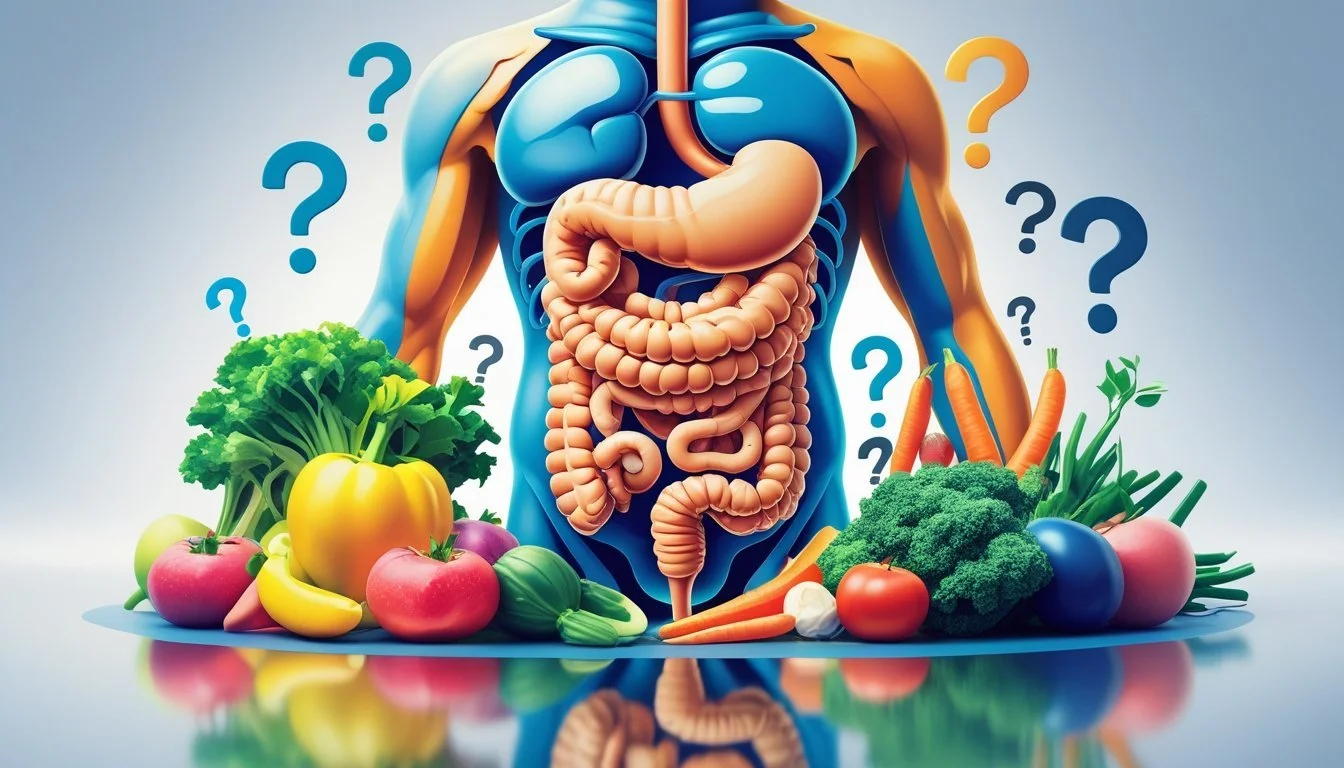
Some recent research and professional debate suggest fiber may not be as universally beneficial as commonly believed. For certain groups, and in specific conditions, high fiber intake can trigger discomfort or worsen symptoms.
Critiques of Current Fiber Guidelines
Health authorities often recommend a daily fiber intake of around 25–38 grams. This recommendation assumes fiber benefits most adults, yet several experts question whether such high intake is necessary or optimal for everyone.
Some scientists argue that much of the evidence supporting these guidelines comes from population studies showing association, not direct cause. Notably, a report cited by NPR highlights limited evidence that increased fiber intake reduces the risk of heart disease or cancer in all groups.
There is additional debate regarding fiber-fortified processed foods. These products often contain synthetic fiber additives, which may not act the same way in the body as naturally fibrous foods. The role of these additives in managing or preventing constipation and digestive issues is still uncertain.
Potential Drawbacks in Sensitive Individuals
Evidence indicates that certain individuals, such as those with irritable bowel syndrome (IBS), may experience more digestive issues when increasing dietary fiber. Symptoms like bloating, cramping, and gas often worsen with added fiber, especially insoluble types.
In such sensitive populations, fiber may exacerbate or trigger inflammation and worsen constipation instead of relieving it. Some patients report symptom improvement after reducing foods high in fiber, especially raw vegetables and whole grains.
It is important for people with intestinal disorders or a history of digestive discomfort to consult healthcare providers before increasing fiber intake. A personalized approach may minimize side effects and avoid unnecessary gut distress.
Gut Microbiota Dynamics Beyond Fiber
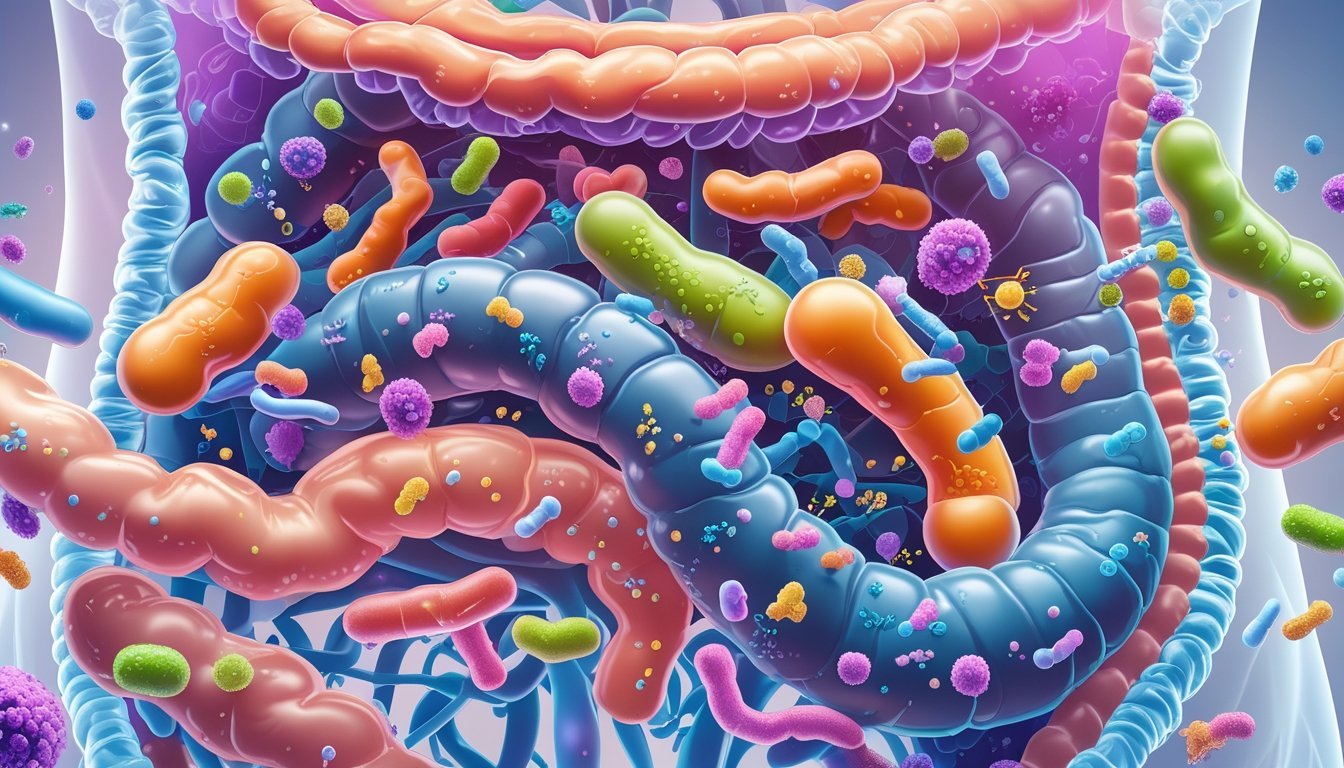
Gut microbiota composition is shaped by a broad spectrum of dietary and lifestyle factors. Elements beyond fiber—like food variety, fermentation, and plant compounds—have direct and measurable effects on microbial diversity and function.
Microbial Diversity and Dietary Factors
Microbial diversity increases when individuals eat a range of whole, minimally processed foods. Diets limited to few food groups or high in ultra-processed products can lower this diversity and may increase susceptibility to metabolic disease.
Key points:
Dietary diversity promotes resilience and balance within the gut microbiota.
Protein sources, types of fat, and carbohydrate quality all play a role.
Evidence links diverse diets with improved markers of metabolic and immune health.
Low-fiber diets are linked with reduced diversity, but fiber is not the only determinant. Patterns including various plant foods, fermented items, and moderate animal products create a broader microbial ecosystem.
Fermented Foods and Probiotic Influence
Fermented foods, such as yogurt, kefir, sauerkraut, and kimchi, supply live microbes and bioactive metabolites to the gut. Unlike fiber, these foods introduce beneficial bacteria directly and can alter the structure and activity of existing microbiota.
Common probiotics found in fermented foods include Lactobacillus and Bifidobacterium species.
Clinical studies suggest that regularly consuming fermented foods can increase microbiota diversity and lower inflammation levels.
Some probiotic strains may help produce short-chain fatty acids, aid nutrient absorption, and support barrier function in the gut.
The impact depends on the specific microbes present, the regularity of intake, and the individual's baseline microbiota composition.
Role of Polyphenols and Antioxidants
Polyphenols and antioxidants, present in foods like berries, tea, and dark chocolate, act as modulators of the gut environment. These compounds interact with microbes in the colon, where they may act as selective growth factors for beneficial bacteria.
Polyphenol-rich diets increase populations of certain Bifidobacteria and Lactobacilli.
Table of common polyphenol sources:
Food Polyphenol Type Blueberries Anthocyanins Green Tea Catechins Dark Chocolate Flavanols
The antioxidant effect also helps control oxidative stress within the gut, potentially reducing inflammation and supporting mucosal health. These effects can be seen even in diets that are not especially high in fiber.
Fiber, Immunity, and Inflammation
Dietary fiber is often promoted for its positive effects on gut health, but its role in immunity and inflammation is complex. Research suggests connections between fiber intake, immune system regulation, and the onset or reduction of certain chronic diseases.
Influence on the Immune System
Dietary fiber affects the composition and activity of the gut microbiome. This, in turn, modulates local and systemic immune responses. When fiber is fermented by gut bacteria, short-chain fatty acids (SCFAs) are produced.
SCFAs like butyrate have anti-inflammatory properties and can help regulate immune cell activity. However, shifts in microbiome balance due to fiber consumption may not always benefit every individual. In some cases, rapid changes or imbalances can lead to increased growth of certain bacteria that do not always support optimal immune function.
Microbial metabolites produced from fiber are involved in inter-kingdom dialogue, helping the gut communicate with the immune system. These mechanisms are not fully understood and may vary based on fiber type and individual gut microbiota.
Fiber's Effects on Immune Response
Fiber fermentation influences the release of signaling compounds that interact with the immune system. These signals can lead to either reduced or heightened inflammation depending on microbiome diversity and the host's existing immune status.
A key marker, calprotectin, is used to assess gut-specific inflammation. Some studies link higher bifidobacteria counts, increased by certain fibers, with lower calprotectin levels. However, reduced fiber intake in some populations has not always resulted in increased inflammation, suggesting that factors other than fiber can regulate immune responses.
The fiber-induced immune modulation is not universal. While some benefit from fiber-driven anti-inflammatory effects, others may experience disrupted gut barriers or altered pathogen resistance, depending on their baseline gut health.
Links to Chronic Diseases
Epidemiological data show that decreased fiber consumption over recent decades has coincided with increased inflammatory conditions like inflammatory bowel disease (IBD), allergies, and certain autoimmune disorders. This trend is most notable in countries where dietary patterns have changed dramatically.
The relationship between fiber, inflammation, and chronic disease remains under investigation. Some propose that high-fiber diets support anti-inflammatory pathways and lower risk for diseases like arthritis or cardiovascular disease. Others point out that fiber’s benefits may stem more from other components—such as phytonutrients found in fiber-rich foods—rather than the fiber itself.
Not all types of fiber have the same effects. Differences in solubility, fermentability, and source may result in varied impacts on inflammation and disease risk. Further research is needed to clarify which components of fiber or related food constituents are most influential in chronic disease development.
Metabolic Effects and Disease Correlations
Fiber’s role in metabolic health extends beyond digestion. The relationship between fiber intake, the gut microbiome, and disease risk is more complex than commonly presented, with emerging studies revealing nuanced outcomes.
Metabolic Syndrome and Obesity
Metabolic syndrome is a cluster of conditions, including high blood pressure, elevated blood sugar, and excess body fat around the waist. Traditional guidelines suggest that dietary fiber can reduce the risk of obesity and metabolic syndrome by influencing host metabolism. Some researchers have found that fermentable fibers can reshape the gut microbiota, which may protect against obesity in animal models.
However, these effects appear highly variable. The response depends on individual microbiome composition and the types of fiber consumed. Not all individuals benefit equally, and in some cases, high-fiber diets have not protected against weight gain or metabolic dysfunction. This variability raises questions about the universal benefit of fiber for metabolic health.
Gut Health and Metabolic Disorders
Fiber interacts with the gut microbiome to influence short-chain fatty acid (SCFA) production. SCFAs are linked to improved insulin sensitivity and may help modulate inflammation in the gut, theoretically reducing the risk of metabolic disorders. Some forms of fiber provide a substrate for beneficial bacteria, but the impact can depend on the specific microbial communities present in each person.
There is evidence that excessive fiber, especially from processed sources, may disrupt gut barrier function in sensitive individuals. Changes in mucus layer composition and bacterial metabolism could have unintended effects, such as greater bacterial penetration and a higher risk of inflammation. Careful consideration of fiber type, amount, and individual gut microbiota is important.
Neurological and Digestive Connections
Gut-derived metabolites, including those from fiber fermentation, can affect neurological pathways. Serotonin, a key neurotransmitter involved in mood and digestive processes, is partly regulated by gut bacteria. Imbalanced microbial activity from excessive or inappropriate fiber intake could influence serotonin synthesis.
Recent studies also highlight connections between gut health and neurodegenerative disease. Altered gut microbiota, sometimes resulting from long-term dietary fiber interventions, has been linked to changes in neuroinflammation. The interplay between fiber, gut bacteria, and neurological health remains an active area of research, with implications for both mental and digestive well-being.
The Impact of Lifestyle and Modern Diets
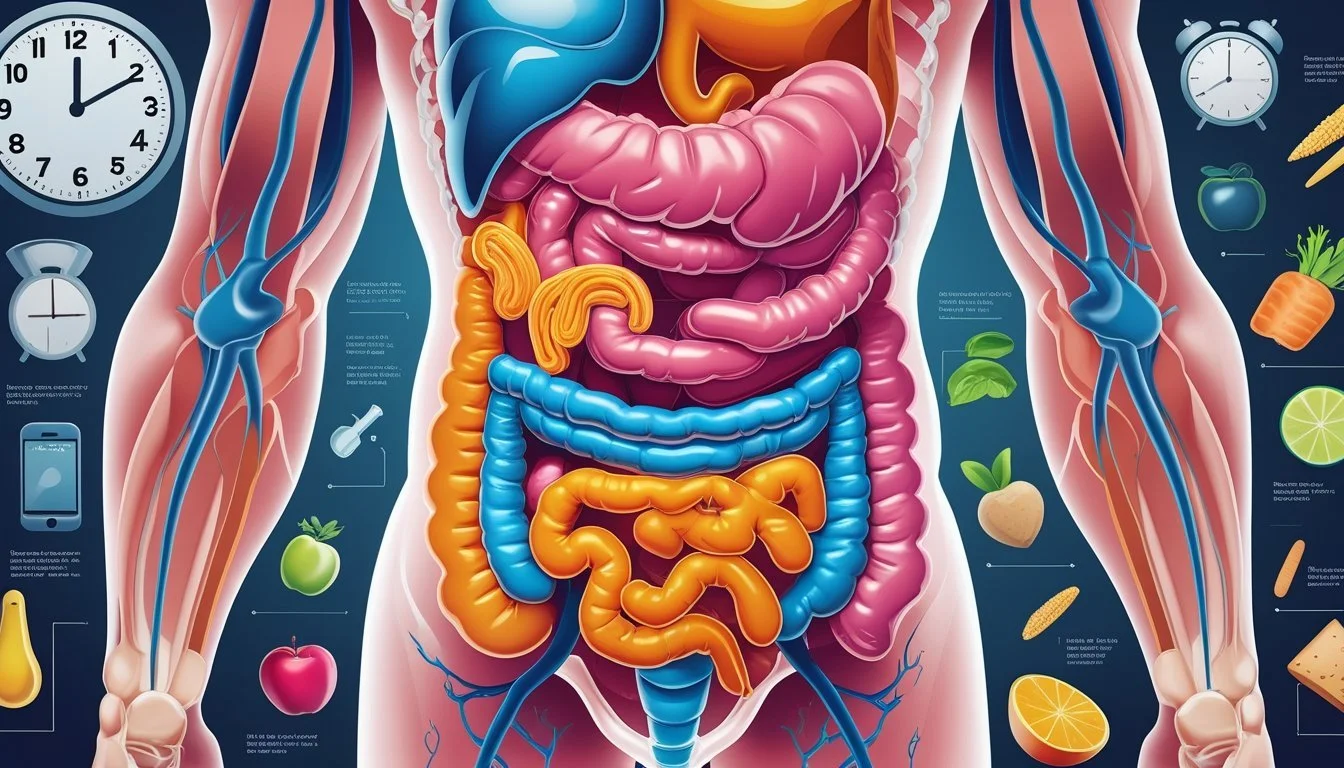
Contemporary eating patterns and frequent medical interventions have shifted the gut environment in measurable ways. These changes have impacted both the types of bacteria that dominate the gut and how the body processes various foods.
Processed Foods and Fiber Myths
A significant portion of modern diets comes from processed foods, which often lack essential nutrients including naturally sourced fibers. Supermarket chains such as Aldi stock many convenient, shelf-stable products that have minimal dietary fiber compared to unprocessed options.
It is a common belief that simply adding fiber-enriched products can “fix” gut health, but this overlooks the complexity of the gut microbiota. Research shows that not all fiber sources have the same effects, and the type of fiber matters more than the quantity listed on packaging. For example, some processed foods are fortified with isolated fibers that do not provide the same microbial benefits as whole plant sources.
Consumers might choose fiber supplements thinking they offer the same advantages as vegetables and legumes, but supplemental fibers can interact differently with gut microbes, versus the effects of fibers from whole foods. This creates misunderstandings about what supports healthy intestinal flora.
Antibiotic Use and Microbial Imbalance
Antibiotic use is widespread and has a notable impact on gut microbiota. When antibiotics are used, especially repeatedly, beneficial bacteria such as Lactobacillus can be reduced, allowing opportunistic bacteria like E. coli to thrive.
This microbial imbalance, known as dysbiosis, has been observed even after a single course of antibiotics. Recovery of beneficial gut bacteria can take weeks or months, and some strains may not return without specific dietary changes. Children and adults are both affected, especially in environments where antibiotics are prescribed frequently.
The use of antibiotics, whether necessary or not, can disrupt microbial communities and reduce resilience against infections and inflammation. For individuals who already consume diets high in processed foods and low in diverse fibers, the negative effects are often more pronounced.
Alternative Approaches to Nurturing a Healthy Gut
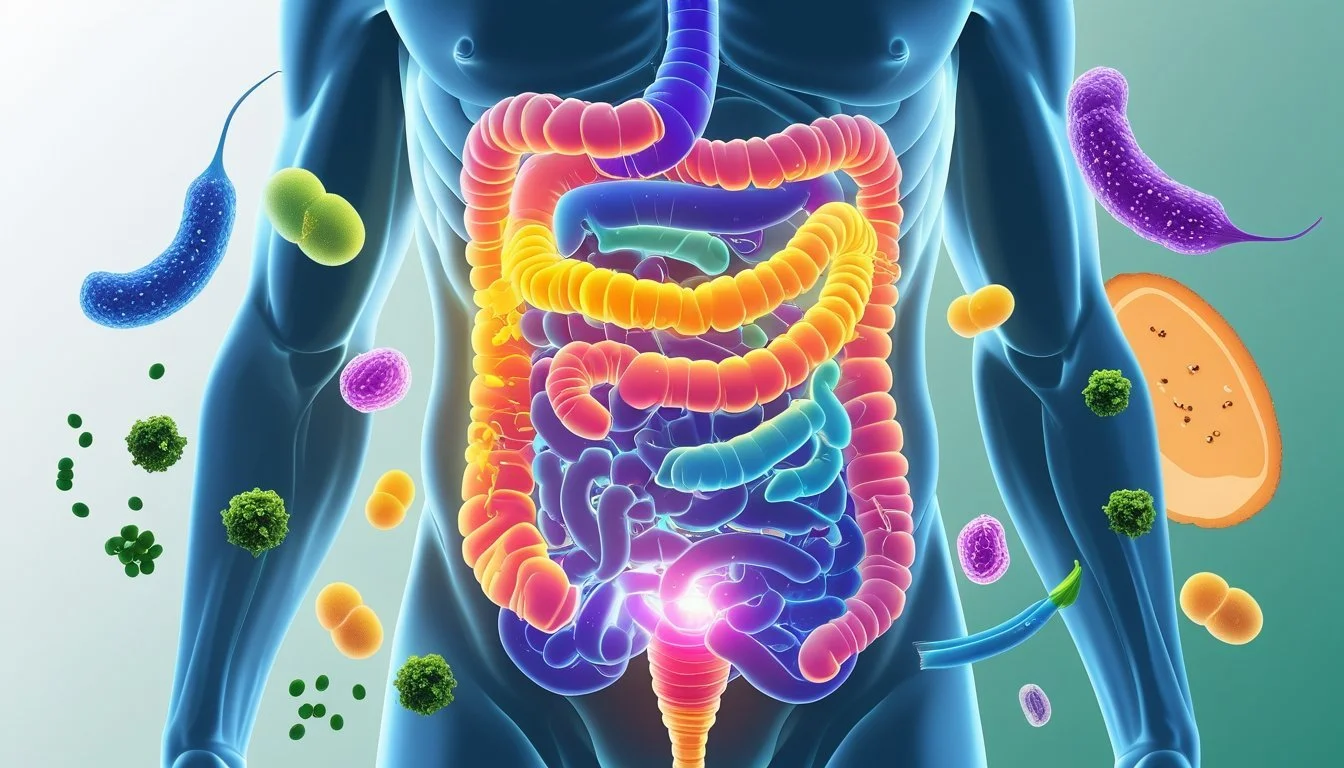
A balanced gut can be supported without relying solely on fiber-heavy diets. Focusing on variety, traditional food preparation, and individualized nutrition helps encourage the growth of beneficial bacteria and reduces gut irritation.
Dietary Diversity and Whole Foods
Choosing a wide array of whole foods exposes the body to a broad spectrum of nutrients, phytochemicals, and different types of natural prebiotics. Dietary diversity can support beneficial bacteria such as Bifidobacterium and Faecalibacterium prausnitzii, which are linked to a strong gut barrier and immune regulation.
A diverse intake should include animal proteins, non-starchy vegetables, healthy fats, and fermented foods. People should aim to rotate their protein, fat, and plant sources throughout the week to lessen the likelihood of food sensitivities and foster a robust microbiome.
Processed foods, additives, and excess refined sugars can put strain on gut function and may impair microbial balance. Focusing on single-ingredient, minimally processed options is a practical and sustainable foundation for gut health.
Sourdough and Other Traditional Foods
Sourdough bread and other traditionally fermented foods offer more than just flavorful additions to meals. The natural fermentation process in sourdough breaks down gluten and certain antinutrients, making nutrients more accessible and potentially easier on digestion than many whole grain products.
Traditional fermented foods like sauerkraut, kimchi, kefir, and yogurt introduce beneficial bacteria and bioactive compounds. These foods may contribute to a balanced microbial environment and can encourage the growth of bacteria reduced by a modern diet.
Some individuals find that they tolerate sourdough and traditionally fermented foods better than high-fiber, unfermented products. A gradual introduction of these foods can reduce digestive discomfort and provide microbial diversity for gut support.
Tailoring Nutrition to Individual Needs
Not everyone benefits from the same dietary approach. Sensitivities to fiber, grains, or particular food groups are common, especially for those with conditions such as IBS or a history of digestive distress. Listening to the body's response and adapting accordingly is key.
Elimination diets or low-fermentation carbohydrate diets can help identify problem foods while reducing unwanted symptoms like bloating or abdominal pain. L-Glutamine is one supplement sometimes used to support the gut lining in sensitive individuals.
Consulting with a healthcare provider or dietitian can help customize nutritional choices. Tracking food responses and making gradual changes allows people to find a sustainable, symptom-free diet that encourages beneficial bacteria without unnecessary irritation.
Rethinking Fiber in Special Populations
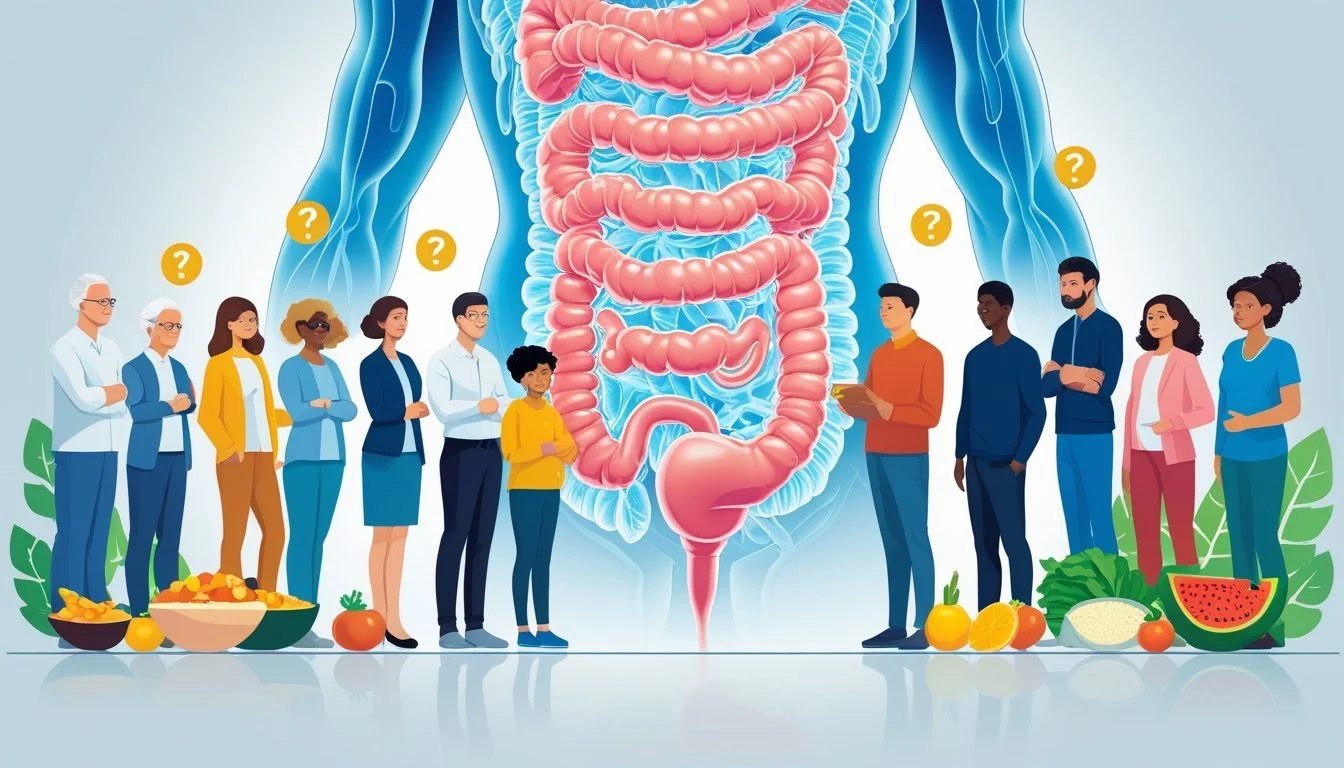
Certain health conditions, such as celiac disease and type 1 diabetes, require careful consideration when it comes to dietary fiber. The effects and risks of fiber in these groups differ markedly from the general population.
Celiac Disease and Gluten Sensitivity
For people with celiac disease, fiber presents a unique challenge. Many high-fiber foods, such as whole grains and cereals, contain gluten, which triggers severe autoimmune responses in affected individuals. Strict gluten avoidance is mandatory, restricting access to common fiber sources.
Gluten-free diets often have less fiber, which can impact gut health and bowel regularity. Gluten-free fiber options—like psyllium, chia seeds, and flaxseed—are sometimes used as alternatives, but some can still trigger sensitivity or digestive distress. Increased fiber intake from legumes or nuts may also lead to bloating or discomfort.
The focus for this group is on balancing safe fiber intake with symptom control and nutritional adequacy. Excessive fiber, especially of the fermentable type, may worsen bloating and digestive issues. Individual response often dictates the best approach.
Type 1 Diabetes and Fiber
Fiber intake in people with type 1 diabetes affects both glucose absorption and gastrointestinal comfort. Soluble fiber slows digestion and the release of glucose into the bloodstream, which can stabilize blood sugar levels after meals.
Despite this benefit, some high-fiber diets are associated with increased fermentation in the gut, potentially causing discomfort, gas, or changes in gut microbiota. People with type 1 diabetes may notice differing tolerance to specific fibers, such as those from beans or whole grains, compared to fruits or vegetables.
Many follow carbohydrate-counting strategies and must distinguish between total and net carbs. Accurately tracking fiber helps in insulin management, but too much fiber—especially fermentable fibers—can complicate digestion for some. Individual monitoring and moderation are essential for optimal management.
Conclusion: Balancing the Science and Personal Health

Scientific evidence shows that dietary fiber affects the gut in complex ways. While higher fiber intake is often linked to certain health benefits, not everyone reacts the same way.
A subset of people—such as those with IBS or SIBO—can experience discomfort or worsening symptoms with high-fiber diets. Adjusting or reducing fiber intake may be useful in these cases.
Research highlights both benefits and potential drawbacks of fiber. Some studies find connections between high-fiber diets and reduced risk of non-communicable diseases, but other research suggests possible links between excessive fiber, gut dysbiosis, and inflammation in sensitive individuals.
Key considerations for personal health choices:
Monitor how the body responds to different fiber levels
Consult health professionals before making major diet changes
Adapt fiber intake to align with individual needs and medical advice
Potential Pros Potential Cons Reduced disease risk Gut issues in some people Improved digestion Possible dysbiosis Support for microbiome Worsened symptoms for IBS/SIBO
There is no universally optimal fiber amount suitable for everyone. Each person benefits from a tailored approach based on current evidence and individual health status.

