
The Influence of Food Lobbying on Anti-Meat Research
Examining Bias and Policy Impacts
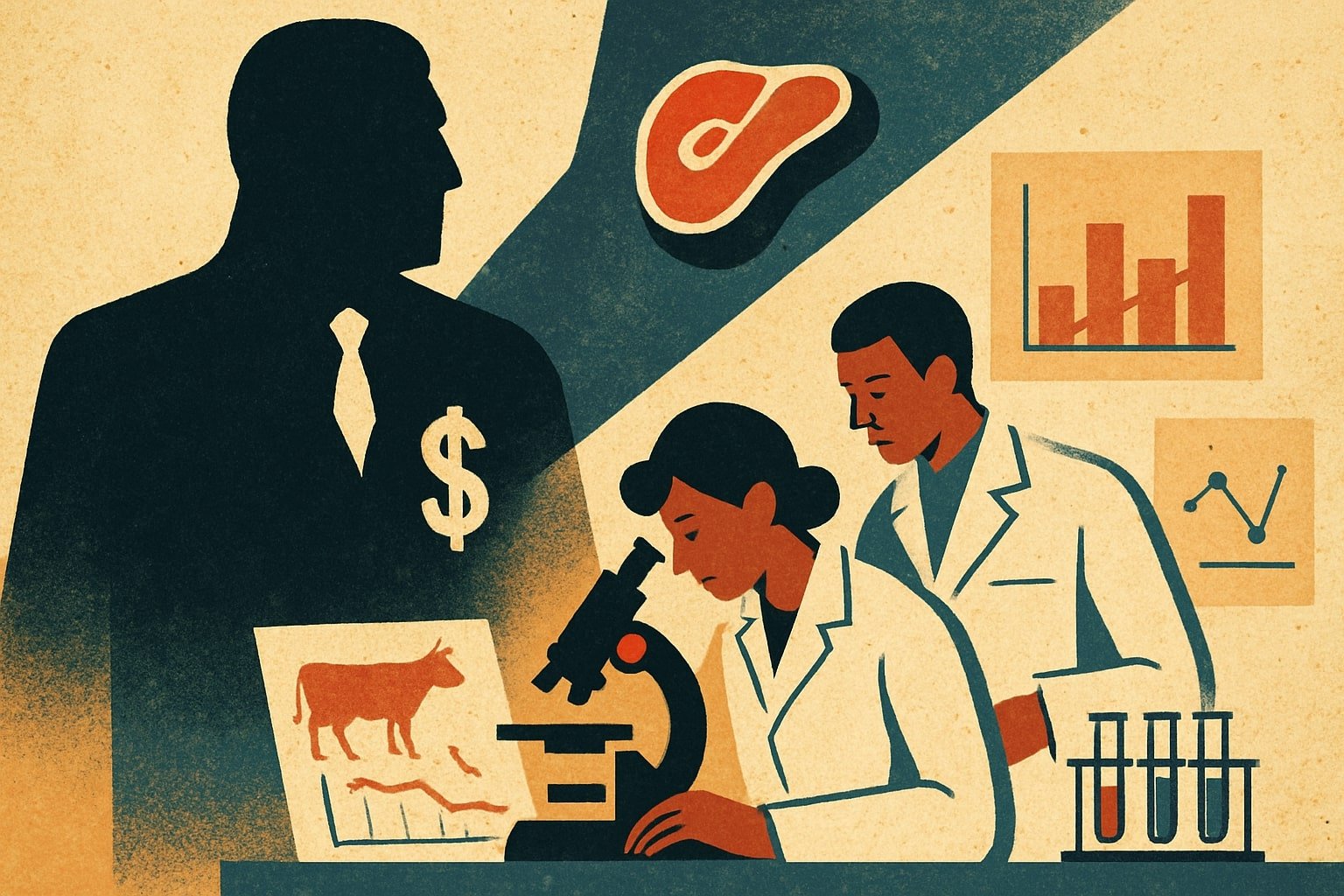
Food industry lobbying has played a significant role in shaping both public debate and scientific research surrounding meat consumption. Powerful lobbying groups have influenced dietary guidelines, government policy, and the interpretation of research findings, sometimes swaying discussions about the health and environmental effects of meat. These efforts range from direct political influence and strategic communications to participation in official policy consultations.
As public awareness of environmental and health concerns connected to meat grows, the actions of industry lobbyists become increasingly important to understand. There is evidence that some research critical of meat faces counter-campaigns or pressure from lobby groups, which have interests in preserving the market and public image of meat products.
Consumers, policymakers, and researchers all need to recognize the ways in which food lobbying can affect the credibility and direction of anti-meat research. By examining how lobbying operates within this field, readers can gain a clearer perspective on the complexities behind dietary recommendations and scientific consensus.
Overview of Food Lobbying in the Meat Industry
Lobbying from the meat industry shapes public policy, research funding, and regulation in both the United States and Europe. Large agribusiness companies work to maintain their interests by influencing both lawmakers and public perception.
Defining Food and Meat Industry Lobbying
Food lobbying is the organized effort by companies, associations, and industry groups to influence policy decisions. In the meat industry, this lobbying targets legislation, regulations, labeling rules, and public health guidelines.
Lobbyists advocate on issues such as dietary guidelines, meat labeling, and research funding priorities. They often engage directly with lawmakers, regulatory agencies, and scientific institutions. These efforts can affect how anti-meat research is funded, interpreted, or disseminated.
Common tactics include:
Forming industry coalitions
Submitting position papers and research
Hosting educational sessions for policymakers
Spending on lobbying in this sector is significant compared to plant-based food lobbies.
Key Players: Cargill and Agribusiness
Cargill is one of the largest privately held agribusinesses globally and plays a major role in meat and food lobbying. Alongside Cargill, companies like Tyson Foods, JBS, and Smithfield Foods are powerful advocates.
Industry groups such as the North American Meat Institute and the National Cattlemen’s Beef Association act as collective voices for the sector. These organizations invest millions annually in lobbying activities.
Table: Major Meat Lobby Entities
Company/Group Scope Activities Cargill Global agribusiness Direct lobbying, coalition-building Tyson Foods Meat processing/packing Legislative advocacy North American Meat Institute Industry association Policy influence, PR National Cattlemen’s Beef Association Beef industry representation Lobbying, campaigns
These entities seek to shape regulations, funding for research, and trade policy to benefit the meat sector.
Economic Importance of Meat Lobbying
The meat industry is a significant part of the global economy, worth hundreds of billions of dollars annually. It is closely linked to rural employment, land use, and export markets.
Because of this economic impact, meat sector lobbying aims to ensure stability and profitability. Policymakers weigh industry interests when designing regulations, subsidies, and trade agreements.
Lobbying also helps protect the sector from threats such as alternative proteins and stricter environmental standards. As a result, meat lobbying spending in Europe is reported to far outpace plant-based industry spending, which can shape public and political discourse around anti-meat research.
Influence of Lobbying on Anti-Meat Research
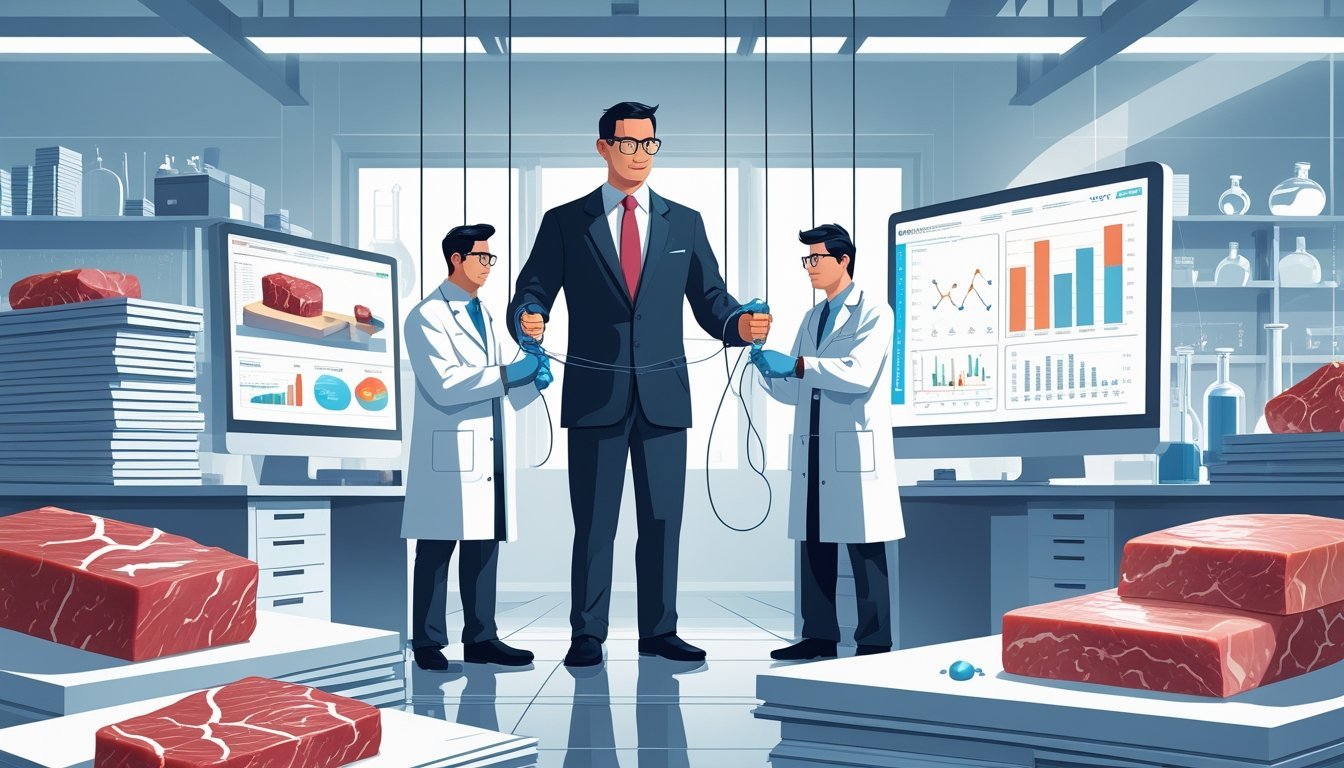
Lobbying by food industry groups, especially those representing meat and dairy producers, has played a direct role in shaping research priorities and influencing public discussion of meat consumption. These practices can affect research funding, regulatory decisions, and the framing of dietary issues in both scientific and popular settings.
Funding Sources and Research Bias
Lobbying activities often result in substantial funding from meat industry groups for scientific studies related to meat consumption and public health. Studies have highlighted that meat producers and related associations outspend plant-based groups, sometimes by orders of magnitude in both the European Union and the United States.
This funding can introduce bias, as research sponsored by interested parties may be more likely to produce favorable outcomes for those sponsors. For example, studies funded by meat lobbies might downplay negative health impacts or environmental concerns. Transparency in funding sources is critical, but disclosures are not always complete or easily accessible for readers.
Privately funded research, especially that aligned with industry agendas, can influence the type of questions being asked and the interpretation of results. This dynamic risks undermining the credibility of anti-meat research if findings are seen to be swayed by financial interests.
Impact on Public Policy and Dietary Guidelines
Food lobbyists play an influential role in shaping federal and international dietary guidelines. Historical incidents, such as the U.S. Department of Agriculture's decision in 1991 to withdraw its Eating Right Pyramid under pressure from meat and dairy producers, show the tangible effects of lobbying on policy.
Industry lobbying can affect policy decisions that shape how meat consumption is regulated and recommended. Industry associations often engage more heavily than individual companies, seeking to influence land use, climate policy, and the language of dietary guidelines.
This influence can create regulatory environments less receptive to anti-meat research, making it more difficult for evidence pointing to the health or environmental drawbacks of meat consumption to impact policy.
Shaping Public Health Narratives
Through a combination of strategic communications and support for selected scientific voices, meat industry groups help frame public understanding of meat's role in diets. Techniques include funding research that challenges anti-meat findings and promoting skepticism about health risks associated with meat consumption.
Lobby groups use media outreach, expert endorsements, and sponsorship of public health campaigns to build narratives that favor meat consumption. This can perpetuate public doubts about established links between meat and chronic diseases.
By shaping these narratives, lobbying efforts can slow the acceptance of anti-meat research in both the scientific community and the wider public. The resulting discourse makes it harder for objective research to gain traction and influence eating habits or public policy.
Environmental Impacts and Industry Narratives
Food industry lobbying often shapes how environmental impacts of meat production are discussed in research and policy. This influence is evident in debates about greenhouse gases, climate policies, and the future of sustainable food systems.
Greenhouse Gas Emissions and Methane
Meat and dairy sectors are major contributors to global greenhouse gas emissions, especially methane, which has a warming potential much higher than carbon dioxide over a 20-year period. According to recent reports, large agribusiness firms spend millions lobbying to influence how emissions data are reported and interpreted.
Industry groups sometimes advocate for accounting methods that understate livestock’s total emissions by focusing on long-term carbon cycles rather than short-term impact. These narratives can obscure the scale and urgency of methane reduction needs.
Key data from leading climate bodies highlight that:
Livestock Sector Share of Methane Emissions (%) Cattle 62 Sheep & Goats 15 Other 23
Discussions around anti-meat research frequently reflect efforts by industry-funded organizations to minimize the issue’s visibility.
Climate Change and Climate Mitigation
Large meat lobby groups have a significant voice in policy debates on climate change. Since 2000, top meat and dairy companies in the United States alone have spent over $200 million lobbying against regulations such as cap-and-trade and Clean Air Act expansions.
Lobbyists often argue that proposed climate mitigation measures threaten farm livelihoods or excessively target livestock, shifting focus away from corporate production practices. Research influenced by industry funding sometimes emphasizes efficiency gains or technological solutions over systemic dietary changes.
Alternative policy proposals, including support for plant-based diets or limits on intensive animal agriculture, are often opposed by these lobbying groups. This shapes which climate policies reach legislative agendas and how scientific findings are presented.
Biodiversity Loss and Sustainable Food Systems
Industrial meat production affects biodiversity by driving land use change, deforestation, and habitat loss. Lobbyists for agribusiness may frame such impacts as necessary trade-offs for food security or economic stability.
Efforts toward sustainable food systems—such as regenerative grazing, rewilding, or shifting to plant-based proteins—are frequently downplayed in policy discussions dominated by industry stakeholders. There is documented bias in research funded by these groups, emphasizing productivity over ecological balance or resilience.
Recent studies highlight the need for policies that prioritize biodiversity, yet lobbying often maintains the status quo. This can delay the adoption of measures critical for long-term ecosystem health.
Animal Welfare and Factory Farming Advocacy
Factory farming and animal welfare are closely linked with food industry lobbying efforts. Specific practices, policies, and the voices of advocacy groups affect both public perception and regulatory action on livestock conditions.
Lobbying Against Animal Welfare Regulations
Major agribusinesses and industry associations regularly lobby to influence animal welfare laws at local, national, and international levels. Their efforts typically focus on blocking or diluting regulations that would improve conditions for livestock in intensive farming systems. This can include opposing mandatory cage-free standards, restrictions on routine antibiotic use, or bans on specific confinement practices.
These groups often argue that tighter regulations could lead to increased operational costs, higher consumer prices, and reduced farm competitiveness. Industry lobbying can also involve funding research that questions the impact or necessity of animal welfare reforms. Stakeholders frequently use economic, logistical, and scientific arguments to persuade policymakers to reconsider stricter animal welfare proposals.
Factory Farming Practices and Influences
Factory farming systems prioritize scale and efficiency, often at the expense of animal well-being. Standard practices include high stocking densities, limited environmental enrichment, and highly controlled diets. These conditions frequently lead to stress, injury, and the routine use of medication to manage health issues.
Effective lobbying by the food industry helps maintain the regulatory status quo, allowing intensive housing and management systems to persist with minimal oversight. Advocacy by animal welfare and environmental organizations counters this influence by raising awareness and pushing for legislative changes. The outcome of these competing efforts shapes not just farming practices but also public trust and the broader direction of food policy.
Regulation and Policy Debates
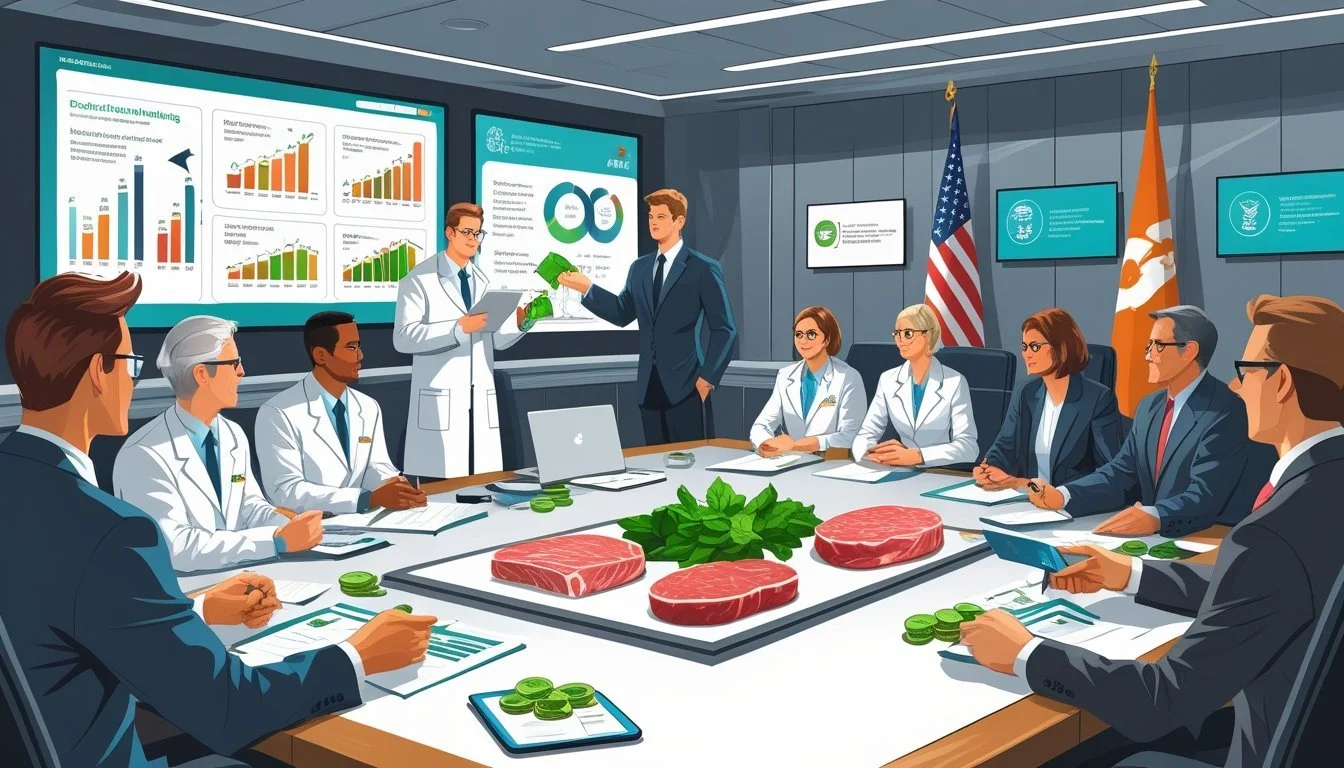
Policy decisions shaping meat production and consumption are not made in a vacuum. Lobbying efforts by major food industry players directly impact environmental law and the makeup of national food systems.
Environmental Regulations Facing the Meat Industry
The meat industry operates under a complex regulatory environment that addresses issues such as greenhouse gas emissions, land use, and waste management. Environmental regulations, such as those limiting methane emissions or imposing stricter water usage standards, can significantly affect production processes and costs.
Lobbying groups often work to influence the scope and enforcement of these regulations. For example, in both the United States and the European Union, meat industry representatives aim to mitigate regulatory burdens and delay implementation of stricter standards. According to recent reports, the industry raises concerns about economic impacts while promoting voluntary or less stringent compliance measures.
This activity can lead to delays in adopting policies meant to address climate change or environmental degradation. It may also result in regulatory frameworks that favor industry interests, sometimes at the expense of public or environmental health.
Role in Shaping Food Systems
Lobbyists for meat producers are active participants in shaping broader food system policies. Through direct engagement with policymakers, campaign contributions, and public relations campaigns, these groups help shape food guidelines, public procurement standards, and research funding priorities.
The influence of food lobbying is visible when dietary recommendations or programs supporting plant-based alternatives face industry pushback. For instance, updates to national dietary guidelines sometimes encounter resistance from meat and dairy sectors, which have sought to moderate language discouraging high meat consumption.
Lobbying efforts may also impact funding for alternative protein research. In both the US and EU, substantially more public funding and lobbying resources are directed toward animal-source foods compared to plant-based options, influencing innovation and market growth in the sector. This can hinder efforts to make food systems more sustainable and diverse.
Promoting Sustainable Diets and Alternatives
Shifting dietary patterns can significantly reduce environmental impacts and support public health. Innovations in alternative proteins and increased interest in sustainable diets are changing the way consumers and industries approach food production.
The Rise of Plant-Based Diets
Plant-based diets have gained momentum as research links reduced consumption of red and processed meats to lower greenhouse gas emissions, water savings, and improved health outcomes. Studies indicate that plant-based alternatives—such as soy, pea protein, and other legume-based products—generally require less land and water than animal agriculture.
Retail shelves now offer a wide variety of plant-based meat substitutes, including burgers, sausages, and even seafood analogues. These products are not just marketed to vegans but increasingly to mainstream consumers seeking to lower their carbon footprint or try new protein sources.
A growing number of food companies invest heavily in improving the taste, texture, and nutritional content of these alternatives. Evidence from multiple analyses shows that plant-based animal product alternatives can help meet both nutritional needs and sustainability goals, making them an essential part of the current discussion on sustainable diets.
Lab-Grown and Clean Meat Innovations
Lab-grown or clean meat is produced by culturing animal cells in controlled environments, avoiding traditional livestock methods. This approach has the potential to produce real animal protein with dramatically lower land and water requirements and fewer greenhouse gas emissions.
Several startups have developed small-scale prototypes of chicken, beef, and seafood grown in labs. This technology aims to satisfy consumer demand for conventional meat while reducing the environmental impacts and animal welfare concerns associated with livestock farming.
Challenges remain regarding regulatory approval, production costs, and consumer acceptance. However, ongoing research and significant investment are steadily bringing lab-grown meat closer to commercial viability, positioning it as a promising alternative protein in the broader movement towards sustainable diets.
Impacts on Consumer Food Choices
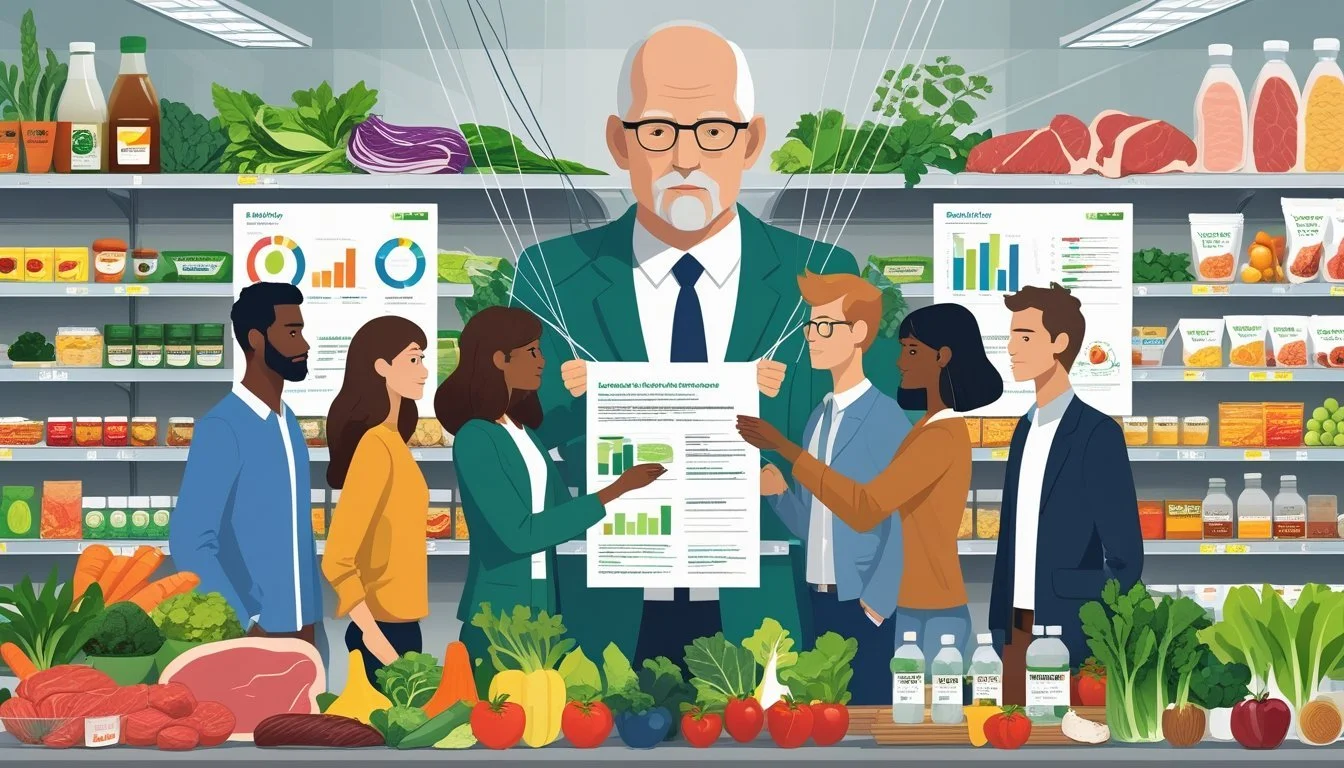
Lobbying shapes how consumers perceive and decide on meat and other animal products. These efforts affect what foods are marketed, recommended, and consumed in everyday diets.
Strategies Targeting Meat Consumption
Food industry groups use diverse strategies to influence consumer habits regarding eating meat. They may fund or endorse studies that cast meat in a positive or neutral light, while also challenging research that highlights health or environmental risks of animal meat.
Lobbyists often work to shape dietary guidelines and food pyramids. For example, influential meat and dairy groups have successfully pressured agencies to alter or withdraw recommendations that discourage high meat intake. This has helped keep meat prominent in official nutrition advice.
Advertising campaigns sponsored by industry groups also promote meat’s benefits, emphasizing its nutritional value and cultural importance. Partnerships with chefs, celebrities, and social media influencers boost these messages, often blurring the line between independent advice and marketing.
Influencing Dietary Changes
Food lobbying affects which dietary changes are most visible or supported in public discourse. For example, lobbying efforts can limit the adoption of plant-based diets in schools or federal programs by arguing about protein quality or the economic impact of reduced meat consumption.
Lobbyists may distribute educational materials that emphasize the role of meat in a balanced diet, sometimes downplaying research linking excess meat intake to chronic illnesses. This helps maintain consumers’ confidence in eating meat and encourages resistance to reducing animal meat in daily food choices.
Policy interventions influenced by lobbying can delay or dilute calls for major dietary shifts. As a result, most mainstream nutrition recommendations still place meat among core food groups, even when newer research suggests benefits to lowering animal meat intake.
Conclusion

Food lobbying plays a significant role in shaping both public perception and research agendas related to meat consumption. Groups representing meat producers often allocate substantial resources to advocacy and policy influence.
Evidence suggests that lobbying efforts can orient research funding, influence regulatory frameworks, and impact what dietary guidelines say about red meat. For example, some federal dietary guidelines have avoided issuing strong recommendations against red meat, which coincides with lobbying activities.
Researchers and policymakers face pressure from both meat industry and alternative protein lobbies. This environment affects how anti-meat research is received and funded.
Key Tactics Used by Food Lobbies:
Direct lobbying of regulators
Funding scientific studies
Influencing public messaging
Opposing regulations favoring alternatives
Lobbying by the meat and dairy industries has at times sought to limit the reach or funding of alternative protein research. In Europe, spending by meat industry lobbies has been found to surpass that of plant-based producers by a significant margin.
Transparency, independent oversight, and rigorous peer review are essential to maintain scientific integrity in this field. An understanding of lobbying's influence can help readers interpret anti-meat research findings more critically.

