
Carnivore and the Future of Dietetics
Implications for Nutritional Science and Practice
As interest in alternative nutrition strategies grows, the carnivore diet has attracted significant attention in both the scientific community and popular culture. While traditionally, dietetics focused on balanced meals with a range of plant and animal foods, the rise of carnivore challenges conventional ideas and brings new questions to the forefront about optimal human nutrition.
The future of dietetics may see increasing integration of animal-based diets like carnivore as research continues and public interest builds. As practitioners and individuals seek solutions for chronic health conditions and metabolic concerns, this all-meat approach could reshape how nutrition is discussed and applied in clinical settings.
Growing societal shifts and prominent voices promoting carnivore eating have further amplified its presence. As debates over its benefits and limitations continue, understanding how it fits into the future of dietetics is essential for anyone interested in health and wellness.
Understanding the Carnivore Diet
The carnivore diet centers on consuming only animal-derived foods. It is defined by strict exclusion of plant-based options and unique nutritional principles distinct from other high-protein eating patterns.
Core Principles and Food Selection
At its core, the carnivore diet excludes all plant foods. Accepted foods include beef, lamb, pork, fish, poultry, eggs, and animal fats such as butter, tallow, and lard.
Most followers eat red meat—especially beef—as staples. Fatty cuts are often chosen to increase energy intake. Other common items include bacon, organ meats, and full-fat dairy (if tolerated).
This diet avoids grains, legumes, fruits, vegetables, nuts, and seeds. Some adherents include only salt and water as seasonings, while others use select spices.
Allowed Foods Examples Red meat Beef, lamb, pork Poultry Chicken, turkey, duck Seafood Fish, shellfish Eggs Chicken or duck eggs Animal fats Butter, lard, tallow
Comparison to Other High-Protein and High-Fat Diets
The carnivore diet is often compared to keto and paleo approaches, but it is far more restrictive. While keto emphasizes high fat and very low carbohydrates, it still includes some plant foods like green vegetables and nuts.
Paleo focuses on unprocessed foods—both animal and plant-based. In contrast, carnivore eliminates all carbohydrates from plant sources, leading to a nearly zero-carb intake.
Protein intake for carnivore is typically high, but the ratio of fat to protein depends on food choices. Many followers consume higher fat levels than standard high-protein diets to meet energy demands.
The limited variety may impact micronutrient diversity, but many adherents report high satisfaction, as seen in recent studies. Research is ongoing about its long-term effects and how it compares nutritionally.
Common Myths and Misconceptions
A common misconception is that the carnivore diet consists only of steaks and excludes all nutrients except protein. In reality, organ meats like liver are encouraged for vitamin content, and seafood provides beneficial fats.
Another myth is that this approach delivers excessive protein to unhealthy levels. However, most individuals balance fat and protein for satiety and energy.
Some believe the diet causes inevitable nutrient deficiencies. However, studies and case reports show that, with whole-animal eating (including organ meats and fatty fish), adherents often meet essential requirements for nutrients such as iron, B vitamins, zinc, and omega-3s.
Claims that all animal-based diets are inherently unsafe lack broad scientific agreement, especially as more data become available. Current evidence suggests varying individual responses.
Nutritional Profile and Health Impacts
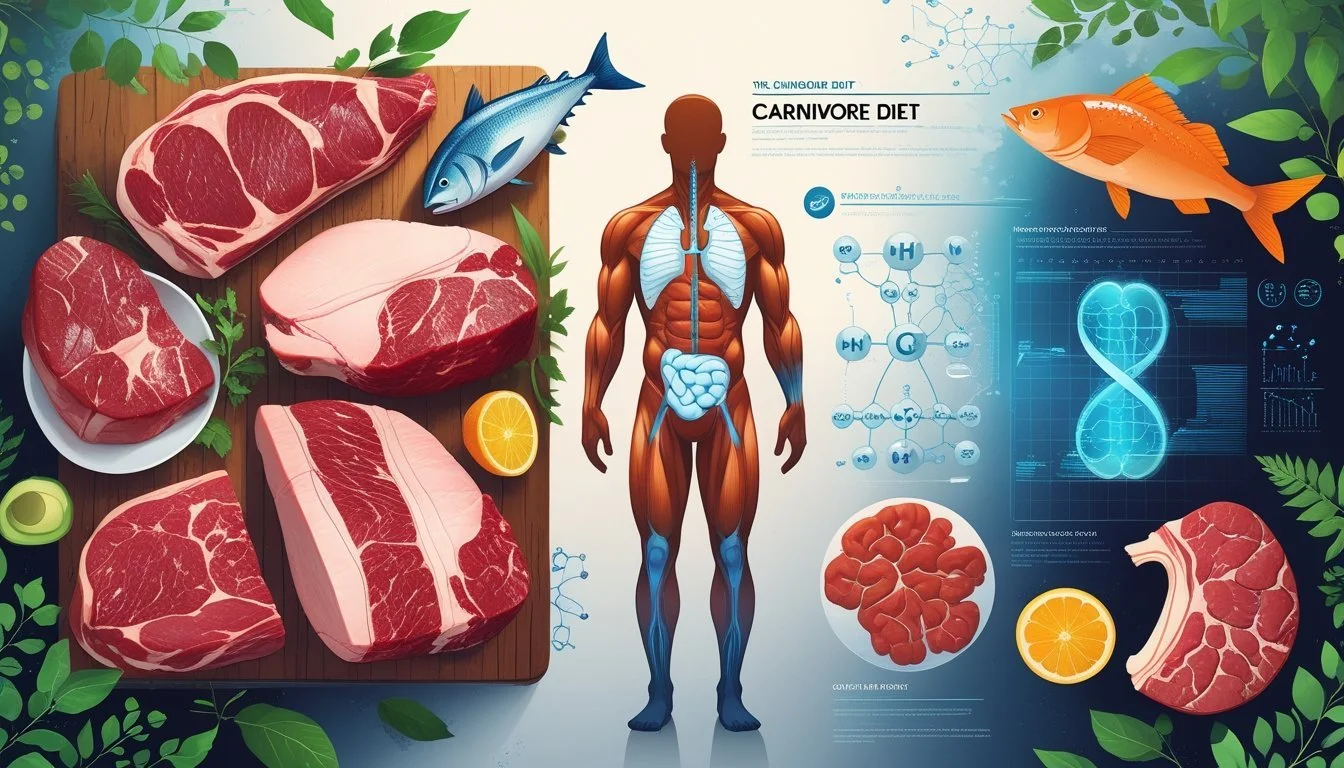
The carnivore diet emphasizes animal-based foods, which leads to high intake of protein and saturated fat while excluding most sources of fiber. This approach influences micronutrient composition, cholesterol levels, blood sugar, and gastrointestinal health in multiple ways.
Macronutrients and Micronutrients
A carnivore diet primarily consists of beef, pork, fish, eggs, and other animal products, supplying high amounts of protein and fat but minimal to no carbohydrates. Typical macronutrient distribution may reach 60-70% fat, 30-40% protein, and less than 5% carbohydrate.
Micronutrient intake centers on nutrients such as vitamin B12, iron, and zinc, which are abundant in animal foods. However, the lack of plant foods can result in low levels of vitamin C, magnesium, and certain phytonutrients. The absence of fortified products may also impact folate and vitamin E intake.
While animal products are rich in some minerals, potential deficiencies in vitamin C, potassium, and fiber are notable concerns. Table 1 highlights typical nutrient sources in a carnivore diet:
Nutrient Primary Source Potential Deficiency? Protein Meat, fish, eggs No Vitamin B12 Meat, fish, eggs No Vitamin C Rare (organ meats) Yes Fiber None Yes
Effects on Cholesterol and Blood Sugar
Saturated fat intake rises considerably on a carnivore diet due to the focus on fatty animal products. Multiple reports indicate that cholesterol levels, including LDL, often increase in many individuals. However, HDL cholesterol may also increase, and triglycerides sometimes decrease.
The diet contains almost no carbohydrates. For most people, this results in lowered blood sugar levels and reduced glycemic variability, which may benefit those with insulin resistance or type 2 diabetes. However, the long-term cardiovascular impact of elevated LDL is not fully established.
Health benefits like weight loss and reduced hunger are commonly self-reported, often linked to changes in calorie intake and stabilized blood sugar. Clinical guidance recommends ongoing monitoring of lipid profiles for those adopting the carnivore approach.
Relation to Fiber and Digestive Health
Elimination of plant foods means the carnivore diet supplies virtually zero dietary fiber. Individuals may experience changes in bowel habits, including constipation or, less commonly, looser stools. Fiber’s role in supporting beneficial gut bacteria and maintaining regularity is well documented.
Some followers report improvement in symptoms of irritable bowel syndrome or inflammatory bowel diseases, possibly due to reduced intake of fermentable carbohydrates. However, concerns remain about risks of long-term low fiber intake, including increased risk for colorectal cancer and impaired gut health.
Digestive enzyme patterns may change, and stool composition can be affected by nutrient density and fat content. People with pre-existing digestive conditions should consult a healthcare provider before adopting this diet.
Potential Health Benefits
The carnivore diet draws attention for reported effects on areas such as weight management, inflammation reduction, and chronic disease risk. Some of these claims are supported by preliminary studies, while others lack substantial evidence and remain controversial.
Weight Loss and Metabolic Effects
Weight loss is one of the most frequently mentioned outcomes by carnivore diet adherents. By eliminating carbohydrates and focusing exclusively on animal products, individuals often create a calorie deficit, which can contribute to fat loss. Satiety from increased protein and fat intake may also encourage lower overall calorie consumption.
Small-scale studies and surveys have reported that many individuals on the carnivore diet notice rapid weight loss during the first months. A Harvard-led survey of over 2,000 people on a carnivore diet found high self-reported satisfaction and improvements in body weight. However, well-controlled clinical trials remain limited.
Blood glucose and insulin variability may decrease with strict carbohydrate restriction, potentially improving certain markers associated with metabolic syndrome. It is important to note that individual responses vary, and some people report no major weight changes after the initial transition period.
Key Points:
High protein intake increases satiety
Carbohydrate elimination can lower insulin spikes and blood sugar swings
Long-term efficacy and safety are still under investigation
Inflammation and Immune Support
Advocates argue that cutting out plant foods may benefit those with sensitivities to plant-based allergens or chemicals. Some individuals report reduced joint pain, improved skin, and better gut health, particularly those with autoimmune conditions or inflammatory bowel disease.
Case reports and self-reported surveys have documented improvements in inflammation-related symptoms, including in conditions like arthritis or Crohn’s disease. Theories suggest that avoiding certain plant antinutrients or allergens—such as oxalates, lectins, and gluten—may reduce immune system overactivation in susceptible individuals.
However, clinical data are sparse, and researchers highlight the need for caution. The lack of diversity in gut microbiota from a plant-free diet might have unclear long-term consequences for immune function.
Commonly mentioned benefits:
Fewer food-triggered allergic reactions
Possible relief from autoimmune symptoms
Lower levels of self-reported inflammation
Claims of Cancer and Heart Disease Prevention
Some proponents claim that the carnivore diet can help protect against cancer and heart disease by lowering carbohydrate intake, thus stabilizing blood sugar levels and reducing certain inflammatory markers. Eliminating processed foods and sugars may play a role in this potential effect.
Scientific evidence for these claims is currently limited. While there is some support for reduced triglycerides and improved HDL (“good”) cholesterol in short-term studies, other markers—such as LDL (“bad”) cholesterol—often rise, which could increase cardiovascular risk for some individuals.
Large-scale, long-term studies evaluating cancer incidence or heart disease outcomes in carnivore dieters are lacking. Most professional organizations caution that the exclusion of plant foods, which are typically associated with cancer and heart disease risk reduction, may pose unknown risks over time.
Areas to consider:
Mixed effects on cholesterol and lipid profiles
Uncertain impact on long-term cancer risk
Lack of randomized, controlled studies in this area
Risks and Controversies
The carnivore diet raises concerns related to nutrient imbalance, disease risk, and the impact of high animal fat and cholesterol intake. Its popularity has grown rapidly, but many health professionals question its safety and long-term viability based on current evidence.
Nutritional Deficiencies and Long-Term Risks
A carnivore diet eliminates almost all plant foods, resulting in dramatically restricted dietary diversity. This restriction leads to very low intake or complete absence of fiber, vitamin C, certain B vitamins, magnesium, and antioxidant phytochemicals.
Deficiency symptoms may not become obvious in the short-term. Over time, lack of fiber may increase risk for constipation and gut health issues. Without adequate intake of plant-based nutrients, there is also concern for impaired immune function and higher long-term risk of chronic conditions.
While proponents argue that animal products provide all necessary nutrients, peer-reviewed research suggests that some micronutrients are difficult to obtain solely from meat. Vitamin C, for example, is extremely limited in animal foods, increasing the risk of scurvy over months or years of strict adherence.
Processed Meats and Disease Associations
Processed meats, such as bacon, sausage, and deli cuts, are commonly consumed on some versions of the carnivore diet. These products are classified by the World Health Organization as Group 1 carcinogens, meaning there is convincing evidence that they increase colorectal cancer risk.
In addition to cancer, regular intake of processed meats is associated with elevated rates of type 2 diabetes and certain cardiovascular diseases. This is thought to be due to added nitrates, nitrites, sodium, and other preservatives.
Minimizing or excluding processed meats is often recommended by dietitians, even for those pursuing high-protein diets. Whole, unprocessed cuts have a different nutritional profile, with less chemical additives, but still raise concerns about saturated fat and cholesterol.
Cholesterol and Cardiovascular Health Debates
The carnivore diet is high in saturated fat and cholesterol. These components are found in red meat, organ meats, and animal fats, which can increase LDL (“bad”) cholesterol levels in many individuals. Elevated LDL is a well-established risk factor for atherosclerosis and heart disease.
Supporters of the carnivore diet claim it may improve some markers of metabolic health, such as triglycerides or blood sugar. However, most large-scale clinical studies link diets high in saturated fat to increased risk of cardiovascular events.
Individual responses to dietary cholesterol vary. Some people see minimal changes in blood cholesterol levels, while others experience significant increases. Medical authorities continue to recommend caution regarding diets extremely high in saturated fats and cholesterol, especially in those with existing cardiovascular risk factors.
Carnivore Diet Versus Plant-Based Diets
Comparing the carnivore diet with plant-based diets shows significant differences in macronutrient composition, potential nutrient gaps, and effects on health. Both approaches have distinct benefits and challenges depending on food choices, individual health needs, and potential food sensitivities.
Nutrients Lacking in Plant-Based and Animal-Based Diets
A carnivore diet is made up mostly of animal products and excludes plant-based foods entirely. This approach is rich in protein, vitamin B12, iron, and zinc but typically lacks fiber, vitamin C, vitamin E, and several phytonutrients found in plants.
Plant-based diets, including vegan and vegetarian patterns, rely heavily on vegetables, fruits, grains, legumes, nuts, and seeds. These foods are high in fiber, antioxidants, and many vitamins, such as vitamin C and folate. However, plant-based eaters may be at higher risk for deficiencies in vitamin B12, iron (non-heme and less easily absorbed), omega-3 fatty acids (EPA and DHA), zinc, and sometimes calcium unless fortified foods or supplements are used.
The following table summarizes key nutrient differences:
Nutrient Carnivore Diet Plant-Based Diet Vitamin B12 High Low/None Iron Heme iron, well-absorbed Non-heme, less absorbed Fiber None High Vitamin C Low/None High Omega-3 (EPA/DHA) High Low, unless fortified/nori Phytochemicals Absent High
Role of Vegetables, Fruits, Grains, and Legumes
Vegetables, fruits, grains, and legumes are staples of plant-based diets and provide essential nutrients and dietary fiber. They support digestive health, lower cholesterol, and contribute to reduced risk of heart disease due to their content of vitamins, minerals, and phytochemicals.
Fruits add vitamin C, potassium, and various antioxidants. Whole grains are key sources of B vitamins, iron, magnesium, and fiber. Legumes, including beans and lentils, are high in plant-based protein, iron, and folate.
A carnivore diet excludes all these foods. As a result, it eliminates many sources of dietary fiber and micronutrients, such as phytonutrients unique to plants. While supporters of the carnivore diet highlight the high nutrient density of meats and organ meats, the lack of diverse plant foods may affect gut health and reduce exposure to beneficial compounds found only in plants.
Allergies, Sensitivities, and Individual Needs
Dietary choices sometimes depend on allergies and sensitivities. Some individuals experience digestive symptoms or immune reactions when eating grains, legumes, nuts, soy, dairy, or certain fruits and vegetables.
The carnivore diet is often considered by those with autoimmune issues or irritable bowel syndrome, who find symptom relief when eliminating plant foods. However, removing entire food groups can increase the risk of nutritional deficiencies unless carefully managed.
Conversely, plant-based diets may be a better fit for those who have allergies or intolerances to eggs, dairy, fish, or meat. People with celiac disease or gluten intolerance must avoid wheat and some grains but can still have a fully plant-based diet by choosing gluten-free options. Individual medical history and tolerances ultimately guide the safest and most sustainable dietary approach.
The Influence of Social Media and Popular Culture

Social media and popular culture play strong roles in shaping dietary habits and perceptions about nutrition. The carnivore diet's visibility has largely grown through these digital channels, drawing both strong interest and debate.
Rise of Influencers and Online Communities
Influencers on platforms such as Instagram, YouTube, and TikTok have popularized the carnivore diet by sharing daily meals, health updates, and personal testimonies. These individuals often have backgrounds ranging from fitness coaches to medical professionals, which can impact the credibility of their advice.
Online communities act as forums for support, troubleshooting, and rapid information sharing. Forums and subreddits devoted to all-meat diets help new adherents find recipes, discuss results, and troubleshoot common concerns. Such spaces can create an echo chamber effect, reinforcing certain ideas without much critical examination.
A notable impact is the normalization of restrictive eating patterns through visually appealing content and transformation stories. The sheer volume and speed of shared experiences can influence dietary decisions, sometimes bypassing established nutrition guidance from credentialed dietitians.
Viral Diet Trends on TikTok and Yahoo
TikTok has seen rapid viral trends related to the carnivore diet, often propelled by short-form videos that highlight dramatic before-and-after results. Hashtags such as #carnivorediet and #meatonly generate millions of views, encouraging curiosity and imitation among younger demographics.
Yahoo features articles and trending segments on diet trends, including the carnivore diet, amplifying its exposure beyond dedicated communities. These stories often synthesize influencer opinions with expert interviews, though the quality of information can vary.
Key ways that TikTok and Yahoo shape perceptions:
Amplifying attention through trending videos and viral challenges
Mixing entertainment with advice, which blurs lines between anecdote and evidence
Facilitating fast spread of both accurate and misleading nutrition information
Such platforms frequently prioritize engagement, which can sometimes mean that sensational stories or extreme outcomes get more visibility than balanced nutrition science.
The Role of Dietitians and Future Directions in Dietetics

Dietitians play a critical role in guiding health decisions as nutrition science evolves. The profession faces new challenges and ethical considerations, particularly regarding novel dietary approaches like the carnivore diet.
Current Guidelines and Professional Consensus
Most professional organizations, such as the Academy of Nutrition and Dietetics and similar international bodies, recommend diets that include a variety of food groups. These guidelines emphasize plant-based foods, whole grains, lean proteins, and limited saturated fat and sodium.
Key points supported by consensus:
Diet diversity boosts nutrient adequacy and long-term health.
Evidence for exclusively animal-based diets, such as carnivore, is limited in peer-reviewed studies.
Dietitians are expected to provide advice in line with evidence-based standards, often recommending gradual, balanced changes rather than restrictive extremes.
Periodic reviews of nutritional guidelines incorporate emerging scientific findings. However, experts consistently endorse foundational principles focused on nutrient sufficiency and chronic disease prevention.
Ethical and Consent Considerations in Dietary Advice
Dietitians must balance individual preferences with health risks. Informed consent underpins all dietary recommendations. Clients should be given clear, unbiased information about the potential effects—both benefits and risks—of unconventional diets such as carnivore.
Ethical practice requires:
Presenting evidence, uncertainties, and gaps transparently.
Respect for autonomy: Dietitians support client choices after properly informing them.
Documentation of advice and confirmation that the client understands the implications.
Dietitians navigate tensions between up-to-date science, personal belief systems, and the growing demand for personalized, sometimes unconventional diet plans. Skills in risk communication and motivational interviewing are essential.
Potential Shifts in Nutritional Science
Nutrition research is rapidly evolving. Areas such as gut microbiome, metabolomics, and personalized nutrition technologies are influencing future dietary guidance.
For dietetics, this means:
Increased potential for personalized, data-driven dietary advice.
Greater focus on short- and long-term health outcomes linked to specific dietary patterns like carnivore.
Ongoing need to evaluate diets not just for nutrient adequacy, but also for sustainability and broad population health impact.
Future educational models for dietitians are likely to include advanced skills in evaluating emerging evidence. Staying current with new findings will be critical as the landscape of acceptable dietary patterns potentially expands.

