
Hospital Food vs. Healing Meat: Comparing Nutritional Impact on Patient Recovery
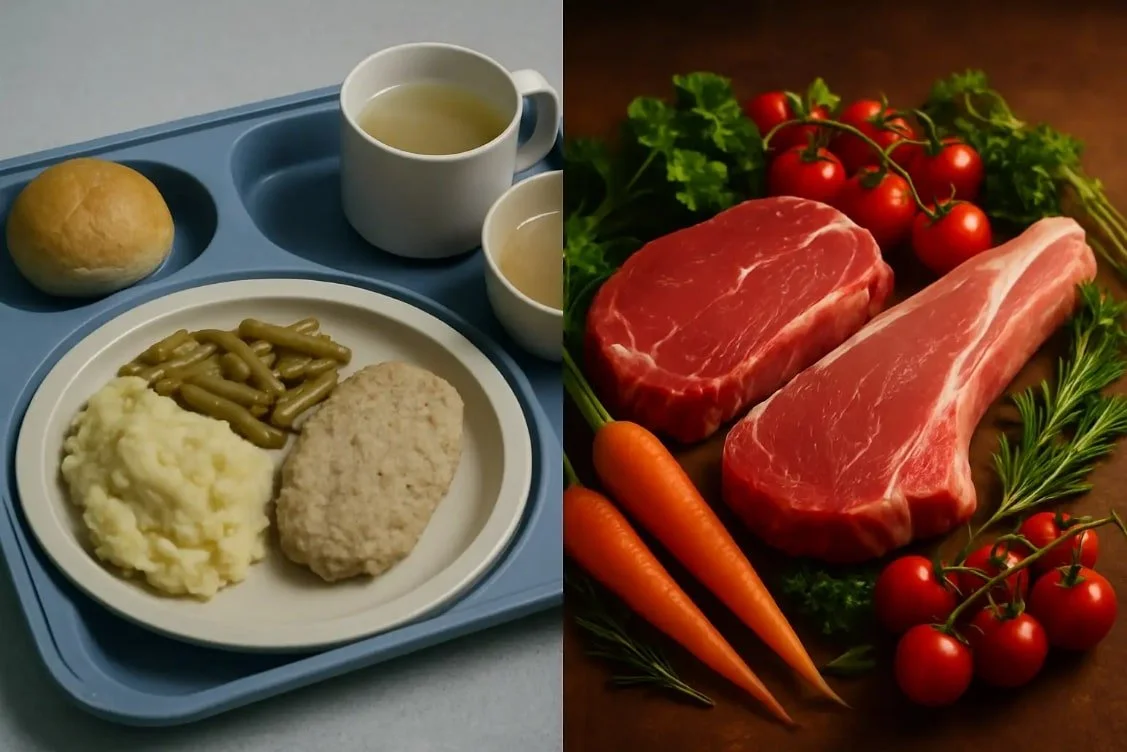
Hospital food is designed to deliver essential nutrition while supporting patient care and recovery, but it is often criticized for lacking appeal and sometimes failing to meet individual healing needs. The key difference between standard hospital food and so-called "healing meat" is that healing-focused meals prioritize nutrient density, better taste, and familiarity to actively aid recovery and comfort.
Patients recovering from illness or surgery not only require balanced diets but also benefit from meals that can enhance emotional well-being and encourage proper intake. Traditional hospital menus may struggle to offer these advantages, especially when compared to thoughtfully prepared "healing meat" dishes that are familiar, high in protein, and comforting.
Understanding how nutrition directly affects healing is essential, as meals tailored to patients’ medical and emotional needs have a measurable impact on outcomes. This comparison sheds light on how improving hospital food could transform patient care and recovery experiences.
Understanding Hospital Food
Hospital meals are created to promote patient recovery and safety by meeting strict dietary and nutritional needs. Healthcare institutions rely on set standards and specialized staff to ensure each patient receives food that supports their specific health conditions.
Types of Hospital Diets
Hospitals offer several types of diets based on patients’ medical requirements, allergies, and recovery stages. These typically include regular diets, soft or pureed diets, and therapeutic diets tailored for conditions such as diabetes, heart disease, or kidney disorders.
Therapeutic diets restrict or emphasize certain foods. For example, cardiac diets often limit sodium and saturated fats, while diabetic diets control carbohydrate intake. Clear liquid and full liquid diets are used for patients with digestive issues or those preparing for surgery.
Dietary restrictions also address food allergies and cultural or religious requirements. The process of assigning a hospital diet is methodical and reviewed frequently to adjust for patient progress or complications.
Nutrition Standards in Hospitals
Nutrition standards in hospitals are based on recommendations from authorities like the Academy of Nutrition and Dietetics and national health guidelines. These standards set daily requirements for calories, protein, vitamins, and minerals while limiting potentially harmful components such as saturated fats, trans fats, and processed sugars.
Many hospitals implement screening tools to assess each patient’s nutrition risk. Safe food handling and preparation techniques are enforced to protect patient safety, particularly for immunocompromised individuals. A balance of macronutrients is maintained to aid wound healing, prevent muscle loss, and support immune function.
Some hospitals have adopted healthy food initiatives to reduce sodium and increase the availability of fruits, vegetables, and whole grains. Menus are often standardized but can be modified for individual dietary needs.
Role of Dietitians and Healthcare Providers
Registered dietitians are central to developing and managing hospital diets. They conduct nutritional assessments, design specialized meal plans, and monitor patient responses to dietary changes. Their expertise ensures patients receive adequate nutrients during hospitalization.
Dietitians communicate closely with nurses and physicians to adjust diets when a patient’s condition changes. They help educate patients and families about dietary restrictions and long-term nutrition needs. Dietary staff also ensure accurate meal delivery according to prescribed restrictions and safety protocols.
Healthcare providers collaborate to track outcomes and address barriers to nutrition, such as poor appetite or swallowing difficulties. This coordinated approach supports both patient recovery and safety in the hospital setting.
What Is Healing Meat?
Healing meat refers to animal proteins that are especially rich in essential nutrients supportive of the body’s repair and recovery processes. These meats are usually prepared in gentle ways—such as slow-cooking or stewing—to enhance digestibility and preserve beneficial nutrients for optimal healing.
Nutritional Profile of Healing Meats
Healing meats provide a concentrated source of high-quality proteins that supply the amino acids necessary for tissue regeneration. They also contain bioavailable iron, zinc, and B vitamins, which play important roles in energy production and immune function.
Many healing meats, such as chicken, beef, lamb, and fish, are also rich in healthy fats. These fats, particularly omega-3s from fish, support anti-inflammatory responses. Fresh preparation helps preserve nutrients, reducing the loss of water-soluble vitamins and minerals.
A typical comparison of healing meats:
Meat Type Key Nutrients Common Preparation Methods Chicken Protein, B6, Selenium Broth, Poached, Stewed Beef Protein, Iron, Zinc Braised, Roasted, Ground Fish Protein, Omega-3, D Steamed, Baked, Poached
Including these meats, especially when prepared with minimal processing, provides more consistent nutrition for those in need of repair.
Role in Promoting Recovery
Healing meats directly influence the healing process by delivering nutrients that help rebuild muscle, skin, and connective tissue after illness or surgery. Protein intake is vital, as it maintains muscle mass and supports the creation of new cells.
Zinc and iron from meat enhance wound healing and promote a healthy immune response. B vitamins are crucial for energy metabolism, supporting patients as they regain strength.
Freshly prepared meats are often easier to chew and digest following surgery, especially when slow-cooked or ground, reducing strain on the digestive system. These foods enable patients to get the necessary nourishment even when their appetite or tolerance for tough foods is low.
Comparing Nutritional Value
The nutritional status of hospital food and meat-based meals can differ significantly in terms of protein quality, micronutrient density, and the presence of essential vitamins and minerals. A balanced diet that meets nutritional requirements is important in both clinical recovery and daily wellness.
Macronutrients: Carbohydrates, Proteins, and Fats
Hospital meals are commonly designed to provide appropriate energy through a balance of carbohydrates, proteins, and fats. However, carbohydrate content often comes from rice, bread, or potatoes, and not all hospital foods prioritize high-quality protein sources.
Meat, especially unprocessed types like chicken, beef, or fish, is a concentrated source of high-quality protein. These proteins are complete, offering all essential amino acids needed for tissue repair and immune function. Red meats also supply healthy fats in moderate amounts, but some processed meats may contain high levels of saturated fat and salts.
The type and ratio of fats in hospital food can be inconsistent. Many institutions use vegetable oils or prepared foods that may not supply optimal levels of healthy unsaturated fats.
Macronutrient Hospital Meal Example Meat-Based Meal Example Protein Lentil stew Grilled chicken breast Carbohydrate White rice Roasted sweet potato Fat Vegetable oil in soup Fat from beef or fish
Micronutrients: Vitamins and Minerals
Micronutrients like iron, zinc, vitamin B12, and selenium are essential for healing and immune support. Meat is particularly rich in these nutrients, especially red meat, which contains heme iron that is more easily absorbed compared to iron from plant sources.
Hospital foods may often be lower in some of these micronutrients, depending on the meal's composition. Vegetarian hospital meals, if not properly fortified, may lack vitamin B12 and iron, leading to a risk of nutritional deficiencies over time in patients with higher needs.
Fruits and vegetables in hospital diets do provide vitamin C, potassium, and folate. However, preparing and storing food in bulk can lead to some loss of vitamin content by the time patients are served.
Nutritional Deficiencies and Impact on Health
An inadequate supply of key nutrients can delay healing and affect overall patient outcomes. Common deficiencies linked to hospital meals include vitamin D, iron, and B12, especially in long-term care or among populations with higher nutritional requirements.
Poor protein intake from meals that lack adequate meat or high-quality plant-based proteins can lead to muscle loss and impaired wound healing. Iron and B12 deficiencies can result in anemia, leading to fatigue and slower recovery.
Monitoring nutritional status and modifying hospital food menus to include more nutrient-dense and protein-rich options are strategies that reduce the risk of deficiency and support patient recovery. Staff awareness and dietary planning are key to meeting individual nutritional requirements.
Dietary Needs and Specialized Diets
Hospital nutrition requires tailored approaches to food that address both the medical and personal needs of patients. Proper dietary plans can support recovery, minimize complications, and respect a person’s values or cultural backgrounds.
Therapeutic and Modified Diets
Hospitals often provide therapeutic diets designed for specific medical conditions. These can include diabetic diets, renal diets, cardiac diets, and low-sodium diets. These plans control nutrients such as sugar, salt, protein, and fluid to prevent worsening of chronic diseases.
Tailoring food to clinical needs is essential in supporting wound healing, immune response, and effective disease management. For example, a renal diet limits potassium and phosphorus for patients with kidney disease, while a diabetic diet carefully controls carbohydrate intake to manage blood sugar.
Menu planning sometimes involves modified textures, such as pureed or soft diets for those with swallowing difficulties. Hospitals utilize registered dietitians to ensure that therapeutic diets are nutritionally complete and align with patient care plans.
Dietary Restrictions and Preferences
Dietary restrictions in hospitals stem from religious, ethical, allergy-related, or cultural reasons. Common requests include vegetarian, vegan, kosher, and halal diets, as well as accommodations for severe food allergies such as nut or gluten intolerance.
Respecting preferences can increase patient satisfaction and potentially lead to improved nutritional intake. Personalized meal services and flexible menu options help hospitals address a wide range of needs.
Offering a selection of regular and therapeutic options empowers patients and can decrease food waste. Hospitals may work closely with patients and families to honor important cultural dietary practices, especially during prolonged stays.
Impact of Chronic and Acute Medical Conditions
Chronic medical conditions—such as diabetes, kidney disease, and heart failure—often require precise control over nutrient intake. In these cases, specialized diets serve as a key component of disease management and prevention of further complications.
Acute illnesses or surgical recovery can also impose specific dietary needs, such as increased protein for wound healing or reduced fiber following certain gastrointestinal procedures. Tailored nutrition supports physical strength, immune response, and overall recovery.
A collaborative approach between clinical teams and dietitians ensures that dietary adjustments meet the evolving medical needs of each patient. The aim is to optimize outcomes while minimizing risks related to both overnutrition and undernutrition.
Role of Nutrition in Healing and Recovery
Nutrition directly affects the body’s ability to repair damaged tissues and recover after illness, surgery, or injury. Adequate intake of key nutrients can promote healing, support immune function, and help prevent malnutrition during patient recovery.
Nutritional Needs During Patient Recovery
Patient recovery is influenced by specific nutrient requirements that support tissue repair, immune function, and energy levels. Protein is essential, as it aids in rebuilding tissue and supports wound healing. Deficiencies can delay recovery and increase the risk of complications.
Recovery also benefits from vitamins and minerals such as vitamin C, zinc, and iron, all of which play a role in cellular repair and immune response. Carbohydrates and fats are needed for energy, helping meet the body’s increased metabolic demands during healing. Fluid intake remains important to maintain hydration and facilitate physiological processes.
The goal is to match nutritional intake to the patient’s changing needs, accounting for factors like the type of injury, underlying health conditions, and the severity of illness or surgery. Hospital food often struggles to fully meet these increased demands, which can be especially problematic for patients with higher nutritional requirements.
Nutritional Assessment and Monitoring
Accurate nutritional assessment is fundamental in identifying patients at risk for malnutrition and in tailoring interventions. Common tools include the Malnutrition Universal Screening Tool (MUST) and biochemical markers such as albumin and prealbumin.
Routine monitoring allows healthcare teams to adjust dietary plans based on the patient’s progress and recovery goals. This assessment involves tracking weight changes, dietary intake, lab values, and signs of nutrient deficiencies, such as poor wound healing or muscle loss.
An ongoing, individualized approach ensures that nutritional interventions remain effective and respond to the patient’s evolving needs. Early and consistent monitoring significantly lowers the risk of complications related to malnutrition during recovery and optimizes outcomes.
Meal Planning and Delivery in Hospitals

Nutritional care in hospitals relies on systematic meal planning and delivery to support patient recovery and meet individual dietary needs. Both the selection of foods and how they are served are critical for patient outcomes.
Designing Balanced Meals
Meal plans in hospital settings prioritize macronutrient balance, calorie requirements, and micronutrient intake for each patient. Registered dietitians assess medical records and work with healthcare teams, including nurses, to create custom meal plans.
Common considerations include protein for healing, carbohydrates for energy, and healthy fats. Vitamins and minerals are added to support immune function and tissue repair. Plant-based and animal-based proteins are carefully chosen based on patient condition.
A standard hospital meal plan might look like this:
Food Group Example (Per Meal) Protein 90g lean beef, tofu, or legumes Carbohydrate 1 cup brown rice, whole grain bread Vegetables 2 cups steamed mixed vegetables Fruit 1 piece, such as apple or banana Dairy/Alternative 1 cup yogurt or fortified soy milk
The hospital’s food service team prepares and assembles meals to maintain nutritional quality and appeal.
Ensuring Dietary Safety and Compliance
Dietary safety in hospitals involves addressing allergies, religious restrictions, and special medical diets such as low-sodium or diabetic-friendly options. Nurses play a key role by monitoring dietary intake and reporting patient tolerance or issues.
Food safety protocols are enforced at all stages, from ingredient storage to cooking temperatures, to prevent contamination. Compliance checks include confirming foods match prescribed diets before serving.
Hospitals often use allergen labeling, meal ticket systems, and patient wristbands to reduce errors. Meal delivery schedules are designed to coordinate with treatment timing and medication regimens, ensuring patients receive meals safely and on time.
Patient Satisfaction and Experience

Patient satisfaction with hospital food is shaped by factors like flavor, meal quality, and how meals are served. Research shows that these aspects not only influence the overall patient experience but can also play a role in recovery and health outcomes.
Taste, Quality, and Presentation
Patients consistently rank taste and quality among the most important features of hospital meals. Unappetizing or poorly presented food leads to dissatisfaction, lower intake, and sometimes even complaints.
In recent years, many hospitals have responded by using fresher ingredients, employing trained chefs, and offering meals tailored to individual tastes and dietary needs. Some facilities have also adopted cook-to-order or room service models, allowing patients to select what and when they eat.
The way food looks matters as much as how it tastes. Attractive plating, clear labeling, and a clean meal environment can help boost overall meal satisfaction. When meals are visually appealing, patients are more likely to eat enough, supporting their nutritional needs during recovery.
Improving Patient Outcomes Through Food
Several studies indicate a strong link between food service quality and patient outcomes. When patients enjoy their meals and have more control over their diet, they often eat better and meet their nutritional requirements.
Hospitals that invest in improved food delivery methods—such as flexible ordering, advanced meal delivery systems, and expanded choices—report positive changes. These strategies can help reduce rates of malnutrition, boost energy, and potentially shorten hospital stays.
Patient-reported experiences show that satisfaction with hospital meals increases when there is variety, consistent meal temperatures, and personalized service. Improved food quality and satisfaction can contribute to better healing environments and support overall well-being during hospitalization.
Addressing Popular Diets and Trends
Hospitals are adapting meals to meet diverse patient dietary needs, moving beyond traditional menus. Attention to specific diet patterns can support patient recovery, comfort, and satisfaction.
Plant-Based and Vegan Options
Hospitals are increasingly offering plant-based meals, reflecting both nutritional guidelines and patient demand. These meals are typically rich in vegetables, fruits, legumes, whole grains, nuts, and seeds. Medical research supports the benefits of plant-based diets for heart health, immune function, and overall recovery.
Key features of hospital plant-based meals:
Emphasis on fiber, vitamins, and antioxidants to support healing
Options for vegan proteins, such as beans, tofu, and lentils
Customized seasoning to enhance flavor without added salt or animal fat
Many facilities ensure there are clearly labeled plant-based options so patients can follow their preferred diet. Menu planning also considers cultural and ethical preferences related to food.
Low-Sodium, Gluten-Free, and Other Trends
Low-sodium diets are critical for patients with heart conditions, hypertension, or kidney disease. Hospital kitchens reduce sodium by using fresh ingredients, herbs, and spices instead of processed foods and salt. Patients requiring gluten-free options can usually find meals free of wheat, barley, and rye, with careful measures taken to prevent cross-contamination.
Common dietary accommodations:
Diet Type Key Ingredients Main Benefit Low-sodium Fresh produce, herbs Manages blood pressure/edema Gluten-free Rice, corn, quinoa Reduces risk for celiac patients
Other trends include allergen-free meals and individualized nutrition based on medical and personal needs. Hospitals aim for healthier options that align with up-to-date nutritional guidelines and clinical evidence.
Challenges and Opportunities in Hospital Nutrition

Improving hospital nutrition involves addressing both operational and clinical priorities. Food waste management and the adoption of lifestyle medicine can directly impact patient outcomes, resource use, and the hospital’s role in public health.
Food Waste and Resource Management
Hospitals generate significant food waste, contributing to financial loss and environmental strain. Studies show that dissatisfaction with hospital meals and improper nutritional screenings often result in uneaten food, placing stress on budgets and sustainability efforts.
Key issues include:
Overproduction of meals due to unpredictable patient numbers
Strict dietary restrictions limiting menu flexibility
Inadequate staff training in portioning and nutrition
Reducing waste involves menu optimization, patient-centered meal choices, and innovations in meal preparation. Hospitals benefit by lowering costs, reducing landfill contributions, and promoting a healthier environment. Leveraging technology for meal tracking and adopting waste audits support more efficient resource management.
Integrating Lifestyle Medicine
Lifestyle medicine emphasizes nutrition as a pillar of patient care, extending beyond illness management to long-term health improvement. Incorporating dietary patterns known for their healing potential—such as plant-predominant or Mediterranean diets—can support recovery and reduce complications.
Hospitals face challenges aligning therapeutic diets with patient preferences and existing culinary landscapes. Collaboration with registered dietitians and culinary staff is essential for menu changes.
Implementation may include:
Education for patients and staff about evidence-based nutrition
Adjusting procurement to source healthier ingredients
Creating clear signage for menu options supporting specific health goals
Integrating these practices in the hospital environment bridges acute care with preventive strategies and fosters a culture supportive of healing through nutrition.
Conclusion

Hospital food plays a significant role in patient recovery by offering nutrition tailored to individual health needs. Balanced meals are carefully designed to provide essential vitamins, minerals, proteins, and energy for healing.
Healing meats—such as lean beef, poultry, and fish—can provide high-quality protein and critical nutrients. These nutrients support wound repair, immune function, and energy levels.
While hospital meals sometimes receive criticism for taste or variety, their nutritional value is prioritized. Menu planning often restricts certain meats for patients with dietary limitations or specific medical conditions.
Benefits of integrating healing meats in hospital diets include:
Improved protein intake for muscle repair
Enhanced iron and B-vitamin levels
Better appetite satisfaction and enjoyment
Food Type Typical Role in Healing Lean meats Protein, iron, B vitamins Fish Omega-3s, protein Poultry Low-fat protein source
Hospital food services work to balance flavor, familiarity, and healing potential. Meals that include familiar foods and comforting meats may also reduce stress and encourage eating—especially for seniors.
Selecting the right type and preparation of meat in hospital diets helps meet nutritional targets while considering patient preferences and medical needs.

