
Insights on Diet and Skin Health
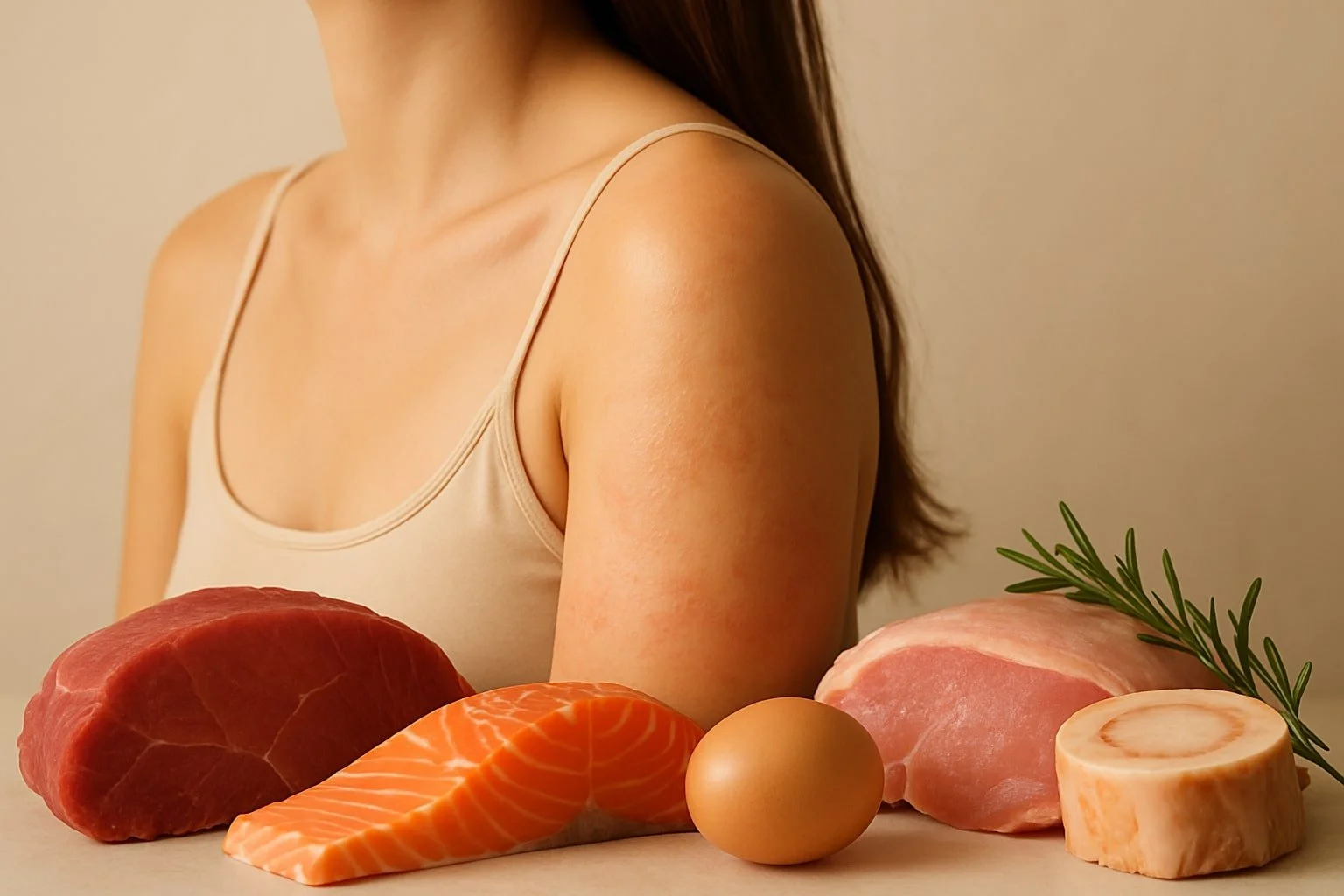
Many people with eczema and psoriasis struggle to find relief from itching, redness, and discomfort. As new diets gain attention, some are now exploring strict eating patterns like the carnivore diet as a way to manage these chronic skin conditions. This approach cuts out plant foods and focuses entirely on animal-based foods, leading some to wonder if it might calm inflammation or reduce problematic symptoms.
There is currently no scientific evidence that the carnivore diet can cure eczema or psoriasis, but some individuals have reported temporary improvement in symptoms after removing carbohydrates and plant foods. Interest in the diet comes from its potential to reduce inflammation by limiting foods that might trigger reactions or feed harmful gut bacteria. However, most medical sources agree that results vary and more research is needed.
Anyone considering major dietary changes for skin health should be aware of both potential benefits and possible risks. The carnivore diet is highly restrictive and may lack important nutrients, so working with a healthcare professional is recommended. Understanding how diet may influence skin conditions is an ongoing area of research that continues to evolve.
Understanding Eczema and Psoriasis
Eczema and psoriasis are chronic skin conditions that impact millions worldwide, often producing persistent discomfort and visible symptoms. Both conditions are influenced by inflammation and may respond to lifestyle factors, including diet, stress, and environment.
Causes and Triggers
Eczema, also known as atopic dermatitis, typically develops from a combination of genetic and environmental factors. Altered immune function plays a central role, often causing the skin to become more sensitive to allergens and irritants found in soaps, detergents, or even certain foods.
Psoriasis is an autoimmune disease that accelerates the life cycle of skin cells, leading to flaky, inflamed patches. Key triggers include stress, infections, skin injuries, smoking, and specific medications. Both conditions are rooted in chronic inflammation, which may be aggravated or alleviated by dietary patterns.
Recent research highlights that some dietary approaches, such as reducing processed foods, may influence inflammation levels. However, the direct impact of diet on eczema and psoriasis symptoms is still being studied.
Common Symptoms
Eczema is mainly characterized by intense itching, dry or scaly patches, redness, and sometimes swelling or oozing. These symptoms often worsen at night and can appear on many body areas, especially hands, elbows, and behind the knees.
Psoriasis most often presents as raised, red patches covered with silvery-white scales. These plaques frequently occur on the scalp, elbows, knees, and lower back. Itching and discomfort are common, but pain and cracking may also occur in severe cases.
Both conditions can cause visible skin changes and emotional stress due to their chronic and often unpredictable nature. Flare-ups may be cyclical, with periods of improvement and worsening symptoms.
Conventional Treatment Approaches
Topical corticosteroids are a mainstay of treatment for both eczema and psoriasis, reducing inflammation and relieving itching. Moisturizers and emollients help restore the skin barrier, especially in eczema, by maintaining hydration and preventing further irritation.
For more severe symptoms, doctors may prescribe oral antihistamines for itch relief, though these do not address inflammation. Immunosuppressants and biologic medications target the immune system to manage moderate-to-severe cases but are usually reserved for persistent symptoms resistant to first-line therapies.
Phototherapy and lifestyle changes, such as stress reduction and dietary adjustments, may also play a role in managing these chronic skin conditions. Each individual often requires ongoing monitoring and tailored treatment to achieve the best possible results.
What Is the Carnivore Diet?
The carnivore diet is a restrictive eating pattern focused exclusively on animal-based foods. Its unique approach centers around complete avoidance of plant-derived foods, emphasizing simplicity and elimination of common dietary triggers.
Core Principles
The carnivore diet is based on the idea that the human body thrives best on foods exclusively from animal sources. Followers eliminate all plant-based foods such as vegetables, fruits, grains, legumes, seeds, and nuts.
This approach emphasizes the role of animal fats and proteins as primary macronutrients. Carbohydrates are almost entirely excluded, with the diet providing nearly zero grams of carbs daily. Some proponents believe this reduction in carbohydrates may reduce systemic inflammation and contribute to improvements in certain autoimmune skin conditions.
Another core tenet is the avoidance of common dietary triggers for inflammation and allergies, which may be found in modern processed foods and even in some plant foods. The focus remains on simplicity and nutrient density, with a particular emphasis on whole, unprocessed animal products.
Typical Foods Included
The main foods in a carnivore diet come from animals. These include:
Beef, lamb, pork, and other red meats
Poultry such as chicken and turkey
Fish and seafood like salmon, tuna, and shrimp
Eggs
Organ meats such as liver and kidney
Animal fats including butter, tallow, and lard
Some versions of the diet allow limited dairy (preferably full fat and low in lactose), while stricter interpretations exclude dairy entirely. Spices and condiments are usually limited or avoided.
Water is the primary beverage, but black coffee and plain tea may be permitted by some followers. Cooking methods typically involve grilling, roasting, or pan-searing without added plant oils.
Difference From Other Dietary Approaches
Unlike the ketogenic or paleo diets, which permit plant foods and moderate amounts of carbohydrates, the carnivore diet is strictly animal-based. The elimination of all plant-derived foods is a distinguishing feature.
Dietary Approach Plant Foods Allowed Protein Source Carb Level Carnivore No Animal-only Extremely low Ketogenic Yes (limited) Animal & Plant Very Low Paleo Yes Animal & Plant Moderate to Low
The macronutrient breakdown for carnivore is high protein, high fat, and nearly zero carbohydrates. The diet is also unique in its minimalism, focusing on just a few food groups and removing complexity from daily food choices. This distinct combination sets it apart from nearly all other popular dietary approaches.
Link Between Diet and Skin Health
Diet directly affects skin condition by influencing inflammation and the balance of microorganisms in the gut. Certain foods and dietary patterns can impact immune function, skin barrier integrity, and the activity of beneficial bacteria.
Role of Inflammation in Skin Disorders
Chronic inflammation is a known driver of both eczema and psoriasis. When the immune system becomes overstimulated—often by triggers like allergens, processed foods, or metabolic imbalances—it releases molecules called cytokines that aggravate skin cells. This leads to redness, itching, and the plaque formations common in these disorders.
A diet high in certain carbohydrates, seed oils, or processed foods may contribute to sustained inflammation. On the other hand, reducing inflammatory triggers through dietary changes, such as limiting carbohydrates or additives, can help lower the frequency or severity of flares. The carnivore diet, which primarily includes animal-based foods, removes many common inflammatory foods and may dampen these responses for some people.
Impact of Gut Microbiome on Skin
The gut microbiome is a complex community of bacteria and other microorganisms that aid in digestion and immune regulation. Imbalances in the gut—often caused by high-sugar or heavily processed diets—may reduce levels of beneficial bacteria and allow harmful microbes to thrive. This imbalance, sometimes called dysbiosis, is linked to inflammation and worsening of skin conditions like eczema and psoriasis.
Diets that remove potential irritants and artificial ingredients, or that modify fiber and carbohydrate intake, may shift the gut microbiome in ways that support skin health. By influencing the gut environment, these diets can indirectly affect immune system activity and skin barrier function. The carnivore diet dramatically alters the gut’s microbial makeup, though the long-term effects on beneficial bacteria and overall skin health require more study.
Potential Benefits of Carnivore Diet for Eczema and Psoriasis
Following a carnivore diet may affect inflammatory processes and gut health, two factors commonly linked to eczema and psoriasis symptoms. These changes have prompted some individuals to use the diet as a strategy to manage their skin conditions.
Anti-Inflammatory Mechanisms
Eczema and psoriasis are associated with chronic inflammation. The carnivore diet eliminates most common dietary triggers, such as gluten, lectins, and seed oils, which have been linked to inflammatory responses in some people.
Animal-based foods are naturally free of additives and certain plant compounds that may irritate immune pathways. This can lead to reduced inflammatory markers, especially when ultra-processed foods are excluded.
Some meats and fatty fish are rich in omega-3 fatty acids, which are known for their anti-inflammatory properties. These essential fats have been shown to help modulate immune activity and may support a reduction in skin flare-ups.
There is limited peer-reviewed research confirming direct effects, but several anecdotal reports suggest a link between the strict removal of potential irritants and improved skin health.
Restoring Gut Health
The gut microbiome plays a central role in immune system regulation, affecting both eczema and psoriasis. Disrupted or imbalanced gut flora have been associated with symptom exacerbations in these conditions.
A carnivore diet removes many fermentable carbohydrates and common food allergens. This dietary shift can result in fewer gut irritants and may help minimize gut inflammation for some individuals.
Protein-rich, animal-sourced foods supply nutrients like zinc, vitamin B12, and heme iron, all of which are important for maintaining mucosal barriers and supporting gut repair.
Current evidence for specific changes to the gut microbiome on a carnivore diet is limited. However, some people report fewer digestive symptoms and notice improvements in skin condition when following this way of eating.
How to Begin Using Carnivore to Heal Eczema and Psoriasis
Starting a carnivore diet for eczema and psoriasis involves careful planning, supervision, and ongoing monitoring. Each step helps minimize risks and maximize any possible benefits from this dietary approach.
Consulting With Healthcare Providers
Before beginning a carnivore diet, individuals should schedule an appointment with a healthcare provider, ideally one familiar with dietary treatments for dermatological conditions. The provider can identify any contraindications, review current medications, and check for underlying health problems that may be impacted by the dietary change.
Discussing past attempts and responses to other dietary approaches provides helpful context for decision-making. Blood tests and baseline health assessments can establish a reference point for future comparisons. This step is critical because the carnivore diet removes entire food groups, which can lead to potential nutrient deficiencies or interactions with existing treatments.
Some dermatologists and dietitians may recommend a gradual transition or suggest supplementation for vitamins and minerals commonly lacking in carnivore diets, such as vitamin C and fiber. A multidisciplinary approach with input from both medical and nutrition experts is advisable.
Transitioning to the Diet
Transitioning to the carnivore diet typically begins by gradually eliminating all foods except animal products such as beef, lamb, poultry, fish, eggs, and animal fats. Most practitioners suggest removing processed and packaged foods first, then slowly omitting plant-based foods over a period of days or weeks.
A sample transition plan might look like this:
Week Focus 1-2 Remove grains, sugar, legumes 3-4 Omit fruits and most vegetables 5+ Eat exclusively animal-based foods
During this phase, individuals may experience withdrawal symptoms such as headaches, fatigue, or digestive changes as the body adapts to the absence of carbohydrates and fiber.
Proper hydration and adequate sodium intake are crucial during transition. Some people benefit from eating fattier cuts of meat to maintain calorie intake and stave off hunger, especially at the beginning of the carnivore diet.
Tracking Symptoms and Progress
Ongoing tracking of symptoms is essential to assess how the carnivore diet affects eczema and psoriasis. A daily log can include details such as skin flare-up frequency, itchiness, redness, gastrointestinal symptoms, and overall well-being.
It is helpful to record both subjective symptoms (such as itch level or pain score) and objective changes (photos documenting skin lesions at regular intervals). Medical follow-ups, lab testing, and regular consultations with healthcare providers remain important for monitoring progress and adjusting the dietary approach as needed.
Tracking should also include any changes in mood, energy levels, or signs of nutrient deficiency, as these can influence long-term adherence to a strict carnivore diet. Sharing progress notes with a provider helps guide further decisions about continuing, modifying, or stopping the diet based on real-world outcomes.
Macronutrients and Their Role in Skin Recovery
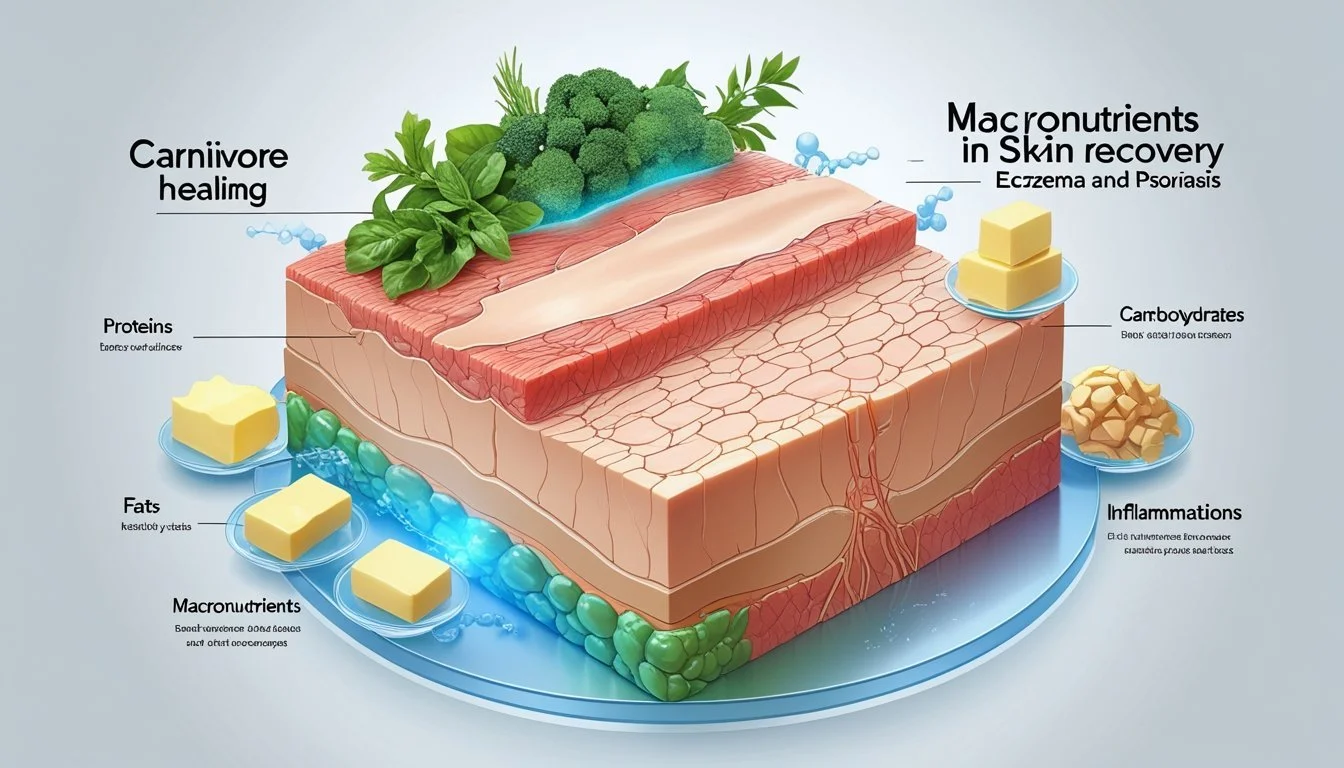
The carnivore diet emphasizes high intake of animal-derived macronutrients, supplying the body with key nutrients linked to skin repair and inflammation control. Attention to protein and fat intake can directly affect recovery from eczema and psoriasis.
Protein and Skin Repair
Protein delivers amino acids essential for the synthesis of collagen, keratin, and elastin—fundamental components of healthy skin. Deficiency in protein can slow wound healing, promote fragile skin, and impair barrier function.
Increased intake of high-quality animal protein provides the building blocks for skin cell turnover and structural repair. For people managing eczema and psoriasis, adequate protein supports faster recovery of damaged skin, reduces flaking, and helps maintain moisture balance.
Rich sources of complete protein such as beef, fish, and eggs ensure all essential amino acids are available for tissue regeneration. Animal proteins also supply micronutrients like zinc and vitamin A, further assisting skin healing processes.
Fat and Anti-Inflammatory Effects
Dietary fat, especially from animal sources, is a major source of energy and structural support for skin cell membranes. Certain fats, particularly omega-3 fatty acids found in fatty fish and grass-fed meats, have anti-inflammatory properties that may help reduce flare-ups in inflammatory skin conditions.
Saturated fat assists with the absorption of fat-soluble vitamins (A, D, E, K), which are crucial for skin repair mechanisms and immune function. Proper fat intake can strengthen the skin barrier and help prevent transepidermal water loss, supporting better hydration.
For eczema and psoriasis, minimizing excess omega-6 fatty acids while increasing omega-3 and saturated fat intake can modulate inflammation at the cellular level. This macronutrient balance may lessen redness, swelling, and irritation associated with these skin disorders.
Cholesterol, Beneficial Fats, and Skin Health
Cholesterol and healthy fats are major parts of the skin’s structure and vital in supporting repair and defense against irritation. Both contribute to a balanced skin barrier and can have a direct influence on inflammation, moisture retention, and resilience in conditions like eczema and psoriasis.
Cholesterol’s Function in Skin Barrier
Cholesterol is a core component of the skin’s outermost layer. This lipid plays a crucial role in maintaining the skin barrier’s integrity, supporting moisture retention, and protecting against harmful environmental elements.
When the skin barrier is damaged, as seen in eczema and psoriasis, cholesterol helps repair micro-tears and reduces dryness and scaling. The skin barrier also relies on cholesterol to form a stable environment for beneficial bacteria, which can be disrupted in inflammatory skin issues.
A deficiency in cholesterol within the skin barrier may result in increased transepidermal water loss and greater vulnerability to irritants. On a carnivore diet, increased dietary cholesterol intake may better supply the skin’s needs, supporting restoration and reducing flare-ups in chronic skin disorders.
Sources of Healthy Fats in Carnivore Diet
The carnivore diet provides essential fatty acids and cholesterol through animal-based foods. Key sources include fatty red meats, egg yolks, fish, and organ meats.
Notable Healthy Fats on Carnivore:
Food Key Fats Notable Nutrients Beef (fatty cuts) Saturated, monounsaturated B vitamins, zinc Salmon Omega-3 Vitamin D, selenium Egg yolks Cholesterol, lecithin Choline, vitamin A Lamb Saturated, omega-3 Iron, B12
Rich in omega-3 fatty acids, these foods may help reduce inflammation associated with skin issues. Including a variety of animal fats ensures a supply of fat-soluble vitamins (A, D, E), which are important for skin repair and immune function.
A focus on well-sourced, nutrient-dense animal fats supplies the building blocks needed for optimal skin health and maintenance of the skin barrier.
Possible Challenges and Precautions
Switching to a carnivore diet for eczema or psoriasis can introduce certain health challenges. Awareness of potential risks and nutrition gaps is important before starting or continuing this approach.
Potential Side Effects
The carnivore diet may cause several side effects, especially in the first weeks. Common issues include constipation, diarrhea, and changes to bowel habits due to the lack of dietary fiber. Some people report headaches, fatigue, and irritability as the body adapts to a very low or zero-carbohydrate intake.
A rise in cholesterol and LDL ("bad") cholesterol levels has been observed in some studies and case reports. This could increase the risk of heart-related problems, especially for those with preexisting conditions. Strict monitoring is recommended for anyone with a history of heart disease or metabolic disorders.
Dehydration is another risk, as carb restriction may reduce water retention in the body. Salt and electrolyte balance can shift, potentially causing muscle cramps or dizziness. These side effects may lessen, but sustained problems warrant medical advice.
Nutrient Considerations
Eliminating all plant foods on the carnivore diet can compromise nutrient intake. Vitamin C, fiber, and various phytonutrients are absent in an all-meat diet. Some individuals may also struggle to get enough vitamin E, magnesium, or potassium due to the restricted food selection.
Zinc and iron intake can be high from red meats, which could suppress copper absorption. Long-term, this imbalance might cause deficiencies. Liver and organ meats can help supply some missing nutrients, but overconsumption may lead to vitamin A excess.
Regular blood tests may be needed to watch for deficiencies or imbalances. People should consider medical supervision if attempting the diet for extended periods, especially if used as a strategy to manage autoimmune skin conditions.
Future Directions and Emerging Research
Research into dietary strategies for managing eczema and psoriasis is ongoing. Interest in the carnivore diet, with its exclusive focus on animal-based foods, continues to grow, but scientific understanding is still developing.
Current Scientific Evidence
Most available studies on diet and skin conditions like eczema and psoriasis have centered on elimination diets, anti-inflammatory eating patterns, or plant-heavy plans. Research specifically addressing strict carnivore diets remains limited.
Some case reports and individual testimonials suggest that people have experienced improvements in symptoms after adopting a carnivore diet. However, controlled clinical trials supporting these claims are lacking.
For psoriasis, the therapeutic landscape is shifting towards targeted biologic agents and innovative medical therapies. While diet can play a role in overall health, medical guidelines emphasize evidence-based medications for moderate to severe cases.
There is not yet substantial scientific consensus or peer-reviewed clinical data to confirm the efficacy or safety of the carnivore diet for treating eczema and psoriasis. More research is necessary to determine its mechanisms and possible benefits.
Areas for Further Study
Key areas that need more investigation include:
Randomized clinical trials assessing the carnivore diet’s impact on eczema and psoriasis symptoms.
Evaluation of long-term safety, including potential risks related to nutritional deficiencies.
Identification of which specific patient subgroups, if any, may benefit most.
Studies examining changes in the gut microbiome, inflammatory pathways, and immune function in response to an all-meat diet are also needed. Researchers need to compare the carnivore diet with other dietary interventions in well-designed, controlled settings.
Better tracking of both positive and negative outcomes in diverse populations will help clarify the role, if any, of carnivore eating in managing chronic skin diseases.

