
Key Insights and Recent Research
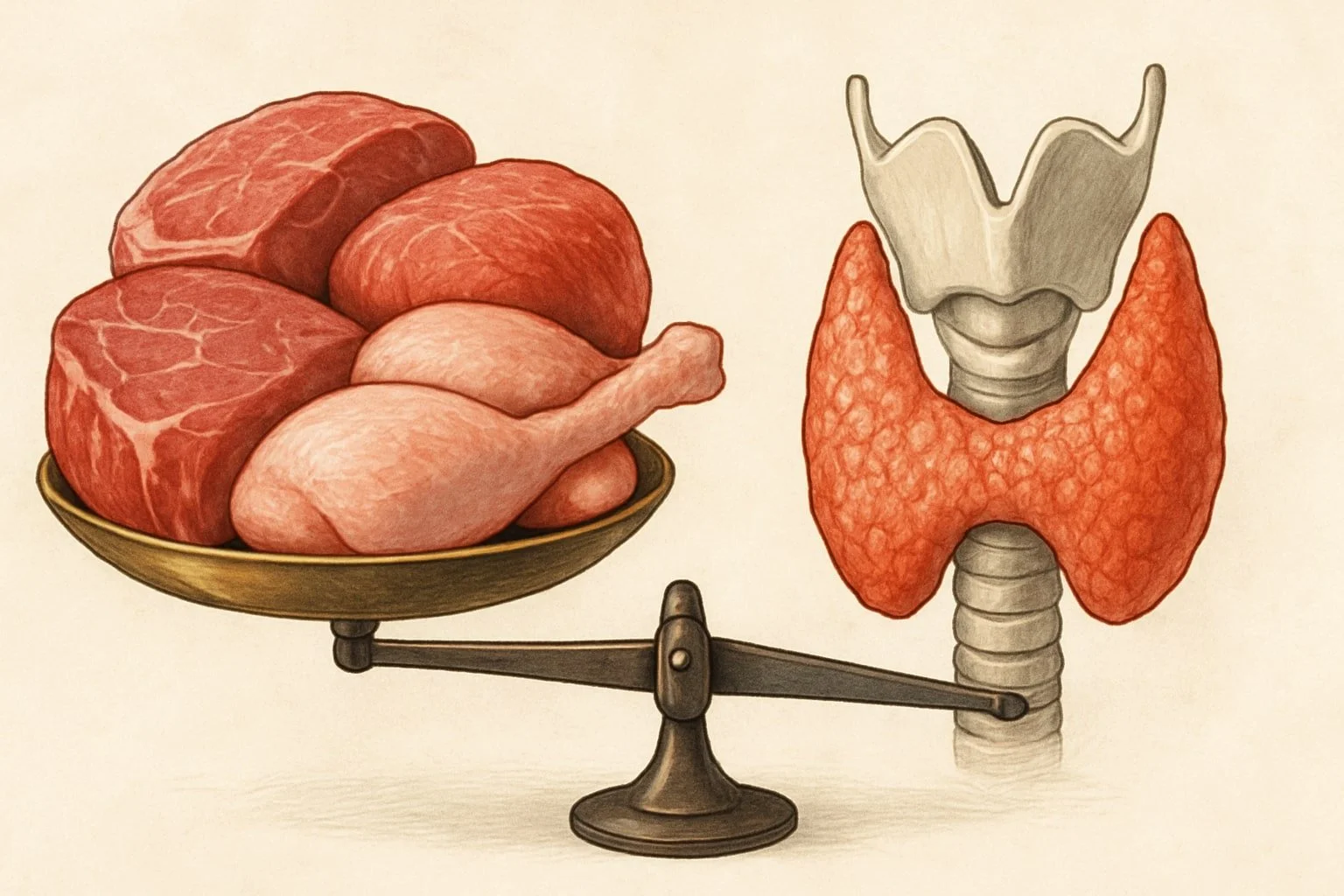
Meat-based diets can influence thyroid function both positively and negatively, depending on nutritional balance and the types of meat consumed. Animal products offer nutrients such as protein, iron, and B12, which are essential for thyroid hormone production. However, excessive intake of certain types of meat and very low carbohydrate consumption may affect how the thyroid functions in peripheral tissues.
Research shows that while meat-eaters may meet some nutritional needs for thyroid health, long-term consumption of predominantly meat-based diets could carry risks such as increased heart disease risk and potential impacts on thyroid hormone regulation. For those considering strict meat-heavy eating patterns, understanding the effects on thyroid health is crucial.
Anyone interested in how dietary choices, particularly meat-heavy diets, interact with thyroid function will benefit from a closer look at current research and nutrition science.
Understanding Thyroid Function and Health
The thyroid gland plays a crucial role in hormone production, affecting many aspects of physical health. Changes in thyroid activity can influence metabolism and increase the risk of several disorders.
Role of the Thyroid Gland
The thyroid is a small, butterfly-shaped gland located at the front of the neck. It produces hormones such as thyroxine (T4) and triiodothyronine (T3), which regulate many body functions.
These hormones help control the heart rate, energy use, and temperature regulation. The gland’s activity is controlled by thyroid-stimulating hormone (TSH), released by the pituitary gland.
A healthy thyroid keeps hormone levels in balance, supporting normal growth, development, and organ function. Problems arise when hormone levels become too high or too low, leading to thyroid disorders.
Metabolism and Endocrine System
The thyroid hormones have a direct impact on metabolism, which is the process by which the body converts food into energy. They stimulate energy production, oxygen use, and the breakdown of fats and carbohydrates.
Because the thyroid is part of the endocrine system, it works in coordination with other glands to maintain internal balance, also known as homeostasis. Disruptions in thyroid function can slow down or speed up metabolism, leading to symptoms such as weight gain, fatigue, or anxiety.
Proper thyroid health depends on adequate levels of iodine, vitamin B12, selenium, and other nutrients. Deficiencies in these can affect hormone synthesis and metabolic function.
Common Thyroid Disorders
Thyroid disease can present in several forms. The most common include hypothyroidism (underactive thyroid), hyperthyroidism (overactive thyroid), goiter (thyroid enlargement), and autoimmune conditions such as Hashimoto’s thyroiditis.
Hypothyroidism leads to fatigue, constipation, and weight gain due to reduced hormone production.
Hyperthyroidism causes symptoms like rapid heartbeat and weight loss because of excess hormone production.
Goiter may result from iodine deficiency or autoimmune disease, causing visible swelling.
Hashimoto’s thyroiditis is an autoimmune disorder where the immune system attacks the thyroid, often leading to hypothyroidism.
Early detection and effective management are key to maintaining thyroid health and preventing complications.
Key Nutrients in Meat-Based Diets Influencing Thyroid Function
Meat-based diets can impact thyroid function through the intake of several important nutrients such as iodine, selenium, zinc, iron, vitamin D, calcium, cholesterol, and saturated fat. Each nutrient plays a distinct role in supporting or regulating various aspects of thyroid hormone production, conversion, and metabolism.
Iodine and Iodine Status
Iodine is essential for synthesizing thyroid hormones, especially thyroxine (T4) and triiodothyronine (T3). Animal foods like dairy, eggs, and fish can provide iodine, but the level in red meat is lower compared to seafood or iodised salt. People relying mainly on meat and avoiding seafood may have lower iodine intake, increasing the risk of iodine deficiency.
Urinary iodine concentration is the primary indicator of iodine status in the population. Iodine deficiency can impair thyroid hormone synthesis, leading to hypothyroidism or goitre. Including iodised salt in cooking can help address potential shortfalls for those consuming minimal seafood, but it's important not to exceed recommended sodium intake.
Selenium and Zinc
Selenium supports the conversion of T4 to the more active T3 hormone and acts as an antioxidant to protect thyroid cells. Meat, particularly organ meats like liver and kidney, as well as seafood, can be good sources of selenium. However, the highest natural concentrations are found in Brazil nuts, though these are not part of strict meat-based diets.
Zinc is another mineral that contributes to the synthesis and regulation of thyroid hormones. Red meat and poultry offer significant amounts of zinc in a highly bioavailable form. Zinc deficiency can exacerbate thyroid dysfunction, making adequate intake crucial for maintaining normal thyroid activity.
Iron, Vitamin D, and Calcium
Iron is necessary for the enzyme thyroid peroxidase, which plays a key role in thyroid hormone production. Red meats, especially beef and lamb, provide heme iron that is efficiently absorbed by the human body. Iron deficiency anemia can lead to reduced thyroid hormone levels.
Vitamin D deficiency is associated with various thyroid disorders, but meat itself is usually not a rich vitamin D source unless it is from fatty fish or fortified foods. Calcium intake from meat-based diets is usually lower compared to dairy-rich diets, unless bone-in meats or organ meats are consumed. Adequate calcium is essential for overall health but excessive calcium can interfere with thyroid medication absorption.
Cholesterol and Saturated Fat
Meat-based diets are typically higher in cholesterol and saturated fat, especially from fatty cuts of red meat. Saturated fat intake can affect lipid profiles, leading to elevated LDL cholesterol, which has been linked in some studies to impaired thyroid function and increased risk for hypothyroidism.
While the thyroid itself requires some cholesterol for hormone production, a diet excessively high in cholesterol and saturated fat may contribute to metabolic disturbances. Lean meats and moderation can help manage these risks, supporting both thyroid and cardiovascular health.
Sources of Animal Protein and Their Effects on Thyroid Health
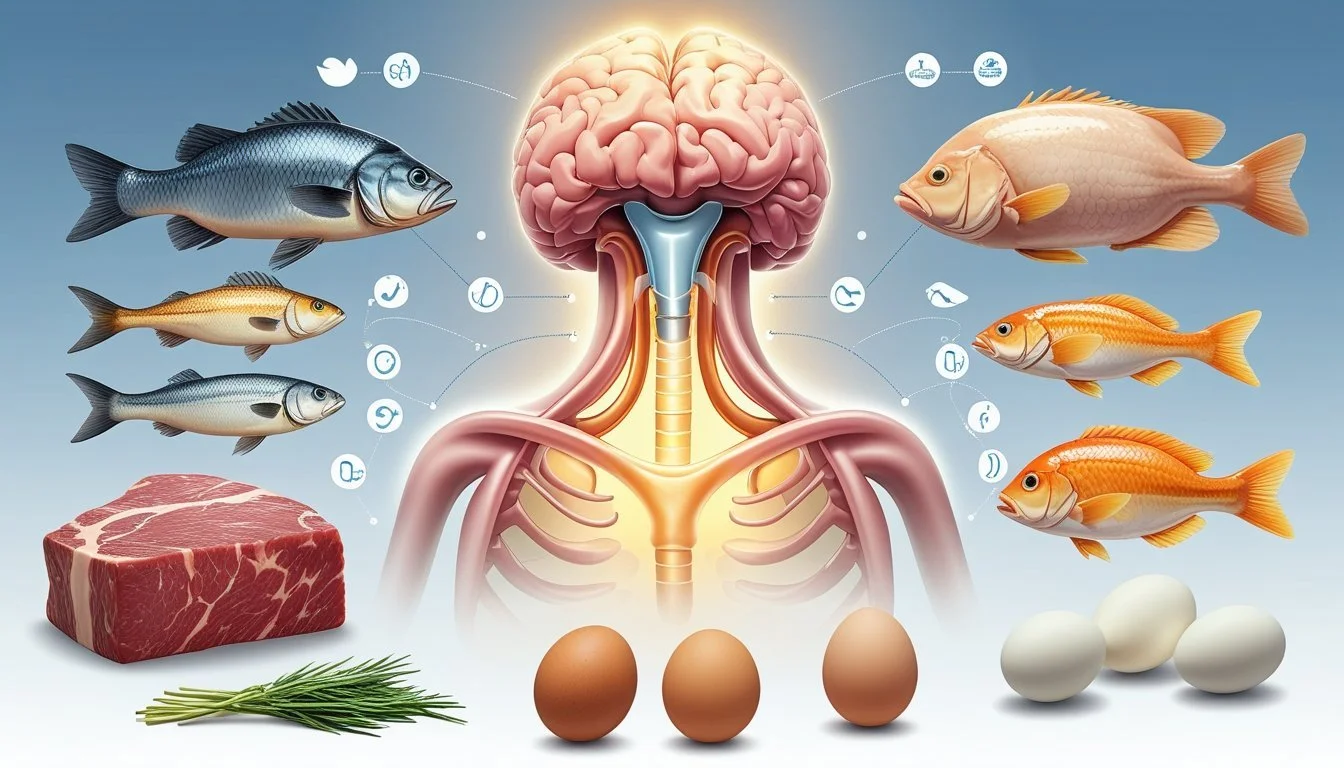
Dietary protein from animal sources plays a direct role in supporting thyroid hormone synthesis and overall thyroid function. Different animal proteins offer varying levels of essential micronutrients, such as iron, zinc, selenium, and iodine, which impact thyroid activity in specific ways.
Red Meat and Processed Meat
Red meat, such as beef and lamb, is a rich source of heme iron and high-quality protein, both critical for thyroid hormone production and function. It also provides zinc, which is needed for the conversion of thyroxine (T4) to its active form, triiodothyronine (T3).
Beef is particularly noted for its high bioavailability of protein and micronutrients necessary for thyroid health. However, the effects of red meat may differ depending on its processing. Processed meats often contain sodium, preservatives, and nitrates, which may negatively affect thyroid health over time if consumed in excess.
Limiting intake of processed meats while including lean, unprocessed red meat in moderation may help maintain optimal thyroid function. The protein and specific amino acids found in red meat can directly or indirectly support healthy thyroid hormone levels.
Fish and Seafood
Fish and seafood are top sources of iodine, a mineral required for the synthesis of thyroid hormones. Fatty fish like salmon, sardines, and mackerel also supply selenium, which protects the thyroid gland from oxidative stress and assists in hormone metabolism.
Regular consumption of seafood can improve iodine status, preventing issues like hypothyroidism that stem from deficiency. Lean fish is also low in saturated fat, making it suitable for varied diets.
Shellfish such as shrimp and oysters further add zinc and other trace elements important for thyroid health. However, individuals should consider environmental contaminants, such as mercury in certain large fish, when making choices.
Eggs and Dairy Products
Eggs provide a mix of high-quality protein, as well as selenium and iodine—both essential to healthy thyroid function. The yolk is especially rich in these nutrients and vitamin D, which some evidence suggests supports immune health and hormone metabolism.
Dairy products, like milk, cheese, and yogurt, are reliable dietary sources of iodine in many countries where livestock feed is fortified. Low-fat dairy options also offer protein with less saturated fat.
Some people with specific sensitivities or autoimmune thyroid conditions, such as Hashimoto’s disease, may need to monitor their intake of certain dairy proteins. For most individuals, moderate consumption of eggs and dairy supports thyroid health by delivering important micronutrients and quality protein.
Meat-Based Diets and Thyroid Disorders
Meat-based diets may influence thyroid health in several ways, particularly through effects on hormone production, micronutrient intake, and immune activity. Differences in nutrient content between meat-heavy and plant-heavy diets can impact risks for specific thyroid conditions, making food choices an important consideration.
Hypothyroidism and Diet
Diet affects the risk and management of hypothyroidism, which develops when the thyroid gland produces insufficient hormones. A diet high in certain animal fats, like those found in fatty meats, may interfere with hormone production and metabolism, potentially worsening hypothyroidism symptoms.
Some research suggests that while a carnivore or meat-based diet provides ample protein and iron, it may lack other nutrients essential for thyroid health, including selenium and zinc. Inadequate intake of these micronutrients can compromise thyroid hormone synthesis.
Furthermore, extremely high consumption of red meats could alter thyroid function tests, though the clinical significance of this remains under investigation. Eating patterns should be evaluated alongside individual health risks.
Risk of Goiter and Iodine Deficiency
Goiter, or thyroid gland enlargement, most frequently results from insufficient iodine intake. Meat-based diets generally supply less iodine compared to diets including dairy, seafood, or iodized salt.
People who limit these iodine-rich foods may increase their risk for goiter and related thyroid disorders. Pork, beef, and poultry are relatively low in iodine unless processed with iodized salt or consumed alongside iodine-rich foods.
Potential dietary sources of iodine:
Food Group Iodine Content (approx.) Seafood High Dairy Products Moderate to High Eggs Moderate Red/White Meat Low Plant Foods Variable
Balancing animal proteins with iodine-rich foods supports optimal thyroid function and reduces the risk of goiter due to deficiency.
Hashimoto’s Thyroiditis and Autoimmunity
Hashimoto’s thyroiditis is an autoimmune thyroid disease where the immune system attacks thyroid tissue. Dietary factors can influence immune activity and inflammation associated with Hashimoto’s.
Some data link excessive consumption of processed meats and saturated animal fats with increased inflammation. A meat-heavy diet may lack sufficient antioxidants and fiber, which help regulate immune response and oxidative stress.
While meat provides key nutrients, people with Hashimoto’s benefit from a balanced intake that also includes vegetables, fruits, and sources of selenium. This approach may help manage autoimmune thyroid activity and promote overall thyroid health.
Comparing Meat-Based and Plant-Based Diets for Thyroid Health
Dietary choices influence thyroid health due to their effects on micronutrient status and the types of foods included. Differences in nutrient content, use of meat alternatives, and risks of specific deficiencies each play a role in how different diets support or challenge thyroid function.
Nutrient Density and Micronutrient Status
Meat-based diets are a direct source of several micronutrients necessary for thyroid health, including iodine, selenium, zinc, iron, and vitamin B12. These nutrients are available in more bioavailable forms in animal products compared to many plant foods. Regular intake of meat and fish typically supports adequate levels of these nutrients and may help lower the risk of specific deficiencies.
In contrast, plant-based and vegan diets often have lower levels of certain micronutrients, especially if not carefully planned. For example, iodine is commonly found in seafood and dairy but is less prevalent in unfortified plant foods. Selenium and zinc can be sourced from some nuts, seeds, and whole grains, but absorption from plant sources can be lower due to phytate and fiber content. Regular monitoring and supplementation may be necessary for those following plant-based diets.
Nutrient Meat-Based Source Plant-Based Source Relative Bioavailability Iodine Fish, dairy, eggs Seaweed, iodized salt Higher in animal foods Selenium Meat, fish, eggs Brazil nuts, lentils Higher in animal foods Vitamin B12 Meat, fish, dairy, eggs Supplements only Not naturally present
Meat Replacements and Mycoprotein
Individuals who adopt plant-based or vegan diets often rely on meat replacements to meet protein needs. Common products include tofu, tempeh, seitan, and mycoprotein-based items like Quorn. While these alternatives supply protein, they may be low in nutrients such as vitamin B12 and heme iron, unless fortified.
Mycoprotein is a fungal protein source that offers fiber and protein with a low saturated fat content. However, it is not a natural source of iodine or vitamin B12. Many commercially available meat replacements are fortified with B vitamins or iron, but their nutrient profiles can differ widely. Consumers should check nutrition labels for key thyroid-supporting nutrients to prevent deficiencies.
It is important to note that many meat replacements may be highly processed and include additives, salt, or preservatives. This can affect the overall nutritional quality and may not reflect the benefits of whole, minimally processed foods in a traditional plant-based diet.
Nutrient Deficiencies in Vegan Diets
Vegan diets omit all animal products, so they exclude natural sources of vitamin B12, and often provide limited iodine unless seaweed or iodized salt is included. Vitamin B12 deficiency is a recognized risk and can negatively impact thyroid health, as B12 is involved in metabolic processes.
Iodine deficiency is also a concern, especially in regions where plant foods are grown in iodine-poor soils and where iodized salt use is low. Research indicates that the risk of hypothyroidism is slightly higher among vegetarians and some vegans, likely due to insufficient intake of these nutrients.
Other nutrients of interest include iron and zinc, which are absorbed less efficiently from plant foods than from meat. Fiber content in vegan diets is typically higher, which can be beneficial for general health but may slightly interfere with mineral absorption if intake is extremely high. Regular blood testing and responsible supplementation are advised for those on vegan diets to support optimal thyroid function.
Influence of Meat-Based Diets on Metabolic Health and Cognitive Function
Meat-based diets impact several aspects of metabolic and cognitive health, affecting the body’s energy balance, digestive function, and mental clarity. Findings are often variable, so it is important to review each topic with clear evidence.
Weight Loss and Metabolism
Many individuals following meat-based diets, such as ketogenic or carnivore regimens, report weight loss and changes in body composition. The high protein content in meat supports satiety, which can reduce overall calorie intake. Protein-rich diets can also increase thermogenesis, leading to a higher metabolic rate.
Amino acids and micronutrients from meat contribute to muscle maintenance during calorie restriction. However, the overall impact on metabolism may depend on food quality, portion control, and other lifestyle factors. Consuming lean meats can offer nutrients without excessive saturated fat, which supports healthier metabolic profiles.
Cognitive Function and Brain Fog
Research shows inconsistent findings regarding meat intake and cognitive function. Lean meats are high in essential amino acids and vitamin B12, both crucial for neurotransmitter synthesis. These nutrients may support memory, focus, and mental clarity.
Some studies note that a diet overly reliant on processed meats or lacking in plant foods may not provide all nutrients essential for brain health. There is limited evidence linking meat intake alone to reduced or increased risk of brain fog or cognitive decline. Individual response varies, and a balanced approach to diet may be best for cognitive support.
Constipation and Digestive Health
Meat is low in dietary fiber, an essential nutrient for regular bowel movements. Those on meat-heavy diets sometimes report constipation, especially if fiber from fruits, vegetables, and whole grains is lacking.
Digestive discomfort may increase if hydration is not maintained or if meals are not balanced with other food groups. However, for those including organ meats and staying well-hydrated, some negative effects on digestive health may be reduced. A thoughtful approach to hydration and occasional inclusion of fiber-rich foods may help minimize constipation while following a meat-based diet.
Impact of Specific Meat-Related Foods on Thyroid Function
Some foods commonly included or excluded alongside meat in various diets can significantly influence thyroid function. Key factors include the source of dietary iodine, the type of salt used, and the role of processing in food choices.
Seaweed, Dried Seaweed, and Iodised Salt
Seaweed, especially in dried form, is an exceptionally rich source of iodine. Iodine is critical for the synthesis of thyroid hormones T3 and T4. Regular consumption can boost urinary iodine concentration and support normal thyroid activity.
However, excessive seaweed intake may contribute to iodine excess, which can disturb thyroid function, especially for individuals with pre-existing thyroid conditions. Dried seaweed products, more concentrated than fresh, require careful portion control.
Iodised salt serves as a practical alternative or supplement to seaweed for maintaining stable iodine intake. In many Western diets, iodised salt is the main source of dietary iodine, making it important for populations with limited seafood or seaweed intake. Choosing iodised salt over non-iodised options helps prevent iodine deficiency, which is a leading cause of hypothyroidism globally.
Processed Foods and Salt
Processed foods often contain non-iodised salt and can be high in sodium. While these foods may include meats, their contribution to iodine intake is minimal, which may increase risk for mild to moderate iodine deficiency if relied upon heavily.
Excessive intake of sodium from processed meats and other processed products does not benefit thyroid function and can increase cardiovascular risk. Unlike traditional table salt, the salt in processed foods is rarely iodised in many countries.
Individuals consuming a diet focused on processed meats may need to pay special attention to the source and type of salt used in other meals. Supplementing with iodised salt at home or including natural sources like seafood or seaweed can help improve overall thyroid health.
Interactions With Goitrogenic and Anti-Thyroid Foods
Certain foods can influence how the thyroid works, especially when eaten in significant quantities or as part of specific dietary patterns. Understanding these interactions helps in making informed choices to support thyroid health.
Goitrogenic Foods and Cruciferous Vegetables
Goitrogenic foods contain compounds that can interfere with the thyroid's ability to use iodine, which is essential for making thyroid hormones. Cruciferous vegetables, such as broccoli, cauliflower, Brussels sprouts, cabbage, and kale, are notable sources of goitrogens.
Consuming large amounts of these vegetables in raw form may reduce iodine uptake by the thyroid gland, particularly in people with marginal iodine intake or underlying thyroid conditions. Cooking can decrease the goitrogenic activity found in cruciferous vegetables, reducing their impact.
Meat-based diets typically include fewer goitrogenic foods compared to plant-based or vegetarian diets. However, people who combine a high-meat diet with an abundance of raw cruciferous vegetables should be aware of the potential impact on thyroid function, especially if iodine intake is low.
Soy and Gluten
Soy contains isoflavones, which are considered mild goitrogens. Frequent consumption of soy-based foods can mildly suppress thyroid activity, particularly when dietary iodine is insufficient. In most people with adequate iodine intake, moderate soy consumption is unlikely to cause thyroid dysfunction.
Gluten is linked to thyroid health primarily in individuals with autoimmune thyroid diseases, such as Hashimoto’s thyroiditis or Graves’ disease. Gluten ingestion may exacerbate autoimmune activity in these cases. A strictly gluten-free diet is not generally required for thyroid health but may benefit those diagnosed with thyroid-related autoimmunity or celiac disease.
Table: Foods with Potential Thyroid Effects
Food Group Impact on Thyroid Note Cruciferous vegetables May inhibit iodine use More significant if consumed raw Soy Mild goitrogen Effects reduced with sufficient iodine Gluten-containing grains Autoimmune concerns Mainly relevant for some patients
Potential Risks Associated With Meat-Based Diets
Regular consumption of meat, especially processed and red meat, has been linked to specific health risks. These risks include increased cardiovascular problems, altered cholesterol profiles, and exposure to environmental toxins.
Heart Disease, Stroke, and Blood Pressure
Intake of red and processed meats has been associated with an increased risk of heart disease and stroke. Large-scale studies have shown that diets high in these meats are correlated with higher rates of cardiovascular events.
Processed meats often contain high amounts of sodium and preservatives, factors known to elevate blood pressure. Elevated blood pressure is a primary risk factor for both stroke and heart disease.
The preparation methods, such as frying or charring, can introduce additional compounds that negatively impact heart and vascular health. This is especially important for individuals already at risk of cardiovascular issues.
LDL Cholesterol and Metabolic Concerns
Diets rich in red and processed meats are linked to increased levels of LDL cholesterol, commonly referred to as "bad" cholesterol. Elevated LDL is a well-established risk factor for atherosclerosis and cardiovascular disease.
Frequent meat intake, particularly when combined with saturated fats, may worsen insulin resistance. This can lead to higher rates of type 2 diabetes and metabolic syndrome.
A table summarizing key metabolic risks:
Risk Factor Meat-Based Diet Impact LDL Cholesterol Increased Insulin Resistance Worsened Type 2 Diabetes Higher incidence
These metabolic changes may also indirectly influence thyroid health, as cholesterol metabolism and insulin sensitivity interact with thyroid hormone pathways.
Mercury and Environmental Toxins
Consuming specific meats, particularly some types of fish or game, introduces the risk of mercury exposure. Mercury accumulation is most notable in larger predatory fish and can disrupt endocrine functions, including the thyroid.
Processed and conventionally raised meats may also contain other environmental toxins like dioxins or PCBs. These substances can accumulate in fatty tissues and have been shown to interfere with thyroid hormone signaling and production.
Minimizing intake of meats high in contaminants and choosing sources with lower environmental toxin burdens can help reduce these risks. Regular monitoring of mercury levels is advised for those consuming large amounts of fish or wild game.
Lifestyle and Environmental Factors Affecting Thyroid Health
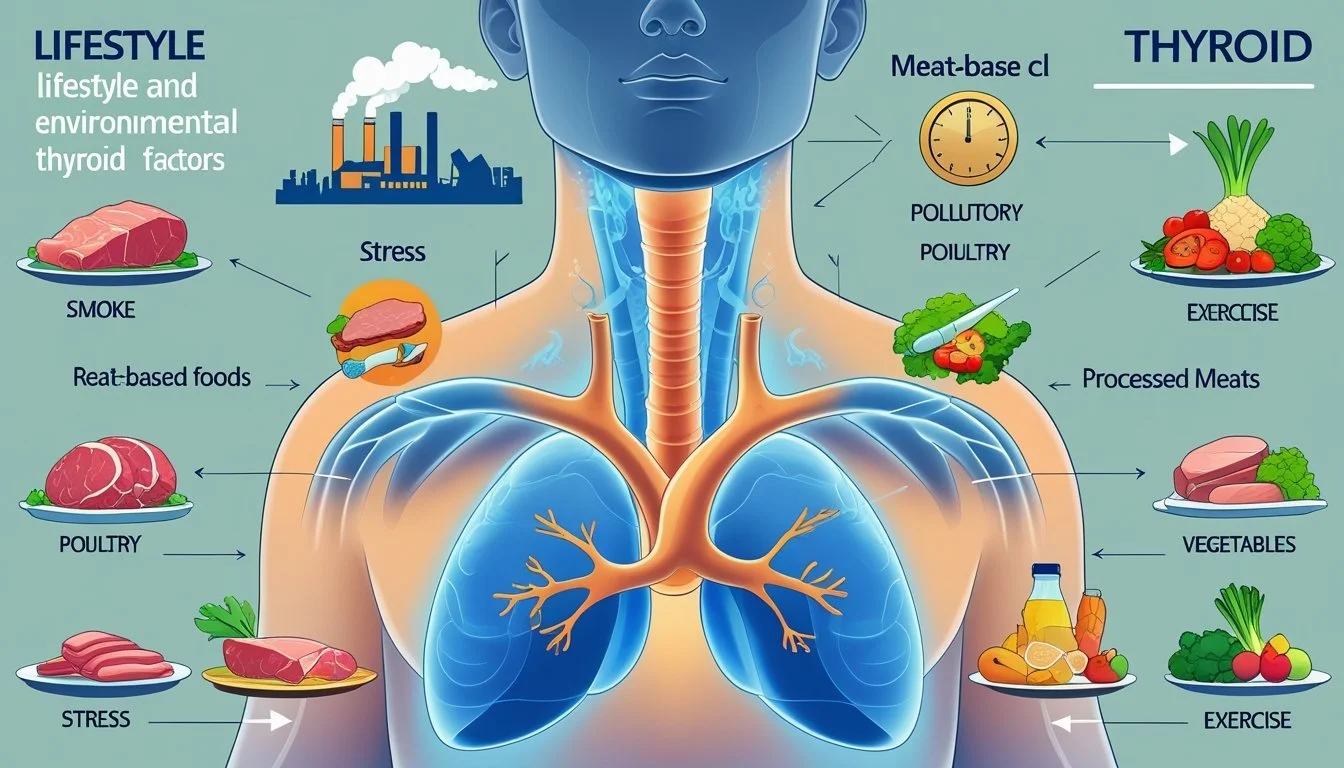
Several common lifestyle and environmental exposures can influence thyroid health through complex biochemical and endocrine pathways. Select everyday factors—including what individuals consume and what they are exposed to—can affect thyroid hormone production and function.
Alcohol and Refined Sugar
High or chronic alcohol intake may suppress thyroid hormone synthesis and alter the conversion of thyroxine (T4) to its active form, triiodothyronine (T3). Research suggests that regular heavy alcohol use is linked with reduced thyroid volume and lower thyroid hormone levels. Occasional or low consumption tends to have a smaller impact, but even moderate intake is not without risk in those with predisposing thyroid issues or autoimmune diseases.
Refined sugar in the diet lacks essential nutrients needed for thyroid gland health and metabolism. Diets high in added sugars may contribute to inflammation, immune dysregulation, and weight gain—factors tied to altered thyroid function and increased risk of hypothyroidism. Excessive intake of sugary foods also impacts blood sugar balance, which can further disturb hormone regulation.
Substance Evidence–Thyroid Impact Key Considerations Alcohol Suppresses hormone synthesis Greater risk for heavy, chronic use Refined sugar Linked to inflammation, immune stress Highest risk with high-sugar diets
Tip: Lowering both alcohol and refined sugar is recommended for supporting a stable thyroid environment, especially for those concerned about or at risk for thyroid dysfunction.
Sunscreen and Fluoride
Sunscreens generally block ultraviolet (UV) radiation, protecting against skin cancer. However, certain chemical UV filters, such as oxybenzone and octinoxate, have raised concerns due to their estrogen-like endocrine-disrupting properties. Evidence is still emerging, but some animal and cellular studies suggest these chemicals can interfere with thyroid hormone signaling when absorbed in significant quantities. Most studies have not indicated substantial effects in normal human use, but those with thyroid sensitivity may wish to opt for mineral-based sunblocks like zinc oxide.
Fluoride is widely found in tap water and dental products. At typical exposure levels, fluoride is considered safe by public health agencies. However, chronic high intake—for example, from over-fluoridated water or excessive use of supplements—may reduce thyroid hormone secretion and raise TSH (thyroid-stimulating hormone). This effect is most pronounced in individuals with preexisting low iodine status, as iodine is essential for thyroid hormone synthesis.
To reduce potential risks, individuals can monitor their choice of sunscreen ingredients and be aware of their total fluoride exposure, particularly if living in regions with fluoridated water and using additional fluoride-containing products.
Dietary Recommendations for Optimal Thyroid Health
A healthy thyroid relies on an appropriate balance of key nutrients and carefully managed dietary habits. Choice of food sources and patterns can significantly influence thyroid health and function, especially when adhering to meat-based diets.
Building a Balanced Diet
A balanced diet for thyroid health should prioritize quality protein, a variety of vegetables, and important micronutrients. Lean meats, fish, and eggs offer high-quality protein, while non-starchy vegetables supply fiber and antioxidants to support metabolic and immune functions.
Key micronutrients necessary for thyroid hormone production and regulation include iodine, selenium, zinc, and iron. The table below summarizes their sources:
Micronutrient Function Animal Sources Plant Sources Iodine Hormone synthesis Fish, dairy, eggs Seaweed Selenium Antioxidant, hormone conversion Eggs, fish, dairy Brazil nuts Zinc Hormone production Red meat, poultry Pumpkin seeds Iron Oxygen transport, hormone making Red meat, liver Lentils, spinach
Minimizing added sugars and refined carbohydrates also supports stable energy and hormone levels. Including moderate healthy fats like olive oil or fatty fish aids hormonal balance without excess saturated fat intake.
Personalizing Nutrient Intake
Nutrient needs vary by individual factors such as age, gender, and underlying thyroid conditions. Regular thyroid function testing and individual nutritional assessments are necessary for safe diet planning, especially if following restrictive regimens like meat-based diets.
People with hypothyroidism may require more iodine but should avoid excess, while those with autoimmune thyroid disorders must moderate iodine and selenium intake to prevent adverse effects. Collaboration with a healthcare provider can help tailor dietary plans, ensuring sufficient intake of critical micronutrients and overall energy needs.
Special attention should be paid to any symptoms of deficiency or signs of nutrient imbalance. Adjustments may be needed based on response to dietary changes and professional guidance.

