
Understanding Essential Electrolyte Balance
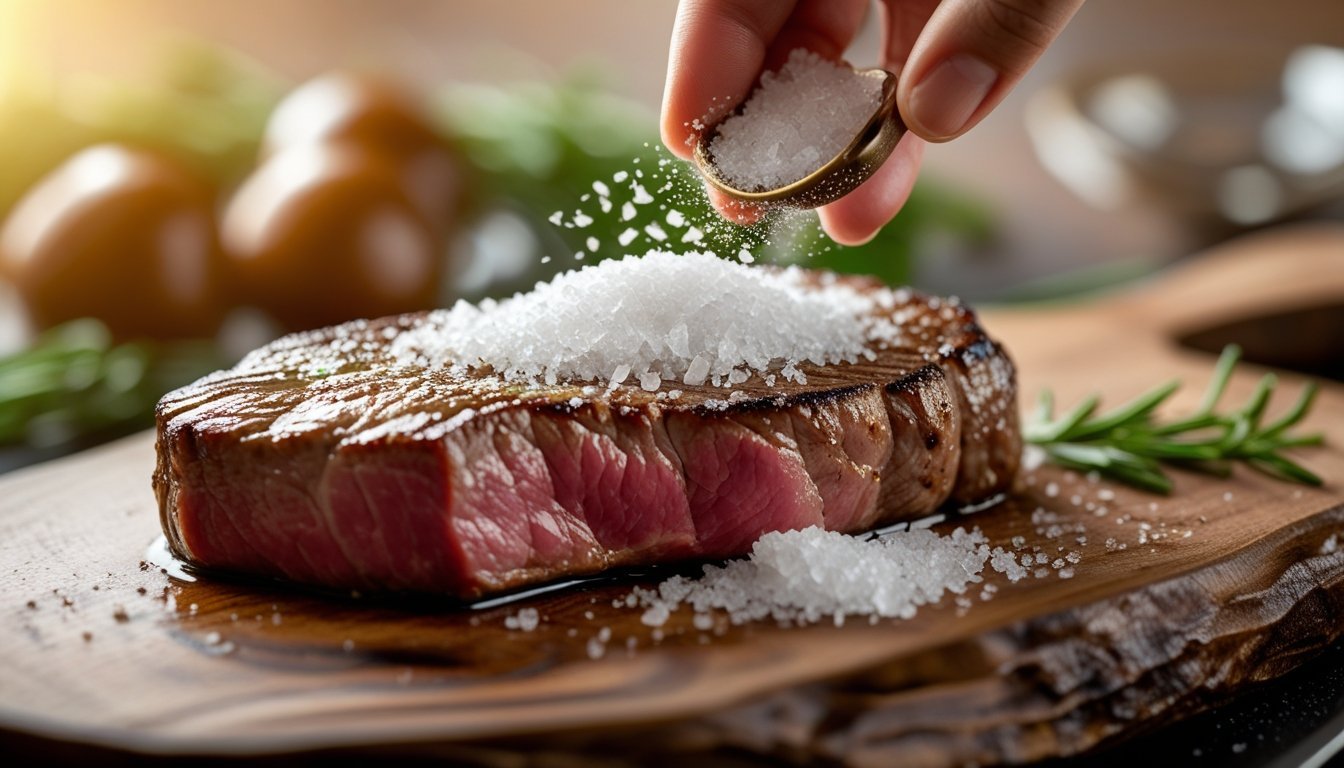
People following a carnivore diet often need more sodium than those eating a mixed or standard diet. When carbohydrate intake drops, insulin levels fall, which causes the kidneys to excrete more sodium. Without enough sodium, individuals may experience fatigue, headaches, and other symptoms commonly referred to as the “carnivore flu” or “keto flu.”
Many people new to this way of eating are surprised by how quickly sodium levels can drop. Adding salt or electrolyte sources can help support energy levels, hydration, and overall well-being while adapting to a diet that’s high in animal-based foods.
Understanding the Carnivore Diet
The carnivore diet centers on animal foods while excluding plants and carbohydrates almost completely. Followers focus on nutrient density, unique metabolic effects, and the simple approach of a meat-based diet compared to other low-carb plans.
What Is the Carnivore Diet
The carnivore diet is a nutritional approach that consists almost entirely of animal-based foods. This means people eat meat, fish, eggs, and some animal fats or dairy, but avoid vegetables, fruits, grains, legumes, and sugars.
The main goal is to get calories and nutrition from foods like beef, pork, chicken, fatty fish, and sometimes organ meats. There is little to no plant matter consumed. This diet often appeals to those looking for simplicity or interested in how animal foods affect their health.
Some may include low-lactose dairy such as hard cheese or butter, but strictly, it’s just animal flesh and fat. Eating only animal-derived foods places this diet at the extreme end of low-carb strategies that focus on eliminating most dietary carbohydrates and fiber.
Key Principles of a Meat-Based Diet
The foundation of a meat-based diet is the belief that animal foods supply all essential nutrients for humans when appropriately selected and consumed. Prioritization of protein from red meat, fish, poultry, and eggs ensures adequate amino acids and micronutrients such as iron, zinc, and vitamin B12.
A carnivore approach also encourages eating animal fats for energy, rather than relying on carbohydrates or plant oils. Meals are usually centered around large cuts of meat, and organ meats may be added for their concentration of vitamins like vitamin A and minerals such as copper.
Electrolyte management, including close attention to sodium intake, is critical due to shifts in kidney function and water balance that often occur when carbohydrates are excluded. Food variety is typically less than in other diets, making correct food selection especially important to prevent nutrient gaps.
Differences From Other Low-Carb Diets
While the carnivore diet is low in carbohydrates, it is more restrictive than other low-carb diets such as keto or Atkins. Those diets generally allow for some vegetables, berries, nuts, and plant-based fats, while carnivore excludes nearly all non-animal foods.
A key difference is that most low-carb plans include a range of macronutrients, sometimes focusing on high dietary fat, while carnivore strictly emphasizes animal-derived nutrition. There is no allowance for grains, seed oils, or even most processed meats with additives or sugars.
Table: Comparison of Carb Content
Diet Type Allowed Carb Sources Typical Daily Carbs Carnivore None (except from animal food) ~0-2g Keto Some veggies, nuts, berries 20-50g Atkins Limited grains, more plants 20-100g+
This all-animal approach was popularized more widely after 2021, with proponents claiming unique metabolic effects and digestive ease compared to mixed low-carb diets. However, the focus on meat means specific nutritional and electrolyte needs must be carefully considered.
Importance of Sodium for Carnivores
Sodium is a critical electrolyte, regulating various bodily functions and supporting muscle, nerve, and fluid balance. Those following a carnivore diet may require greater sodium intake due to dietary and physiological shifts compared to omnivores.
Role of Sodium in Human Health
Sodium plays a key role in maintaining fluid balance throughout the body.
It is essential for proper nerve transmission and muscle contraction, making everyday physical and metabolic processes possible. Without enough sodium, symptoms such as fatigue, muscle cramps, headaches, and confusion can occur.
Sodium also supports normal blood pressure and helps manage the body's acid-base balance. It is lost in sweat and urine, which makes regular replenishment important for sustained health and well-being. Both deficiency and excess are risky, highlighting the need for an appropriate intake.
Function Effect without Sodium Fluid Balance Dehydration Nerve Function Impaired signaling Muscle Contraction Weakness, cramps
Why Carnivores Have Higher Sodium Needs
On a carnivore diet, carbohydrate intake is extremely low. Lower carbohydrates cause insulin levels to fall, which signals the kidneys to excrete more sodium and water.
This increased excretion of sodium can lead to a higher risk of electrolyte imbalances. Many who adopt carnivore eating patterns notice symptoms such as dizziness or rapid fatigue if sodium is too low.
Additionally, meat-based diets often lack plant sources of potassium and magnesium, making sodium support even more critical. Ensuring enough sodium intake can help prevent symptoms like low energy and dehydration that are common in the early stages of strict carnivore diets.
Comparing Carnivore and Omnivore Sodium Requirements
People on omnivorous diets typically consume more carbohydrates, which promote sodium retention through insulin activity.
Carnivores, in contrast, have to account for more frequent sodium loss due to low carb intake and the resulting hormonal changes. This often means they may require a higher daily intake of salt compared to omnivores to maintain optimal health.
For many, general guidelines for sodium intake may not suffice on a carnivore diet. Adjusting salt requirements is often necessary to support health and well-being when eating only animal products. Individual needs can vary, and regular monitoring of symptoms and hydration can help fine-tune sodium consumption.
Sodium and Electrolyte Balance
Sodium plays a direct role in regulating hydration, supporting nerve signals, and maintaining muscle function. The interaction of sodium with other key electrolytes, such as potassium and magnesium, influences the body's ability to retain fluids and prevent imbalances during dietary changes.
Sodium as an Essential Mineral
Sodium is a primary electrolyte that the body needs to support nerve transmission, muscle contractions, and overall cellular function. On a carnivore diet, carbohydrate intake drops significantly, leading to lower insulin levels. This shift causes the kidneys to excrete more sodium, increasing daily needs.
Without sufficient sodium intake, individuals may experience symptoms like fatigue, headaches, or muscle cramps. Animal-based diets, especially lean meats, can be naturally low in sodium unless extra salt is added. Because processed foods are absent, intentional sodium supplementation becomes important to keep levels adequate for health and performance.
Interplay of Sodium, Potassium, and Magnesium
Sodium, potassium, and magnesium work in tandem to maintain overall electrolyte balance. Sodium helps regulate fluid movement, while potassium balances sodium's effects, aiding in normal heart and muscle activity. Magnesium, though needed in smaller amounts, supports over 300 enzyme reactions, many of which involve sodium and potassium function.
An imbalance in one electrolyte can cause downstream effects in the others. For example, excess sodium loss without enough potassium or magnesium intake may lead to dehydration, muscle weakness, or irregular heart rhythms. Individuals on restrictive or low-carb diets need to pay closer attention to maintaining all three electrolytes, not just sodium alone.
Key Electrolytes and Their Roles
Electrolyte Main Function Dietary Source (Carnivore) Sodium Fluid balance, nerve impulse Added salt, organ meats Potassium Nerve function, muscle contraction Red meat, organ meats Magnesium Enzyme support, muscle relaxation Organ meats, seafood
Impact on Fluid Balance and Hydration
Sodium is central to controlling water distribution in and out of cells. As carbohydrate intake decreases, stored glycogen (which holds water) also drops, leading to faster fluid loss through increased urination.
Low sodium can worsen dehydration and reduce blood volume, causing dizziness or lowered exercise performance. Proper sodium intake supports healthy blood pressure and stabilizes hydration, especially during the early stages of a carnivore diet. Monitoring thirst and considering electrolyte-rich foods or supplements helps maintain optimal hydration and bodily function.
Symptoms of Inadequate Sodium Intake
When sodium intake falls below the body’s needs, several noticeable symptoms can occur. These signs often become more apparent on low-carb diets like carnivore, where sodium loss increases.
Fatigue and Low Energy Levels
Low sodium can lead to persistent fatigue that doesn't resolve with rest. This tiredness is tied to disruptions in fluid balance and nerve function, both of which depend heavily on sufficient sodium levels.
Energy dips, sluggishness, and poor stamina are especially common as the body's cells struggle to maintain proper hydration and function.
Key impacts include:
Reduced physical endurance during workouts
Early exhaustion during daily activities
Prolonged recovery times
People might also notice a lack of motivation or persistent feelings of heaviness. These issues can often improve once sodium intake is normalized.
Muscle Cramps and Weakness
Muscle cramps are a frequent sign that sodium is too low. Sodium is required for muscle contraction and relaxation. When its levels drop, it becomes much easier for muscles to spasm or seize up unexpectedly.
Symptoms include:
Sudden cramping during exercise or even at rest
Ongoing muscle twitching or tingling
General weakness, especially in the legs or arms
Muscle weakness may make tasks like climbing stairs or carrying groceries more difficult. Proper sodium levels support healthy muscle performance and help prevent these issues on a carnivore diet.
Dizziness, Headaches, and Brain Fog
Dizziness often shows up when sodium falls, particularly when moving from sitting to standing. This happens because sodium is essential in maintaining steady blood pressure and adequate blood flow to the brain.
Headaches can develop as a direct result of electrolyte imbalances. The lack of sodium disrupts brain cell function, leading to pain or a sense of pressure.
Brain fog—a feeling of confusion, poor focus, or mental fatigue—is another frequent concern. People may struggle to concentrate or remember details. Replenishing sodium typically helps restore mental clarity and improve these symptoms.
How Meat-Based Diets Influence Sodium Needs
A meat-based diet changes the way the body handles sodium by reducing processed food intake, restricting carbohydrates, and shifting how electrolytes are regulated. These changes make sodium requirements different from those on mixed or plant-based diets.
Limited Processed Foods and Sodium Content
Meat-based diets usually exclude most processed foods, which are often the biggest source of sodium in modern diets. Fresh meat contains sodium but at much lower levels than packaged snacks, canned goods, or restaurant meals.
Switching from a standard diet high in processed foods to a carnivore plan typically results in a sharp drop in daily sodium intake. This reduction can leave some individuals with lower sodium levels than they are accustomed to, especially if they do not purposefully add salt to their food.
Because the natural sodium content of fresh meat is often not sufficient to replace what was previously consumed from processed foods, those following a strict meat-only diet may find they need to supplement with salt. This approach helps avoid symptoms such as fatigue, headaches, and muscle cramps that can result from sodium deficiency.
Impact of Carbohydrate Restriction
Carnivore and other all-meat diets are nearly absent of carbohydrates. Low carbohydrate intake leads to a significant decrease in insulin production.
When insulin levels fall, the kidneys begin to excrete more sodium and water. This increases the risk of sodium depletion, sometimes referred to as "low-carb flu" or "keto flu," which often includes fatigue, dizziness, and muscle weakness.
For individuals on a meat-based diet, this process means dietary sodium needs are higher than expected. Adequate salt consumption becomes essential to maintain hydration and normal bodily functions since less sodium is retained in the body compared to diets that include carbohydrates.
Effect on Electrolyte Losses
Reduced carbohydrate intake shifts fluid and electrolyte balance throughout the body. The increased sodium loss through urine raises the risk of developing an electrolyte imbalance, particularly in sodium but potentially also in potassium and magnesium.
People eating only meat may sweat out more sodium—especially in hot or humid environments—while also losing more through urine. This adds to the challenges of keeping sodium at optimal levels.
Careful attention to electrolyte balance is necessary on a carnivore diet. Monitoring sodium intake and replenishing it as needed helps prevent issues like dehydration, lightheadedness, and other symptoms linked to electrolyte disturbances.
Sources of Dietary Sodium for Carnivores
Sodium is an essential mineral that supports hydration and nerve function, especially on a carnivore diet where carbohydrate intake is minimal. It can be sourced through animal foods, added salts, and supplementary options tailored to individual needs.
Natural Sodium in Animal Foods
Animal products provide sodium in varying amounts, depending on the cut, species, and preparation method. Red meats like beef and lamb contain moderate sodium levels, while seafood tends to be higher, especially shellfish.
Organ meats, such as liver and kidney, are also notable for their sodium content and can be included regularly for added minerals. Eggs supply a small amount of sodium and can contribute to daily intake when eaten in quantity. Cheese, especially hard cheeses, is naturally higher in sodium, though those following strict carnivore may wish to select unprocessed varieties.
Eating a mix of different animal foods helps cover a moderate portion of sodium needs, but sodium loss through urine can increase on low-carb diets, which may leave natural sources insufficient.
Adding Salt: Sea Salt, Himalayan Pink Salt, and More
Supplementing with added salt is common among those on a carnivore diet. Sea salt and Himalayan pink salt are two popular options due to their trace mineral content and taste. Many also use high-quality, unrefined salts such as Redmond Real Salt, which is unbleached and minimally processed.
Table salt is effective for increasing sodium chloride intake, but specialty salts may provide a broader spectrum of trace minerals like magnesium, calcium, and potassium. It’s important to use salt to taste and monitor for signs of overuse, such as excessive thirst or bloating.
Sprinkling salt on cooked meats, eggs, or homemade carnivore dishes is the simplest way to manage intake. Those sensitive to sodium should track their consumption and consult with a healthcare provider as needed.
Using Bone Broth and Electrolyte Supplements
Bone broth is a practical source of sodium and other electrolytes, such as potassium and magnesium. Slow-simmered from bones and connective tissues, homemade bone broth can be salted as desired and consumed daily to support hydration.
Electrolyte supplements are widely available as powders or tablets, formulated to provide a balanced mix of sodium, potassium, and magnesium. These can be especially useful for athletes, those experiencing symptoms of low sodium, or people exposed to heat or high activity levels.
Using bone broth and electrolyte supplements ensures more controlled and reliable sodium supplementation without significantly altering the diet. Reading labels and choosing products with minimal additives helps avoid unwanted ingredients.
Lifestyle Factors That Increase Sodium Requirements

Certain habits and environmental conditions can make a significant difference in how much sodium a person following a carnivore diet needs. Increased activity, heat exposure, and specific physiological changes all impact daily sodium losses and overall requirements.
Exercise and Activity Level
Physical activity directly increases the body’s demand for sodium. When people engage in moderate to intense exercise, they lose sodium through sweat, especially during longer sessions. Active individuals may require more sodium than those with sedentary lifestyles to prevent symptoms like muscle cramps, headaches, and fatigue.
Maintaining electrolyte balance is especially critical on low-carb diets such as carnivore, where the body's baseline sodium retention is lower. During intense activity, sodium supports muscle function, nerve signaling, and hydration status. Failing to replace sodium loss after workouts can lead to dehydration and impaired performance.
Key considerations:
The longer and more intense the activity, the more sodium is lost.
Endurance athletes and those who exercise daily often require substantially higher sodium intake.
Even short but intense physical activity may warrant increased sodium.
Sweating and Hot Climates
Sweating is the body's main way to cool itself, but it comes at the cost of sodium and fluid loss. In hot and humid environments, sweat rates increase significantly, leading to higher sodium excretion. This effect is more pronounced for people who spend a lot of time outdoors or work in high-temperature conditions.
In these climates, daily sodium needs can increase beyond typical recommendations, even without vigorous exercise. People may notice early signs of sodium depletion such as dizziness, lightheadedness, or muscle twitching. This risk is higher for those on a carnivore diet since their bodies retain less sodium compared to high-carb diets.
Tips to manage sodium in hot climates:
Increase sodium intake during heat waves, outdoor activities, or when spending extended time in saunas.
Monitor for signs of dehydration, such as dry mouth or dark urine.
Other Physiological Factors
Certain physiological conditions can also raise sodium requirements. For example, individual differences in sweat rate, body size, and metabolism affect how much sodium is lost and required. Illnesses causing diarrhea or vomiting rapidly increase sodium loss, making replenishment important.
Periods of transition to a carnivore diet can temporarily increase sodium and fluid loss as the body adapts and excretes excess water. People taking diuretics or with increased urination may experience similar effects.
Key factors that increase sodium needs:
Illness with fluid loss (vomiting, diarrhea)
Medications such as diuretics
Adaptation phases on very low-carb diets
Higher body mass or greater metabolic rates
Adjusting sodium intake to account for these physiological variables helps maintain proper hydration, nerve function, and overall well-being.
Sodium, Health Risks, and Benefits
Sodium intake influences several crucial physiological processes, especially for those on a carnivore diet. It affects blood pressure regulation, bone mineral balance, and cardiovascular risk.
Managing Blood Pressure and Hypertension
Sodium plays a direct role in controlling blood pressure. For people following a high-protein, low-carbohydrate diet like carnivore, sodium losses can be greater due to lowered insulin, which tells the kidneys to excrete more sodium.
Low sodium intake may cause symptoms such as fatigue, dizziness, and persistent headaches. In contrast, consuming too much sodium can elevate the risk of hypertension.
Some individuals on the carnivore diet may need to add additional sodium to offset urinary loss and maintain normal blood pressure. 5 grams, or about 1 teaspoon per day, is a commonly suggested minimum, but individual needs can differ. Monitoring blood pressure regularly helps ensure safe sodium levels.
Bone Health and Calcium Regulation
Sodium and calcium balance are tightly linked in the body. High sodium intake can increase urinary calcium excretion, which might negatively impact bone mineral density if calcium intake is low.
However, animal foods typically provide substantial calcium, phosphorus, and other minerals. This can support bone structure and may offset the risks of higher sodium intake.
For people eating mainly meat, careful management of both sodium and calcium can be practical:
Ensure enough dietary calcium, especially if sodium intake rises.
Regularly assess for symptoms of muscle cramps or bone pain.
Maintaining this balance helps protect bone health without compromising other bodily functions.
Heart Disease and Sodium Levels
Sodium’s impact on heart disease risk remains controversial. High sodium intake has been linked to increased rates of heart disease in the general population, mainly due to raised blood pressure and potential vascular damage.
Individuals consuming a carnivore diet often consume more saturated fat, another factor in heart health. When sodium intake is excessive, especially alongside high fat intake, cardiovascular risk may increase.
For those on a carnivore diet, it’s essential to:
Track sodium intake,
Monitor cholesterol and other heart disease risk markers,
Adjust sodium if symptoms of hypertension arise.
Moderate sodium, in combination with regular health check-ups, supports better cardiovascular outcomes.
Recognizing and Addressing Sodium Deficiency
Sodium plays a vital role in fluid regulation, muscle contraction, and nerve function, especially on a low-carb or carnivore diet. Inadequate intake or excessive loss can quickly result in noticeable physical symptoms and potential health risks.
Common Signs and Symptoms
One of the most immediate effects of low sodium is fatigue. Individuals may also experience persistent headaches, nausea, or trouble focusing.
Muscle weakness or cramps are common, particularly after physical activity. Other warning signs include dizziness, rapid heart rate, and in some cases, low blood pressure.
Careful attention to these symptoms is essential, especially when adjusting to a new diet. Severe sodium deficiency can increase risk of dehydration and lead to more serious complications if left unaddressed.
Nutritional Deficiencies and Irregular Heartbeat
A lack of sodium can contribute to broader nutritional deficiencies. Sodium is necessary for proper absorption of nutrients, such as glucose and certain amino acids. These deficiencies can, in turn, impact overall metabolic health.
Sodium also supports proper muscle contraction, including the heart muscle. Inadequate sodium may cause irregular heartbeat (arrhythmia), which can feel like sensations of skipped or rapid heartbeats. This risk is heightened during periods of increased fluid loss, such as sweating or urination.
Some people may also experience confusion, mood changes, or irritability when sodium levels are severely low. This is due to sodium's effect on nerve function and cellular balance.
Strategies to Prevent Electrolyte Imbalance
Monitoring sodium intake is crucial. On a carnivore diet, insulin levels are lower, prompting the kidneys to excrete more sodium.
To counteract this loss:
Increase dietary sodium: Use salt liberally in cooking and consider adding it to water if needed.
Track intake: Adults on a carnivore diet may require 5-7 grams of sodium daily, more than the general population.
Watch for signs: Be alert to muscle cramps, headaches, and nausea as early indicators of imbalance.
Consult tests: Blood or urine tests ordered by a healthcare provider can provide precise feedback on sodium status.
Proper hydration and regular monitoring help maintain electrolyte balance and reduce risk of complications.
Best Practices for Managing Salt Intake on a Carnivore Diet
Salt consumption on a carnivore diet requires careful attention, as the absence of processed foods and plant-based sources may lead to a greater need for sodium. Making informed choices about both quantity and type of salt can help prevent common issues such as fatigue, muscle cramps, and electrolyte imbalances.
Personalizing Sodium Consumption
Salt intake needs vary from person to person, depending on age, sex, physical activity, and existing health conditions. Recommendations for individuals on a carnivore diet generally range from 2 to 5 grams of sodium per day, though this may need to be adjusted if symptoms like headaches, low energy, or cramping occur.
People with hypertension, kidney concerns, or sensitivities should consult a healthcare provider before increasing salt intake. Monitoring for warning signs of both too little (fatigue, muscle weakness) and too much sodium (swelling, high blood pressure) can be useful.
Tracking salt consumption can be simplified by using a food diary or a tracking app. It may be helpful to start at the lower end of the range and gradually increase intake if no adverse symptoms appear. Regular blood pressure checks can help evaluate personal tolerance levels.
Selecting the Right Salt Types
Choosing high-quality salt sources can benefit health more than relying solely on conventional table salt. Common options include:
Type Key Features Table Salt Iodized, widely available, uniform grain Sea Salt Trace minerals, mild flavor Himalayan Salt Contains iron and other minerals, pink hue
Sea salt and Himalayan salt offer additional trace minerals not found in standard table salt. However, the World Health Organization highlights that all salt types are primarily sodium chloride, so the differences in mineral content are often minor.
Storing salt in airtight containers helps preserve freshness and prevent clumping. Always verify sodium content per serving on packaging, especially for specialty salts, as these amounts can differ. Balancing variety may provide a broader spectrum of minerals, but the total daily sodium intake remains the most important factor for health.