
Assessing Real Risks vs Misconceptions

Vitamin A toxicity from liver is a real risk, not just a myth, especially when liver is consumed in excessive amounts. While liver is packed with nutrients and is one of the richest natural sources of vitamin A, consistently eating large servings may cause vitamin A to build up in the body to harmful levels.
Symptoms of vitamin A toxicity can include headaches, nausea, skin changes, and even more serious effects like blurred vision or bone problems. People interested in maximizing their nutrient intake often turn to liver, but understanding the balance between benefit and risk is essential.
Concerns about liver causing vitamin A toxicity have been discussed by medical sources and nutrition experts, reflecting real instances where very high Vitamin A intake led to health complications. Knowing how much liver is safe to eat can help individuals enjoy its health benefits without risking overdose.
What Is Vitamin A?
Vitamin A is a fat-soluble nutrient that the human body cannot produce on its own. It is essential for vision, immune defense, and many other biological functions. The body obtains vitamin A through both animal and plant sources, and its effectiveness as a nutrient depends on its form.
Forms of Vitamin A
Vitamin A exists in two main forms in the diet: preformed vitamin A and provitamin A.
Preformed vitamin A, mainly as retinol, is found in animal-based foods such as liver, fish, eggs, and dairy. It is readily used by the body without needing conversion.
Provitamin A compounds, mainly carotenoids like beta-carotene, are found in plants, especially in orange and leafy green vegetables. The body converts these carotenoids into active vitamin A, but conversion rates can vary depending on individual genetics and diet.
Table: Dietary Sources of Vitamin A
Form Food Source Example Preformed (Retinol) Animal-based Liver, eggs, milk Provitamin (Carot.) Plant-based Carrots, spinach
Retinoids and Carotenoids
Retinoids refer to the active forms of vitamin A, including retinol, retinal, and retinoic acid. The body uses these directly for processes such as vision and cellular health.
Carotenoids are a large group of plant pigments, but only some, like beta-carotene, alpha-carotene, and beta-cryptoxanthin, have vitamin A activity. Others, such as lycopene and lutein, do not contribute to vitamin A status.
The potency of provitamin carotenoids is measured in retinol activity equivalents (RAE). For example, it takes about 12 micrograms of dietary beta-carotene to equal 1 microgram of retinol in terms of activity.
Role of Vitamin A in the Body
Vitamin A plays a critical role in vision, especially in helping the eyes adjust to low-light conditions. It is also crucial for maintaining the health of the skin and mucous membranes, which serve as the body’s first line of defense against infection.
This vitamin supports normal immune function by keeping cells healthy and aiding in the development of white blood cells. It is also involved in cellular growth and differentiation, ensuring normal organ function and development.
Deficiency in vitamin A can lead to symptoms such as night blindness, weakened immunity, and in severe cases, irreversible eye damage. Both underconsumption and overconsumption of vitamin A have significant health consequences.
The Liver's Role in Vitamin A Metabolism
Vitamin A metabolism centers around the liver, where it is primarily stored, converted, and released into the bloodstream. Proper regulation is critical since excessive accumulation in the liver can result in toxicity and related health risks.
How Vitamin A Is Stored in the Liver
The liver acts as the main storage site for vitamin A, especially in the form of retinyl esters. Specialized cells called hepatic stellate cells are responsible for accumulating the majority of the body’s vitamin A reserves.
Most dietary vitamin A is delivered to the liver from the intestine after absorption. Here, it is converted into retinyl esters and kept in storage until the body needs it. High intake of vitamin A, such as from frequent consumption of animal liver, can overwhelm these storage sites.
If the reserves exceed safe thresholds, excess vitamin A can start to damage liver cells. Symptoms such as enlargement of the liver and jaundice may indicate emerging toxicity, especially with chronic overconsumption.
Liver Function and Vitamin A Transport
The liver controls when and how much vitamin A enters the circulation. When needed, the liver converts retinyl esters back into retinol, the active form, and binds it to retinol-binding protein (RBP) for safe delivery to tissues.
This release process prevents sudden and harmful spikes of vitamin A in the bloodstream. The coordination between storage, conversion, and transport ensures tissues receive a steady supply while reducing the risk of toxicity.
A compromised liver, due to conditions like hepatitis or cirrhosis, may disrupt this balance. Impaired liver function can reduce the body’s ability to regulate vitamin A, increasing the likelihood of adverse effects from excess intake.
Understanding Vitamin A Toxicity
Vitamin A toxicity, also called hypervitaminosis A, results from excessive intake over time or large single doses. Animal liver is a highly concentrated source of vitamin A, which can put some individuals at risk when consumed in large amounts.
Causes of Vitamin A Toxicity
Vitamin A toxicity usually develops when a person gets much more than the Recommended Dietary Allowance (RDA) of vitamin A. This often happens through eating large amounts of animal liver, taking high-dose vitamin A supplements, or using synthetic retinoids for medical purposes.
Animal liver contains preformed vitamin A (retinol), which the body absorbs easily and stores efficiently in fat tissues. Since vitamin A is fat-soluble, it accumulates in the liver and body fat, creating a risk for toxicity with repeated high intake.
Acute cases result from a single, very large dose—such as eating polar bear liver—while chronic toxicity develops gradually. Children, pregnant women, and people with liver disease are more susceptible to developing toxicity because their bodies either absorb more vitamin A or have difficulty metabolizing it.
Hypervitaminosis A Explained
Hypervitaminosis A refers to the range of harmful effects caused by excess vitamin A. Symptoms can include nausea, headache, dizziness, skin irritation, and blurred vision. In severe or chronic cases, bone pain, liver damage, and even osteoporosis can develop.
The underlying mechanism involves the accumulation of retinoic acid in tissues. Excessive retinoic acid disrupts normal cellular processes, damages liver cells, and impairs bone metabolism. Pregnant women with vitamin A toxicity have a higher risk of birth defects due to retinoic acid’s effect on fetal development.
Diagnosis often requires a detailed dietary history and blood tests. Reducing or stopping the intake of vitamin A-rich foods and supplements is essential for recovery. Children are most at risk because their bodies are less able to store and regulate vitamin A efficiently.
Dietary Liver Consumption: Myth or Real Danger?
Regular liver consumption provides a concentrated source of preformed vitamin A, but concerns exist about exceeding safe intake levels. Individual risk varies based on serving size, frequency, and personal health conditions, particularly for certain vulnerable groups.
Risk Factors for Vitamin A Toxicity from Liver
The liver is the highest natural source of preformed vitamin A (retinol). A single 100-gram serving can contain several times the daily requirement for adults. Eating large servings of liver or consuming it frequently, such as several times per week, greatly raises the risk of exceeding safe vitamin A limits.
Chronic high intake may overwhelm the body's ability to store and process vitamin A, leading to acute or chronic toxicity. Symptoms of toxicity can include headache, nausea, blurred vision, skin changes, and in severe cases, liver damage or failure.
Synthetic vitamin A and supplements also increase risk, especially when combined with dietary liver. Notably, toxicity is linked to preformed vitamin A, not plant-based carotenoids.
Populations at Higher Risk
Certain groups are more susceptible to liver toxicity from excessive vitamin A intake. Pregnant women are especially at risk, as high levels can cause birth defects. Young children have lower body reserves and can reach toxic levels quickly from even moderate liver consumption.
Individuals with alcoholic liver disease, chronic hepatitis, or other preexisting liver disorders face greater risk. Their already compromised livers are less able to handle additional vitamin A loads. People taking vitamin A supplements or drugs that interact with retinol metabolism should also limit liver consumption.
Older adults and those with fat absorption disorders may have different risks due to changes in metabolism or absorption capacity. Careful monitoring of total vitamin A intake is essential for these groups.
Symptoms and Signs of Vitamin A Toxicity
Vitamin A toxicity, or hypervitaminosis A, can develop quickly or over time, depending on the amount and frequency of intake. Symptoms may include a variety of specific physical and neurological effects, ranging from mild to severe.
Early Indicators
Early signs of excess vitamin A often appear within hours or days after consuming a large amount, such as from eating polar bear or large carnivore liver.
Common gastrointestinal symptoms may include:
Nausea
Vomiting
Loss of appetite
Abdominal pain or discomfort
Neurological symptoms can also develop, such as:
Headache
Drowsiness
Dizziness
Irritability
Mild skin changes, such as peeling or redness, can sometimes occur as an early warning. These symptoms can be mistaken for other illnesses, so awareness is critical, especially following liver consumption.
Acute Versus Chronic Toxicity
Acute toxicity typically results from a very high dose of vitamin A in a short period. Symptoms generally develop rapidly and may include severe headache, blurred vision, and muscular incoordination. Nausea and abdominal pain are typical in the acute stage, often within a few hours.
Chronic toxicity, by contrast, occurs when smaller excesses are ingested over weeks or months. Typical symptoms include dry, rough skin, cracked lips, and joint pain. Over time, more serious effects like liver damage may develop, sometimes without classic early warning signs.
It's important to note that both forms can impact children and adults, but children are especially vulnerable. In pregnant women, chronic excess may lead to birth defects.
Serious Health Consequences
Severe vitamin A toxicity can cause dangerous systemic effects. The liver is at particular risk, and long-term overconsumption can cause irreversible liver damage or even failure.
Elevated intracranial pressure is another critical complication, sometimes resulting in vision problems, confusion, or seizures. Chronic toxicity increases the risk of osteoporosis and bone fractures.
Birth defects are a well-documented risk when high levels of vitamin A are consumed during pregnancy. These may include abnormalities of the central nervous system, heart, and skeleton. Without intervention, unchecked toxicity can be life-threatening.
Assessing Safe Levels of Vitamin A Intake
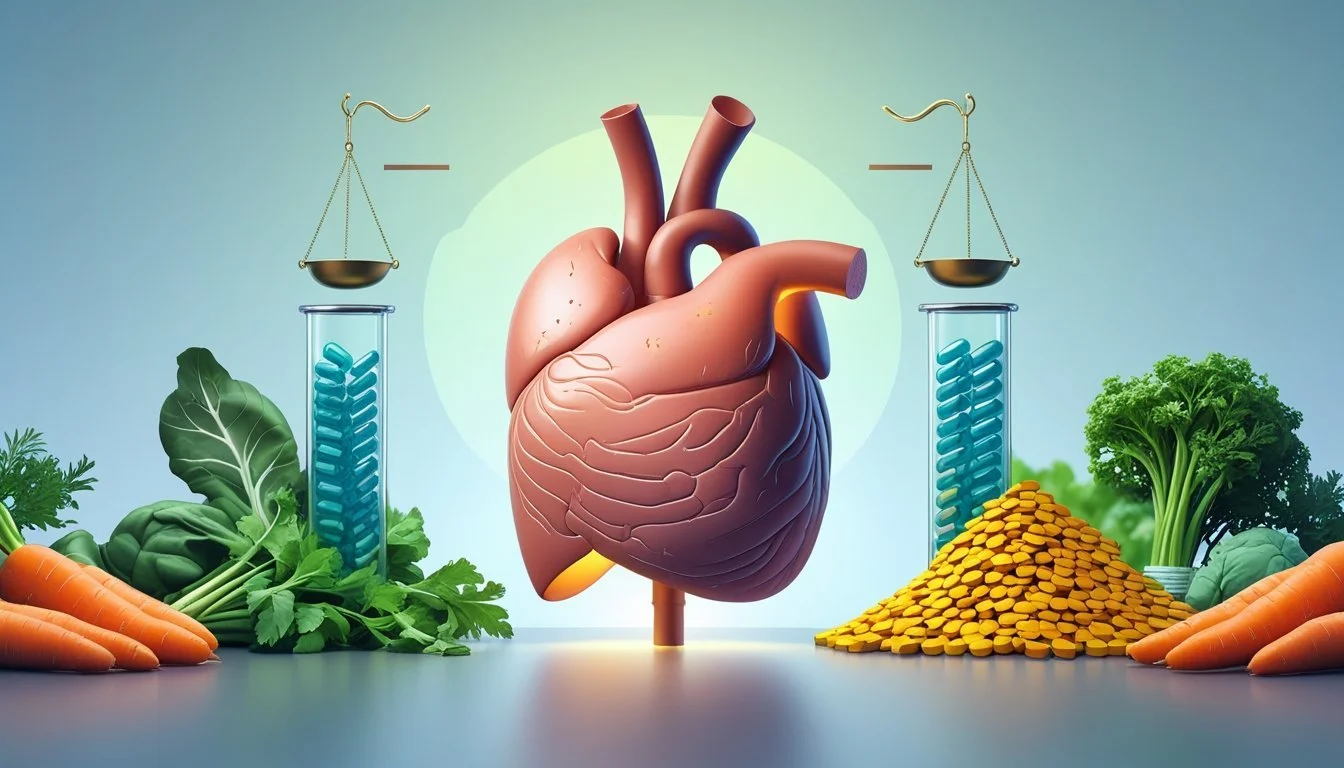
Vitamin A requirements can vary based on age, sex, and health status. Distinguishing between safe and potentially harmful intakes helps prevent both deficiency and toxicity.
Recommended Dietary Allowances
The Recommended Dietary Allowance (RDA) identifies the daily intake thought to meet the needs of nearly all healthy individuals. For adults, the RDA for vitamin A is 900 micrograms (mcg) retinol activity equivalents (RAE) per day for men and 700 mcg RAE per day for women.
Vitamin A can come as preformed vitamin A (retinol) from animal sources like liver, or as provitamin A carotenoids (such as beta-carotene) from plants. The body converts provitamin A carotenoids into active vitamin A, but not as efficiently as preformed vitamin A.
Infants, children, pregnant, and lactating women have specific needs, generally outlined by age and physiological status. The RDA considers typical mixed diets and bioavailability differences between food sources.
Tolerable Upper Intake Levels
The Tolerable Upper Intake Level (UL) is the highest daily intake unlikely to cause adverse effects in most people. For vitamin A, the UL for adults is 3,000 mcg RAE per day. This limit applies only to preformed vitamin A from animal sources or supplements, not to plant-based provitamin A carotenoids.
Chronic intake above the UL—often through high-dose supplements or frequent liver consumption—increases the risk of toxicity. Symptoms can include skin changes, headaches, and, in severe cases, liver damage or increased intracranial pressure.
Monitoring both total vitamin A intake and supplement use is crucial, especially for those consuming fortified foods or high-dose products. The UL does not apply to carotenoids found in fruits and vegetables, as their conversion is more regulated by the body.
Vitamin A Deficiency Versus Toxicity
Vitamin A is essential for vision, immune function, and maintaining skin and cellular health. Both deficiency and excess of this vitamin pose distinct health challenges, affecting populations differently depending on diet, access to supplements, and underlying health conditions.
Global Health Implications
Vitamin A deficiency is a major public health issue in many low- and middle-income countries. Children and pregnant women are especially vulnerable. Deficiency can lead to night blindness, increased susceptibility to infections, and higher mortality rates from diseases like measles and diarrhea.
On the other hand, vitamin A toxicity occurs more often in regions where vitamin A supplementation or consumption of animal livers is common. Symptoms of toxicity include headache, nausea, skin changes, and in extreme cases, liver damage. Chronic toxicity typically results from excessive intake over a prolonged period, not from typical dietary patterns.
Both extremes can disrupt immune function, either by leaving the body unable to fight infections (deficiency) or by causing inflammatory responses and organ strain (toxicity).
Balancing Intake for Health
Achieving the right intake of vitamin A requires careful consideration of dietary sources and individual needs. Preformed vitamin A, found in animal products like liver, is the form most likely to cause toxicity if eaten in excess. In contrast, plant-based provitamin A carotenoids, such as beta-carotene from carrots and sweet potatoes, pose very little risk of toxicity because the body regulates their conversion.
Clinical guidance usually recommends a daily vitamin A intake that avoids both deficiency and the threshold for toxicity (generally above 10,000 IU per day for adults). Regular monitoring for people at risk helps maintain a safe balance.
A summary table can illustrate key differences:
Feature Vitamin A Deficiency Vitamin A Toxicity Main Cause Poor intake/absorption Excess intake (supplements/liver) Populations at Risk Children, pregnant women Supplement users, high liver consumers Health Effects Night blindness, infection risk Headaches, liver damage Impact on Immune Function Increased infection risk Inflammatory responses
Medications, Supplements, and Special Cases
Certain medications and supplements can significantly impact vitamin A levels in the body. Individuals taking high-dose vitamin A or medications with similar effects are especially at risk for toxicities.
Isotretinoin and Drug-Induced Toxicity
Isotretinoin, a retinoid used in severe acne, is chemically related to vitamin A. It can cause similar symptoms to vitamin A toxicity when taken improperly or at high doses.
Common symptoms include:
Headache
Nausea
Joint pain
Skin changes
Liver function can be compromised with long-term use of isotretinoin or other retinoids. Patients on these medications may develop elevated liver enzymes or even jaundice if not monitored carefully.
Other drugs, such as certain prescription retinoids and vitamin A-based therapies, raise the risk of liver injury when combined with high dietary intake of animal liver or supplements. Medical supervision is essential for anyone on these therapies.
Monitoring Vitamin A While Supplementing
Supplements containing high-dose vitamin A, especially the preformed (retinol) type, can easily exceed safe limits. This is particularly true when combined with dietary sources rich in vitamin A, like liver.
Monitoring suggestions:
Regular blood tests for liver enzymes
Measurement of serum vitamin A levels, if indicated
Individuals with pre-existing liver conditions should avoid unnecessary supplementation, as they are more likely to experience adverse effects. Clear communication with healthcare providers helps to prevent accidental overuse and subsequent toxicity.
Guidelines suggest limiting intake from both supplements and animal sources to prevent cumulative toxicity. This is especially important for people who use over-the-counter vitamin A or multivitamin products without medical advice.

