
Exploring Alternative Life Support Systems
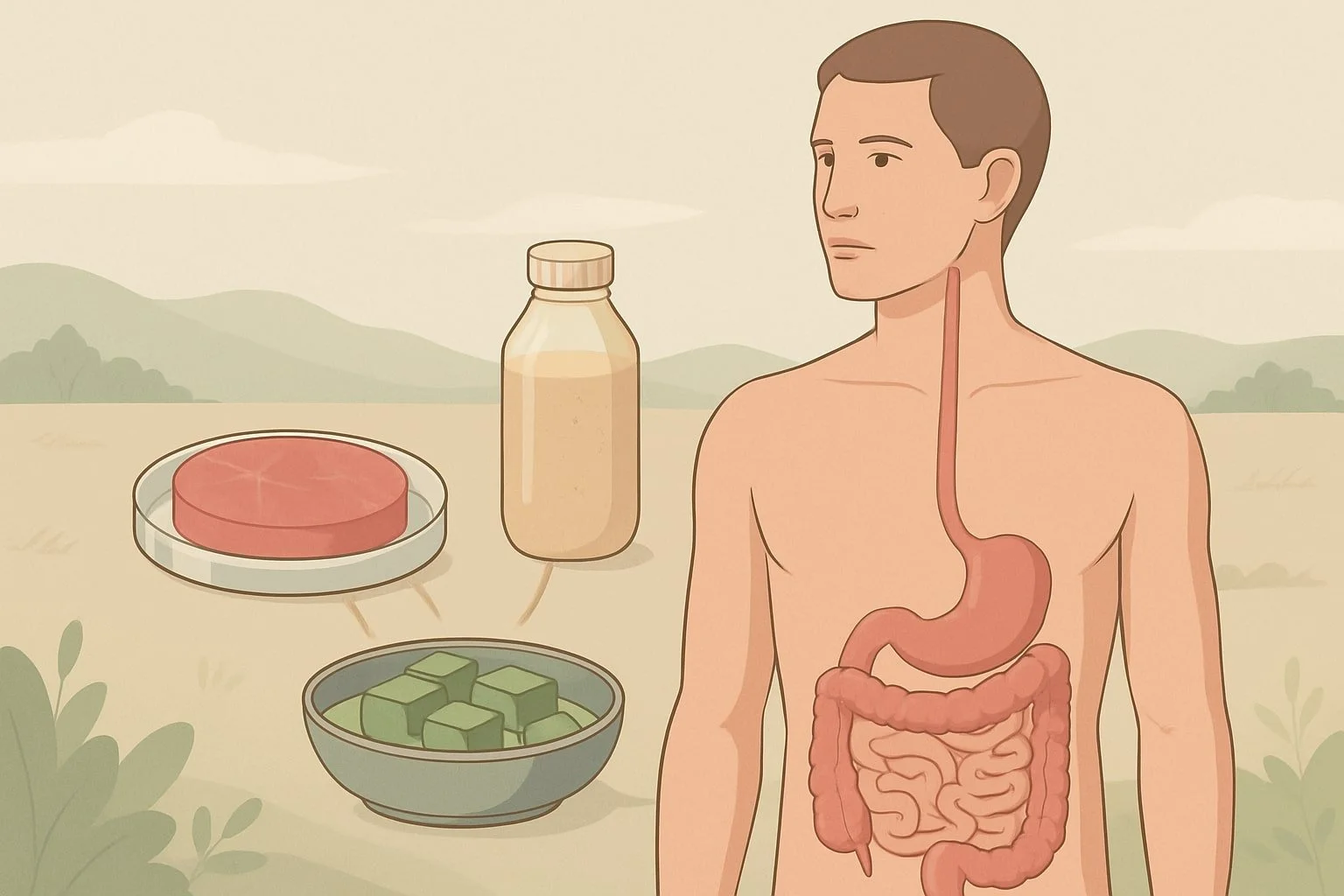
Despite common belief, plants are not absolutely necessary for human survival if all critical needs—such as food, energy, and oxygen—can be met through technological or synthetic alternatives. Advances in biotechnology, synthetic food production, and artificial oxygen generation suggest that, at least theoretically, a society could be sustained independently of natural plant life.
Many people associate plants with life itself, but it is possible to engineer substitutes for the roles plants traditionally play. Laboratory-grown foods, artificial photosynthesis, and manufactured nutrients can replicate essential processes once only performed by plants. This opens the door to reimagining survival without a reliance on forests, crops, or even green spaces as fundamental human requirements.
This perspective challenges long-standing assumptions about the relationship between humans and plants, prompting new questions about what is truly necessary for life and how technology might reshape those needs.
Understanding Human Survival Without Plants
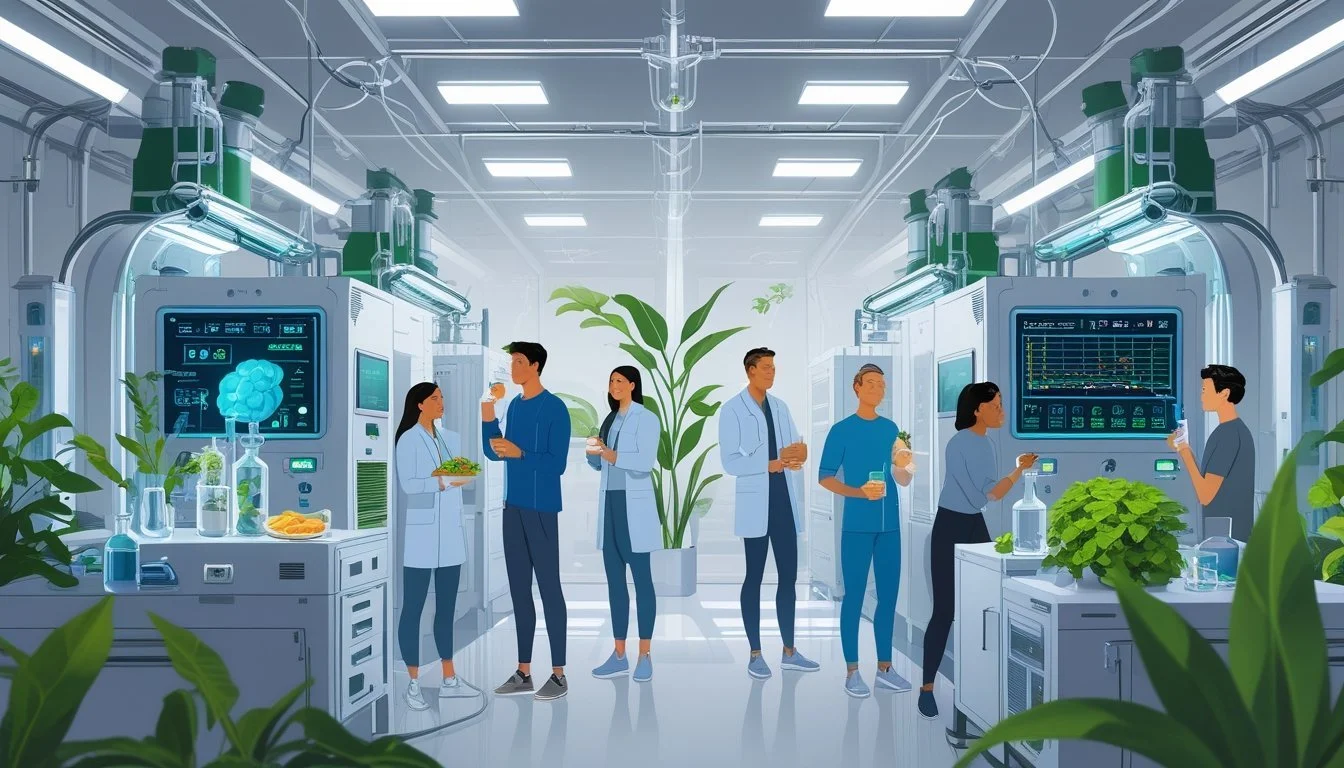
Assessing whether humans could survive without plants requires careful analysis of basic life needs, available scientific evidence, and examination of engineered alternatives for sustaining human environments. Examining human survival in a plantless context highlights essential biological requirements and forces consideration of both natural and artificial systems for life support.
Defining Human Survival Criteria
Human survival depends on a few critical requirements:
Oxygen for respiration
Food as a source of energy and nutrients
Water for hydration and metabolic processes
Protection from harmful environmental factors
Plants play a fundamental role in most of these areas. Through photosynthesis, they are the main source of atmospheric oxygen and form the base of nearly all food chains. In traditional ecosystems, plants directly or indirectly support all animal and human life by maintaining breathable air and providing nourishment.
A scenario without plants would remove these foundational pillars. Without plant-based oxygen and food, humans would have to rely entirely on technological substitutes. The challenge is not just survival but maintaining health and quality of life for any extended period.
Scientific Perspectives on Survival
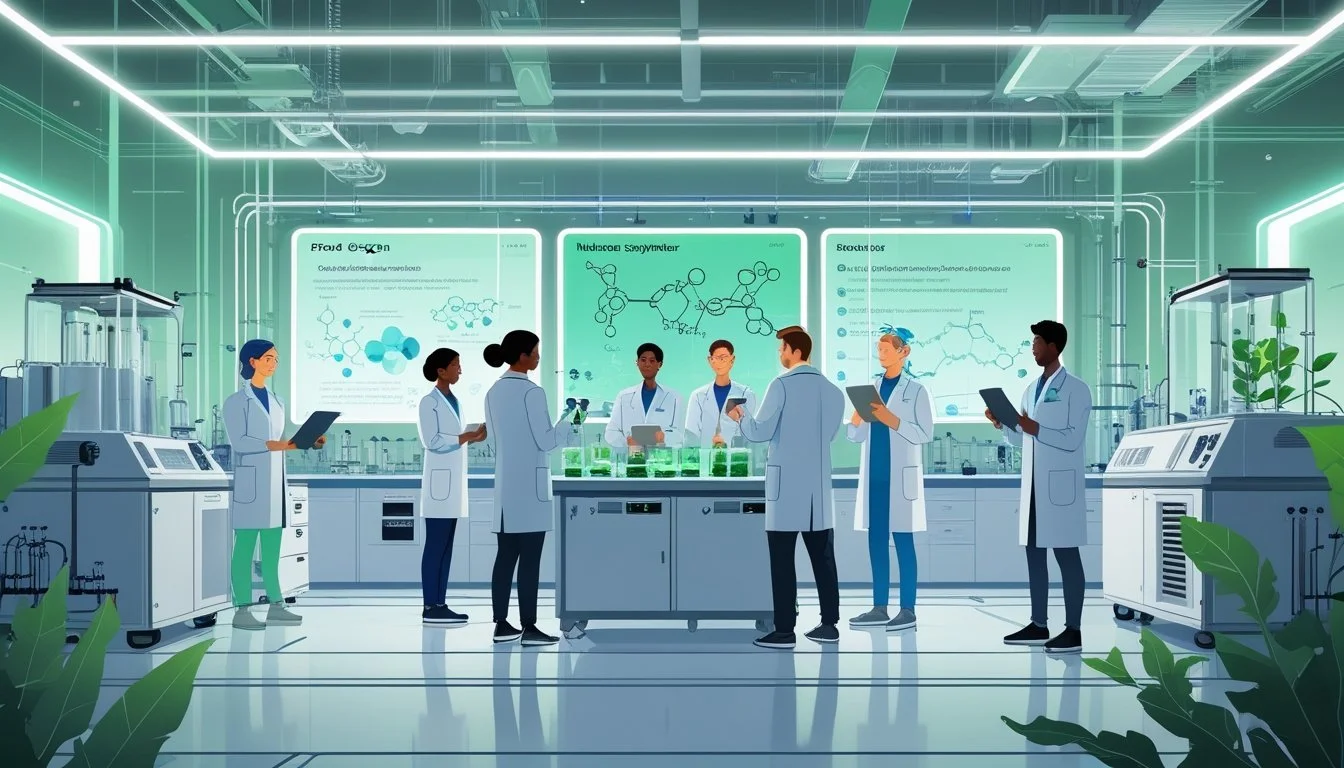
From a scientific standpoint, life support without plants is theoretically possible but extremely complex. Research into closed systems, like those developed for space missions, has shown that artificial methods can replicate certain plant functions. Oxygen generators using chemical processes and synthetic food production (such as lab-grown meat or algae) have demonstrated partial success in controlled environments.
However, plants offer unique advantages difficult to duplicate, such as efficient carbon dioxide removal and bioremediation of toxins. Scientific consensus indicates that, while short-term survival can be engineered, sustaining large human populations without any vegetation would face tremendous technical, financial, and ethical challenges. The interdependencies found in Earth's biosphere cannot be easily or fully replaced by technology.
Alternative Life Support Systems
Alternative life support systems aim to substitute plant functions using artificial or mechanical solutions. Key examples include:
Life Support Function Traditional Source Artificial Substitute Oxygen Production Plants Electrolysis, chemical reactors Food Supply Agriculture, plants Synthetic meat, lab-grown foods Waste Processing Plants, microbes Bioreactors, filtration systems
Algae bioreactors are sometimes proposed as alternatives; while algae are technically not plants, they perform similar photosynthetic functions. Other solutions include air revitalization systems and production of dietary protein in bioreactors.
Although these alternatives can theoretically provide what is needed to keep humans alive, their complexity and high resource requirements present significant obstacles. Scalability and reliability are ongoing concerns when compared to the naturally efficient and regenerative role of plants in sustaining human life.
The Role of Plants in Earth’s Ecosystem
Plants perform key ecological functions such as transforming sunlight into usable energy and maintaining atmospheric balance. Their presence affects the lives of countless species and shapes the natural environment in visible and measurable ways.
Plants and the Biosphere
Plants form the structural basis of terrestrial ecosystems. Forests, grasslands, and wetlands owe their physical composition and microclimate to the dominance of plant life. In each biome, plants define the availability of resources such as light, moisture, and nutrients, which directly impacts every other organism.
Through their roots and aboveground biomass, plants stabilize soil and reduce erosion. Their leaves capture rain, slowing water runoff and supporting groundwater recharge. Plant communities help determine local weather patterns by influencing humidity and temperature.
The global carbon cycle depends significantly on plants’ ability to store carbon and release oxygen. This capacity has important implications for global climate stability. In the absence of plant life, soils degrade, atmospheric carbon dioxide increases, and stable climates become much harder to sustain.
Photosynthesis and Oxygen Production
Photosynthesis is the process by which plants convert sunlight, water, and carbon dioxide into glucose and oxygen. This biochemical reaction is fundamental to Earth’s habitability. The vast majority of atmospheric oxygen is produced by green plants and phytoplankton.
A simple representation of the photosynthesis equation is:
Reactants Products CO₂ + H₂O + Light C₆H₁₂O₆ + O₂
This ongoing process not only maintains oxygen levels but also captures and stores energy, allowing ecosystems to function. Photosynthetic activity reduces carbon dioxide, influencing global temperatures and climate. Without plants, these cycles would collapse, leading to atmospheric and ecological instability.
Plants’ Influence on Biodiversity
The presence and diversity of plants set the foundation for all other life forms in an ecosystem. By offering shelter, food, and breeding sites, plants enable complex food webs and species interactions to emerge. Every patch of vegetation is a microhabitat supporting specific insects, birds, and mammals.
Plant diversity leads to greater ecosystem productivity and resilience. Areas with more types of plants typically support more animal species and recover more quickly from disturbances. The extinction or absence of certain plant species can severely diminish local biodiversity.
The balance and variety of plant life thus govern the survival and success of most other life on earth. Plant communities regulate conditions for bacteria, fungi, and animals, linking all forms of life through their central role in food webs and nutrient cycles.
Alternatives to Plant-Dependent Survival
Modern science and engineering have developed viable methods for meeting essential human needs in the absence of plants. Technologies focused on oxygen production, food creation, and environmental recycling now provide options beyond traditional plant-based support systems.
Artificial Oxygen Generation
Breathable air is essential for human respiration, and plants have typically provided oxygen through photosynthesis. It is now possible to generate oxygen artificially using chemical and mechanical processes. For example, electrolysis of water splits H₂O molecules into hydrogen and oxygen, producing clean oxygen for confined environments such as submarines and spacecraft.
Specialized filtration systems can also remove carbon dioxide and continually refresh air using molecular sieves, such as zeolites. These systems have been proven in the International Space Station, where reliance on plants is minimized. Below is a simple comparison:
Method Oxygen Production Rate Use Case Electrolysis High Spacecraft, labs Chemical Oxygen Candles Moderate Submarines, emergency Plant-based Variable Natural environments
Synthetic Food Sources
Human nutrition can be supplied through laboratory-created foods, bypassing the need for crop cultivation or animal grazing. Synthetic proteins and single-cell proteins from bacteria, yeast, or algae offer essential nutrients with minimal reliance on plant input.
Fermentation technology makes it possible to create carbohydrates and fats using engineered microbes. Cultured meat, produced by growing animal cells in nutrient baths, provides protein without agricultural land or feed plants. This approach offers control over ingredient composition, microbiological safety, and supply stability in controlled environments.
Closed-Loop Environmental Systems
In environments where plants cannot be grown, closed-loop systems can recycle air, water, and waste. Technologies such as bioreactors, air scrubbers, and water treatment modules are used to continuously purify resources. These setups are critical for long-term missions on submarines or space habitats.
Carbon dioxide is removed from breathable air and fresh oxygen is supplied through mechanical means, ensuring safe respiration. Waste is broken down chemically or with the help of engineered microbes, producing clean water and new raw materials. The aim is self-sustainability with minimal or no plant life involved.
Evolution of Human Reliance on Plants
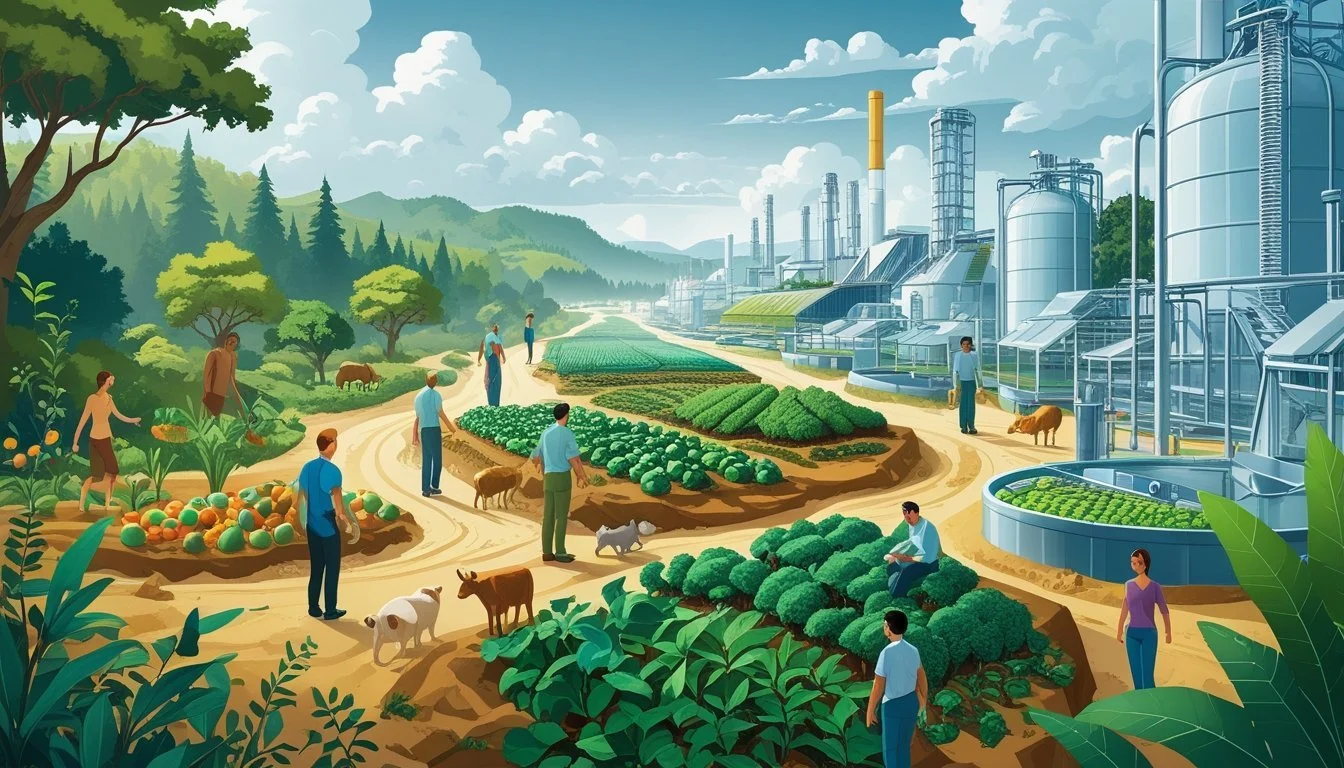
Human survival has long been intertwined with the use of specific plant species. Changes in agriculture, food systems, and the Earth's environment have affected how people depend on plants for food, resources, and stability.
Agricultural Developments
The earliest humans relied on wild plants for gathering and foraging. Over time, the advent of agriculture transformed societies. This process began about 10,000 years ago, when groups in the Fertile Crescent started cultivating wheat and barley.
The domestication of staple crops such as corn in Mesoamerica, rice in East Asia, and wheat in the Middle East led to larger, more stable food supplies. Agricultural advancements allowed populations to settle in one place, develop cities, and pursue specialized roles beyond food collection.
Mechanization, fertilizers, and selective breeding further increased yields and efficiency in the modern era. As farming advanced, plant-based diets and economies became central features of many civilizations.
Major Plant Species in Human Diet
A small number of plant species provide most of the world's calories. Three crops—corn (maize), wheat, and rice—are critical, together supplying nearly half of all food energy consumed globally.
Corn is used not only as direct food but also for livestock feed, industrial starch, and biofuel. Wheat is prevalent in breads, pastas, and baked goods, especially in Europe, North America, and parts of Asia.
Rice is a dietary staple for billions, primarily in Asia, and serves as a major carbohydrate source. These species' adaptability, storage qualities, and high productivity make them essential to global food security, shaping daily nutrition and agricultural policies.
Plant Species Primary Use Global Importance Corn Human food, animal feed Staple in Americas, biofuel Wheat Baked goods, pasta Key in Europe and Asia Rice Boiled, steamed, cakes Staple in Asia and Africa
Changes During the Anthropocene
The Anthropocene is defined by significant human impact on Earth's ecosystems, including plant diversity and distribution. Industrial agriculture has replaced traditional, biodiverse farming systems with large-scale monocultures of a few staple crops.
Global change drivers—such as deforestation, urbanization, and greenhouse gas emissions—have altered plant communities and soil health. These changes affect water use, crop resilience, and food availability.
Genetic modification, globalization of food markets, and the spread of major crops such as rice, wheat, and corn occur at an unprecedented scale. As environmental pressures mount, questions arise about the sustainability of heavy reliance on a narrow spectrum of plant species.
Environmental and Ethical Implications
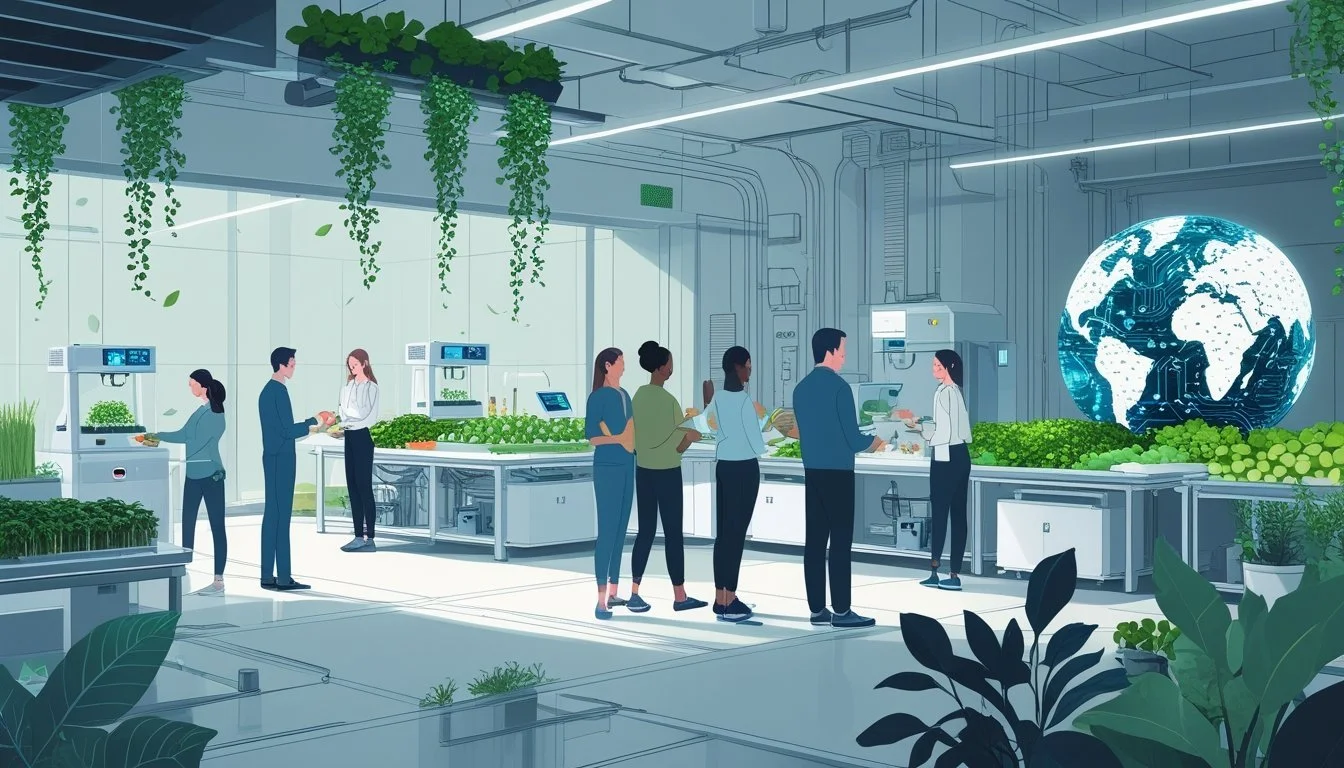
Human pressures on ecosystems can lead to plant extinction, disrupting habitats and the balance of nature. Removing plants from the environment alters carbon cycles, accelerating global warming and shifting climate patterns.
Extinction Risks and Conservation Efforts
The loss of plant species is closely linked to biodiversity decline. When plant communities disappear, entire ecosystems become vulnerable to collapse. This endangers not only plants but also animals and microorganisms that depend on them.
Conservation strategies aim to preserve rare and endangered plants to maintain genetic diversity and ecosystem services. Measures often include habitat protection, seed banking, and legal frameworks. Without these efforts, extinction rates intensify, and opportunities for medicinal discoveries or agricultural innovation decrease.
Table 1: Major Threats to Plant Survival
Threat Impact Habitat destruction Reduces plant populations Pollution Harms plant growth and reproduction Overexploitation Depletes natural resources
Ethically, neglecting plant conservation may also raise questions about moral responsibility toward non-human life and future generations.
Impact on Global Warming and Climate Change
Plants help regulate the Earth's climate by absorbing carbon dioxide through photosynthesis. Removing or drastically reducing plant life would mean higher concentrations of greenhouse gases in the atmosphere.
Forests, grasslands, and wetlands act as carbon sinks. Their absence accelerates global warming and increases climate instability, affecting food security and human health. Efforts to reduce deforestation and promote reforestation are proven methods for mitigating climate change.
The environmental implications serve as a wake-up call for integrating plant conservation into climate policies. Ignoring plants’ role in climate regulation could intensify weather extremes, sea-level rise, and ecological imbalance.
Critical Considerations for the Future
Plants interact directly with essential resources, like air and water, that humans rely on for health and safety. Their roles in the environment shape the function and stability of systems that support life, affecting many other species as well.
Impacts on Clean Water and Air Quality
Plants serve as natural filters, influencing both water and air quality. Through processes such as transpiration and nutrient uptake, vascular plants help regulate the movement and purification of water in ecosystems.
Key functions include:
Removing pollutants and nutrients from water sources
Stabilizing soil, which helps prevent runoff and erosion
Absorbing carbon dioxide from the air during photosynthesis
Forested areas and wetlands play a critical role in reducing sediment and chemical loads in rivers and streams. Without a robust plant presence, water contamination from industry and agriculture could increase, raising costs for water treatment and impacting public health.
In air quality management, plants capture particulate matter and regulate atmospheric gases. Removal of vascular plant species could result in elevated carbon dioxide levels and a decrease in local oxygen production, both linked to negative health effects.
The Role of Rainforests and Major Ecosystems
Rainforests are among the richest ecosystems, housing a large fraction of the planet’s vascular plant species and countless plant and animal interactions. They are central to global carbon cycling and climate moderation.
Major contributions:
Carbon dioxide absorption and long-term storage
Habitat provision for pollination and biodiversity
Maintenance of local and regional rainfall patterns
Disruption of major plant-based ecosystems weakens food webs and ecosystem services. Pollination, largely dependent on healthy plant and animal populations, could decline, risking food production systems worldwide.
Rainforest loss also decreases nature’s capacity to buffer against environmental extremes, such as drought and flooding, changing regional water cycles. The decline in ecosystem integrity threatens not only plants but the systems humans depend on for clean water, food, and climate balance.

