
Mental Health Impacts Explained

Cutting out carbohydrates can have noticeable psychological effects, ranging from mood shifts and irritability to changes in energy and focus. Many people report experiencing cravings and feelings of deprivation in the early stages of reducing carbs, which can lead to frustration or difficulty concentrating. These reactions are natural as the body and brain adjust to new sources of fuel.
Some individuals notice benefits after adapting to a low-carb lifestyle, such as more stable energy, fewer sugar cravings, and steadier moods. However, others may continue to struggle with irritability, anxiety, or disrupted sleep if their dietary changes are too abrupt or restrictive. For anyone considering significant changes to their carbohydrate intake, being aware of these potential psychological effects is essential for making informed choices and setting realistic expectations.
How Carbohydrates Affect the Brain and Body
Carbohydrates serve as a primary energy source and play a significant part in mental clarity and cognitive performance. The type and quantity of carbohydrates eaten can directly influence blood sugar, energy stability, and overall brain health.
Understanding Carbohydrates
Carbohydrates are divided into two main categories: simple carbohydrates (simple sugars) and complex carbohydrates. Simple carbohydrates, like table sugar and fruit sugar, are quickly broken down in the body. They cause rapid changes in blood glucose levels.
Complex carbohydrates, found in foods like whole grains, legumes, and vegetables, have longer chains of sugar molecules. These take more time to digest, leading to more gradual blood glucose increases. Complex carbs often come with dietary fiber, vitamins, and minerals, supporting stable energy release and a healthier digestive system.
A mix of both complex and simple carbohydrates is common in the average diet. However, experts recommend focusing on complex carbohydrates to better support health and brain function.
Role of Carbohydrates in Brain Function
Glucose, supplied mainly by carbohydrate digestion, is the brain’s preferred energy source. The brain does not store glucose efficiently, so it requires a steady supply from the bloodstream. Even short periods of low glucose can cause symptoms such as confusion, slower problem-solving, or memory issues.
Studies have shown that reducing carbohydrate intake significantly can lead to symptoms like brain fog, forgetfulness, and difficulty concentrating. Slow-release, complex carbohydrates help avoid these effects by providing more consistent glucose levels.
Pairing carbohydrates with protein or fat can also help maintain steady blood sugar, further supporting brain performance and mood regulation. Cutting out carbs abruptly or completely may disrupt this balance, affecting not just cognitive abilities, but mood and psychological well-being.
Carbohydrates as an Energy Source
Carbohydrates are the body’s main and quickest source of energy. After consumption, carbohydrates are broken down to glucose, which circulates in the blood and is used by cells for energy. Excess glucose is stored as glycogen in muscles and the liver.
When carbohydrate intake is low, glycogen stores become depleted, and the body must look to alternative energy sources like fat and protein. This shift can lead to common issues such as fatigue, low energy, dizziness, or headaches.
Complex carbs release energy slowly, giving the body a more stable fuel supply. This helps regulate hunger, maintain energy throughout the day, and prevent disruptive blood sugar swings that can impact both mental and physical performance.
Physiological Changes When Cutting Out Carbs
Reducing or eliminating carbohydrate intake leads to specific physical changes in the body. These changes affect glucose availability, energy production, and hormone regulation.
Glucose Depletion and Glycogen Stores
When carbohydrates are removed from the diet, the body quickly uses up stored glucose, which is mainly found in the form of glycogen in the liver and muscles. Glycogen is a carbohydrate reserve that provides energy for daily functions and physical activity.
Each gram of glycogen is bound to several grams of water. As glycogen is depleted, the body loses water, often resulting in rapid initial weight loss due to fluid loss rather than fat loss. Blood sugar levels may decrease, which can sometimes cause fatigue, headaches, or dizziness during the adjustment period.
The quick drop in energy reserves may also result in cravings for carbohydrate-rich foods. These changes are a natural response to the sudden lack of carbohydrates and typically stabilize as the body adjusts.
Transition to Fat as Primary Energy
As glycogen stores are exhausted, the body must turn to alternative energy sources. The most significant adaptation is the shift toward using fat as the primary fuel. This process involves breaking down fat into molecules called ketones, which the brain and other organs can use for energy—a state known as ketosis.
During ketosis, blood ketone levels rise, and the body’s reliance on fat metabolism increases. Many low-carb or ketogenic diets are specifically designed to encourage this metabolic shift. Increased fat metabolism can help spare muscle tissue by reducing the need for converting protein into glucose (gluconeogenesis), especially when adequate protein is consumed.
However, some individuals experience side effects during this transition, such as muscle cramps, digestive changes, or reduced exercise performance. These symptoms tend to diminish once the body fully adapts to fat-based energy.
Hormonal Impact of Low-Carb Diets
Cutting out carbs significantly affects hormone levels involved in metabolism and energy regulation. Insulin, the hormone responsible for lowering blood sugar by promoting glucose uptake into cells, drops sharply with reduced carbohydrate intake.
Lower insulin levels lead to less fat storage and increased fat release from fat cells. For many, this change can improve insulin sensitivity, which is beneficial for those at risk of type 2 diabetes or metabolic syndrome. Other hormones, such as glucagon, rise to promote the release of stored energy.
These hormonal changes support the body's adaptation to carbohydrate restriction and play a central role in the physiological effects seen in low-carbohydrate and ketogenic diets.
Key Psychological Effects of Eliminating Carbohydrates
Reducing carbohydrate intake impacts the brain's chemistry, energy supply, and emotional balance. These changes can affect mood, cravings, mental performance, and overall daily functioning.
Mood Changes and Emotional Wellbeing
Cutting out carbohydrates may lead to noticeable mood shifts. Carbohydrates play a role in serotonin production, a neurotransmitter linked to mood regulation and feelings of well-being. Lower serotonin levels are sometimes associated with increased risk of depression, irritability, and anxiety.
Some individuals on low-carb diets report mood swings, increased grouchiness, and heightened stress. Emotional stability can be disrupted, particularly during the initial transition as the brain and body adjust to reduced glucose availability.
Research suggests that mental health effects vary: some may feel improved focus, while others experience worsened anxiety or depression. The impact may depend on individual biochemistry, genetics, and the type of carbs eliminated.
Cravings and Appetite Regulation
Carbohydrate restriction frequently triggers food cravings, especially for sweet or starchy foods. This is due in part to the brain’s response to changing dopamine levels, which can influence the reward centers associated with eating.
Early in a low-carb regimen, cravings and strong urges to eat high-carb foods are common. These cravings often subside over time as the body adapts to using fats and proteins for energy.
For some, appetite decreases as blood sugar becomes more stable, while for others, psychological hunger and fixation on restricted foods may increase. This can influence dietary adherence and stress levels, potentially affecting long-term mental health.
Cognitive Function and Mental Clarity
Glucose from carbohydrates is the primary fuel for the brain. When carbs are eliminated, the brain must adapt to using ketones or alternate energy sources. This metabolic shift can result in brain fog, difficulty concentrating, and reduced mental clarity, especially in the first days to weeks.
Some studies have shown that low-carb diets may temporarily impair learning, memory, and cognitive processing. However, individuals on ketogenic diets for extended periods sometimes report improved focus and alertness once adaptation occurs.
Chemical balance shifts in neurotransmitters such as glutamate and GABA may also play a role in cognitive changes. The effects are not the same for everyone and can depend on pre-existing health, age, and degree of carbohydrate restriction.
Energy Levels and Fatigue
Carbohydrates provide a quick source of energy for both the body and brain. Eliminating them may initially cause fatigue, sluggishness, and reduced motivation. Some people report trouble with physical or mental stamina, especially during the first weeks of dietary adjustment.
While adaptation to a low-carb or ketogenic state can eventually result in more steady energy for some, others continue to experience periodic tiredness. Disruptions in energy balance may also lead to changes in mood and increased risk of psychological fatigue.
The variability in energy response may be linked to individual tolerance, physical activity levels, and how well the body adapts to metabolizing fats and proteins in place of carbohydrates.
Short-Term Side Effects and Adaptation
Abruptly cutting out carbohydrates can lead to several early psychological and physical changes. Many experience transient symptoms as the body shifts energy sources and rebalances fluids.
Keto Flu and Physical Symptoms
When someone reduces their carbohydrate intake significantly, the body often shifts from using glucose for energy to burning fat, causing ketosis. This adjustment period, commonly called "keto flu," can produce symptoms like headaches, irritability, fatigue, muscle cramps, and lowered motivation.
Mood disturbances may occur as blood sugar levels stabilize. Many report feeling foggy or having trouble concentrating in the first week. These symptoms typically diminish as the body adapts, usually within several days to two weeks.
Common keto flu symptoms:
Headache
Difficulty concentrating
Mood swings
Muscle aches
Fatigue
Persistent symptoms may indicate the need to adjust nutrient intake or consult a healthcare provider.
Hydration, Dehydration, and Electrolyte Imbalance
Carbohydrates help the body retain water. When carbs are restricted, the body begins to lose more water and sodium through urine, increasing the risk of dehydration and electrolyte imbalances. This can lead to muscle cramps, dizziness, and even rapid heart rate.
Sodium, potassium, and magnesium loss is common during the first days of a low-carb diet. Keeping hydrated and replenishing electrolytes can reduce side effects. A table summarizing key concerns is below:
Symptom Possible Cause Solution Muscle cramps Electrolyte loss Increase salt/magnesium Dizziness Dehydration Increase fluid intake Palpitations Low potassium Eat potassium-rich foods
Proper hydration and salt intake are crucial during the adaptation phase.
Sugar Crash and Withdrawal
When carbohydrate and sugar intake drops suddenly, blood sugar also falls, often causing a sugar crash. Symptoms may include craving sweets, feeling anxious, irritability, and even mild hypoglycemia in some cases.
Sugar withdrawal can affect mood and behavior, sometimes leading to trouble sleeping or increased stress. These psychological and physical cravings usually fade as the body adapts to a steady, lower-glucose environment.
Those prone to mood swings or hypoglycemia may need to transition more gradually or monitor their symptoms closely to minimize discomfort.
Long-Term Psychological and Physical Outcomes
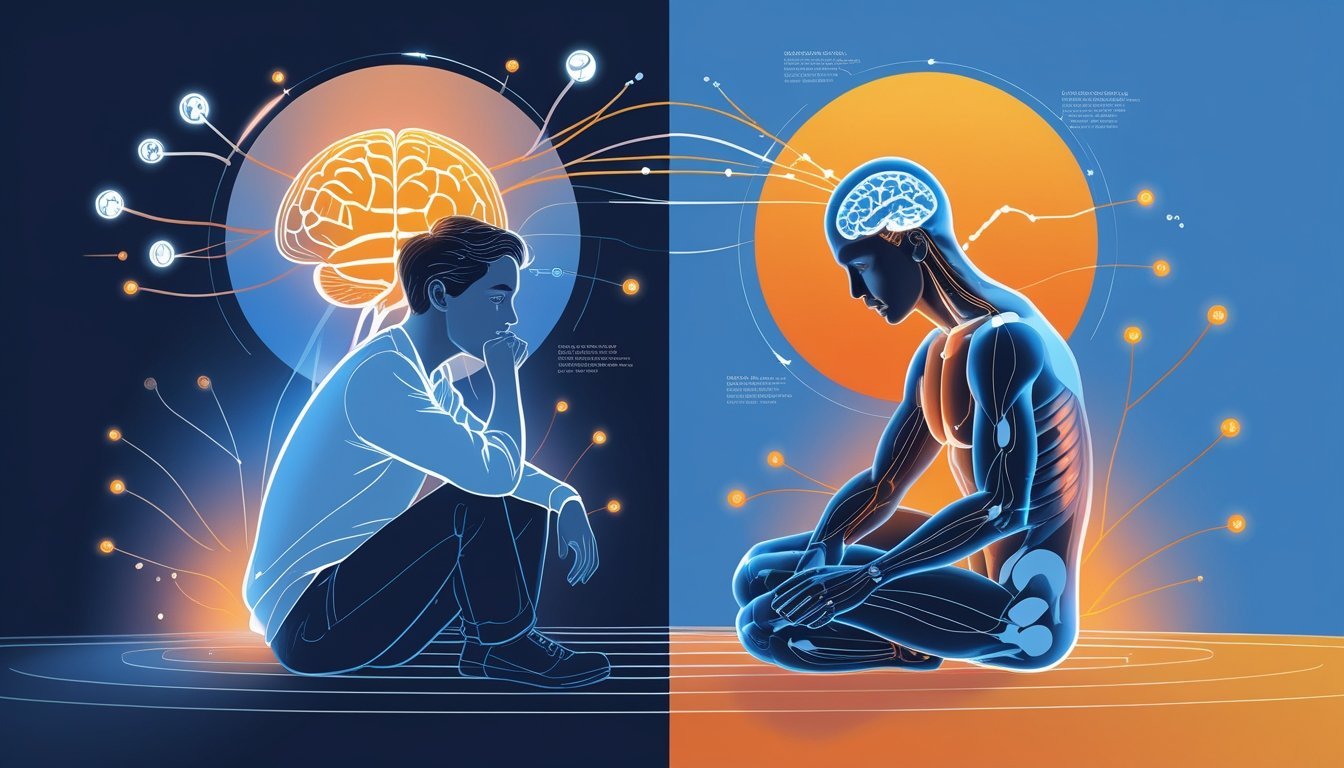
Cutting out carbohydrates affects both mental health and overall physical well-being in specific ways. The results of long-term carbohydrate restriction include changes to mood, nutritional status, and body composition.
Sustained Mood and Mental Health Changes
Long-term carbohydrate restriction may impact mood and mental function. Some research suggests that removing carbs from the diet can lead to reduced energy levels, increased irritability, and in some cases, heightened psychological stress. For some people, this may stabilize over time, but others may experience persistent low mood or difficulty concentrating.
Low-carb eating may also reduce serotonin production because complex carbohydrates are linked to serotonin synthesis, which influences mood. Lower serotonin can increase the risk of anxiety or depressive symptoms for some individuals.
Improvements are possible for certain people, especially those with high sugar intake prior to making dietary changes. Cutting sugar can reduce symptoms associated with sugar highs and crashes, which sometimes contributes to better emotional regulation.
Potential for Nutritional Deficiencies
Eliminating carbohydrates can mean fewer sources of important vitamins and minerals, especially if whole grains, fruits, and some vegetables are removed. Common nutritional deficiencies may include:
Fiber
B vitamins (like thiamine, folate)
Magnesium
Potassium
Low fiber intake can lead to digestive issues, such as constipation. Inadequate intake of B vitamins can affect nerve function and overall energy levels. A lack of fruits and vegetables can compromise antioxidant status, increasing long-term health risks.
Maintaining proper nutrient intake typically requires careful meal planning and possibly supplementation. The risk of deficiencies is higher if the diet is restrictive and lacks variety.
Body Composition and Weight Loss
A carbohydrate-restricted diet often leads to initial weight loss, much of which is due to water loss. Over time, further weight loss can occur as the body uses more fat stores for energy. This approach may be beneficial for some with obesity or those seeking to improve metabolic health.
However, long-term adherence can sometimes result in muscle loss if protein intake is insufficient. Lean body mass may decrease, especially if exercise is not prioritized.
Body composition changes will depend on overall calorie intake, macronutrient balance, and physical activity. Sustainable results require a well-balanced approach, as drastic reductions in essential nutrients or extreme caloric restriction may cause negative health issues rather than improvements.
Impact on Brain Chemistry and Neurotransmitters
Carbohydrates play a direct role in the regulation of neurotransmitters such as serotonin and dopamine. Reducing or eliminating carbs can result in measurable changes in mood, stress response, and neurochemical balance.
Serotonin and Mood Balance
Serotonin is a neurotransmitter that influences mood, appetite, and sleep. Adequate carbohydrate intake boosts serotonin production by increasing the availability of tryptophan in the brain. When carbohydrates are restricted, serotonin synthesis may decline, leading to mood disturbances such as irritability, anxiety, and, in some cases, depressive symptoms.
Several studies have shown that diets low in carbohydrates can cause reduced serotonin activity, which may contribute to mood instability. For some individuals, this can lead to difficulties in emotion regulation or even trigger symptoms related to depression and bipolar disorder. Managing carb intake thoughtfully can help maintain stable mood and support overall emotional well-being.
Dopamine, Stress, and Reward Systems
Dopamine is involved in motivation, pleasure, and reward processing. Carbohydrate intake can prompt dopamine release, reinforcing eating behaviors and affecting emotional states. When carbs are eliminated, the brain may experience reduced dopamine spikes, which can impact motivation and potentially increase stress levels.
Chronic restriction may also disrupt normal stress hormone regulation, making individuals more sensitive to anxiety or stress-related symptoms. For those prone to psychological stress, maintaining stable blood sugar with complex carbs can help moderate these dopamine-related effects. Changes in reward response can also interfere with how individuals experience pleasure or satisfaction in daily activities.
Influence on Physical and Cognitive Performance
Cutting out carbohydrates has a direct effect on both brain health and physical performance. Carbohydrates play a central role in energy production, and their absence can lead to measurable, sometimes significant, changes in how people think and move.
Memory, Focus, and Attention
The brain relies on glucose—a product of carbohydrate breakdown—as its main fuel source. Restricting carbs can initially result in difficulty with memory, reduced focus, and slower information processing.
Some studies suggest that, over time, people may adapt by using ketones as an alternative fuel, especially on low-carb diets like keto. While ketones may help maintain some cognitive functions, chronic low carbohydrate intake has been linked with relative neurocognitive deficits, particularly for tasks requiring sustained attention and mental flexibility.
Individuals may experience greater mental fatigue, irritability, or slower reaction times when first cutting carbs. These effects depend on the duration of carb restriction, individual physiology, and overall diet quality.
Athletic and Aerobic Exercise Implications
Carbohydrates are a primary energy source for both aerobic and anaerobic exercise. When carb intake is reduced, the body’s ability to quickly generate ATP via glycolysis decreases, often impacting athletic performance, especially during high-intensity or endurance activities.
Athletes on low-carb diets might notice premature fatigue, slower recovery rates, and decreased endurance capacity during the transition period. Mitochondria adapt by increasing fat oxidation, but this process is typically less efficient for rapid energy production compared to glycolysis.
Some endurance athletes eventually adjust and recover some performance, but maximal effort and explosive power generally remain lower than on a carb-inclusive diet. Hydration and electrolyte imbalances can also affect physical output when carbohydrates are restricted.
Dietary Considerations and Lifestyle Adaptation
When reducing carbohydrate intake, making intentional dietary choices supports both physical and psychological well-being. Focusing on the right balance of macronutrients, selecting quality sources of fats and proteins, and prioritizing fiber intake are vital for long-term adaptation.
Balance of Macronutrients
Lowering carbs often means changes to the proportions of protein and fat in the diet. Many people find satiety from increased protein and healthy fats, which can assist in mood stabilization and energy levels.
A typical low-carb meal plan includes lean proteins such as poultry, fish, or tofu paired with healthy fats. Maintaining sufficient protein helps preserve muscle mass and avoids energy slumps.
A balanced macronutrient strategy might look like:
Macronutrient Suggested Sources Example Foods Protein Lean meats, legumes, eggs Chicken, lentils Fats Avocado, nuts, olive oil Almonds, olive oil Carbohydrates Low-starch vegetables Broccoli, spinach
Regular monitoring of energy, mood, and nutritional status helps individuals tweak their ratios as needed.
Choosing Healthy Fats and Proteins
Choosing healthy fats means prioritizing unsaturated fats, as these support brain health and cardiovascular function. Good options include extra virgin olive oil, avocados, and fatty fish like salmon.
For protein, lean and minimally processed sources are key. Foods such as turkey breast, tofu, legumes, and eggs provide protein without unnecessary additives or saturated fats.
Some may find it useful to:
Limit processed meats and trans fats
Include a variety of protein sources to meet amino acid requirements
Use plant-based oils instead of butter or shortening
These choices can lessen inflammation, support psychological health, and provide a more stable energy curve.
Importance of Fiber and Gut Health
Removing most carbohydrate-rich foods can accidentally reduce fiber intake, which is essential for gut health and mood regulation. It is important to include high-fiber, low-carb vegetables like leafy greens, broccoli, and zucchini.
A healthy gut supports neurotransmitter production and immune function. Fiber from whole foods also helps manage digestion and may play a role in reducing anxiety or irritability.
Practical strategies include:
Adding chia seeds or flaxseeds to meals
Eating non-starchy vegetables at every meal
Avoiding drastic reductions in plant foods
Prioritizing fiber supports both overall health and psychological resilience during carb restriction.
Low-Carb Diet Variations and Psychological Outcomes

Low-carbohydrate diets take many forms, each with distinct features that may affect mental health and overall psychological well-being. Research findings suggest that these dietary approaches can have both direct and indirect influences on mood, cognitive function, and lifestyle satisfaction.
Ketogenic Diet and Mental Health
The ketogenic diet, a very low-carb, high-fat approach, is commonly used for weight management and sometimes as an adjunct in neurological conditions. Studies indicate that following a ketogenic diet for at least 12 weeks does not negatively affect psychological well-being compared to other eating patterns.
Some evidence points to potential improvements in mood and cognitive clarity during sustained ketosis, though initial adaptation phases may involve fatigue or irritability. Reported effects can include reduced anxiety in a minority of individuals, while others may find the strict regimen challenging.
The impact on quality of life is generally neutral or slightly positive, particularly when weight loss goals are met. Adherence and individual response play a significant role in psychological outcomes, as some find the high-fat, low-carb intake helps control appetite and cravings.
Atkins, Paleo, and Other Approaches
The Atkins diet gradually increases allowable carbohydrates after an initial strict phase, potentially making it more flexible over time compared to strict ketogenic protocols. Some participants in studies report stable or improved mood when following Atkins, especially when weight loss occurs.
The Paleo diet, which eliminates grains and processed carbs but allows certain fruits and tubers, tends to have fewer reports of adverse mental health effects. This may be due to the inclusion of a wider variety of foods, potentially supporting better dietary satisfaction.
Other lower-carb approaches, such as moderate-carb Mediterranean-style diets, also do not show increased risk of depression or anxiety in controlled studies. The choice of low-carb method and macronutrient balance can affect both mood and cognitive function.
Low-Carb Lifestyle and Adherence
Adhering to a low-carb lifestyle often requires significant dietary shift and planning. Many people find that sticking to carb restriction long-term can be mentally taxing, especially in social settings or when convenience foods are limited.
Psychological well-being is strongly linked to the ease of integrating the diet into daily routines. People who receive guidance, social support, or use structured meal planning tend to report higher satisfaction and lower stress when following low-carb diets.
Long-term adherence is higher when dietary preferences and individual needs are considered. Flexibility, personalized approaches, and attention to food enjoyment all contribute to more positive psychological outcomes.
Risks, Contraindications, and Special Populations
Carbohydrate restriction can have different psychological and physical impacts across various groups. People with certain health conditions—or those in critical stages of development—may face specific risks that should be considered before making dietary changes.
Children, Teens, and Cognitive Development
Children and teens require adequate carbohydrates for normal brain development and energy. Restricting carbs can lead to fatigue, difficulty concentrating, and mood changes in school-age kids and adolescents.
Insufficient carbohydrate intake may also impact neurotransmitter production, such as serotonin, which plays a role in mood regulation. Academic performance and memory may decline if carbohydrate needs are not met.
Growth and pubertal development rely on balanced nutrition, and very low-carb diets are rarely recommended for those under 18 unless supervised by a physician or dietitian. Emotional health and social interactions around food may be affected by strict dietary rules in this age group.
Kidney Disease and Health Concerns
For individuals with chronic kidney disease (CKD), high-protein and low-carb diets can place additional strain on kidney function. Reducing carbs often results in increased protein or fat intake, which can burden kidneys that are already compromised.
Elevated protein intake may accelerate kidney damage in those with impaired filtration. People on dialysis may also experience issues with electrolyte balance if carbohydrates are drastically restricted.
Key points for those with kidney concerns:
Risk Potential Consequence High protein intake Worsening kidney function Electrolyte imbalance Cardiac arrhythmia, muscle weakness Low energy intake Poor recovery, muscle loss
Physician guidance is advised before carbohydrate restriction in those with kidney disease.
Diabetes, Blood Sugar Control, and Hypoglycemia
Low-carb diets can help some people with type 2 diabetes lower their blood sugar levels and may reduce reliance on medication. However, people who rely on insulin or certain oral hypoglycemic agents are at increased risk for hypoglycemia if carbohydrate intake drops sharply.
Symptoms of hypoglycemia include confusion, irritability, rapid heartbeat, or even loss of consciousness. Self-monitoring of blood glucose is crucial for anyone with diabetes considering carbohydrate restriction.
Those with type 1 diabetes or individuals on insulin therapy need frequent adjustments to medication under medical supervision when changing carbohydrate intake. Sudden changes without professional input can be dangerous.
Impact on Heart Health and Cholesterol
Research shows that restricting carbohydrates and increasing fat—especially saturated fat—can affect cholesterol levels. While some people may see improvements in triglycerides and HDL ("good" cholesterol), LDL ("bad" cholesterol) can increase in others.
The type of fats consumed on a low-carb diet plays a role in these outcomes. Diets high in trans or saturated fats tend to worsen cholesterol profiles, while unsaturated fats from nuts, seeds, and fish may be protective.
Elevated LDL cholesterol and poor dietary fat choices can increase long-term heart disease risk. Individuals with a history of cardiovascular disease should consult a healthcare provider before starting a low-carb diet.
Scientific Evidence and Research Overview
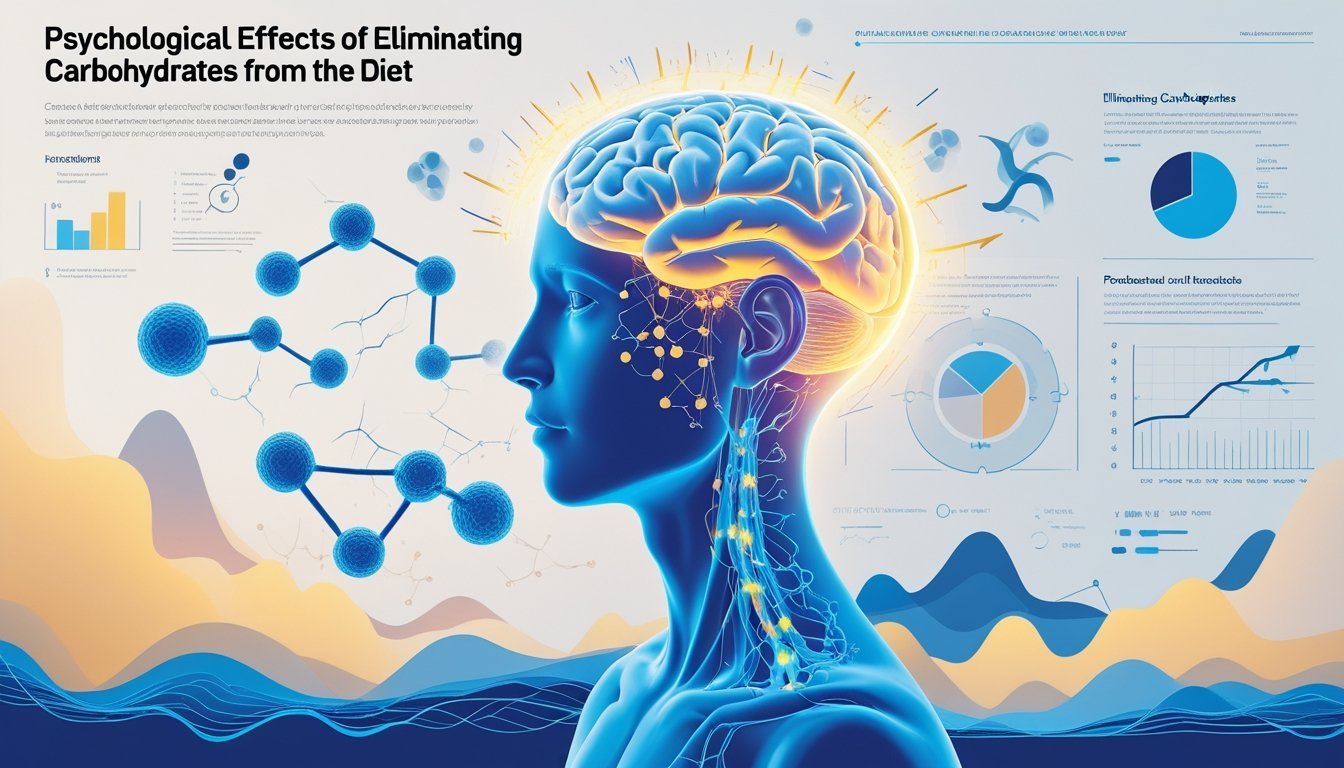
Low-carbohydrate diets have been widely studied for their potential psychological and cognitive effects. Research findings offer a mix of supportive and inconclusive evidence, based on a range of clinical and observational studies.
Findings from Randomized Controlled Trials
Randomized controlled trials (RCTs) deliver some of the strongest evidence on low-carbohydrate diets’ psychological impacts. Several RCTs have assessed how reducing carbohydrates might influence mood, cognition, and overall quality of life.
According to a recent review of thirty RCTs up to October 2024, results remain mixed. Some studies report improvements in mental alertness and mood after entering nutritional ketosis. However, others find no significant differences between low-carb and higher-carb diets regarding psychological well-being.
It is notable that the risk of ketoacidosis remains very low except in individuals with certain metabolic conditions. Most participants in these trials tolerated carbohydrate restriction well. Withdrawal symptoms, such as irritability or low energy, sometimes appear within the first two weeks, especially in diets inducing ketosis.
Systematic Reviews on Low-Carb Diets
Systematic reviews synthesize evidence from multiple studies, offering broader insight into the effects of carbohydrate restriction on mental health. Findings often highlight that low-carbohydrate diets are not consistently linked to either positive or negative psychological outcomes.
Some reviews conclude that quality of life and mood may stabilize or improve in people adhering to these diets, especially for those with metabolic syndrome. However, many highlight the variability in study quality, duration, and population differences, making it difficult to draw universal conclusions.
Several reviews also emphasize the need to distinguish between temporary side effects such as “carb withdrawal” and long-term psychological changes. Long-term evidence on emotional well-being, anxiety, or depression is still limited.
Emerging Research and Knowledge Gaps
Emerging studies have started to focus on potential links between carbohydrate intake and cognitive decline, neurodegeneration, and mental health disorders. Researchers are exploring mechanisms like cerebral hypoperfusion and glucose metabolism in conditions such as Alzheimer’s disease, sometimes called “type 3 diabetes.”
However, there remain important gaps in knowledge. It is unclear how different levels of carbohydrate restriction, beyond classic ketogenic diets, influence psychological outcomes in diverse populations. Most research to date focuses on short-term changes, with limited data on long-term mental health impacts beyond a year.
Additional controlled trials are needed to understand the effects of low-carbohydrate diets in people with existing mental health conditions, as well as their safety and efficacy across various demographics.

