Guide to Food Co-Ops in Everett, WA
Your Essential Resource List
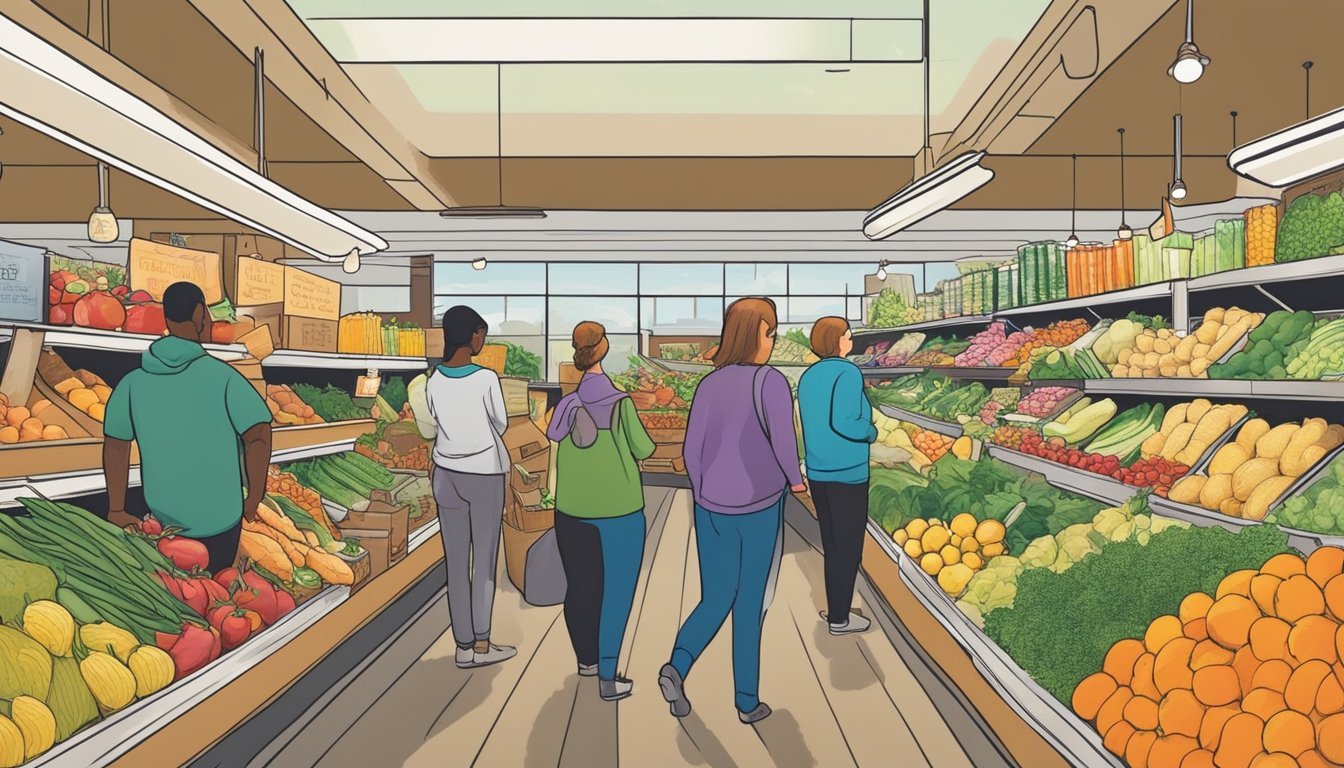
Food cooperatives, known as food co-ops, provide a community-oriented alternative to conventional grocery stores by focusing on local and often organic food sources. In Everett, Washington, the Sno-Isle Food Co-op stands out as a prime example of a community-led food cooperative. With a commitment to offering a range of local and organic foods, this co-op isn't just a place to shop but also a hub for the community, bringing together families and food enthusiasts who share a common interest in sustainable living and support for local producers.
Sno-Isle Food Co-op is not just a market; it operates on a cooperative model that is owned and democratically governed by community members. With over 10,000 families in Snohomish and Island Counties holding ownership, the store invites all to be a part of its mission. This co-op's efforts are centered around providing minimally processed whole foods and a rich assortment of locally produced goods, reflecting a deep commitment to the health of its patrons and the local economy.
At the heart of Everett's vibrant food scene, the Sno-Isle Food Co-op serves as an epicenter for those looking to nourish themselves with quality food while contributing to a sustainable food system. The establishment holds firm in its values, offering not just groceries but also a full-service deli department. Regular operational hours and a centrally located store on Grand Avenue also make Sno-Isle an accessible and reliable option for Everett residents and those in the surrounding regions.
What Is a Food Co-Op?
A food co-op is a grocery store format where the control and benefits lie with its members, often emphasizing sustainability and the betterment of the community.
History of Co-Ops in Everett
In Everett, Washington, the Sno-Isle Food Co-op stands out as a notable example of a community-driven food cooperative. Since its inception over a decade ago, this co-op has been driven by a collective pursuit for whole, minimally processed foods and a strong support system for local, organic produce.
Principles and Values
Food co-ops operate on the basis of shared principles and values that not only advocate for the health of the community but also focus on the preservation and betterment of the Earth. These values typically include:
Democratic Member Control: Co-ops are governed by their members, who actively participate in setting policies and making decisions.
Sustainability: There is a strong emphasis on providing sustainably sourced products.
Community Well-being: Co-ops often contribute to the local economy by offering local produce and products, supporting local farmers and artisans.
At their core, food co-ops like the ones in Everett are built around the idea of fostering an environment where food is more than a commodity, but a vital part of a thriving, health-conscious community.
Benefits of Joining a Food Co-Op
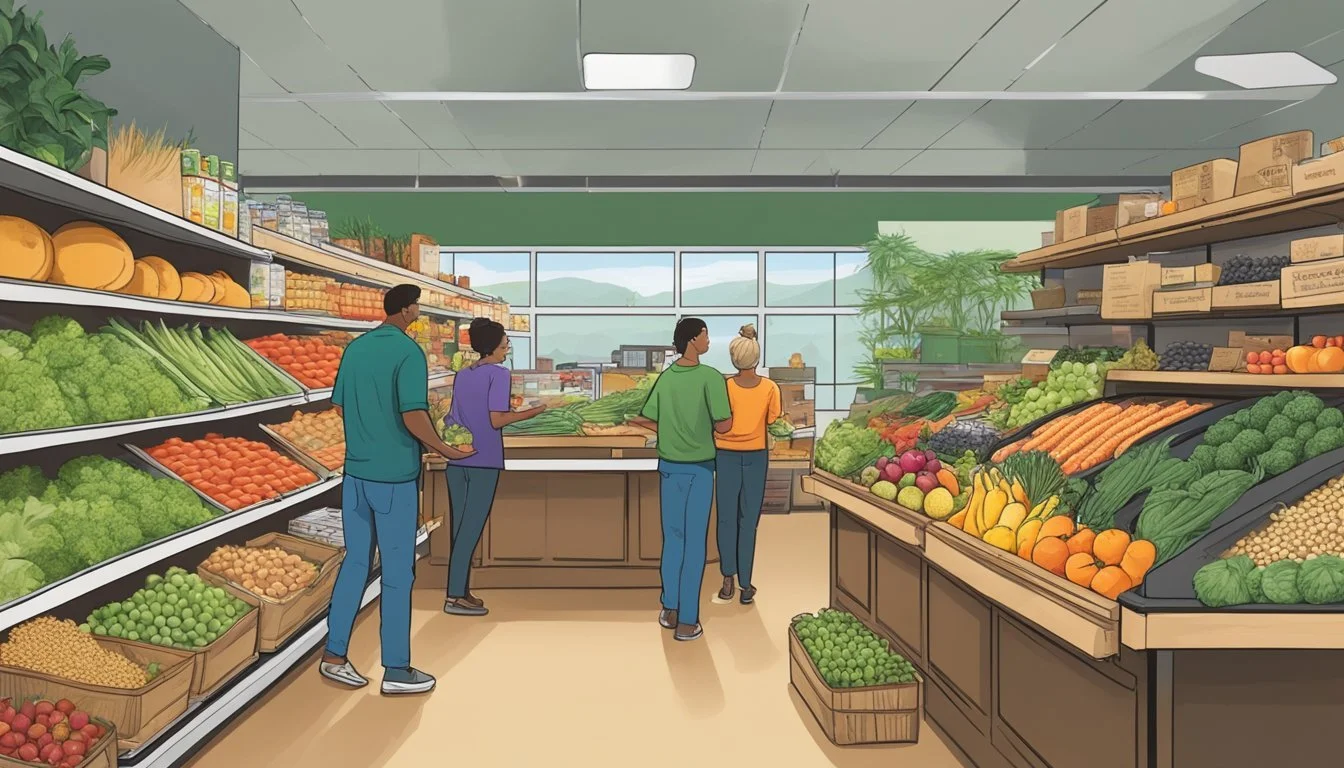
Joining a food co-op in Everett, WA provides substantial benefits focused on enhancing the local economy and ensuring access to healthful, organic food. These community-centered marketplaces stand out for their commitment to sustainable practices and bolstering the health of the community.
Supporting Local Economy
A food co-op is instrumental in keeping financial resources within the local economy. When shoppers choose a co-op, their money directly supports local farmers and producers, amplifying the market for Everett's homegrown goods. This local-first approach sustains a robust community of producers and has a ripple effect that strengthens various sectors of the regional economy.
Health and Organic Food Access
Food co-ops prioritize the availability of healthful options, often featuring a diverse range of organic products. This commitment serves two vital community needs:
Enhancing health: By offering a selection of affordable fruits, vegetables, and other wholesome foods, co-ops make it easier for Everett residents to adopt and maintain healthy diets.
Promoting organic options: Conscious shoppers find assurance in the co-op's vetted inventory, which supports organic agriculture and channels sustainable and responsible farming practices back to the community.
Sno-Isle Food Co-Op Overview
Sno-Isle Food Co-op stands as a cornerstone of organic and locally sourced groceries within Everett, Washington, offering a range of products and services. They are deeply embedded in the fabric of the community, providing not just food but also education and a hub for local involvement.
Location and Hours
Sno-Isle Food Co-op is centrally located at 2804 Grand Avenue, Everett, WA 98201. They cater to shoppers every day of the week, with consistent opening hours:
Monday - Sunday: 7 AM - 9 PM
Products and Services Offered
Shoppers at Sno-Isle Food Co-op have access to a wide array of organic foods and groceries. The co-op features:
A full-service deli department
A vast selection of local and organic produce and foods
Community Involvement and Education
Sno-Isle Food Co-op is not just a grocery store but also a community contributor, with over 9,000 families in Snohomish County participating in its ownership. Their commitment includes:
Education on healthy eating and sustainability
Engaging in community service through various events and initiatives
Membership and Ownership
Sno-Isle Food Co-op offers a unique opportunity for individuals to become more than just shoppers; they can become member-owners. Through membership, they join a collective of over 10,000 families who prioritize quality and sustainable food sources in Snohomish and Island Counties.
Becoming a Member-Owner
To become a member-owner of the Sno-Isle Food Co-op, one must purchase an ownership share. This is accessible through an installment payment plan, making it an inclusive option for broader community participation. It represents a long-term commitment to aiding the co-op in its mission to provide sustainable and high-quality food options.
Membership Benefits
Member-owners at the Sno-Isle Food Co-op receive several advantages:
Discounts on various products, which ensure cost savings while shopping.
Participation in important store decisions related to operations and product sourcing. This involvement ensures the co-op aligns with the owners' values and caters to their needs.
Special ordering privileges, allowing for bulk purchases and access to unique items that reflect the preference for sustainability and quality the co-op is known for.
Member-owners are part of a cooperative effort that extends benefits to the community of Snohomish and Island Counties, ensuring that everyone has access to nutritious, organically grown, and non-GMO food options.
Local Partnerships and Sourcing

Food co-ops in Everett, WA, notably Sno-Isle Food Co-op, have established themselves as essential community hubs for health-conscious consumers. These co-ops prioritize sourcing from local farms and businesses, ensuring that their offerings support the local economy and provide health benefits through organic products.
Collaboration with Local Farmers
Sno-Isle Food Co-op takes pride in its direct relationships with local farmers. Through these partnerships, they secure a wide variety of organic and minimally processed whole foods. By doing so, the community benefits from having access to fresh and locally grown produce that supports sustainable agriculture and contributes to the overall health of the community.
Farm Partnerships: This direct line to local farmers means customers can enjoy seasonally fresh and organic vegetables and fruits.
Health Impact: Sourcing from local farms ensures that the produce available is at its peak nutritional value.
Supporting Local Businesses
The co-op is not only a grocery store but also a robust supporter of local businesses. By featuring locally produced goods, they help to keep the community's economy vibrant and diverse.
Community Connections: The co-op's emphasis on local sourcing strengthens the economic infrastructure by keeping the financial loop within the community.
Diverse Offerings: Local artisans and producers have a platform at the co-op, where their products, from hand-crafted goods to unique food items, gain exposure.
The Role of Co-Ops in Sustainable Living
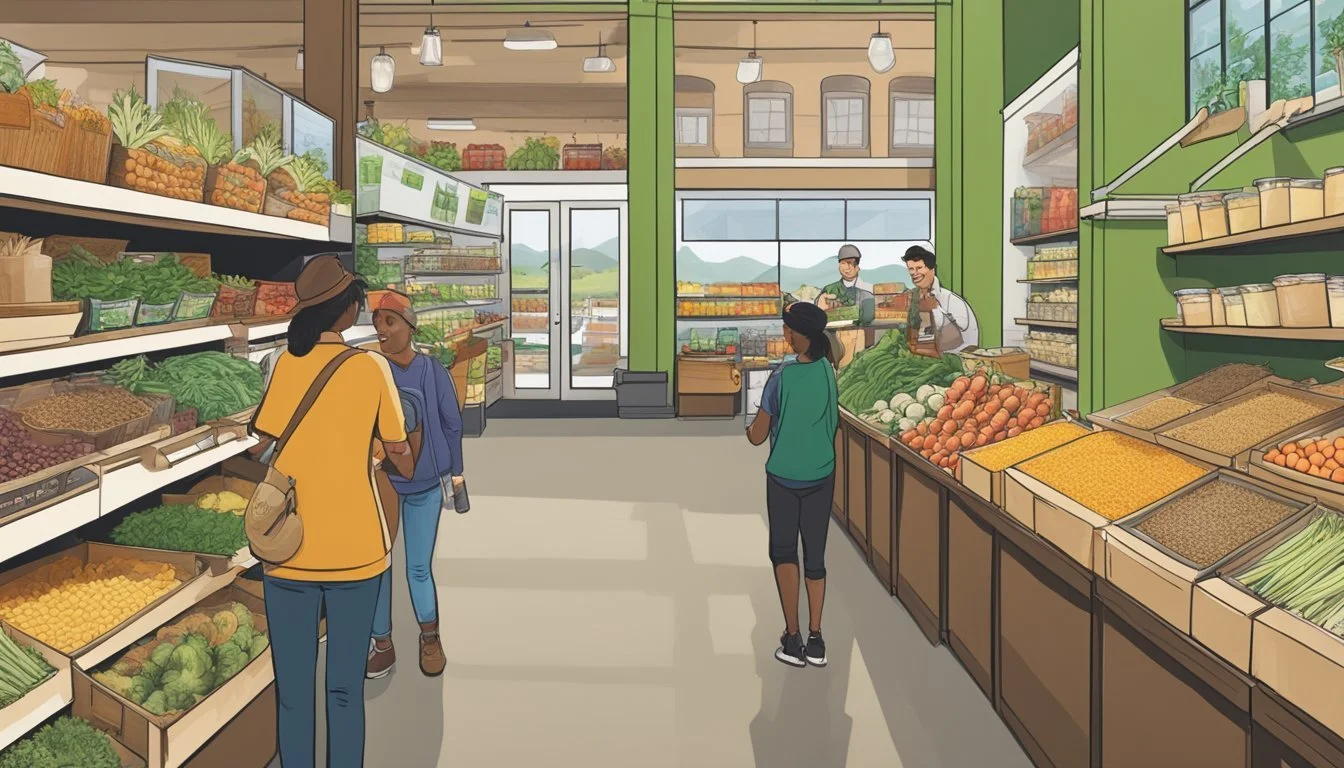
Food cooperatives in Everett, WA, exemplify commitment to sustainability and the betterment of the Earth through their operational practices and community outreach efforts. These co-ops are not just food outlets but pivotal educational resources, fostering sustainable living within the community.
Environmental Impact
Reduced Carbon Footprint: Co-ops regularly source products from local vendors within a 100-mile radius, substantially lowering transportation emissions.
Conservation Efforts: Initiatives include drought-tolerant native landscaping and drip irrigation systems, minimizing water waste and combating runoff.
Everett's co-ops underscore sustainability in their procurement and in-store practices, directly influencing the environmental footprint of the community.
Educational Programs
Workshops and Events: Co-ops host events to educate members and the public on the value of sustainable food systems.
Resource Sharing: Educational materials are provided to enhance community knowledge on sustainability practices.
These programs aim to empower individuals with the knowledge to make sustainable choices, contributing to the overall sustainability education in Everett.
Shopping at a Cooperative Grocery Store
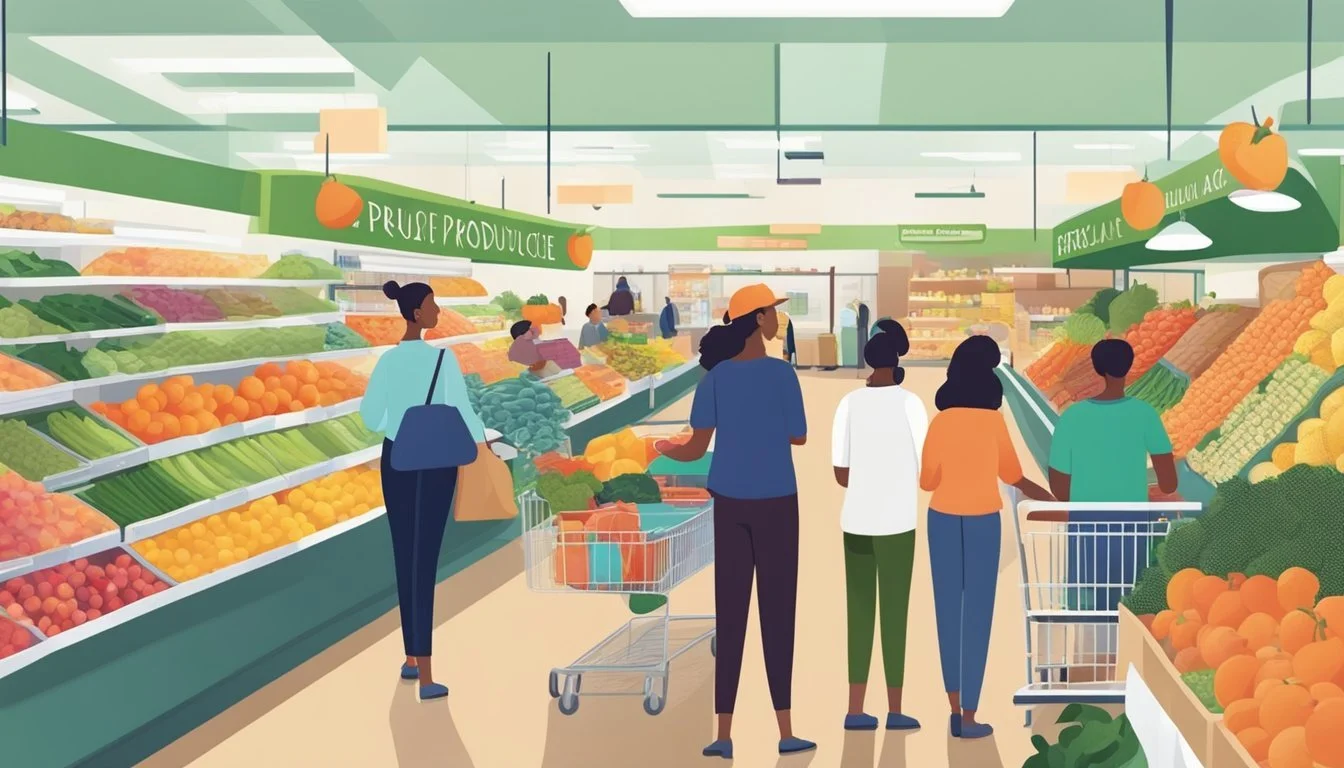
When people shop at a cooperative grocery store in Everett, Washington, they can expect a focus on local and organic options, including a robust full-service deli department.
Understanding the Product Range
Cooperative grocery stores, such as the Sno-Isle Food Co-op, are known for stocking a variety of products that prioritize health and community well-being. Customers can find organic foods that are sourced to support local producers and minimize environmental impact. Additionally, these stores often feature Fair Trade and non-GMO products. The range is not limited to dry goods; many co-ops, including Sno-Isle, boast a full-service deli department. This deli offers freshly prepared foods that cater to a variety of dietary preferences and needs.
Navigating the Store
Walking into a cooperative grocery store, shoppers encounter thoughtfully arranged aisles that guide them through different food categories. The layout is designed to provide an intuitive shopping experience:
Fresh Produce: Organically grown fruits and vegetables from local farms.
Deli Department: Fresh deli offerings that may include sandwiches, salads, and specialty cheese.
Grocery Aisles: An assortment of pantry staples with an emphasis on wholesome and organic products.
Shoppers can often seek assistance from knowledgeable staff members who can help locate items, provide product information, and offer suggestions for meal preparations. With a community-oriented atmosphere, the store reflects a commitment to not just selling food but fostering a connection between consumers and their local food system.
Future of Food Co-Ops in Everett
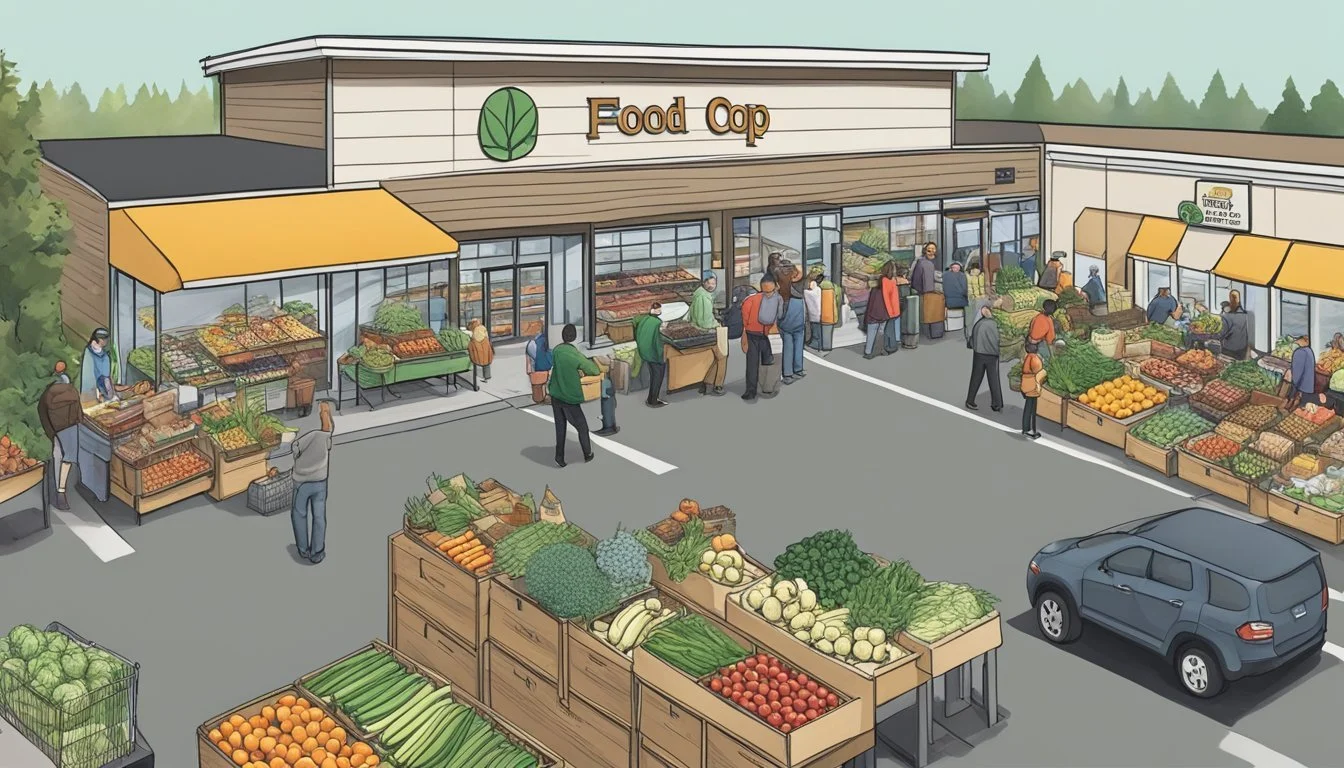
The food co-op scene in Everett, WA is poised for significant growth and is dedicated to fulfilling community goals centered around sustainability and local betterment.
Growth and Expansion
In Everett, the Sno-Isle Food Co-op represents an engaging example of the potential that exists within the food co-op community for expansion and increased reach. As this co-op approaches its 25th anniversary, they embody the resilience and community support necessary to forecast a robust future for food co-operatives in the area. Everett's increasing population and demand for locally sourced and organic products suggest room for greater expansion, potentially encouraging the establishment of additional food co-ops.
The community's support for these local institutions indicates that not only is expansion likely, but that it would also be met with the patronage needed to sustain such growth. Expansion initiatives may include wider product ranges and larger facilities to serve a growing consumer base interested in community-oriented retail options.
Community Goals
Food co-ops in Everett align with the city's focus on community well-being and sustainable practices. They aim to contribute to the local economy and provide healthy food choices for community members. An essential goal for these cooperatives includes reinforcing initiatives that promote sustainable agriculture and support for local farmers and artisans.
Moving forward, Everett's food co-ops are likely to increase educational efforts, helping community members understand the importance of supporting local and sustainable business models. These initiatives will iteratively work towards the betterment of the community's economic and social health. Everett food co-ops serve as vehicles for communal growth, capitalizing on shared resources and education to forge a future that is economically sustainable and socially beneficial.