
Does the Whole Foods Diet Work for Health Beyond Weight Loss?
Uncovering Long-Term Benefits

The Whole Foods Diet emphasizes the consumption of unprocessed or minimally processed foods, with a focus on plants such as fruits, vegetables, nuts, seeds, and whole grains. It steers away from refined sugars, preservatives, and additives, encouraging a more natural and nutrient-rich meal plan. This approach to eating has not only been associated with weight loss but is also linked to a cascade of health benefits backed by evidence from scientific studies. For instance, large population studies and randomized clinical trials have suggested a connection between a diet high in plant-based whole foods and reductions in heart disease, diabetes, hypertension, and certain types of cancer.
The core principle of eating whole foods is not just about eliminating unhealthy options, but rather about fostering a positive relationship with food that leads to sustainable health benefits. The Whole Foods Diet can contribute to more than just a lower number on the scale; it can improve metabolic health and reduce the occurrence of obesity and metabolic syndrome by providing essential nutrients that are often lacking in a standard Western diet. Dietitians suggest this approach can improve overall well-being by providing the body with foods that are rich in fiber, protein, healthy fats, vitamins, and minerals.
Despite the advantages, it's important to consider the potential challenges of adopting a Whole Foods Diet. Some experts point out that certain healthy food groups, such as grains and legumes, might be restricted, which could lead to the exclusion of valuable nutrients like B-vitamins. Moreover, the diet requires a level of commitment and planning to ensure diversity and completeness in one's nutritional intake. It is therefore crucial to tailor the Whole Foods Diet to individual needs and preferences to ensure it is not just effective, but also sustainable and enjoyable in the long term.
Fundamentals of the Whole Foods Diet
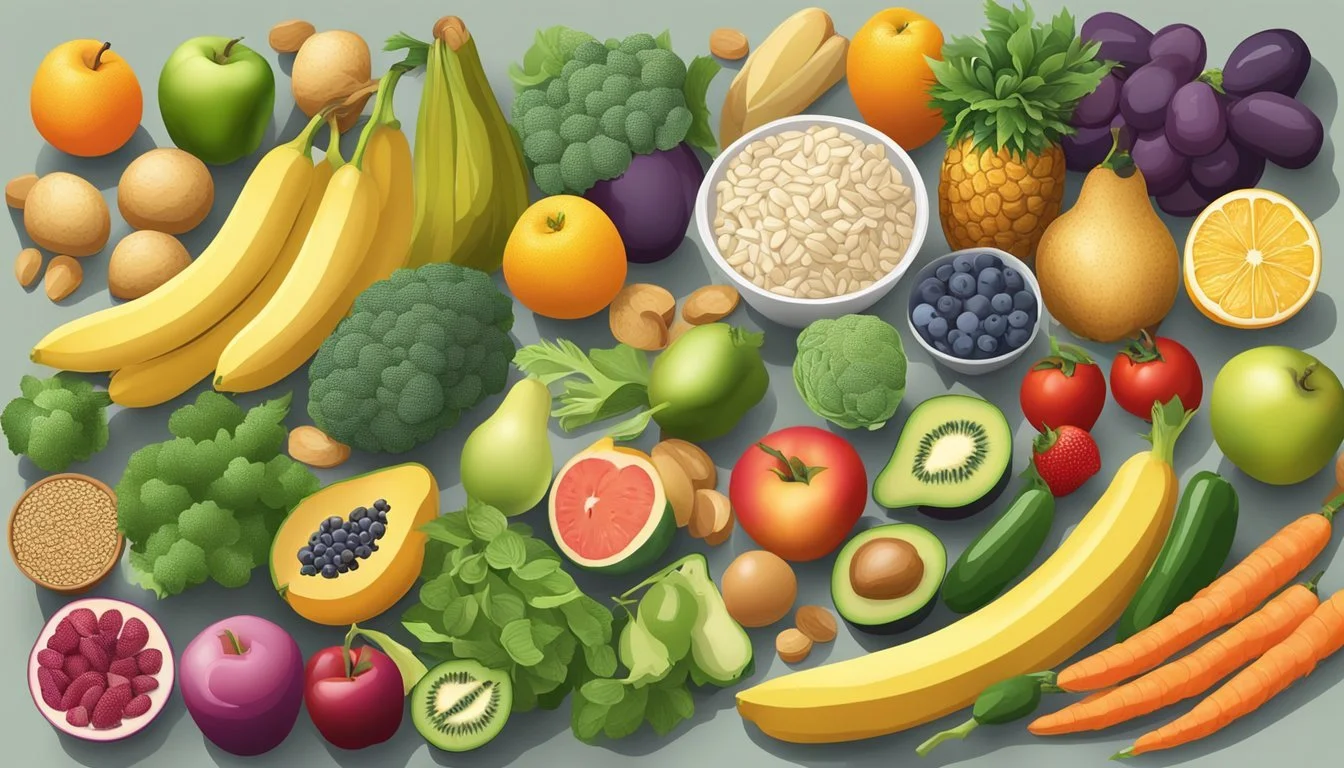
A Whole Foods Diet emphasizes natural, minimally processed foods and leans on the premise that these foods can lead to improved overall health. It's not just about weight loss but also involves nurturing the body's well-being through nutrient-dense foods.
Defining a Whole Foods Diet
A Whole Foods Diet is characterized by the consumption of food in its most natural or least processed state. This diet predominantly consists of fruits, vegetables, whole grains, and legumes. It calls for a reduction in processed foods, which often include added sugars, fats, and artificial ingredients.
Core Principles and Rules
This diet is governed by some straightforward principles:
Prioritizing natural foods: Fresh and organic produce is preferable.
Minimizing processed items: Foods containing additives or preservatives are restricted.
Quality over quantity: Focus on the nutritional value, not just calorie count.
Balance: A varied diet ensures a wide range of nutrients.
Guidelines to follow include:
Select whole grains over refined grains.
Choose lean proteins like fish or poultry, and integrate plant-based proteins.
Incorporate a diverse array of vegetables and fruits daily.
Opt for natural fats, such as those found in nuts and avocados.
Potential Health Benefits
Research indicates that a Whole Foods Diet can promote better health beyond weight management. Long-term adherence to such eating practices can result in:
Lowered risk of chronic diseases such as heart disease, diabetes, and certain cancers.
Enhanced immune function.
Improved gastrointestinal health.
By focusing on naturally sourced items and reducing the intake of processed foods, individuals may experience a holistic improvement in their overall health.
Nutritional Considerations
Assessing the nutritional landscape of the whole foods diet reveals how it brings vital macronutrients, an array of micronutrients, and the benefits of fiber and natural sugars to the forefront of daily intake.
Macronutrients in Whole Foods
The whole foods diet is rich in proteins, fats, and carbohydrates, which are fundamental to health. Proteins come from a variety of plant-based sources like legumes, nuts, and whole grains; while not always complete proteins, they can be combined to ensure all essential amino acids are consumed. Fats, particularly unsaturated fats from seeds, nuts, and avocados, are abundant and support heart health. Carbohydrates are primarily sourced from vegetables, fruits, and whole grains, offering steady energy and essential nutrients.
Proteins: Beans, lentils, quinoa, (What wine goes well with quinoa?) tofu
Fats: Avocados, nuts, seeds, olive oil
Carbohydrates: Whole grains, fruits, vegetables
Beneficial Micronutrients
Micronutrients, including vitamins and minerals, are plentiful in a whole foods diet and are essential for body function and disease prevention. Vitamins such as Vitamin C, found in citrus fruits, and Vitamin E, present in nuts and seeds, are potent antioxidants. Minerals like calcium and iron, which can be lower in plant-based diets, must be consciously included through sources such as leafy greens and fortified foods.
Vitamins: A, C, E, K, and B complex
Minerals: Calcium, iron, magnesium, potassium
Role of Fiber and Natural Sugars
Fiber plays a critical role in maintaining digestive health and is found in abundance in vegetables, fruits, whole grains, and legumes. Natural sugars, found in fruits, provide energy without the negative effects of added sugars. The balance of fiber and natural sugars helps regulate blood sugar levels and promotes satiety, which can aid in weight management and overall health.
Fiber: Berries, beans, broccoli, whole wheat
Natural Sugars: Fruit such as apples, bananas, and oranges
Health Implications
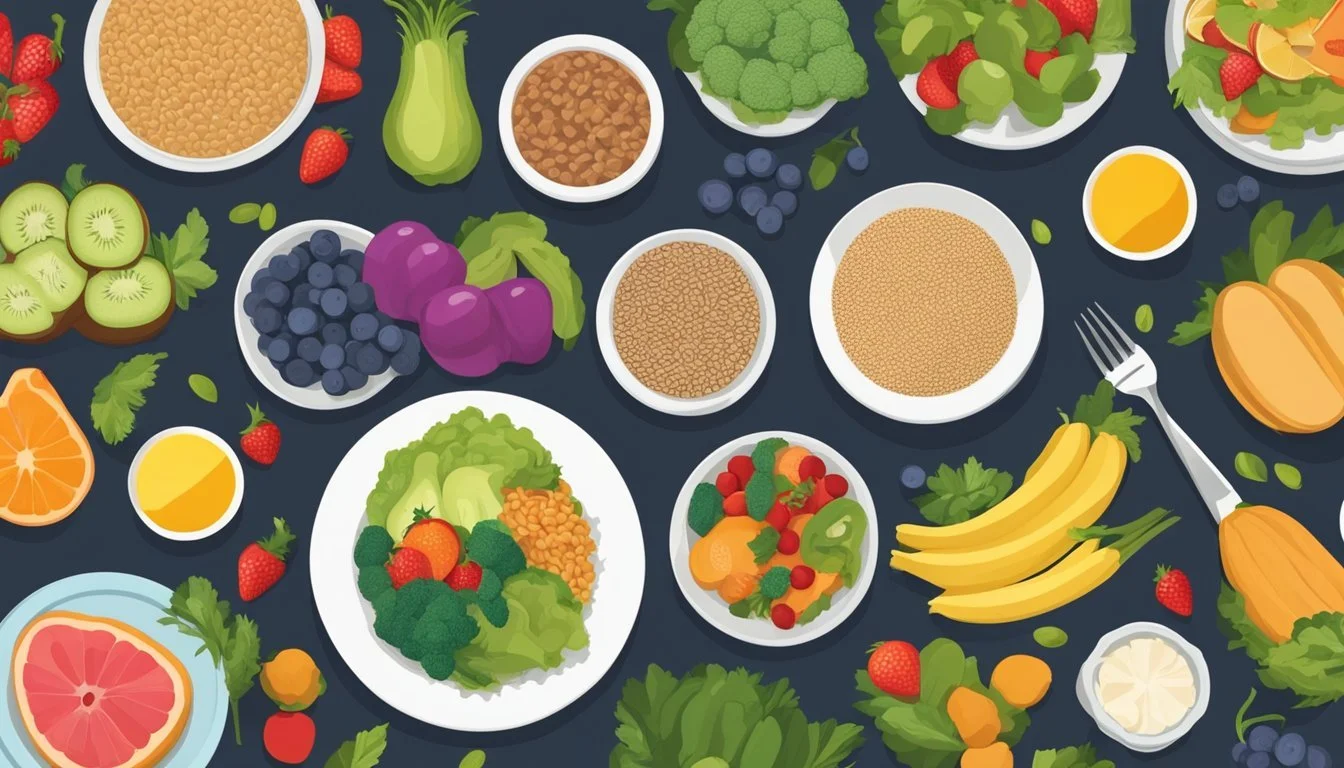
The Whole Foods Diet is associated with a range of health benefits, including reduced risk of chronic diseases and inflammation, as well as contributing to weight management.
Impact on Chronic Diseases
Adopting a Whole Foods Diet has been linked to a lower incidence of chronic diseases. Research shows that this diet, rich in fruits, vegetables, and unprocessed grains, may reduce the risk of heart disease by improving blood pressure and cholesterol levels. Furthermore, the exclusion of refined sugars and grains can lead to better blood sugar control, potentially benefiting individuals with Type 2 Diabetes.
Whole Foods Diet and Inflammation
A diet centered on whole, plant-based foods can play a significant role in reducing inflammation. Natural anti-inflammatory compounds found in foods like berries, leafy greens, and nuts may counteract the inflammation that contributes to a range of health issues, including some forms of cancer.
Weight Management and Obesity
When it comes to weight management and obesity, a Whole Foods Diet may be a practical and sustainable approach. Its emphasis on high-fiber and nutrient-dense foods can lead to a naturally lower calorie intake without sacrificing satiety. Studies indicate that following a whole-foods, plant-based diet can lead to significant weight loss compared to diets that include more processed foods.
Dietary Components
A whole foods diet consists of various unprocessed and minimally processed staples. These components deliver essential nutrients conducive to health maintenance and improvement.
Fruits and Vegetables
Fruits and vegetables are foundational to a whole foods diet, providing a wide spectrum of vitamins, minerals, and fiber. Fruits like apples, berries, and citrus offer vitamin C and antioxidants, while vegetables such as kale, broccoli, and carrots are rich in vitamin A, iron, and other micronutrients.
Whole Grains and Legumes
Whole grains such as brown rice, quinoa, and oats contribute complex carbohydrates, fiber, and various B vitamins. Legumes, including beans, lentils, and chickpeas, are excellent sources of protein, fiber, and iron, making them a crucial part of the diet.
Nuts, Seeds, and Healthy Fats
A variety of nuts and seeds provide healthy fats, protein, and micronutrients like magnesium and selenium. Healthy fats can also be obtained from plant oils, such as olive oil, which is celebrated for its cardiovascular benefits.
Protein Sources in a Whole Foods Diet
Protein can be derived from both plant and animal sources within a whole foods diet. Legumes and soy-based products offer plant-based options, while dairy, meat, eggs, and seafood provide animal-based proteins. Selections such as lean meats and wild-caught fish are emphasized for their nutrient density and lower levels of unhealthy fats.
Avoiding Processed Foods
While the Whole Foods Diet advocates consuming foods in their natural state, it's crucial for individuals to understand the risks associated with processed foods and the importance of recognizing hidden ingredients that undermine their dietary efforts.
Dangers of Processed Foods and Additives
Processed foods often have a high content of added sugars, artificial sweeteners, and other additives that can negatively impact health. These foods are typically calorie-dense and low in nutritional value, contributing to issues beyond weight gain, such as an increased risk for chronic diseases like diabetes and heart disease. Because they are designed for longer shelf life and convenience, they might contain:
Artificial preservatives: Chemicals that prevent food spoilage.
Coloring agents: Substances used to enhance the appearance of food.
Flavor enhancers: Additives that give food a particular taste or aroma.
Added sugars and sweeteners can be particularly problematic, as they do not provide any nutritional benefits and can lead to an increased intake of empty calories.
Identifying Hidden Processed Ingredients
It is essential to read food labels carefully to minimize the consumption of processed ingredients. Hidden processed elements can be found in places one might not expect. To avoid them, consider the following strategies:
Check ingredient lists: Ingredients are listed by quantity, from highest to lowest. Look out for names that indicate processed sugars such as corn syrup, dextrose, or high-fructose corn syrup.
Be aware of "health" claims: Terms like "low-fat" or "low-calorie" can be misleading and might indicate the presence of artificial sweeteners or other additives.
Choose items with fewer ingredients: Foods with shorter ingredient lists are often less processed.
By diligent assessment of food labels and making informed choices, consumers can reduce their intake of processed foods and additives, aligning their diet closer to the whole foods dietary approach for improved health outcomes.
Customization and Variability
The Whole Foods Diet offers flexibility to suit individual needs and preferences. It can be tailored to accommodate restrictions and align with personal and cultural food choices.
Adapting the Diet to Dietary Restrictions
Individuals with specific dietary restrictions can modify the Whole Foods Diet to meet their requirements. Those with lactose intolerance, for example, can opt for plant-based milk alternatives such as almond or soy milk. Similarly, gluten-free grains like quinoa, buckwheat, or millet are excellent substitutes for traditional wheat-based products for those with gluten sensitivities. The diet's emphasis on unprocessed food makes it easier to control and avoid allergens or irritants.
Incorporating Cultural and Personal Preferences
The diet is versatile enough to include a range of cultural cuisine options, offering a diverse palette to draw from—key for maintaining long-term adherence. Here's how one may integrate cultural and personal preferences:
Grains: Select grains that are staples in your cultural dishes, such as rice, amaranth, or teff.
Proteins: For meat-eaters, including culturally preferred meats in a moderate, balanced way or choosing plant-based proteins like legumes that are prevalent in your culture is essential.
Vegetables and Fruits: Incorporate a variety of fruits and vegetables that are native or significant to your cultural background.
By respecting cultural practices and individual tastes, the Whole Foods Diet maintains its effectiveness and sustainability over time.
Implementation Strategies

Adopting a Whole Foods Diet requires thoughtful planning and a commitment to changing both shopping and eating habits. It's not simply a matter of choosing different foods; it's about embracing a new approach to diet that emphasizes the quality and processing level of the ingredients one consumes.
Planning and Shopping for a Whole Foods Diet
One begins with a plan that restructures the pantry and reframes the shopping experience. Individuals should focus their grocery lists on minimally processed foods, prioritizing fresh fruits and vegetables, nuts, seeds, whole grains, and if not vegetarian, responsibly sourced meat and dairy.
Fruits & Vegetables: Aim for a colorful variety; they are the cornerstone of a whole foods diet.
Whole Grains: Choose brown rice, quinoa, barley, and oats.
Proteins: Opt for plant-based options like lentils and chickpeas; if including animal protein, select lean and unprocessed options.
Healthy Fats: Avocados, olive oil, and nuts should be staples.
To ensure one sticks to their plan, it's advisable to avoid shopping on an empty stomach, which can lead to impulsive decisions that deviate from the diet guidelines.
Meal Preparation and Whole Foods Recipes
The preparation phase translates the Whole Foods Diet into tangible and enjoyable meals. One should allocate time each week for meal prep, which can involve pre-cooking grains, chopping vegetables, or pre-portioning snacks. Utilizing whole foods-based recipes is crucial as they are designed to optimize nutrition and satiety without relying on processed ingredients.
Here are a few quick recipe ideas:
Breakfast: Oatmeal topped with fresh berries and a spoonful of almond butter.
Lunch: Quinoa salad with mixed greens, roasted chickpeas, and a lemon-tahini dressing.
Dinner: Grilled vegetable kebabs (What wine goes well with grilled vegetable kebabs?) with a side of brown rice pilaf.
It's also beneficial to become familiar with reading labels for packaged foods to discern items that align with a whole foods approach, ideally containing few and recognizable ingredients. With these strategies, the implementation of a Whole Foods Diet can become a sustainable eating habit beyond mere weight loss, contributing to overall health and well-being.
Challenges and Considerations

When considering a Whole Foods Diet, individuals may face certain challenges and should address potential concerns. The diet's focus is on the consumption of minimally processed foods, which inherently presents unique difficulties not found in other dietary plans.
Common Concerns with Whole Foods Diets
The primary concern related to Whole Foods Diets is accessibility. Since the diet emphasizes fresh and organic goods, availability and cost can be significant barriers for many people. The following points encapsulate the main concerns:
Accessibility: It can be challenging to find a wide variety of whole, unprocessed foods, especially in regions with limited grocery options.
Cost: Organic and minimally processed foods often come at a higher price point, which can make this diet less financially sustainable for some households.
Time investment: Preparing meals from scratch typically requires more time than using processed or pre-packaged foods.
Nutrient deficiencies: Without careful planning, those following a Whole Foods Diet may risk nutrient deficiencies, particularly in vitamins B12 and D, iron, calcium, and omega-3 fatty acids, usually found in fortified foods or animal products.
Consulting Health Professionals
Those considering a Whole Foods Diet should consult a registered dietitian. A dietitian can provide personalized guidance to ensure that nutritional needs are met while adhering to the diet's principles. Points to consider when consulting a health professional include:
Personalized Assessment: Dietitians can assess individual dietary needs based on age, health status, activity levels, and dietary restrictions.
Planning: They can assist in meal planning to ensure a balanced intake of nutrients.
Adaptation: Dietitians can help modify the diet to suit personal health conditions and goals.
Education: A registered dietitian can educate individuals on reading labels and choosing the right whole foods.
While a Whole Foods Diet has potential benefits for health and weight management, one must consider these challenges and consult a health professional to optimize the diet's effectiveness and sustainability.
Sustainability and Environmental Impact

When considering the Whole Foods Diet, its environmental sustainability is as pertinent as its health benefits beyond weight loss. Whole foods refer to foods that are minimally processed and closer to their natural form. The environment benefits from dietary patterns that emphasize whole foods due to lower resource consumption and reduced emissions associated with processing.
Agricultural Sustainability: Whole foods, such as fruits, vegetables, legumes, nuts, and seeds, often require less intensive farming practices. For example, the cultivation of plant-based foods generally uses fewer natural resources and emits lower levels of greenhouse gases compared to industrial animal farming.
Reduced Environmental Footprint: Diets rich in whole foods tend to have a smaller carbon footprint. The decreased demand for processed foods can lead to reduced energy consumption, lower pollution levels from food transportation, and minimal packaging waste.
Preservation of Biodiversity: Eating a variety of whole foods can contribute to the conservation of biodiversity. Plant-rich diets can alleviate the pressure on overfished populations and help preserve natural habitats that might otherwise be converted to farmland.
Water Use: Foods in a Whole Foods Diet often require less water for production. Animal products, especially red and processed meats, are typically water-intensive; therefore, a shift towards plant-based whole foods can result in significant water savings.
The connection between diet and planetary health is clear: sustainable food choices promote environmental health. By selecting whole foods, individuals can contribute to a food system that supports both human health and the environment, ensuring a healthier planet for future generations.

