
Does the Wheat Belly Diet Work for Grain-Free Weight Loss?
Evaluating the Science Behind the Claims
The Wheat Belly Diet has garnered attention for its unconventional approach to weight loss, targeting the elimination of wheat and other grains from an individual's diet. Advocates of the Wheat Belly diet suggest that, beyond just calorie counting or macro tracking, removing wheat and grain-based products can lead to significant health benefits, including weight loss. This diet aligns with low-carb philosophies, suggesting that wheat can cause adverse health effects ranging from inflammation to weight gain.
By focusing on a grain-free menu, the diet encourages the consumption of vegetables, fruits like berries, apples, and oranges, healthy fats from raw nuts and plant-based oils, and proteins from fish and grass-fed meats. Proponents claim that by reducing wheat and grain intake, one can naturally decrease caloric intake and improve overall health. It shares similarities with other dietary patterns such as the Paleo diet, emphasizing whole foods and the avoidance of processed foods and grains.
However, it is essential to examine the efficacy of the Wheat Belly diet from an objective standpoint. While individual experiences vary, some people may find this diet's restrictive nature difficult to maintain long-term. It is worth considering that grain-free does not universally translate to a healthier diet for everyone, as whole grains contribute beneficial nutrients to a balanced diet. The sustainability and overall health impact of grain-free diets like Wheat Belly continues to be a discussion point among health professionals and dieters alike.
Understanding the Wheat Belly Diet
The Wheat Belly Diet is a grain-free weight loss approach created by cardiologist Dr. William Davis. It centers on the elimination of wheat and other high-glycemic grains while focusing on wholesome, nutritious foods.
Origin and Principles
Developed by Cardiologist Dr. William Davis, the Wheat Belly Diet challenges conventional dietary beliefs. Dr. Davis posits that wheat, even whole wheat, contributes to a wide array of health problems, ranging from obesity to chronic health conditions. The diet's principles rest on the idea that removing wheat and other gluten-containing grains can lead to various health improvements, including weight loss and better blood sugar control.
Key Components of the Diet
The essential elements of the diet revolve around:
Elimination of Wheat and Grains: The diet strictly excludes all forms of wheat and high-glycemic grains, which are believed to cause spikes in blood sugar levels and contribute to visceral fat accumulation.
Whole Foods: Dieters are encouraged to consume a wide variety of vegetables and some fruits, particularly those lower in sugar, like berries, apples, and oranges. This aligns with the dietary focus on minimizing sugar intake.
Healthy Fats and Proteins: Incorporation of healthy fats and adequate protein is emphasized. Unlimited raw nuts and plant-based oils such as olive oil are recommended, while lean meats fulfill the protein requirements of the diet.
By following these components, the Wheat Belly Diet aims to reconfigure the body's nutritional intake, focusing on low-glycemic foods and nutrient-dense options to foster weight loss and overall health improvement.
Health Outcomes and Benefits
The Wheat Belly Diet, with its emphasis on eliminating grains, especially wheat, purports to offer a range of health benefits, from weight loss to the amelioration of chronic conditions. Advocates argue that these benefits stem from reduced inflammation and a more nutrient-rich diet.
Weight Loss Evidence
The Wheat Belly Diet has been associated with weight loss, attributed primarily to the reduction of high-calorie processed foods and refined grains that can contribute to obesity. By focusing on whole, natural foods, people may experience a decrease in calorie intake and an improvement in metabolic function. This dietary approach can also help stabilize blood sugar levels, which is pivotal for managing body weight.
Impact on Chronic Diseases
Chronic diseases such as diabetes and heart disease are impacted by diet and lifestyle choices. The Wheat Belly Diet's grain-free regimen is said to enhance insulin sensitivity, which could help in diabetes management. By removing wheat, which contains the protein gliadin, the diet aims to lower inflammation, a known risk factor for various chronic diseases, including heart conditions.
Nutritional Advantages
The diet emphasizes consumption of vegetables, raw nuts, and healthy fats, which are rich in nutrients, fiber, and vitamins. Limiting processed foods may increase the intake of essential micronutrients typically found in whole foods. The diet's advocacy for specific fruits and dark chocolate, which are sources of antioxidants, suggests potential benefits for overall health. Despite these nutritional advantages, it's important to note that whole grains also offer health benefits, and their complete elimination could lead to a shortfall in certain nutrients such as B vitamins and fiber. Therefore, those following the diet should ensure they obtain a balanced intake of nutrients to avoid deficiencies.
Diet Implementation Guide
Embarking on the Wheat Belly Diet involves a distinct approach to eating, focusing on grain-free, whole foods to potentially aid in weight loss and improve health.
Starting the Diet
One should begin the Wheat Belly Diet by removing all wheat and related grains from their diet. Initially, it's essential to understand that the plan calls for complete abstinence from these foods rather than a reduction. The diet encourages the consumption of whole, unprocessed foods, which may require preparation and planning. Individuals should inventory current food items, purge non-compliant items, and adequately stock up on the foods that the diet permits.
Foods to Eat
Vegetables: A generous variety is encouraged on the Wheat Belly Diet, emphasizing leafy greens and non-starchy options, which can be enjoyed in abundance.
Examples: Spinach, kale, broccoli, cauliflower, and bell peppers.
Fruits: Moderate consumption of fruits is recommended, with a focus on those lower in sugar.
Preferred options: Berries, apples, and oranges.
Proteins: A mix of animal-based and plant-based proteins is allowed, including:
Meat: Grass-fed and organic where possible.
Eggs: Ideally free-range.
Legumes: Such as lentils and chickpeas, in moderation.
Nuts and Seeds: Consumed raw or roasted, these serve as important sources of healthy fats and nutrients.
Example: Almonds, walnuts, chia seeds, and flaxseeds.
Healthy Fats: An integral part of the diet, emphasizing unprocessed fats.
Recommended sources: Olive oil, coconut oil, and avocados.
Foods to Avoid
Grains: All forms of wheat, rye, barley, and other gluten-containing grains must be eliminated.
Processed Foods: Highly processed snacks, frozen meals, and fast food are to be avoided, as they often contain hidden wheat and unhealthy additives.
Sugary Fruits and Dairy: High sugar fruits and processed dairy products are discouraged. Fruits like pineapple, banana, mango, and papaya should be limited due to their high sugar content.
Excessive Fats and Sugars: The consumption of unhealthy fats (found in fried foods (What wine goes well with fried foods?) and certain snack items) and added sugars should be minimized to support overall health and the diet's goals.
Managing Challenges
When embarking on a grain-free diet like the Wheat Belly Diet, individuals may face challenges such as ensuring adequate nutrient intake and maintaining variety in their meals. Addressing these issues is crucial for sustaining a healthy and effective weight loss journey.
Addressing Nutrient Deficiencies
Grains are a key source of certain vitamins and minerals in many diets. Eliminating them can lead to deficiencies unless properly managed. Key nutrients to monitor include:
Magnesium: This mineral supports numerous bodily functions. Individuals can find magnesium in non-grain sources like spinach, almonds, and avocados.
Iron: Especially vital for women and vegetarians, iron can be sourced from lentils, red meat, and spinach.
Vitamin D: Often scarce in a grain-free diet, it can be supplemented through exposure to sunlight and consuming fatty fish or fortified products.
Fiber: A nutrient often associated with whole grains, fiber is essential for digestive health. Sources include vegetables, nuts, seeds, and fruits like berries.
One should consult with a nutritionist to create a balanced diet plan that mitigates the risk of nutrient deficiencies associated with grain removal.
Meal Planning and Recipes
Having a repertoire of recipes that align with the Wheat Belly Diet is critical for long-term adherence and enjoyment. Here are some strategies for meal planning:
Create a weekly meal plan that includes a variety of vegetables, proteins, and healthy fats to ensure healthy eating habits.
Collate grain-free recipes from reliable sources, focusing on nutritional balance and diversity of ingredients.
Consider using meal-kit delivery services that cater to grain-free diets for convenience and inspiration.
Here is an example of a simple meal plan for one day:
Meal Ingredients Breakfast Scrambled eggs with spinach and mushrooms, topped with avocado Lunch Grilled chicken salad with mixed greens, nuts, and olive oil Dinner Beef stir-fry with an assortment of colorful vegetables
It's important to seek guidance from a nutritionist or dietitian when planning meals to ensure that each dish provides a harmonious balance of nutrients to support overall health.
Lifestyle Considerations
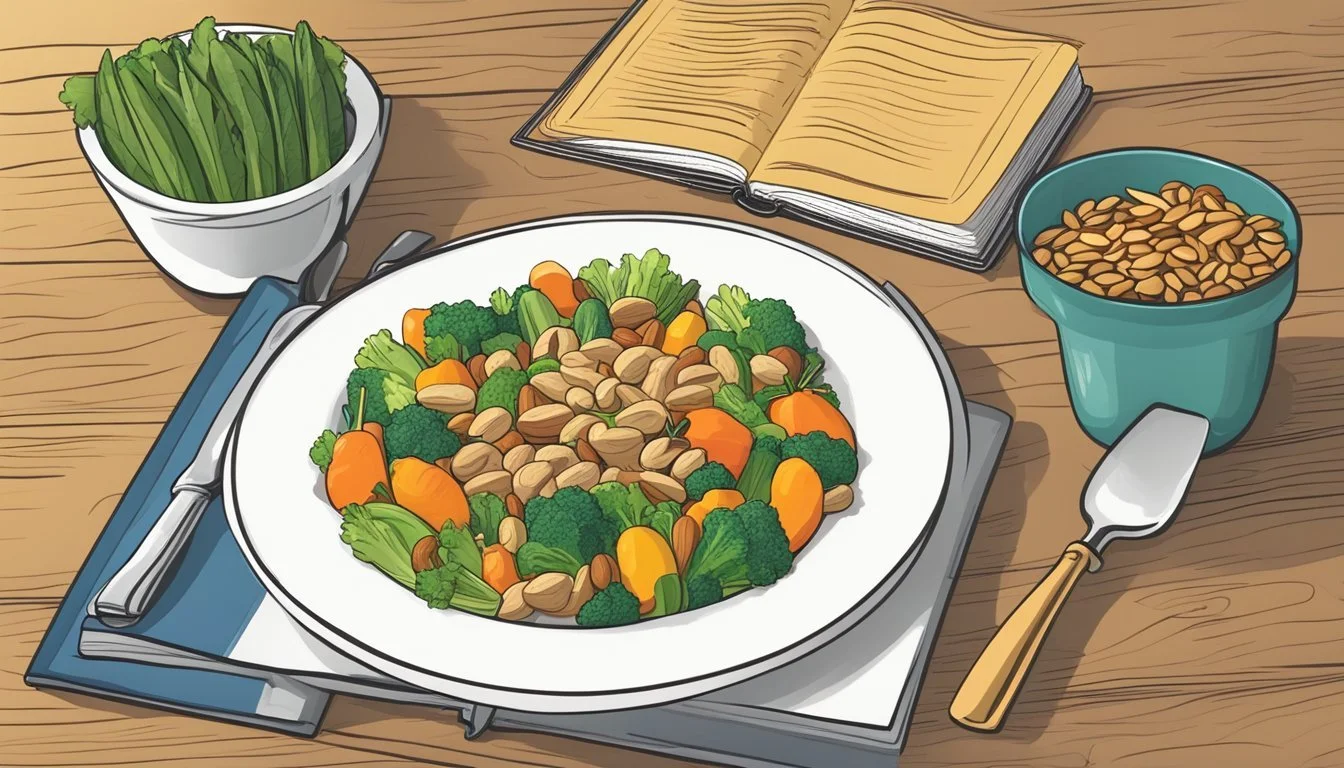
Adopting the Wheat Belly Diet affects one's entire lifestyle, with an emphasis on physical activity and long-term adherence to grain-free eating. It demands serious consideration of daily habits and the incorporation of exercise to maximize the diet's potential for weight loss.
Physical Activity
Engaging in regular physical activity can accelerate the calorie-burning process and improve energy levels. The Wheat Belly Diet doesn't explicitly prescribe an exercise regimen, but they acknowledge the importance of exercise in conjunction with dietary changes. Individuals should consider activities they enjoy to ensure they can maintain an active lifestyle while following this diet.
Long-term Adherence
For those committed to a grain-free lifestyle, long-term adherence is crucial for sustained weight loss and health benefits. Since the diet significantly alters food choices, it's important:
To be prepared for situations that challenge their grain-free commitment, such as social events.
To understand that their food choices will need to permanently change to align with the Wheat Belly Diet principles.
Consistency and dedication are key, as sporadic adherence may lead to inconsistent results.
Comparative Dietary Analysis
The Wheat Belly Diet distinguishes itself through its strong stance on eliminating wheat and other grains to promote weight loss and improve health. This section contrasts the Wheat Belly approach with other popular diets, examining both its advantages and limitations.
Wheat Belly vs. Other Diets
Paleo: The Paleo diet and Wheat Belly both recommend the elimination of grains. However, Paleo focuses broadly on eating what our Paleolithic ancestors might have eaten, which includes a wide variety of meats and excludes dairy, while the Wheat Belly diet allows dairy consumption in moderation.
Ketogenic: The Ketogenic diet is similar to Wheat Belly in its low-carb approach, but it's much higher in fat and prescribes a moderate protein intake. Wheat Belly does not necessarily require a high-fat intake and has less stringent guidelines on ketosis.
Mediterranean: A Mediterranean diet emphasises fruits, vegetables, whole grains, and healthy fats, contrasting with Wheat Belly since it excludes all grains. However, both diets share an emphasis on plant-based foods and moderate consumption of dairy.
Gluten-Free Diet: The Gluten-Free diet aligns closely with Wheat Belly in the removal of wheat and other gluten-containing grains, yet gluten-free diets often include grains like rice and corn, which Wheat Belly diet does not.
Pros and Cons
Pros:
Focus on whole foods: The diet encourages the consumption of vegetables and other whole foods, which can improve overall nutrient intake.
Potential for weight loss: By cutting out wheat and processed grains, individuals may reduce their calorie intake and lose weight.
Satiety: High intake of protein and healthy fats can lead to increased fullness and reduced appetite.
Cons:
Restrictiveness: The diet is highly restrictive, which can make it difficult for some to follow long-term.
Nutritional deficiencies: Completely eliminating grains can result in a lack of certain vitamins and fiber in one's diet.
Limited evidence: While anecdotal success stories exist, there's limited peer-reviewed research on the long-term health impacts of the Wheat Belly diet.
Each diet presents unique features that might appeal to different individuals depending on their dietary goals, health needs, and lifestyles. It is important for individuals to consult with a healthcare professional before starting any new diet, including Wheat Belly, to ensure it aligns with their specific health needs.
Critical Perspectives
In evaluating the effectiveness of the Wheat Belly Diet, one must consider scientific feedback and the long-term sustainability of a grain-free lifestyle.
Scientific Critiques
Research on the Wheat Belly Diet raises questions about its claims, emphasizing a need for balanced intake of whole grains and legumes. While some individuals report improved health anecdotally, it's important to recognize the diet's potential nutritional deficiencies. The diet's strict exclusion of whole grains can lead to a lack of essential nutrients that grains provide, such as fiber, vitamins, and minerals. Legumes, often grouped with grains in dietary discussions, are also an important source of protein and fiber that might be lacking in a grain-free diet.
Several studies suggest that whole grains are part of a healthy diet, and their complete elimination might not be necessary for the majority of people. For instance, whole grains have been associated with a reduced risk of chronic diseases such as Type 2 diabetes and cardiovascular disease.
Dietary Sustainability
The sustainability of the Wheat Belly Diet is a concern for both individuals and the environment. From a personal adherence standpoint, completely avoiding grains can be challenging, given their prevalence in the standard diet and their role in cultural eating practices.
Environmental sustainability also comes into play. Whole grains and legumes are often staples of a sustainable agricultural system, and they play a crucial role in crop rotation and soil health.
On the individual level, a grain-free diet might require increased consumption of other food groups, such as meats or specialty products, which can have a higher environmental impact.
From the standpoint of nutritional variety, fruits are still included in the diet but in limited amounts due to their sugar content, which might deter individuals from consuming an adequate range of micronutrients.
Personal Success Stories
Numerous individuals have shared their experiences with the Wheat Belly diet, highlighting significant changes in their weight and overall health. They often attribute their success to eliminating grains from their diet, which forms the cornerstone of the Wheat Belly lifestyle.
Weight Loss Journey
For many, the transition to grain-free living has resulted in notable weight loss. For instance, Dr. William Davis, the author of "Wheat Belly," presents stories of individuals who have shed pounds in the wake of excluding grains. These accounts are not isolated, as online testimonials and community forums echo similar weight loss achievements.
Health Transformations
Beyond the scales, testimonials indicate improvements in other health markers. Individuals have reported enhanced skin clarity, reductions in inflammatory conditions, and increased energy levels. The grain-free approach is touted for measurable shifts in well-being, substantiating the diet's effect beyond mere weight loss.
Lifestyle Impact
Adherents commonly observe that the Wheat Belly diet is more a lifestyle change than a temporary diet. These personal stories often reveal a departure from previous unhealthy eating habits, signifying a long-term commitment to wellness and a proactive stance on managing dietary intake.
The following table exhibits a summary of reported benefits attributed to the Wheat Belly Diet based on personal accounts:
Benefit Description Weight Loss Consistent shedding of excess weight after cutting out grains. Skin Health Improvements in skin conditions, leading to clearer, more radiant skin. Well-being Reports of increased vitality and reduced symptoms of chronic conditions.
While these success stories inspire, they are individual experiences and outcomes may vary. Despite personal stories of transformation, the diet should be considered in the context of overall health and nutrition guidance.
Frequently Asked Questions
What is the Wheat Belly Diet? The Wheat Belly Diet encourages the elimination of all grain-based products, specifically targeting wheat. It posits that removing such foods from one's diet can aid in weight loss and improve overall health.
Who might benefit from a grain-free diet? Individuals with celiac disease, non-celiac gluten sensitivity, or irritable bowel syndrome (IBS) may find symptom relief by following a grain-free diet similar to the Wheat Belly Diet.
Can the Wheat Belly Diet help with weight loss? Yes, some individuals may experience weight loss as the diet eliminates many high-calorie, processed foods and emphasizes whole foods like vegetables and nuts.
Does this diet pose risks for certain individuals? Those with certain health conditions should consult with a healthcare provider before starting any new diet. A grain-free diet can result in nutritional deficiencies if not properly managed.
Is gluten the only concern in grains according to the Wheat Belly Diet? No, the diet also addresses issues with high-glycemic grains that can affect blood sugar levels.
How does the Wheat Belly Diet differ from gluten-free diets? While both diets exclude gluten, the Wheat Belly Diet removes all grain-based carbohydrates, often resulting in lower calorie consumption.
Entity Relevance Celiac Disease High, requires gluten elimination Irritable Bowel Syndrome Moderate, may benefit from reduced grain intake Gluten Sensitivity High, necessitates gluten avoidance
For further details and personalized advice, consulting a nutrition expert or physician is recommended.
Glossary of Terms
Carbohydrates (Carbs): A macro-nutrient used by the body for energy. They are found in foods such as bread, pasta, and fruit, and are categorized as simple or complex based on their chemical structure and how quickly the body converts them into glucose.
Glycemic Index: A ranking system for carbohydrates based on their immediate effect on blood glucose levels. Foods with a high glycemic index increase blood sugar rapidly.
Gluten-Free: A diet excluding gluten, a protein composite found in wheat and related grains, including barley and rye. Gluten-free diets are necessary for those with celiac disease and may offer digestive benefits to others.
Inflammation: The body's immune response to an irritant. Chronic inflammation is often discussed in relation to diet and is believed to contribute to various diseases.
Seeds of Grasses: Referring to the seeds produced by various grass species, like wheat, barley, and rye, which are commonly used in grain production. The term relates to discussions about whether humans are well-adapted to consuming these seeds.
Conclusion
The Wheat Belly Diet, centered on the elimination of grains, is promoted with the claim that it can lead to significant weight loss and health improvements. Proponents argue that a grain-free lifestyle may contribute to a range of benefits, with anecdotal reports suggesting enhancements in skin clarity and digestive health.
Key highlights of the diet include:
Grain Elimination: By removing grains, individuals may reduce their intake of processed foods which are often high in calories and low in nutrients.
Potential Weight Loss: The diet's focus on vegetables, fruits, nuts, and plant-based oils inherently leads to a reduction in calorie consumption that could drive weight loss.
Health Considerations: The diet emphasizes whole foods and may lead to better blood sugar control and improved heart health over time.
Critics, however, caution against the diet's strict restrictions and the potential nutritional deficits that may arise from completely eschewing grains. They argue that whole grains are part of a balanced diet and can provide essential nutrients.
Individuals considering the Wheat Belly Diet should consult healthcare professionals to tailor the plan to their specific needs and ensure a balanced intake of all required nutrients.
In summary, while the diet may yield weight loss and health benefits for some, it is not without its challenges and may not be suitable for everyone. Personal differences in health, preferences, and lifestyle should be taken into account when evaluating the suitability of the Wheat Belly Diet.

