
Are Organic Foods More Perishable?
Understanding Shelf Life and Storage Factors
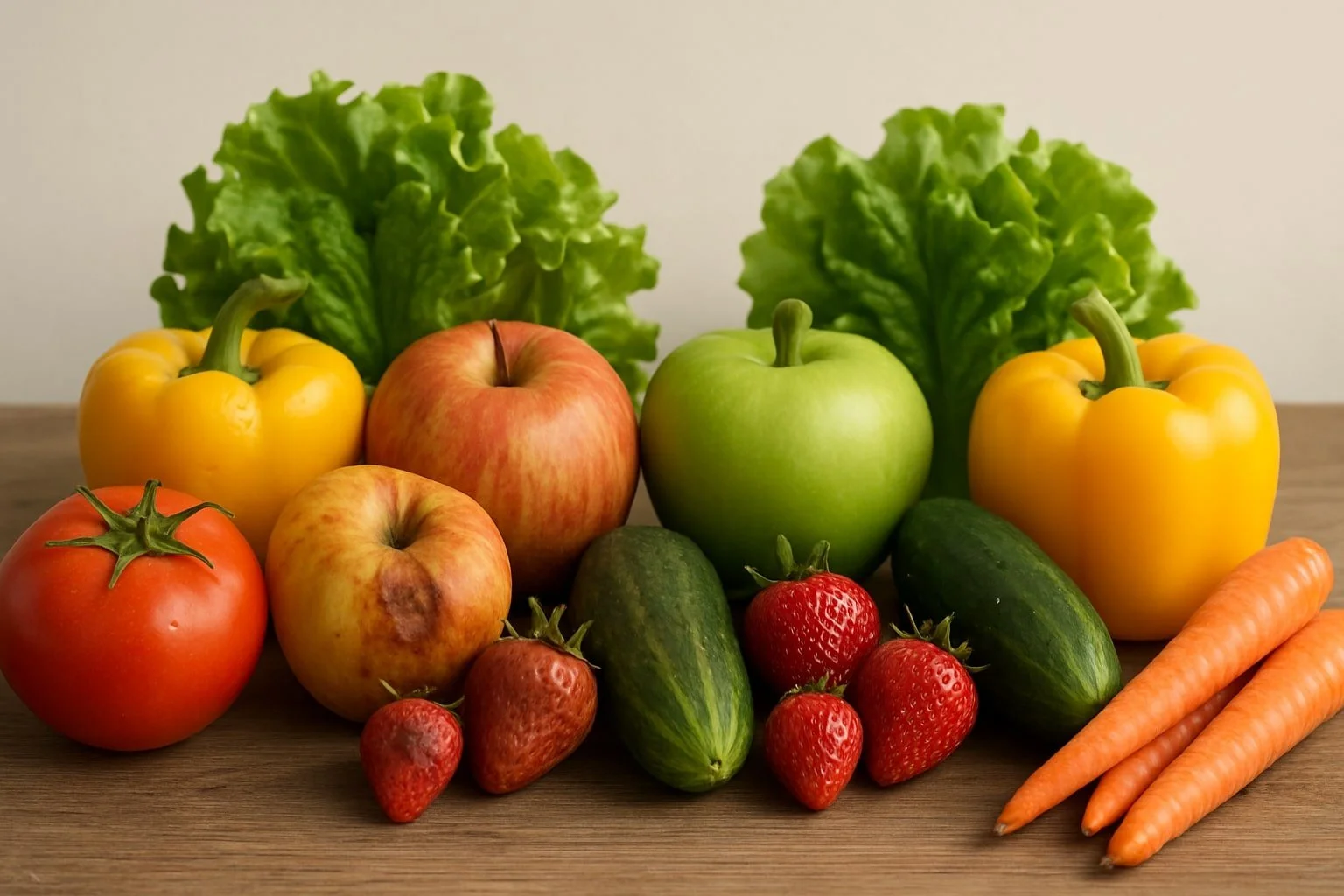
Organic foods are generally more perishable than conventional foods because they usually lack artificial preservatives and are often harvested at peak ripeness. These factors can lead to a shorter shelf life, especially for organic produce, which tends to spoil more quickly if not stored properly.
Despite this, many consumers choose organic food for its fresher taste, absence of synthetic chemicals, and perceived health benefits. Because organic options are more sensitive to storage and handling conditions, understanding how to maximize their freshness can help reduce waste and make the most of each purchase.
What Makes Organic Foods Different
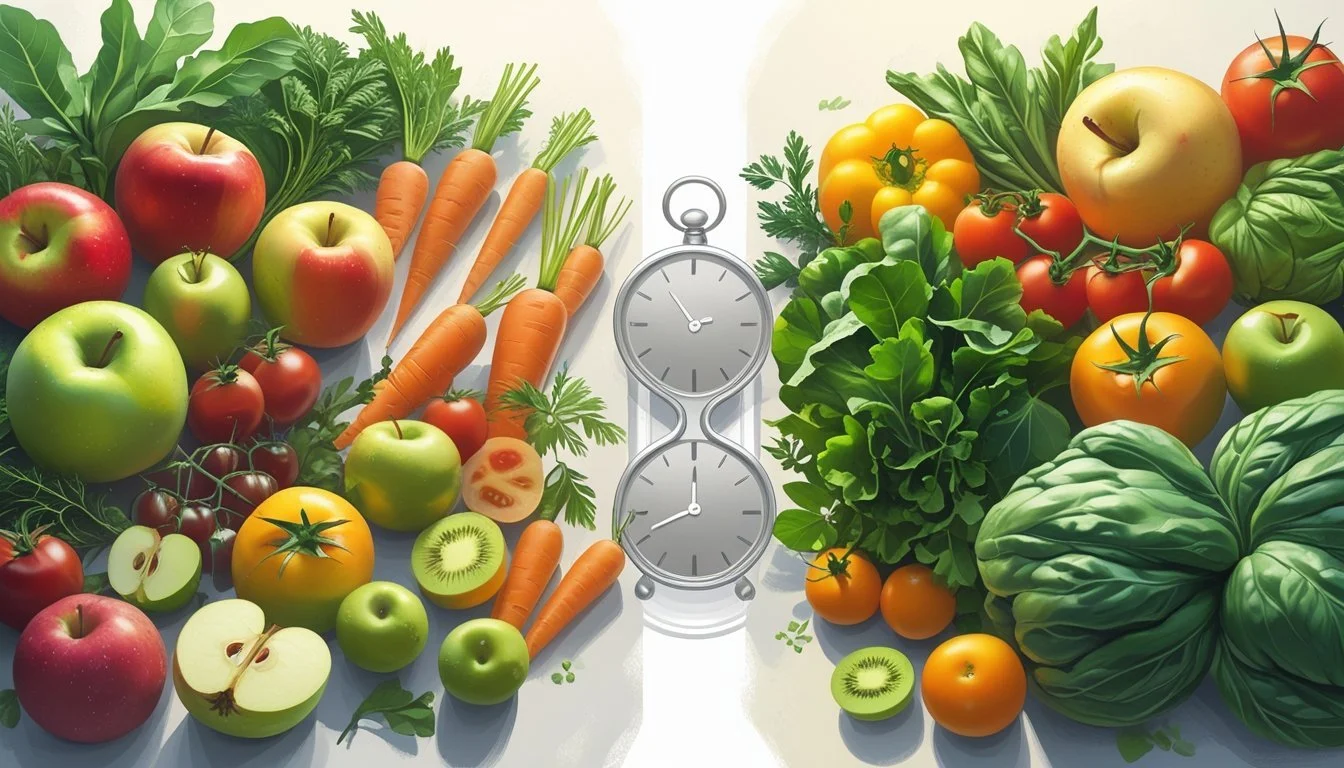
Organic foods differ from conventional foods in several key ways, including how they are produced, farmed, and certified. These differences influence their composition, handling, and market availability.
Defining Organic Foods
Organic foods are products grown or produced using agricultural methods that restrict or prohibit certain synthetic inputs. This includes avoiding most synthetic pesticides, herbicides, and fertilizers throughout the cultivation process. Instead, organic producers rely on natural substances and physical, mechanical, or biologically based farming methods.
Certified organic foods also exclude genetically engineered organisms and ionizing radiation. This focus results in food products that are less likely to contain pesticide residues and artificial additives. Animal-derived organic foods, such as milk, eggs, and meat, come from animals raised on organic feed and without routine antibiotics or hormones.
The labeling of "organic" reflects these specific practices, which must be documented and traceable from farm to finished product. The result is a product with clear criteria separating it from conventional alternatives.
Organic Farming Practices
Organic farming practices are designed to improve environmental quality and maintain long-term agricultural sustainability. Farmers use crop rotation, composting, and green manure to enhance soil fertility without synthetic chemicals. Livestock are given access to the outdoors and raised using organic feed.
Pest and weed control depend on natural predators, crop diversity, and approved botanical or mineral-based substances, rather than broad-spectrum synthetic pesticides. These measures are intended to protect biodiversity and prevent the buildup of harmful residues in the environment.
Irrigation and fertilization practices also emphasize efficiency and natural resources. Mulching, cover cropping, and the use of organic fertilizers such as manure or bone meal help reduce soil erosion and build healthy soil structure.
Role of USDA Standards
The United States Department of Agriculture (USDA) sets detailed standards for organic certification. For a product to be labeled "organic," it must comply with the National Organic Program (NOP) regulations.
These standards cover every step in the supply chain, including growing, handling, processing, and labeling. USDA-approved certifying agents inspect farms and processing facilities annually to ensure compliance with organic regulations.
The USDA prohibits the use of most synthetic pesticides, genetic engineering, antibiotics, and artificial growth hormones in any stage of production. Certification involves strict recordkeeping, routine inspections, and clear documentation to maintain transparency and consumer trust.
A product carrying the USDA Organic seal assures buyers it was produced following these national standards. This framework helps consumers make informed choices based on established, verifiable criteria.
Shelf Life of Organic Foods
Shelf life varies widely among different organic foods, and several factors including storage methods, ingredients, and processing play a significant role. Organic products, especially fresh items, often expire sooner than their conventional counterparts due to minimal use of preservatives.
Understanding Perishability
Organic produce is generally more perishable because it is rarely treated with waxes, synthetic preservatives, or other chemical agents. These substances are commonly used in conventional products to slow spoilage and extend shelf life.
For example, organic fruits and vegetables may begin to wilt, mold, or lose firmness within days if not stored properly. Temperature, humidity, and packaging also influence how long organic foods retain quality after harvest.
Even among organic foods, shelf life is not uniform. Leafy greens and berries can spoil more quickly than root vegetables or hard-skinned fruits. Regular inspection and proper refrigeration help maximize their usable life.
Comparing Organic and Conventional Produce
When comparing organic to conventional produce, the most noticeable difference is often the shorter shelf life of organics. Conventional items benefit from added preservatives and surface treatments such as wax coatings, which seal in moisture and slow the growth of bacteria or mold.
Organic apples or cucumbers, for instance, may soften or shrivel within a week, while treated conventional versions might last several weeks in the same conditions.
Below is a simplified comparison of average refrigeration shelf life (in days):
Product Organic Conventional Apples 7-14 21-28 Lettuce 5-7 10-14 Carrots 14-21 30 Berries 2-4 5-7
Handling and transportation speed are particularly important for retailers and consumers choosing organic produce.
Organic Meats and Dairy Products
Organic meats, eggs, and dairy products also tend to have a somewhat shorter shelf life than non-organic versions. This is largely because they are produced without certain antibiotics, preservatives, or synthetic additives that can delay spoilage.
Organic milk often undergoes pasteurization but usually lacks ultra-high temperature (UHT) processing, leading to a shorter refrigerator shelf life. Expiration dates on organic dairy may be as little as 5 to 7 days after opening.
Organic eggs are comparable in longevity to conventional eggs if stored correctly, usually lasting 3-5 weeks in the refrigerator. Organic meats, when freshly packaged, may spoil faster due to the absence of chemical preservatives but can be frozen to extend storage periods.
Proper refrigeration, airtight packaging, and attention to expiration dates are crucial for maintaining the quality and safety of all organic animal products.
Why Organic Foods Are More Perishable
Organic foods often have a shorter shelf life than conventional options due to specific production and handling factors. The limited use of synthetic additives and a focus on natural ripening significantly affect how long these foods remain fresh.
Absence of Synthetic Preservatives
Synthetic preservatives such as sodium benzoate, potassium sorbate, and calcium propionate are commonly used in conventional food processing to prevent spoilage and inhibit the growth of bacteria, yeast, and molds.
Organic foods do not contain these artificial preservatives. Instead, their preservation relies on refrigeration and natural methods.
Without these chemicals, organic ingredients are more susceptible to natural spoilage processes. Spoilage organisms and enzymes in food can break down organic produce more quickly without chemical interference, leading to a shorter shelf life.
Higher Moisture Content and Freshness
Most organic fruits and vegetables are harvested closer to peak ripeness and brought to market with minimal storage time. This means they tend to retain more moisture compared to their conventional counterparts.
Higher moisture content is linked to increased freshness, but it also accelerates spoilage. Microbial activity, such as mold and bacteria growth, thrives in moist environments. This is especially true for fruits like strawberries or leafy greens that are often purchased at peak freshness from organic sources.
A simple table illustrating this:
Aspect Organic Produce Conventional Produce Moisture Content Higher Varies Shelf Life Shorter Longer Typical Freshness Higher (upon purchase) Varies
Reduced Use of Synthetic Pesticides
The use of synthetic pesticides is heavily restricted in organic agriculture. Conventional farmers can apply synthetic pesticides that protect food from pests and microbial growth both in the field and during storage.
Without these chemicals, organic fruits and vegetables are more vulnerable to insect damage and microbial spoilage after harvest. Natural pesticide alternatives used in organic farming may not offer the same level of long-term protection.
This vulnerability means that organic produce can develop spots, mold, or insect deterioration sooner, even when they are stored under proper conditions.
Impact of Natural Ripening
Organic foods are usually ripened naturally or with minimal intervention, unlike some conventional foods which may undergo chemical ripening agents or controlled atmosphere storage. Natural ripening results in produce with a softer texture and enhanced aroma.
However, naturally ripened fruits and vegetables tend to have a shorter window of peak freshness. The absence of ripening inhibitors means enzymatic processes continue rapidly, and once ripeness is achieved, spoilage occurs soon after.
Consumers may notice that organic food changes color, texture, or develops spoilage characteristics, such as softness or bruising, more quickly than non-organic options. Keeping organic foods refrigerated and consuming them soon after purchase maximizes quality and reduces food waste.
Factors Influencing Organic Food Spoilage
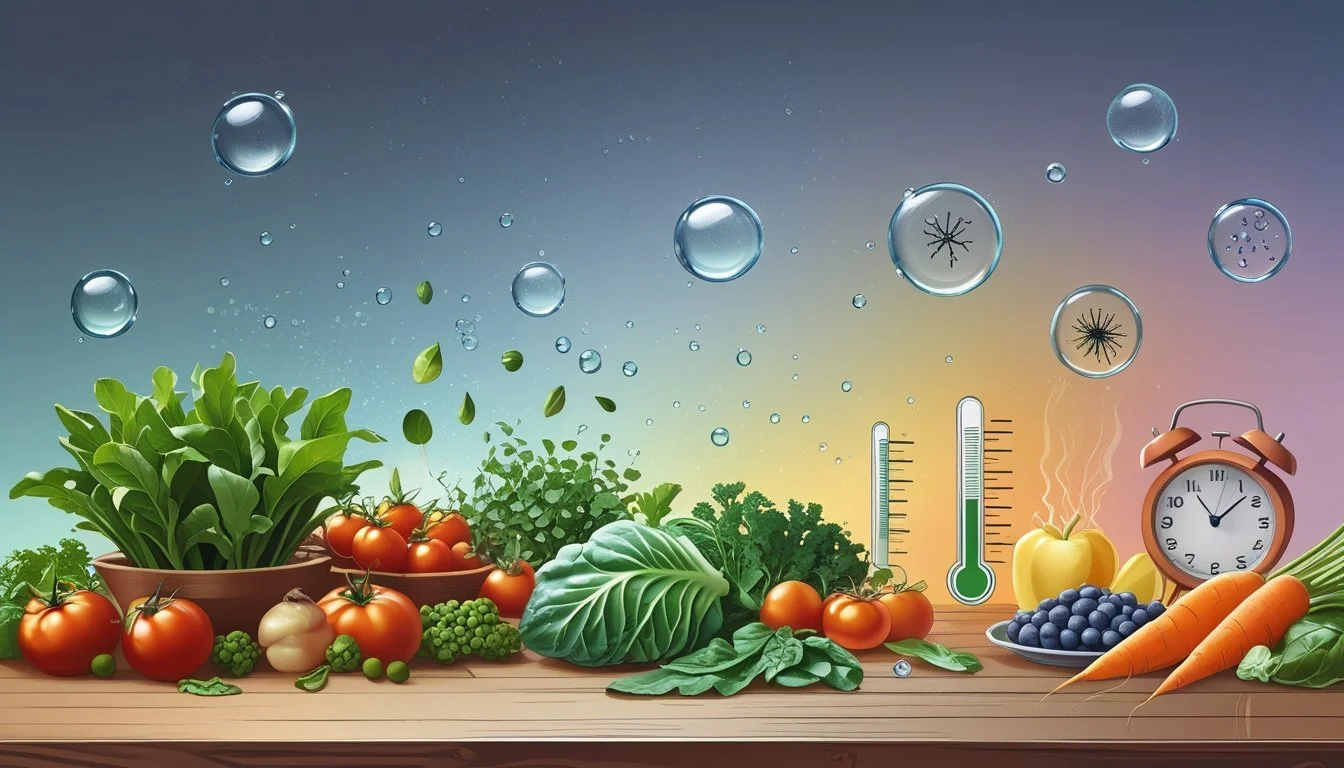
Organic foods can be more vulnerable to spoilage compared to conventional products due to limited use of preservatives and certain production methods. How they are stored, handled, and packaged has a direct effect on their freshness and safety.
Temperature and Humidity
Temperature and humidity strongly impact the shelf life of organic foods. Perishable items like fruits, vegetables, dairy, and meat must be kept at proper cold storage temperatures, generally below 4°C (40°F), to slow bacterial growth and enzymatic reactions.
High humidity can lead to mold development, while low humidity may cause drying and loss of quality. In many cases, improper temperature or humidity control in storage areas accelerates spoilage, especially for fresh produce and organic dairy products.
Storing products in climate-controlled environments and monitoring for temperature fluctuations helps reduce the risk of spoilage. Fluctuating or suboptimal conditions can spoil food quickly, especially organic items that lack artificial preservatives.
Bacteria and Contamination
Bacterial contamination is one of the leading causes of food spoilage in organic products. Organic foods may carry higher levels of microorganisms due to the absence of certain chemical treatments.
Potential sources of contamination include soil, water, handling equipment, and cross-contamination from other foods. This can lead to faster spoilage, particularly for fresh organic produce and unpasteurized items.
Proper washing, safe handling, and separating raw and cooked foods are critical steps to minimize contamination risks. Attention to hygiene practices and regular cleaning of storage areas further decreases bacterial spoilage.
Packaging and Storage Techniques
Packaging style and materials play a crucial role in slowing spoilage. Many organic foods are packed in minimal or biodegradable packaging, which may not always provide the airtight barrier required to reduce moisture and oxygen exposure.
Use of proper airtight containers and vacuum-sealed packaging can extend shelf life. Storing food in suitable spaces—such as refrigeration for perishables or cool, dry places for grains—protects against spoilage agents.
Labeling foods with storage instructions and best-before dates assists in using items within safe periods. Adopting effective storage techniques, such as first-in, first-out and regular inventory checks, helps maintain the freshness and safety of organic foods.
Comparing Perishability: Organic vs Conventional
The shelf life of organic and conventional foods frequently differs due to production methods and post-harvest handling. Factors like wax coatings, chemical preservatives, and storage conditions all play a role in how quickly produce spoils.
Conventional Farming and Shelf Life
Conventional farming often uses synthetic pesticides, fungicides, and chemical preservatives to protect fruits and vegetables after harvest. Many conventionally grown apples and pears receive wax coatings, reducing moisture loss and slowing spoilage. These practices help extend shelf life and minimize food waste during transport and storage.
Conventional produce, particularly items known as the “Dirty Dozen” like strawberries and spinach, may contain residues from these treatments. While this can help products last longer, it sometimes raises consumer concerns about chemical exposure. Standardized handling and storage infrastructure also contribute to the longer shelf life typically seen in conventionally grown root vegetables and fruits.
Examples: Apples, Berries, and Leafy Greens
Apples
Organic apples, without synthetic wax or preservative coatings, often soften or develop spots faster than conventional apples. Most organic apples rely on natural wax from their skins, which is less protective.
Berries
Organic berries, including strawberries and blueberries, are especially perishable. Without post-harvest fungicides, mold and spoilage set in quicker. Conventional berries tend to stay fresh longer due to chemical treatments.
Leafy Greens
Organic leafy greens, such as spinach and lettuce, tend to wilt or decay faster than their conventional counterparts. They lack chemical washes that delay spoilage, so consumers often need to eat organic greens soon after purchase.
Table: Average Shelf Life (Refrigerated)
Produce Organic Conventional Apples 1-2 weeks 3-4 weeks Berries 2-4 days 4-7 days Leafy Greens 3-5 days 7-10 days
Role of Pesticides and Preservatives
Pesticides and preservatives play different roles in the shelf life and safety of foods. Conventional and organic foods differ in how these substances are used, which affects their perishability and consumer exposure to residues.
Functions in Conventional Produce
Conventional food production often relies on synthetic pesticides to control pests and diseases during cultivation. These chemicals help reduce crop losses and maintain quality, especially during transport and storage.
Preservatives such as sulfites, benzoates, and nitrates are commonly used to slow spoilage and prevent microbial growth. This enables non-organic foods to remain fresh for extended periods even after harvest.
In conventional produce, the combined action of pesticides and preservatives can significantly increase shelf life compared to organic alternatives. Organic foods generally avoid synthetic preservatives and limit pesticide use, making them more perishable.
Pesticide Residues and Human Health
Conventional produce often contains trace amounts of pesticide residues due to the use of synthetic chemicals. Regulatory agencies set maximum residue limits, but consumers may still be exposed to low levels through their diet.
Several studies suggest that organic food exposes people to less pesticide residue, since organic standards restrict or ban synthetic pesticides. Reduced exposure may be of particular interest to children or those concerned about long-term health effects.
While acute toxicity from residues in food is rare, some consumers seek to avoid cumulative, low-dose exposure. Choosing organic foods can reduce these residues, though it may also mean shorter shelf life and increased perishability.
Handling and Storage of Organic Foods
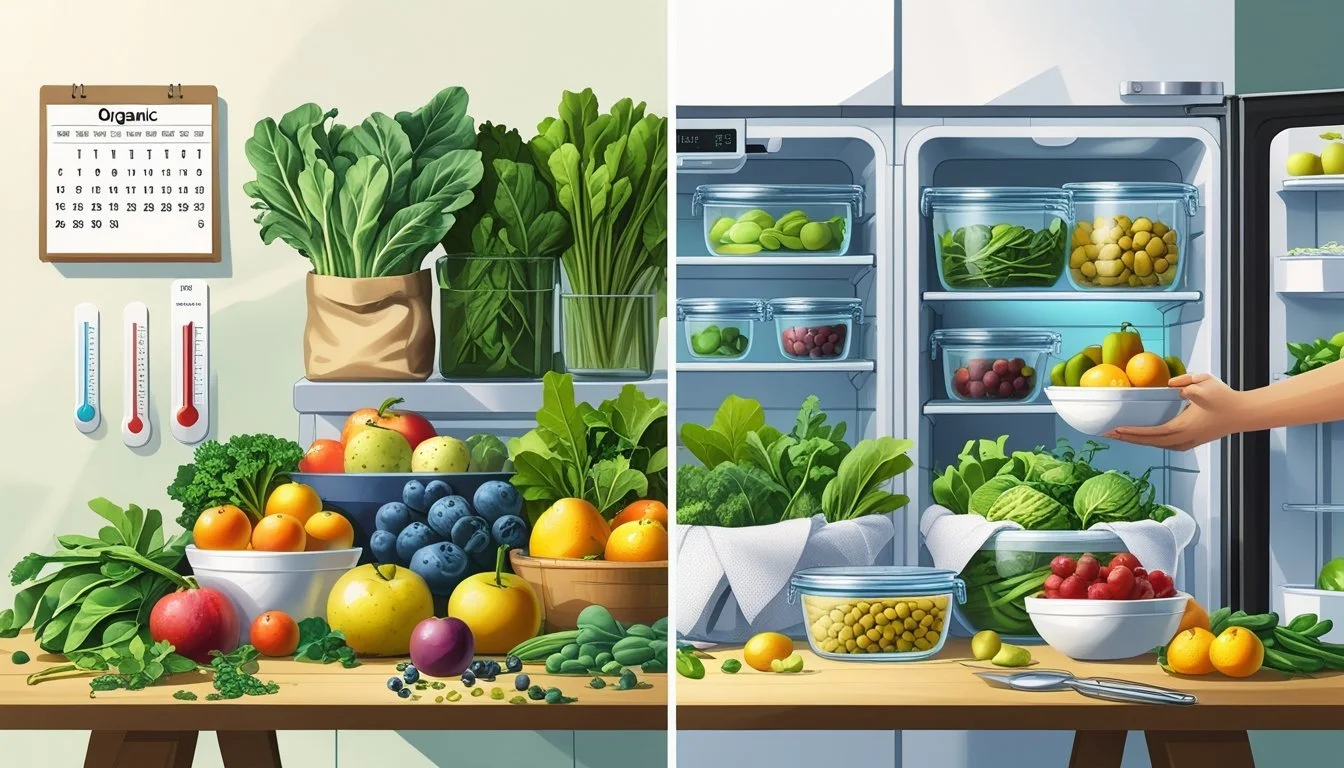
Proper storage plays a significant role in extending the shelf life of organic foods, especially since they often lack preservatives. Attention to temperature, humidity, and handling can make a difference in how long organic items remain safe and fresh.
Effective Refrigeration and Freezing
Refrigeration slows down spoilage for most organic products, especially fruits, vegetables, and dairy items. It is recommended to store leafy greens, berries, and soft fruits at temperatures between 32–40°F (0–4°C) to minimize bacterial growth.
Fresh organic produce should be kept in ventilated containers or perforated plastic bags to allow air circulation, reducing excess moisture and mold risks. For items prone to rapid spoilage, like berries or herbs, consider storing them in the crisper drawer where humidity can be controlled.
Freezing is useful for extending the storage life of many organic foods without significant nutrient loss. Vegetables benefit from blanching before freezing to preserve texture and flavor. Label frozen organic foods with dates and use them within a recommended 4–12 months for optimal quality.
Best Practices for Maintaining Freshness
Proper handling before storage reduces contamination and physical damage. Washing produce just before consumption, rather than before storage, helps lower moisture and spoilage rates.
Tips for keeping organic food fresh:
Store dry goods in airtight containers away from sunlight.
Use clean, dry hands or utensils when handling.
Group items based on their ripening characteristics. For example, keep ethylene-producing fruits like apples away from leafy vegetables to prevent premature spoilage.
Inspect organic foods frequently and remove items showing signs of spoilage. Maintaining a clean storage environment, both in the pantry and refrigerator, supports freshness and safety for all organic products.
Health Benefits and Nutritional Value
Organic foods are often discussed in relation to their nutritional value and their role in a healthy diet. Common topics include antioxidants, vitamins, and possible effects on chronic disease risk.
Antioxidants and Vitamins
Some studies report that organic produce may contain higher levels of certain nutrients and antioxidants, including vitamin C, magnesium, and iron. A review of multiple studies found that organic fruits and vegetables sometimes have greater concentrations of specific antioxidants compared to conventional options.
However, other research notes no significant difference in the basic nutrient content—such as protein, fiber, and most vitamins—between organic and conventional foods. Most experts agree that any differences, if present, are generally small and may not translate into meaningful health effects for most people.
Organic farming practices, like reduced pesticide use and soil enrichment, could contribute to the higher antioxidant content found in some organically grown foods. Still, the overall nutrient profile of organic produce remains similar to that of conventional produce for many nutrients.
Potential Impact on Chronic Diseases
Research has not demonstrated a clear reduction in chronic disease risk, such as heart disease or cancer, from eating organic foods compared to conventional foods. Recent reviews indicate that no strong evidence links organic food consumption to improved long-term health outcomes in humans.
While certain observational studies suggest people who eat organic diets may have better overall health, these individuals also tend to lead healthier lifestyles in general, making it difficult to isolate the effect of organic foods alone. Key organizations note that both organic and conventional produce contribute to lowering chronic disease risk as part of a balanced, nutrient-rich diet.
Nutritional factors like antioxidants and lower pesticide residues may offer potential benefits, but there is no direct evidence that organic foods alone prevent chronic diseases. Regular consumption of fruits and vegetables—regardless of how they are grown—remains most important for reducing chronic disease risk.
Food Safety and Risks in Organic Foods
Food safety in organic foods often comes down to differences in farming practices and handling compared to conventional products. Specific risks may arise in the areas of spoilage and contamination, especially when considering storage, transportation, and kitchen practices.
Pathogens and Spoilage
Organic foods, especially fresh produce, can be more susceptible to spoilage due to lower use of synthetic preservatives and fungicides. Without these chemical protections, items like fruits and vegetables may develop mold or rot more quickly. Increased spoilage can create an environment where pathogens—such as Salmonella and E. coli—are more likely to thrive.
Another concern is the use of animal manure as fertilizer in organic farming. If manure is not properly composted, harmful bacteria may persist, increasing the risk of contamination. While both organic and conventional foods can be contaminated with pathogens, studies indicate that risks are similar if proper handling procedures are followed after harvest.
Proper refrigeration and timely consumption remain critical to reducing spoilage and foodborne illness in organic foods.
Avoiding Cross-Contamination
Cross-contamination is an important food safety concern in all food handling settings but can be especially relevant with organic foods. Due to the lack of synthetic antimicrobials, organic foods may be more vulnerable if exposed to contaminated surfaces, utensils, or hands during preparation.
Simple steps can minimize risks:
Designate separate cutting boards for raw meats and produce.
Wash hands and surfaces frequently.
Store organic foods away from contamination sources in the kitchen or refrigerator.
Attention to these basic practices helps prevent the transfer of pathogens like Salmonella and Listeria from one food to another, preserving the safety and quality of organic ingredients.
Additional Tips for Organic Food Consumers
Organic foods can spoil faster due to the absence of preservatives and chemicals, so proper handling is essential. Careful techniques and targeted storage methods help maximize freshness and minimize waste.
Reading Labels and Expiry Dates
Consumers should pay close attention to expiration and “best by” dates on organic products, as these items generally have shorter shelf lives than their conventional counterparts. This is especially important for whole grains, nuts, oils, bread, and beverages.
Labels might also provide details on storage recommendations or specific warnings like “keep refrigerated” or “consume within X days after opening.” Understanding these instructions is crucial for foods such as organic eggs and dairy, which can spoil rapidly if not handled correctly.
For items like bread or packaged grains, check for signs of spoilage before the expiration date—organic products may spoil before that date under improper storage conditions. Keeping a running inventory and using the oldest items first can help reduce waste.
Use of Vinegar for Preservation
Vinegar is a natural, chemical-free preservative that can help extend the shelf life of many organic vegetables, fruits, and eggs. A simple rinse with diluted vinegar can reduce surface bacteria and mold spores, slowing down spoilage.
For leafy greens or berries, a mix of one part vinegar to three parts water is recommended. After soaking for a few minutes, rinse thoroughly and dry before storing. This method is particularly useful for produce that tends to mold quickly.
For organic eggs, some people use a light vinegar wash before refrigeration, but it is important to dry them well before storing. Vinegar can also be used in homemade pickling, a useful technique for surplus or nearly spoiled vegetables.
Proper Storage of Specific Foods
Correct storage can significantly affect the freshness of organic foods. Whole grains, nuts, and oils keep best in airtight containers in cool, dark places, as these foods are prone to rancidity, especially without synthetic preservatives.
Refrigerate organic eggs and use them within the timeframe on the label. For organic bread, freezing is preferable if it won't be eaten within a few days, since it spoils faster than conventional bread.
Beverages such as organic juices should be kept sealed in the refrigerator and consumed soon after opening. Separating ethylene-producing fruits—like apples—from ethylene-sensitive produce can help prevent premature spoilage. Storing vegetables in crisper drawers with proper humidity levels also protects their quality.
Conclusion
Organic foods tend to be more perishable than conventional options. This is mainly because they lack synthetic preservatives and are not treated with many of the chemicals that slow spoilage.
Shelf life can vary based on several factors:
Type of food: Some fruits and vegetables spoil faster than others.
Storage methods: Refrigeration and proper packaging can extend freshness.
Harvest freshness: How recently an item was harvested impacts how long it will last.
Consumers who buy organic produce often notice it may spoil more quickly, especially when compared side by side with conventionally grown counterparts.
However, careful handling and proper storage can help extend the shelf life of organic foods. Purchasing from local sources and eating foods soon after purchase are also effective strategies.
The following table highlights some key differences between organic and conventional foods:
Aspect Organic Foods Conventional Foods Preservatives Rarely used Often used Spoilage Rate Usually Higher Usually Lower Storage Needs Often Greater Standard
Choosing organic foods offers benefits for health and the environment, but it does require more attention to storage and timing. Shoppers should plan accordingly when bringing home organic products to maximize both freshness and value.

