
Storing Food in Original Packaging vs Containers
Which Method Preserves Freshness Better?
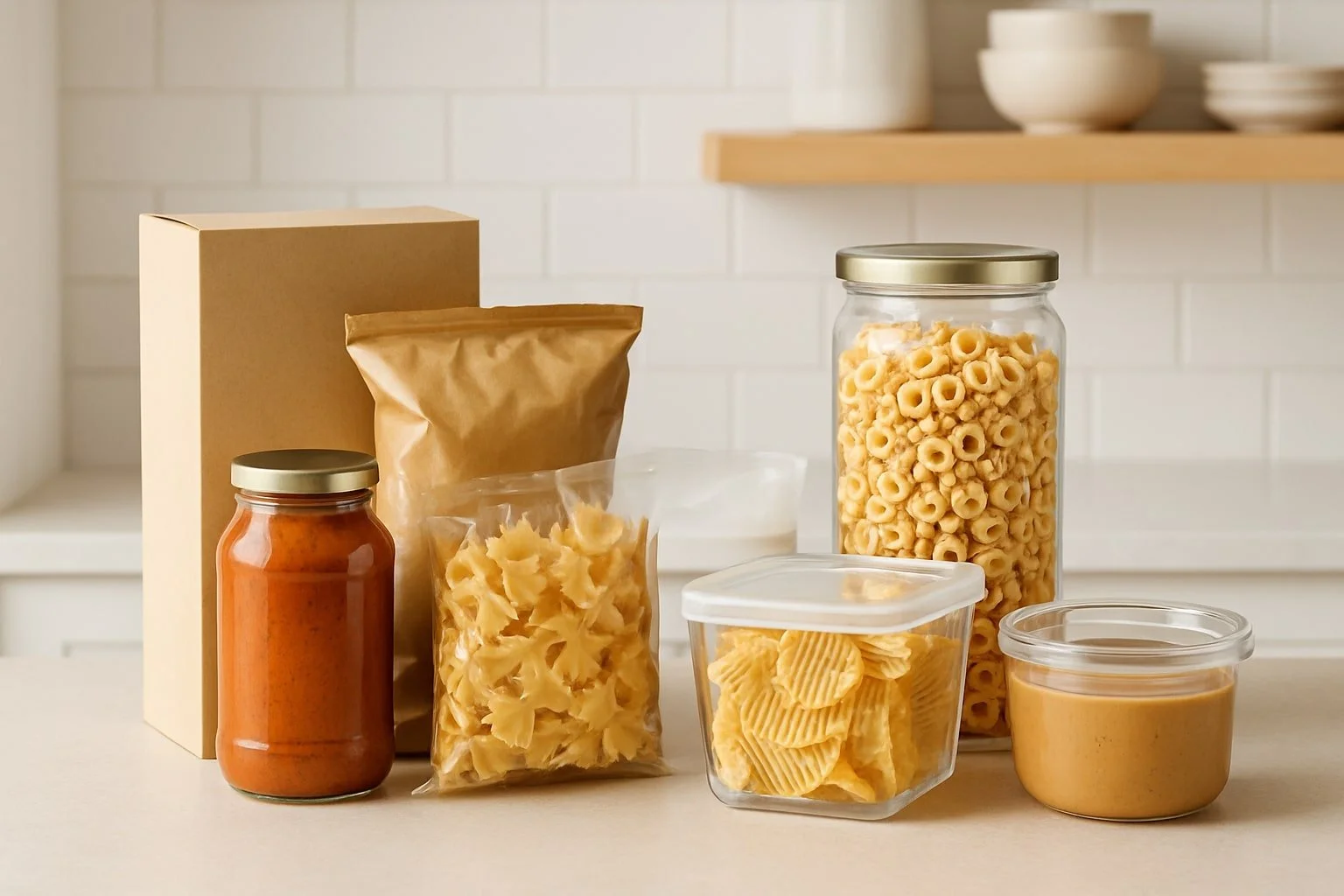
The choice between storing food in its original packaging or transferring it to containers depends on the type of food, how long it needs to be stored, and personal preferences for organization and freshness. Shelf-stable items like pasta, rice, and beans often do well when decanted into airtight containers, which can help keep out pests and maintain freshness. However, some products, such as certain produce or pre-packaged perishables, may stay fresher longer when left in their original packaging, especially if designed for optimal storage.
Busy households often wonder if decanting every pantry or fridge item is necessary, or if it’s just a matter of aesthetics. Factors to consider include the temperature needs, moisture sensitivity, and convenience of accessing the food. Knowing when to use containers and when to stick with original packaging can make food management more effective and minimize waste.
This guide explores the reasons behind choosing each approach and offers practical tips to help streamline any kitchen storage system.
Understanding Original Packaging
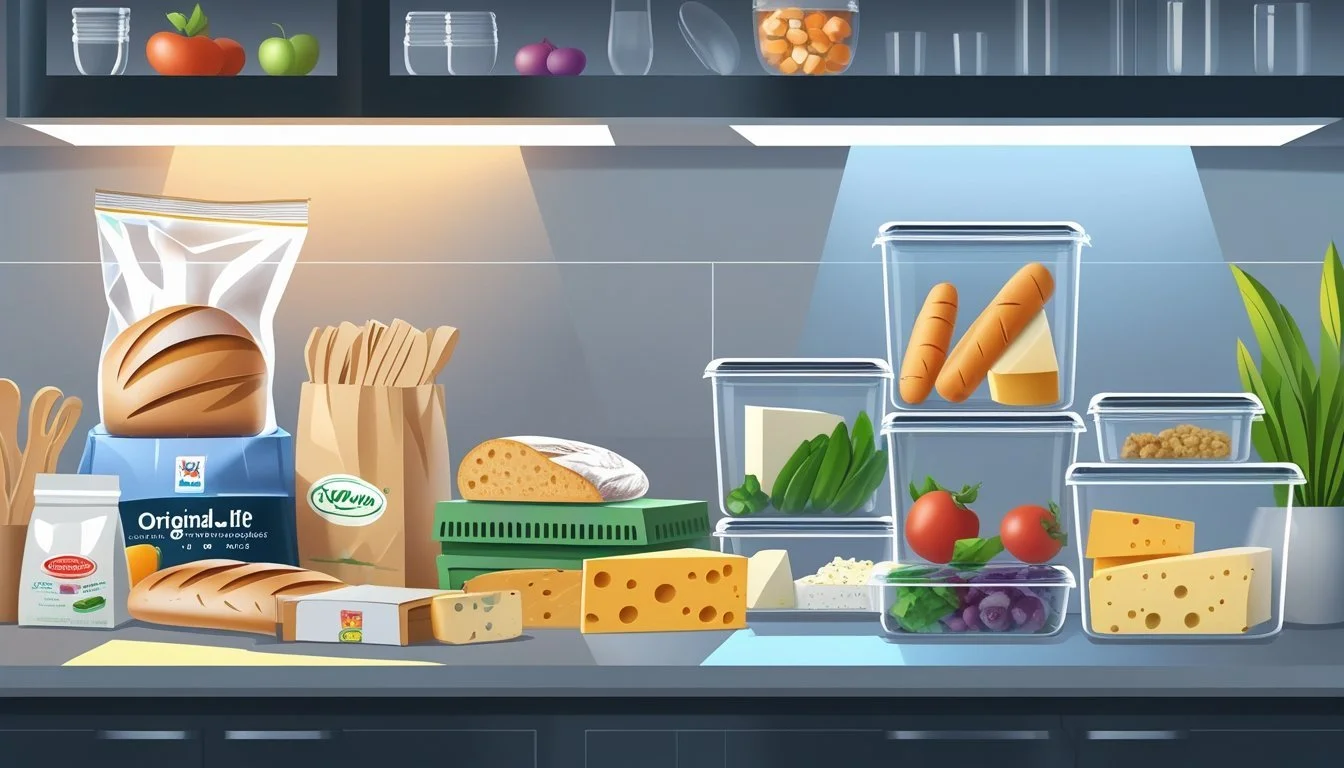
Original food packaging serves specific functions in maintaining product safety and freshness. The design and choice of materials are important for protecting food from contamination, managing moisture, and extending shelf life.
Materials and Design Features
Most original packaging is made from materials approved as food-safe, such as plastic, glass, metal, and specialized paperboard. These materials are selected to prevent chemical transfer and shield food from external contamination. For example, USDA and FDA guidelines restrict packaging that could leach harmful substances into the food.
Modern packaging often includes barriers to moisture and oxygen, which helps preserve texture and taste. Resealable bags, vacuum-sealed pouches, and multi-layer wraps are common. Some packages use built-in liners or coatings that maintain humidity or prevent exposure to air. The packaging must also withstand handling, transportation, and storage without breaking, tearing, or leaking.
Material Barrier to Moisture Food-Safe Common Use Plastic Yes Yes Snacks, Produce Glass Yes Yes Sauces, Jams Metal Yes Yes Canned Goods Paperboard Sometimes Yes Cereals, Crackers
Purpose of Manufacturer Packaging
Food manufacturers design packaging to keep the product safe until it is opened or consumed. Air-tight seals and tamper-evident features discourage contamination during storage and distribution. These packages are engineered to reduce exposure to light, moisture, or insects, which may affect quality or encourage spoilage.
Many packages use vacuum sealing or inert gas flushing to slow down the rate at which food goes stale or molds. For delicate foods like berries, the packaging often includes ventilation holes or moisture-absorbing pads to prevent excess dampness. Some packaging is also intended to help preserve flavor and aroma that can be lost with exposure to air or moisture.
Proper storage often involves keeping food in its original, sealed packaging until use, as this method maximizes the effectiveness of its protective features. Instructions on the label usually specify storage conditions—such as refrigeration or a dry, cool location—to ensure optimal quality.
The Role of Food Storage Containers
Food storage containers play an essential part in maintaining the quality and safety of stored food. Choosing the right container and method—whether to keep food in original packaging or decant it—affects freshness, shelf life, and food safety.
Types of Airtight Containers
Airtight containers help prevent moisture, pests, and air from reaching food. Common types include plastic containers with snap-on lids, glass jars with sealing gaskets, and heavy-duty food-grade buckets with tight-fitting lids. Each has unique strengths: glass is non-reactive, plastic is lightweight, and buckets store bulk items.
The table below compares key features:
Container Type Material Suitable For Reusability Transparency Glass Jars Glass Dry goods, leftovers High Yes Plastic (BPA-free) Plastic Bulk, snacks High Often Food-grade Buckets Plastic Long-term storage High No Vacuum-Sealed Bags Plastic Freezing, grains Single-use No
Selecting food-grade containers is important to avoid chemical transfer and ensure safe storage. Containers should have tight seals and be specifically intended for food use.
Benefits of Decanting
Decanting—transferring food from original packaging into airtight containers—improves storage conditions. It reduces the risk of exposure to air, humidity, pests, and light, which can speed spoilage.
Decanting also makes food storage more organized. Clear containers allow quick identification of contents and monitoring for spoilage or pests. Labeling with purchase or expiry dates supports proper rotation and reduces waste.
Some foods, such as flour, sugar, and grains, benefit most from being placed in sealed containers. Original packaging often lacks airtightness and can tear or degrade. Using sturdy, reusable containers adds an extra layer of protection and helps maintain freshness for longer periods.
Comparing Shelf Life: Packaging vs Containers
Shelf life depends on how well food is protected from air, light, and moisture. Both original packaging and storage containers have strengths and weaknesses when preserving freshness and limiting spoilage.
Extending Freshness for Perishable Items
Perishable foods like fresh produce, dairy, and meats often spoil quickly if not stored properly. Original packaging for these foods is designed to meet transportation and display needs, but it may not maximize freshness at home.
Containers such as airtight plastic or glass units, or vacuum-sealed bags, reduce oxygen exposure. This significantly slows down the growth of bacteria and molds. For example, vacuum packaging can extend shelf life by removing most of the air that causes food to spoil.
Typical shelf life extension:
Storage Method Shelf Life (refrigerated meat) Store packaging 2-3 days Airtight container 3-4 days Vacuum-sealed bag 7-10 days
Switching foods from their original packaging to well-sealed containers can often keep items fresher for several additional days. However, the effectiveness varies depending on food type and quality of the seal.
Impact of Moisture and Air Exposure
Exposure to moisture and air leads to staling, spoilage, and rapid loss of quality in foods like bread, crackers, and even cereals. Original packaging is sometimes designed for short-term protection rather than long-term storage, especially once opened.
Airtight containers and resealable bags are effective at blocking air and preventing excess humidity from reaching stored items. This is critical for dry goods, which are prone to absorbing moisture and becoming stale or moldy.
Foods such as chips, cookies, and grains maintain their texture and flavor much longer when transferred to containers with tight-fitting seals. Plastic wrap or loosely reclosed bags generally fail to keep food fresh, especially in humid environments. For long-term freshness, a well-chosen container is often superior to the original package.
Reducing Food Waste Through Proper Storage
Proper storage helps extend shelf life, prevent premature spoilage, and reduce unnecessary food waste. Using appropriate containers and understanding key spoilage factors results in less discarded food and improved preservation.
Identifying Expiry and Spoilage
Recognizing spoilage signs and the importance of expiry dates is crucial for minimizing waste. Clear labeling, whether on the original packaging or after transferring to containers, helps track when items should be used. Many foods display visual or odor changes, such as mold formation on bread or sour smells in dairy products.
Storing food in transparent, airtight containers allows for easy inspection and slows spoilage by controlling air, moisture, and microbial exposure. Keeping an inventory or labeling with purchase or open dates can further reduce confusion. Regularly check high-risk items like fresh produce, meat, and dairy to avoid them reaching unsafe stages before consumption.
When packaging food at home, transferring to resealable or airtight containers can prevent contamination and extend usability. Make use of the First-In, First-Out (FIFO) method: use older food first and replenish with new stock behind it to minimize forgotten items.
Food Type Spoilage Signs Storage Suggestion Dairy Odd smell, curdling, mold Airtight container, coldest fridge part Bread Mold growth, stale texture Original bag if sealed, else airtight container Meat Slimy texture, off odor Original packaging if unopened, else tightly sealed container
Ethylene Gas and Food Deterioration
Ethylene gas produced by fruits like bananas, apples, and tomatoes can cause nearby food to ripen and spoil more quickly. Improper storage, such as mixing ethylene-producing items with ethylene-sensitive produce, accelerates food waste.
To reduce this risk, store ethylene-sensitive foods—such as leafy greens, carrots, and broccoli—separately from high ethylene producers. Containers and original packaging that limit airflow can help control the spread of this gas. For example, placing apples apart from lettuce preserves freshness longer.
A simple list of common ethylene producers and sensitive foods is helpful:
Ethylene Producers: Apples, bananas, avocados, tomatoes
Ethylene Sensitive: Leafy greens, berries, carrots, potatoes
Utilizing separate containers or compartments in the fridge can prevent premature spoilage. In cases where the original packaging is ventilated to allow ethylene escape, it can be beneficial; otherwise, sealed containers may be best for sensitive produce.
Food Safety and Hygiene Considerations
Safe storage of food depends on using materials and methods that prevent contamination and maintain freshness. Choosing between original packaging and containers directly affects the hygiene and lifespan of the stored food.
Preventing Cross-Contamination
Cross-contamination is a primary concern in both homes and businesses. It happens when harmful microbes transfer from one food item to another, often through improper storage practices. Food stored in its original packaging may be less likely to interact with other foods, provided the packaging is intact and undamaged.
Reusable containers should be food-safe and free of cracks, which can harbor bacteria. Labeling foods and separating raw from ready-to-eat items is crucial. To minimize risk, store raw meats, poultry, and seafood in sealed containers or original packages on the lowest shelf to prevent drips. Use a table to organize storage guidelines:
Food Type Store In Shelf Level Raw meat Sealed/o.p. Lowest Ready-to-eat food Container/o.p. Above/raw level Produce Loose/bagged, clean Drawers
o.p. = original packaging
Cleaning and Maintenance of Containers
Improper cleaning of containers can introduce bacteria and allergens. Wash containers thoroughly with hot, soapy water after each use and allow them to dry completely before adding new food. Avoid using containers with scratches, stains, or lingering odors. These can be a sign of trapped food residues or bacterial growth.
Plastic containers sometimes retain odors or stains from strong foods; glass is often easier to sanitize. Dishwasher-safe containers ensure more effective sanitation. Inspect lids and seals for damage: a compromised seal puts food at risk of spoilage. Regularly rotate containers to prevent old food from accumulating unnoticed in the back of the fridge or pantry.
Best Practices for Storing Different Food Types
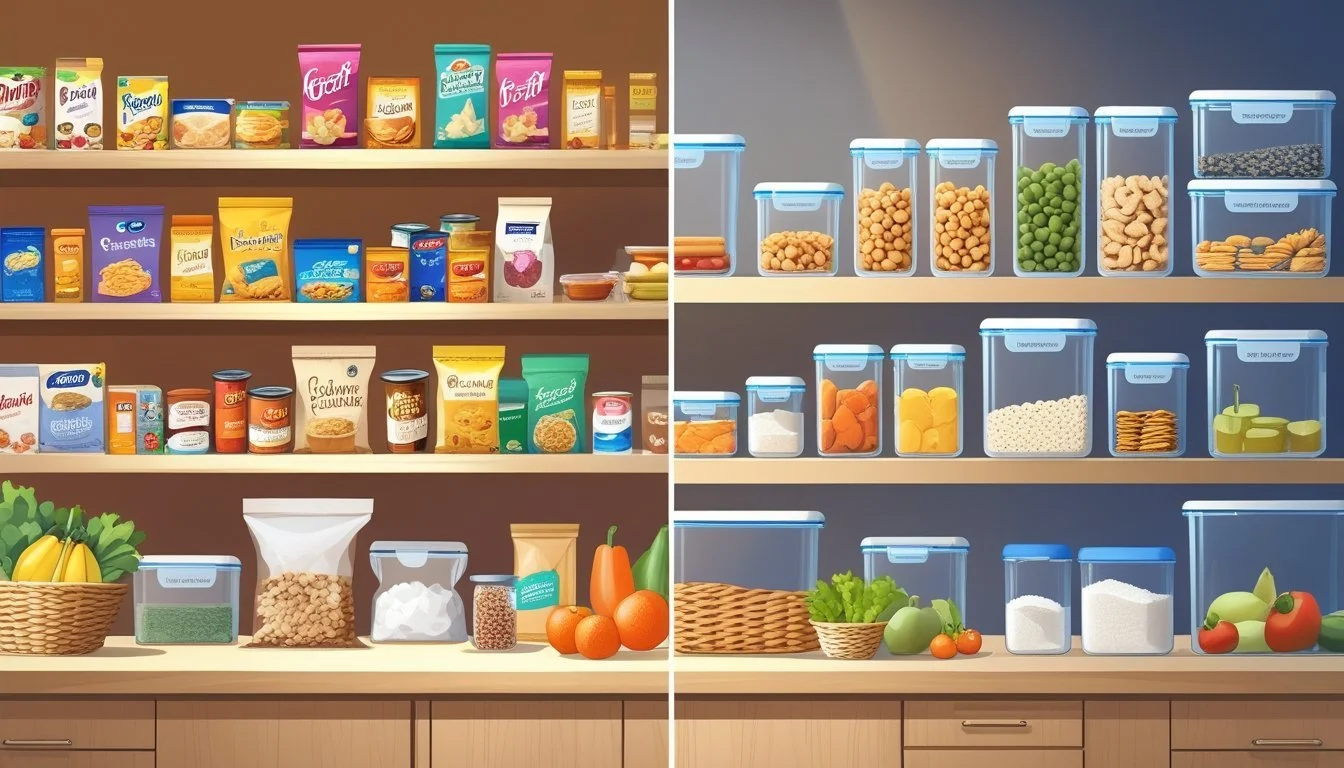
Food storage methods vary depending on whether items are shelf-stable or perishable. The right choice extends shelf life and limits food spoilage or waste.
Dry Goods and Pantry Staples
Dry goods, such as rice, flour, pasta, cereals, and legumes, require protection from air and moisture. Airtight containers are ideal, as they keep out humidity and pests. Glass or high-quality plastic is recommended for long-term storage. Keeping these foods in cool, dry, and dark places, like a pantry or cupboard, helps prevent spoilage and insect infestations.
Original packaging may not always be seal-tight. Once opened, transferring dry goods to airtight containers is best to maintain freshness. Vacuum packaging is another option for extending shelf life, especially for bulk items.
Labeling each container with the product name and date helps track rotation and minimize waste. For products sensitive to light, opaque or tinted containers can add extra protection.
Refrigerated and Frozen Foods
Refrigerated foods, such as dairy, raw meat, fish, fruits, and vegetables, should be stored using leak-proof containers to prevent cross-contamination. Original packaging is often suitable for unopened dairy and produce, as it is designed to preserve freshness. For raw meat and poultry, placing them on the bottom shelf in sealed containers or leak-proof bags keeps juices from dripping onto other foods.
Frozen foods need airtight, freezer-safe containers or heavy-duty freezer bags. Removing as much air as possible before freezing limits freezer burn and preserves quality. Labeling foods with dates makes it easy to track shelf life and use items before they spoil.
Leftovers and cooked foods should be cooled to room temperature before storing in containers. Prompt refrigeration slows bacterial growth, extending the shelf life of perishable items.
Environmental and Practical Considerations
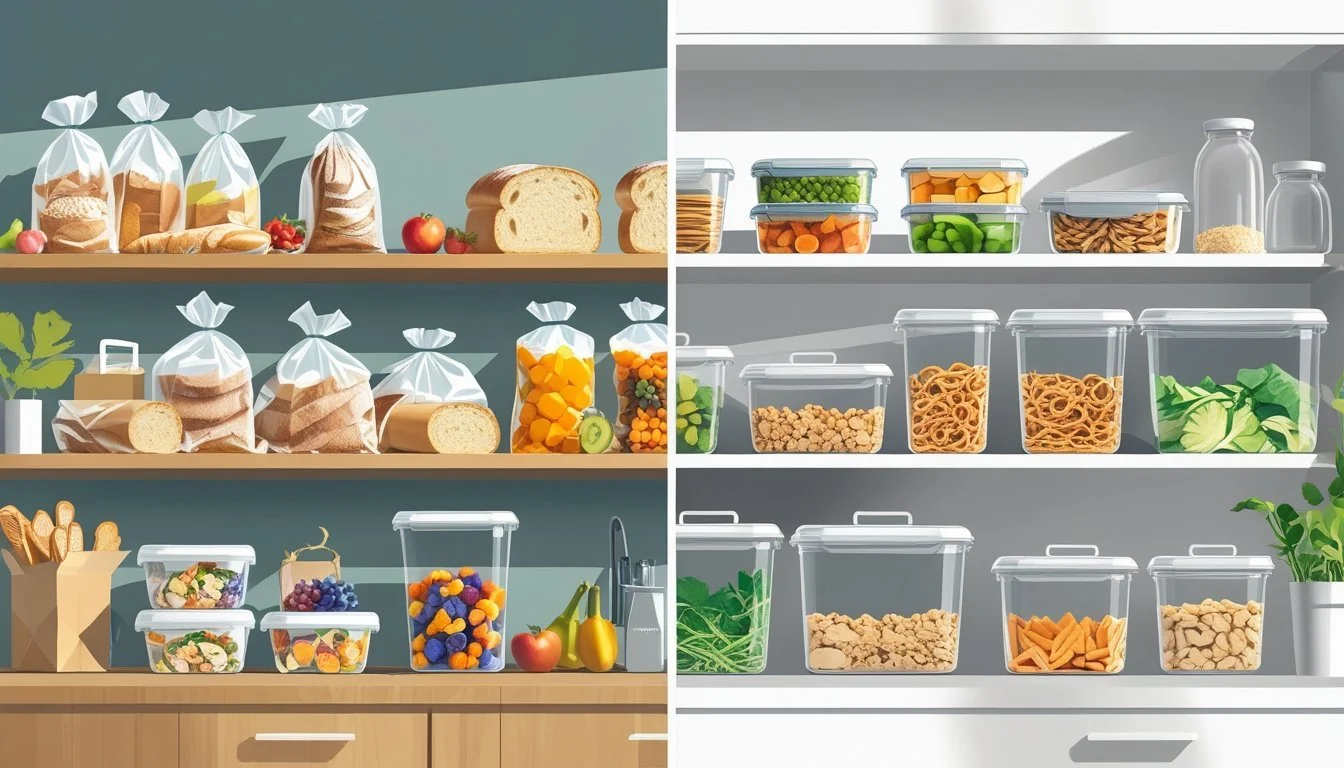
Choosing between original food packaging and reusable containers has effects on waste generation, kitchen organization, and daily convenience. Both methods present different best practices and challenges for responsible storage and household management.
Packaging Waste vs Reusable Containers
Single-use food packaging is a major contributor to municipal solid waste, making up a significant portion alongside food scraps. Most original packaging, such as plastic wraps and multilayer bags, is not designed for repeated use and is typically thrown away after its contents are finished.
Reusable containers, such as glass jars or BPA-free plastic bins, reduce the need for repeated waste by replacing disposable packages for multiple uses. The environmental benefit depends on the frequency of reuse and durability of these containers. However, producing reusable containers does have an environmental cost, including energy and resources for manufacturing.
A simple comparison:
Criteria Original Packaging Reusable Containers Waste Generation High (single-use) Low (reused frequently) Recyclability Often limited Varies (better for glass) Longevity Short-term Long-term use
Considering lifecycle impacts, reusable containers are generally preferable if they are used consistently and replaced infrequently. Recyclable packaging offers some benefits, but actual recycling rates remain low.
Space and Organization Efficiency
Original packaging comes in varied shapes and sizes, making uniform stacking difficult and sometimes wasting storage space. Bags, boxes, and pouches often tip, rip, or cannot be closely packed together, leading to a cluttered pantry or fridge.
Clear reusable containers, especially those with modular designs, make it easier to see contents, stack items, and optimize shelf space. Labeled containers also reduce the risk of food waste due to forgotten items lost in the back of storage.
An organized system using containers can protect against pests and spoilage, as airtight lids prevent insects and moisture from entering. However, some items (such as flour or sugar) may benefit more from decanting, while other foods are best kept in original, manufacturer-sealed packaging for optimal freshness.
Selecting appropriate container sizes for specific foods ensures efficient use of space without leaving excess air, which helps preserve food quality. Clear containers make inventory checks faster, supporting better meal planning and shopping efficiency.

