
Food Aging as a Culinary Trend vs Shelf Life Risk
Balancing Flavor Innovation and Safety
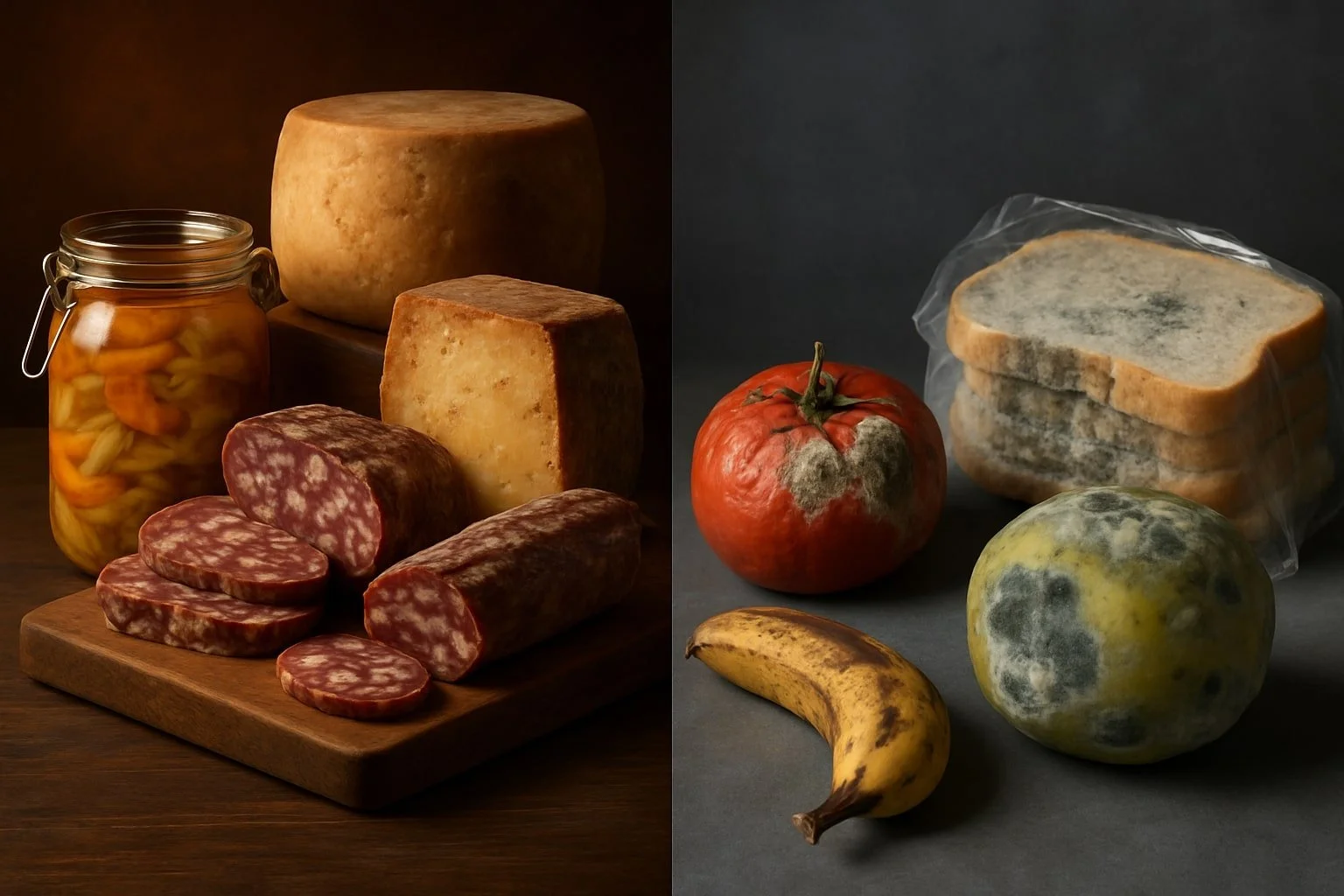
Aging food, such as cheese, meat, and even fish, is gaining attention as a culinary trend for the unique flavors and textures it can create. Dry aging and fermentation can elevate dishes, offering new sensory experiences that many chefs and diners find appealing. This shift has prompted more restaurants to feature aged foods and experiment with traditional preservation methods.
The practice of aging food comes with a tradeoff: while it can enhance taste and texture, it also introduces risks to shelf life and food safety that must be managed carefully. Factors like moisture loss, microbial growth, and temperature control become critical when foods are aged intentionally.
Understanding the balance between culinary innovation and food safety is essential for anyone interested in this trend. Readers can expect a closer look at how aging impacts shelf life and what steps are necessary to enjoy these foods without unnecessary risk.
What Is Food Aging?
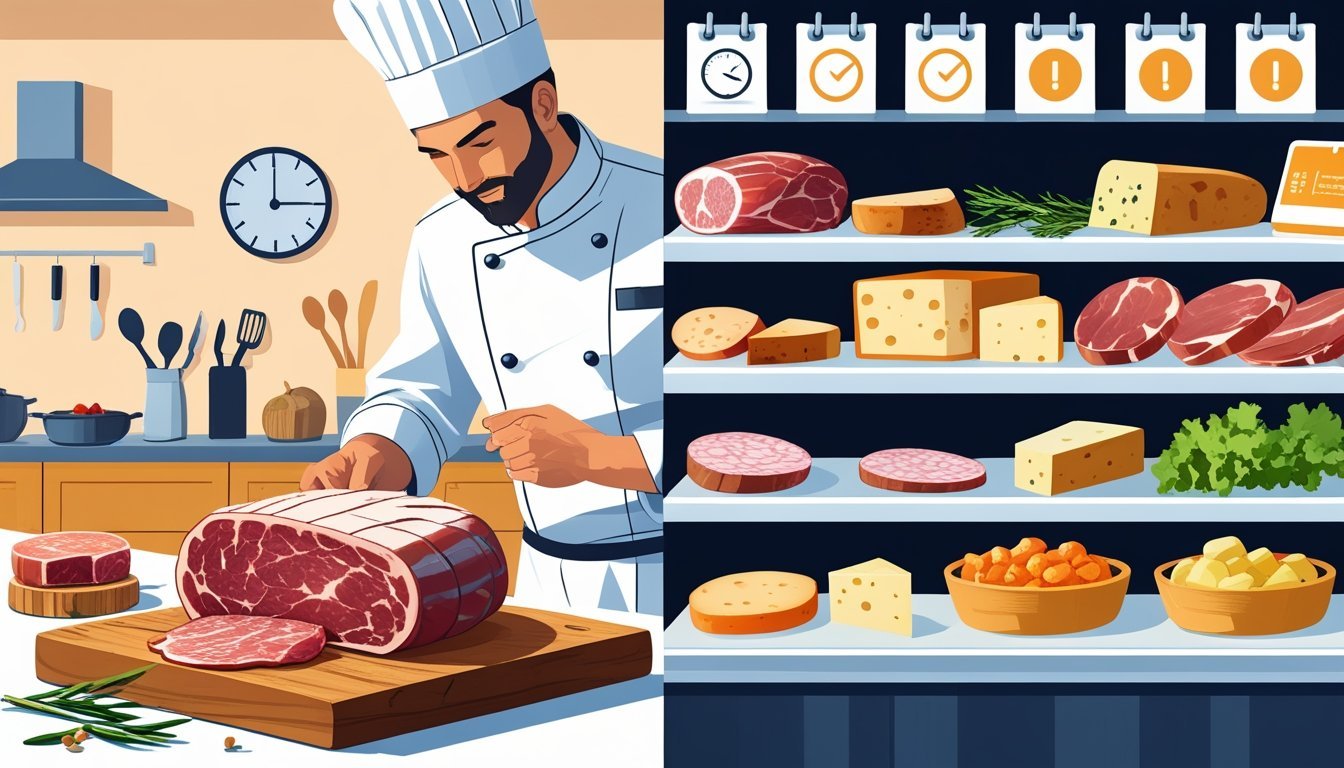
Food aging is the process of deliberately allowing certain foods to mature under specific conditions. This technique can alter texture, flavor, and shelf life, depending on the product and method used.
Types of Food Aging
Food aging takes several forms, each with distinct impacts:
Dry Aging: Used mainly for meats such as beef, dry aging exposes the food to air under controlled temperature and humidity. This improves tenderness and enhances flavor.
Wet Aging: Also common for meats, wet aging happens in vacuum-sealed packaging, leading to a different flavor and texture profile compared to dry aging.
Fermentation: Products like cheese, yogurt, and some sausages undergo microbial aging. Natural bacteria or yeasts transform sugars and proteins, resulting in new flavors and textures.
Curing and Smoking: Curing involves the application of salt, sugar, or nitrates, often before smoking. Smoking exposes food to controlled smoke from burning materials, imparting flavor while preserving the product.
Aged Beverages: Alcoholic drinks such as wine and whiskey are matured in barrels, which develops complexity and depth of flavor.
Different aging methods suit different foods and alter their properties based on the conditions used. The process is closely monitored to ensure safety and the desired outcome.
Purpose and History of Aging in Culinary Arts
Aging food originally served as a preservation method before refrigeration. Early societies learned to extend shelf life by aging, using salting, drying, or smoking to reduce spoilage risks.
Beyond preservation, culinary aging often seeks to enhance a product’s characteristics. Aged meats develop richer flavors, while cheeses gain complexity and depth. Winemakers rely on aging to mellow tannins and enhance aromatic profiles in wine.
The use of aging expanded as people discovered that controlled environmental factors—like humidity, temperature, and air circulation—could be manipulated to improve both taste and safety. Curing and smoking played especially important roles, allowing for longer storage during times when fresh food was not always available.
Food Aging as a Culinary Trend
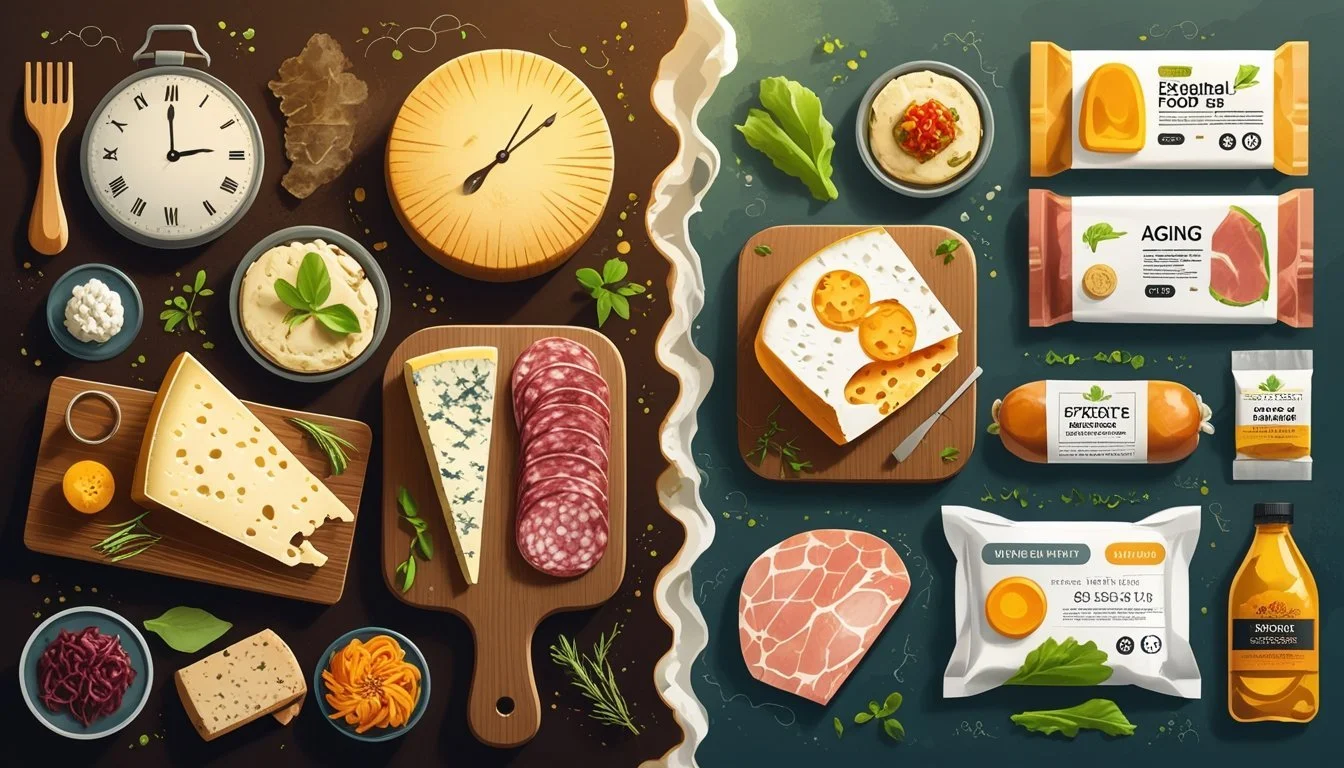
Food aging is used intentionally in kitchens to develop distinct flavors, improve texture, and enhance overall eating experiences. This practice goes beyond preservation, influencing nutrition, sensory qualities, and even how chefs innovate with ingredients across various food types.
Popular Aged Foods
Several foods are commonly aged for culinary purposes. Dry-aged meats, like beef, are prized for their concentration of flavor and tenderness. Specialty cheeses such as Parmigiano-Reggiano and Roquefort benefit from controlled aging, which adds complexity and changes in texture.
Fermented fish, including Scandinavian gravlax and Japanese katsuobushi, showcase aging’s impact beyond animal products. Wines, vinegars, some sausages, and even certain cereals and grains—such as aged basmati rice—are part of global traditions. Fruits like dates and some dried vegetables may also undergo aging, subtly shifting their taste and nutritional content.
Food Type Famous Examples Key Result of Aging Meat Dry-aged beef Tenderness, umami Cheese Gouda, Cheddar Complex flavors Fish Gravlax, Katsuobushi Savory depth Fruits Dates Sweetness, softening Cereals Basmati rice Aroma, texture
Flavor and Texture Enhancement
The aging process causes enzymatic and chemical reactions that significantly impact the qualities of food. In meats, enzymes break down muscle fibers, increasing tenderness and releasing savory amino acids.
Aged cheeses develop deeper, nuttier flavors as proteins and fats are transformed over time. Wine and vinegar maturation rounds out acidity and enhances aroma. Aging can also improve digestibility in some foods due to enzymatic softening, especially in select grains and cheeses.
These changes not only create sought-after sensory profiles but may also increase or preserve some nutrients, contributing to a more varied diet. However, some aging methods can reduce vitamin content, making careful selection important for nutrition.
Innovation in Aging Techniques
Modern gastronomy has embraced both traditional and novel aging techniques. Humidity- and temperature-controlled chambers allow precise manipulation of aging conditions for meat and fish. This helps improve safety and repeatable results for chefs and home cooks.
Fermentation is a key method, especially for vegetables and cereals. Innovations include microbial starters, specialized molds, and equipment that minimize spoilage risks while maximizing flavor. Techniques like vacuum aging and controlled oxidation are also being explored for new sensory effects.
Chefs and food scientists continue to experiment, combining aging with other techniques such as smoking, curing, or infusing to extend culinary boundaries. This ongoing development aims to balance safety, nutrition, and the evolving tastes of consumers.
Shelf Life and Food Safety Risks
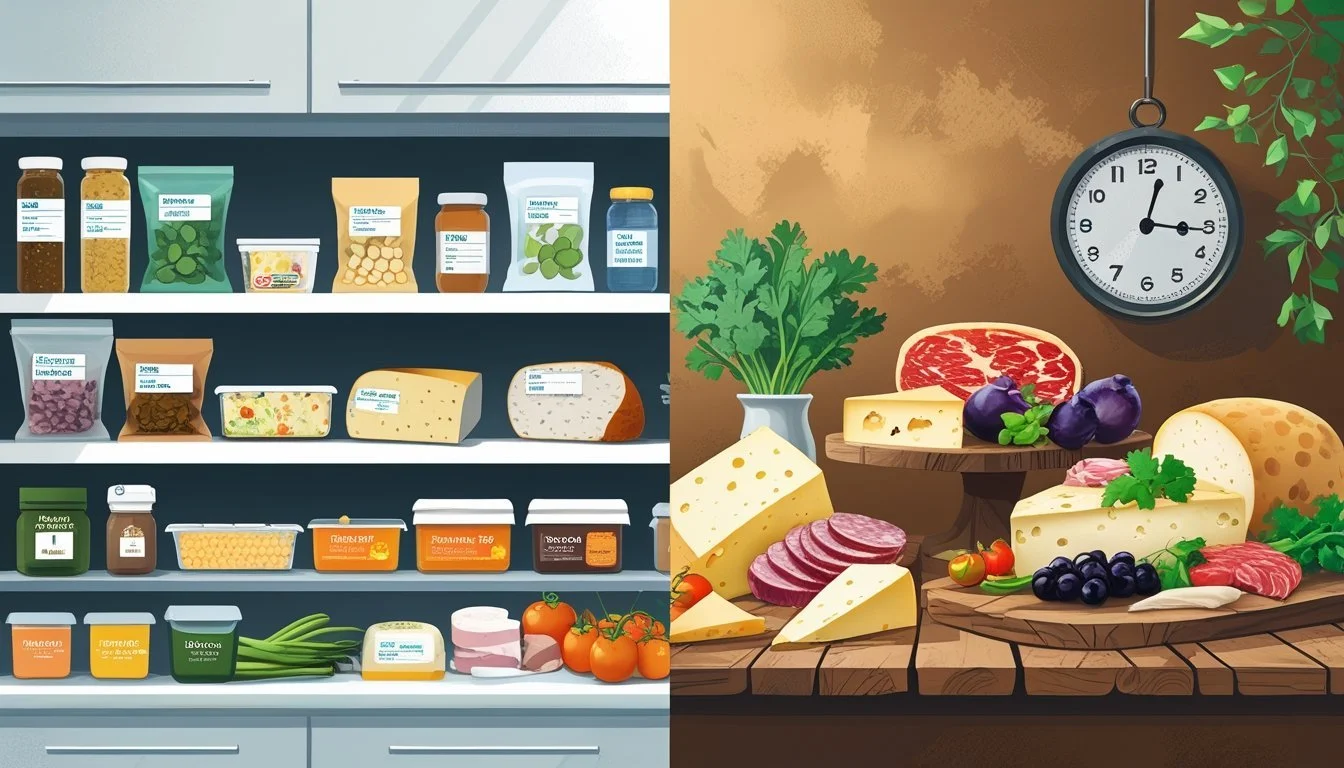
Shelf life defines the period during which a food product remains safe and maintains its intended quality. Improper management of shelf life can increase the likelihood of spoilage, exposure to foodborne pathogens, and the risk of foodborne disease.
Understanding Shelf Life
Shelf life is the specified duration that food can be stored under recommended conditions and still be safe to eat and of acceptable quality. It is influenced by the type of food, packaging, storage temperature, and environmental exposure.
Shortened or extended shelf life is determined by changes in taste, texture, safety, and nutritional value. Foods with longer shelf lives are often shelf-stable items like canned goods, rice, or pasta. Perishable foods, such as meat and dairy, have short shelf lives due to vulnerability to contamination.
Manufacturers estimate shelf life using methods such as stability studies, predictive microbiology, and monitoring of microbial growth. Accurate shelf life assessment is critical to reduce health risks.
Microbial Growth and Pathogens
Microorganisms, including bacteria, viruses, and parasites, play a central role in determining the safety of aged or stored foods. Common foodborne pathogens include Salmonella, Escherichia coli, and Staphylococcus aureus.
Microbial growth rates depend on temperature, moisture, and acidity. At higher temperatures or in humid conditions, harmful microorganisms can quickly multiply and produce toxins, even before signs of spoilage are visible.
Extended storage or improper aging can allow pathogens to reach dangerous levels, which increases the risk of foodborne illnesses. Careful monitoring and control of environmental factors are needed to prevent outbreaks.
Protein Degradation and Spoilage
Proteins in foods, especially in meat and dairy products, begin to break down over time due to the action of enzymes and microorganisms. This process results in off-odors, discoloration, and changes in texture, which are signs of spoilage.
Spoilage bacteria are responsible for these quality changes, while pathogenic bacteria may not always leave visible clues. For example:
Spoilage Indicator Likely Cause Off-smell Protein or fat breakdown Sliminess Bacterial growth Discoloration Oxidation or microbial activity
While some food aging techniques, like dry-aging beef, are controlled to enhance flavor, uncontrolled protein degradation raises the risk of unsafe consumption.
Public Health Implications
Improperly managed shelf life can pose significant public health risks. Consumption of spoiled or contaminated food products is a leading cause of foodborne illnesses worldwide.
Outbreaks caused by pathogens such as Listeria monocytogenes or Staphylococcus aureus can result in hospitalization or, in severe cases, death. Vulnerable groups include young children, the elderly, pregnant women, and immunocompromised individuals.
Regular monitoring of shelf life, adherence to storage guidelines, and clear labeling are fundamental to reducing the incidence of foodborne disease and protecting public health. Both consumers and producers share responsibility for ensuring food safety.
Nutritional and Health Considerations
Nutritional value, food safety, and health impacts are essential when examining the popularity of aged foods. The balance between culinary trends and the risks to health and longevity must be considered to support healthy aging.
Nutrient Retention and Loss
Food aging can alter the nutritional composition of ingredients. Aging processes like fermentation, curing, and ripening often enhance flavors, but nutrient contents change over time. For example, water-soluble vitamins such as vitamin C and B-complex may degrade during prolonged aging or exposure to air.
Mineral retention remains relatively stable, yet certain antioxidants can decrease or increase, depending on the method used. Some fermented products, like kimchi or aged cheeses, can gain beneficial probiotics. However, salt content typically rises, which may be a concern for individuals with hypertension or cardiovascular risks.
Aged foods should be consumed mindfully, and monitoring changes in macronutrients and micronutrient content is advised. This helps avoid excessive intake of sodium or saturated fat, particularly in cured meats and cheeses.
Dietary Patterns and Aging Foods
Traditional dietary patterns that include aged foods—such as the Mediterranean diet—highlight controlled aging and fermentation. These eating habits focus on a mix of fresh and preserved items, supporting diverse gut bacteria and improving nutrient absorption.
Balanced inclusion of aged foods can enhance overall diet quality. Foods like yogurt, miso, and sauerkraut are associated with improved digestive health due to the presence of live cultures and fiber content. However, diets heavy in processed aged foods that are high in salt, preservatives, or unhealthy fats may elevate risks for chronic conditions.
To align aging foods with healthy eating, consumers can prioritize minimally processed and naturally fermented items. Reading labels for added ingredients and selecting whole-food options build a healthier dietary pattern.
Healthy Aging and Chronic Diseases
Maintaining a nutrient-dense diet is crucial for supporting longevity and reducing the risk of chronic diseases such as diabetes, heart disease, and metabolic disorders. Culinary aging of certain foods can increase bioavailability of some nutrients—like antioxidants in dark chocolate or polyphenols in aged teas.
On the other hand, shelf-stable aging can concentrate harmful substances such as advanced glycation end products (AGEs) or promote microbial contamination if storage is poor. High consumption of aged red meats, for example, has been linked to greater risk of cardiovascular disease.
Adopting dietary interventions that focus on antioxidant-rich, probiotic, and fiber-containing aged foods may protect brain health and slow cognitive decline. It is important to assess both the benefits and possible risks of consuming aged foods, especially in populations aiming for healthy aging.
Technological Advances in Food Aging and Preservation
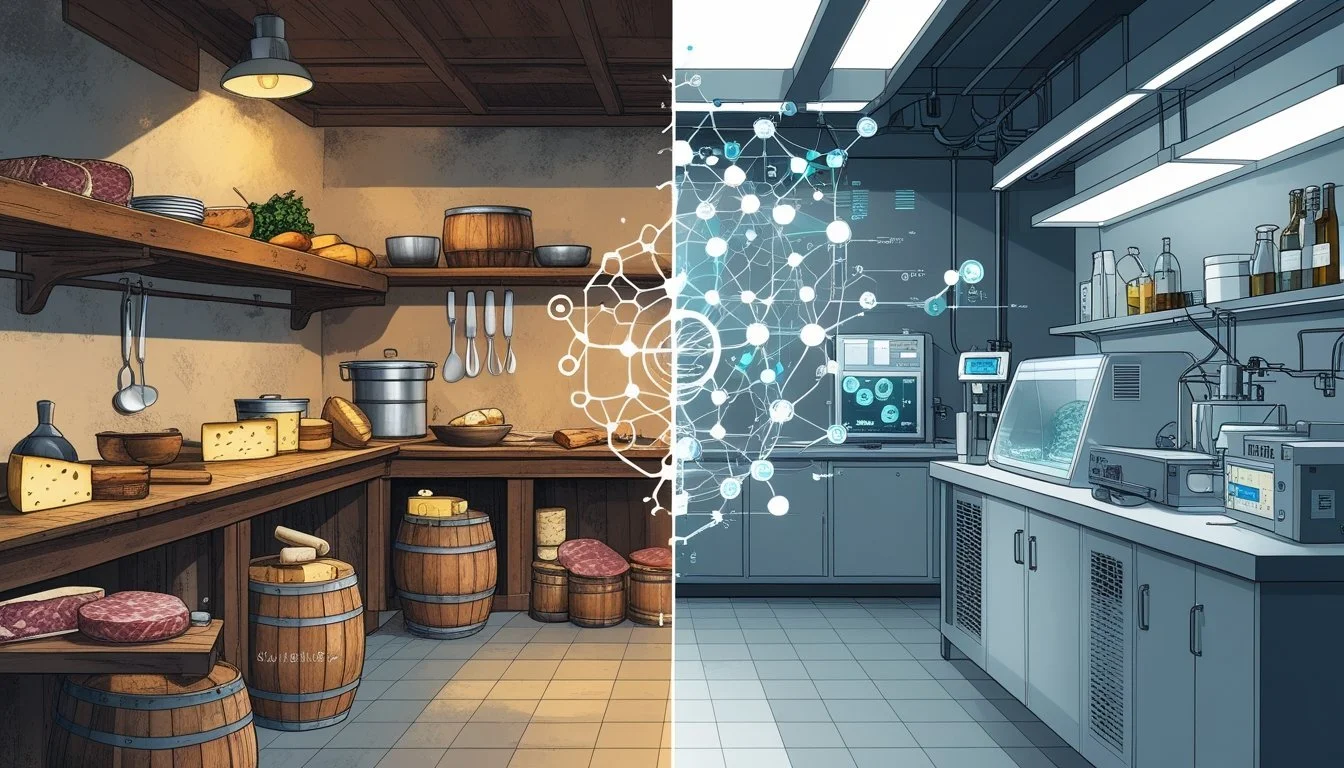
New approaches are changing how food aging and preservation balance culinary creativity and food safety. Recent developments include technologies that help monitor freshness, extend shelf life, and improve food quality during storage and transport.
Smart Packaging and Innovative Solutions
Smart packaging uses embedded sensors, time-temperature indicators, and QR codes to give real-time data about food conditions. This technology helps detect spoilage, monitor humidity, and track chemical changes that affect flavor and safety during the aging process.
Innovative solutions such as antimicrobial packaging materials inhibit the growth of harmful bacteria on the food surface. Oxygen scavengers and moisture absorbers are now integrated directly into packaging to slow oxidation and prevent mold. These features are especially beneficial for aged foods like cured meats and cheeses, where controlled conditions are crucial.
Lithium-based sensors and biosensor systems allow manufacturers and consumers to verify shelf life before consumption, minimizing waste. By combining functions such as traceability, environmental control, and quality assurance, smart packaging bridges the gap between artisan aging techniques and modern food safety standards.
Nanotechnology and Food Preservation
Nanotechnology enables the use of nano-sized particles and coatings that protect food surfaces and actively maintain quality. Nano-encapsulated substances can deliver antimicrobial agents and antioxidants directly where they're needed, reducing spoilage without affecting taste or texture.
Nano-silver and nano-zinc composites are among the most widely deployed for their strong antimicrobial properties. These materials help aged foods resist contamination from listeria, E. coli, and other pathogens during long maturation periods.
Nano-sensors are increasingly embedded in packaging to detect gases, toxins, or spoilage markers at very low levels. This supports accurate monitoring of food safety, particularly where aging may increase risk. Such approaches streamline production and distribution, offering new tools for both small-scale producers and industrial food processors.
Cold Chain Logistics and Packaging Materials
Cold chain logistics focus on maintaining temperature control throughout storage and transportation. Advanced refrigeration systems and insulated containers ensure aged foods stay within safe temperature ranges, which is vital for products like dry-aged beef or aged fish.
Key Packaging Materials in Cold Chain:
Material Main Benefit Common Uses Expanded Polystyrene (EPS) Thermal insulation Meat, seafood Vacuum packaging Oxygen reduction Cured meats, cheese Polyethylene Terephthalate (PET) Durability and clarity Dairy, beverages
Packaging materials now feature thermal resistance, UV protection, and even gas-barrier properties. This helps reduce spoilage due to light or temperature fluctuation during distribution. In combination with digital tracking, these advances enhance both the consistency and safety of aged foods from producer to consumer.
Commercial Implications and Sustainability
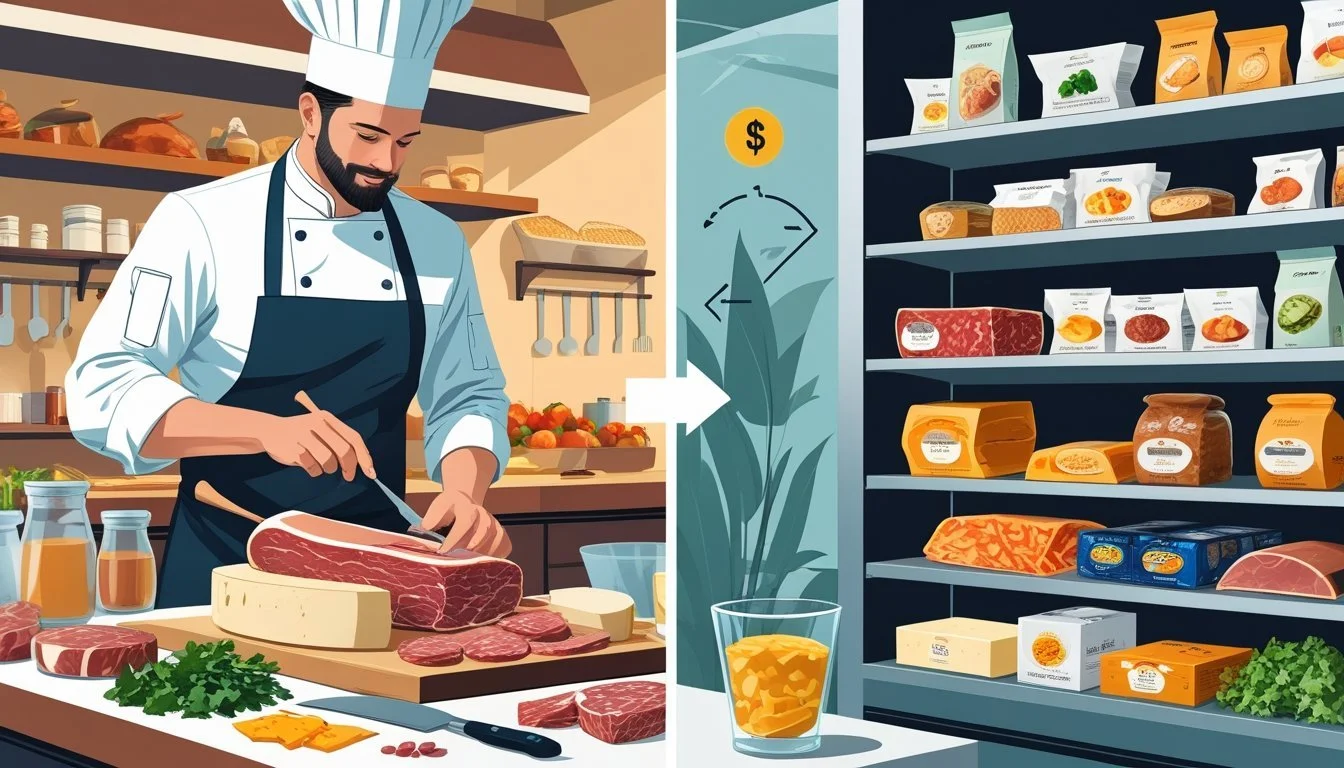
Aging foods as a culinary trend impacts commercial markets by increasing product differentiation but poses shelf life risks that challenge supply chain efficiency. Sustainability, food waste, security, and climate factors play decisive roles in how aging techniques are adopted and maintained at scale.
Market Trends and Consumer Demand
Consumer interest in aged foods such as dry-aged meats, fermented vegetables, and specialty cheeses has risen due to perceived flavor benefits and artisanal authenticity. Market data from 2024 and 2025 highlights steady growth in premium food segments, with aged products commanding higher price points.
Retailers and producers embrace aging for its brand value, leveraging transparency and storytelling to boost consumer trust. Despite higher costs, consumers seeking unique nutritional profiles and culinary experiences are driving the expansion of niche aged food markets. However, the necessity for strict food safety protocols increases operational complexity for commercial players.
Sustainability and Food Waste Reduction
Food aging, when managed effectively, can support sustainability initiatives by maximizing the culinary value of ingredients and reducing surplus. Techniques like fermentation and cured preservation often extend shelf life compared with fresh alternatives. This reduces the frequency of spoilage and waste at the retailer and consumer levels.
Longer shelf life for certain aged products allows for more efficient distribution and inventory turnover. However, improper aging or storage increases the risk of spoilage, resulting in wasted resources. Adopting best practices and food-safe innovations is crucial for realizing the sustainability benefits without compromising safety.
Food Security and Availability
Aged and preserved foods have long played a role in improving food security by offering nutritious options when fresh foods are not available. Commercial scaling of these products makes it possible to distribute shelf-stable foods to a wider population, supporting more resilient food systems.
Expanding access to aged foods can help bridge supply gaps during harvest fluctuations or regional shortages. Food manufacturers that invest in reliable aging processes and distribution infrastructure contribute to increased year-round food availability. This approach is especially valuable in regions prone to food insecurity or unstable logistics.
Climate Change and the Food Supply Chain
Climate change places additional stress on agriculture and food supply chains, making shelf stable or long-lasting foods more attractive for both businesses and consumers. Variability in weather and resource scarcity impact the availability of fresh produce, amplifying the value of aged or preserved goods.
Adopting food aging techniques can make supply chains more adaptive by enabling stockpiling and distribution even when fresh supply is disrupted. At the same time, producers must monitor the environmental footprint of aging processes—such as increased energy use for refrigeration—or risk undercutting sustainability gains. Decision-making should balance the benefits of reduced waste with emissions from production and storage.
Best Practices and Recommendations
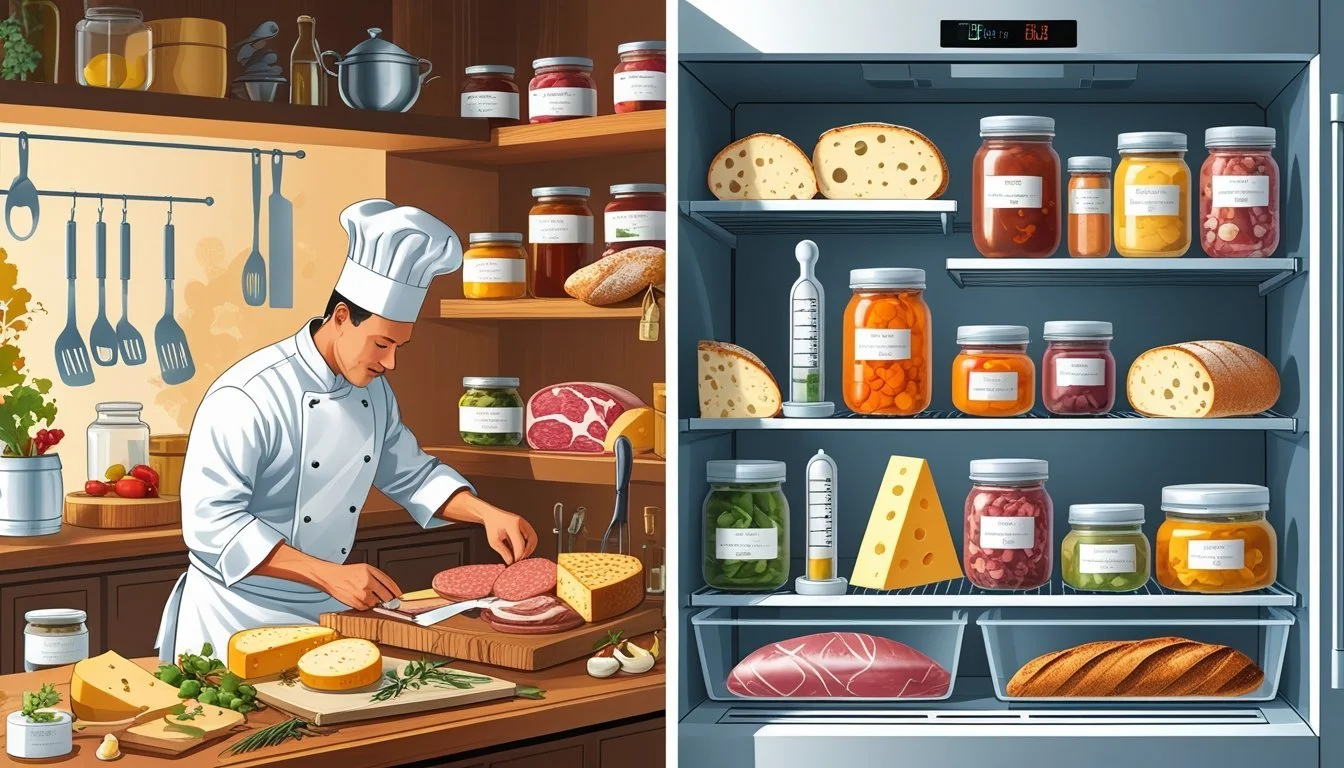
Safe food aging requires controlled conditions and reliable methods to maintain food quality. Both home cooks and food producers need to follow precise standards for preservation to prevent spoilage and safety risks.
Safe Food Aging at Home
Home cooks interested in food aging should prioritize food safety by maintaining strict temperature and humidity control.
Equipment Requirements:
Use calibrated refrigerators or dedicated aging chambers. Store meat at 1-3°C (34-38°F) with humidity between 80–85%.
Cheese should be aged at 10-13°C (50-55°F) and relative humidity above 75%.
Dry-cured foods need adequate airflow to prevent mold.Hygiene:
Sanitize surfaces, tools, and hands regularly. Use food-safe containers.
Monitor for spoilage signs: off-odors, discoloration, or unusual textures should result in immediate disposal.Documentation:
Label products with date and batch. Maintain logs to track conditions and duration of aging for reference and safety.
Industry Guidelines for Food Aging
The food industry follows strict protocols to extend product shelf life while safeguarding consumer health.
Best Practices Table:
Factor Practice Frequency Microbial Testing Regularly screen for pathogens Weekly Quality Control Sensory evaluation and chemical analysis Each batch Recordkeeping Maintain detailed records of all batches Continuous ASLT Use Apply accelerated shelf-life testing (ASLT) As needed
Shelf-Life Assessment:
Combine chemical, microbiological, and real-time evaluations to ensure product stability (see snippet on ASLT).
Set expiration dates based on scientifically validated data and monitor ongoing storage outcomes.Compliance:
Adhere to national and international food safety regulations, including HACCP and Codex Alimentarius standards.
Systematic Review of Emerging Research
Recent research evaluates novel preservation techniques and their impact on shelf life and food quality.
Technological Advances:
Microwave and conventional heating methods have been investigated for puree and other products, revealing effects on texture, nutrient retention, and spoilage rates.
Studies highlight substantial waste reduction through shelf-life extension: up to 50% of food waste can be prevented with better preservation (per FAO data).Future Directions:
Advanced chemical and biological assessment tools improve shelf-life prediction models.
Research continues into packaging innovations that extend freshness without compromising safety.
A systematic review focuses on combining technology with process controls to maintain safety, nutrition, and sensory attributes throughout storage

