
The Link Between Shelf Life and Foodborne Illness
How Product Freshness Impacts Safety
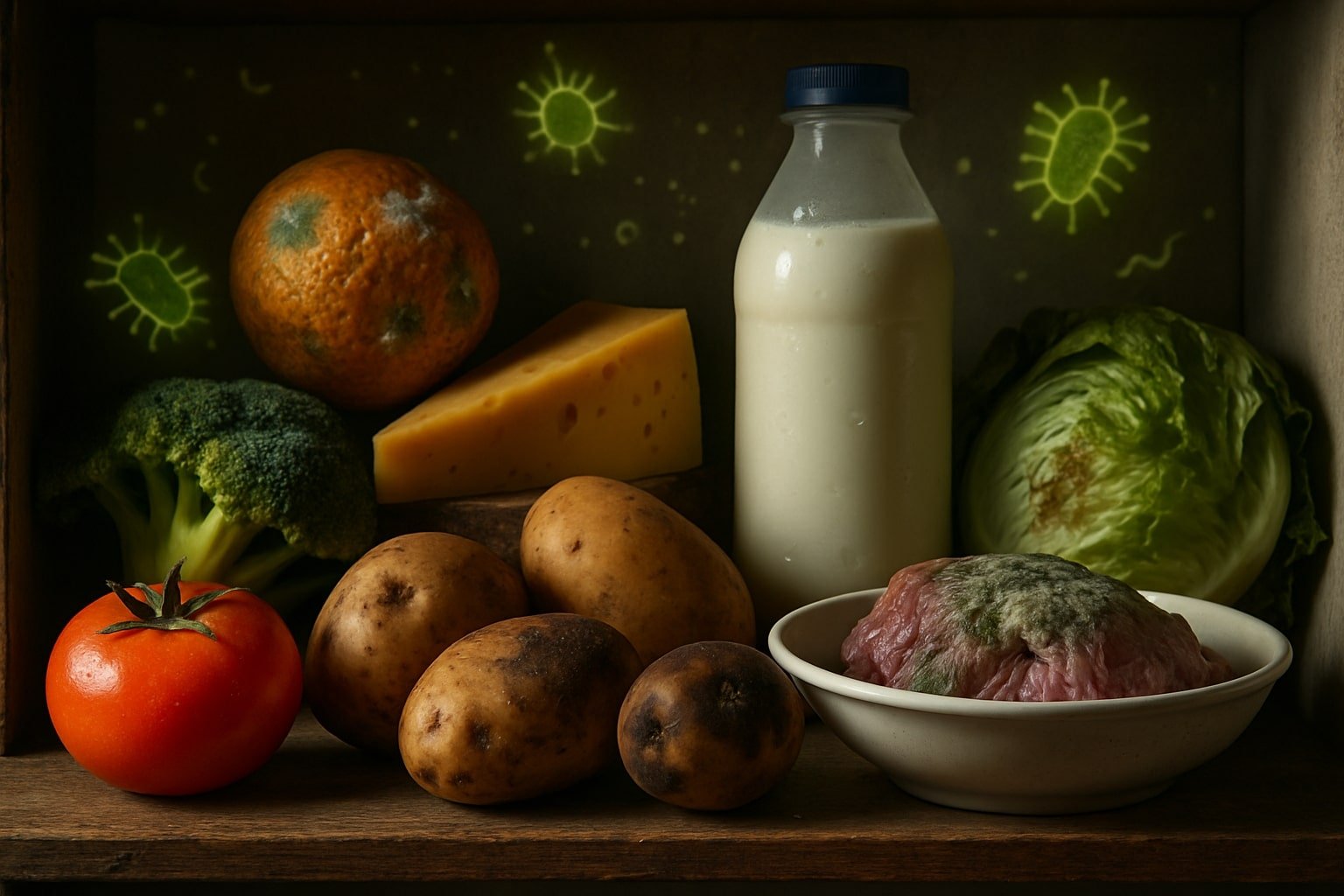
Shelf life plays a crucial role in preventing foodborne illness by limiting the time food is exposed to conditions that allow harmful microorganisms to grow. When a product exceeds its recommended shelf life, its safety and quality become uncertain, increasing the risk for consumers. This connection makes managing shelf life not just about freshness but also about protecting public health.
Foodborne illness is often caused by bacteria, viruses, or other pathogens that multiply as food ages, especially if storage conditions are not ideal. Foods past their shelf life may show visible signs of spoilage, but sometimes dangerous microbes are present without obvious changes. Shelf life guidance helps consumers, retailers, and manufacturers prevent outbreaks and reduce food waste related to microbial contamination.
Understanding how shelf life and foodborne illness are linked can help individuals make informed choices about storing, handling, and consuming food safely. This knowledge supports efforts to reduce illness rates and helps ensure that the food supply remains both safe and reliable.
Understanding Shelf Life and Foodborne Illness
Shelf life and foodborne illness are directly connected by how long food remains safe to consume. The period a product can be stored before becoming unsafe is a critical concern for food manufacturers and consumers.
Definitions of Shelf Life and Foodborne Illness
Shelf life refers to the maximum period during which a food product maintains its safety and desired quality under specific storage conditions. Beyond this timeframe, both quality and safety may decline due to microbial growth or chemical changes.
Foodborne illness arises from consuming contaminated food or beverages. Contaminants include bacteria, viruses, parasites, or chemical substances. Foodborne illnesses often result in symptoms like nausea, vomiting, diarrhea, and abdominal pain.
Notably, not all expired foods cause illness, but as food ages past its shelf life, the risk of harmful microbes increases. Shelf life and foodborne illness are thus tied together by the growth and activity of pathogenic microorganisms, which can multiply as food deteriorates.
Importance in Food Safety
Proper understanding of shelf life is essential to maintain food safety for both individuals and public health. When food passes its shelf life, the likelihood of foodborne pathogens such as Salmonella, Listeria, or E. coli increases, making the product unsafe to eat.
Timely consumption and correct storage conditions—such as refrigeration or adequate sealing—can slow microbial growth, reducing the risk of illness. This is especially important for perishable foods like dairy, meats, and ready-to-eat products.
Food safety regulations often mandate clear labels and guidelines to inform consumers about shelf life dates. These best-before or use-by dates serve as important signals to avoid products that may cause foodborne illnesses, thus preventing outbreaks and reducing food waste.
Microbial Dynamics and Spoilage
Microbial growth in food directly affects both shelf life and the risk of foodborne illness. Food spoilage and contamination originate mainly from specific bacteria, molds, and yeasts that interact uniquely with food environments.
Role of Microorganisms in Food Spoilage
Microorganisms, including bacteria, yeasts, and molds, are key contributors to food spoilage. Spoilage occurs when these organisms use food as a nutrient source, leading to unwanted changes in odor, flavor, texture, and sometimes the appearance of visible mold. Certain spoilage microorganisms, such as Pseudomonas spp. in meat and Lactobacillus in dairy, can cause rapid degradation.
Moisture, temperature, and oxygen availability play critical roles in determining which spoilage organisms grow. Trapped water within products accelerates microbial activity and increases the risk of spoilage. Enzymatic changes, such as protein degradation and lipid oxidation, are often mediated or intensified by microbial metabolism.
Table: Common Spoilage Organisms and Impact
Organism Type Example Spoilage Effect Bacteria Pseudomonas spp. Off-odors, slime Yeasts Saccharomyces spp. Fermentation, gas, alcohol Molds Aspergillus spp. Visible growth, mycotoxins
Types of Foodborne Pathogens
Foodborne pathogens differ from spoilage microbes because their presence directly relates to illness rather than detectable spoilage. Key bacteria such as Listeria monocytogenes and Salmonella can persist in foods without obvious signs of spoilage. Viruses, including norovirus, can also cause significant outbreaks after contaminated food is consumed.
Some molds, such as certain Aspergillus species, produce mycotoxins ― toxic compounds that present serious health risks even in small amounts. Unlike spoilage bacteria, these pathogens can be present in the absence of visible spoilage, making food safety testing essential.
Key Foodborne Pathogens:
Listeria monocytogenes: Associated with ready-to-eat meats and dairy.
Salmonella: Common in poultry, eggs, and some produce.
Norovirus: Linked with shellfish, leafy greens, and fruits.
Detection and control of these organisms are necessary to reduce foodborne illness, especially in products with extended shelf life or minimal processing.
Contamination and Its Impact on Shelf Life
Contamination can reduce a product’s shelf life and raise the risk of foodborne diseases. Both the origin and type of contamination influence spoilage and potential for food poisoning.
Sources of Microbial Contamination
Microbial contamination often starts during food harvest, slaughter, or processing. Major sources include soil, water, improperly sanitized equipment, and human handling. Table eggs, raw meat, dairy, and produce are especially vulnerable if exposed to contaminated surfaces or materials.
Contaminants such as bacteria, molds, or yeasts thrive in favorable conditions. High humidity, improper storage temperatures, and cross-contamination encourage these organisms to multiply. Common culprits include Salmonella, Listeria, and E. coli, each linked to major foodborne illnesses.
To minimize risk, food industries rely on sanitation, proper handling, and quick refrigeration. However, even small lapses in these controls allow microorganisms to colonize foods and shorten their shelf life.
Source Examples Impact Equipment Cutting boards, conveyors Cross-contamination, faster spoilage Water Washing, irrigation Spreads pathogens Human handling Touch, sneezing, coughing Transfers bacteria, viruses
Physical and Chemical Changes in Food
Contamination speeds up both physical and chemical changes in food, leading to visible signs of spoilage and potential health risks. Physical changes include texture softening, color changes, and the presence of off-odors. These signal active microbial growth or degradation.
Chemical reactions triggered by microbial enzymes aid spoilage through the breakdown of proteins, fats, and carbohydrates. For example, bacteria decompose proteins into amines, which may cause strong odors and are linked to food poisoning if ingested in large quantities. Fermentation by yeasts produces gas and alcohol, which further degrades food quality.
Intoxications arise when toxins produced by microbes, such as Staphylococcus aureus enterotoxins, accumulate in food during storage. These toxins may cause illness even if the microbes themselves are destroyed by cooking. Early detection of these changes remains crucial for food safety and shelf life management.
Intrinsic Factors Affecting Shelf Life and Foodborne Illness
Several properties within foods themselves—known as intrinsic factors—directly shape both how long a product lasts and its risk for causing foodborne illness. Controlling these properties helps limit spoilage and reduces the opportunity for harmful microbial growth.
Water Activity and Moisture Content
Water activity (a_w) measures the amount of unbound water in food available for microbial use. Foods with high water activity, like fresh meats or fruits, enable bacteria, yeasts, and molds to grow rapidly. Most pathogenic bacteria stop growing when water activity drops below 0.91, and molds are limited below 0.80.
Certain preservation techniques reduce available water, such as drying, salting, or adding sugar. These interventions slow or stop microbial growth and extend shelf life. Moisture content also affects texture and spoilage rates. For example, bread stales as moisture migrates, while high-moisture foods like milk spoil quickly if not refrigerated.
Food Approx. Water Activity Common Spoilage Organism Fresh beef 0.98 Bacteria, yeasts Dried fruit 0.60 Molds Hard cheese 0.85 Molds, yeasts
pH and Nutrient Content
pH indicates acidity or alkalinity. Microorganisms have specific pH ranges where they can survive. Most foodborne pathogens prefer near-neutral pH (6-7). Acidic foods—like citrus juice or pickles (pH < 4.6)—are inhospitable to most pathogens, greatly reducing illness risk.
Nutrient content determines what microbes can thrive. Protein-rich items like milk and cooked meats are prone to spoilage by bacteria, while carbohydrate-rich foods may see yeast or mold growth. Adjusting the pH with acids or controlling nutrients through processing limits microbial activity and increases both safety and shelf life.
Oxygen Exposure and Lipid Oxidation
Oxygen exposure directly impacts both microbial growth and chemical changes in foods. Aerobic bacteria and molds need oxygen to multiply, causing spoilage in products like bread or cheese left uncovered. Conversely, vacuum packaging or modified atmosphere packaging reduces oxygen and slows this growth.
Lipid oxidation is a chemical process in foods containing fats. Oxygen causes fats to break down, resulting in rancidity and unpleasant flavors. Rancidification also makes some foods less safe, as breakdown products may be toxic or off-putting. Storing foods in airtight containers, using antioxidants, or refrigeration can limit both spoilage and safety hazards related to oxygen and fats.
Extrinsic Factors: Temperature, Storage, and Packaging
External conditions such as temperature, humidity, and storage environment play a direct role in whether foods remain safe to eat or become prone to foodborne illness. Proper control of these factors can extend shelf life and minimize the risk of harmful microbial growth.
Temperature Control and Humidity
Temperature is one of the most critical extrinsic factors affecting food shelf life. Improper temperature control can lead to faster growth of bacteria, yeasts, and molds. Refrigeration slows down the activity of microorganisms, while freezing can halt their growth, preserving foods for longer.
Humidity works alongside temperature in preventing spoilage. High humidity can promote mold and bacterial growth on surfaces, while low humidity may cause foods like bread to stale or dry out. Consistent storage at recommended temperatures and relative humidity reduces spoilage risks.
Key Points:
Safe Temperatures: Refrigerated foods should be kept below 4°C (40°F), and frozen foods at -18°C (0°F) or lower.
Humidity Control: Certain foods require specific humidity levels—produce often needs higher humidity, while dry goods need low humidity.
List of effects:
Incorrect temperature ➔ rapid spoilage, higher foodborne illness risk
High humidity ➔ increased mold, soft rot in fresh foods
Storage Conditions and Food Storage
The environment where food is stored, including light exposure, oxygen levels, and packaging material, also influences shelf life and safety. Oxygen encourages the growth of some spoilage organisms and causes the deterioration of fats and vitamins. Packaging that limits oxygen and light helps reduce these risks.
Mechanical damage during storage or transport can break protective barriers, introducing contaminants. Proper organization in storage—such as separating raw and cooked foods—helps contain microbial spread and cross-contamination.
Storage Best Practices Table
Factor Best Practice Effect on Shelf Life Light Exposure Store in opaque containers Reduces fat/vitamin loss Oxygen Use vacuum-sealed packaging Limits microbial growth Physical Damage Avoid rough handling and stacking Prevents contamination
Routine monitoring and adherence to storage guidelines are crucial for maximizing food shelf life and preventing foodborne illness.
Advances in Food Packaging and Preservation
Modern food packaging and preservation techniques have made significant progress in slowing spoilage and reducing the risk of foodborne illness. By using new materials and technologies, both food quality and safety can be extended without excess reliance on traditional chemical preservatives.
Innovative Packaging Materials
The shift toward advanced packaging materials has transformed how foods are kept fresh. Active packaging uses materials that interact with the food or its atmosphere, helping maintain quality and extending shelf life. For example, certain films may absorb oxygen, delaying spoilage.
Modified atmosphere packaging (MAP) involves changing the gases inside the food packaging, especially for fresh produce, meats, and seafood. By reducing oxygen and increasing carbon dioxide or nitrogen, MAP can slow microbial growth and oxidation. This method helps preserve taste and texture while extending usability.
Many companies focus on preservative-free and clean label packaging designs. These use materials that protect food naturally, appealing to consumers who avoid artificial additives. Advances in biodegradable and compostable packaging materials also address environmental concerns while maintaining product safety.
Antimicrobial and Airtight Packaging
Antimicrobial packaging incorporates substances that prevent the growth of bacteria, mold, or yeast. This reduces the risk of foodborne illness by directly limiting microbial contamination inside the package. Some materials release natural antimicrobials, while others are coated with agents like silver or organic acids.
Airtight containers and vacuum sealing physically remove or restrict air. This limits the oxygen available for microbes and slows oxidation processes. Foods stored in airtight packaging often stay fresher longer, which is especially important for ready-to-eat and minimally processed foods.
Vacuum-sealed and airtight packaging also supports a preservative-free approach. These methods help maintain clean labels, meet consumer expectations for simple ingredients, and still provide robust safety against microbial risks. The combination of these technologies offers both food producers and consumers safer, longer-lasting products.
Food Processing, Preservation, and Shelf Life Extension
Safe food processing and effective preservation methods directly impact how long food remains safe to eat and how likely it is to cause illness. Methods such as pickling, freezing, or adding preservatives are not just about keeping food fresh—they control microbial growth and maintain quality.
Traditional Preservation Methods
Traditional preservation techniques form the foundation for modern food safety. Canning, freezing, drying, fermentation, and pickling are widely used to extend shelf life.
Canning involves heating food to destroy microorganisms, then sealing it in airtight containers.
Freezing slows enzyme activity and microbial growth, making it one of the most effective methods for meats, vegetables, and ready-to-eat products.
Dried foods have reduced water activity, which prevents bacteria, molds, and yeasts from surviving.
Fermentation encourages growth of beneficial bacteria, creating an environment where harmful microbes cannot thrive.
Pickling relies on acidic conditions, usually using vinegar or brine, to inhibit spoilage and pathogenic bacteria.
Each of these methods helps prevent foodborne illness by targeting the primary causes of spoilage and contamination.
Modern Processing Technologies
Advancements in food processing technologies have enabled safer and longer-lasting foods. Methods such as high-pressure processing (HPP), pasteurization, irradiation, and nanotechnology-based solutions improve microbial safety while maintaining taste and nutrients.
Pasteurization uses controlled heat to destroy pathogens in liquids like milk or juices.
High-pressure processing uses elevated pressure to inactivate microbes without heat, preserving flavor and nutrients better than traditional methods.
Irradiation exposes food to controlled ionizing radiation, eliminating bacteria and parasites responsible for various illnesses.
Nanotechnology enhances packaging materials and can release preservatives gradually, improving shelf life further.
Many of these innovations focus on minimizing food waste and reducing the risk of foodborne outbreaks, while also catering to consumer demands for "fresher" products.
Role of Preservatives and Additives
Preservatives and additives are crucial in extending shelf life and ensuring food safety. Chemical preservatives like sodium benzoate, sorbates, and nitrates are commonly used to inhibit microbial growth in processed foods.
Natural preservatives such as salt, sugar, or vinegar are also used, especially in pickling and curing.
Additives can include antioxidants that prevent rancidity in fats and oils, and stabilizers that maintain food texture over time.
Some modern foods use combinations of chemical and natural preservatives to yield broader protection.
The use of preservatives is regulated to ensure they do not pose health risks. When applied appropriately, these substances lower the risk of foodborne illness and support longer distribution chains for perishable products.
Detection and Risk Assessment
Accurate detection of foodborne pathogens and effective risk assessments are crucial for understanding the relationship between shelf life and foodborne illness. Advances in technology now allow faster and more precise identification of hazards in both fresh and processed foods.
Rapid Detection Techniques
Rapid detection methods help identify pathogens before products reach consumers. Techniques include polymerase chain reaction (PCR), enzyme-linked immunosorbent assays (ELISA), and high-throughput sequencing.
PCR detects small amounts of genetic material from bacteria and viruses in a few hours. ELISA targets specific antigens or antibodies, which is useful for routine quality checks. High-throughput sequencing analyzes entire microbial communities in foods, helping scientists find emerging risks early.
These methods speed up decision-making in food production. They provide clear results and support efforts to prevent the distribution of contaminated products.
Biosensors for Food Safety
Biosensors have become a practical tool in food safety because they offer fast, sensitive, and on-site detection. These devices combine a biological element, such as an antibody, with a physical sensor to detect contamination directly.
Electrochemical sensors and optical biosensors are common in food monitoring. They can detect toxins, pathogens, or spoilage markers during different stages of processing and storage. Results can appear in minutes, allowing producers to isolate any unsafe batches immediately.
Biosensors are now being integrated with smartphone-based systems. This supports rapid screening even outside the laboratory environment, providing flexibility for quality control teams.
Risk Assessments in Shelf Life Studies
Risk assessment is a systematic process for identifying and managing hazards associated with foods as they age. It considers factors such as temperature abuse, spoilage organisms, and possible pathogen growth during shelf life extension.
Researchers use statistical models and predictive microbiology to estimate how storage conditions affect safety. Data can include rates of microbial growth or toxin formation under specific scenarios. This information guides manufacturers in labeling products and setting realistic expiration dates.
Effective risk assessments inform decision-making by helping prioritize controls for risks most likely to cause foodborne illness. They support food manufacturers in reducing recalls and avoiding health hazards linked to expired or mishandled products.
Sector-Specific Considerations
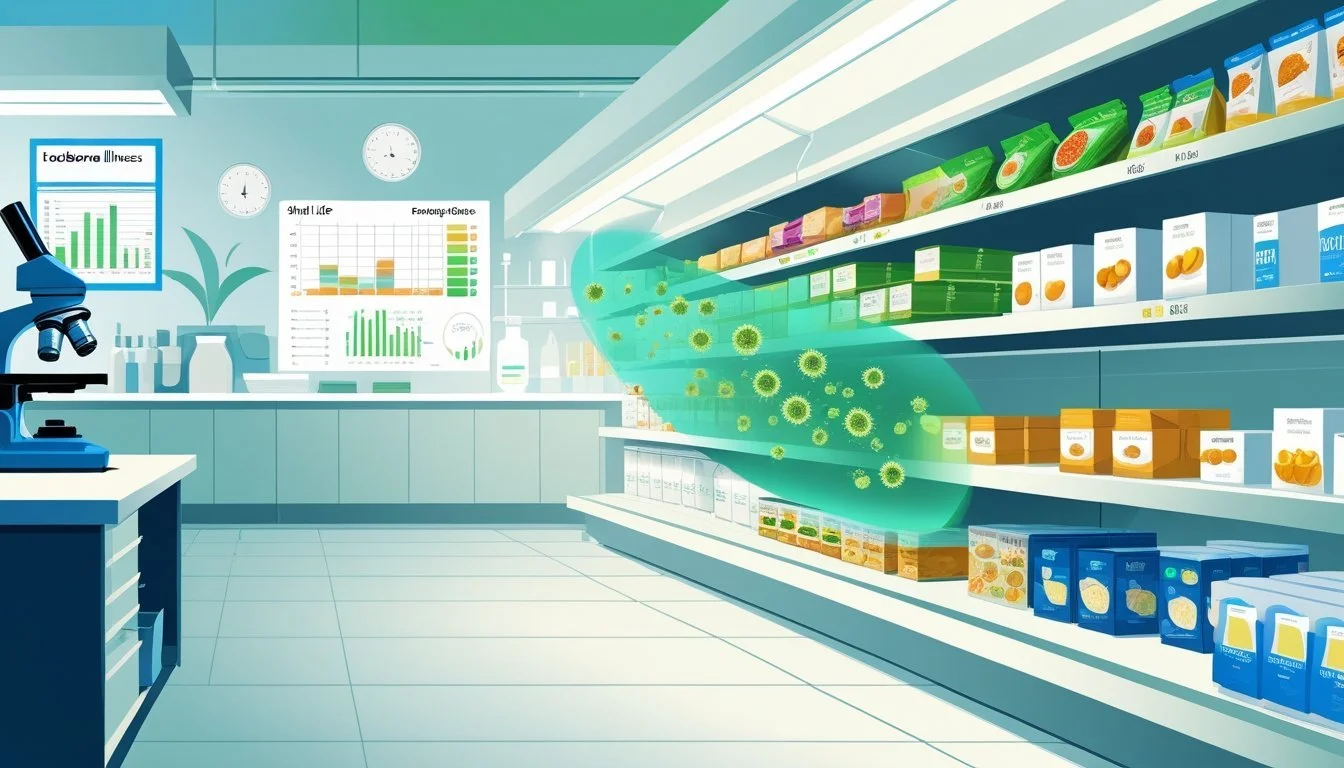
Shelf life plays a direct role in the safety of foods by influencing the risk of contamination from pathogens and spoilage microorganisms. Different food sectors face unique hazards and management practices that affect both shelf life and the potential for foodborne illness.
Perishable Foods: Meat, Seafood, and Milk
Perishable foods such as meat, seafood, and milk are prone to rapid spoilage due to high moisture content and nutrient density. Common pathogens include Salmonella, Listeria monocytogenes, and E. coli.
Beef and other meats require strict temperature controls from processing through storage. Even short deviations above recommended refrigeration can allow dangerous bacteria to multiply rapidly.
Seafood carries risks like Vibrio species and can spoil quickly if not kept cold. Cross-contamination during handling and rapid bacterial growth are frequent issues.
Milk spoilage can be caused by inadequate pasteurization or improper storage. Spoiled milk shows off-flavors and curdling, but some bacteria may not alter appearance or taste, making shelf life limits especially important for consumer safety.
Canned and Preserved Foods
Canned foods use sterilization and airtight packaging to dramatically increase shelf life. Proper processing destroys bacteria like Clostridium botulinum, which can thrive in low-oxygen environments.
If the canning process is incomplete or if cans are damaged, dangerous bacteria can persist. Swollen, leaking, or rusted cans are warning signs of spoilage.
Preserved foods, such as pickles or jams, use salt, sugar, or acidity to inhibit microbes. However, improper storage after opening can allow spoilage organisms to grow, so once opened they often require refrigeration and a shortened shelf life.
Perishable Plant-Based Products
Fresh fruits and vegetables have limited shelf life due to enzymatic activity and susceptibility to microbial contamination. Storage at room temperature can accelerate spoilage and bacterial growth.
Crop production practices, such as sanitation during harvest and packaging, play a role in reducing contamination with pathogens like Salmonella or E. coli. Washing and handling practices are equally important at the consumer level.
Even when visually fresh, some produce can harbor harmful microbes, making refrigeration and consumption within recommended dates important for health. Changes in color, texture, or odor typically indicate spoilage, but not all pathogens cause noticeable changes.
Shelf Life Management in the Food Supply Chain
Effective shelf life management is a critical factor for minimizing foodborne illness within the modern food supply chain. Maintaining proper storage conditions and monitoring expiration dates directly influence product safety and reduce waste.
Cold Chain Logistics
Cold chain logistics is essential for preserving the safety and quality of perishable foods. It involves continuous temperature control from harvesting, through storage, to retail delivery. Without strict temperature management, pathogens and spoilage organisms may multiply, shortening shelf life and increasing the risk of foodborne illness.
Common temperature-sensitive products include dairy, meat, seafood, and some produce. Failure in the cold chain can cause products to become unsafe before their labeled expiration date. Real-time tracking technologies allow stakeholders to monitor and immediately address any temperature deviations throughout the supply chain.
Proper cold storage typically keeps perishable foods at temperatures below 5°C (41°F), which slows microbial growth. Temperature logs, automated alarms, and regular audits are now widely adopted in the food industry to maintain safe storage conditions and protect public health.
Food Supply Chain Practices
Management of shelf life in the food supply chain involves multiple practices, including systematic inventory rotation, first-expired-first-out (FEFO) warehousing, and real-time shelf life tracking. These practices ensure that products are used or sold before reaching the end of their safe consumption window.
Warehouses and retailers increasingly rely on digital inventory systems that alert staff when products approach their expiration date. This minimizes waste and prevents items past their shelf life from reaching consumers. Additionally, integrating shelf life data with supply chain planning allows for optimized product flows.
Key strategies also include clear date labeling, frequent staff training, and routine quality checks at each stage. These steps collectively help reduce the risk of distributing or selling spoiled or unsafe foods, contributing to a safer food supply for everyone.
Food Industry Strategies for Reducing Foodborne Illness
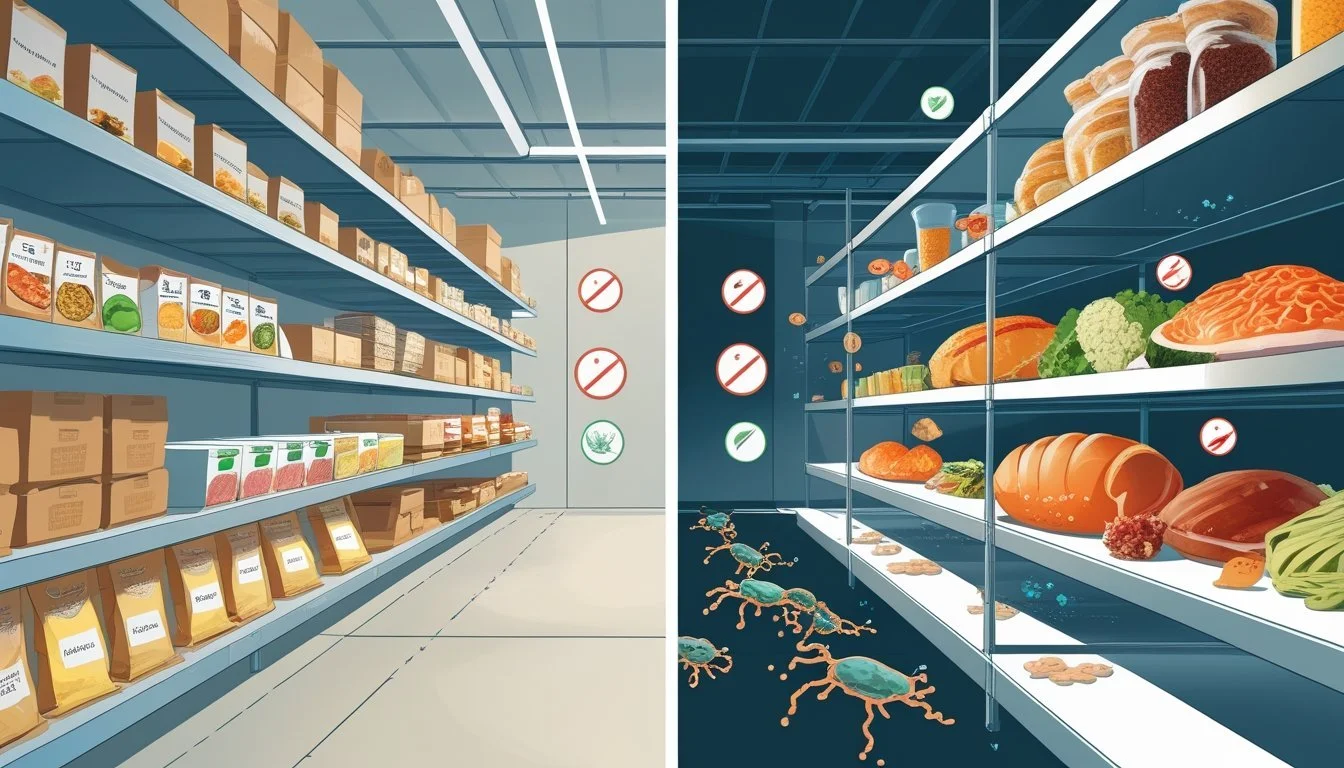
Foodborne illness can be dramatically reduced through a combination of targeted sanitation measures and ongoing food safety education in the food industry. These strategies help prevent contamination and ensure that foods remain safe throughout their shelf life.
Sanitation and Hygiene Protocols
Strict sanitation is a foundation for safety in food handling and storage. The food industry uses procedures such as regular cleaning of surfaces, equipment, and storage areas to limit the growth of harmful microorganisms. Sanitizing kitchens, utensils, and equipment with approved solutions is standard practice.
Employees are trained to wash hands thoroughly and often, especially after handling raw foods. Facilities often implement schedules for cleaning and sanitation that are monitored and documented for accountability.
Temperature control also plays a role—cold storage is kept at or below recommended temperatures to reduce bacterial growth. Shelves and storage containers are routinely checked and sanitized to prevent cross-contamination between raw and ready-to-eat products.
Education and Safe Food Preparation
Comprehensive education programs ensure staff understand the critical points of food safety. The food industry frequently conducts training on proper food preparation, focusing on topics like cooking to safe internal temperatures, avoiding cross-contamination, and proper food storage.
Written guidelines and visual reminders are posted in work areas to reinforce safe handling practices. Employees are taught how to identify spoiled foods and the importance of discarding questionable items promptly.
Ongoing education helps keep everyone updated on the latest food safety standards and best practices. This proactive approach limits the risk of foodborne illness and supports a culture of safety within food handling environments.
Impacts of Shelf Life on Food Waste and Sustainability
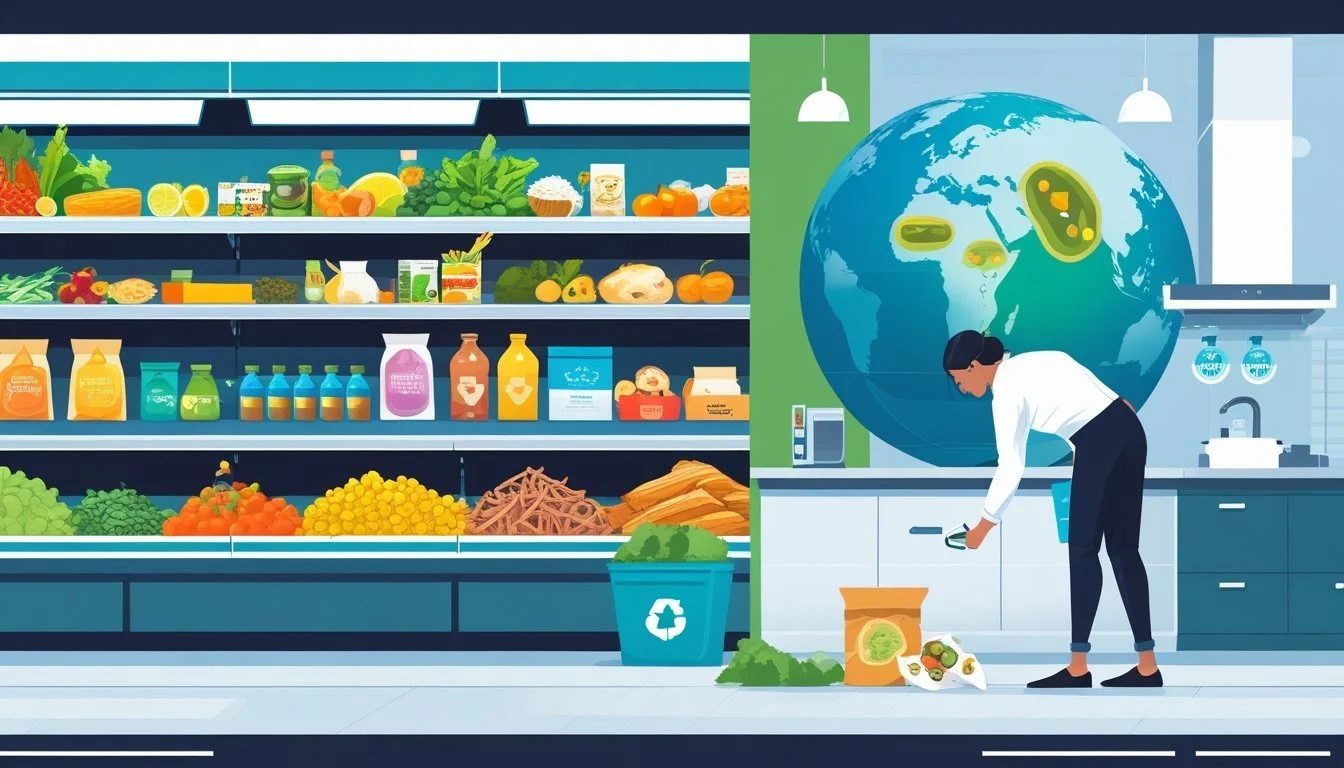
Extending the shelf life of food products can reduce preventable food waste and improve the environmental sustainability of the food system. Advances in packaging and preservation techniques also influence how food safety risks are managed.
Food Waste Due to Spoilage
A significant portion of food waste comes from products spoiling before they can be consumed. According to recent studies, longer shelf life directly leads to less food waste, especially in perishable categories. Consumers may throw away items once they reach or pass their expiration date, regardless of actual spoilage, which increases unnecessary food discard.
Preservation methods such as refrigeration, vacuum sealing, and modified atmosphere packaging slow microbial growth and extend freshness. These approaches help food stay safe to eat while reducing the frequency of spoilage. Extending shelf life is especially important in supply chains for fresh produce, dairy, and meat, where spoilage is a top contributor to waste.
Sustainable Food Safety Alternatives
Modern food safety alternatives now include both thermal and non-thermal preservation processes. Examples include high-pressure processing (HPP), pulsed electric fields, and advanced packaging that limits oxygen exposure. These developments support longer shelf life without compromising food safety or nutritional value.
New packaging solutions, such as biodegradable films with antimicrobial properties, can both reduce food spoilage and minimize plastic waste. Food manufacturers often use a combination of these methods to target specific safety risks and reduce environmental impact. By leveraging innovative technologies, the food industry can address waste and promote sustainability while still meeting safety standards.

