
Designing Kitchens for Shelf Life Efficiency
Practical Strategies for Maximizing Food Longevity
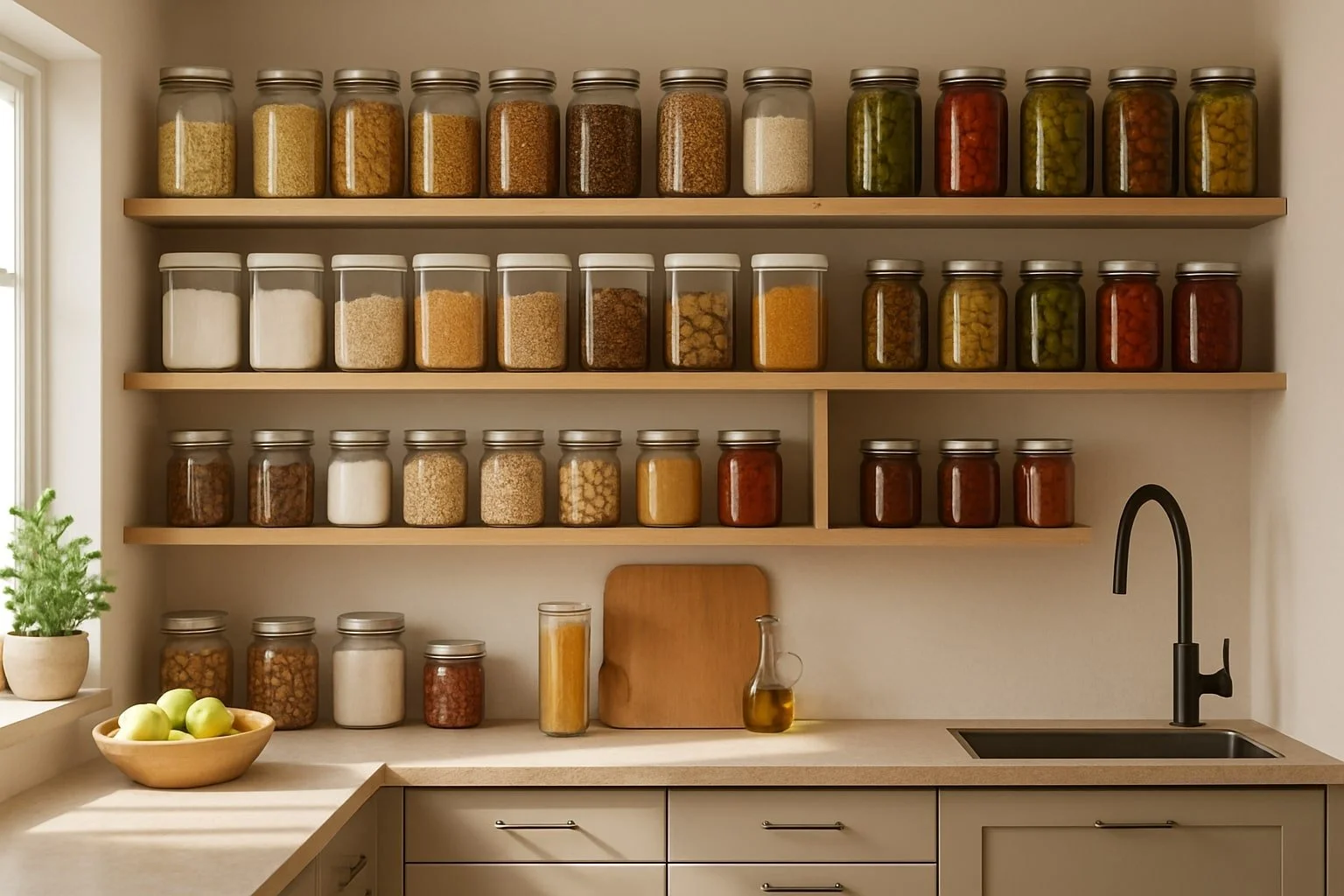
Designing a kitchen for shelf life efficiency means creating a space where food stays fresh longer and ingredients are easy to access and use. The way a kitchen is organized, from pantry zones to adjustable shelving, directly impacts how effectively people can manage food storage and minimize waste. Thoughtful placement of shelves, containers, and cool storage solutions can help prevent spoilage and streamline daily cooking routines.
The efficiency of a kitchen extends beyond just the layout—proper design supports smarter storage practices like grouping similar items and using clear containers for better visibility. Small changes such as adding risers, labeling sections, or dedicating zones for baking and meal prep can make a big difference. The result is a kitchen that works with its users, making each meal easier and helping groceries last longer.
Fundamentals of Kitchen Shelf Life Efficiency
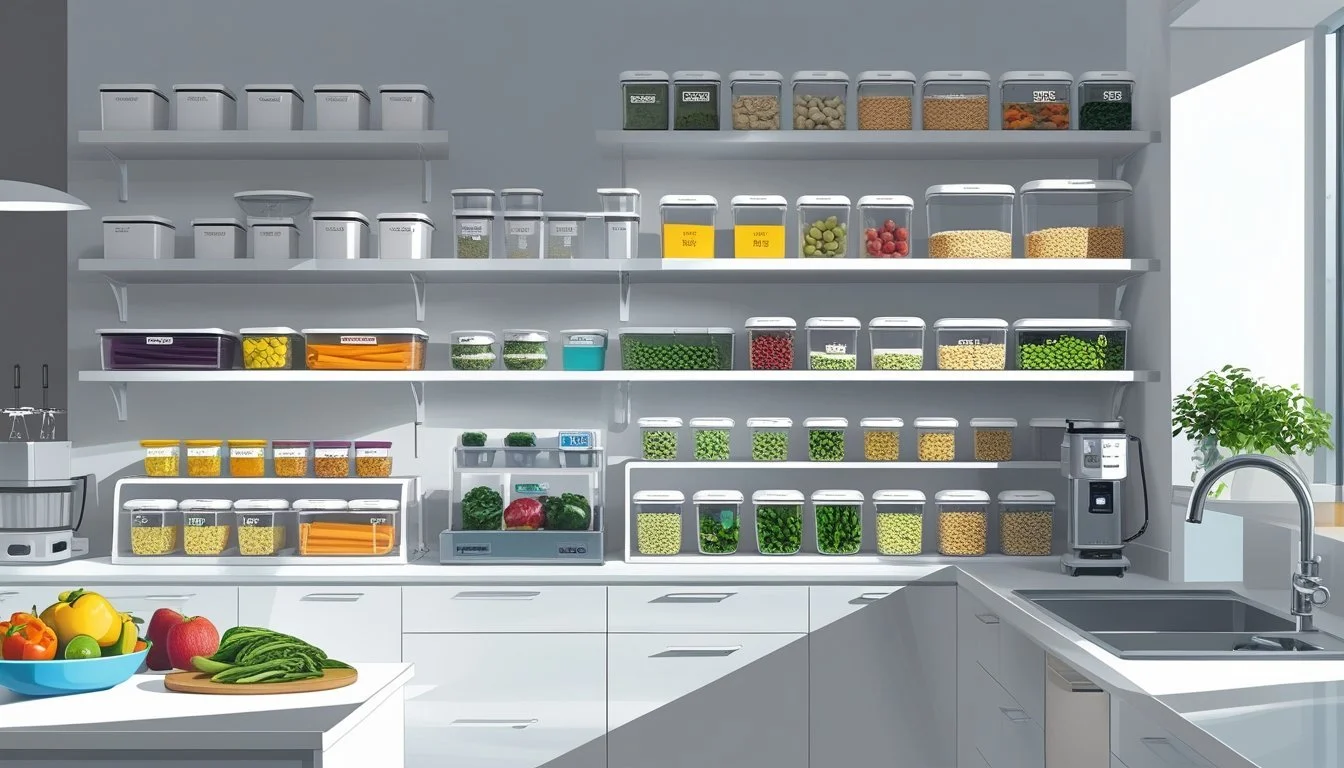
Shelf life efficiency in kitchens depends on deliberate design choices, practical planning, and smart organizational systems. Temperature, moisture control, and workflow significantly influence how long food items remain usable and how accessible storage remains.
Defining Shelf Life in Kitchen Design
Shelf life in kitchen design means more than expiration dates—it refers to the period ingredients and supplies stay fresh and safe due to optimal storage methods. It is affected by factors such as air circulation, light exposure, humidity, and temperature.
Properly placed refrigeration units and ventilated cabinets improve storage conditions and help reduce spoilage. For dry goods, sealed containers and elevated shelving reduce moisture risks.
Example:
A kitchen with dedicated cool, dry, and well-ventilated zones for each ingredient type extends shelf life naturally, reducing waste and costs.
Core Principles of Efficient Kitchen Layouts
An efficient kitchen layout groups related tasks and storage to streamline movement and improve ingredient preservation.
The classic "kitchen work triangle" (sink, stove, refrigerator) minimizes unnecessary steps. However, newer designs often use work zones—areas for prep, cooking, and cleaning.
Important layout features for shelf life efficiency include:
Locating storage close to prep areas
Using deep cabinets and pull-out pantries for better organization
Avoiding excess stacking, which blocks airflow
Accessibility also plays a role. When foods are easy to see and reach, they are used before their shelf life ends.
The Role of Planning in Kitchen Organization
Planning is key in ensuring a kitchen supports both shelf life and ease of use. A thoughtful plan addresses the specific storage needs of various food types, taking into account their lifespan and handling requirements.
Creating an inventory system, either digital or manual, can help track expiration dates and organize rotation. Placement of shelving, bins, and containers based on usage frequency reduces time spent searching and lowers spoilage risk.
Clear planning includes mapping the typical workflow, observing daily routines, and adjusting storage locations for maximum efficiency. Efficient organization enables staff or family members to manage perishables and non-perishables with minimal confusion.
Optimizing Kitchen Layouts for Storage Longevity
Carefully planned kitchen layouts can extend the shelf life of pantry goods and keep ingredients easily accessible. The proper arrangement of zones and pathways promotes efficiency, reduces waste, and enhances daily use.
Work Triangle and Traffic Flow
A well-designed work triangle links the sink, stove, and refrigerator in a clear, unobstructed path. This classic principle minimizes unnecessary movement and ensures that all main work areas are easy to reach. Positioning these elements within 4 to 9 feet of each other balances efficiency and comfort.
Traffic flow should prevent bottlenecks and keep main work zones free from unnecessary foot traffic. Entrances and exits need to be strategically placed to avoid disrupting cooking or storage tasks. Placing frequently used storage near the triangle but outside of primary paths keeps essential items close while reducing crowding.
Good traffic flow improves organization and shelf life by reducing the time food stays out during meal prep. This approach also limits accidental knocks or spills that could compromise storage integrity.
Maximizing Kitchen Space Utilization
To maximize kitchen space, choose vertical and modular storage solutions. Shelves that extend up to the ceiling, deep drawers, and corner cabinets reclaim areas that usually go unused. Adjustable shelves allow custom heights, accommodating varying package sizes for pantry staples or small appliances.
Storing fragile goods or those with short shelf lives at eye level makes them less likely to be forgotten and more likely to be used before expiration. Integrating sliding shelves, pull-out racks, and lazy Susans helps prevent overcrowding, which often leads to lost or wasted items.
Key space utilization tips:
Use narrow pull-outs for spices and oils near the cooktop.
Fit tall cabinets with bins for bulk dry goods.
Place baskets or dividers in larger drawers for sorting produce and snacks.
Zoning for Prep, Cook, and Storage Areas
Defining clear zones for prepping, cooking, and storage minimizes cross-contamination risks and boosts efficiency. The prep area should be close to both storage and the sink, with a dedicated counter for washing and chopping. Keep knives, cutting boards, and frequently used utensils within arm’s reach using wall strips or drawer inserts.
The cooking zone includes the stove and oven, surrounded by cookware and heat-safe utensils. Store pots and pans in deep drawers below the cooktop, and mount frequently used spices nearby for quick access.
The storage zone should contain clearly labeled cabinets and shelves for dry goods, canned foods, and perishables. Place high-turnover items front and center, with backup stock tucked behind. Use clear containers and rotation systems, such as “first in, first out,” to maintain shelf life and reduce waste.
Smart Storage Solutions and Cabinetry Choices
Selecting the right kitchen cabinetry and storage solutions directly impacts food organization and shelf life. Features such as built-in storage, pull-out drawers, and tailored organizers promote airflow, accessibility, and optimal space management.
Built-In Storage for Extended Shelf Life
Built-in storage options, such as pantry cabinets with adjustable shelving, allow users to customize their storage for different food groups. Adjustable shelves can be set to accommodate bulky pantry items or tightly stacked canned goods, reducing wasted space and allowing for quick visual checks of stock.
Ceiling-high cabinets maximize vertical storage, keeping seldom-used or backup items away from daily humidity and heat sources. Ventilated cabinets help maintain air circulation for produce storage, which can prolong freshness. Pull-out pantry systems, embedded within cabinetry, keep foods visible and accessible, minimizing the risk of spoilage due to forgotten goods in the back.
List of key built-in solutions:
Floor-to-ceiling pantry cabinets
Adjustable, ventilated shelving
Pull-out pantry racks
Built-in bread drawers with vents
Pull-Out Drawers and Vertical Storage Solutions
Pull-out drawers help organize food and kitchenware by allowing users to see all contents with minimal effort. High sides prevent spillage, while soft-close mechanisms preserve cabinet integrity and keep items stable. Deep drawers can store bins for grouping pantry goods, while shallow drawers are effective for flat items.
Vertical storage solutions—such as slim pull-out racks and tall cabinets with narrow shelves—take advantage of unused gaps. They are ideal for storing baking sheets, cutting boards, and long pantry items like pasta boxes upright. This not only saves space but also improves airflow around products that require it.
A simple vertical divider system keeps items separated and upright, making it easier to rotate stock and maintain first-in, first-out use. Installing pull-out baskets can transform awkward lower cupboards into efficient, easily accessible storage.
Spice-Sorting Systems and Lid Organizers
Spice-sorting systems are crucial for maintaining herb and seasoning freshness. Pull-out spice racks, drawer inserts with angled tiers, and lazy Susans keep containers visible and organized by category, reducing the risk of overbuying or forgetting ingredients. Clearly labeled shelves or trays further help users reach for what they need quickly.
Lid organizers prevent clutter by separating and stacking lids in slim pull-out racks, wire organizers, or dedicated drawer inserts. Storing lids upright or side by side keeps them from trapping moisture, which helps prevent mold and extends their lifespan. For ease of maintenance, choose removable and wipe-clean materials.
Spice and lid organizing solutions not only save time during cooking but also support a more hygienic and efficient kitchen workflow. These systems work best when tailored to the household's specific cooking habits and storage needs.
Open Shelving and Display for Easy Access
Open shelving can transform the functionality and look of a kitchen, offering advantages in accessibility and style. Pot racks and storage benches are practical additions that keep cookware and essentials within reach, reducing clutter and supporting efficient routines.
When to Choose Open Shelves Over Upper Cabinets
Open shelves are ideal for kitchens where quick access to daily-use items is a priority. Unlike upper cabinets, open shelving allows users to see everything at a glance, making it easier to grab dishes, glasses, or ingredients without searching behind closed doors.
They are best suited for organized households, as the visibility encourages neatness. Open shelves also display attractive dishware, cookbooks, or décor, adding character to the space.
However, open shelving may not be the best choice for those who prefer to hide clutter or store mismatched items. It requires regular cleaning, as items gather dust more easily compared to enclosed cabinets. Potential users should weigh the need for display and convenience against the commitment to upkeep.
Pros of Open Shelving Cons of Open Shelving Easy access Requires organization Visual openness More dust accumulation Decorative display Less hiding of clutter
Pot Racks and Storage Benches
Pot racks provide a designated spot for frequently used pots and pans above kitchen islands or work zones. By suspending cookware, they free up cabinet space and make it easy to reach heavy or bulky items.
Pot racks can be selected in various materials, such as stainless steel or wood, to coordinate with other kitchen finishes. Some feature integrated hooks for utensils or small baskets for lids.
Storage benches combine seating and concealed storage, often placed along a wall or beneath a window. They can store larger kitchen gadgets, small appliances, or pantry items in baskets or bins, making use of underutilized space.
A thoughtfully placed storage bench can act as both a functional piece and a gathering spot, maximizing efficiency while maintaining an uncluttered look. Use cushions or pillows to soften the area while keeping the storage space accessible.
Choosing Appliances to Support Kitchen Efficiency
Maximizing kitchen efficiency relies heavily on appliance selection and placement. Well-chosen appliances, installed in logical locations, can reduce wasted motion and improve both storage life and workspace flow.
Appliance Placement for Long-Term Usability
Positioning appliances with shelf life in mind allows for better kitchen routines. Placing the refrigerator near the pantry or food storage area makes it easier to rotate and manage perishable goods. Grouping ovens and microwaves away from primary prep spaces can prevent congestion during meal prep.
A useful layout strategy is the work triangle, connecting the sink, fridge, and stove in a way that minimizes steps. Placing small appliances like toasters or blenders in accessible, yet out-of-the-way locations, helps keep counters clear for food sorting and storage.
Cabinet design plays a crucial role too. Using pull-out drawers or vertical storage adjacent to appliances keeps items within reach and supports swift ingredient rotation. Panel-ready dishwashers and refrigerators blend with cabinetry, maintaining organization and visual continuity.
Selecting Appliances for Space-Saving
In smaller kitchens, space-saving appliances are essential for both efficiency and maximizing shelf life. Options like counter-depth refrigerators conserve aisle space and help maintain clear sightlines. Multifunctional appliances—such as combination oven-microwaves—free up counter and cabinet room for ingredient storage.
Telescoping range hoods, undercounter refrigerators, and drawer-style dishwashers are particularly effective for compact layouts. Choosing appliances with integrated storage features, like adjustable shelving or customizable bins, further supports food organization and accessibility.
A short checklist for selecting efficient, space-saving appliances:
Look for slim or compact models.
Prioritize appliances with built-in storage or multi-use functions.
Opt for panel-ready designs to maximize cabinet space.
Review appliance dimensions to ensure proper fit in planned locations.
Smart placement and careful choice of kitchen features can transform even the smallest kitchen into an efficient space for managing shelf life.
Kitchen Islands and Dining Nooks for Versatility
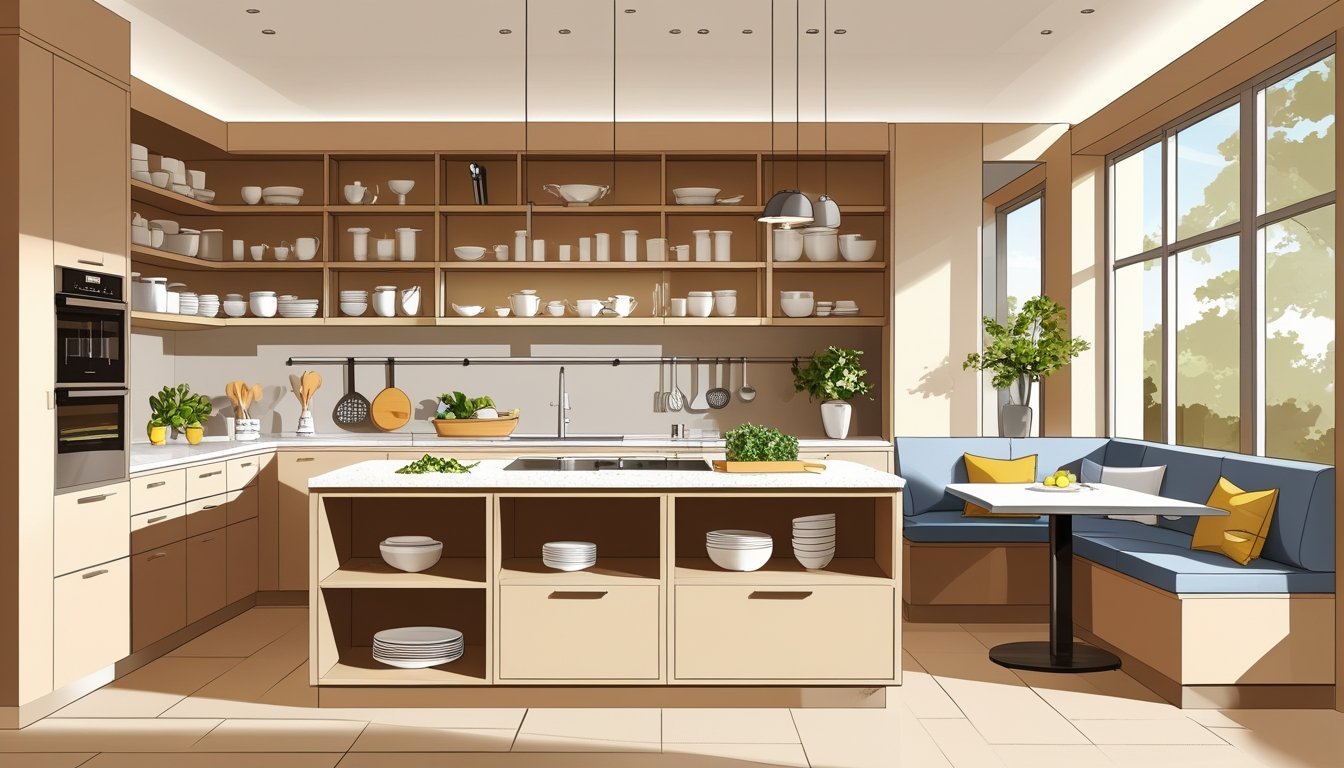
Kitchen islands and dining nooks provide solutions for both storage and mealtime flexibility. These features can be tailored for small or large spaces to improve efficiency and organization.
Utilizing Small Kitchen Islands for Extra Storage
A small kitchen island offers additional prep area and maximizes storage, even in compact kitchens. Many island kitchens benefit from a mix of drawers, shelves, and cabinets built directly into the island base. This keeps cookware, utensils, and pantry goods organized but still within reach.
Common storage components in a small kitchen island:
Feature Example Uses Deep drawers Pots, pans, small appliances Open shelving Cookbooks, baskets, bins Cabinet doors Food staples, cleaning supplies
For traffic flow, it is recommended to provide at least 44 inches of clearance behind any seating (such as breakfast bar stools). This ensures safe and easy movement throughout the kitchen, especially during meal prep and serving.
Designing Dining Nooks with Built-In Storage
A dining nook can convert unused corners into cozy, efficient eating areas. Built-in bench seating offers an opportunity for hidden storage underneath the seats. This is useful for stowing table linens, seasonal dinnerware, or even small kitchen appliances that are not in daily use.
Key considerations for dining nook storage:
Use lift-up or pull-out bench seats for easy access.
Choose durable cushion fabrics that are easy to clean.
Incorporate wall-mounted shelves above the nook for cookbooks or decorative items.
Dining nooks often fit well in kitchens where space is limited but functional seating is still a priority. Integrating storage in both island kitchens and dining nooks creates a more organized, adaptable kitchen environment.
Specialized Layouts: Galley, L-Shaped, and U-Shaped Kitchens
Each kitchen layout offers unique advantages for improving shelf life efficiency. The arrangement of cabinets, appliances, and storage zones impacts workflow, accessibility, and food preservation.
Galley Kitchens: Maximizing Small Spaces
Galley kitchens are designed with two parallel runs of cabinets and countertops, forming a corridor. This configuration allows users to move efficiently between work zones with minimal steps. In small kitchen spaces, every inch counts, making vertical storage and streamlined organization essential.
Open shelving above counters is commonly used to keep dry goods and frequently used containers visible and accessible. Pull-out pantry racks and deep drawers under counters help maximize available space while reducing clutter. Refrigerator and freezer placement at one end of the galley keeps perishable items easy to reach without interrupting the main prep area.
The tight layout minimizes wasted movement and supports quick inventory checks. Galley kitchens work well for single cooks and encourage routine shelf rotation, reducing the risk of overlooked expiration dates.
L-Shaped Designs for Efficient Storage
An L-shaped kitchen layout uses two adjoining walls, forming a right angle that opens up the room for easy movement and socializing. This setup often accommodates larger storage areas and allows for the inclusion of specialized shelving, such as lazy Susans or corner pantries, in previously hard-to-access spaces.
Items can be grouped by use along each segment of the "L," optimizing zones for prep, cooking, and cleaning. Tall pantry cabinets fit neatly at the end of one wall, creating a central spot for canned and dry goods, which supports first-in-first-out inventory practices.
Adding an island or movable cart to the center increases surface area for sorting and organizing groceries. This helps in separating items by shelf life—dairy and produce on one wall, grains and canned goods on the other—making stock management more intuitive.
U-Shaped Kitchens for Multi-Zone Organization
U-shaped kitchens use three walls for cabinetry and appliances, surrounding the cook and maximizing available storage. This layout provides distinct work zones and is well-suited to larger families or those who cook in teams.
Cabinets can be divided into categories—refrigerated, dry, and bulk storage—by placing them strategically along different walls. Low, wide drawers in the base cabinets allow users to quickly access staple foods stored in bulk. Overhead cabinets above each counter segment can be reserved for backup or longer shelf-life items, reducing the need to move around while prepping meals.
Traffic flow is minimized, as the U-shape naturally separates the work triangle from other pathways in the home. This organizational design supports frequent rotation of perishables and makes it easier to keep track of stock levels, avoiding both overbuying and food waste.
Maximizing Storage in Small Kitchens and Apartments
Efficient use of space is critical in small kitchens and apartments where storage is limited. Careful planning and smart storage choices can help maintain an organized kitchen and extend shelf life for ingredients.
Design Tips for Small Kitchen Ideas
Small kitchens benefit from compact, functional layouts that reduce clutter. Opting for open shelving above counters can free up cupboard space for less-frequently-used items and make often-used dishes easier to reach.
Installing a small island or cart offers extra prep and storage space without overwhelming the room. Selecting vertical storage, like tall shelving units or hanging storage bars over the sink, takes advantage of unused wall space.
Light colors, minimal decor, and reflective surfaces can make a kitchen feel more spacious. Using hooks for utensils and racks inside cabinet doors lets homeowners keep items accessible but out of the way.
Space-Saving Solutions for Organized Kitchens
Wire storage racks can be stacked or mounted inside cabinets to create more usable surfaces for pantry items. Magnetic knife strips, wall-mounted pot racks, and under-shelf baskets also help maximize limited space.
Drawer dividers and bins keep smaller utensils or packets from getting lost or cluttered. Pull-out pantry shelves make it easier to rotate stock, supporting shelf life efficiency by making all items visible and accessible.
For efficient ingredient storage, airtight containers or stackable jars maintain freshness and reduce footprint. Labeling containers and grouping similar items together aids in organization and quick inventory, reducing waste in small kitchens.
Lighting, Color, and Visual Space Expansion
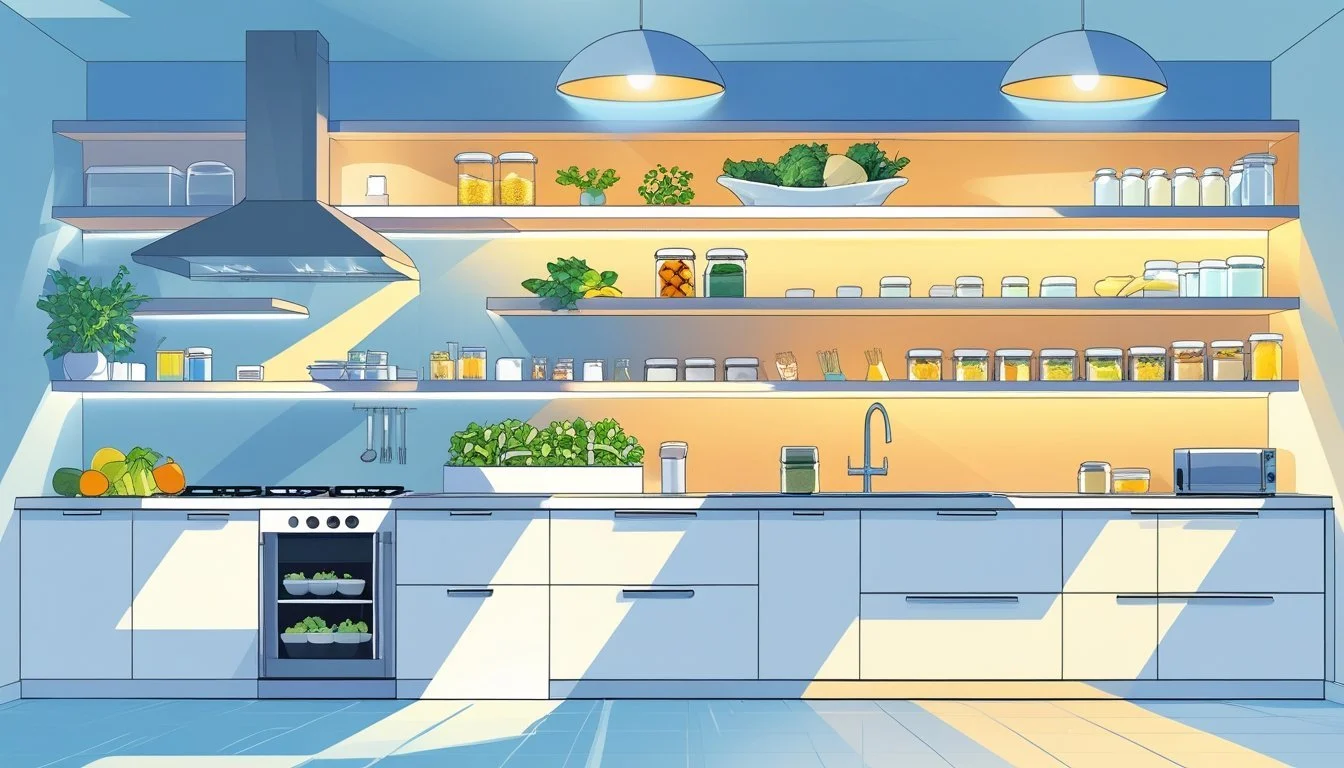
Enhancing shelf life efficiency in the kitchen relies on both sensible lighting choices and the use of carefully selected color palettes. Proper lighting and color strategies can make storage more functional while also making a kitchen appear larger and more open.
Leveraging Natural Light for a Lighter Kitchen
Natural light not only reduces the need for artificial lighting but also helps reveal the true color and freshness of stored ingredients.
Placing shelves, cabinetry, or storage near windows maximizes daylight exposure. Frosted or sheer window coverings can diffuse sunlight, limiting glare while still brightening the space. Reflective surfaces, such as glossy backsplashes or glass cabinet doors, increase the effect of daylight throughout the kitchen.
Proper kitchen layout ensures that obstructive features do not block sunlight. Open shelving benefits from direct exposure to light, making it easier to locate and rotate pantry staples quickly. Natural light also has an energizing effect, creating an inviting workspace for food preparation and storage tasks.
Using Light Colors to Visually Expand the Kitchen
Light colors, such as soft whites, muted grays, and pastels, make kitchen walls and storage areas feel more open and less crowded. These shades reflect available light, whether natural or artificial, amplifying brightness across all surfaces.
A simple palette using mainly light tones on walls, shelves, and cabinets avoids visually shrinking the space. Accents in neutral or pale colors can highlight storage zones without adding visual clutter.
Below is a quick reference for light-enhancing color options:
Color Effect White Maximizes brightness Pale gray Adds depth without heaviness Soft blue Cools and visually pushes walls out Light wood Warms while maintaining openness
By pairing light colors with smart lighting layouts, they can improve both storage clarity and the sense of overall spaciousness in the kitchen.
Ergonomics and Functional Design Strategies
Effective kitchen design balances ease of movement with long-term usability. Key factors include ergonomic layout, optimized storage, and strategies used by experienced interior designers to create practical workspaces.
Designing for an Ergonomic and Functional Kitchen
A kitchen that prioritizes ergonomics minimizes strain and improves workflow. Work surfaces should be at comfortable heights to reduce bending and stretching. The placement of the refrigerator, stove, and sink—known as the kitchen work triangle—should allow for easy transitions between tasks.
Accessible storage is essential. Frequently used items belong in reachable cabinets, while heavier pots and appliances should be stored at waist level to avoid unnecessary lifting.
Lighting and flooring also play important roles. Even lighting helps prevent accidents, while slip-resistant floors add safety. An uncluttered space with well-placed trash and recycling bins further supports efficiency and comfort.
Interior Designer Insights and Best Practices
Interior designers recommend mapping daily tasks to guide kitchen layout decisions. For instance, grouping prep tools, ingredients, and cookware near prep zones reduces steps and motion.
They favor deep drawers over base cabinets because drawers allow for better item visibility and easier access. Pull-out shelves, lazy Susans, and vertical dividers further optimize storage.
Many designers use zones for cooking, prepping, and cleaning. Separating these functions with clear boundaries helps multiple people work in the kitchen without crossing paths.
Table: Key Ergonomic Design Tips
Tip Effect Work triangle layout Reduces walking distances Proper counter height Lowers strain on back and arms Deep drawers Improves access and organization Task-based lighting Increases visibility and safety
Renovation and Upgrading for Shelf Life Efficiency
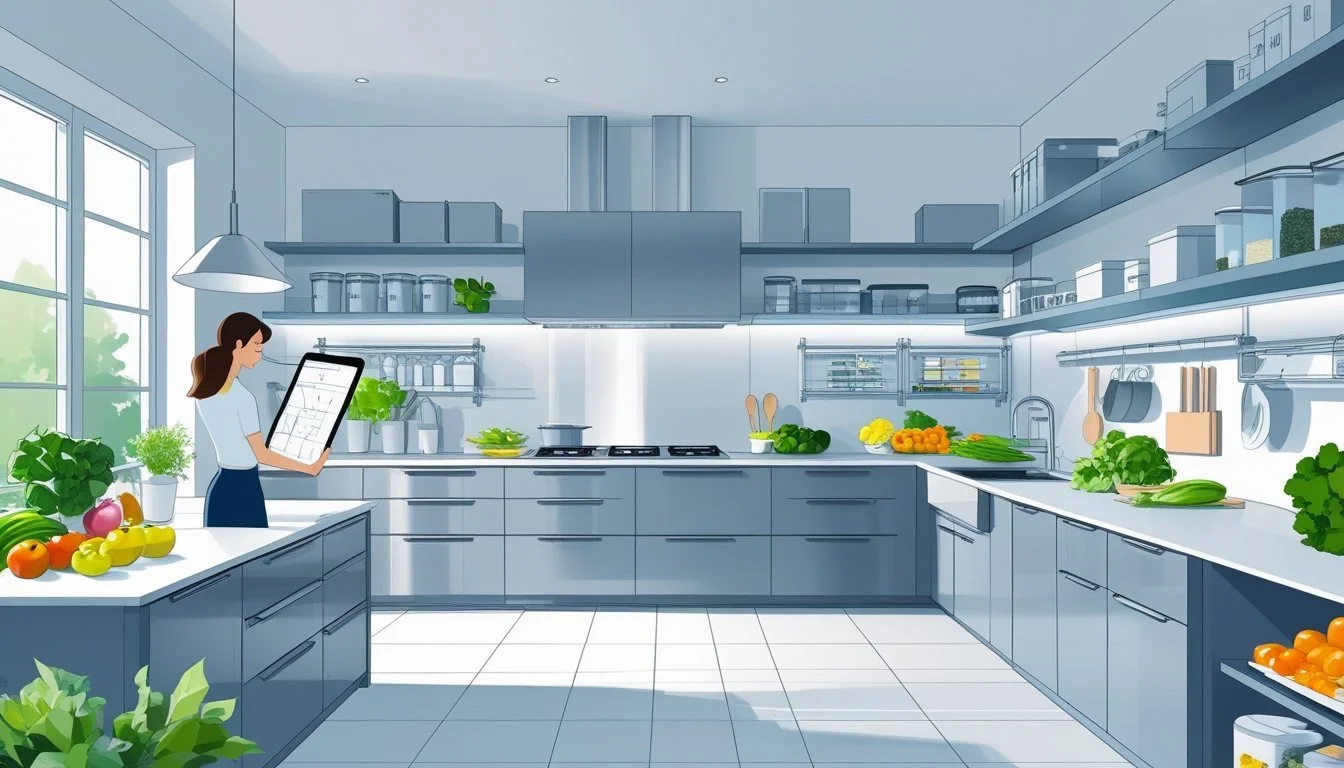
Renovating a kitchen for shelf life efficiency involves careful planning to enhance storage and longevity. Thoughtful upgrades to layout and features help maximize space, protect stored items, and support long-term kitchen use.
Kitchen Renovation Strategies for Storage
Effective kitchen renovation centers on optimizing cabinetry, shelving, and pantry areas. Deep drawers and pull-out shelves offer greater visibility and access to stored foods, reducing forgotten items and minimizing waste. Adjustable shelving allows flexibility for a range of container sizes and bulk storage.
Ventilated pantry cabinets and humidity control help preserve dry goods and prevent spoilage. Lazy Susans, vertical dividers, and specially designed corner storage solutions further reduce dead space and keep ingredients accessible. Integrating labeled bins or clear containers also helps track food inventory.
Customized cabinetry can incorporate designated sections for canned goods, grains, and perishable items. Smart use of underutilized areas, such as toe-kick drawers or over-the-door racks, adds extra capacity without cluttering counter space.
Feature Upgrades for Long-Term Value
Upgrading kitchen features like appliances and lighting can impact both efficiency and storage duration. High-quality refrigerators with precise temperature and humidity controls help extend the life of produce and perishables. Energy-efficient appliances lower utility costs and often provide advanced storage capabilities, such as specialized crisper drawers or built-in vacuum sealers.
Durable, easy-to-clean surfaces like quartz or laminate countertops promote food safety and longevity. LED lighting installed inside cabinets aids in quick item identification, reducing overbuying or letting foods expire unnoticed.
Investing in modular shelving and flexible organizational systems supports future adjustments as storage needs change. These upgrades maintain a balance between a functional workspace and a kitchen design prepared for evolving household demands.

