
Why Preserved Doesn’t Always Mean Safe
Understanding Food Storage Risks

Just because a food is labeled “preserved” does not guarantee that it is safe to eat. Many people assume that preserving food—in cans, jars, or vacuum-sealed bags—means all risks are eliminated, but this isn’t always the case. Even properly sealed or processed items can become unsafe under certain conditions.
Improper techniques, storage errors, or contamination can make preserved foods dangerous. Various preservation methods provide different levels of protection, and some products—like smoked meats, jerky, or certain canned items—require extra precautions to prevent spoilage or illness.
Understanding the limitations of food preservation methods helps people make better decisions about what they eat and how they store food at home. Knowing the signs of unsafe preserved foods can prevent unnecessary risks and keep households safer.
What Does “Preserved” Really Mean?
Preserved foods are not always synonymous with safe foods. The meaning of “preserved” depends on both the intent and effectiveness of the techniques used to extend shelf life and prevent spoilage.
Defining Preserved Foods
Preserved foods are items that have undergone a process designed to prevent or slow spoilage and decay. This can include physical, chemical, or biological methods. The main goals are to reduce microbial activity, delay oxidation, and minimize changes in texture or flavor.
The use of preservatives—whether natural or synthetic—is common in many products. These substances help inhibit bacteria, molds, and yeast, which can spoil food or lead to foodborne illnesses.
Shelf life is a key term here. It refers to how long a product can be stored before it degrades in quality or becomes unsafe to eat. However, “preserved” mainly indicates efforts to prolong shelf life, not a guarantee of indefinite safety.
Common Preservation Methods
There are several major ways foods are preserved:
Canning seals food in airtight containers and heats it to destroy bacteria and enzymes.
Refrigeration and freezing slow microbial and enzyme activity, extending shelf life but not stopping it completely.
Drying removes moisture, which most bacteria and molds need to grow.
Pickling uses acids or salt to create hostile environments for microbes.
Addition of preservatives such as sodium benzoate, nitrates, or antioxidants reduces spoilage and extends freshness.
Each method has limitations. For example, refrigeration can slow spoilage but not prevent all pathogens. Preserved foods may eventually spoil or become unsafe, depending on storage, handling, and the nature of the preservatives used. Always check expiration dates and storage recommendations.
Limitations of Food Preservation
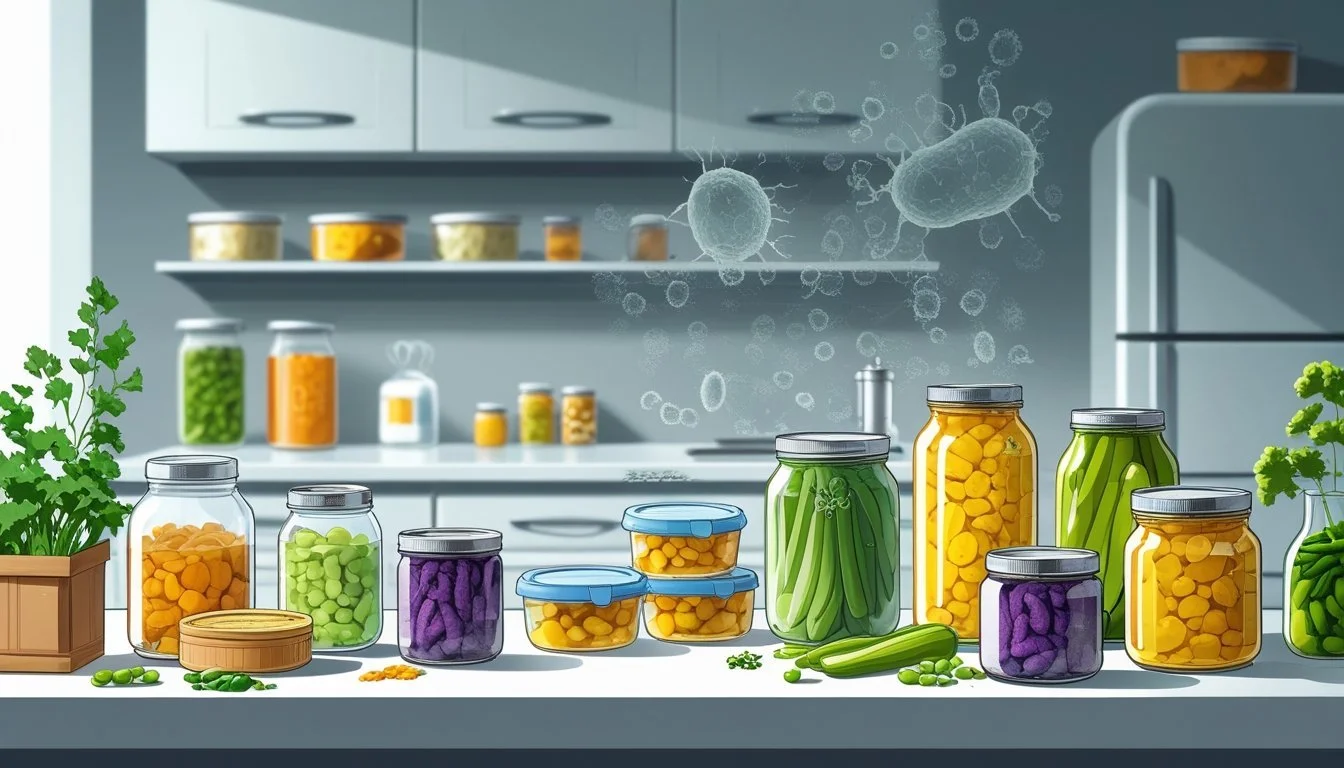
Food preservation methods extend shelf life, but they come with specific risks and drawbacks that people should understand. Improper techniques or choices can result in health threats or the loss of important nutrients.
Potential Health Risks
Foodborne illness remains a concern when preservation methods are not properly followed. For example, incorrect canning techniques may allow Clostridium botulinum bacteria to survive, leading to the risk of botulism, a potentially fatal illness. Without proper sanitation and temperature control, bacteria, molds, and yeasts can thrive even in “preserved” foods.
Some preservatives used to inhibit microbial growth, such as sodium nitrite or sulfites, may cause allergic reactions or other adverse health effects in sensitive individuals. The use of paraffin wax as a sealant, although once popular, is no longer recommended due to safety concerns.
Outdated preservation advice or trendy methods may not meet modern safety standards. Always consult reliable sources and follow up-to-date guidelines to ensure the safest results.
Nutrient Loss During Preservation
Many preservation processes reduce the nutritional content of food. High heat in canning or blanching can destroy heat-sensitive vitamins, especially vitamin C and some B vitamins. Similarly, drying or freezing may cause the breakdown of certain nutrients, leaving foods less nutritious than their fresh counterparts.
Artificial preservatives added to extend shelf life usually do not replace lost nutrients. Ingredient lists for preserved foods often reveal added salt, sugar, or chemical preservatives, which can have other dietary impacts.
Choose methods and recipes that minimize nutrient loss when possible. For preserving nutritional value, quick freezing and low-temperature drying are generally preferable to prolonged heating or chemical-laden alternatives.
The Safety Misconception
Many people assume that once food is preserved, it is inherently safe and suitable for long-term storage. In reality, several preservation methods can still leave room for harmful microorganisms, spoilage, or declining quality if not handled properly.
How Preserved Doesn’t Guarantee Safety
Preserved foods are not immune to risks such as bacterial contamination or chemical spoilage. For example, home-canned vegetables with low acidity must be pressure-canned to prevent botulism, a potentially fatal illness.
Improper dehydration or smoking may also result in unsafe products. Dried meats like jerky, if not thoroughly dehydrated, can harbor dangerous bacteria even inside vacuum-sealed packages. Some products may look or smell fine but still contain toxins, especially if stored at the wrong temperature.
Shelf life is another critical factor—extended storage does not guarantee safety if preservation steps were inadequate. Preserved foods may become unsafe or lose quality over time despite the use of preservation techniques.
Factors That Lead to Unsafe Preserved Foods
Several mistakes can compromise the safety of preserved foods:
Insufficient heat treatment: Failing to apply enough heat during canning allows bacteria and spores to survive.
Incorrect storage: Storing smoked meats or fish at room temperature instead of refrigerated or frozen, especially beyond two weeks, increases risk.
Poor sealing: Faulty jar seals can let in air, promoting mold or yeast growth.
Lack of acidity: Low-acid foods are vulnerable to Clostridium botulinum unless properly processed.
Changes in appearance, like cloudiness or slime, and odd odors signal spoilage, but some threats remain invisible. Consumers should follow clear guidelines for shelf life, temperature, and processing to minimize foodborne risks.
Role of Preservatives in Food Safety
Preservatives are added to foods to delay spoilage and reduce the risk of foodborne illnesses. Despite these benefits, preservative use does not always guarantee that food is completely safe for consumption.
Common Types of Preservatives
Preservatives can be classified as natural or synthetic. Common natural examples include salt, vinegar, and certain plant extracts, while synthetic types include benzoates, nitrates, and sorbates.
Manufacturers typically list preservatives in the ingredient list, often identified with their chemical names or E-numbers. Sodium benzoate (E211) is widely used in acidic foods, while potassium sorbate (E202) is found in baked goods and cheeses to inhibit mold and yeast. Nitrites are common in processed meats to prevent Clostridium botulinum growth.
Labeling regulations require that these ingredients are declared, allowing consumers to identify them easily. However, people sensitive to certain preservatives should always check the ingredient list for specific compounds.
Preservatives vs. Pathogen Control
Preservatives slow spoilage by creating conditions that inhibit microbes, yet they do not eliminate all pathogens or their toxins. Some bacteria, like Listeria monocytogenes, can still survive in refrigerated, processed foods despite preservatives.
Effectiveness depends on factors such as:
Type and concentration of preservative
Food pH and water activity
Type of microorganism present
A sufficient preservative level may not be achievable in all foods, due to legal or sensory limitations, which can leave gaps in safety. Even processed or preserved foods with a full ingredient list of additives can become unsafe if stored improperly or contaminated after processing. Preservatives are a tool, but not an absolute guarantee of food safety.
Reading Ingredient Lists for Hidden Risks

Ingredient lists on preserved foods can contain components that increase health risks or mask potential dangers. Careful reading helps spot problematic items and understand the true purpose of each additive.
Identifying Problematic Ingredients
Certain ingredients in preserved foods increase the risk of bacterial growth or allergic reactions. Items such as low-acid vegetables (e.g., green beans, carrots) can harbor botulism bacteria if not properly preserved.
Artificial preservatives like sodium nitrite and sulfites are included to extend shelf life, but some individuals are sensitive to these chemicals. High concentrations of added sugars or salts are not just for flavor; they often serve as preservation agents, which may not be suitable for people with specific health conditions, such as hypertension or diabetes.
Below is a table of common risky ingredients found in preserved foods:
Ingredient Potential Risk Low-acid vegetables Botulism risk Sulfites Allergic reactions Sodium nitrite Possible sensitivity Added sugars/salt Chronic disease risk
Understanding Additive Functions
Additives are used for multiple functions, not just preservation. For example, citric acid and ascorbic acid (Vitamin C) are added to enhance acidity, making food less hospitable to harmful bacteria.
Stabilizers like calcium chloride help maintain texture but can mislead consumers about freshness. Emulsifiers and color fixatives may only improve appearance and mouthfeel, not food safety. Some additives, such as benzoates and sorbates, target specific molds but do not eliminate other pathogens.
Consumers should check why each additive is present and consider if these ingredients compensate for improper preservation practices. Reading and interpreting an ingredient list provides insight into potential safety concerns that go beyond what the product label advertises.
Shelf Life and Food Quality
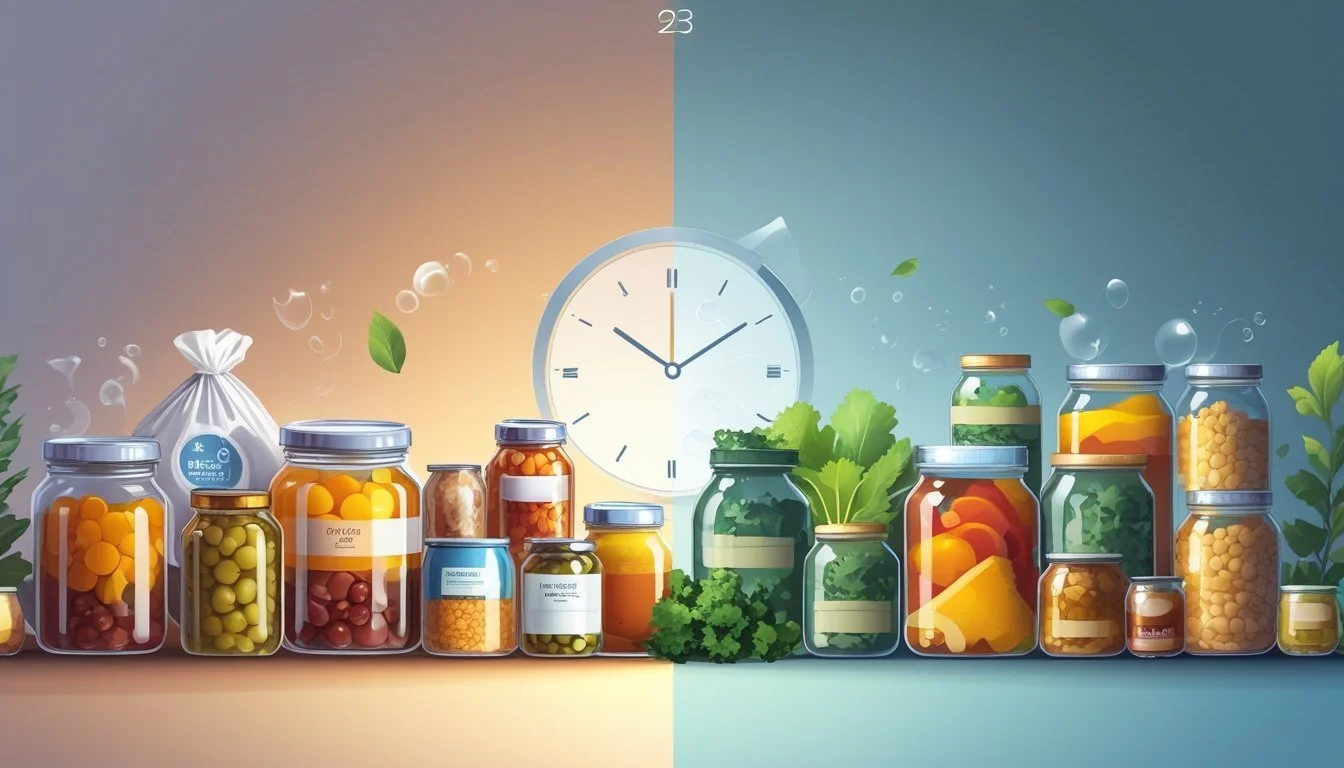
Shelf life indicates how long a preserved food maintains its expected taste, texture, and safety. However, the actual time food stays safe and appealing can differ based on how it is preserved and stored.
Shelf Life Extension vs. Food Safety
Preservation methods like canning, freezing, and drying are designed to slow spoilage. This process can significantly extend the shelf life by preventing the growth of bacteria, yeasts, and molds. For instance, home-canned foods may last beyond a year if properly sealed and stored in cool, dark places.
Still, extended shelf life does not always guarantee food safety. Improper sealing, fluctuating temperatures, or damaged containers can lead to spoilage, even if the product visually appears fine. Quality starts to decline over time, with noticeable changes in flavor, texture, and nutrition—even if the food is technically still safe to eat.
To check preserved food quality:
Inspect for bulging lids, off smells, or discoloration.
Monitor storage conditions closely.
Rotate stock so older items are used first.
Expired Yet Preserved: Is It Still Safe?
A "best by" or suggested use date does not always mean food becomes unsafe after that point. Many home-preserved items, such as jams or pickles, remain edible past these dates if no signs of spoilage are present. However, the taste and texture will often be past their peak quality.
Over time, color may fade, and flavors can become dull or off. Though older preserved food is often safe if storage integrity is maintained, risks of botulism or other contamination rise if seals break or containers are compromised. Safety checks—such as smelling for sour odors and examining containers—are essential before consuming expired but preserved foods.
When in doubt, it is safest to discard any preserved food showing mold, leaking, or foul smells, regardless of how well it was originally processed.
Special Considerations: Heme and Food Preservation
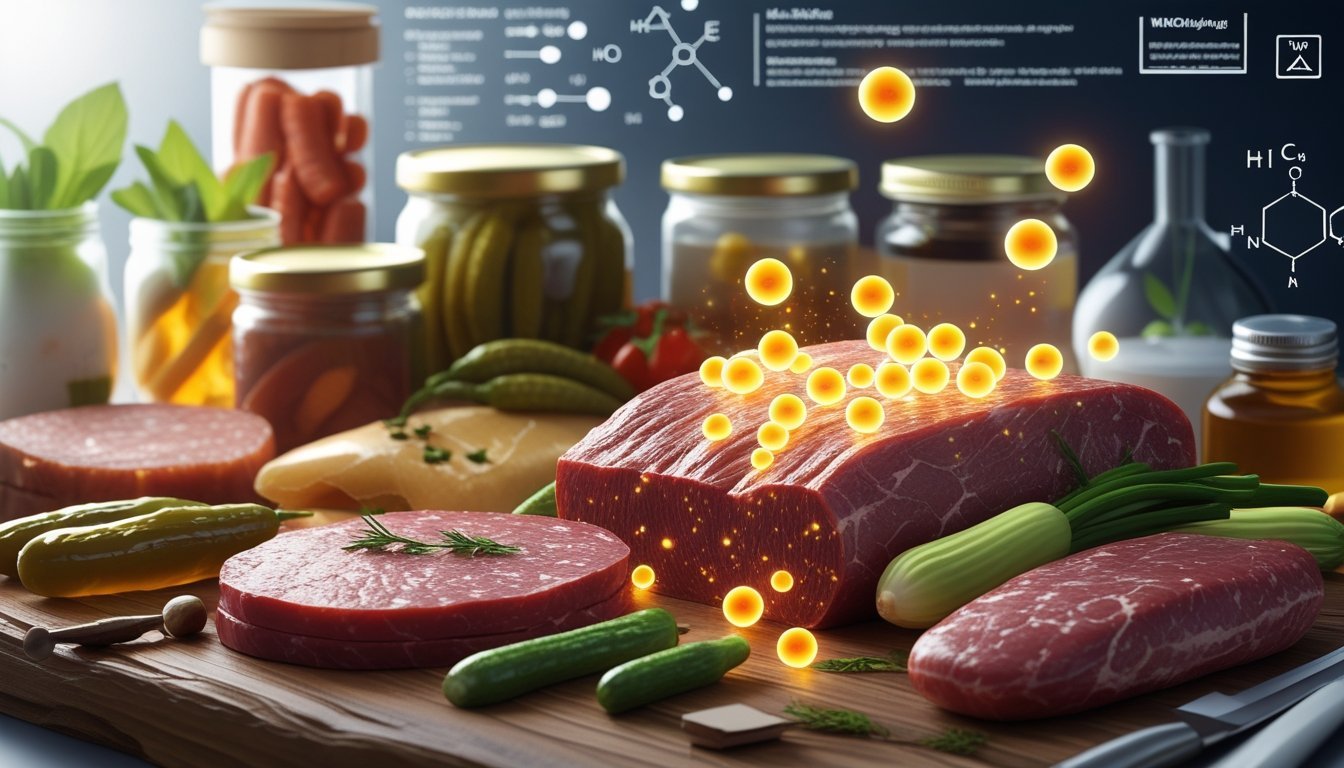
Preservation techniques have unique implications for heme, the iron-containing compound found mainly in animal foods. The way heme behaves during storage and processing affects both safety and nutritional quality.
Heme in Animal-Based Products
Heme is present in meat, poultry, and some seafood, where it acts as a key source of dietary iron. Unlike non-heme iron found in plants, heme iron is easily absorbed by the human body. Foods like beef, pork, and chicken liver have some of the highest heme concentrations.
Heme's sensitivity to oxidation makes it a concern when preserving these foods. Improper preservation can lead to the breakdown of heme, forming compounds that cause off-flavors, discoloration, or even harmful byproducts.
Because of its chemical structure, heme can interact with microbes and oxygen, increasing spoilage risk. This means that preserved meats are not always immune to heme-related safety problems, especially if storage or processing conditions are poor.
Impact of Preservation on Heme Stability
Preservation methods such as salting, curing, drying, and freezing have different effects on heme stability. Curing with nitrates or nitrites helps maintain color and slows bacterial growth, but it can also react with heme, sometimes forming nitrosamines—compounds linked to health concerns. Freezing tends to slow heme degradation, but repeated freeze-thaw cycles can still damage the heme structure.
Drying and canning lower water content or apply heat to reduce spoilage, yet high temperatures can denature proteins and oxidize heme. This oxidation can turn meat brown or grey and may reduce nutritional value.
Safe preservation of animal-based products requires tight control of temperature, moisture, and exposure to air. Without such controls, even preserved foods can harbor risks associated with altered or degraded heme.
Best Practices for Consumer Safety
Proper storage is essential to keep home-preserved foods safe, and being able to recognize spoilage signs can prevent foodborne illnesses. Safety depends on following scientific methods and storing foods in suitable conditions.
Guidelines for Safe Storage
Preserved foods must be kept in cool, dark, and dry environments. Store canned goods between 50°F and 70°F to minimize the risk of spoilage and the growth of harmful bacteria like Clostridium botulinum.
Always use tested recipes from reputable sources such as extension services or government agencies. Avoid storing preserved products near heat sources, direct sunlight, or in damp areas, as these increase the risk of seal failures and mold growth.
Label all containers with the processing date and food type. Arrange newer jars behind older ones to encourage first-in, first-out use. For foods packed in oil, such as pestos or flavored oils, keep them refrigerated at all times to reduce risks, since home-canned versions are not considered safe.
When to Discard Preserved Foods
Discard any jars with broken seals, bulging lids, leaking contents, or unnatural odors immediately. Swollen containers, cloudy liquids, or spurting when opened are clear warning signs of contamination, possibly from botulism or spoilage bacteria.
If a preserved product shows any signs of mold, discoloration, or fizzing, it should be thrown away. Never taste questionable preserved foods. Dispose of unsafe food in a way that pets or children cannot access it, and clean any spills with hot, soapy water.
Do not rely on appearance alone; even clear foods can harbor invisible toxins. When in doubt, it is safest to throw preserved foods out. Services like local cooperative extension offices or food safety hotlines can provide guidance if a consumer is unsure about a product’s safety.
Services and Resources for Food Safety Information
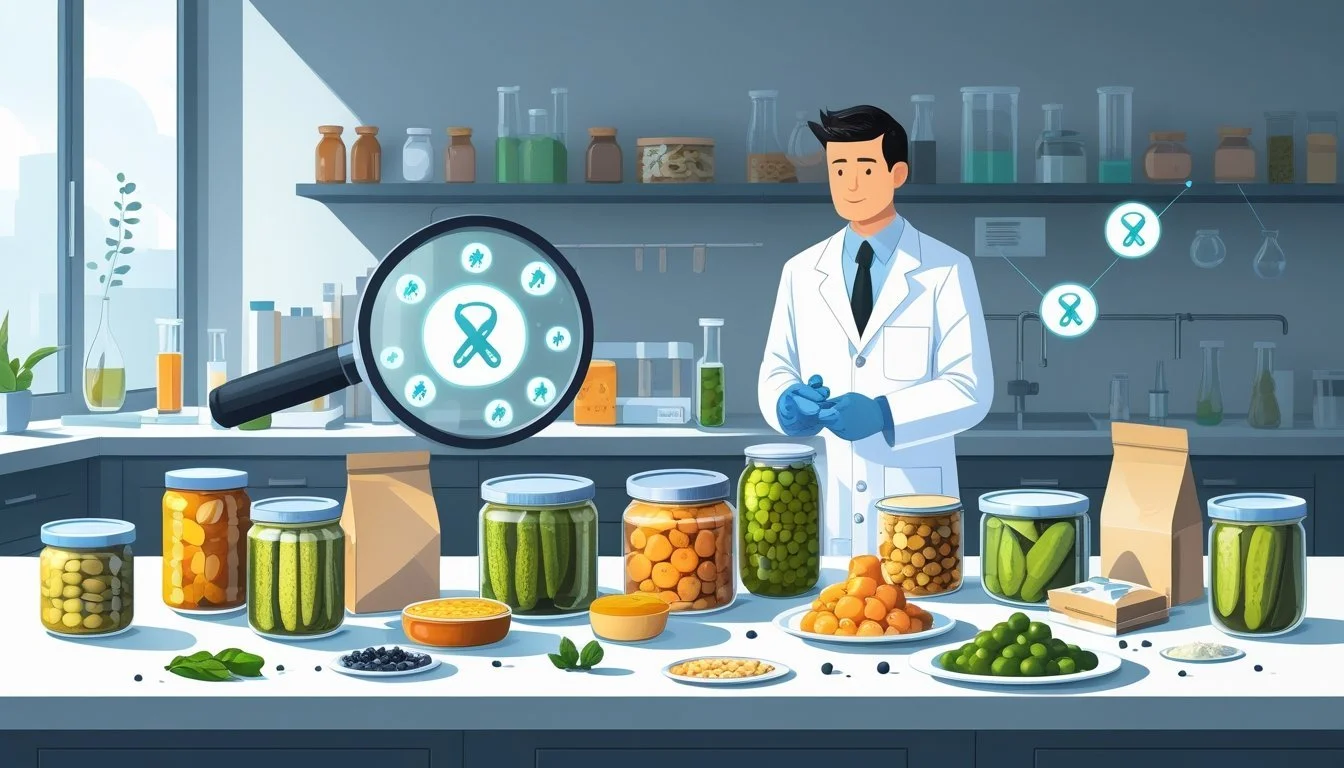
There are a range of professional services and reliable resources available to help individuals and businesses understand food safety standards. Knowing where and how to access these can help reduce risks associated with preserved foods.
Accessing Professional Food Safety Services
Food safety consultants provide expert advice on safe food handling, storage, and preservation methods. Many food businesses use their services to comply with legal requirements and industry best practices.
Public health agencies also offer inspection and advisory services, which include routine facility checks and guidance on proper sanitation. In Canada, the Canadian Food Inspection Agency (CFIA) offers support for food producers, including detailed regulations on preserved food safety.
Retailers and commercial kitchens often benefit from in-house training provided by accredited food safety professionals. Services may include hazard analysis, risk assessments, and personalized training courses for staff.
Finding Reliable Sources on Food Safety
Trustworthy information on food safety comes from recognized organizations, such as government health departments, universities, and industry associations. For example, the U.S. Department of Agriculture (USDA) and Health Canada both maintain online food safety handbooks and up-to-date recall alerts.
To evaluate the reliability of sources, look for official certifications (e.g., ServSafe, HACCP), authorship by food safety experts, and references to current regulations.
Food safety hotlines, like those run by public health departments, offer free, direct answers to questions. Many university extension programs also publish factsheets and provide educational outreach focused specifically on safe food preservation.

