
When Longer Shelf Life Is Actually a Bad Thing
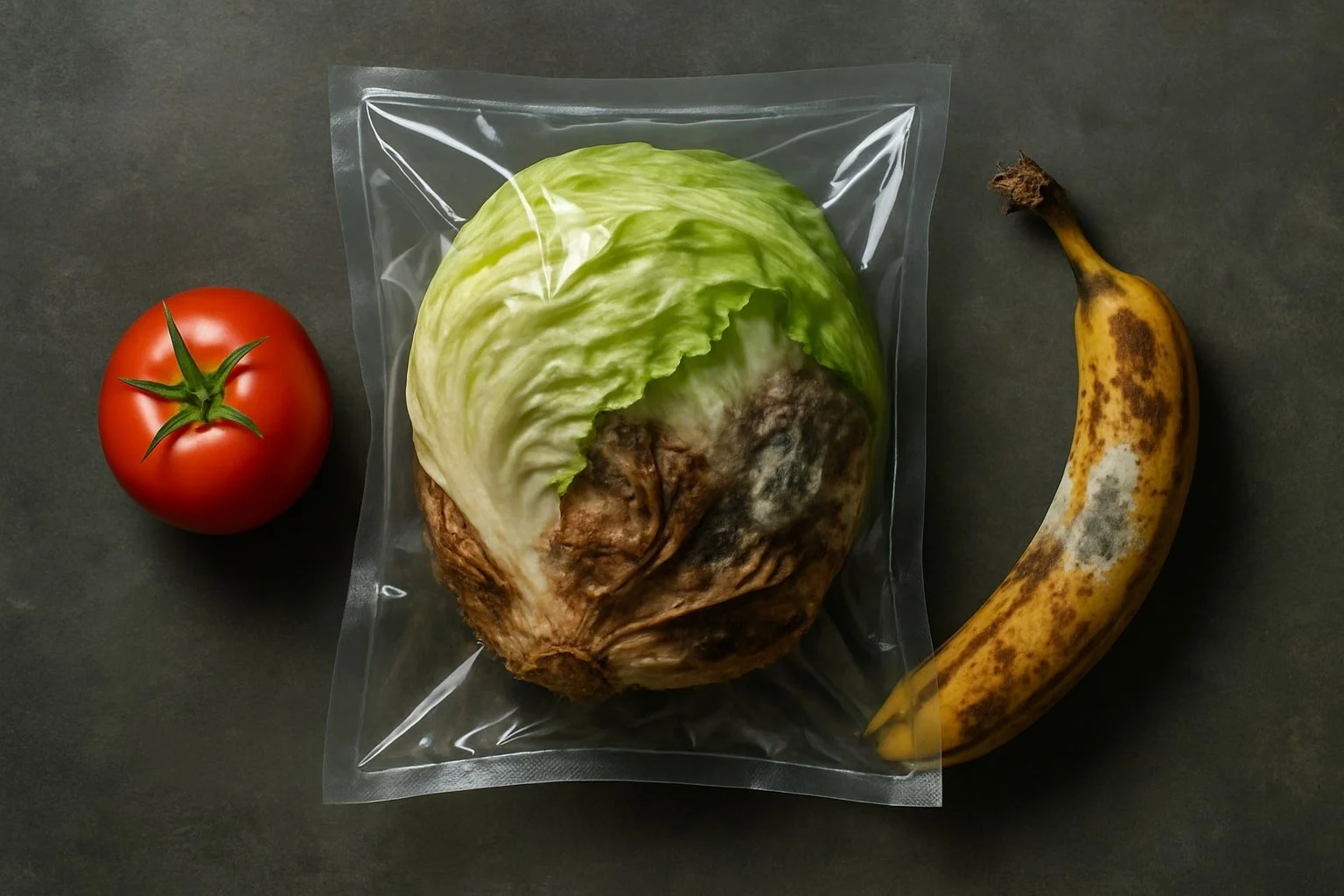
Foods with a longer shelf life often achieve their longevity through extensive processing, added preservatives, and chemical treatments that can negatively impact nutritional value and overall health. Many people see a longer expiration date as a benefit, but it’s important to understand what goes into making products last far beyond their natural lifespan.
Highly processed foods, packed with artificial preservatives, can lose key nutrients and introduce unwanted additives into the diet. The trade-off for convenience and extended storage time can sometimes mean sacrificing food quality and making choices that may not support long-term well-being. Readers who want to make informed decisions about what they eat should consider not just how long their food lasts, but why.
Understanding Shelf Life
Shelf life determines how long food and products remain safe and maintain their intended quality. Expiration dates are often used as a guide, but do not always reflect when a product actually becomes unsafe or ineffective.
Definition and Measurement
Shelf life refers to the time period a product, food, or ingredient remains usable, safe, and retains its desired sensory, chemical, and physical characteristics. This period can vary based on storage conditions, packaging type, and the nature of the product itself.
Several factors affect shelf life, including temperature, humidity, exposure to light, and oxygen. Preservatives, specialized packaging, and processing techniques can extend shelf life by slowing microbial growth and preventing spoilage.
Manufacturers use testing methods like microbial analysis, sensory evaluation, and chemical tests to estimate shelf life. These methods help determine when a product begins to decline in quality, even if it may still be safe.
Shelf life is often printed on packaging as a “best by” or “use by” date, designed to inform consumers about when the product is expected to be at its peak freshness and quality.
Shelf Life Versus Expiration Date
Although sometimes used interchangeably, shelf life and expiration date are not the same. Shelf life describes how long a product maintains its quality, while the expiration date is the specific calendar day after which the manufacturer no longer guarantees the product’s safety or efficacy.
Not all expiration dates indicate that food is unsafe after the printed date. For example, many canned foods remain safe to eat for years, as long as the packaging is intact with no bulges, rust, or dents near the seal.
Manufacturers determine expiration dates based on several factors including regulatory requirements, chemical stability, and storage tests. These dates help consumers decide when to use or discard items.
It is important to check for signs of spoilage, such as unusual odors, color changes, or texture, rather than relying solely on expiration dates. Not every product becomes hazardous immediately after passing its expiration date, but quality often declines thereafter.
How Longer Shelf Life Is Achieved
Manufacturers increase shelf life by using chemical preservatives, advanced packaging technologies, and specific processing methods. Each approach helps limit spoilage, reduce microbial growth, and maintain product quality for extended periods.
Use of Chemical Preservatives
Chemical preservatives play a central role in extending the shelf life of foods. Substances like sodium benzoate and potassium sorbate are frequently added to inhibit bacteria, yeast, and mold growth. These compounds are commonly used in products such as sodas, salad dressings, baked goods, and processed foods.
Preservatives delay spoilage by altering the environment within the food, making it less hospitable for microorganisms. Some preservatives work by lowering the pH, which discourages microbial activity. Others interfere directly with the growth or metabolism of bacteria.
Although these additives are regulated and considered safe in low amounts, some consumers prefer to avoid them due to concerns about possible health effects with long-term exposure.
Packaging Technologies
Advanced packaging is crucial for preserving food quality and ensuring long shelf life. Vacuum sealing removes air from packaging, which slows oxidative processes and reduces the risk of spoilage. This method is widely used for meats, cheeses, and some processed foods.
Modified atmosphere packaging (MAP) replaces the air inside a package with controlled gases, such as nitrogen or carbon dioxide. This slows down spoilage reactions by suppressing oxygen-related changes and microbial growth.
Packaging materials may also include barrier layers that limit moisture, light, and oxygen transfer. These innovations help maintain freshness, texture, and nutritional value for a much longer period compared to traditional packaging.
Processing Methods
Specific processing methods are employed to deactivate microbes and enzymes responsible for spoilage. Techniques like pasteurization, sterilization, and ultra-high temperature (UHT) processing involve heating products to kill bacteria and extend shelf life. These are common for dairy products, juices, and canned goods.
Dehydration, freezing, and irradiation are also used to prevent the growth of microorganisms. Dehydration removes moisture that bacteria need to thrive, while freezing halts most microbial and enzymatic activity.
Highly processed foods often combine several methods, resulting in products with extended shelf stability but altered taste, texture, or nutritional value.
Potential Health Risks of Extended Shelf Life
Extended shelf life in foods is often achieved through additives and processing methods. While this reduces spoilage and waste, it also introduces concerns about ingredient safety and nutritional quality.
Additive Accumulation
Manufacturers use preservatives, such as sodium benzoate, sorbates, and nitrites, to slow spoilage and inhibit bacteria. These chemicals are regulated, but long-term intake is a concern for some consumers.
Repeated consumption of foods with synthetic additives can result in cumulative exposure. This is especially relevant in diets high in packaged snacks, processed meats, and ready-to-eat meals. Some additives have been scrutinized for their associations with allergies, gut issues, and possible links to chronic conditions.
Trans fats and partially hydrogenated oils used for shelf stability can raise LDL ("bad") cholesterol and lower HDL ("good") cholesterol. This increases the risk of cardiovascular disease, especially in individuals who habitually consume processed products. Sensitive groups, like children or those with compromised health, may be particularly at risk from additive load.
Impact of Processed Foods
Processed foods designed for extended shelf life often have higher levels of salt, sugar, and unhealthy fats. These nutritional alterations enhance flavor and preservation but contribute to health problems when consumed frequently.
High sodium content can lead to elevated blood pressure, which increases the likelihood of heart disease. Excess sugars are linked to obesity, insulin resistance, and type 2 diabetes. Processed fats—especially trans fats—are associated with inflammation and heart disease.
Overreliance on processed foods can displace fresh produce and whole grains in the diet. This may reduce essential nutrient intake and dietary fiber, further impacting health. In addition, some frozen or shelf-stable foods may contain fewer beneficial micronutrients due to processing methods.
Nutritional Trade-Offs of Longer Shelf Life
Packaged foods with extended shelf lives are convenient and often more affordable, but this comes with a compromise in nutritional value. These products can lose beneficial nutrients and may provide less dietary fiber and protein than less-processed or fresher options.
Loss of Nutrients
Many methods that extend shelf life—such as heat sterilization, canning, or adding preservatives—also reduce the amount of sensitive vitamins and minerals. For example, vitamin C and certain B vitamins degrade during high-temperature processing and long-term storage.
Canned fruits and vegetables may look similar to fresh produce, but nutrient losses can be significant. Vitamin content drops further the longer foods are stored, making some shelf-stable products less nutritious over time.
Here's a quick comparison:
Food Type Vitamin C Content (per 100g) Fresh Peas 40 mg Canned Peas 9 mg
This pattern is seen in many shelf-stable foods that undergo intense processing.
Reduced Fiber and Protein
Shelf life extension often involves refining or stripping away perishable parts of food, such as bran or germ in grains. White rice and white bread last months longer than brown rice or whole-wheat bread, but this is because the fiber-rich outer layers are removed.
Highly processed snacks and ready meals also tend to be lower in protein. Processors focus on texture and preservation, sometimes using added starches or fillers that displace fiber and protein.
Choosing nutritious options with a long shelf life is possible, but it requires checking labels and opting for items like beans, lentils, and some canned fish that retain their natural nutrients, fiber, and protein.
Product Examples: When Longer Shelf Life Is a Bad Thing
When foods are processed to last longer, they can lose nutrients, flavor, and texture. Heavily processed versions may introduce additives or remove natural components, changing their value to the consumer.
Vegetables and Fresh Fruits
Vegetables and fresh fruits often have short natural shelf lives. In order to extend these, producers may use processes like refrigeration, waxing, dehydration, or chemical treatments. These steps can keep produce looking fresh but sometimes at the expense of nutritional quality.
Highly processed vegetables, like canned green beans or pre-cut apples treated with preservatives, can lose water-soluble vitamins such as vitamin C and B vitamins. The flavor and texture may also suffer, becoming bland or mushy compared to fresh counterparts.
Fresh produce is often chosen for its nutrients, taste, and crispness. When shelf life is prioritized, buyers might end up with products that look appealing in stores but are less satisfying as a food source.
Nuts and Whole Grains
Natural nuts and whole grains like brown rice and oats are prone to spoilage because of their higher oil content. Extended shelf life for these foods is usually achieved by removing bran and germ or adding preservatives, especially in white rice.
Refined grains such as white rice have much longer shelf lives than whole grains but lack key nutrients like fiber, vitamin E, and healthy fats. Similarly, roasted or flavored nuts processed for longevity may contain extra oils, sugars, or salt and lose beneficial antioxidants due to heat.
Consumers picking such products may get fewer health benefits and more additives. Storing whole grains or raw nuts in cool, dark environments helps preserve nutrition, but most long-lasting versions found in stores have already sacrificed some of their value for extended storage.
Preserved and Canned Foods: What to Watch For
Preserved and canned foods offer convenience and extended shelf life but come with potential drawbacks. Nutritional content and sensory qualities can change significantly over time due to processing and storage factors.
Canned Fish and Sodium Content
Canned fish, such as tuna, sardines, and salmon, are shelf-stable products that can last for years if stored properly. However, manufacturers often add salt and other preservatives to prolong freshness.
A single can of tuna may contain over 300 mg of sodium, with some varieties exceeding 500 mg per serving. For those monitoring sodium intake, this is significant—especially since the American Heart Association recommends limiting sodium to 1,500–2,300 mg per day.
Other preservatives, like sodium benzoate or citric acid, may be added as well. Excessive sodium not only affects blood pressure but can mask the natural flavor of the fish. It is advisable to check the label for sodium and preservative content before purchase.
Key Points to Consider:
Check sodium content per serving
Look for "no salt added" or "low sodium" labeling
Evaluate the ingredient list for added preservatives
Impact on Taste and Texture
Extended shelf life alters the taste and texture of preserved foods. Canned fish, for example, often develops a softer, less flaky texture compared to freshly cooked fish. This change occurs due to the high-heat canning process, which breaks down muscle fibers and proteins.
Flavor may also degrade over time. While preservatives help prevent spoilage, they cannot fully preserve the fresh taste. Metal cans may impart a subtle metallic note after long storage, especially if the can’s integrity is compromised.
Consumers may notice that colors and aromas are less vibrant. For recipes requiring delicate flavor or texture, fresh or frozen fish may be preferable to canned alternatives. Those sensitive to texture changes should be aware that the convenience of long-term storage can come at the cost of eating quality.
Making Healthier Choices Amid Shelf-Stable Options
Many shelf-stable foods are highly processed, but nutritious alternatives do exist. Knowing how to spot healthier items and properly read packaging can help consumers manage diet quality and food safety.
Identifying Nutritious Alternatives
Shelf-stable foods such as canned beans, whole grains, and unsweetened nut butters can provide important nutrients like fiber and protein. Choosing items with short ingredient lists and low amounts of added sugars or sodium can make a significant difference. Examples include:
Canned vegetables with no added salt
Dried lentils or beans
Brown rice or quinoa
Canned tuna packed in water
Ultra-processed foods like shelf-stable pastries or sugar-laden cereals tend to have fewer vitamins and minerals and often contain excess preservatives. Opting for minimally processed foods supports a balanced diet and makes it easier to track nutrient intake. When in doubt, single-ingredient products are typically safer choices.
Reading Labels and Expiration Dates
Reading nutrition labels is essential to identify hidden sugars, preservatives, and unhealthy fats. Consumers should check for trans fats, syrups, artificial additives, and high sodium levels. The order of ingredients can reveal the primary components; if sugars or oils appear near the top, reconsider purchasing.
Expiration dates provide guidance, but shelf-stable items may have best by, sell by, or use by dates, which are not always about food safety. For maximum safety and nutrition, store foods according to package directions and consume older items first. Regularly reviewing pantry items reduces food waste and helps prevent unintentional consumption of expired products.
Conclusion
Longer shelf lives often mean more processing and preservative ingredients in food. While this can reduce waste and offer convenience, it may come with trade-offs regarding nutritional value and health.
Consumers should be mindful of ultra-processed foods, as these often contain additives, excess sodium, and added sugars. Fresh and minimally processed options typically support better overall wellbeing.
When reading labels, it helps to recognize terms like “best if used by” (for quality) and “use by” (for safety). Choosing foods based on actual signs of spoilage, rather than just dates, helps minimize unnecessary food waste.
Key practices for a balanced approach:
Opt for fresh or minimally processed products when possible.
Store foods in cool, dry places to maximize freshness.
Rely on appearance, smell, and texture as spoilage indicators.
A longer shelf life is not always an indicator of better food, especially if health is the priority. Making informed decisions supports both health and sustainability

