
Consumer Bias Toward Fresh at Any Cost
How Perceptions Shape Purchasing Decisions
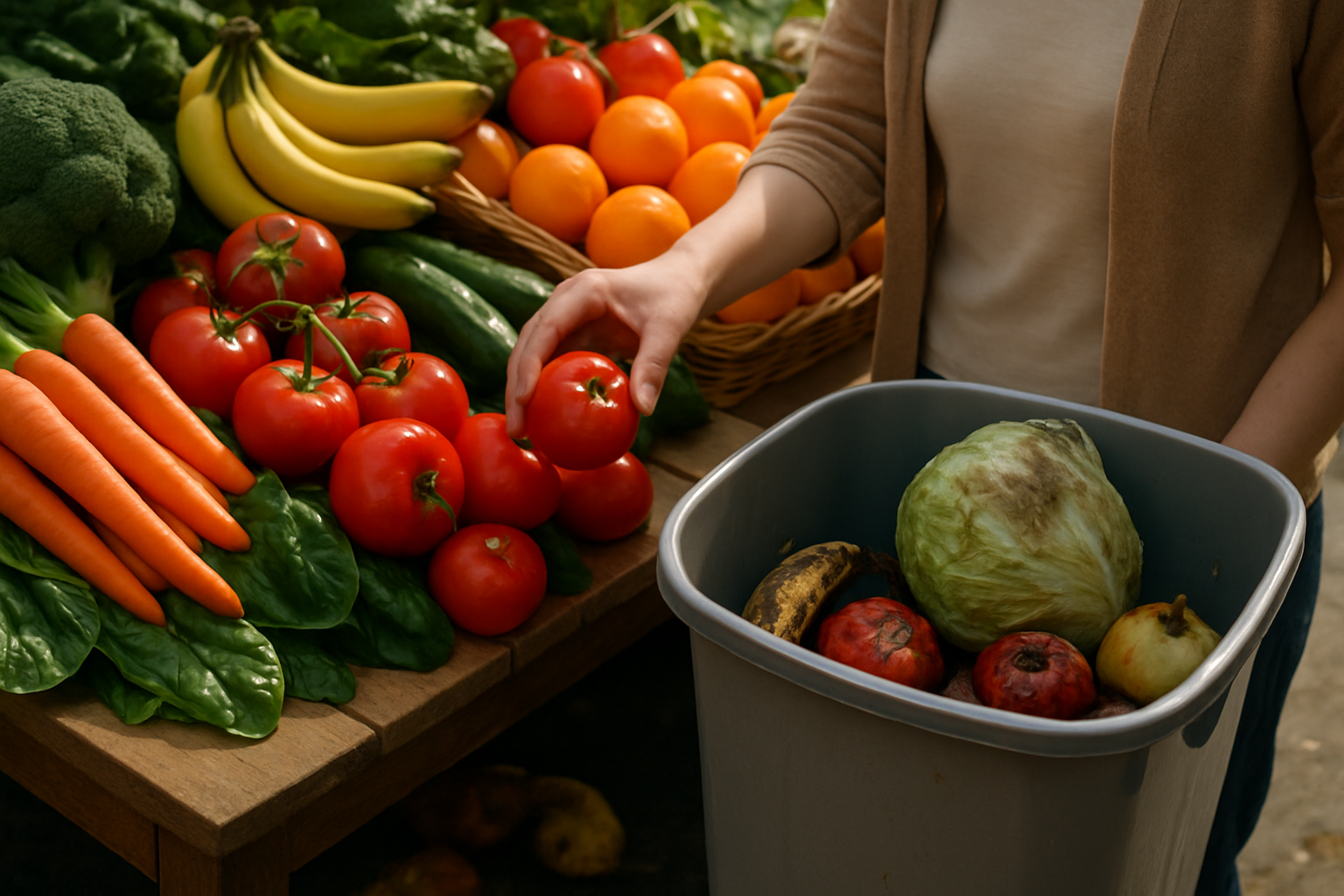
Many consumers show a strong preference for buying fresh produce, even when scientific evidence confirms that canned and frozen options can be equally nutritious. Despite the convenience and lower cost of non-fresh alternatives, shoppers often overlook them due to biases that associate “fresh” with higher quality and fresher taste.
Research indicates implicit and explicit biases in favor of fresh fruits and vegetables, leading consumers to pay premium prices or pass up more convenient options. These perceptions persist even when people are made aware that canned and frozen foods provide similar health benefits.
Understanding why these biases exist sheds light on shopping habits and industry trends. Exploring the motivations behind the demand for freshness can help consumers make more informed and balanced decisions at the grocery store.
Understanding Consumer Bias Toward 'Fresh' Foods
Consumers consistently show a strong preference for foods they perceive as “fresh,” regardless of nutritional equivalence with preserved alternatives. This preference shapes buying habits, marketing strategies, and perceptions of quality within the food industry.
Defining Freshness in the Food Industry
Freshness is not a strictly defined standard; it commonly refers to foods that are minimally processed and close to their original form after harvest or production. In retail, fresh food is typically associated with crisp textures, vibrant colors, and no added preservatives.
The industry uses terms like “fresh-cut” or “ready-to-eat” to convey convenience and immediacy. However, these categories can blur, as foods labeled fresh may have been transported long distances or stored for days. Consumer preferences lean toward items perceived as recently harvested, even when this may not reflect actual age or nutritional value.
Historical Context of Fresh Food Preferences
Societal attitudes toward freshness have deep roots. Before modern refrigeration and preservation, people relied on seasonally available local foods. Over time, freshness became linked to quality, wholesomeness, and safety.
Technological advances such as canning and freezing broadened options, but cultural biases persisted. Even after studies confirmed that canned and frozen foods could deliver similar nutritional value, a bias toward fresh persisted, especially in Western markets. Traditional marketing and cultural narratives reinforced the notion that fresh food represents the optimal choice.
Factors Shaping Consumer Attitudes
Multiple factors influence consumer attitudes toward fresh foods:
Perceived health benefits: Many consumers believe fresh items contain more nutrients, even if evidence does not always support this.
Sensory appeal: Texture, flavor, aroma, and visual cues strongly impact the perception of freshness.
Convenience: While canned and frozen options are recognized for convenience, this rarely outweighs the bias for fresh, as shown in market studies.
Social and cultural influences: Local origin, food trends, and marketing language shape expectations and reinforce existing biases.
Consumers often weigh these factors unconsciously, resulting in purchase habits that may prioritize perceived freshness over other qualities such as shelf life, price, or actual nutritional content.
Perception Versus Reality: What Makes Food 'Fresh'?
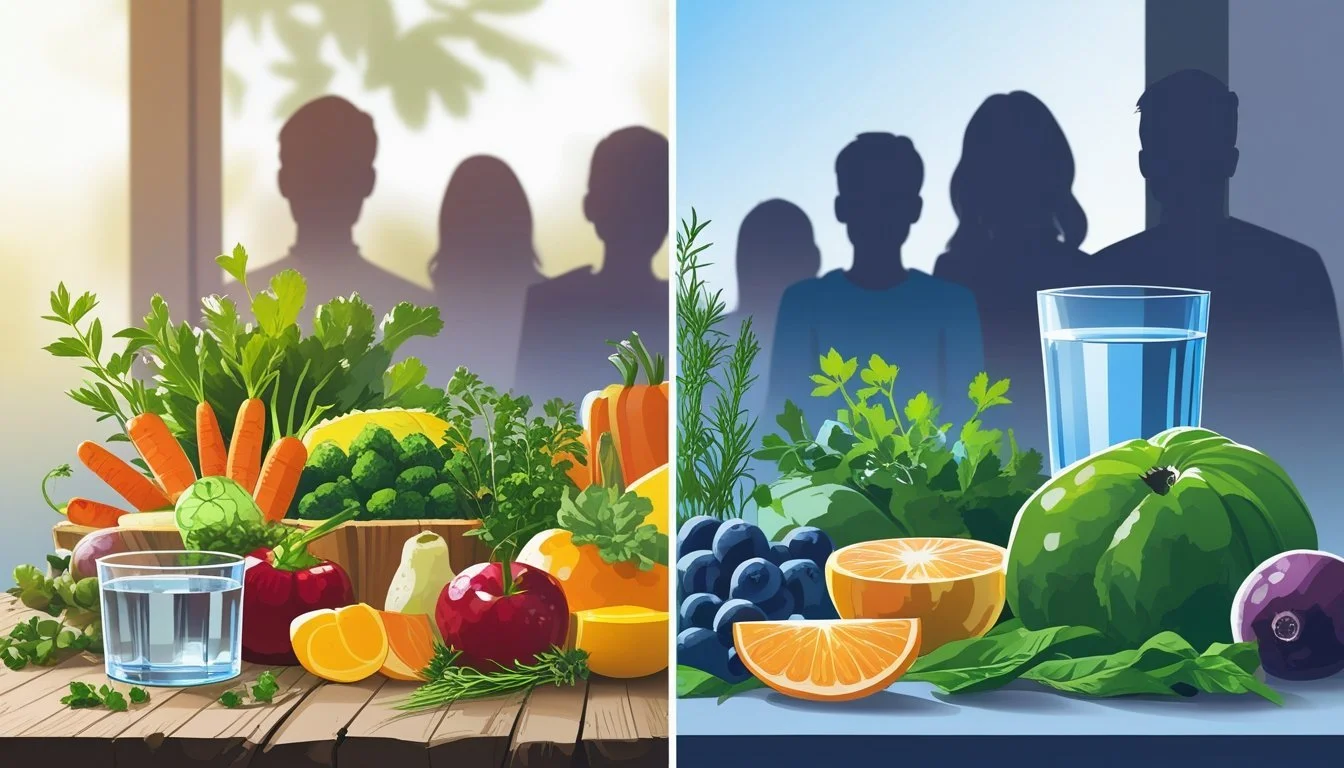
Notions of freshness are shaped by a mix of visual cues, sensory experiences, and accepted quality standards. While consumers often trust what they see and taste, real freshness may be less apparent and more complex.
Appearance as a Signal for Freshness
Visual attributes—including color, shape, and the absence of blemishes—are the most common signals consumers rely on when judging produce freshness. Shiny skins, bright hues, and firm textures all tend to suggest products are newly harvested or recently prepared.
Shoppers generally avoid items with discoloration, wilting, or wounds. Plastic packaging, despite its preservative role, can cause skepticism; about half of surveyed consumers express concerns over packaged produce because it may seem less natural or “fresh-looking.”
However, visual indicators are not always reliable. Some items may appear vibrant but be past their best in terms of eating quality. Conversely, slight cosmetic imperfections often do not affect a product’s actual freshness or safety.
Sensory Characteristics and Eating Quality
Sensory qualities—such as taste, aroma, and texture—offer a direct way to assess the freshness of foods. Crispness in vegetables, juiciness in fruit, and a characteristic fresh scent are strong positive markers.
Consumers consistently value eating quality: flavor intensity, sweetness, and the right firmness. When these sensory aspects line up, foods are almost always perceived as fresher, regardless of packaging or appearance.
Yet, studies have found that perceptions are not always accurate. Canned or frozen produce can offer similar or even greater nutritional value than fresh, but are often viewed as inferior. True freshness ties into not just sensory experience, but also how recently an item was harvested or processed, which may not be obvious to the consumer.
Health Implications of Prioritizing Freshness
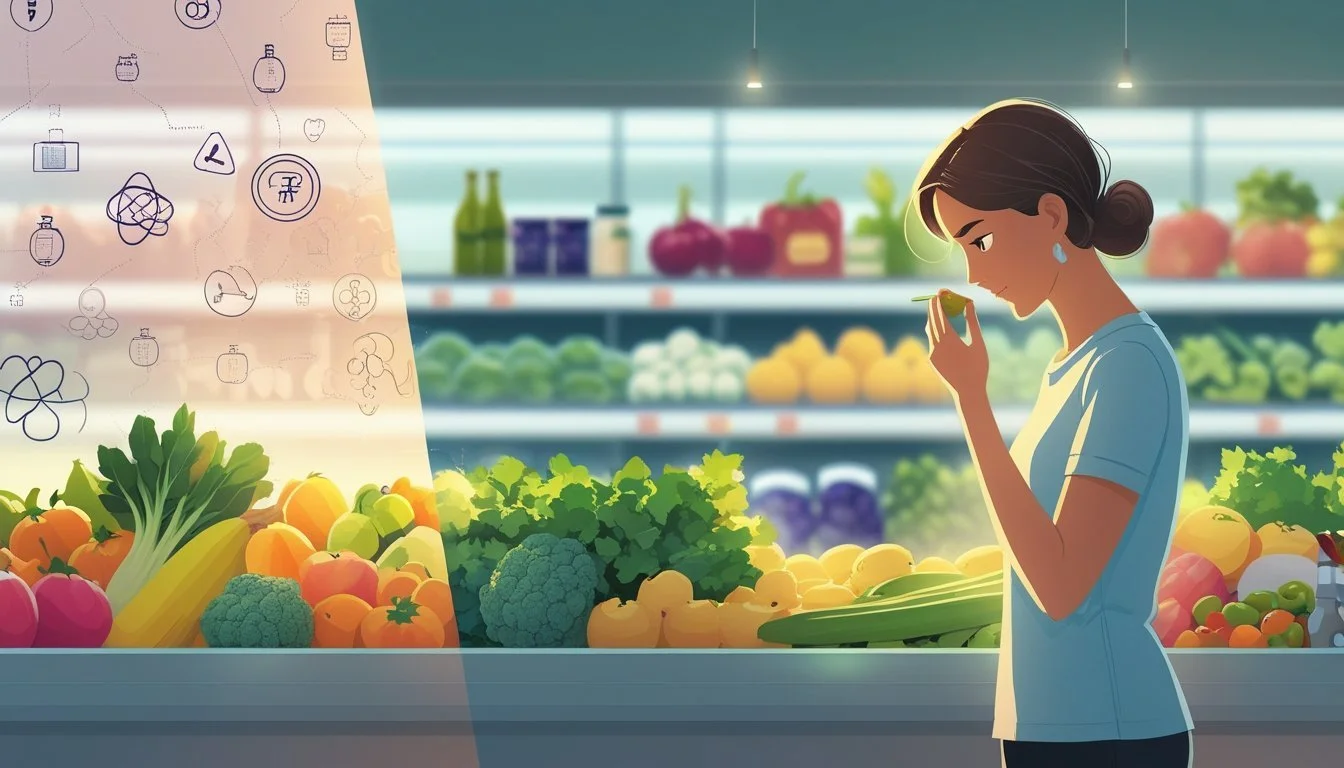
Prioritizing freshness shapes buyer behavior and influences the nutritional profile of diets. Choices about fresh produce affect both nutrient intake and perceptions of food quality, with consequences for eating habits and health.
Nutritional Value of Fresh Produce
The nutritional content of fresh fruits and vegetables is a primary motivation for consumers who seek out fresh items. Fresh produce typically contains higher concentrations of certain vitamins—such as vitamin C and folate—and bioactive compounds, especially when consumed soon after harvest. However, the time from harvest to consumption, handling, and storage conditions can all lead to nutrient degradation.
Some studies show that properly handled frozen or canned fruits and vegetables can offer similar nutrient levels to fresh versions. Washing, cutting, or storing produce for long periods, even in refrigeration, results in a gradual decline in nutrients. For buyers, recognizing that "fresh" does not always guarantee "more nutritious" is important when evaluating the health benefits of their choices.
Impact on Eating Habits and Fruit and Vegetable Consumption
Emphasis on freshness can increase fruit and vegetable consumption by encouraging more frequent shopping and meal preparation. Consumers who value freshness are often motivated to incorporate more plant-based foods into their diets, leading to potential health gains such as improved digestion and reduced risk of chronic disease.
However, a strong preference for fresh at any cost may unintentionally limit consumption. When fresh options are unavailable or unaffordable due to seasonality or price, people may eat fewer fruits and vegetables rather than choose preserved alternatives. The table below highlights potential effects:
Preference Likely Outcome High for fresh only Possible reduced intake when fresh is inaccessible Accept some preserved More consistent and varied fruit and veg consumption
Perceived Versus Actual Health Benefits
The appeal of fresh produce often rests on perceptions of superior health benefits. Many buyers equate freshness with safety, quality, and better nutrition. Marketing reinforces these ideas, presenting fresh foods as essential to a healthy lifestyle.
Scientific evidence suggests the health advantage of fresh over preserved fruits and vegetables is not absolute. While some nutrients diminish over time, others—like fiber and certain minerals—remain stable. Properly stored preserved products may retain nutrient content better than poorly handled fresh ones.
Understanding the gap between perception and science is important for making well-balanced food choices. It can help individuals focus on total fruit and vegetable consumption rather than form alone.
Safety, Hygiene, and Quality Considerations
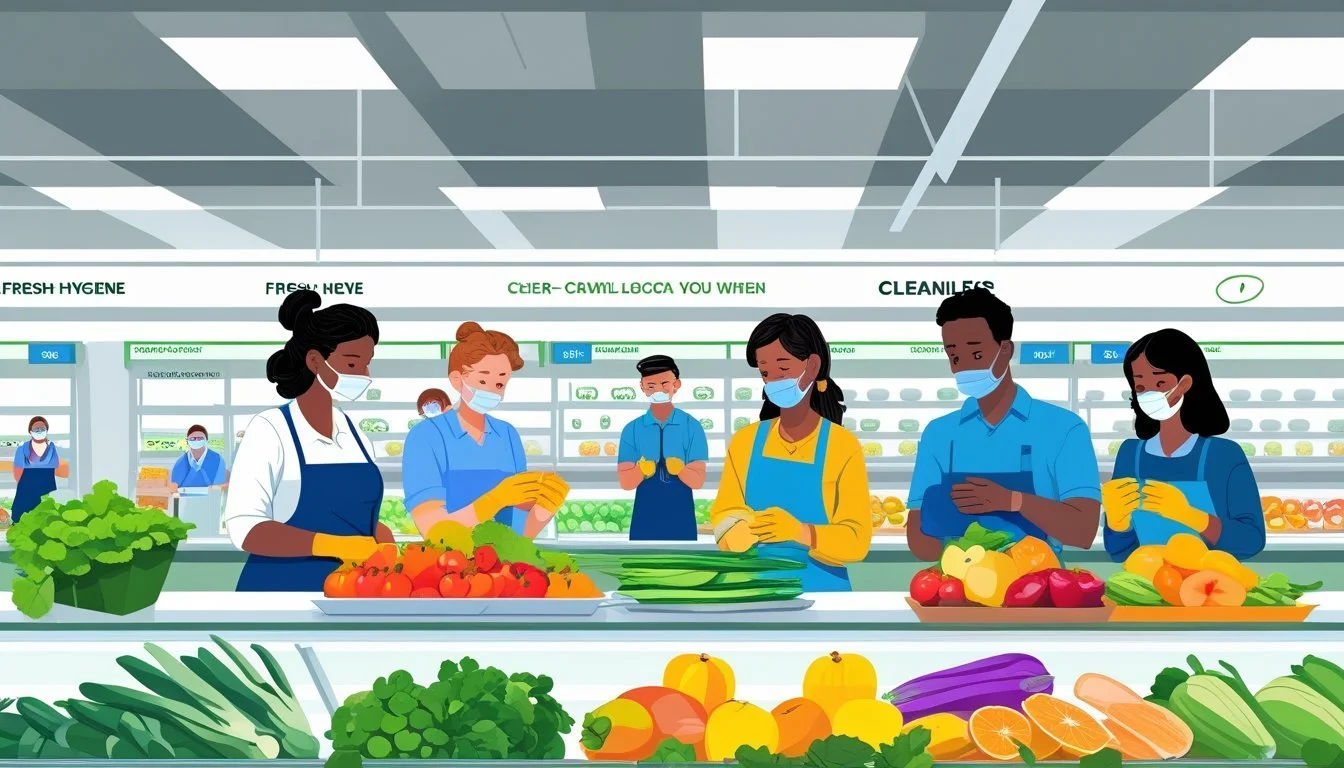
Both consumer perception and food industry practices are heavily influenced by issues of safety, hygiene, and quality. Choices labeled as “fresh” are often seen as healthier, but important trade-offs and risks can arise.
Food Safety and Hygiene Concerns
Consumers frequently associate freshness with higher safety, yet the belief is not always accurate. Fresh foods, especially produce and animal-sourced items, can carry higher risks of contamination from bacteria, viruses, and pesticides. Grocery shoppers may overlook these hazards, presuming that “fresh” means “safe.”
According to research, food safety concerns sometimes lead people to limit fresh produce or animal-based foods, switching to processed alternatives perceived as safer. Common worries involve unhygienic handling, improper washing, or inadequate regulation. For example, outbreaks of foodborne illnesses can lower trust in fresh options, as seen in public reactions to incidents like the 2008 listeriosis outbreak in Canada.
Certification, eco-labels, or visible safety measures (such as pre-washed produce or sealed meats) tend to increase consumer confidence but are not always present. The lack of universal standards and visible hygiene assurances leads some to favor shelf-stable or packaged goods, despite their own health trade-offs.
Role of Storage Potential and Treatment Methods
Storage potential and applied treatment methods significantly affect fresh food safety and quality. Fresh items often have a shorter shelf life and may require more careful storage to prevent spoilage and bacterial growth. Inadequate storage at any stage, from harvest to home refrigeration, can quickly compromise safety.
Treatment methods such as pasteurization, irradiation, or chemical washing can enhance safety by reducing pathogens, yet many consumers are wary of these interventions. Some reject treated products in the pursuit of a more “natural” choice, even though these methods can reduce the risk of foodborne illness.
A comparison of common treatments:
Treatment Method Benefit Common Consumer Concerns Pasteurization Kills pathogens Perceived as less fresh Chemical washing Reduces contamination Fear of residues Irradiation Extends shelf-life Unfamiliarity, perceived risk
Balancing ideal storage with acceptable treatment methods remains a challenge. Foods with higher storage potential, such as canned or frozen goods, often offer greater safety but are not always seen as desirable compared to “fresh” selections.
Consumer Decision-Making: Fresh Produce at Any Cost
Many consumers consistently choose fresh produce despite higher costs or other drawbacks due to perceptions about taste, nutrition, and quality. Their choices are shaped by factors such as convenience, personal beliefs, and the evolving strategies of retailers.
Purchasing Decisions and Influencing Factors
Shoppers often view fresh fruits and vegetables as superior to frozen or canned options. This stems from beliefs that fresh produce offers higher nutritional value, better flavor, and is more natural. Data from the U.S. shows that retailers and farmers use product differentiation—such as emphasizing organic or locally sourced attributes—to cater to these preferences.
Price trends influence these decisions. For example, the Consumer Price Index showed a 0.7% price increase for fresh fruits and 0.9% for fresh vegetables in 2023, following higher spikes in 2022. Despite these rises, many buyers are willing to pay a premium for fresh items.
Commonly, consumers factor in appearance, taste, and food safety when selecting produce. These quality attributes tend to outweigh considerations like shelf life or price for a significant portion of fresh produce buyers.
Role of Convenience in Produce Consumption
Convenience plays a central role in produce consumption. Busy lifestyles have prompted growth in ready-to-eat and pre-cut fresh produce options.
Many grocery stores and food retailers have responded with expanded selections of packaged, washed, and sliced fruits and vegetables. These offerings address time constraints and reduce preparation barriers for buyers.
Consumers often find it easier to integrate fresh produce into their routines when it is accessible and requires minimal effort. However, convenience items typically come with higher costs, and some are more perishable, potentially increasing food waste.
Table:
Aspect Impact on Decision Preparation Time High demand for ready-to-eat options Packaging Appeals to buyers seeking convenience Price Often higher for pre-prepared produce
The need for speed and simplicity can override budget considerations, reinforcing a bias toward purchasing fresh produce, even at added expense.
Market Trends and the Produce Industry Response
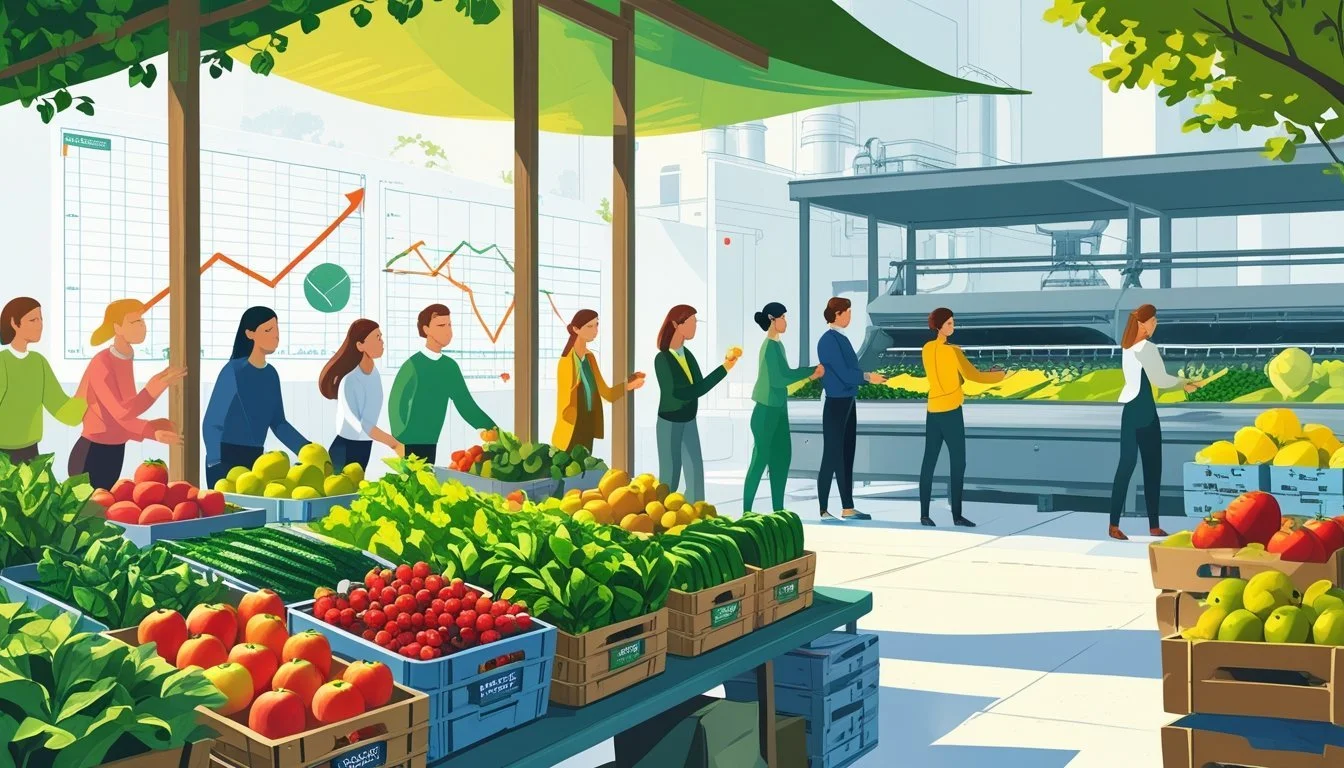
Consumers’ expectation for consistently “fresh” produce shapes how suppliers, retailers, and distributors operate. Meeting these standards requires persistent attention to logistics and rigorous control over quality measures to maintain consumer trust and sustain produce sales.
Supply Chain Challenges for Maintaining Freshness
Maintaining high standards of freshness is one of the greatest challenges in the produce industry. Temperature fluctuations, delays in shipping, and inefficient transportation routes can quickly impact product quality. Companies increasingly adopt cold chain management and real-time tracking to minimize spoilage.
Local sourcing and direct-to-consumer models, such as subscription produce boxes, are rising in response. These models shorten the time from harvest to sale, reducing the risk of loss in transit. However, these efforts often increase costs and introduce added complexity.
Key strategies for managing freshness include:
Investing in improved refrigeration technologies
Streamlining distribution to reduce travel time
Monitoring produce conditions with smart sensors
Shorter supply chains also support transparency and help maintain the image of “farm fresh” produce, which directly influences consumer purchasing habits and allows producers to charge a premium.
Quality Assurance in the Produce Industry
Quality standards in fresh produce are continually evolving to match consumer expectations and regulatory requirements. The industry relies on detailed inspection protocols, standardized grading systems, and certifications such as GlobalGAP and USDA Grade Standards to ensure consistency.
Retailers now use data analytics and artificial intelligence to predict spoilage and manage inventory. This reduces waste and maintains displays of high-quality products. Additionally, suppliers increasingly provide traceability solutions, enabling consumers and retailers to track produce from farm to shelf.
Routine audits, third-party inspections, and clear labeling also support trust in quality and safety. These measures are essential in a market where the perception of “fresh” can strongly influence produce sales and reinforce brand reputation.
Organic and Pesticide-Free Trends in Fresh Foods
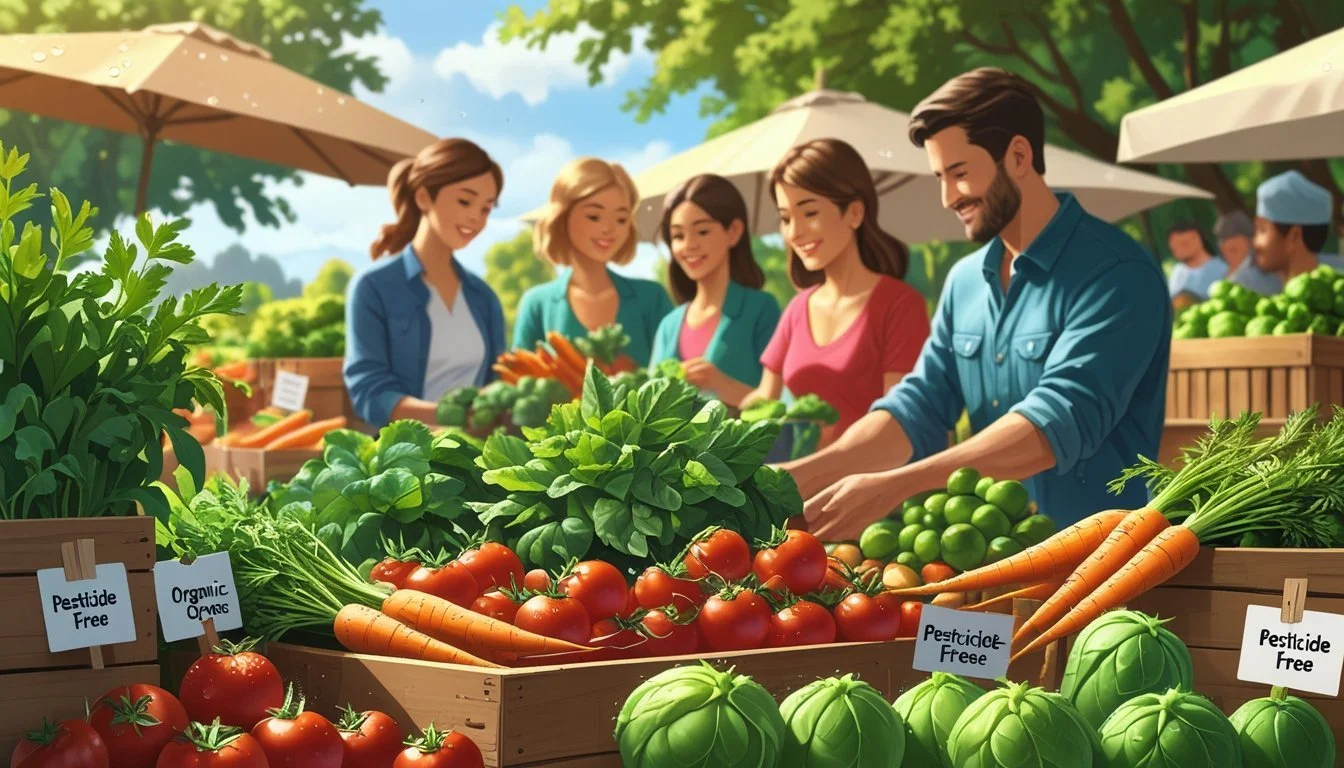
Consumer interest in organic and pesticide-free options for fresh fruits and vegetables has increased in response to health, environmental, and food safety concerns. Labels and certification practices play a critical role in shaping buying choices and perceptions of freshness.
Organic Produce Versus Conventional
Organic produce is grown without the use of most synthetic pesticides or fertilizers. This production method appeals to shoppers seeking fewer chemical residues on their fresh foods. Many consumers view organic foods as healthier, and the growth in demand for fresh organic produce reflects this perception.
Compared to conventional counterparts, organic fresh fruits and fresh vegetables often cost more. However, surveys indicate that buyers concerned about food safety and environmental impact are willing to pay a price premium for these items. The preference is especially strong for products with visible certifications.
Consumers tend to associate organic not only with the absence of certain chemicals, but also with “naturalness.” For many, organic labeling implies higher quality, even when scientific evidence on nutrient differences is mixed.
Pesticide-Free Labeling and Perceived Freshness
The label “pesticide-free” carries influence, especially for buyers focused on purity in their food choices. Research shows that shoppers are willing to pay more for fresh produce guaranteed to be free of pesticide residues, valuing peace of mind about potential health risks.
Pesticide-free products differ from organic produce because they may be grown with synthetic fertilizers or non-pesticide interventions. Despite this, the main draw is the assurance that the produce, such as fresh fruits and vegetables, is free of detectable pesticides at harvest.
Certification and clear labeling are important, as consumers often seek verification before trusting “pesticide-free” claims. The perception of freshness is closely linked to these labels, reinforcing consumers’ willingness to select and pay more for certified pesticide-free options.
Evaluating the Environmental and Economic Impact

The pursuit of “fresh” produce, regardless of season or location, shapes not only shopping habits but also resource use and waste patterns. Hidden behind the appeal of year-round availability are real financial and environmental consequences for consumers and the produce industry.
Cost Implications of Year-Round Freshness
Sourcing fresh produce out of season often requires long-distance transportation, controlled-atmosphere storage, or hothouse cultivation. This increases costs due to higher energy use, labor expenses, and fuel for shipping. Imported goods from distant regions are especially affected by rising logistics costs.
A typical example is the price difference between local, in-season vegetables and those supplied from overseas during winter months. Consumers often pay a premium for perceived quality or freshness, even when nutritional value may be comparable to preserved alternatives such as frozen or canned produce.
According to recent analyses, eco-efficiency indexes reveal that carbon emissions per monetary cost for fresh-cut produce can be 0.27 kg CO2 eq/€, almost matching pre-cooked vegetables. This suggests that the financial investment in “fresh” is closely linked to its environmental load, impacting both budgets and the planet.
Sustainability and Food Waste Concerns
The drive for perfect, visually appealing, and ever-available fresh produce means large volumes are discarded if they deviate from consumer expectations or spoil during storage and transit. Preferences for “fresh” at any cost contribute directly to food waste levels, as imperfect or cosmetically suboptimal items are often rejected both at farm and retail stages.
Packaging, energy, and water used to keep items fresh also add environmental burdens. Plastic use in fresh-cut produce is a significant contributor to landfill waste. Furthermore, the preference for “fresh” can overshadow more sustainable dietary choices, including consuming frozen, canned, or dried versions that reduce spoilage and supply chain losses.
Key impacts:
Increased greenhouse gas emissions from transport and storage
Higher plastic and resource use for packaging
Significant food waste due to strict quality standards
All these factors influence the sustainability of the produce industry and raise questions about what consumers truly gain from a relentless pursuit of “freshness.”
Conclusion
Consumer perception heavily favors products labeled as “fresh,” even when alternative options like canned or frozen foods may offer similar nutritional value. Studies indicate a strong preference for buying fresh and ready-to-eat items, such as salads, despite their often higher cost.
This preference can persist even when research shows that some preserved foods maintain comparable nutrients to fresh equivalents. Cognitive biases, both explicit and implicit, shape purchasing decisions and may discount viable, less expensive, or longer-lasting alternatives.
Common consumer beliefs include:
“Fresh” equals better quality
Preserved products lack taste or nutrition
Ready-to-eat options are more convenient for busy lifestyles
Perception Actual Evidence Fresh is healthier Not always true Preserved means lower quality Not always true Ready-to-eat is more convenient Typically accurate
Marketers and producers may leverage these attitudes, framing “fresh” offerings as premium choices. Understanding the underlying biases can help inform both consumer education and future research into purchasing behavior.

