
When Should You Trust Your Senses Over the Label?
Understanding Food Safety and Freshness

Many people throw out food as soon as the date on the label passes, worried about safety or quality. However, date labels like "best before" or "sell by" often reflect the manufacturer's estimate of peak quality rather than a firm expiration date. Trusting your senses—looking at, smelling, and tasting food—can often provide a more accurate indication of whether something is still safe to eat.
Food that looks, smells, and tastes normal, especially when stored properly, is usually still good after its printed dates. Relying only on dates can cause unnecessary waste, while using your senses helps reduce discard of perfectly edible food. Knowing when to trust what you see, smell, and taste is essential for making smart decisions in the kitchen.
Understanding Food Labels
Food date labels play a crucial role in how consumers judge the safety and quality of what they eat. There are several key terms and types of labels, each serving a specific function and guided by various regulations.
The Purpose of Food Date Labels
Food date labels are primarily intended to indicate the period of optimal quality for a product, not its safety. These labels help retailers manage inventory and provide shoppers with information about freshness.
Except for infant formula in the United States, most date labels are not federally required or standardized. The dates usually reflect the manufacturer’s recommendation based on factors like texture, flavor, and appearance.
Trusting food labels without additional judgement can lead to unnecessary food waste. Labels are just one tool, and sensory clues often provide more direct evidence of spoilage or quality loss.
Key Terms: Use By, Best By, Sell By, and Expiry Date
Understanding date label terminology is important for making informed decisions. Here’s a breakdown:
Label Meaning Use By Indicates peak quality as determined by the manufacturer; food is still safe after this date unless spoiled Best By/Best if Used By Suggests when the product will have best flavor or quality, not safety related Sell By Tells stores how long to display the product for sale; not a safety date Expiration Date More relevant for products like infant formula; signals last date of guaranteed safety
Consumers should not rely solely on these dates to determine food safety. Appearance, smell, and texture often signal spoilage more accurately.
How Food Labels Are Regulated
In the U.S., the regulation of food date labels is limited. The USDA oversees labeling on meat, poultry, and egg products, but only infant formula requires a federally regulated expiration date.
Most date labeling is set by manufacturers and is not a safety standard. States can have their own requirements, leading to inconsistencies between regions.
Globally, other countries may enforce stricter or more uniform labeling laws, but confusion among consumers remains common. That’s why knowing what each label means—and how it’s regulated—is important for making safe and smart food choices.
When Should You Trust Your Senses Over the Label?
Date labels can be confusing, but not all expired foods are unsafe. Using the senses—sight, smell, and taste—can help identify when food is still safe to consume, while also preventing unnecessary waste.
Recognizing Signs of Spoilage
Identifying spoilage relies on clear signals. Changes in appearance, such as mold, unusual discoloration, or an altered texture, often indicate that the food is no longer safe. Any slimy film or fuzzy growth is a strong warning sign.
A pungent or sour smell, especially in dairy, meat, or produce, usually means the food has begun to break down. Packaging should also be checked; bulging, leaking, or damaged containers suggest possible contamination.
If safe to taste, even a slight bitterness, sourness, or unfamiliar flavor can confirm spoilage. If any doubt remains after a look-smell-taste check, it is best to discard the item.
Look-Smell-Taste: How Senses Guide Food Safety
The Look-Smell-Taste initiative encourages people to rely on their senses, especially when food labels indicate "best before" rather than "use by." If the product looks normal, smells fresh, and tastes as expected, it is likely still safe and maintains food quality.
A simple sense check involves:
Look: Check the color, texture, and any signs of mold.
Smell: Detect any off or sour odors.
Taste: If the first two tests are fine, sample a small amount.
This approach helps reduce food waste by distinguishing between food that is truly spoiled and food that has only passed an arbitrary date. Not all expired foods are harmful if stored correctly.
Risks of Ignoring Either Senses or Labels
Ignoring senses in favor of strict label adherence can lead to throwing out perfectly good food, increasing waste and costs. However, relying only on sensory checks and ignoring labels such as "use by" can have health risks.
Some harmful bacteria do not always cause noticeable changes in food. For products like ready-to-eat meats or soft cheeses, eating them past the "use by" date can be unsafe, even if they look and smell fine.
Balancing label information and sensory assessment reduces waste but helps maintain food safety. Always check both for reassurance.
Exceptions to Using Your Senses
Some foods require stricter caution, and senses alone are not reliable. Fresh meats, fish, dairy, and prepared foods with a "use by" date may contain pathogens that do not alter taste, smell, or appearance.
For infant formula, ready-to-eat refrigerated meals, and immunocompromised individuals, label guidance must be followed strictly. In these cases, trusting your senses is not safe.
Unopened canned and dried foods, if stored properly and packaging is undamaged, may remain safe past their dates. A combination of packaging inspection and a brief look-smell-taste check is helpful, but food safety advice should take priority for high-risk items.
Assessing Different Types of Foods
Knowing when to rely on your senses instead of just the label is crucial for safety and quality. Subtle changes in smell, texture, appearance, and sound can reveal more about a food’s state than expiration dates alone.
Perishable Foods: Dairy, Eggs, Meat, and Seafood
Perishable foods require careful evaluation due to the risk of spoilage or foodborne illness. Dairy products like milk or yogurt should be checked for sour odors, curdling, or unusual thickness. Cheese may develop mold unrelated to its intended variety or a strong ammonia scent when past its best.
Eggs should be inspected for cracks and off-smells. The "float test" can be used: place eggs in water—fresh eggs sink while older ones float. Discard any eggs that smell sulfurous or odd.
Meat, poultry, and seafood must be examined for changes in color, slimy texture, and off-putting odors. Beef turning brown isn’t always bad, but a sticky feel or sour smell means it’s unsafe. Seafood should not have an overly “fishy” aroma or dry/tacky flesh. If in doubt, do not taste—safe food rarely smells or feels bad.
Key sensory checks:
Food Smell Texture Appearance Other Tips Dairy Sour, rancid Curdling Mold, separation Check use-by date Eggs Sulfur N/A Cloudy whites Perform float test Meat Sour, putrid Slimy, sticky Color changes Look for dryness Seafood Strong fishy Sticky, dry Dull color Avoid ammonia scent
Fresh Produce and Bread
Fresh produce quality is best determined by sight and touch. Wilted greens, mushy spots, or a slimy residue indicate spoilage. Fruits may develop bruises, mold, or fermentation odors. Root vegetables get soft or shriveled when past their prime. He or she should avoid produce with widespread mold, but small spots can sometimes be cut away on hardy vegetables.
Bread and baked goods should be checked for mold, which often appears as fuzzy blue, green, or white spots. Stale bread feels hard or dry, but this does not make it unsafe—only unpleasant. However, any odd smell or visible mold requires immediate disposal.
Inspecting both produce and bread by touch and smell provides a quick and reliable judgment, especially when product dates are missing or hard to read. Sensory checks are essential for fresher, safer food.
Non-Perishables and Special Cases
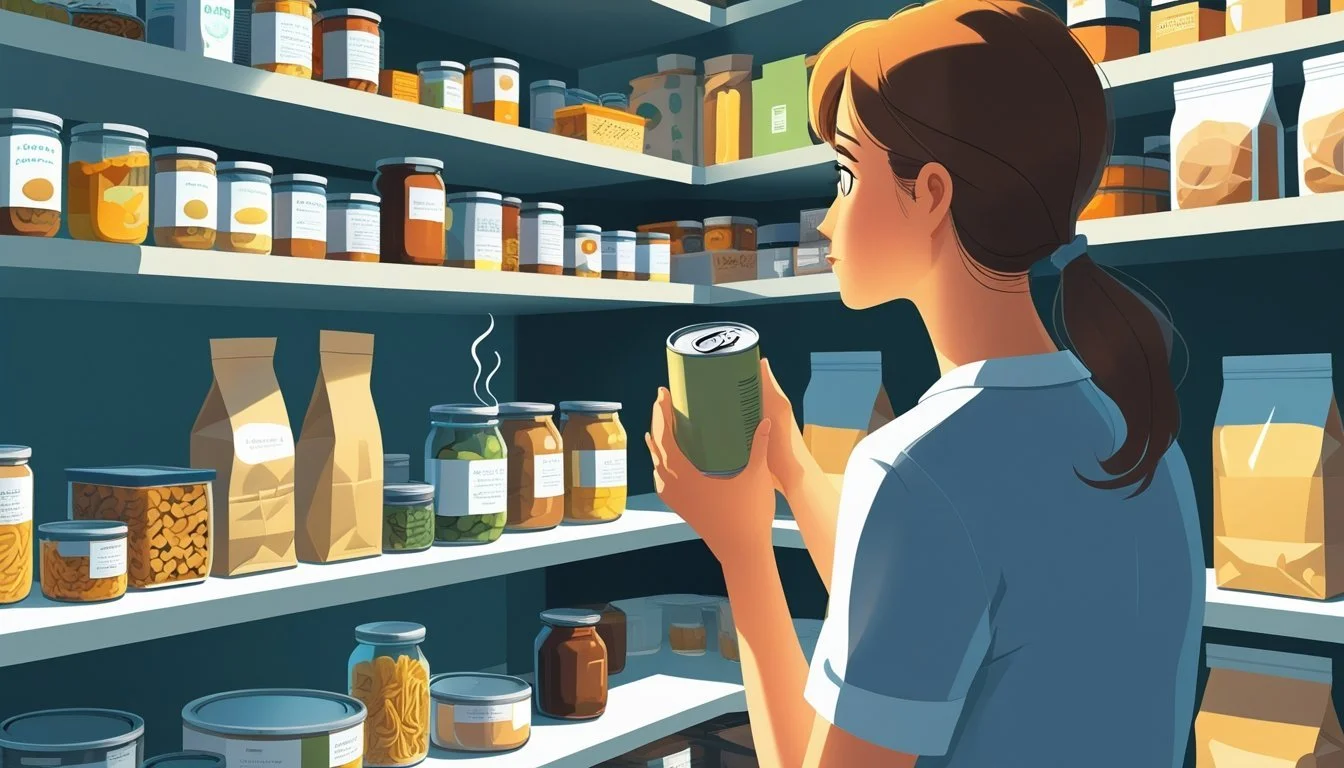
Non-perishable foods often have a longer shelf life, but there are notable exceptions and factors to consider. Storage conditions, packaging integrity, and product type can affect whether sensory checks or label dates matter more.
Canned Goods and Shelf-Stable Items
Canned goods are designed for long shelf life, often remaining safe to eat for years past the printed date when stored in a cool, dry place. Always inspect the can first: avoid any with rust, bulges, leaks, dents near seams, or broken seals.
If the packaging is undamaged, most shelf-stable items like canned vegetables, beans, and soups remain edible well after the best-by date. Use your senses cautiously—discard any product with off smells, uncharacteristic colors, or fizzing liquids. Severe changes in appearance, such as cloudiness or mold, are signs to throw the product away.
A straightforward checklist for canned goods:
Undamaged packaging
No bulges or dents
No leaks or broken seals
Normal smell and color
If these conditions are met, the food inside is generally safe to eat.
Frozen Food and Proper Storage
Frozen foods can last months or years if kept consistently below 0°F (-18°C). Quality may decline over time, but safety is rarely compromised unless there's been thawing and refreezing. Freezer burn, which appears as grayish-brown spots and dry patches, affects taste and texture but not safety.
Check for odd smells or severe ice buildup, which can signal improper storage. If a product pack is torn, or the packaging is damaged, inspect the food before eating. As long as the packaging is intact and the food looks and smells normal after defrosting, it is usually fine to consume.
Signs frozen food may be unsafe:
Damaged or torn packaging
Strong, unpleasant odors upon thawing
Ice crystals inside the product indicating repeated thawing
Special Consideration: Infant Formula
Infant formula should never be used past its use-by date. Manufacturers guarantee nutrient levels and safety only until this date, which is required by law. Unlike most canned goods or frozen food, trusting your senses is not reliable for infant formula.
Discard any formula that is past the date on the label or has packaging that appears damaged or swollen. Even if it seems fine, do not taste or test it—expired formula can lose essential nutrients and may be unsafe for infants. For this product, always follow the date and storage instructions precisely.
Baked Goods: Cookies and Flour
Baked goods like cookies typically become stale before they pose health risks. Dry, crumbly, or tasteless cookies are often safe but may not be appealing. Check for visible mold or an unusual odor before eating.
Flour has a long shelf life if stored in an airtight container in a cool, dry place. Signs flour has gone bad:
Rancid or sour smell
Clumping or moisture
Bugs or visible mold
If cookies or flour pass a look-smell-taste check and have been kept in proper storage, they are safe to use, even if past the best-by date. Always prioritize an intact container and normal sensory cues.
Reducing Food Waste Responsibly
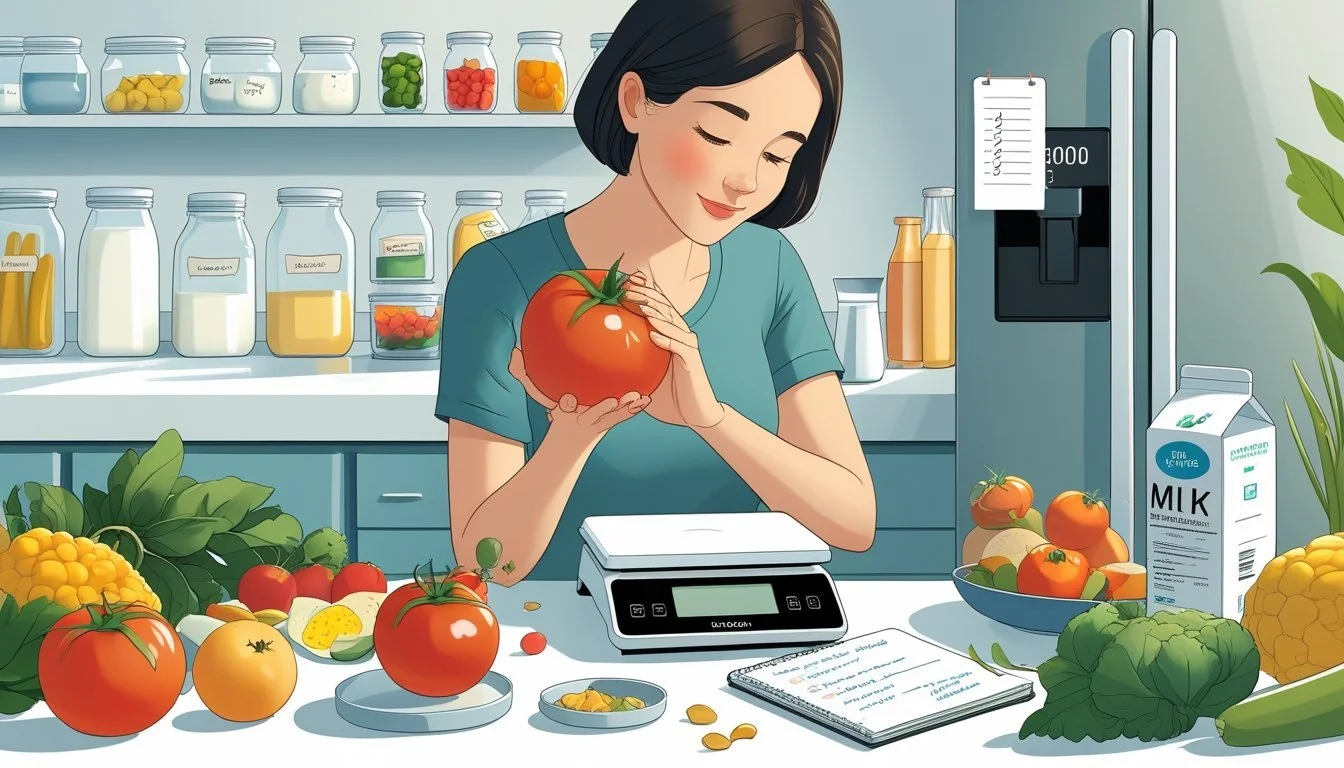
Consumers manage both the risk of foodborne illness and the practical goal of reducing unnecessary food waste. Understanding how to assess food quality without relying solely on date labels allows households to make more informed decisions and support sustainability initiatives.
Balancing Safety and Waste Reduction
Food waste remains a major concern for both environmental impact and economic cost. Discarding edible food due to confusion over “best before” or “use by” labels contributes to landfill accumulation and greenhouse gas emissions.
Labels such as “best before” signal peak quality, not safety. Many products remain safe and enjoyable after this date if stored appropriately. Over-cautious disposal can be minimized by using sensory checks—such as smell, look, and taste—to evaluate edibility.
Reducing food waste at home aligns with the goals of organizations like Too Good To Go and their active partner brands. These efforts encourage the use of personal judgement to cut waste responsibly, helping both households and the environment.
Strategies to Evaluate Food at Home
Individuals can use three main senses when checking food: sight, smell, and taste. Visual signs of mold or spoilage, unusual odors, and off flavors are important indicators that a food is no longer safe to eat.
A step-by-step approach helps:
Inspect: Look for mold, color changes, or leaks.
Smell: Check for sour or out-of-the-ordinary odors.
Taste: Sample a small piece if the food appears and smells normal.
Keeping food stored at proper temperatures extends shelf life and maintains safety. Using these techniques helps reduce food waste without compromising health. Creating awareness of the difference between quality and safety labeling empowers individuals to make decisions based on real evidence, not just packaging dates.

