
How Shelf Life Impacts Global Food Prices and Influences Market Stability
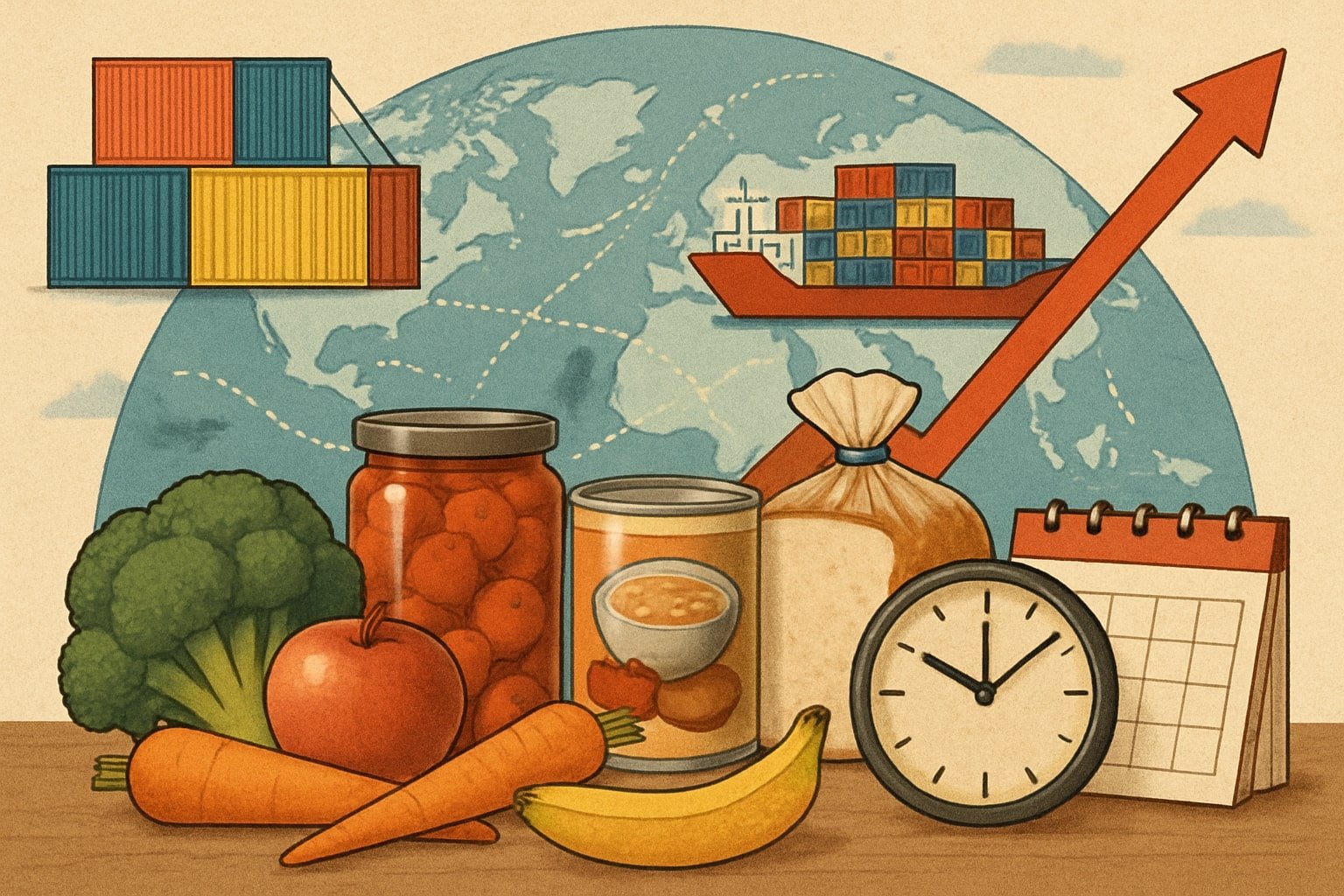
Shelf life plays a direct and powerful role in shaping global food prices by influencing waste, supply chains, and economic efficiency. When perishable foods spoil quickly, they drive up costs due to increased waste and the need for faster distribution, often leading to higher prices for consumers. Research shows that each extra day of shelf life can reduce annual waste costs, making products more affordable.
Shorter shelf lives can force retailers and producers to lower prices for near-expiry goods, discard unsold produce, or accelerate logistics. These factors contribute to fluctuating food prices and impact profitability at every stage—from farmers to grocery stores. Longer shelf life means fewer losses and more stable pricing across markets.
The Fundamentals of Shelf Life in the Global Food System
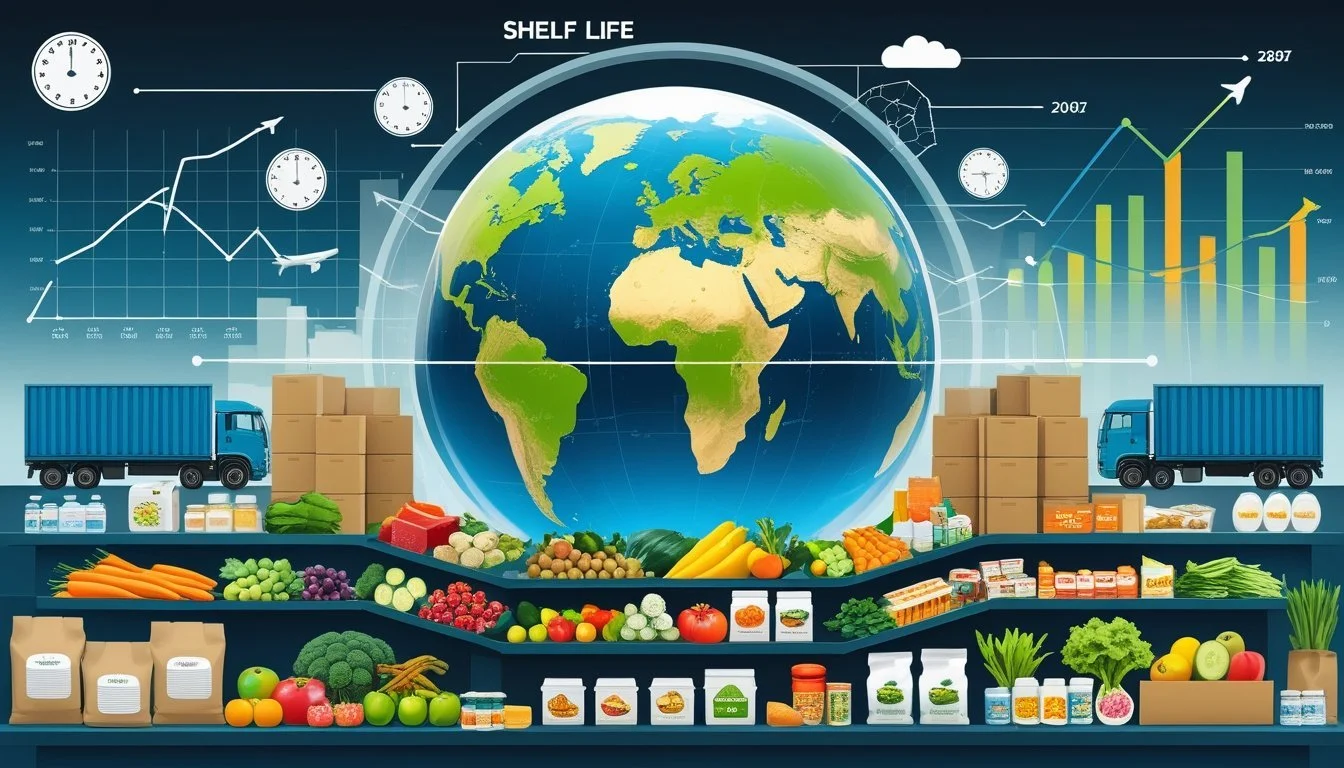
Shelf life directly affects how food is produced, distributed, and priced. Its impacts extend to food safety, food quality, and how efficiently retailers and manufacturers can manage the food supply.
Definition and Importance of Shelf Life
Shelf life is the time period during which a food product remains safe and maintains its desired sensory, chemical, physical, and microbiological qualities under specific storage conditions. Manufacturers assess this time to ensure that food reaches consumers in optimal condition.
Shelf life is critical because it influences how long products can be stored before they become unsuitable for consumption. If shelf life is short, there is a higher risk of food spoilage, which can increase waste. This waste directly impacts global food prices through reduced supply and higher costs for retailers and manufacturers.
Maintaining food safety is central to shelf life assessment. Foods with an expired shelf life may lead to foodborne illnesses, and reliable shelf-life labeling helps ensure public health.
Key Factors Influencing Shelf Life
Shelf life depends on a variety of intrinsic and extrinsic factors. Intrinsic factors are properties of the food itself. These include water activity, pH, chemical composition, and the presence of natural microbes.
Extrinsic factors are outside influences such as storage temperature, humidity, exposure to light, and packaging type. Advanced packaging technologies now allow manufacturers to slow down spoilage by controlling oxygen and moisture levels.
Changes in these factors can lead to faster spoilage or deterioration in food quality and safety. Both manufacturers and retailers rely on these considerations to reduce losses, maximize shelf stability, and better manage inventories in the global food supply chain.
Shelf Life Versus Expiration Date
While shelf life refers to the duration for which a food remains safe and of high quality, the expiration date is the manufacturer’s established end-point for consumption. An expiration date is usually printed on packaging to give retailers and consumers clear guidance.
The distinction matters because not all foods are immediately unsafe after their shelf life ends, but quality and freshness may decline. Products consumed past the expiration date risk reduced flavor, texture, and potential food safety concerns, especially with perishable items.
Retailers use the expiration date to manage stock rotation and avoid spoilage, while for consumers, it supports informed choices. Accurate labeling also helps limit unnecessary food waste, which plays a role in global food prices by stabilizing supply and reducing losses.
Shelf Life as a Driver of Global Food Prices
Shelf life plays a direct and measurable role in determining food prices. Longer shelf life can enhance profitability, improve retailer flexibility, and change supply chain dynamics.
Economic Impact of Perishable Foods
Perishable foods, such as dairy, meat, and fresh produce, have a limited shelf life that restricts how long they can be sold. This short window increases the risk of unsold inventory, leading to food waste and higher operational costs for retailers and manufacturers.
To offset this risk, sellers often set higher prices for highly perishable goods, reflecting the potential losses from spoilage. In countries or regions where refrigeration and storage technology are limited, this economic burden is greater.
A short shelf life can force retailers to use strategies like frequent promotions or markdowns, which can lead to price volatility. This dynamic directly impacts consumer prices and can limit access to affordable, fresh food.
Role of Shelf Life in Price Fluctuations
The relationship between shelf life and price volatility is substantial. When shelf life is shorter, products must move rapidly through the supply chain, increasing the sensitivity of prices to disruptions such as transportation delays, shortages, or market surpluses.
Longer shelf life allows for greater market stabilization. Manufacturers and retailers can store products for extended periods, making it possible to wait out temporary market imbalances and avoid drastic price swings.
For example, technologies that extend shelf life, such as modified atmosphere packaging, can help maintain product freshness and reduce short-term price spikes. This is particularly important for food supply chains that operate across regions and face variable demand and supply.
Shelf Life and Supply Chain Costs
Shelf life significantly influences supply chain costs for both manufacturers and retailers. With a longer shelf life, companies can reduce losses from spoilage, minimizing the need for rapid turnover and discounted sales. This leads to improved profitability, especially in global markets where transportation can take days or weeks.
Extended shelf life also lowers logistical costs, as shipments can be consolidated and storage times increased. This reduces the need for expedited shipping or frequent restocking, both of which drive up food prices.
A comparison of supply chain practices often shows that foods with naturally long shelf lives, such as grains or canned goods, incur lower distribution and storage costs. In contrast, fresh foods with short shelf lives must rely on faster, more expensive logistics, directly impacting their final price.
Food Loss and Waste: Links to Shelf Life
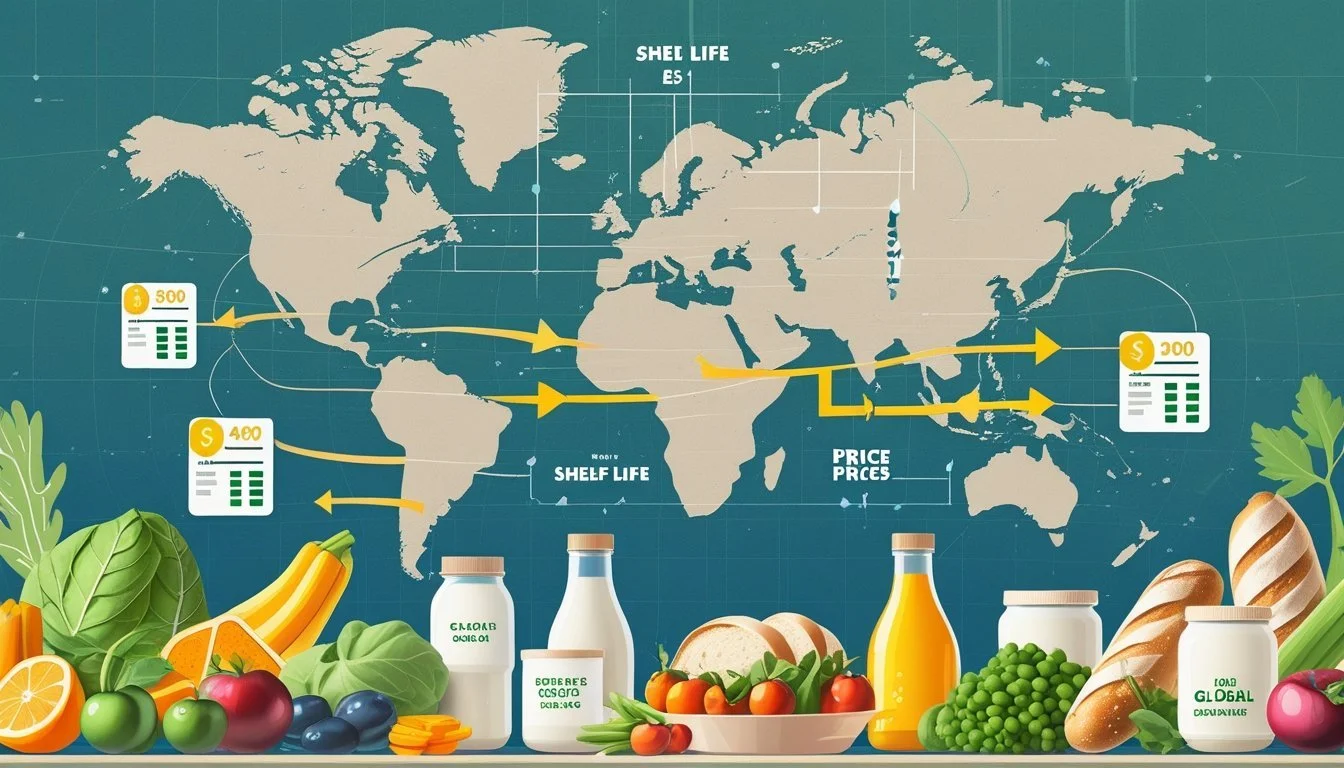
Shelf life plays a central role in the amount of food wasted across global supply chains. How long food lasts directly affects spoilage rates, economic efficiency, and the strategies that can be implemented to achieve waste reduction.
Spoilage and Its Economic Consequences
Food spoilage is a primary reason for both food loss and economic cost throughout the supply chain. As perishable goods expire, they are discarded before reaching customers, leading to direct financial losses for producers, suppliers, and retailers.
Perishable products such as dairy, meat, and fresh produce are most vulnerable to short shelf lives. These items are often wasted due to insufficient storage conditions or delays in transportation. When spoilage occurs at scale, the cumulative economic impact is substantial, contributing to inefficiencies that affect pricing in all markets.
Frequent spoilage also increases costs related to waste management. Disposing of unsold, spoiled foods places an additional burden on infrastructure and can have knock-on effects such as higher prices for consumers due to increased handling and operational expenses.
Major Contributors to Food Waste
Several factors elevate food loss and waste at different stages of the supply chain. Short shelf life is a leading cause, particularly for items such as fresh fruits, vegetables, seafood, and bakery goods.
Improper storage, inadequate packaging, and temperature fluctuations during transport are also major contributors. Supermarkets and suppliers sometimes discard products that are still safe to eat due to conservative best-before or use-by dates set to avoid legal or safety risks.
Inefficient inventory management and consumer confusion over expiration labels further amplify wastage. With over a third of global food produced lost or wasted each year, these issues have major implications for food supply, waste management, and economic stability.
Waste Reduction Strategies through Shelf Life Extension
Extending shelf life can significantly reduce food waste and economic loss. Techniques such as improved packaging, cold chain logistics, and non-thermal preservation methods help slow spoilage and allow products to remain viable longer.
Table: Common Shelf Life Extension Strategies
Strategy Example Products Impact on Waste Modified atmosphere packaging Produce, meats Slows spoilage Refrigeration improvements Dairy, seafood Enhances freshness Natural preservatives Bread, juices Reduces microbial growth
Adopting shelf life extension can enable retailers to better manage inventory, decrease waste disposal costs, and offer lower prices by reducing product losses. Improved shelf life can also support waste prevention by making food more resilient to supply chain disruptions or delays.
Shelf Life Extension Technologies and Preservation Methods
Methods to extend the shelf life of food have advanced rapidly, driven by consumer demand for quality, safety, and convenience. These advances affect both the accessibility and price of foods in global markets.
Preservation Technologies in Food Processing
Food processing uses a variety of preservation technologies to inhibit spoilage and pathogen growth. Common techniques include thermal treatments (pasteurization, canning), freezing, drying, and fermentation.
Thermal methods such as ultra-high temperature (UHT) processing destroy bacteria but can impact taste and nutrition. Freezing is widely used for fruits, vegetables, meats, and seafood to retain quality for months. Drying methods—air, spray, or freeze-drying—remove moisture, hindering microbial activity.
Emerging technologies like high-pressure processing (HPP), pulsed electric fields, and nanotechnology-based antimicrobial systems offer ways to extend shelf life with minimal nutrient loss. These methods help balance food safety, shelf life, and the demand for fewer chemical additives.
Packaging Innovations and Their Roles
Modern food packaging goes beyond containment by actively preserving product freshness. Modified atmosphere packaging (MAP) replaces oxygen with nitrogen or carbon dioxide to slow spoilage and oxidation. Vacuum sealing removes air and inhibits bacterial growth.
Active packaging materials now incorporate oxygen scavengers, moisture regulators, and antimicrobial agents. These features maintain food quality longer and reduce food waste during storage and distribution.
Advances in smart packaging, such as time-temperature indicators and freshness sensors, allow for better inventory management and reduce unnecessary disposal. Packaging innovation not only lowers losses but also enables global transport of perishable foods, influencing food prices by improving supply stability.
Natural Versus Synthetic Preservatives
Food manufacturers use both natural and synthetic preservatives to extend shelf life. Common synthetic options are sorbates, benzoates, and nitrates. While effective, some consumers are concerned about potential health effects.
Natural preservatives like vinegar, salt, rosemary extract, and cultured dextrose help meet the rising demand for "clean label" products. These are viewed as healthier but can have limitations in shelf life extension and cost.
An increasing number of food products combine traditional preservation technologies with natural additives, aiming to balance safety, quality, and consumer preference. The choice of preservative impacts not only product longevity but also marketability and regulatory approval in different countries.
Product Categories Most Affected by Shelf Life
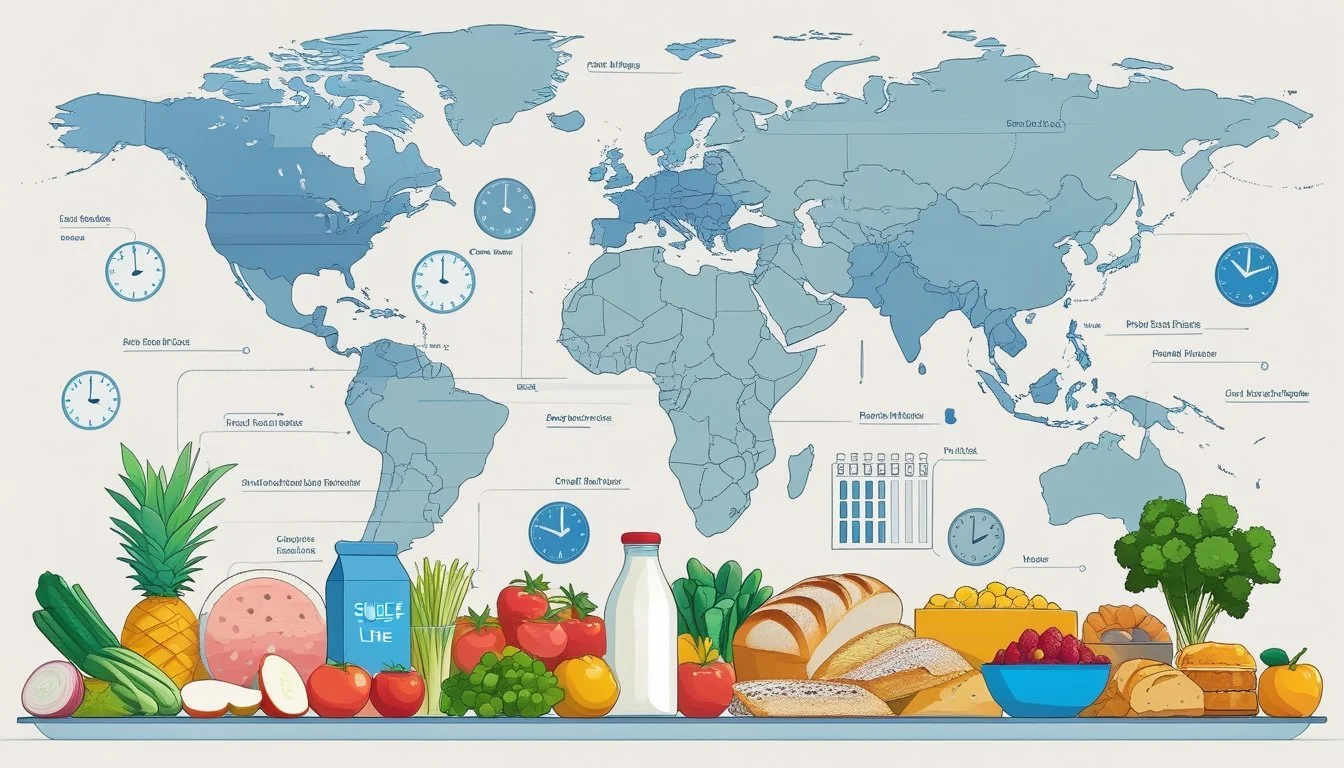
Shelf life has a direct influence on how products are priced at different stages of the supply chain. Some food groups experience steeper price impacts due to faster spoilage and shorter windows for sale.
Fresh Produce and Perishable Foods
Fresh produce such as fruits, vegetables, and leafy greens has one of the shortest shelf lives in the food supply. Items like berries, lettuce, and tomatoes may only remain viable for a few days after harvest.
Short shelf life leads to high wastage, which increases costs for both producers and retailers. To compensate, prices often fluctuate rapidly based on the perceived freshness and expected spoilage rates.
Table: Shelf Life Examples for Fresh Produce
Item Typical Shelf Life Strawberries 2-3 days Spinach 3-7 days Tomatoes 5-7 days
Improved logistics or storage technology can slightly extend shelf life, but the perishability still creates a risk premium reflected in retail pricing.
Dairy: Milk Spoilage and Shelf Life
Dairy products, especially fluid milk, are highly sensitive to storage conditions and microbial contamination. Standard pasteurized milk lasts about 7-14 days, and even a minor lapse in cold chain management causes rapid spoilage.
Milk spoilage rates directly affect pricing. Retailers may discount milk approaching its expiration date, while producers face potential losses from unsold inventory.
High perishability also means that regions further from production centers may see higher prices due to transport challenges and increased risk of spoilage.
Key Factors Affecting Dairy Shelf Life:
Temperature control
Pasteurization methods
Packaging integrity
Bread and Baked Goods
Bread is another major product group affected by short shelf life. Without preservatives, fresh bread can go stale or develop mold within 2-5 days of baking, especially in humid environments.
Retailers often have to mark down unsold bread at the end of each day. Waste is common, and constant replenishment adds to costs for bakeries and grocery stores. This results in price volatility and limited shelf space.
Some baked goods, such as pastries, are even more sensitive, requiring rapid sale or freezing to avoid total loss. Packaging and ingredient choices can slightly extend freshness but rarely eliminate the challenge.
Supply Chain and Storage Influences on Shelf Life
Shelf life depends heavily on how food is stored and moved. Changes in temperature, exposure to air, and inefficient handling increase spoilage and drive up food prices globally.
Impact of Storage Conditions
Storage conditions are critical for preserving shelf life. Temperature, humidity, and exposure to oxygen can all speed up spoilage if not properly controlled. For instance, most perishable foods require cold storage below +5°C to slow microbial growth and enzymatic reactions.
Imprecise temperature management, such as in domestic fridges or poorly insulated warehouses, leads to early spoilage and waste. Products like grains in silo storage also need protection from moisture to prevent mold and pests. Food safety solutions, like monitoring systems, help identify deviations in environmental parameters, reducing the risk of storage-related losses.
Storage Losses in Transportation and Retail
Movement of food through the supply chain introduces several points where storage losses can occur. During transportation, delays, lack of proper refrigeration, or mechanical failures cause rapid deterioration, especially in fresh fruits, dairy, and meats. According to supply chain studies, these losses affect both food quality and economic returns.
In retail, products often sit on shelves exposed to inconsistent temperatures and handling. High losses at this stage directly translate to higher operating costs, which are passed on to consumers. Reducing these losses is essential for stabilizing food prices and minimizing waste.
Technologies for Proper Storage
Modern storage technologies significantly improve shelf life. Some solutions include climate-controlled warehousing, real-time temperature and humidity monitoring, and smart packaging that limits oxygen exposure. Automated systems in silo storage keep moisture and pests in check, preserving grain quality.
Adopting blockchain and digital tracking ensures products are stored at the correct conditions throughout the supply chain. Food safety sensors and automated alerts also enable rapid response to issues before spoilage leads to significant loss. Together, these technologies make it possible to maintain higher food quality and reduce unnecessary price increases.
Consumer Behaviors and Preferences Shaping Food Prices
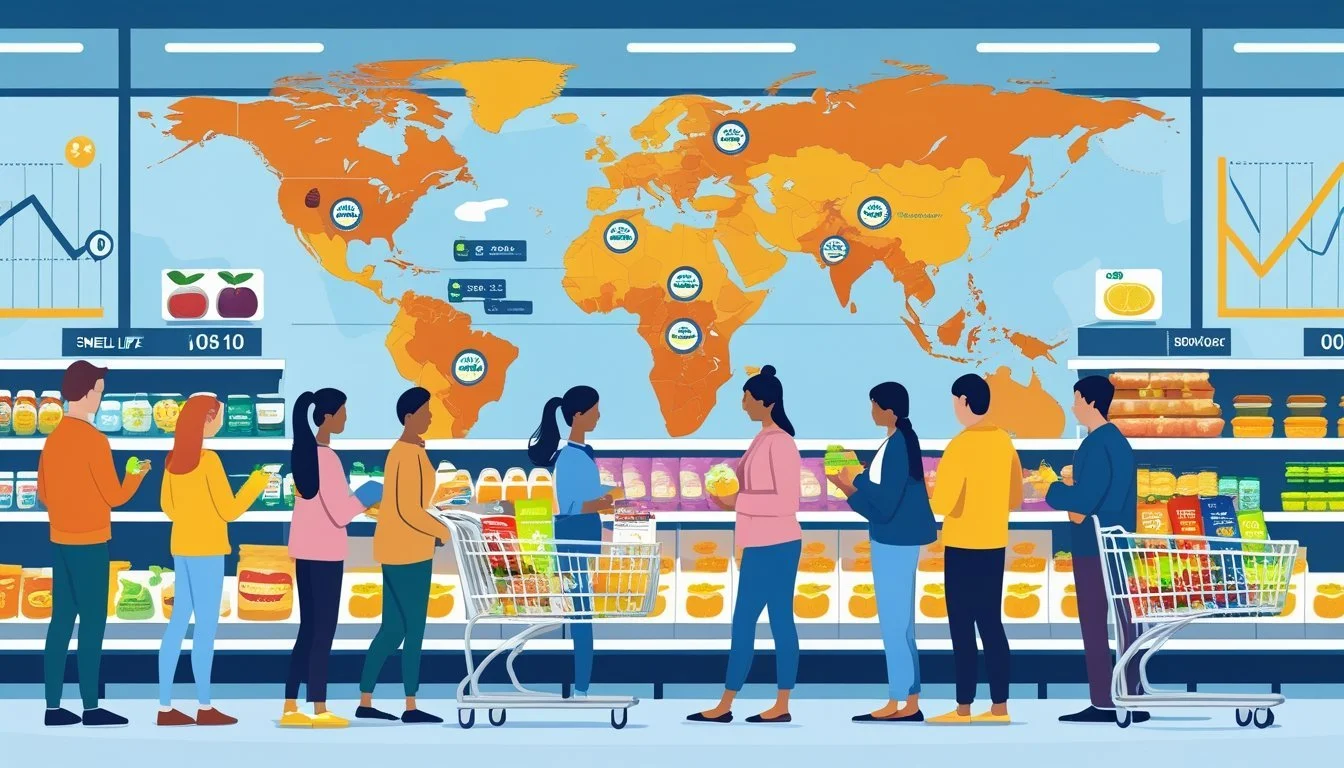
Consumer behavior directly affects how food products are priced and managed across the supply chain. Perceptions of shelf life, label clarity, and attitudes toward waste all drive retailer and producer decisions that, in turn, impact market prices.
Consumer Response to Expiration Labels
Shoppers pay close attention to expiration dates when selecting items, especially perishable goods like dairy, fresh produce, and meat. Many consumers interpret expiration and "best by" labels as absolute deadlines, leading them to avoid products that are near these dates.
This behavior increases demand for fresher stock and can cause retailers to mark down or discard products even if they remain safe and suitable for consumption. Economic losses from unsold inventory are often reflected in higher shelf prices or more aggressive promotions.
A lack of standardized label terminology, such as differences between "sell by," "use by," and "best before," adds to confusion. Studies have shown that clearer labeling can reduce unnecessary food waste and help consumers make better decisions, ultimately influencing food pricing structures.
Influence of Clean Labels and Natural Preservatives
There is a rising preference for clean labels, meaning ingredient lists that are simple, familiar, and free from artificial additives or synthetic preservatives. Consumers are increasingly looking for foods perceived as safer and healthier, favoring items with natural preservatives or shorter ingredient lists.
Foods with "clean label" status often require shorter shelf lives, limiting the time these products can be sold before expiring. This can drive production and distribution costs higher as supply chains must move goods more quickly to avoid spoilage. Producers may increase prices to compensate for these accelerated logistics and higher rates of inventory turnover.
Retailers and manufacturers responding to this demand often face complex balancing acts: maintaining food safety, extending shelf life naturally, and managing costs. Consumer willingness to pay premiums for these attributes further shapes price points on such products.
Consumer Food Waste Patterns
Consumer food waste is closely tied to perceptions of freshness and safety, often triggered by date-based disposal regardless of the food's actual condition. Many people dispose of items solely because a printed date has passed, not due to visible spoilage.
This widespread pattern leads to substantial food wastage at the household level. Higher levels of waste force retailers and suppliers to adjust inventory and pricing strategies to recoup losses. For highly perishable items, this can mean frequent price adjustments, promotions, or bulk discounting to reduce inventory nearing expiration.
Government and industry campaigns promoting food safety education and clarification about expiration dates aim to shift these behaviors. Changes in consumer awareness, combined with practical guidance, have already started to reduce avoidable waste in certain markets, providing greater pricing stability over time.
Global Implications: Food Security, Environment, and Sustainability
Shelf life plays a critical role in how food is distributed, consumed, and wasted globally. Its effects are central to food security, the environment, and the pursuit of sustainability targets.
Shelf Life’s Impact on Food Security
Food products with limited shelf life are especially vulnerable to spoilage, leading to significant losses throughout the supply chain. In lower-income regions, weakened transportation and storage infrastructure can worsen these losses, directly threatening food availability and stability. Shorter shelf life often translates to higher local prices as less food makes it to markets in sellable condition.
A decline in agricultural yields caused by climate change, as projected for Africa, further challenges food access. In regions with fragile food systems, increasing shelf life through technology and improved practices can help mitigate shortages and avoid price spikes. Extending shelf life also supports consistent nutrition by making diverse foods available year-round.
Reducing Food Waste for Environmental Benefits
A substantial proportion of global food waste is tied to the expiration of perishable products before they are consumed. Food waste represents not only the loss of edible resources but also a waste of water, energy, land, and labor invested in production. When food waste ends up in landfills, it generates greenhouse gases, especially methane.
Table: Environmental Impacts of Food Waste
Resource Lost Environmental Effect Water Depletes water sources Energy Increases fossil use Land Accelerates land conversion Labor Reduces productivity Food in Landfills Produces methane
Reducing food loss through shelf life extension decreases this environmental footprint. Food waste prevention at all stages of the supply chain directly supports more sustainable use of natural resources and helps limit emissions.
Sustainable Development Goals and Zero Hunger
Extending the shelf life of food contributes directly to Sustainable Development Goal 2 (Zero Hunger) by improving food availability and affordability. Global efforts to halve per capita food waste by 2030 are part of SDG Target 12.3, connecting waste reduction to sustainability.
Shelf life innovation enables stable food systems that can better withstand shocks from climate change or global interruptions. With improved preservation techniques, food can reach distant or food-insecure areas, supporting equitable distribution. Addressing shelf life challenges is crucial for making real progress toward global food security and environmental sustainability targets.
Scientific Principles Behind Shelf Life and Food Prices
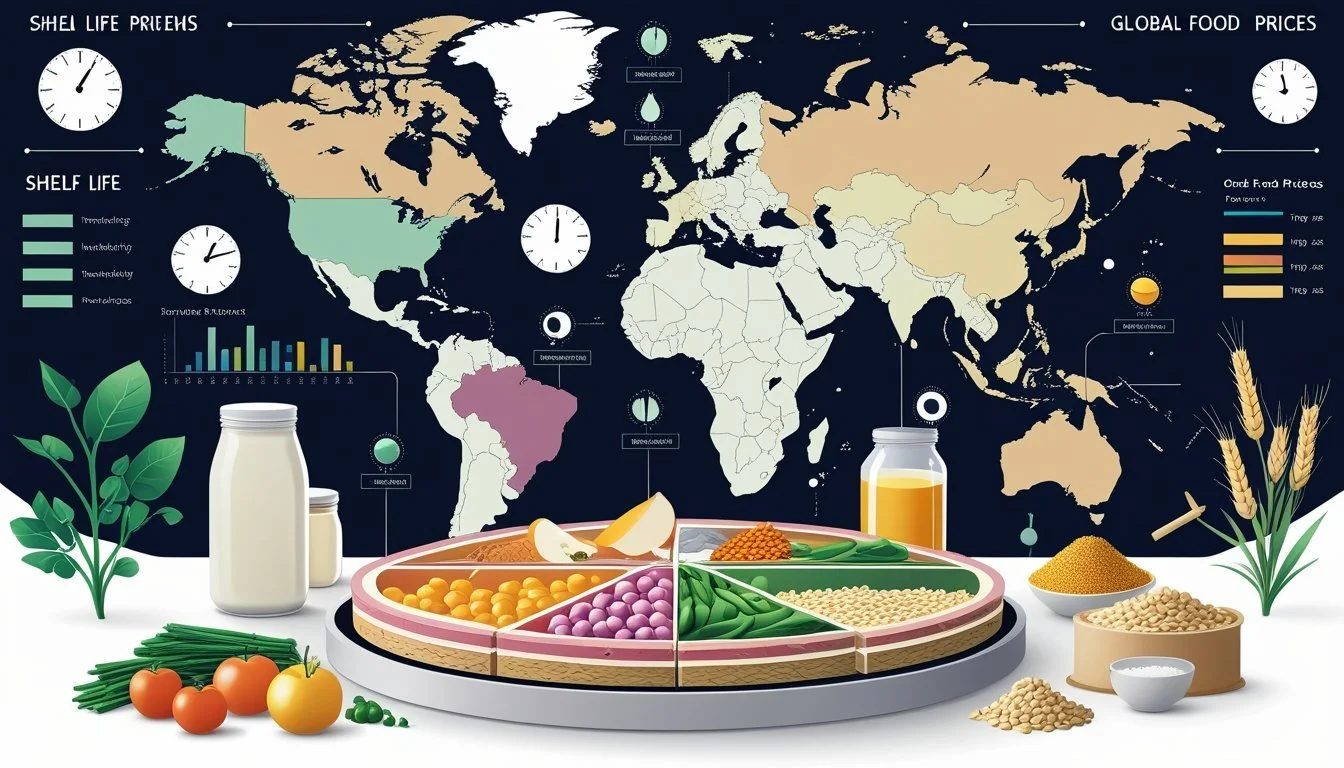
Shelf life is determined by the rate at which foods deteriorate due to microbiological, chemical, and physical changes. These scientific principles shape not only food safety and quality, but also influence how products are valued and priced in global markets.
Microbial Growth and Foodborne Pathogens
Microbial growth is a primary factor limiting shelf life. As bacteria, molds, and yeasts multiply, they compromise food safety by increasing the risk of foodborne illnesses.
Foodborne pathogens such as Salmonella, Listeria monocytogenes, and Escherichia coli can contaminate products, especially in fresh or minimally processed foods. Once harmful microbes exceed critical thresholds, food must be removed from the supply chain, leading to economic losses.
Shorter shelf life raises handling costs and waste, contributing to higher prices. Foods with longer shelf stability require less frequent turnover, supporting decreased costs and improved marketability.
Oxidation and Spoilage Reactions
Oxidation is a chemical process that leads to quality loss. Unsaturated fats, pigments, and vitamins in foods are especially vulnerable to oxidation, resulting in rancidity, off-flavors, and color changes.
Spoilage reactions, whether enzymatic or non-enzymatic, degrade sensory attributes and nutritional value. For example, browning in fruits is an enzymatic reaction, while staling in bread is non-enzymatic.
These reactions often reduce the market value of affected products. Foods more resistant to oxidation and spoilage are priced higher because of lower risks of economic loss due to unsellable goods, especially in long-distance international trade.
Mathematical Models for Predicting Shelf Life
Mathematical models help predict how long food remains safe and acceptable to consumers under specific storage conditions. These models incorporate factors like temperature, humidity, microorganism growth rates, and chemical reaction kinetics.
Common modeling approaches include:
Predictive microbiology models for pathogen growth
Kinetic models for physical and chemical changes, such as lipid oxidation
A simplified example table:
Model Type Key Focus Typical Use Microbial growth models Pathogen risk Fresh, minimally processed foods Kinetic (chemical) models Quality loss Shelf-stable products (oils, grains)
Accurate prediction enables producers and distributors to optimize inventory, reduce waste, and set prices that reflect real shelf life, contributing to more stable food markets worldwide.

