
Shelf Life and the Rise of Lab-Grown Foods
Innovations, Benefits, and Challenges
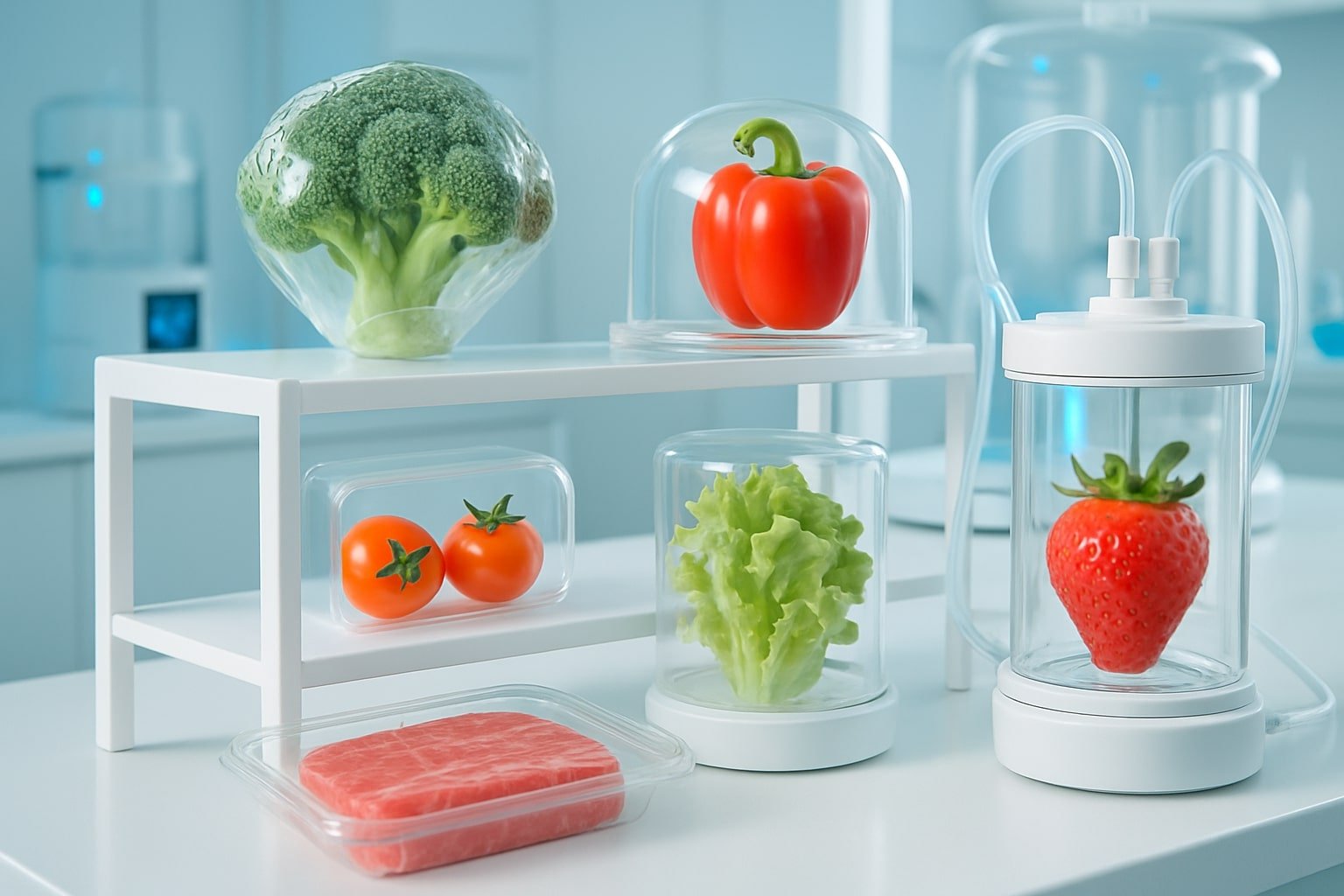
The shelf life of food is a crucial factor in determining both safety and quality, with impacts ranging from consumer health to food waste management. As the food industry introduces more lab-grown options, questions naturally arise about how these new products compare to traditional foods in terms of longevity and preservation.
Lab-grown foods, such as cultured meat, are produced under controlled conditions and offer a distinct approach to food production. This new technology may influence how long products stay fresh, and how risks like bacterial growth are managed, especially compared to conventional foods.
Understanding the relationship between shelf life and lab-grown foods helps consumers and producers make informed decisions about storage, safety, and long-term sustainability.
Understanding Shelf Life in Lab-Grown Foods
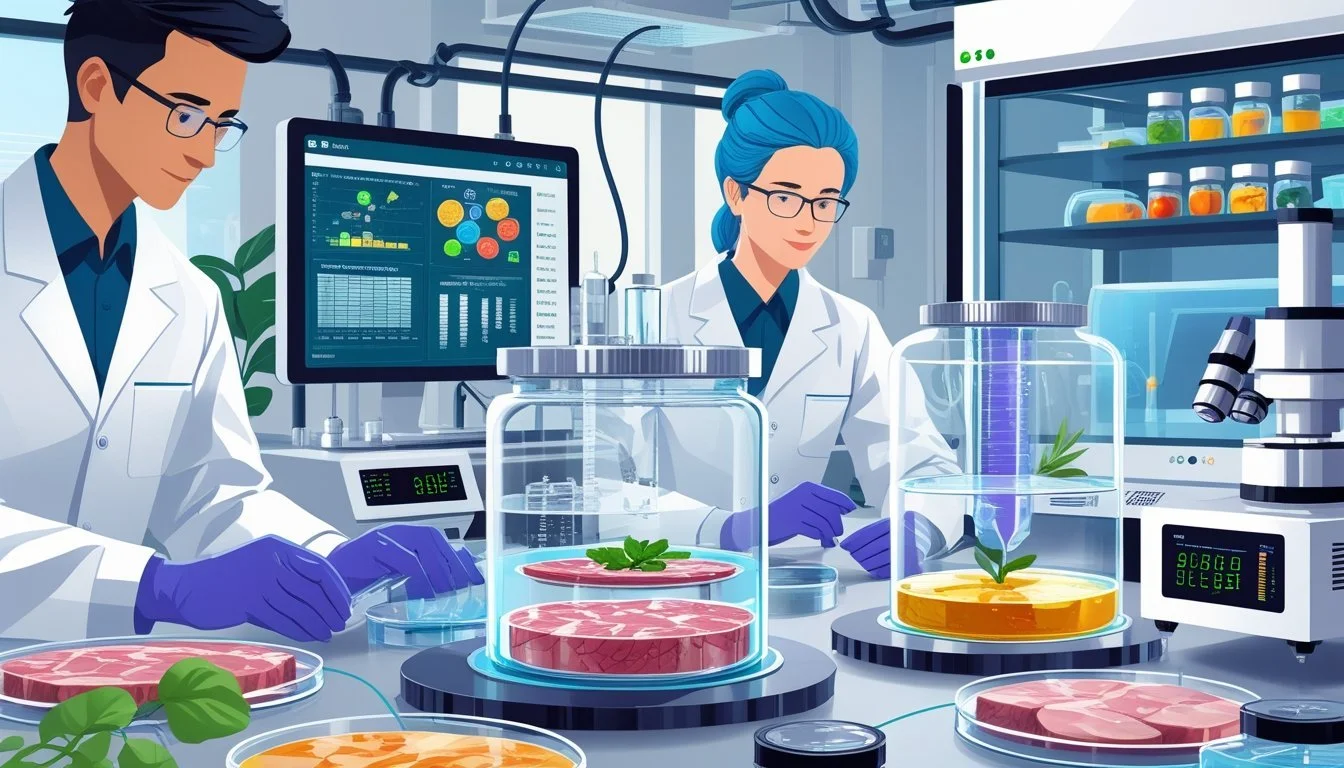
Lab-grown foods present new challenges and opportunities in managing shelf life. Factors such as environmental control, packaging design, and storage conditions play a major role in determining product quality and consumer safety.
Defining Shelf Life
Shelf life is the period during which a food product remains safe to eat, maintains the desired sensory, chemical, and physical characteristics, and complies with any required regulatory standards. For lab-grown foods, this period is influenced by how they are produced, stored, and handled from the lab to the consumer.
Unlike natural products, lab-grown foods may require novel methods for assessing freshness and safety. Expiry dates are based not only on visible spoilage, but also on microbiological stability, nutrient retention, and changes in texture or flavor over time.
Reliable shelf life determination often involves a mix of laboratory testing, accelerated aging studies, and routine quality monitoring. The results help manufacturers set use-by dates and ensure that food products remain within safe and acceptable quality limits.
Key Factors Influencing Shelf Life
Key influences on the shelf life of lab-grown foods include storage temperature, packaging materials, pH, and the presence of preservatives. Controlled storage environments can help slow microbial growth and retain freshness, but temperature fluctuations may shorten shelf life significantly.
Packaging material selection is critical because it acts as a barrier to oxygen, moisture, and contaminants. For example, vacuum-sealed or modified atmosphere packaging can help extend shelf life by reducing oxidation and inhibiting spoilage organisms.
Other important factors include:
pH levels: Low pH can inhibit spoilage bacteria, while neutral pH foods may be more prone to microbial growth.
Food structure: Uniform tissue in lab-grown foods may respond differently to environmental stresses.
Additives: Use of food preservatives can further enhance shelf stability by slowing down spoilage reactions.
Difference Between Lab-Grown and Conventional Foods
Lab-grown foods often exhibit a more consistent and controlled composition compared to conventional products. This uniformity allows for more predictable shelf life outcomes, especially when storage conditions and packaging materials are optimized.
Conventional foods may vary more in microbial load or moisture content at the time of processing, making shelf life estimates less precise. Lab-grown foods, produced in sterile or near-sterile environments, may start with lower contamination levels, potentially increasing the safety margin.
However, the lack of natural biological defenses (such as plant skins or animal membranes) can make lab-grown foods more dependent on advanced packaging and preservation techniques to maintain food quality. Both categories require careful monitoring, but lab-grown products can benefit from tailored preservation methods developed specifically for their unique structure and composition.
Scientific Foundations of Lab-Grown Food Production
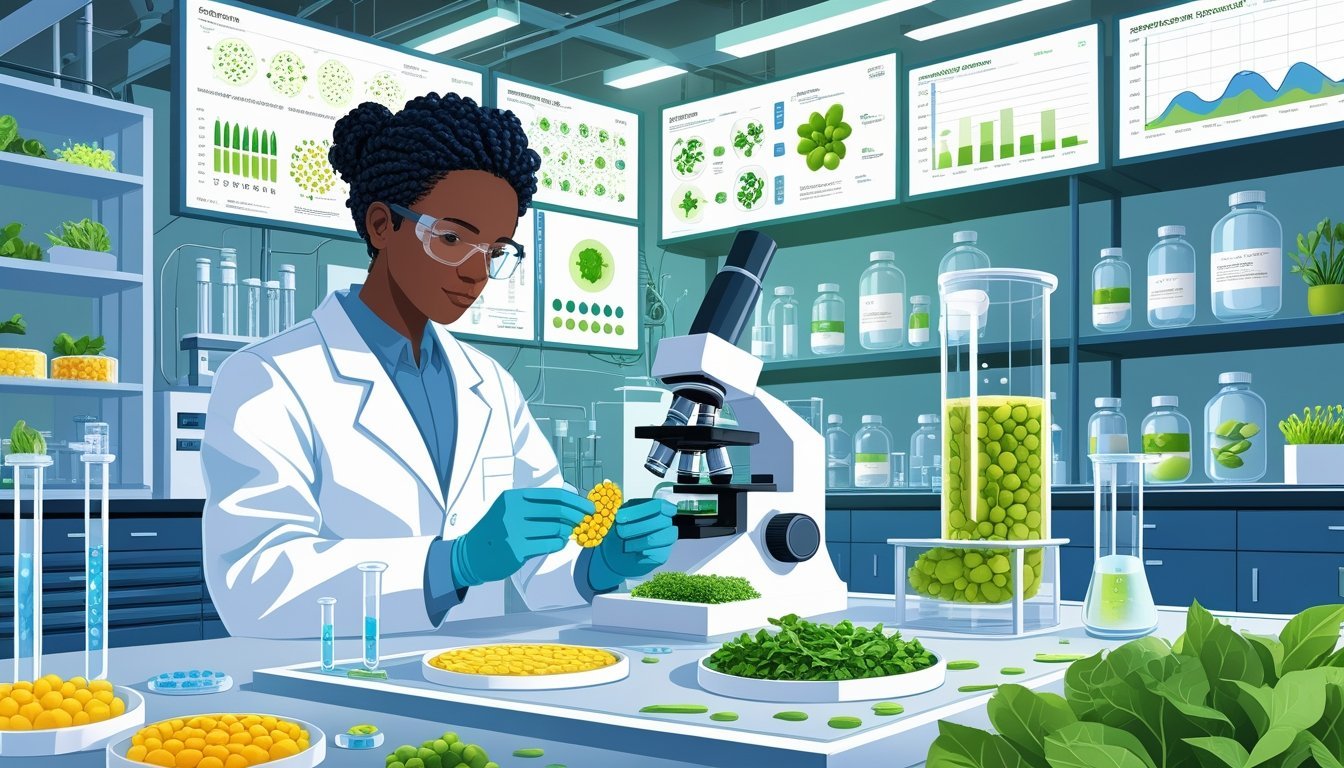
Advances in biotechnology and cellular agriculture have enabled the large-scale growth of meat and other foods outside traditional animal farming. These innovations focus on replicating the structure, nutrition, and safety of conventional products, requiring precise control of cell growth, nutrient delivery, and microbial risk.
Biotechnology and Cellular Agriculture
Lab-grown food production relies on cultivating cells—mainly muscle, fat, or connective tissue—using bioreactors and controlled growth media. Scientists select animal stem cells capable of differentiation and proliferation.
Growth media provide essential nutrients: amino acids, vitamins, minerals, and growth factors. Controlled environments allow for specific adjustments in temperature, pH, and oxygen, important for replicating muscle tissue.
Technologies from leading institutes, such as MIT, have contributed to scaling processes from small laboratory samples to industrial production. Attention to cell line stability and batch consistency is critical for reproducibility and safety.
Nutritional Properties of Lab-Grown Foods
Lab-grown foods are designed to closely mimic the macronutrient and micronutrient profile of conventional proteins. Producers can adjust fat, protein, and micronutrient content by altering the growth medium’s composition and supplementing with specific nutrients.
For example, vitamin B12 and iron—critical for human nutrition—must be carefully managed, as cultured muscle tissue does not always accumulate micronutrients the way whole animals do. Adjustments in amino acid profiles are also possible to minimize oxidative stress or support dietary needs.
Some studies suggest lab-grown meats may offer lower saturated fat and customizable fatty acid profiles. Table 1 compares key nutritional aspects:
Nutrient Conventional Meat Lab-Grown Meat Protein High High, adjustable Iron Present Adjustable Vitamin B12 Present Requires fortification Saturated Fat Variable Customizable
Microbial Inactivation Techniques
Unlike traditional meat, lab-grown foods are produced in sterile, closed systems, greatly reducing contamination risks. However, food processing steps like microbial inactivation are still essential to ensure shelf stability.
Common techniques include pasteurization, UV treatment, and high-pressure processing. These approaches inactivate remaining bacteria or spores without significantly affecting taste or nutritional value.
Continuous environmental monitoring and rigorous sanitation protocols are used to control microbial loads throughout production. This helps prevent spoilage, extends shelf life, and supports food safety regulations.
Food Safety and Quality Assurance
Lab-grown foods require strict safety measures and continuous quality checks to ensure they are acceptable for consumers. Unique risks, such as bacterial contamination and spoilage, must be addressed at every stage, while attention to sensory properties helps guarantee product acceptance.
Safety Protocols and Legislation
Regulatory frameworks for lab-grown foods are based on existing food safety laws, but with adaptations to reflect their novel production methods. Authorities like the FDA and EFSA require risk assessments that include evaluation of inputs, microbial risks, and production controls.
Producers must document hazard analysis and critical control points (HACCP), proper facility hygiene, and validation of cell lines. Regulatory compliance involves routine audits, transparent traceability, and ingredient disclosure. As the industry grows, updated legislation aims to address evolving challenges, especially with genetically edited ingredients.
Table: Key Safety Protocols
Protocol Purpose HACCP Identify hazards GMP (Good Manufacturing Practice) Ensure process safety Traceability Systems Track sources and batches Microbiological Testing Detect contamination
Pathogenic and Lactic Acid Bacteria Control
Controlling pathogenic bacteria is vital, as lab-grown foods made from cell cultures can be susceptible to microbial contamination. Facilities implement closed bioreactor systems to reduce exposure and continuously monitor bacterial levels.
Regular screening is done for pathogens like Salmonella, E. coli, and Listeria. Meanwhile, the role of lactic acid bacteria depends on the product; they can act as protective flora or spoilage agents. Producers use targeted antimicrobial steps and tightly control nutrient media to maintain microbial balance and safety.
Laboratories apply advanced molecular detection techniques, such as PCR, for rapid identification. Data supports timely interventions to prevent outbreaks and maintain high levels of safety.
Temperature Abuse and Spoilage Risks
Temperature abuse—when foods are kept outside safe temperature ranges—can accelerate spoilage and reduce shelf life. Lab-grown foods are particularly sensitive because their cellular structure and nutrient content may provide a favorable environment for spoilage organisms.
Facilities use cold chain management, rapid chilling, and automated temperature monitoring systems to prevent unsafe conditions. Spoilage risks include not only bacterial growth, but also changes in texture, color, or off-odors.
List: Common Spoilage Signs
Discoloration
Slime formation
Off-odors
Changes in texture
Producers validate storage guidelines with shelf life studies to ensure product safety from production to consumption.
Sensory and Sensorial Properties
Maintaining expected sensory characteristics is critical for consumer confidence. Lab-grown foods are assessed for flavor, aroma, texture, and appearance, using trained sensory panels and instrumental analysis.
Sensorial properties such as juiciness, tenderness, and mouthfeel are evaluated throughout product development. Any changes in processing, packaging, or storage may alter these quality attributes.
Manufacturers set specification limits for these properties. Frequent testing helps detect early signs of spoilage or quality decline, which is essential for both safety and market acceptance. Consumer feedback also guides formulation adjustments to better match conventional food experiences.
Packaging Innovations for Lab-Grown Foods
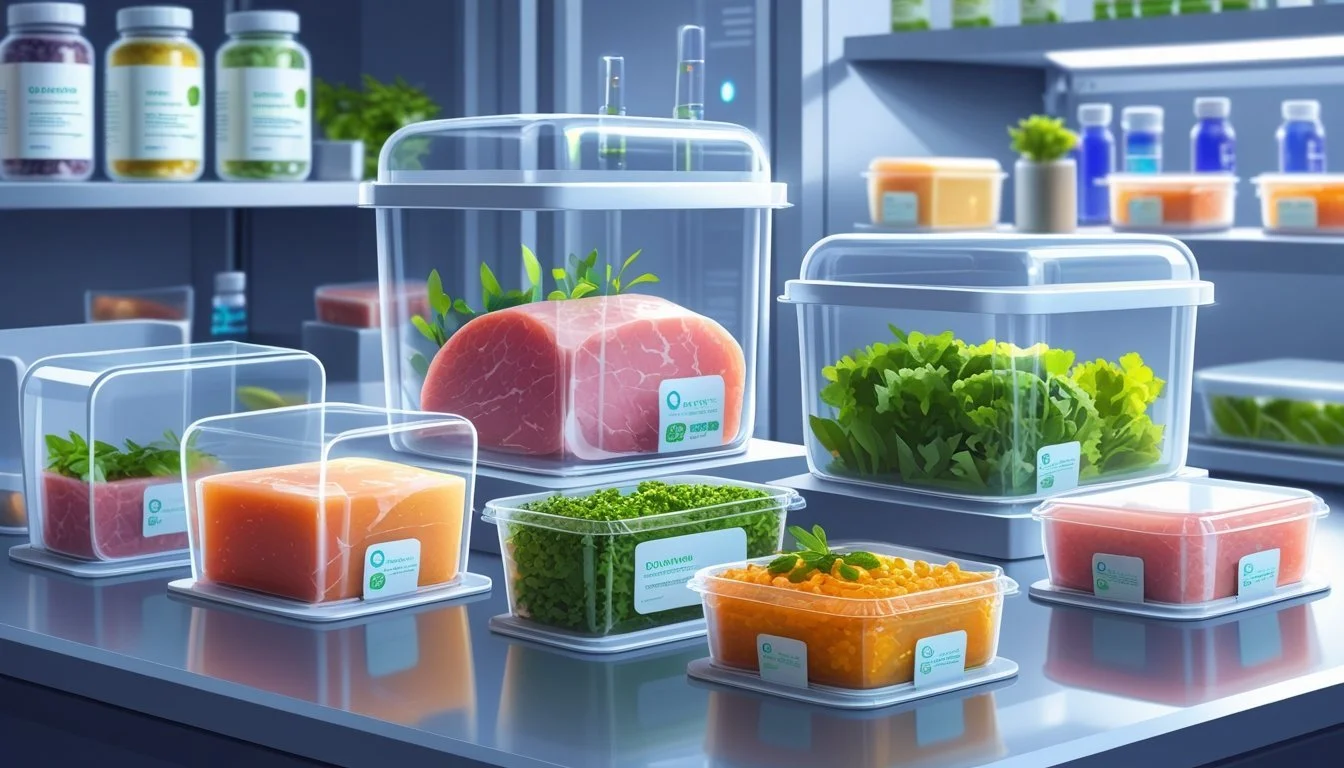
The rise of lab-grown foods presents new challenges for packaging, particularly in extending shelf life and maintaining quality. Recent advances in material science, smart technologies, and additives are reshaping how food packaging addresses these unique needs.
Food Packaging Materials and Methods
Lab-grown foods, such as cultured meat or dairy, have distinct structural and compositional characteristics compared to conventional products. Packaging materials must be tailored to maintain moisture balance, prevent oxidation, and inhibit microbial growth. Commonly used materials include high-barrier plastics, glass, and new compostable biopolymers.
Vacuum-sealing and modified atmosphere packaging (MAP) are preferred methods. They limit oxygen exposure and moisture transfer, reducing spoilage risks. Packaging selection also takes into account reactivity with the food matrix, ensuring physical and chemical compatibility. Innovations continue as manufacturers seek to minimize waste and improve recyclability without sacrificing product protection.
Intelligent and Smart Packaging Solutions
Intelligent packaging technologies are increasingly used to enhance the safety and traceability of lab-grown foods. These solutions may include time-temperature indicators (TTIs), sensors for detecting spoilage gases, and QR-coded labels carrying batch information. Such advancements allow real-time monitoring of product condition throughout the supply chain.
Smart packaging can alert retailers and consumers to storage issues, ensuring that temperature-abused or compromised products are identified before sale or consumption. Integration with supply chain management systems supports recalls and authentication, which is especially valuable in emerging food categories like cultivated meat. These solutions help build consumer trust and improve overall food safety.
Role of Antioxidants in Packaging
Oxidation is a chief factor in lab-grown food degradation, causing loss of flavor, color, and nutrition. Packaging can be enhanced by incorporating active antioxidants into films or coatings. These agents include natural plant extracts, vitamin E, or ascorbic acid, which scavenge free radicals within the sealed environment.
Such active packaging materials reduce the need for additional preservatives in the food itself. Developers carefully select antioxidant types and concentrations to balance protection with regulatory requirements. By using antioxidants in packaging, the industry can offer extended shelf life and preserve the intended sensory quality of lab-grown products.
Preservation and Storage Strategies
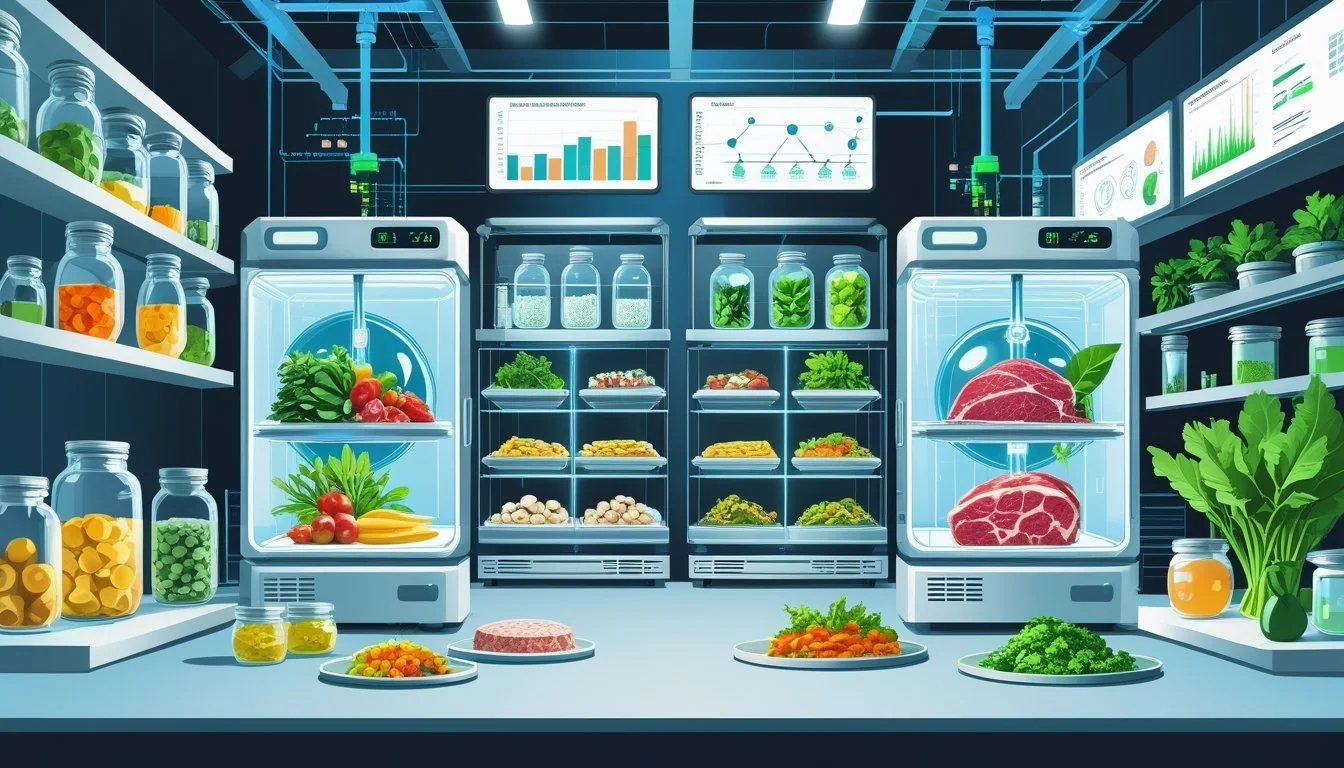
Preservation methods for lab-grown foods rely on precisely controlling environmental factors, using advanced processing technologies, and applying scientific models to predict shelf life. Each approach targets specific threats to food quality, such as microbial growth, nutrient loss, or texture changes.
Refrigeration and Temperature Control
Temperature management is critical for lab-grown foods, similar to traditional perishable products. Refrigeration at 4 °C helps maintain cell structure, inhibit spoilage bacteria, and extend shelf life for several days to a week, depending on the specific product.
For some foods, freezing can further slow down biological and chemical reactions. However, it may affect texture or flavor due to ice crystal formation.
Strict temperature monitoring is essential. Even brief exposure to higher temperatures can increase the risk of spoilage or reduce nutritional quality.
Use of modified atmosphere packaging alongside refrigeration can further preserve freshness by limiting oxygen and moisture.
Temperature Range Typical Use Effect on Shelf Life 0–4 °C Short-term storage, fresh items Days to weeks extension -18 °C Long-term storage, frozen products Months extension
High-Pressure and UHT Processing
High-pressure processing (HPP) uses intense pressure to inactivate harmful microorganisms while preserving most nutrients and sensory qualities. HPP is especially effective for ready-to-eat or minimally processed lab-grown foods.
Ultra-high temperature (UHT) treatment, commonly used for milk, rapidly heats products to above 135 °C for a few seconds. This process destroys pathogens and extends shelf life without the need for refrigeration until opened.
For lab-grown liquid foods or beverages, thermosonication—combining ultrasound and heat—can further reduce microbial loads. Such combination methods can increase shelf life by up to two weeks while maintaining vitamin levels and taste.
UHT and HPP may be less suitable for every product, as they can alter texture or certain heat-sensitive nutrients.
Kinetic Models and Water Activity
Kinetic models provide mathematical tools to predict how quickly quality loss or spoilage will occur under defined environmental conditions. These models help optimize storage protocols and determine realistic expiration dates for lab-grown foods.
Water activity (aw) is a crucial factor affecting microbial growth. By lowering water activity—through dehydration, solute addition, or modified atmospheres—shelf life can be extended without heavy reliance on chemical preservatives.
Manufacturers often design products with target water activity levels below 0.85, a threshold that inhibits most pathogens.
Regular monitoring and adjustment of both water activity and storage conditions are fundamental for maintaining safety and quality in lab-grown foods. Combining kinetic modeling with real-time sensors supports early detection of spoilage and proactive waste prevention.
Enhancing Shelf Life Through Functional Properties
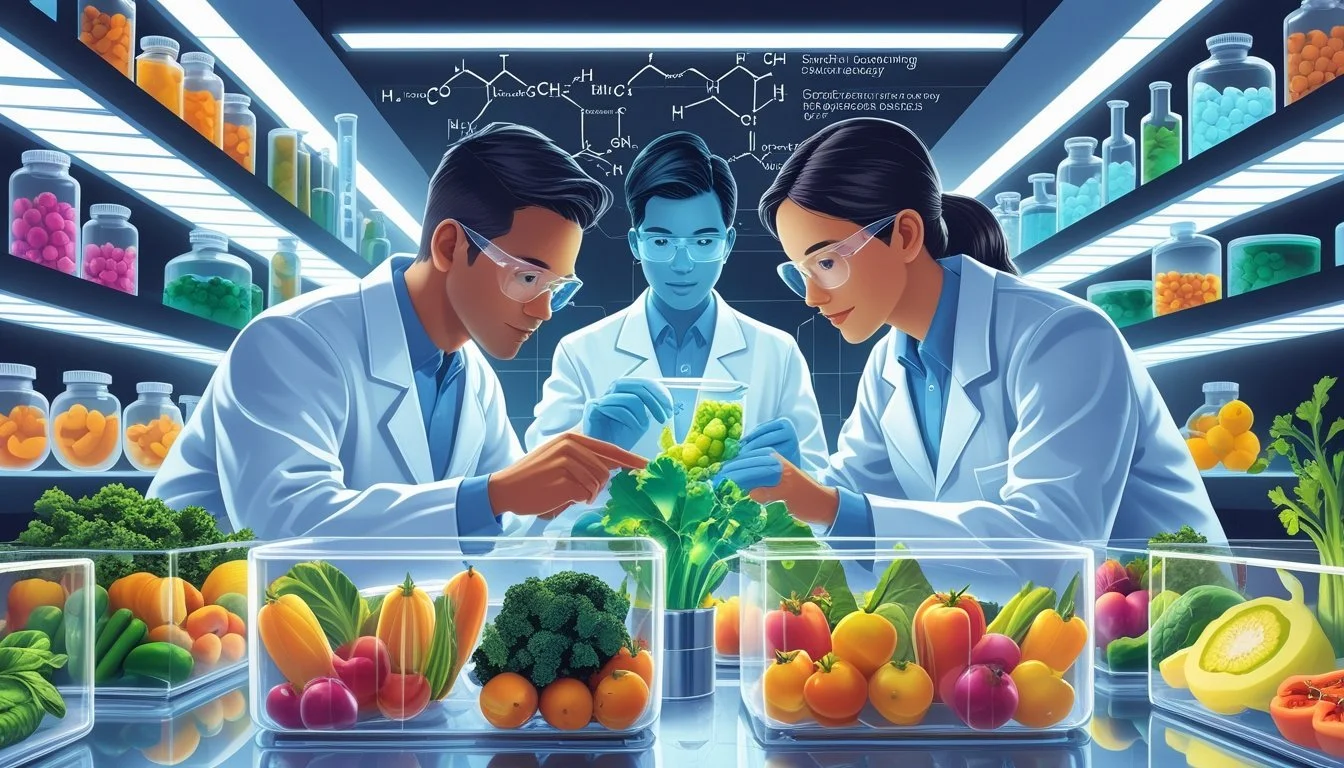
Functional properties of lab-grown foods can improve not only their preservation but also their nutritional profile. Incorporating beneficial microbes and adopting fermentation methods are key strategies used to achieve these goals.
Probiotics and Health Benefits
Probiotics, such as Lactobacillus species, play a significant role in increasing the shelf life of lab-grown foods by inhibiting spoilage organisms. These live microorganisms help stabilize the food matrix, especially when added to functional foods, by creating an unfavorable environment for harmful bacteria through acid production.
Regular consumption of probiotic-rich foods is linked to improved digestion and immune function. The presence of probiotics also adds value to lab-grown foods by supporting gut health, reducing inflammation, and possibly lowering the risk of certain infections. Lactobacillus and other probiotic strains are often included in plant-based and cell-cultured products to enhance both their shelf stability and health benefits.
A comparison of common probiotic strains and their benefits:
Strain Key Benefit Food Application Lactobacillus Supports gut health Yoghurt, cheese Bifidobacterium Improves digestion Fermented drinks Streptococcus Balances microflora Dairy products
Fermented Lab-Grown Foods: Yoghurt, Cheese, and Kimchi
Lab-grown versions of classic fermented foods like yoghurt, cheese, and kimchi rely on controlled microbial fermentation to extend shelf life and boost flavor. The use of starter cultures, such as select Lactobacillus and Streptococcus strains, enables the production of desired textures while suppressing spoilage organisms.
In lab-grown yoghurt, beneficial bacteria ferment lactose, lowering pH and increasing preservation. Similarly, cultured cheese gains structure and a longer shelf life through microbial processes. Lab-grown kimchi utilizes lactic acid fermentation to create an acidic environment, slowing microbial spoilage and preserving freshness.
These fermentation techniques are not only effective for preservation but also allow customization of taste, texture, and nutritional content. As a result, lab-grown fermented foods can match or surpass traditional varieties in both stability and health functionality.
Lab-Grown Meats: Poultry and Chicken Case Studies
Innovation in lab-grown chicken and poultry continues to gain traction in the United States following recent regulatory approvals. Production methods, product safety, and shelf life now play key roles in market adoption for these meat alternatives.
Shelf Life and Preservation in Chicken Meat Alternatives
Lab-grown chicken and other poultry meats are produced under sterile conditions, which reduces initial contamination compared to traditional slaughter. This can potentially extend shelf life and lower the risk of spoilage from bacteria such as Salmonella and Campylobacter.
Producers use controlled environments and bioreactors to cultivate animal cells, resulting in consistent quality. Once harvested, the meat is handled much like conventional chicken. Standard preservation methods—such as vacuum packaging and cold storage—remain essential for keeping the product fresh.
Some companies explore adding natural preservatives or using modified atmosphere packaging (MAP) to further limit oxidation and spoilage. However, regulatory guidelines now closely monitor any additives or preservation techniques used in these new foods. Proper labeling is required, and storage guidelines typically mirror those of regular poultry meat to ensure consumer safety.
Preservation Method Application in Lab-Grown Poultry Chilled Storage Common Vacuum Packaging Common Modified Atmosphere Packaging Emerging Natural Preservatives Limited, regulated
Challenges with Poultry Meat Substitutes
There are notable hurdles for lab-grown chicken and poultry entering the commercial market. One is developing a texture and flavor profile that matches consumer expectations for real chicken. Cell-cultured meats can sometimes lack the fibrous structure of traditional poultry, requiring blending with plant-based materials or further processing.
Cost remains another barrier. Production methods are expensive, and scaling up remains a technical challenge. Current lab-grown chicken products are rarely available in grocery stores, with most sales limited to select restaurants following regulatory approval in June 2023.
Packaging, labeling practices, and regulatory compliance must meet USDA and FDA standards. Temperature monitoring during transport and storage is essential, as lab-grown poultry is equally sensitive to spoilage once removed from its sterile growth environment. For now, shelf life is similar to conventionally processed chicken, though future advances in preservation could offer improvements.
Real-Time Monitoring and Quality Control
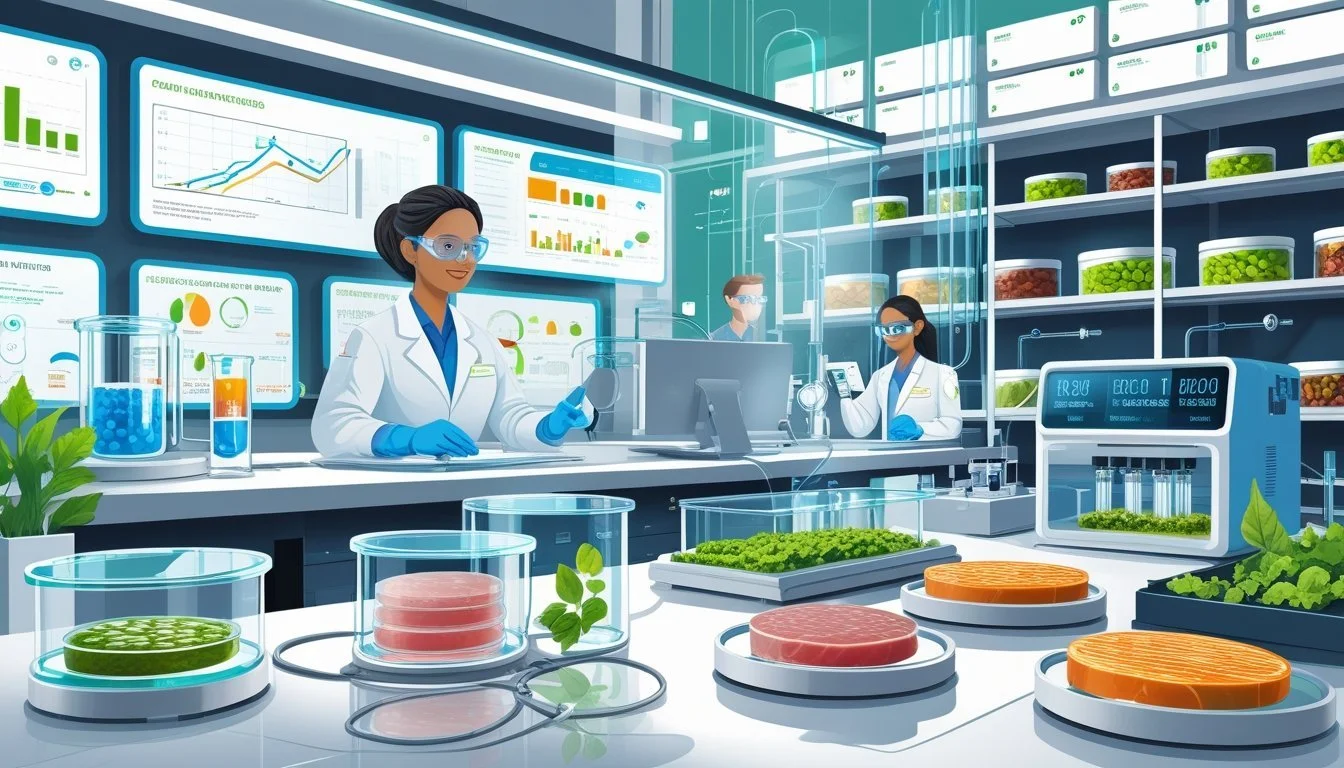
Modern lab-grown foods require accurate methods to determine shelf life and prevent quality loss. Real-time approaches and digital solutions are now key to consistently delivering safe products.
Advances in Monitoring Shelf Life
Shelf life testing has evolved from reliance on static expiration dates to dynamic, real-time assessments. Today, shelf life is commonly tracked by examining physical, chemical, and microbiological changes during storage. This helps identify when a product may no longer meet safety or quality standards.
Accelerated shelf life testing (ASLT) is often used to simulate longer storage periods within a shorter timeframe. It offers faster feedback for producers of lab-grown foods. Wireless shelf life monitoring systems now allow precise tracking of quality changes and spoilage risks, especially useful for novel food products where traditional estimation methods fall short.
Role of Sensors and Digital Technologies
Sensors play a critical role in modern food quality control. Smart sensory films embedded in packaging can detect gases like carbon dioxide or volatile organic compounds, signaling spoilage or degradation in real time. These sensors give both producers and consumers accurate alerts about food freshness.
Digital platforms integrate sensor data, enabling remote quality monitoring throughout the supply chain. Manufacturers can quickly identify potential hazards, reduce waste, and support recalls if necessary.
Continuous monitoring with digital technologies results in improved food safety for lab-grown products. This approach also allows quicker adaptation to new risks as production methods evolve.
Environmental Impact and Sustainability
Lab-grown food systems are changing how food is produced and consumed, with potential to lower the strain on key environmental resources. These approaches could lead to less food waste and better distribution, setting new standards for accessible and convenient nutrition.
Sustainability of Lab-Grown Food Production
Lab-grown meat and other cultured foods are designed to use fewer resources than traditional animal agriculture. Studies suggest that cultured meat production can reduce greenhouse gas emissions by up to 96%, cut land use by 99%, and use 90% less water compared to raising livestock. This dramatic resource reduction addresses some of the main drivers of environmental degradation worldwide.
The controlled environments of lab-grown production also minimize the need for pesticides, antibiotics, and excessive land clearing. This reduces runoff and contamination of water sources and soils. Because lab-grown systems are less susceptible to disease and climate variability, supply chains may also become more predictable and stable. However, these systems still require significant energy input, and their sustainability depends on the use of renewable energy sources for production facilities.
Reducing Food Waste and Improving Convenience
Traditional food production is often hampered by spoilage, spoilage during transport, and unpredictable shelf life. Lab-grown foods offer the possibility of being designed specifically for longer shelf life and extended freshness. For example, the sterile production of cultured meat allows for less risk of microbial contamination, which can reduce spoilage and increase the window for safe consumption.
Longer shelf life brings added convenience for both consumers and retailers. It can decrease the frequency of transportation and storage needs, cutting down on emissions related to logistics. Less food wasted at every stage—from factory to fridge—means more efficient use of the resources invested in each product. Lab-grown foods also open up options for tailored preservation methods, such as packaging improvements and built-in freshness indicators.
Accessibility and Future Outlook
Lab-grown foods have the potential to reshape food accessibility. By moving production away from reliance on agricultural land and animal herds, cultured foods can be produced in regions with limited farmland or harsh climates. This can support food security efforts by enabling year-round local production.
As lab-grown food technologies develop, costs are expected to decrease, making these foods more widely accessible. Increased investment and improved scaling could lower prices, placing environmentally friendly foods within reach of more consumers. Attention to regulatory standards, fair distribution channels, and investments in infrastructure will all influence how accessible lab-grown products are as they become a larger part of the global food supply.

