
Future-Proofing Food Supply with Shelf Life Innovation
Ensuring Global Food Security
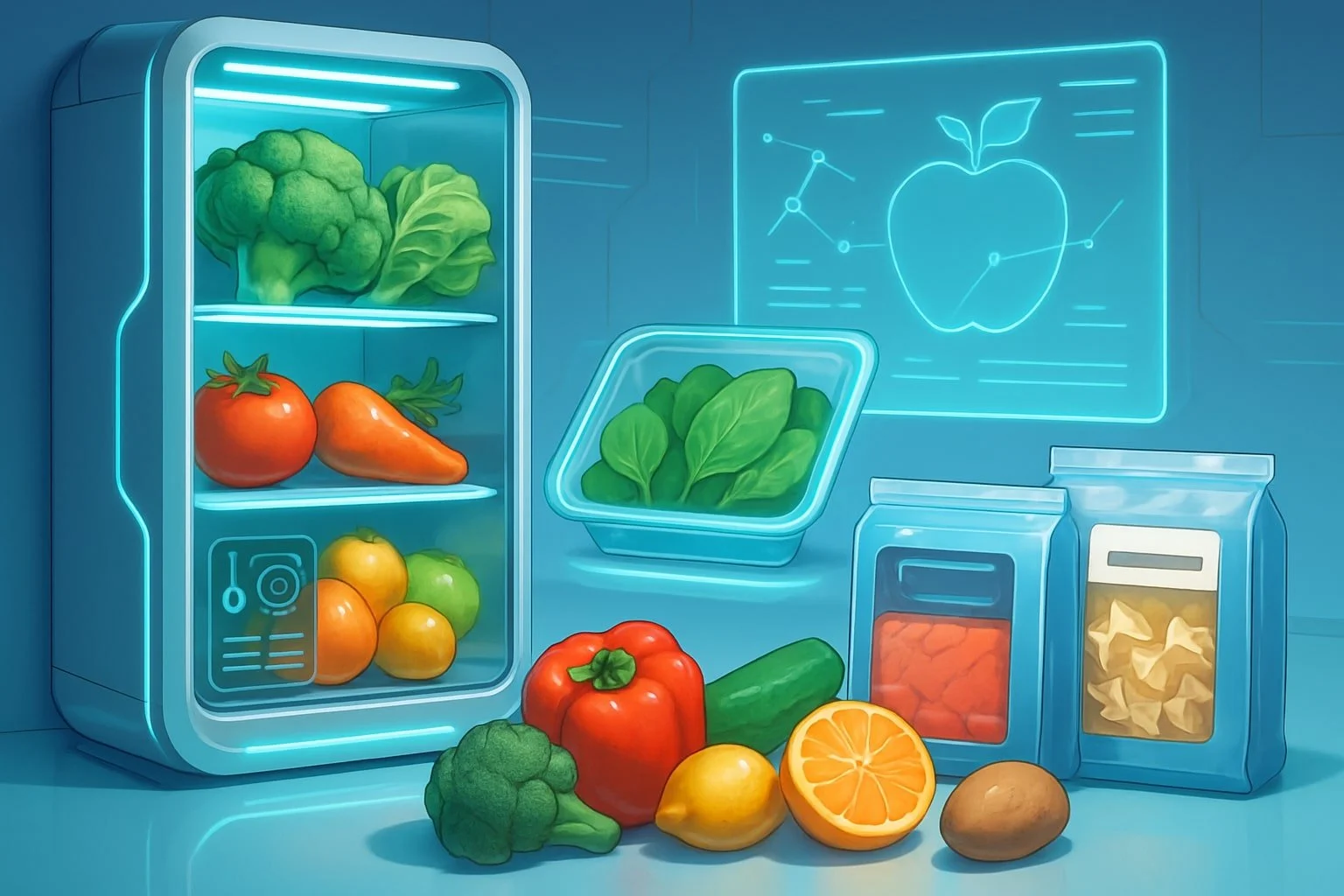
Innovations that extend food shelf life are critical for future-proofing the global food supply, combating waste, and improving food security. With advances in packaging technology, microbial management, and preservation methods, producers now have more tools than ever to deliver fresher, safer products and meet changing consumer demands.
Modern shelf life solutions reduce spoilage, withstand supply chain disruptions, and support sustainability by minimizing food loss. From active and smart packaging to safer preservation strategies, these developments address pressing global challenges while ensuring quality food remains available for longer periods.
The Importance of Future-Proofing Food Supply
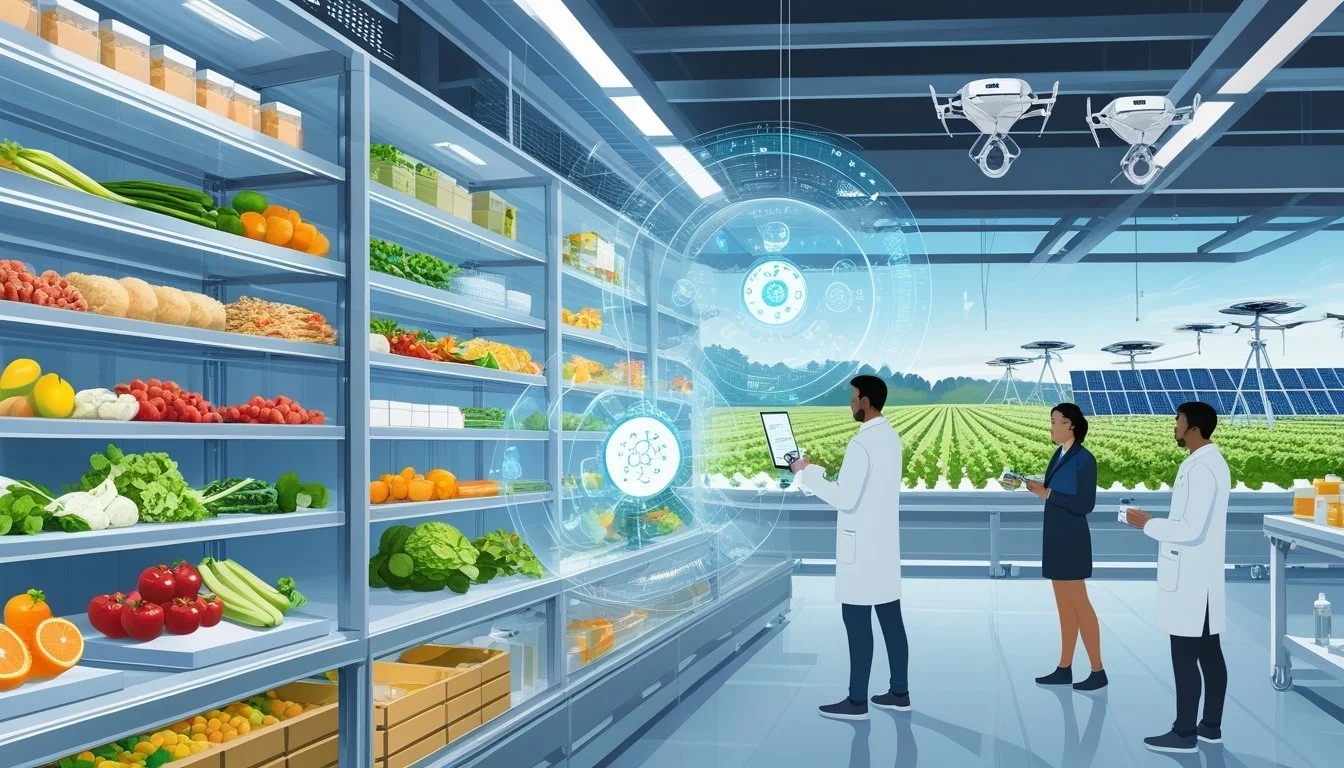
Future-proofing the food supply is critical due to mounting pressures from population growth, shifting consumption patterns, supply chain disruptions, and the persistent challenge of food waste. Addressing these issues with shelf life innovation helps maintain global food security and resilience.
Rising Demand and the Global Population
The global population is projected to reach almost 10 billion by 2050, putting unprecedented demand on food systems. As populations grow, there is an increasing need for food variety, nutritional quality, and reliable access.
Meeting this demand strains agricultural resources and leads to intensification of food production. Land and water limitations make it harder to expand traditional farming. Urbanization also shrinks available arable land, making efficiency in food distribution more important.
Population growth intensifies challenges in both developed and developing regions. In low-income countries, access and distribution are critical, while wealthier countries confront greater food waste and consumer expectations for freshness. Innovations that extend shelf life can help provide stable, long-term solutions as the world’s food demand rises.
Food Security and Food Waste
Food security is directly affected by how much food is lost or wasted before reaching consumers. In developing countries, losses often occur at early production and storage stages due to inadequate preservation or infrastructure.
In developed regions, most waste happens at the retail and consumer levels, frequently from spoilage or over-purchasing. Food waste accounts for billions of tons lost each year, undermining food security and sustainability.
Strategies such as improved packaging, processing, and preservation technologies are essential. These innovations can boost shelf life, cut down on waste, and ensure a larger share of produced food actually reaches people. By minimizing waste, food systems become more resilient to shocks or fluctuations.
Impact on Supply Chains
Efficient, robust supply chains are vital for delivering food worldwide, but they are vulnerable to disruption from climate change, geopolitical tensions, and pandemics. Spoilage and short shelf lives add further strain, often resulting in costly losses.
Longer shelf lives reduce pressure on every stage of the supply chain. Foods that last longer allow for more flexible transportation and storage, cushioning disruptions from delays or logistics issues.
Innovations in shelf life not only help mitigate spoilage but also enable diversification in sourcing, simplify logistics, and provide contingency during unexpected events. This adaptability is essential for sustaining a reliable global food supply in an increasingly complex and unpredictable world.
Understanding Shelf Life and Its Role in Food Systems
Shelf life is a central concept in food production, determining how long food keeps its safety, quality, and nutritional value. Controlling shelf life supports food safety, reduces waste, and is an essential part of modern quality control processes.
Defining Shelf Life
Shelf life is the period during which a food product remains safe for consumption and retains its sensory, nutritional, and functional qualities. This period begins at manufacturing and continues until the product is no longer acceptable based on safety or quality standards.
Products can experience changes in taste, appearance, texture, and nutritional value as they age. End of shelf life may be reached before obvious spoilage, particularly if microbial growth, chemical reactions, or physical changes occur.
Manufacturers use laboratory testing, predictive modeling, and storage trials to define shelf life. Regulatory agencies often set minimum safety and quality thresholds that help determine how a product’s shelf life is labeled and managed.
Factors Affecting Shelf Life
Multiple variables influence shelf life and require close monitoring in food production:
Temperature: Improper storage temperatures can accelerate microbial growth and spoilage.
Humidity: High moisture levels can enhance mold and bacterial development.
Packaging: Barrier properties and oxygen control in packaging materials help prolong shelf life.
Ingredient quality: Initial microbial load and composition affect spoilage rates.
Processing methods: Pasteurization, canning, or high-pressure treatments extend shelf stability.
Distribution and handling: Delays or breaks in the supply chain can reduce the expected shelf life.
Table: Key Shelf Life Influencers
Factor Impact on Shelf Life Temperature Affects microbial growth and chemical reactions Packaging Controls exposure to air, moisture, and contaminants Ingredients Starting quality influences rate of spoilage Processing Can slow spoilage and reduce pathogens Handling Mishandling can introduce contamination or damage product
Implications for Food Safety and Quality
Shelf life management is critical to both food safety and product quality. Foods consumed past their shelf life may pose risks such as foodborne illness caused by pathogens like Salmonella or Listeria.
Effective quality control relies on accurate shelf life determination. Producers must ensure that products meet regulatory and consumer standards for taste, texture, and nutritional value for the entire shelf life period. Detailed monitoring and periodic testing inform accurate labeling and recall systems.
For food production and retail, optimizing shelf life reduces spoilage and economic losses, supporting both sustainability and consumer trust. Transparent shelf life practices contribute to efficient supply chain management and help prevent unnecessary food waste.
Technological Innovations Extending Shelf Life
Emerging technologies are changing how food stays safe, fresh, and marketable for longer periods. These advances offer concrete solutions to reduce food waste, enhance quality, and increase supply chain efficiency.
Modified Atmosphere Packaging
Modified Atmosphere Packaging (MAP) is a technology that changes the composition of gases around food. By reducing oxygen levels and elevating carbon dioxide or nitrogen, MAP slows down spoilage and microbial growth. This process is especially effective for perishable products like meat, dairy, and fresh produce.
Key benefits of MAP include extended shelf life, maintained texture, and reduced need for chemical preservatives. The process can be customized for specific food types, allowing for tailored solutions. For example, leafy greens benefit from precise humidity and gas mixtures that keep them crisp longer.
Table: Typical Gas Mixtures in MAP
Food Type Oxygen (%) Carbon Dioxide (%) Nitrogen (%) Fresh Meat 70 20 10 Cheese 0-1 30-40 60-70 Salad Greens 3-5 5-10 85-92
MAP requires specialized machinery but is widely adopted in commercial food production worldwide.
Advanced Food Packaging Solutions
Recent advancements in food packaging use smart materials and coatings to actively control the internal environment of packaging. Edible coatings, antimicrobial films, and nanotechnology are leading the way in this field.
Antimicrobial packaging uses substances that inhibit bacteria and fungi directly on the food surface. Edible films made from biopolymers form barriers that slow moisture loss and oxidation. Nanotechnology allows for packaging that signals spoilage or releases preservatives as needed.
Some solutions also include intelligent labels that change color to indicate freshness. These innovations provide both protection and real-time information, giving consumers greater confidence in product safety and quality.
3D Printing for Food Preservation
3D printing in food preservation enables the precise layering of ingredients and protective substances. By structuring food products at a microscopic level, it is possible to control how gases and moisture move through the food, which impacts spoilage rates.
For example, 3D printing can encapsulate sensitive ingredients in edible barriers, delaying their exposure to oxygen. It can also create personalized servings that minimize leftovers and waste. Manufacturers use 3D printing to design packaging inserts that extend shelf life through moisture absorption or gradual release of preservatives.
This technology is still emerging but demonstrates a pathway for highly customizable and efficient shelf life extension methods in the future.
AI and Automation in Shelf Life Optimization
Artificial intelligence and automation are providing food producers with more accurate ways to manage the shelf life of products. Data-driven methods can minimize waste, improve safety, and keep inventory movements efficient.
Machine Learning Predictive Models
Machine learning models analyze historical sales data, environmental conditions, and sensor inputs to predict the shelf life of perishable food.
They use large datasets, including temperature, humidity, and past spoilage events, to identify patterns that lead to faster or slower product deterioration. Some algorithms adapt in real time, updating predictions based on current storage or transport conditions.
Key benefits include:
Shelf life extension: More precise forecasts support better inventory rotation.
Reduced waste: With spoilage predicted earlier, unsellable stock is minimized.
Decision support: Automated alerts enable faster action by warehouse staff.
These models can be deployed in processing plants, warehouses, and retail settings. Supermarkets are using these predictions to optimize stock levels and minimize expired products on shelves.
Digital Twin Applications
Digital twins are virtual models that simulate the physical condition and environment of food products during storage and transport.
They ingest real-world data, such as sensor readings for temperature and oxygen, and use it to mirror and predict the actual state of the food item. This approach allows operators to foresee how specific batches will age under current or simulated conditions.
Table: Key Uses of Digital Twins in Shelf Life Management
Application Benefit Virtual testing Identify spoilage risks fast Scenario simulation Plan optimal transport routes Real-time monitoring Respond quickly to deviations
Digital twins improve shelf life forecasting accuracy by capturing complex interactions that might not be visible through single-sensor data alone. This helps in making fine-grained, batch-level decisions and supports compliance with safety regulations.
Enhancing Food Supply Chains Through Innovation
Digital transformation and technological advancements are streamlining food supply chains, enabling greater transparency, efficiency, and resilience. These changes support food safety, minimize waste, and help deliver products with optimal shelf life.
Blockchain for Traceability
Blockchain offers a decentralized digital record that tracks every stage of product movement in the food supply chain. This technology enables real-time traceability, ensuring all parties have access to the same, tamper-resistant data. Transparency resulting from blockchain reduces the risk of fraud and boosts consumer and regulator confidence.
Table: Blockchain Benefits in Food Supply Chains
Benefit Description Improved Traceability Full visibility from farm to shelf Faster Recalls Pinpoint and isolate affected batches quickly Fraud Reduction Hard-to-alter records discourage false claims Transparency Data access for producers, transporters, retailers
By implementing blockchain, supply chains respond more effectively to incidents and reduce inefficiencies often found in complex networks.
Smart Logistics and Real-Time Monitoring
Leveraging IoT sensors, GPS tracking, and data analytics, smart logistics ensure food products are transported and stored under ideal conditions. Real-time monitoring provides immediate data on temperature, humidity, and location, helping to prevent spoilage and extend product shelf life.
When issues such as a break in the cold chain occur, automated alerts notify stakeholders instantly. This proactive approach reduces food loss during transit and allows corrective action before products are affected.
Smart logistics also support better planning by offering live status updates. List of Real-Time Monitoring Capabilities:
Continuous temperature tracking
GPS location updates
Predictive analytics for maintenance and transport efficiency
These advancements make food logistics more reliable and adaptive to changing supply chain demands.
Sustainability and Environmental Impact of Shelf Life Innovations
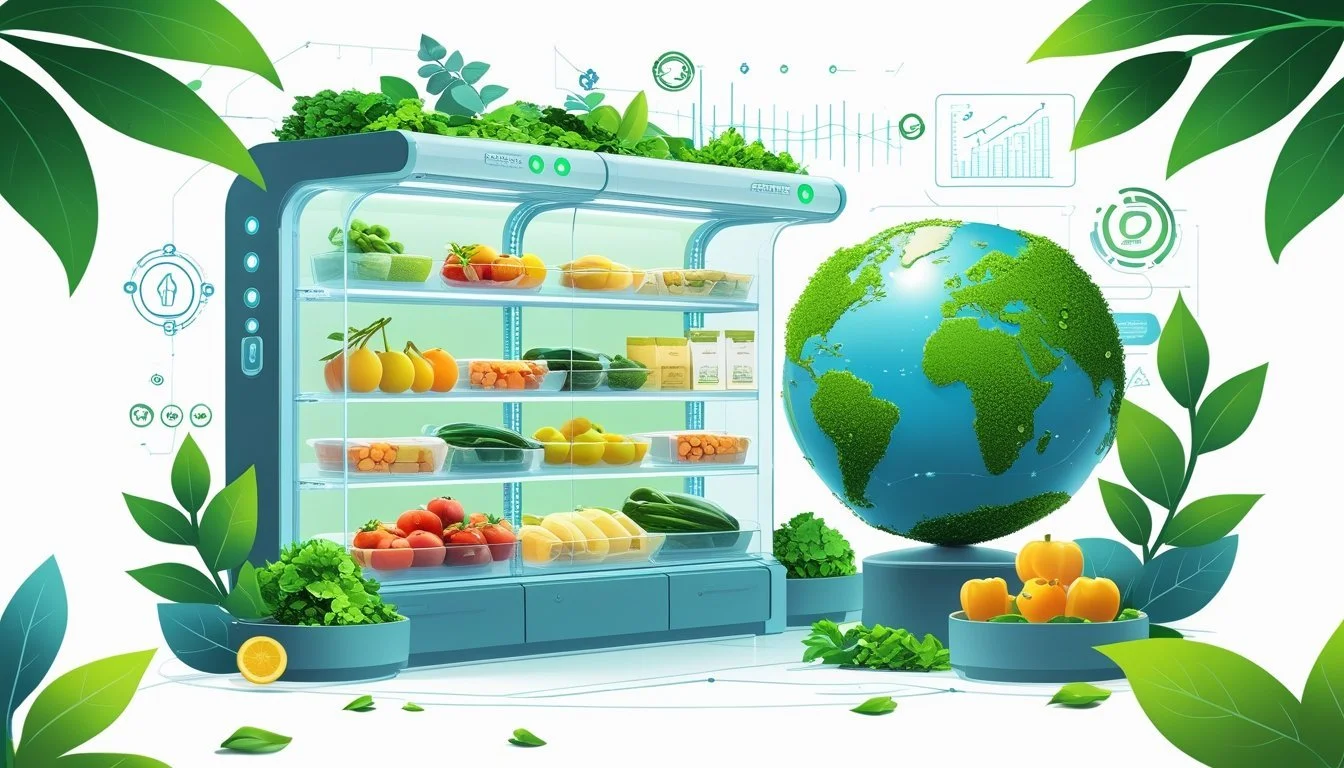
Shelf life innovations play a direct role in improving the environmental performance of the food supply chain. These advances specifically support waste reduction and influence packaging sustainability.
Reducing Greenhouse Gas Emissions
Short shelf life contributes to food loss and waste, both of which significantly increase greenhouse gas emissions. Modern packaging technologies that prolong freshness help minimize discarded food, which in turn lowers methane emissions from landfills.
Refrigeration and logistics energy use also decrease when food lasts longer. By enabling more efficient distribution, extended shelf life reduces the frequency of shipments and the need for energy-intensive cold storage.
Some new materials, such as bioplastics and nanocellulose-based films, are manufactured using less carbon-intensive processes. These packaging options further help to shrink the overall carbon footprint of food systems.
Life Cycle Assessment of Packaging Technologies
A thorough life cycle assessment (LCA) of packaging evaluates the environmental cost from material extraction to disposal. Innovations like recyclable multilayer films, compostable plastics, and edible coatings are compared against traditional plastics using established LCA methodologies.
Key metrics in LCA include:
Raw material sourcing impacts
Manufacturing energy and emissions
Transportation and logistics requirements
End-of-life scenarios (landfill, recycling, composting)
Studies have shown that some advanced biopolymer and nanotechnology-based packages offer lower total impacts when integrating shelf life gains and successful post-use management. However, the sustainability benefits depend on infrastructure and end-of-life handling. Therefore, the environmental value of each innovation must be evaluated in the context of actual use, local recycling, or composting systems.
Alternative Proteins and Regenerative Agriculture in Food Security
Diversifying food production methods is essential to ensure stable supply chains and address potential disruptions. Both alternative proteins and regenerative agriculture contribute to building resilience and improving nutrition in the food industry.
Emergence of Alternative Protein Sources
Alternative proteins, such as plant-based, microbial, and cultivated meats, are expanding rapidly in the global food industry. They are formulated to reduce dependence on conventional animal agriculture.
Startups and established companies are developing protein-rich products using ingredients like soy, peas, fungi, and algae. These new sources can lower resource use, including land and water. Governments and research institutions are increasingly supporting the alternative protein sector to promote food security and sustainable agriculture.
Adoption of alternative protein production reduces greenhouse gas emissions compared to traditional livestock. Increased availability and innovation have made these products more accessible, offering additional protein options for farmers and consumers alike.
Regenerative Agriculture Practices
Regenerative agriculture focuses on farming methods that restore soil health, sequester carbon, and enhance biodiversity. Common practices include cover cropping, crop rotation, and reduced tillage.
These methods can improve water retention, promote nutrient cycling, and decrease reliance on chemical inputs. Farmers who transition to regenerative systems may build greater resilience against drought, pests, and other challenges.
The food industry benefits by sourcing ingredients from regenerative farms that commit to soil and ecosystem regeneration. Integrating these practices supports long-term productivity and helps maintain stable food supplies under changing climate conditions.
Future Trends and Challenges in Shelf Life Innovation
Innovations in shelf life management are influenced by environmental concerns, technological integration, and evolving industry practices. Addressing these factors requires targeted solutions that align with the realities of food systems worldwide.
Adapting to Climate Change
Climate change impacts food shelf life through increased temperature fluctuations, humidity changes, and altered pest dynamics. Producers must adapt by using predictive analytics and new packaging materials to counter rising risks of spoilage.
Table: Impacts of Climate Change on Shelf Life
Factor Challenge Potential Solution Heat Waves Faster spoilage Heat-resistant packaging Variable Rainfall Mold and moisture issues Improved desiccant technologies Pest Population Increased contamination Advanced monitoring and pest control
AI-driven shelf life modeling can help forecast storage and transit risks under shifting climate patterns. By pairing real-time data with adaptive processes, it becomes possible to reduce food waste more effectively.
Integration Across the Food and Beverage Industry
The food and beverage industry is deploying new tools like AI and blockchain for better shelf life prediction and traceability. Such innovations are not uniform; their adoption depends on company size, product type, and regulatory environment.
Larger companies are integrating supply chain transparency and automated monitoring systems. For small and medium enterprises, cost hurdles remain a challenge, though lower-cost sensors and cloud-based solutions are helping bridge this gap.
Key industry goals include clean-label compliance, food safety, and meeting shelf-life standards. By improving data sharing and continuous quality checks, the industry can provide safer products and minimize recalls.
Outlook for Fresh Produce Management
Managing the shelf life of fresh produce requires fast, accurate quality assessments. Non-destructive testing, such as hyperspectral imaging and smart sensors, now allows real-time monitoring without damaging the product.
Innovations in edible coatings and nanotechnology are helping delay spoilage and reduce waste for fruits and vegetables. Optimizing cold chain logistics and applying advanced forecasting for perishability can further extend the freshness window.
Challenges remain around scaling these solutions and ensuring adoption across smaller producers. Sustainable materials and data-driven logistics will play central roles in supporting longer shelf life and improved food security in produce markets.

