
How Our Minds Interpret Food Quality

The experience of “freshness” is shaped as much by psychological perception as by actual physical qualities. Many people believe they can easily distinguish fresh products from those that are not, but research shows these judgments are often influenced by unconscious biases and cultural cues rather than objective reality.
Consumer minds often associate certain appearances, smells, and even words with freshness, but these signals can be misleading. What feels or looks fresh is sometimes more a reflection of expectation and marketing than product quality. As a result, the gap between how people perceive freshness and what is real can have a meaningful impact on choices, satisfaction, and even waste.
Defining Freshness: Psychological and Physical Dimensions
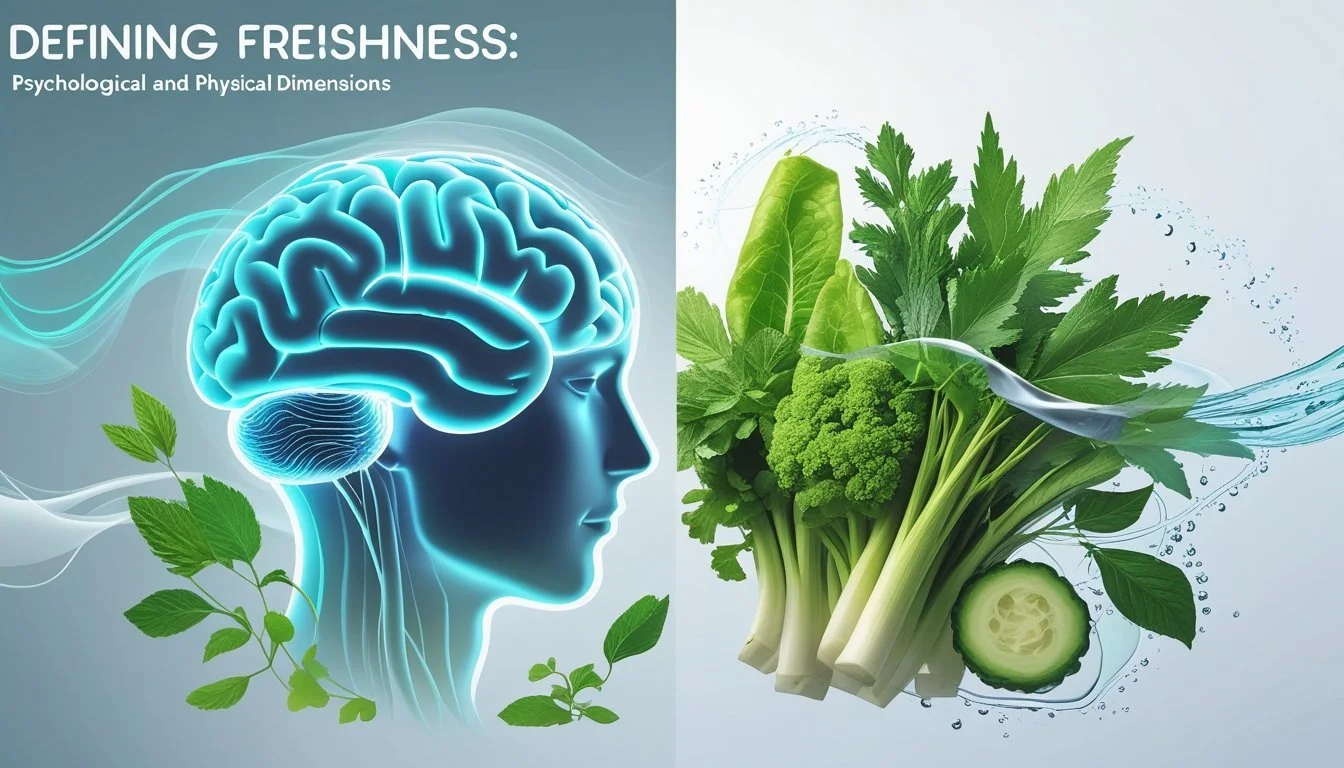
Freshness is shaped by both objective physical attributes and subjective psychological perceptions. The distinction between what is measurable and what is experienced drives preferences, behaviors, and even purchase decisions.
Freshness in Food and Beverages
Freshness in food and beverages involves a combination of sensory cues such as appearance, aroma, texture, and taste. Consumers often associate bright colors, firmness, and crispness with fresh fruits and vegetables. In beverages, clarity and effervescence are common signals.
Physical freshness often depends on objective indicators like harvest date, temperature control, and chemical properties. However, individuals respond most strongly to immediate sensory impressions rather than underlying qualities. Supermarkets and producers leverage these cues by enhancing displays and packaging to reinforce the idea of freshness.
Table: Common Sensory Cues of Freshness
Product Visual Texture Aroma Fruits Color Firmness Bright, sweet Vegetables Shine Crispness Earthy Beverages Clarity Bubbles Citrus, mint
Perceived Freshness Versus Measurable Freshness
Perceived freshness does not always align with measurable freshness. Psychological perception depends on external signals, like glistening produce or cool condensation on drink containers, rather than scientific freshness markers.
Researchers have noted that consumer choices are often influenced by presentation at the point of sale and the sensory experience during use. Subjective impressions may lead consumers to rate a product as "fresh" even if tests reveal older age or minor degradation.
Physical measures—such as microbiological tests or chemical freshness indicators—provide objective data, but these are rarely accessible to consumers. This gap can cause differences between what is believed to be fresh and what actually is.
Refreshing and Thirst-Quenching Sensation
The sensation of "refreshing" or thirst-quenching in beverages and certain foods links to both physiological effects and consumer expectations. Cool temperature, carbonation, and certain flavors (like citrus or mint) are common contributors.
Research has shown that these sensations are not purely chemical or biological but also heavily cognitive. People expect a cold drink to relieve thirst or a crisp apple to feel invigorating, and this expectation enhances the perceived satisfaction.
Many products are formulated or marketed to intensify the refreshing effect, using cues like frosty packaging or evocative imagery. These methods often successfully influence the perception of both freshness and thirst-quenching power, even if the actual hydration or nutritional value is unchanged.
Sensory Contributions to Freshness Perception
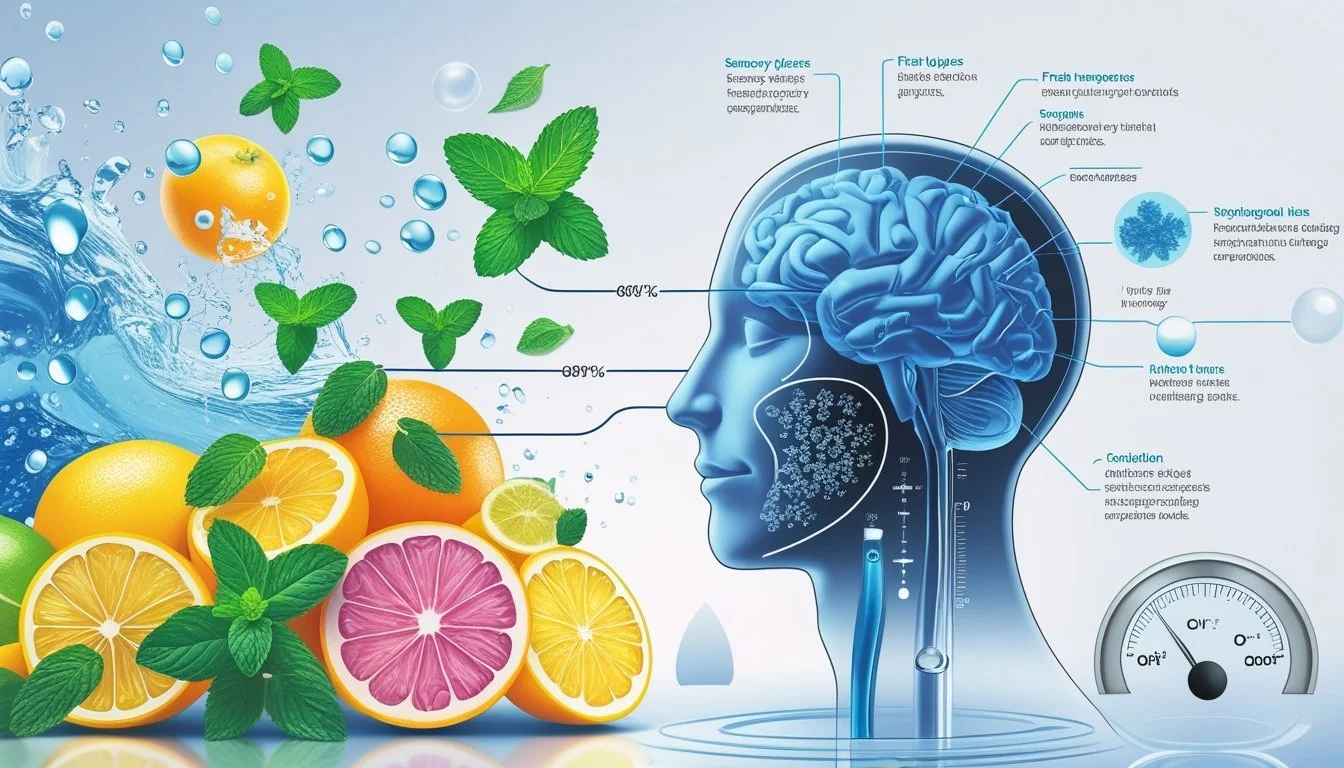
Freshness is not determined by a single sensory input but emerges from the integration of multiple sensory cues. Key sensory systems—including smell, taste, sight, hearing, and touch—each make distinct contributions to how individuals perceive freshness.
Olfactory and Gustatory Roles
Olfactory (smell) and gustatory (taste) systems play critical roles in assessing freshness, especially in food and beverages. Specific aromas, such as green, citrus, or herbal notes, often signal freshness to the brain. Off-odors or "stale" smells quickly indicate spoilage.
On the gustatory side, the sensation of sourness, mild sweetness, and moderate bitterness often correlate with perceptions of freshness in certain foods. In beverages, clean and crisp flavor notes are important.
Flavor, as a multisensory attribute, depends heavily on the combined input of smell and taste. The absence of unpleasant flavors or odors is just as important as the presence of positive ones.
Visual and Auditory Cues
Visual cues strongly shape the expectation and perception of freshness before any other sense is engaged. Bright, vibrant colors and a lack of visible blemishes or discoloration signal fresh produce or products. Transparent packaging allows consumers to visually verify quality, enhancing perceptions of freshness.
Auditory cues also become relevant, particularly with produce and beverages. The crisp "snap" of biting into a fresh apple or the fizz of carbonation in a drink reinforces the idea of freshness. Packaging that produces a tight "pop" when opened can suggest sealed-in freshness.
Table: Visual and Auditory Markers of Freshness
Cue Type Example Signal of Freshness Visual Glossy fruit skin Recent harvest Visual Clear, sparkling liquid Purity, unspoiled Auditory Carbonation fizz Liveliness, newness Auditory Crunching sound Moisture, structure
Tactile and Trigeminal Sensations
Tactile sensations like firmness, juiciness, and crispness help verify freshness via touch and mouthfeel. When people squeeze fruits or vegetables, they assess water content and cell structure by feel.
Trigeminal sensations refer to chemical or physical stimuli that activate nerve endings in the mouth and face. Carbonation, for example, creates a tingling or slightly sharp feeling that is closely associated with fresh, lively beverages.
Cool or cold sensations, such as those from chilled drinks, can heighten the perception of freshness since warmth often signals spoilage or staleness. The tactile impression of clean, smooth surfaces—such as unwrinkled fruit skin or ice-cold metal—also reinforces this perception.
Interplay of Multiple Senses
Freshness perception is fundamentally multisensory. The brain integrates olfactory, gustatory, visual, auditory, tactile, and trigeminal signals to form a composite judgment.
For example, a chilled carbonated drink with a bright color, sharp fizzing sound, citrus aroma, cool temperature, and sparkling appearance provides a consistent multisensory message of freshness. If any of these cues are missing or conflicting, the perception of freshness weakens.
The combination and coherence of sensory inputs are more influential than any single cue. This integration explains why freshness is often experienced as a holistic impression, resulting from simultaneous sensory validation.
Cognitive Mechanisms Behind Freshness Perception
Freshness perception is shaped by a complex interplay of cognitive processes, sensory cues, and learned associations. This experience blends direct sensory data with memory, attention, semantics, and broader consumer behaviors.
Attentional Aspects and Memory
Consumers’ attention is often drawn to distinct sensory signals when evaluating freshness. Bright colors, crisp textures, and certain scents can trigger immediate judgments. Visual and olfactory cues tend to dominate, directing focus even when other indicators may be present.
Past experiences play a key role through memory. Repeated exposure to fresh fruits, beverages, or other foods forms templates in long-term memory. These mental templates influence future assessments, reinforcing expectations about what should be considered “fresh.”
Attentional bias also appears, as people may overlook less obvious spoilage cues when visual markers suggest freshness. This can lead to overreliance on simple features, especially in quick decision-making settings such as supermarkets.
Semantic Ambiguity in Labeling
The term “fresh” is semantically flexible, leading to ambiguity in marketing and consumer interpretation. Labels often use “fresh” based on diverse definitions—sometimes referring to recent production, sometimes to sensory qualities like crunchiness or coolness.
Consumers rely on linguistic cues, but the meaning of “fresh” varies across cultures and product categories. For example, “fresh” in dairy can indicate “not preserved,” while for produce, it might mean “recently harvested” or “unblemished.”
Ambiguity in labeling affects purchasing choices. When confronted with unclear or inconsistent terminology, consumers may fall back on personal experiences or assumptions rather than objective standards. This highlights the influence of semantics as a cognitive mechanism in shaping consumer perception.
Perceptual Categories and Consumer Science
Freshness is recognized as a multisensory attribute in consumer science, involving taste, smell, sight, and even sound. This attribute is processed through perceptual categories—mental groupings based on repeated sensory exposure.
Researchers identify hybrid content in freshness perception. It incorporates both direct sensory information and concept-driven interpretations. These categories are dynamic, shaped by societal trends, marketing practices, and cultural context.
Consumer science underscores the role of these perceptual categories in driving preferences and behaviors. Consumers often align their choices with established category norms, selecting what fits their mental image of “fresh,” sometimes regardless of actual quality or spoilage.
Multisensory Integration and Crossmodal Influences

Freshness perception often results from a complex mixing of input from multiple senses rather than any single sensory channel. How people judge freshness is shaped by specific interactions across vision, taste, smell, and even sound, with these connections supported by both cognitive mechanisms and learned associations.
Crossmodal Interactions and Correspondences
Crossmodal interactions occur when information from one sense influences the perception received from another sense. For example, the presence of a mint aroma can increase not only perceived freshness but also the sensation of tingling, which reflects crossmodal correspondences.
Sweetness, on the other hand, can reduce the perceived freshness of a beverage without greatly impacting other sensations such as tingling. Factors like color and sound may also play a role; visual cues (e.g., a bright green color) and crisp, sharp sounds can increase the expectation or perception of freshness.
Table 1: Common Crossmodal Effects on Freshness Perception
Sensory Input Effect on Freshness Mint Odor Increases, tingling Sweetness Decreases Color (e.g., green) Increases Sound (crisp) Increases
Multisensory Perception in Food Products
The flavor and freshness of food and beverages are shaped by multisensory perception, involving the integration of taste, smell, touch, and sight. Each sensory input contributes specific pieces of information, but the perception of freshness is often built through their overlap and combination.
For instance, a cold beverage that smells slightly acidic and looks clear will likely be perceived as fresher than a lukewarm, opaque liquid with no aroma. This perceptual experience is not a simple sum of parts but a distinct impression based on multisensory integration.
Marketers and food scientists use these findings to design products that optimize freshness cues by altering packaging sounds, color schemes, and ingredient combinations. Multisensory cues are targeted to boost perceived quality and consumer satisfaction.
Synesthetic Experiences in Freshness Judgment
Synesthetic experiences in freshness judgment involve associating sensory impressions across modalities in ways that feel automatic or involuntary. Some people may “feel” coolness in response to certain colors or sounds, or link the experience of freshness with textures like smoothness.
These associations can be heightened by learned cultural or personal experiences. For example, a person may link the sound of fizzing with freshness after repeated exposure to carbonated drinks.
List: Common Synesthetic Experiences Linked to Freshness
Cool colors (blue, green) conjure sensations of coolness or refreshment
Tingling or slight numbness on the tongue from certain flavors (e.g., mint)
Association of fizzing sounds with crispness and vitality
These synesthetic links play a subtle but significant role in how individuals subjectively judge the freshness of products. Recognizing and leveraging them helps in shaping more compelling consumer experiences.
Influence of Flavor Profile on Freshness Perception
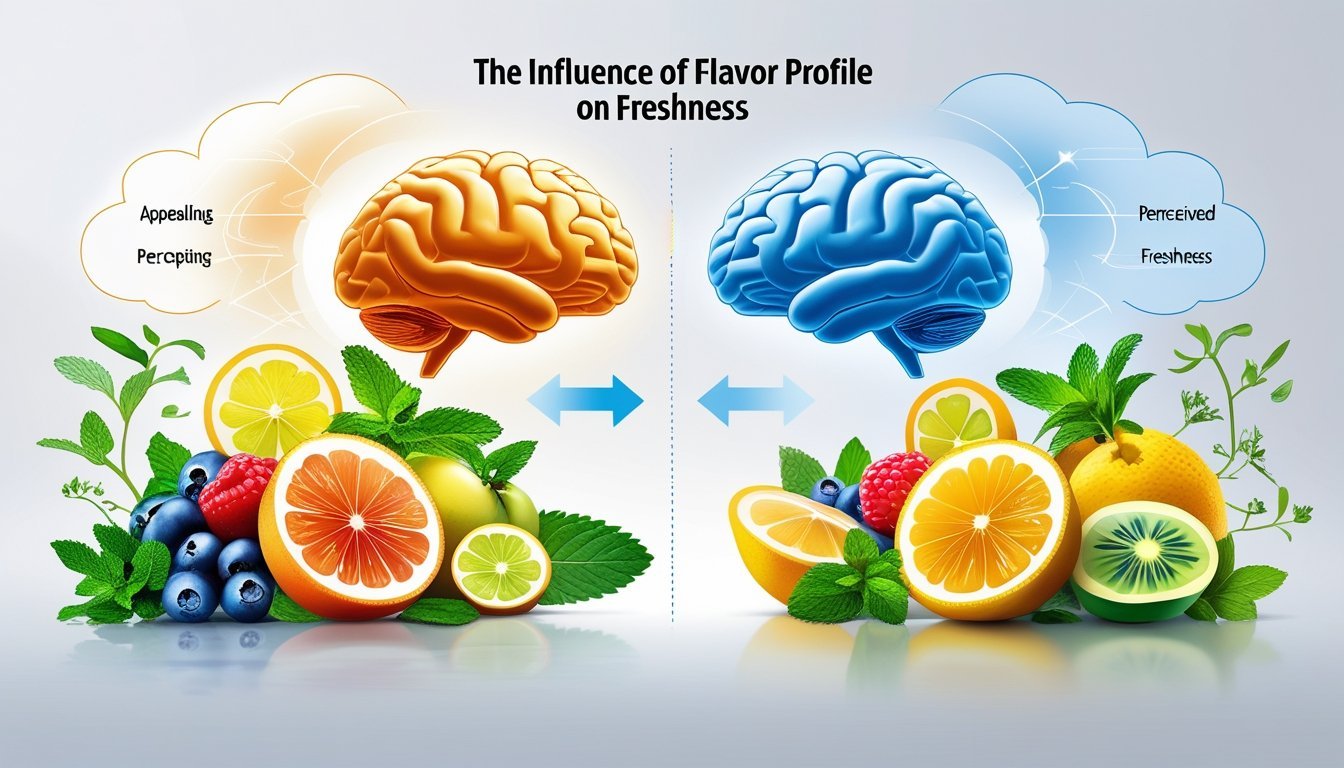
Different aspects of a beverage’s flavor can affect how consumers judge its freshness. Key components like sourness, citrus notes, mint, mouth-wetting effects, thickness, and carbonation shape these perceptions in specific, measurable ways.
Sourness, Sweetness, and Citrus Notes
Sourness is often associated directly with freshness, especially in beverages like lemonade or certain soft drinks. This is because sour tastes signal acidity, which the brain links with recently prepared or unspoiled products.
Lemon, lime, and other citrus flavors stand out, as their sharp notes trigger sensory cues tied to the idea of “fresh off the tree.” Citrusy aromas can enhance that effect. In contrast, excessive sweetness may reduce perceived freshness, since high sugar levels can mask those sharp notes and make a product seem heavier.
Small amounts of sugar may help round out acidity, but when sweetness dominates, it tends to dull the refreshing impact. The balance of sour and sweet is crucial for optimizing the impression of freshness.
Mint Flavor and Mouth-Wetting Sensations
Mint is strongly linked with sensations of cleanliness and coolness. This is due to menthol, which activates cold-sensitive receptors in the mouth, making beverages feel brisk and invigorating. Peppermint and spearmint notes amplify the sense of a freshly prepared drink.
The mouth-wetting quality refers to how quickly a beverage triggers saliva production. Higher mouth-wetting is usually perceived as more refreshing. Drinks with mint flavor, particularly when paired with cooling or aromatic notes, tend to maximize both this effect and the psychological association with freshness.
Consumers often note that a beverage “‘wakes up’ the palate” when mint and mouth-wetting sensations are strong, reinforcing the connection to being freshly made or served cold.
Thickness and Carbonation Effects
The texture or thickness of a drink can dramatically change its freshness profile. Thick or creamy beverages are regularly rated as less fresh compared to thinner, more fluid ones. Viscosity slows movement across the palate, causing the sensation to linger and feel heavier.
Carbonation, on the other hand, adds sharpness and a prickling sensation, rapidly spreading flavors throughout the mouth. This effervescence is linked with freshness because it creates a light, lively mouthfeel. Highly carbonated drinks like sparkling water or soda seem brisker and more cleansing than flat or dense liquids.
A table comparing these factors:
Factor Effect on Freshness Perception Thick Texture Less fresh, lingering sensation Thin Texture More fresh, quick palate cleansing High Carbonation Significantly fresher, lively effect No Carbonation Duller, reduced freshness impression
Packaging and Marketing: Shaping Consumer Expectations
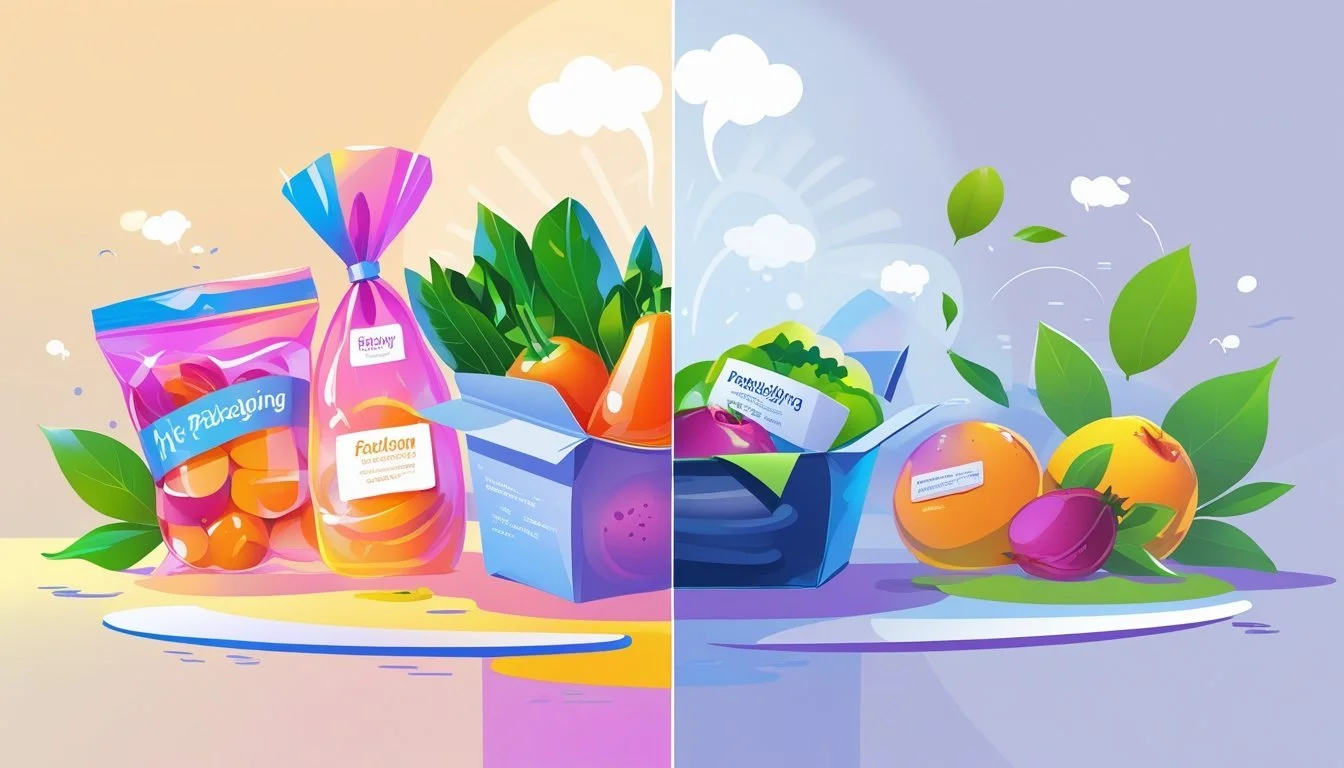
Packaging uses more than just protective materials; it strategically employs visual and audio-visual cues to shape how consumers judge the freshness and quality of products. These cues can significantly impact trust, perceived value, and purchase decisions.
Visual Design and Semantic Cues
Visual design elements on packaging, such as color, shape, and logos, play a critical role in creating a sense of “freshness.” Studies show that circular logos tend to lead to higher perceived freshness compared to angular ones. Color choices like green and blue often evoke associations with fresh, natural products, while harsh or dull shades may signal staleness.
Texture and glossiness of pack materials also influence expectations. Smooth, glossy finishes suggest cleanliness, while matte or rough textures might introduce semantic ambiguity, making the product’s true freshness less clear.
Other cues include images of vibrant produce and visible transparency, such as windows in packaging, which allow consumers to visually inspect contents. Table 1 outlines common visual elements and their psychological impact:
Visual Element Typical Effect on Freshness Perception Circular shapes Suggest freshness Green/blue colors Signal natural & fresh qualities Transparent window Trust and easy verification Dull colors May reduce perceived freshness
Audio-Visual Elements in Advertising
Audio-visual cues in marketing further influence consumer expectations about freshness. Advertisements often use crisp sound effects—like a snap, fizz, or crunch—to reinforce the idea of just-opened or newly made food. These auditory signals prime consumers to expect freshness even if the product is prepackaged.
Clear, high-resolution visuals in ads spotlight the product’s color, sheen, and moisture, making it appear more appealing. Rapid scene cuts and up-close shots can heighten sensory impact.
Combining these audio and visual techniques creates a strong perception, sometimes bridging the gap between actual shelf-life and the consumer’s sense of quality. When these elements are overused, however, they may introduce semantic ambiguity, causing skepticism about whether freshness is real or manufactured for marketing.
Psychophysiological and Individual Factors

Freshness is perceived through a combination of sensory cues and underlying psychological and physiological processes. Individual differences, including those associated with eating disorders, can significantly alter how freshness is experienced and interpreted.
Psychophysiological Responses to Freshness
The sensation of freshness often relies on specific psychophysiological factors such as mouth-wetting, cooling, and thirst-quenching effects. Mouth-wetting, for example, has been consistently linked to higher perceptions of both freshness and refreshment.
Dryness or astringency in the mouth is generally considered a negative driver, reducing feelings of freshness. Sensory signals like temperature, carbonation, or even subtle flavors also contribute to perceived freshness. These responses are closely tied to basic physiological states such as thirst and hydration.
Researchers have identified 42 individual sensory and cognitive factors that influence how people rate the freshness of foods and beverages. Examples include texture, flavor intensity, and the presence of cooling or tingling sensations.
Impact of Eating Disorders and Individual Differences
People with eating disorders may have altered perceptions of sensory cues, resulting in a different experience of freshness compared to the general population. For instance, individuals with anorexia or bulimia may be hypersensitive or hyposensitive to sensations like mouth-wetting or cooling due to changes in oral and central nervous system function.
Other individual differences, such as age, genetic taste sensitivity, and cultural background, also shape freshness perception. Personality traits and past experiences can influence the hedonic value assigned to freshness.
A table of influencing factors:
Factor Effect on Freshness Perception Mouth-wetting Increases perceived freshness Astringency Decreases perceived freshness Eating disorders Alters sensory processing Age/genetics Vary sensitivity to cues
Emerging Perspectives: Virtual Reality and Future Research
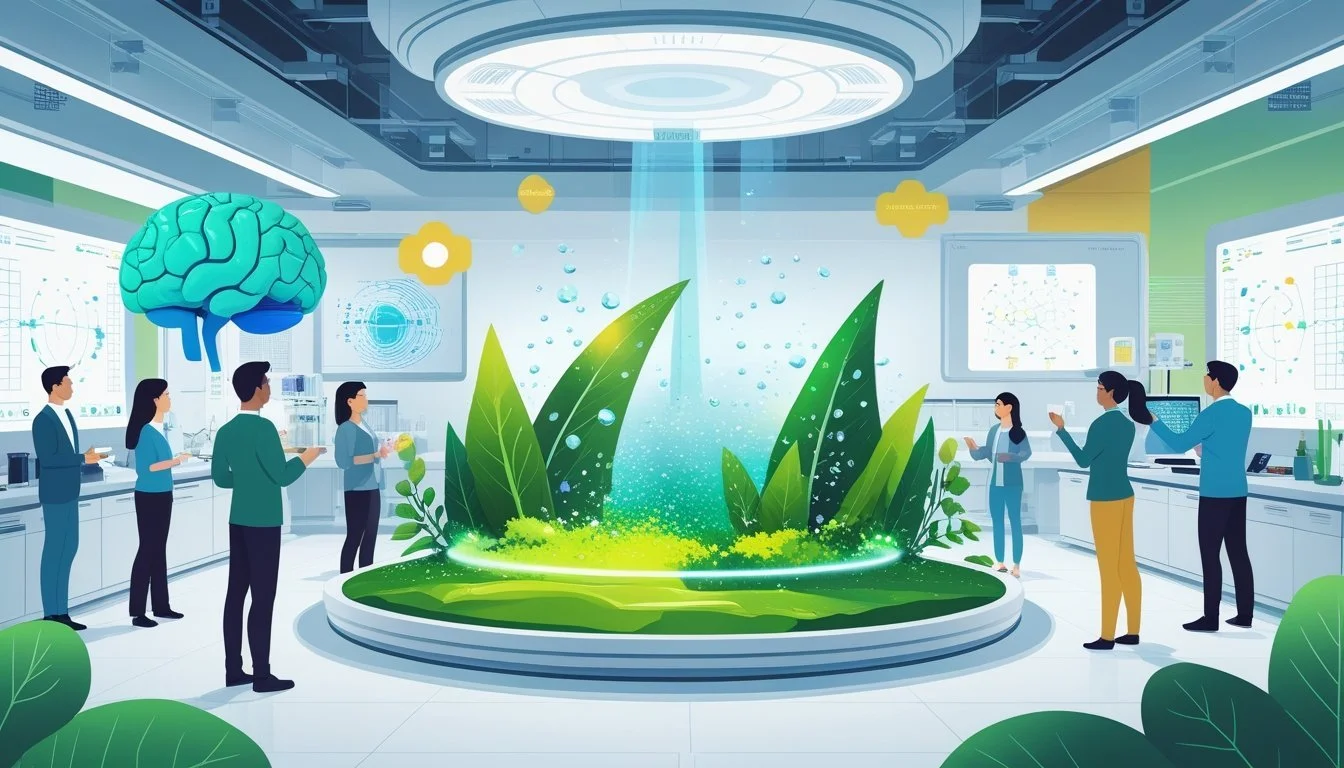
Recent technology allows researchers to explore how perceptions of freshness are formed and changed. Virtual reality (VR) is becoming a key tool for understanding the gap between sensory cues and actual product quality.
Virtual Reality Applications in Freshness Studies
Virtual reality lets consumer scientists create controlled environments to study how sight, sound, and setting impact perceptions of freshness. By using VR headsets, participants interact with virtual products and contexts without real-world distractions.
Researchers can manipulate color, lighting, and context to isolate which factors most influence a consumer’s judgement of “freshness.” This enables more precise testing than conventional methods, such as in-store surveys. For example, the difference in perceived freshness between a brightly lit, virtual supermarket and a dim, virtual pantry can be measured directly.
VR also allows rapid prototyping and testing of packaging, product placement, or signage. These simulations make large-scale experiments both practical and cost-effective. Data collected include not just self-reported impressions, but also behavioral indicators like eye movements and reach patterns.
Implications for Consumer Experience
The findings from VR studies support retailers and product designers in making informed decisions. Consumer experiences can be modeled in detail, showing how small changes in product display or store layout alter perceived freshness.
Retail environments can be virtually modified before real-world investments are made. Freshness cues such as sound (e.g., crispness of produce) or ambient conditions can be tested for effectiveness in driving purchase decisions.
Brands can use these insights to reduce food waste, redesign packaging for greater transparency, or optimize lighting to enhance appeal. This approach also helps identify mismatches between expected and real freshness, guiding future improvements in consumer satisfaction.

