
Lessons for Maximizing Product Longevity

The military’s strategies for managing shelf life demonstrate how careful planning and clear guidelines can prevent waste and ensure mission readiness. The Department of Defense categorizes supplies into precise types, tracks expiration dates, and regularly reviews storage standards to maintain reliability and safety. This level of attention is crucial when equipment, food, and medical supplies can determine outcomes in high-stakes situations.
Civilian organizations and individuals can apply these principles to everyday inventory management, emergency preparedness, and even kitchen storage. By understanding how the military approaches shelf life, anyone can make more informed decisions about purchasing, storing, and using goods.
Understanding Shelf Life in Military Context
Shelf-life management in the military relies on stringent standards and categorization. Accurate tracking and handling of shelf-life items are vital to ensure both safety and mission readiness.
Importance of Shelf Life Management
The Department of Defense (DoD) emphasizes shelf-life management to maximize the effectiveness of supplies while minimizing waste. Items with an expired shelf-life may lose essential properties, risking mission failure or safety hazards.
Demand for reliability drives careful documentation, regular inspection, and use of internal shelf-life policy. Failure to properly monitor expiration dates can result in the disposal of valuable materials or use of compromised goods. Well-managed shelf-life systems enable the military to extend usability where safe, optimizing both inventory and cost-efficiency.
A consistent approach also promotes accountability and readiness across all levels. Each unit’s preparedness often depends on these invisible logistics.
Types of Shelf Life Items
Military supplies are grouped into specific shelf-life categories based on their attributes.
Type I shelf-life items have strict expiration dates. These include items whose chemical or physical properties degrade irreversibly (e.g., medical drugs, adhesives, and certain foods). Once expired, they must be discarded immediately.
Type II shelf-life items can be re-inspected and possibly extended if they still meet predefined standards. Common examples include lubricants, paints, and some batteries.
The distinction between these types influences inspection cycles and replacement schedules. Table 1 summarizes the differences:
Type Extension Allowed Examples I No Drugs, rations II Yes (if qualified) Lubricants, batteries
Proper classification helps the military focus resources where the risk of shelf-life expiration is highest.
Deteriorative Characteristics
Deteriorative characteristics refer to how and why items degrade over time. Environmental factors such as temperature, humidity, and light exposure affect shelf-life items differently.
Some goods, like certain food products and pharmaceuticals, deteriorate rapidly due to microbial growth or chemical breakdown. Others, such as electronic components, may suffer from oxidation, corrosion, or loss of charge.
Military storage protocols are designed to limit these effects by controlling environmental variables and regularly monitoring item condition. Understanding these characteristics is necessary for setting accurate shelf-life codes and safely extending the use of key resources. Only by anticipating deterioration can the military reduce risk and ensure operational capability.
Department of Defense Shelf Life Program Structure
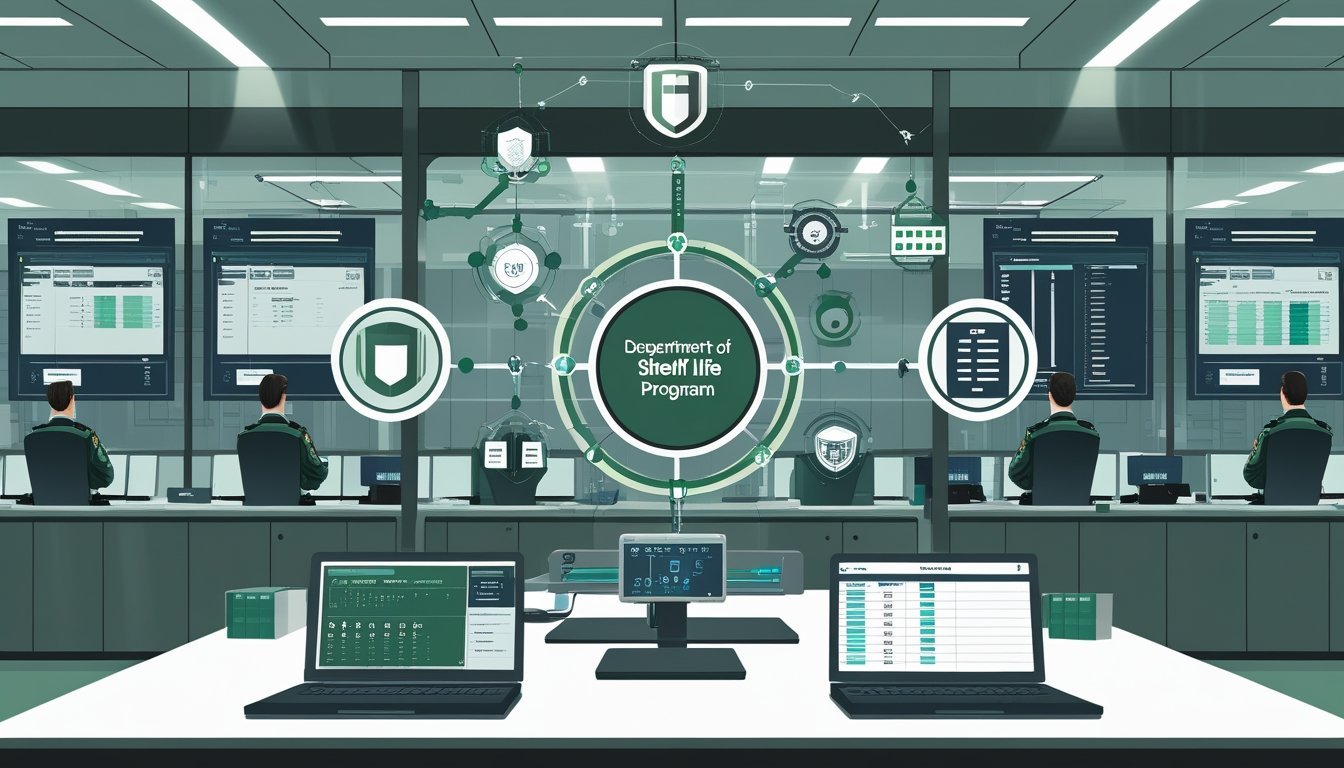
The Department of Defense (DoD) manages a comprehensive shelf-life program to ensure material reliability, reduce waste, and optimize resource use. Its policy, procedural guidance, and agency roles are well-defined and governed by official regulations and management systems.
DoD Shelf-Life Policy and Regulations
The DoD Shelf-Life Program is established under DoD Directive 5134.12 and further governed by procedures in DoD Manual (DoDM) 4140.01, particularly Volume 5. These directives mandate how materials with limited shelf life are categorized, maintained, and disposed of within the defense supply chain.
DoD regulations classify shelf-life items as either Type I (non-extendable) or Type II (extendable upon inspection or testing). Official instructions require clear labeling, regular inspection, and strict stock rotation to prevent expired items from being used.
Comprehensive policy ensures that accountability and transparency are maintained. This helps guarantee that military operations are not compromised by degraded, expired, or unreliable materiel.
Shelf-Life Program Guidance and Procedures
The DoD Shelf-Life Program prescribes step-by-step guidance for managing shelf-life materials. The program includes initial classification, assignment of expiration and inspection dates, and processes for shelf-life extension for eligible Type II items.
Procedures call for the use of the Materiel Quality Control Storage Standards (MQCSS), which outline detailed storage, inspection, and testing requirements. The Quality Status List (QSL) is used to determine if items qualify for shelf-life extension based on periodic evaluations and laboratory results.
A dedicated Shelf-Life Board, under the Executive Services Directorate, provides oversight and periodically updates guidance to reflect best practices and evolving standards. Effective management procedures help to balance readiness with cost efficiency.
Roles of the Defense Logistics Agency
The Defense Logistics Agency (DLA) is central to executing the DoD shelf-life management program. It operates the Shelf-Life Extension System (SLES), which allows users to check item eligibility for extension through electronic access to MQCSS and QSL databases.
DLA coordinates inspection schedules, processes shelf-life extensions, and ensures that military users have the most current data for decision-making. The agency appoints a Director for the DoD Shelf-Life Program, who leads and oversees program activities as stipulated by DoDM 4140.01.
Through its logistics network, DLA enables timely distribution, tracking, and compliance monitoring for shelf-life items. This ensures operational units can rely on materials that meet specific quality requirements.
Shelf Life Classification and Identification
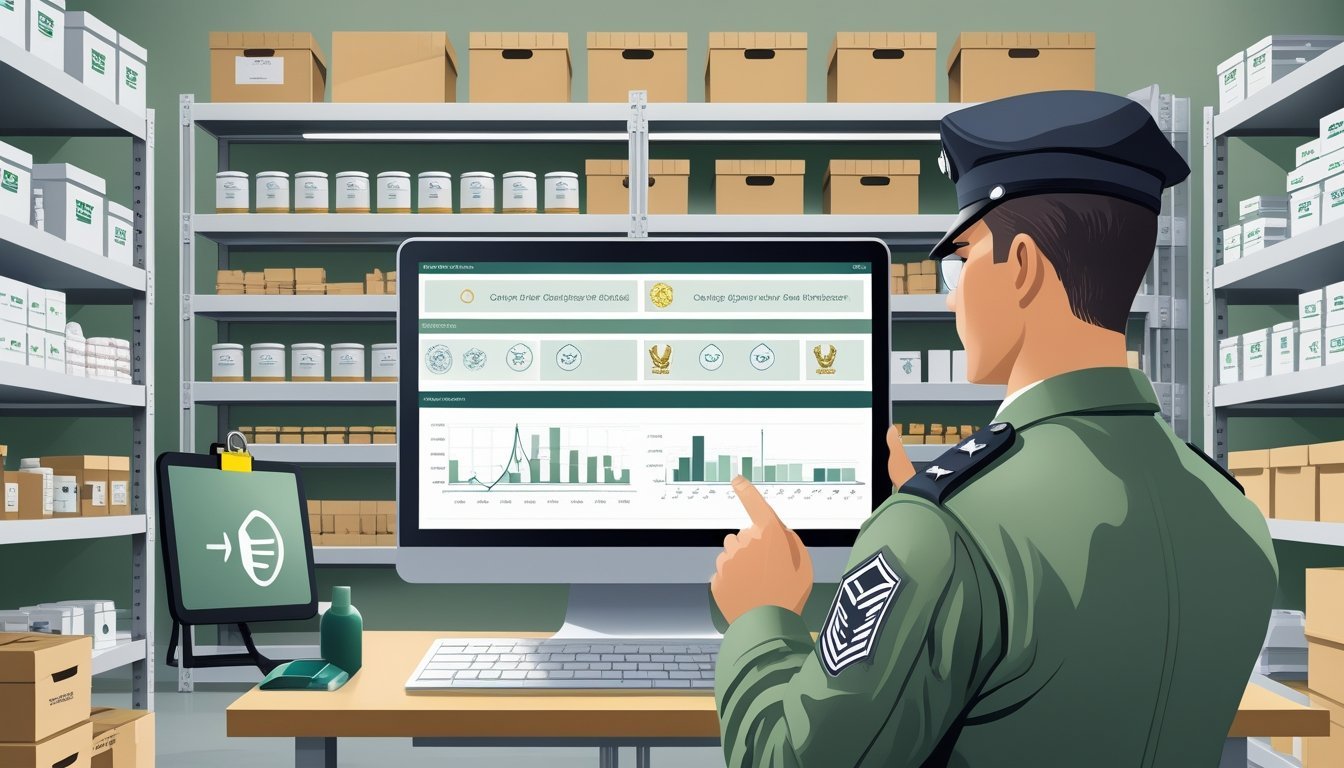
Military organizations rely on strict methods to manage, identify, and track shelf-life items. Accurate classification supports readiness, minimizes waste, and ensures product safety in high-risk environments.
Shelf-Life NSN Coding
Every military supply item receives a National Stock Number (NSN), which incorporates specific information about shelf life.
The NSN coding system uses a shelf-life code to indicate if an item is perishable. For instance, these codes distinguish between non-deteriorative items and those with critical expiration dates. Shelf-life codes are typically one-character designations assigned in Federal Catalog System records.
A typical NSN format includes the shelf-life code as the sixth digit within its 13-digit structure. Some items, like chemicals or medical supplies, require close tracking and use color-coded labels for visibility. The system allows fast identification, reduces risk of expired stock, and streamlines auditing.
Type I and Type II Shelf-Life
Shelf-life items are divided into Type I and Type II categories:
Type I shelf-life: These items have a definite expiration date. After this date, they are considered unusable and must be disposed of, regardless of physical appearance. Examples include pharmaceuticals and some food products.
Type II shelf-life: These items can be re-tested and, if still effective, receive a new expiration date. This category is known as extendible shelf-life materiel. Common examples involve lubricants, adhesives, and some paints.
The classification determines storage procedures and reinspection intervals. Type II items are periodically tested through laboratory or field assessments to verify continued suitability. Accurate records ensure items are used safely and cost-effectively.
Hazardous Shelf-Life Items
Hazardous shelf-life items refer to substances that can cause risks to health, safety, or the environment if not handled appropriately. This includes chemicals, batteries, fuels, and certain cleaning agents.
These materials require strict tracking of shelf life due to potential danger after expiration. For example, expired hazardous items may degrade and create unstable or toxic byproducts. The military uses dedicated databases and hazard labels to monitor storage conditions and manage shelf-life limitations closely.
Handling protocols for these items often involve compliance with regulatory agencies, such as the EPA or OSHA, to prevent improper disposal and environmental harm. Proper training and regular audits reduce accidents caused by obsolete hazardous stocks.
Inspection, Testing, and Quality Control

The military relies on a systematic approach to monitor the condition of stored materiel, ensuring resources stay safe and functional. Each step—visible inspection, laboratory testing, and adherence to strict storage standards—plays a vital role in determining if supplies remain usable or require extension or disposal.
Visible Inspection Procedures
Visible inspection is usually the first step in shelf-life management. Trained personnel check items for external signs of deterioration, such as discoloration, corrosion, damaged seals, or container breaches.
Checklists are used to make sure nothing is missed during inspection. Inspectors look for moisture, mold growth, broken packaging, or faded labels.
Results from inspections are documented for quality assurance and stored in computerized systems for accountability. If any defects are found, the item is set aside for further evaluation or disposal.
Laboratory Extension Testing
If items pass visible inspection but require further validation, laboratory testing may be used. This process involves sampling the materiel and submitting it for chemical, physical, or functional analysis in a controlled lab environment.
Tests depend on the nature of the item. For example:
Item Type Example Test Medical Supplies Sterility, potency Mechanical Parts Performance, wear Food Microbial analysis
Only items that meet set criteria in these tests are approved for shelf-life extension. Results ensure that extended items are both safe and effective for use.
Materiel Quality Control Storage Standards
The Materiel Quality Control Storage Standards (MQCSS) provide detailed instructions on inspection timing, storage conditions, and testing requirements. They are regularly updated and tailored to specific types of materiel.
These standards specify storage temperature ranges, humidity controls, and handling procedures. Compliance reduces the risk of deterioration and extends the practical life of inventory.
Regular audits and strict documentation are required to ensure adherence to these standards. This system not only maintains the quality but also supports accountability and traceability within the military supply chain.
Shelf-Life Extension System and Quality Status

The military applies structured systems and databases to extend shelf life effectively and safely. These practices combine data-driven decisions, periodic inspection, and strict quality controls to reduce waste and maintain operational readiness.
Shelf-Life Extension System (SLES)
The Shelf-Life Extension System (SLES) is a specialized database and process used primarily by the Department of Defense. It enables users to identify whether certain materials, specifically Type II items with a potential to be extended, remain usable beyond their initial expiration dates.
SLES users access the Materiel Quality Control Storage Standards (MQCSS) to find guidance on required inspections, storage specifications, and testing. These protocols help determine if the item retains critical properties—such as efficacy, safety, and reliability—after its assigned shelf life.
By leveraging SLES, military logisticians minimize unnecessary disposal and replacement costs. SLES uses systematic data and test results, not guesswork, to authorize shelf-life extensions, providing a validated approach for managing inventory sustainability.
Quality Status List (QSL)
The Quality Status List (QSL) accompanies SLES as a curated inventory reference. It details which specific items, typically by National Stock Number (NSN), are eligible for shelf-life extension. The QSL draws from both laboratory analyses and field performance reports to update which items have proven safe and effective past their original limits.
Key information found in the QSL includes:
NSN Item Description Inspection/Test Date Extension Approved Until Example-001 Chemical Kit 2025-04-12 2026-04-12 Example-002 Medical Gauze 2025-05-01 2027-05-01
By providing ongoing quality status, the QSL ensures only products that pass safety, performance, and efficacy benchmarks remain in use, minimizing risk.
Life-Cycle Management of Shelf-Life Items
Life-cycle management in the military involves monitoring, testing, and updating the status of shelf-life items throughout storage and distribution. Items are regularly reviewed according to established standards to verify their usability over time.
Inspection schedules are coordinated with the SLES and QSL databases. This ensures that batches needing retesting or removal are flagged promptly. These activities help avoid using expired or unsuitable products in critical situations.
Military best practices also emphasize the importance of clear labeling, tracking, and regular updating of inventory records. Life-cycle management helps maintain consistent readiness and reduces both cost and supply chain disruptions.
Managing Risk and Expiration
Military shelf-life management addresses both the risk of materials expiring before use and the conditions items are stored in. Effective strategies maximize asset readiness and reduce waste due to expiration.
Expiration Dates and Shelf-Life Expiration Risks
The military assigns each item a specific expiration date, defining its maximum useful life under optimal conditions. Items are classified into Type I and Type II categories. Type I materials have non-extendable expiration dates, while Type II may be eligible for shelf-life extension following inspection or testing.
To minimize loss, inventory systems track the remaining shelf life of each asset. Regular audits help prevent the issue of expired materials. When products near expiration, they are prioritized for use or tested for possible extension. Failure to manage expiration dates can result in wasted resources, potential mission risk, or loss of material reliability.
Key points:
All shelf-life items are monitored for expiration.
Inventory management prioritizes items closest to expiration.
Shelf-life extension is considered only for eligible Type II items.
Storage Requirements and Packaging
Proper storage conditions are critical to maintaining an item’s shelf life. The military specifies requirements such as temperature, humidity, and protection from light or contaminants for different materials. Failure to follow these standards can cause premature expiration and increase risk.
Packaging is designed to meet strict durability standards. It may include moisture barriers, air-tight seals, and tamper-evident features. These measures help preserve quality and reduce the likelihood of spoilage. Regular inspection of packaging integrity is standard practice to identify issues early.
Examples of storage requirements:
Material Type Temperature Range Humidity Control Protection Needed Pharmaceuticals 2–8°C Yes Light, moisture Food supplies 0–21°C Yes Pests, air, contamination Chemicals As labeled Often required Ventilation, leak prevention
Accurate adherence to packaging and storage protocols directly impacts an item’s usable lifespan and reduces the risk of shelf-life expiration.
Procurement and Federal Supply System Operations
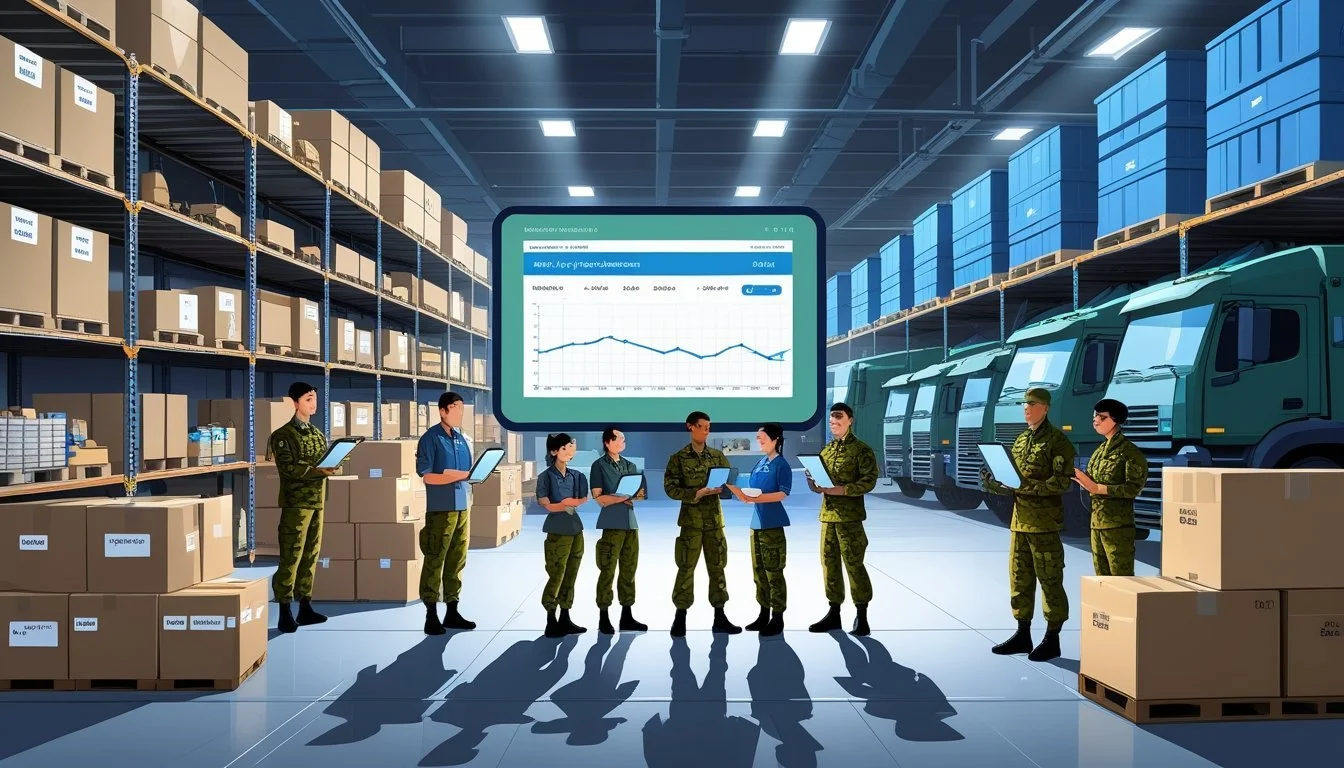
Military shelf-life management relies on efficient procurement procedures and robust supply systems. These processes ensure assets are available when needed and maintained at optimal quality for as long as possible.
Shelf-Life in Procurement Processes
In the military, procurement teams assess shelf-life requirements as early as the acquisition phase. Items with known deterioration rates—such as food, medical supplies, and batteries—are tagged with specific shelf-life codes. These codes dictate storage, rotation, and inspection frequencies.
Special contracts may specify packaging standards or required environmental controls to maximize product life. Procurement staff collaborate with technical experts to review Materiel Quality Control Storage Standards before ordering, ensuring supplies will remain usable throughout their intended deployment period.
A clear understanding of shelf-life reduces waste by preventing over-ordering and unnecessary disposal. It also decreases mission risk by aligning purchases with logistics planning, supporting operational readiness across all units.
Role of the Federal Supply System
The Federal Supply System coordinates storage and distribution for shelf-life items across military branches. It uses automated tracking to monitor expiration dates, lot numbers, and storage locations throughout its network of depots and warehouses.
Within this system, the Shelf-Life Extension System (SLES) and quality databases help managers decide when items can have their shelf life safely extended. Items that do not meet extension criteria are flagged for removal, minimizing the chances of issuing ineffective or unsafe supplies.
Standardized policies guide federal facilities in rotating inventory and maintaining records. This coordinated approach keeps supplies fresh and ensures timely disposal, helping the DoD maintain readiness and minimize waste.
Training and Best Practices for Shelf Life Management
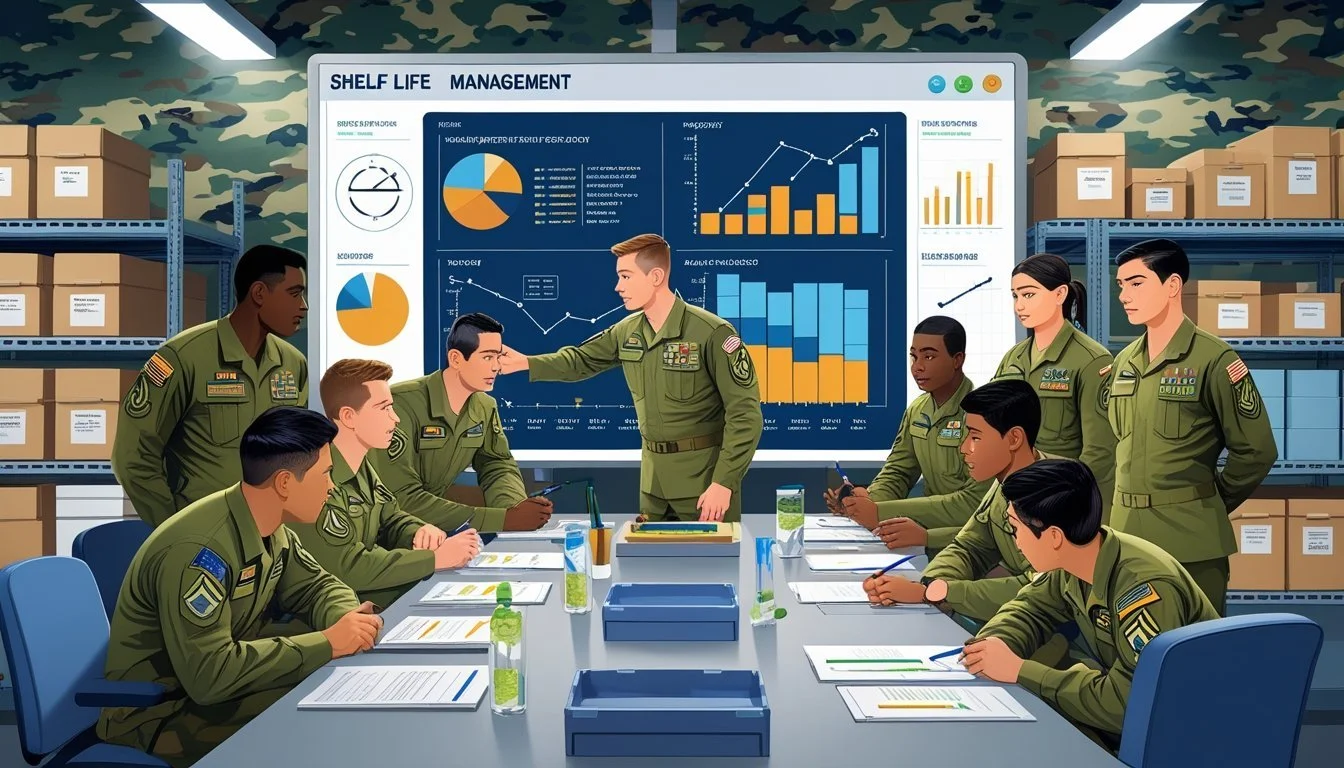
Effective shelf life management in the military relies on thorough training and clear, standardized policies. These elements ensure critical supplies remain safe, functional, and available when needed.
Military Training on Shelf-Life Procedures
The military uses formal courses to train personnel on shelf-life management. For example, the Department of Defense offers online and resident courses, such as those at the Army Sustainment Command’s center. These programs address identification, inspection, storage, and extension of shelf-life items.
Topics include recognizing different types of materials—like chemicals, medicines, and mission-critical parts—that require strict tracking. Trainees learn inspection techniques, recordkeeping, and how to use databases like the Shelf-Life Extension System (SLES). This training reduces the risk of waste and improves materiel readiness.
Common areas covered:
Identifying expiration dates and shelf-life codes
Handling and testing of Type I (non-extendible) vs. Type II (extendible) items
Using automated systems for monitoring and reporting
Compliance with federal supply system standards
Developing Internal Shelf-Life Policies
Military organizations develop internal shelf-life policies based on DoD directives and detailed manuals. Policies outline responsibilities for supply chain staff, including regular inspections and timely disposal or extension of items nearing expiration.
Key documents, such as DoD Instruction 4140.01 and its associated manuals, standardize procedures across different branches. These policies mandate the use of systems like SLES for tracking item status and ensuring inspection intervals are met.
Best practices involve a documented process for shelf-life review. This includes scheduled checks, analysis of storage conditions, and actions for items that fail inspection. Maintaining accurate records is emphasized to support readiness and comply with mandated guidelines.
Applications: What Military Shelf Life Teaches Civilian Sectors
Precise shelf life management allows the military to reduce waste, assure safety, and maintain operational readiness in unpredictable conditions. These lessons can be applied by civilian sectors to strengthen supply chains, improve public health, and cut costs.
Food and Consumables
Military practices use strict inspection schedules and rotational storage systems to maximize the usable lifespan of food, while preventing spoilage. They rely on technologies like vacuum-sealing and advanced preservatives to extend shelf life without reduced nutritional value.
Civilian food industries have adopted first-in, first-out (FIFO) inventory management, modeled on military warehouses, to cut down on expired goods and waste. Schools, hospitals, and emergency services use military techniques for meal packaging, including retort packaging and moisture barriers, to support large groups and ensure safety.
More recently, commercial supply chains track temperatures and handling using digital sensors, a practice borrowed from military logistics, to monitor shelf life precisely and reduce costly spoilage.
Medicines and Medical Supplies
Military logistics maintain detailed environmental controls—including humidity, light, and temperature regulation—for medications and medical supplies. This ensures that essential items like antibiotics, vaccines, and field dressings remain potent and safe wherever deployed.
Civilian healthcare benefits from similar controls in pharmacies and hospitals to protect against expired or degraded drugs. Hospitals and clinics use computerized tracking for lot numbers and expiration dates, mirroring military systems, to limit risks linked with outdated supplies.
Additionally, the military’s periodic stability testing and extended-use studies have prompted regulatory changes allowing some essential medicines to be used safely beyond printed expiration dates, minimizing unnecessary disposal.
Packaged Petroleum and Chemicals
The military tracks the chemical stability of fuels, lubricants, and solvents closely, using regular sampling and analysis to detect signs of degradation. Specialized packaging—such as lined drums and controlled-atmosphere containers—reduces contamination and evaporation.
Civilian sectors learned similar strategies for prolonging shelf life in aviation fuel storage, industrial chemicals, and automotive lubricants. They use routine testing, as well as rotation and blending, to keep stock within usage windows. Clear tracking and environmental storage standards help minimize hazardous wastes and unplanned equipment failures, supporting safer and more reliable operations.
Specialized Shelf-Life Items and Mission Readiness
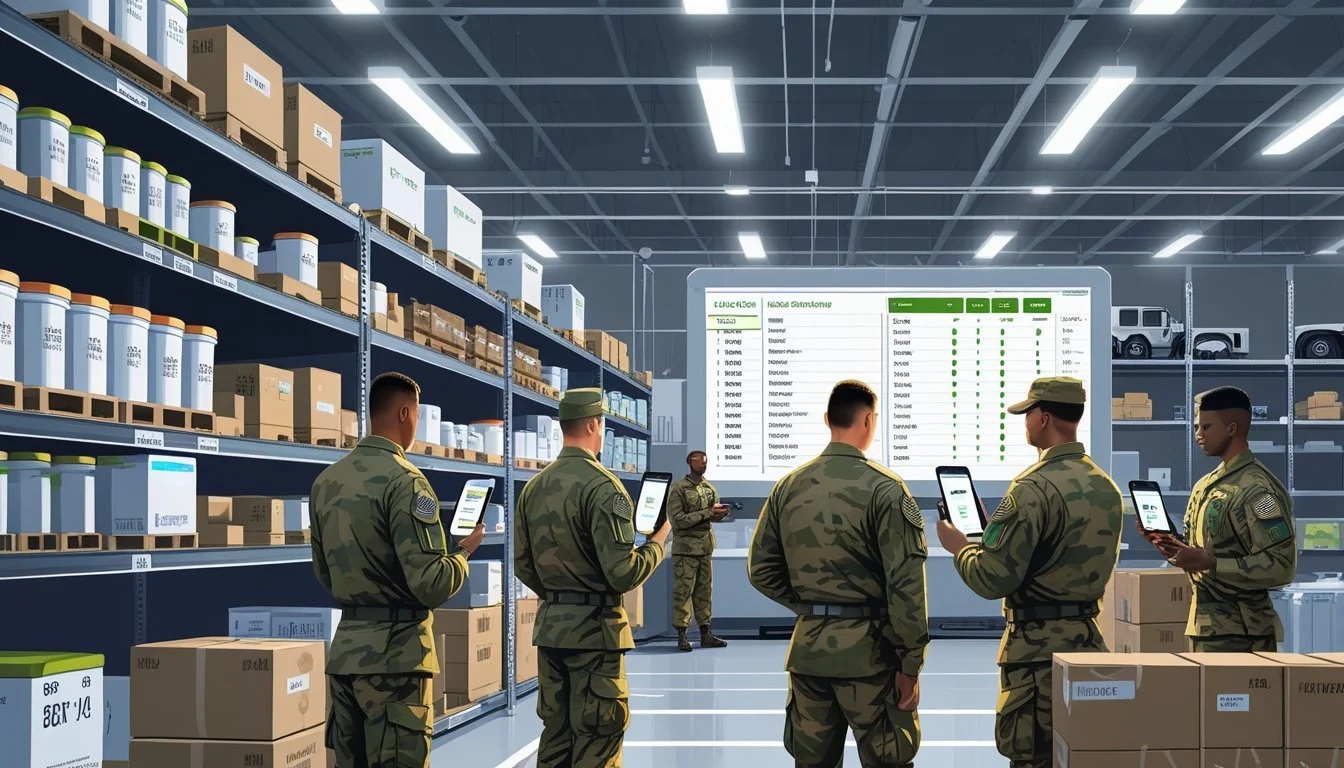
The military manages a range of items with strict shelf-life requirements to ensure equipment reliability and operational safety. Routine assessment and timely replacement of these items are crucial to maintaining both effectiveness and mission readiness.
Batteries, Paints, and Sealants
Batteries are essential in military communications, vehicles, and weapon systems. Their effectiveness degrades over time due to chemical changes, even if unused. Expired batteries can fail without warning, posing risks to missions and safety.
Paints and sealants serve not just for appearance, but also protect surfaces from corrosion, wear, and chemical exposure. Aged paint loses adhesion and its protective qualities, while expired sealants may not cure properly or seal as intended.
Key shelf-life management practices include:
Rotating stock using first-in, first-out (FIFO) systems
Storing items under controlled conditions to reduce degradation
Conducting regular inspections and tests
These measures ensure that batteries, paints, and sealants remain reliable when needed most.
Tires, Hoses, Belts, and O-Rings
Mission-critical components like tires, hoses, belts, and o-rings are subject to deterioration from time, heat, and environmental exposure. Overaged rubber or synthetic parts risk developing cracks, loss of elasticity, or weakened structure.
In military vehicles and equipment, a failed hose or o-ring can lead to fluid leaks, loss of functionality, or equipment damage. Tires must retain their integrity to support heavy loads and off-road maneuvers. Routine shelf-life tracking prevents installation of degraded parts that could compromise readiness.
The Department of Defense relies on detailed storage and inspection standards, such as the Materiel Quality Control Storage Standards (MQCSS), to guide maintenance schedules and replacement intervals for these components.
Nuclear, Biological, and Chemical Equipment
Nuclear, biological, and chemical (NBC) equipment includes protective suits, masks, filters, and detection devices. Each has strict shelf-life limits due to material aging and the need for guaranteed protection against hazardous agents.
NBC filters can lose effectiveness as absorbent materials degrade, and protective clothing fabrics may lose their barrier properties over time. Expired detection devices may not give accurate readings, exposing personnel to risk.
To address this, the military enforces controlled storage, standardized inspections, and, where possible, uses shelf-life extension programs. Clear labeling and inventory management ensure expired items are removed before use, upholding safety in hazardous environments.

