
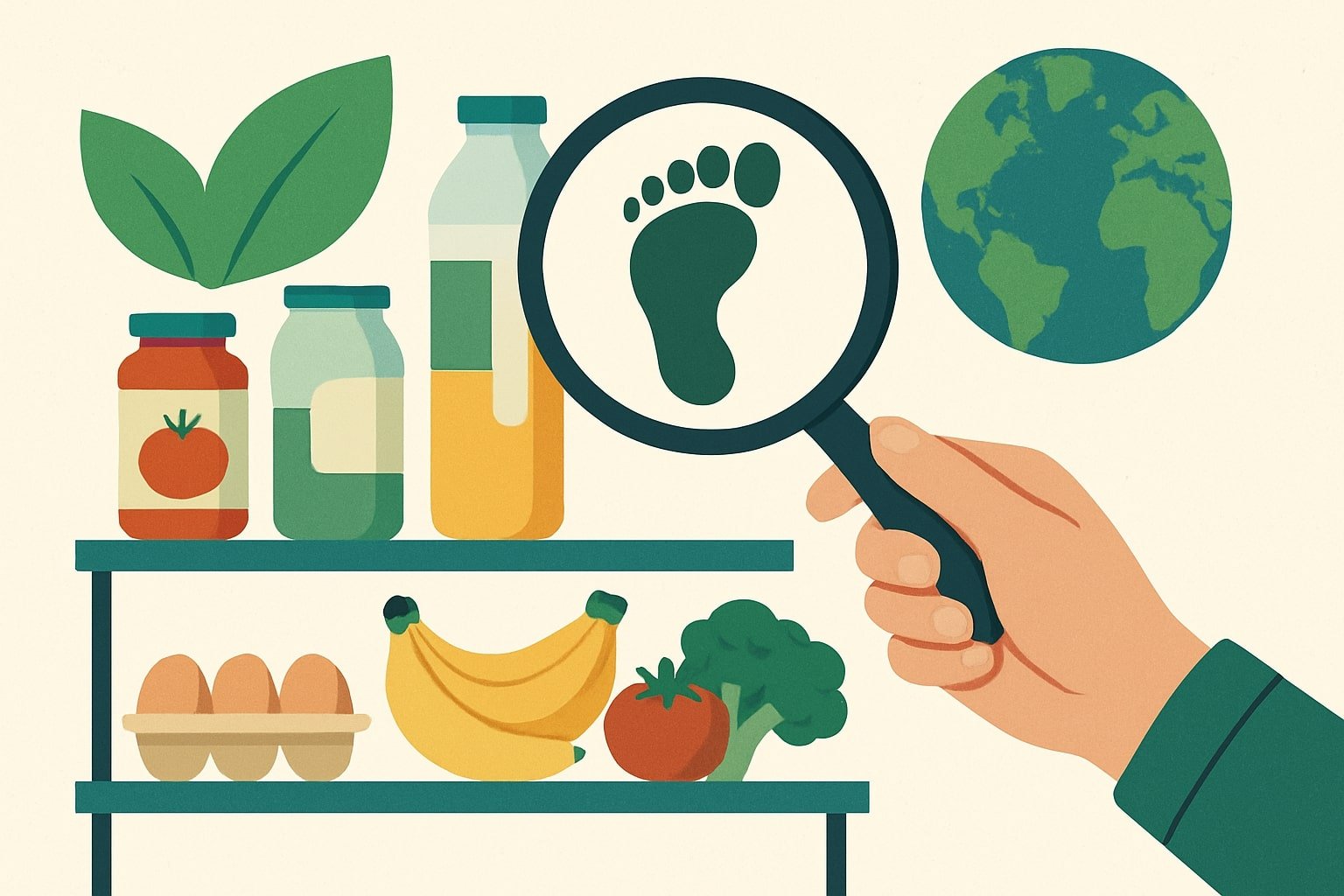
Rethinking shelf life through the lens of carbon footprint can help companies find new opportunities to reduce waste and improve sustainability. Packaging and shelf life strategies play key roles in a product’s overall environmental impact, shaping decisions about materials, food freshness, and resource use. Traditional approaches often prioritize keeping products usable for as long as possible, but this can sometimes increase packaging and energy demands, raising a product’s carbon footprint.
Recent insights show that shelf life extension is not the only path to reducing food waste and emissions. For example, bulk sales and right-sized portions can help consumers buy only what they need, cutting unnecessary waste and packaging. By considering both shelf life and carbon impact together, businesses can discover more balanced solutions that benefit the environment and meet consumer needs.
Understanding Carbon Footprint in Shelf Life Strategy
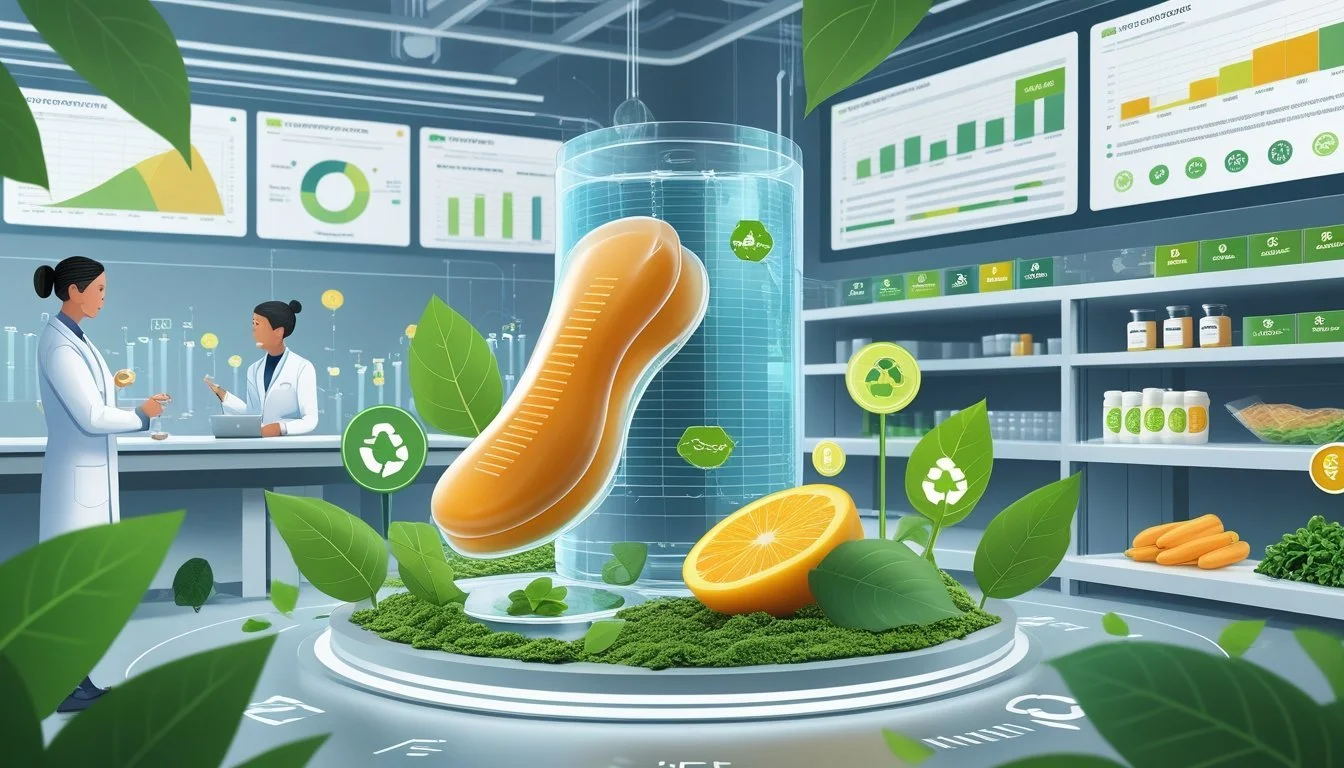
Evaluating shelf life through the lens of carbon footprint allows companies to minimize environmental impact and make informed decisions along the product lifecycle. This approach highlights how extending or shortening shelf life can affect carbon emissions across production, distribution, and waste.
Defining Carbon Footprint
A carbon footprint measures the total greenhouse gas emissions associated with a product, process, or organization, usually expressed in carbon dioxide equivalents (CO₂e).
It covers every lifecycle stage, including raw material extraction, manufacturing, transportation, usage, and disposal. In the food industry, the carbon footprint takes into account agricultural practices, packaging, refrigeration, and waste.
Key contributors to a product's carbon footprint can include energy use, resource consumption, and transportation emissions. Companies use this metric to identify hotspots for emissions reduction and to inform sustainability strategies.
Shelf Life and Its Importance
Shelf life refers to the period during which a product remains safe, stable, and marketable under specific storage conditions. It is critical for food, pharmaceuticals, and consumer goods industries, impacting product quality, food safety, and waste management.
Longer shelf life often enables wider distribution and reduces waste due to spoilage. However, achieving extended shelf life may require more processing, preservatives, or packaging, each with its own environmental implications.
Key considerations include:
Product safety
Consumer satisfaction
Supply chain logistics
Resource utilization
Proper shelf life management helps balance quality, safety, and sustainability objectives.
Connection Between Carbon Footprint and Shelf Life
The link between shelf life and carbon footprint becomes clear when considering how waste and logistics contribute to overall emissions. Shorter shelf life usually leads to more waste from unsold or spoiled goods, raising the carbon footprint through landfill emissions and resource loss.
Extending shelf life, if done with minimal added carbon emissions, can lower the product's overall environmental impact by reducing the volume of discarded products. Companies must also consider the trade-offs, since increasing shelf life with energy-intensive refrigeration or more packaging could offset some emission savings.
Strategies to optimize both shelf life and carbon footprint include improved packaging design, more accurate demand forecasting, and better inventory management. This integrated approach helps reduce environmental impact across the product lifecycle.
Rethinking Shelf Life Through Sustainability
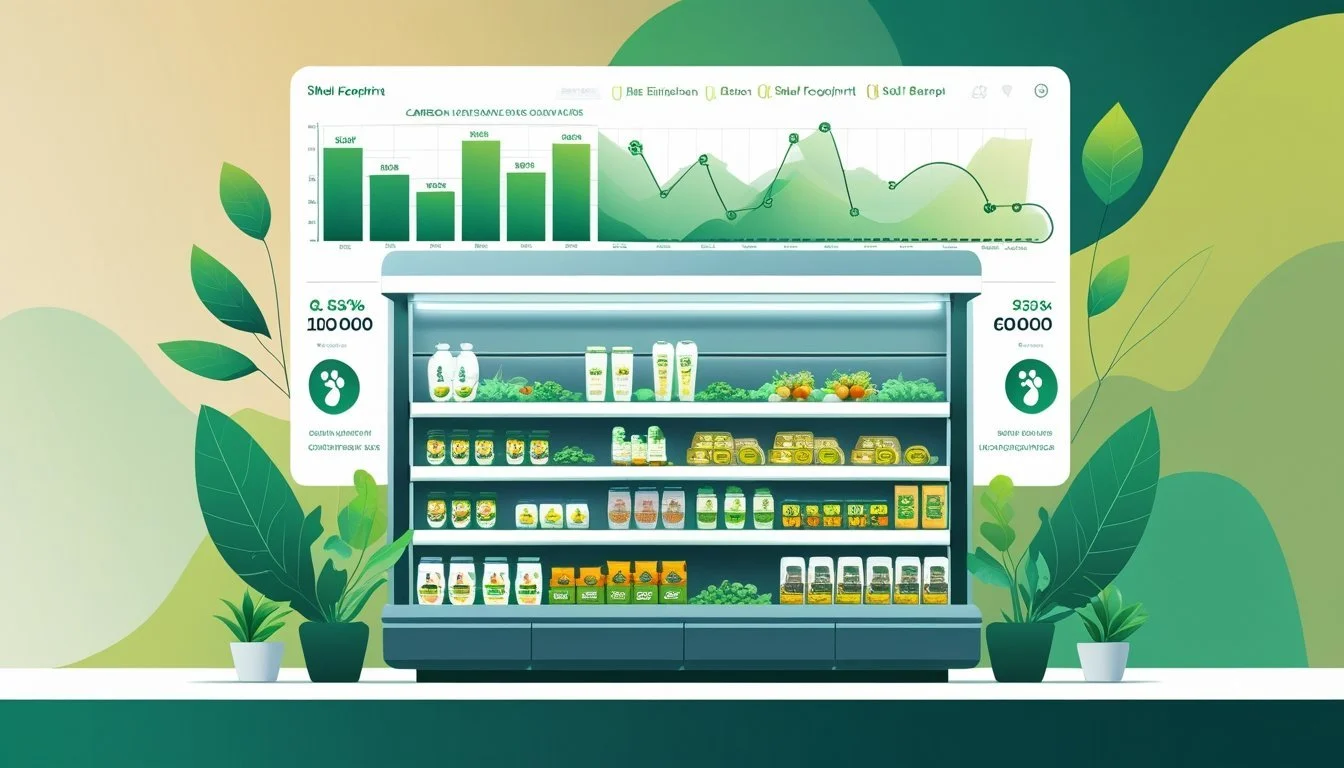
Minimizing carbon footprint and waste is a growing priority in food packaging and shelf life management. New strategies focus on balancing sustainability with food quality and safety by re-evaluating material choices and product lifecycles.
Integrating Sustainability Goals
Sustainability is central to modern shelf life strategies. Packaging now often uses bio-based or recycled materials to lower environmental impact. Brands are moving toward active packaging systems that extend shelf life through natural additives, which can reduce spoilage without relying on traditional plastics.
Manufacturers analyze the full product lifecycle, from raw materials to end-use. This includes optimizing packaging weight, using energy-efficient manufacturing, and designing for recyclability. These practices help decrease landfill waste, energy use, and greenhouse gas emissions associated with packaging.
A table can clarify the impact of these choices:
Material Type Carbon Footprint Shelf Life Recyclability Conventional Plastic High Long Limited Bio-based Plastic Lower Medium Growing options Paper/Cardboard Low Short Widely recyclable
A focused approach to sustainability ensures shelf life extensions are achieved without compromising on environmental goals.
Role of Circular Economy
A circular economy aims to keep packaging materials in use for as long as possible through reuse and recycling. Packaging designed for a circular model avoids single-use plastics, favoring easily recyclable or biodegradable alternatives.
Producers adopt closed-loop systems where materials recovered from used packaging are turned into new products. This reduces demand for virgin materials and minimizes overall waste. Some companies even incentivize consumers to return packaging for reuse.
Key elements of circular packaging:
Use of recycled content in new packaging.
Designing for easy disassembly and sorting.
Implementing return or refill programs.
By supporting circular economy principles, brands can cut both carbon emissions and raw material use, while supporting a consistent and sustainable shelf life strategy.
Impact of Product Life Cycle Assessment
Product life cycle assessment (LCA) helps companies understand the environmental impacts of products from raw material extraction through end-of-life. By applying LCA, organizations can identify areas in shelf life strategies that may reduce waste and lower the carbon footprint.
Life Cycle Thinking in Shelf Life Strategy
Adopting life cycle thinking in shelf life strategy means evaluating every stage of a product’s journey—raw material sourcing, production, packaging, distribution, consumption, and disposal. This approach allows companies to pinpoint when most environmental impacts occur and to prioritize improvements that have the largest effect.
Short or suboptimal shelf life can result in increased food waste and higher greenhouse gas emissions from production, transport, and disposal. By improving shelf life, organizations reduce not only waste but also resource use and emissions throughout the product life cycle. Aligning shelf life decisions with life cycle insights helps target changes that matter most for sustainability.
Tools for Measuring Environmental Impact
Companies use several key tools to measure the environmental impacts of shelf life choices:
Life Cycle Assessment (LCA): A comprehensive method that quantifies inputs, outputs, and potential impacts—including carbon footprint, resource use, and water consumption—throughout a product’s life cycle.
Product Carbon Footprint (PCF): Focuses specifically on measuring greenhouse gas emissions at all life cycle stages.
Table: Core LCA Metrics
Metric Description Carbon Footprint Total greenhouse gas emissions (CO₂e) Energy Use Total energy consumed Water Use Water footprint throughout supply chain Waste Generation Solid and liquid waste produced
Using these tools, organizations can track and reduce the carbon impact associated with shelf life extension or reduction, supporting data-driven sustainability initiatives.
Reducing Carbon Emissions in the Supply Chain
Cutting carbon emissions in the supply chain depends on systematic changes that reduce energy use and support efficient, low-carbon operations. Efforts span from adjusting how facilities consume energy to rethinking transportation routes and methods.
Minimizing Energy Consumption
Companies reduce energy consumption and emissions by increasing energy efficiency in warehouses and production sites. This includes upgrading to LED lighting, installing automated controls for HVAC systems, and investing in energy-efficient machinery.
Operational adjustments, such as consolidating production, can cut unnecessary movement and idle times, resulting in lower fuel and electricity demand. Some organizations use renewable energy sources like solar or wind to power operations, further decreasing reliance on fossil fuels.
Regular energy audits help identify areas for improvement. Training staff to follow best practices in energy use also improves efficiency and prevents waste. It is essential to track progress with clear metrics, such as carbon intensity (CO₂ emissions per unit produced), to ensure accountability.
Innovative Transportation and Storage
Optimizing transportation is critical for lowering supply chain carbon emissions. Route planning software finds the shortest and least congested paths, reducing fuel use and transit times. Collaborative shipping, where companies share cargo space, ensures full truckloads and decreases the number of partially filled vehicles on the road.
Switching to low-emission vehicles—such as those using alternative fuels, electricity, or hybrid technology—directly addresses transport-related CO₂ output. Some companies implement intermodal shipping, combining trucks, trains, and ships, as trains and vessels are often more energy-efficient than trucks over long distances.
Warehouse design also impacts emissions. High-density, well-insulated storage facilities cut down on heating and cooling needs. Automation in storage and retrieval, when powered efficiently, can enhance throughput without increasing the carbon footprint.
Product Design and Development for Lower Carbon Footprint
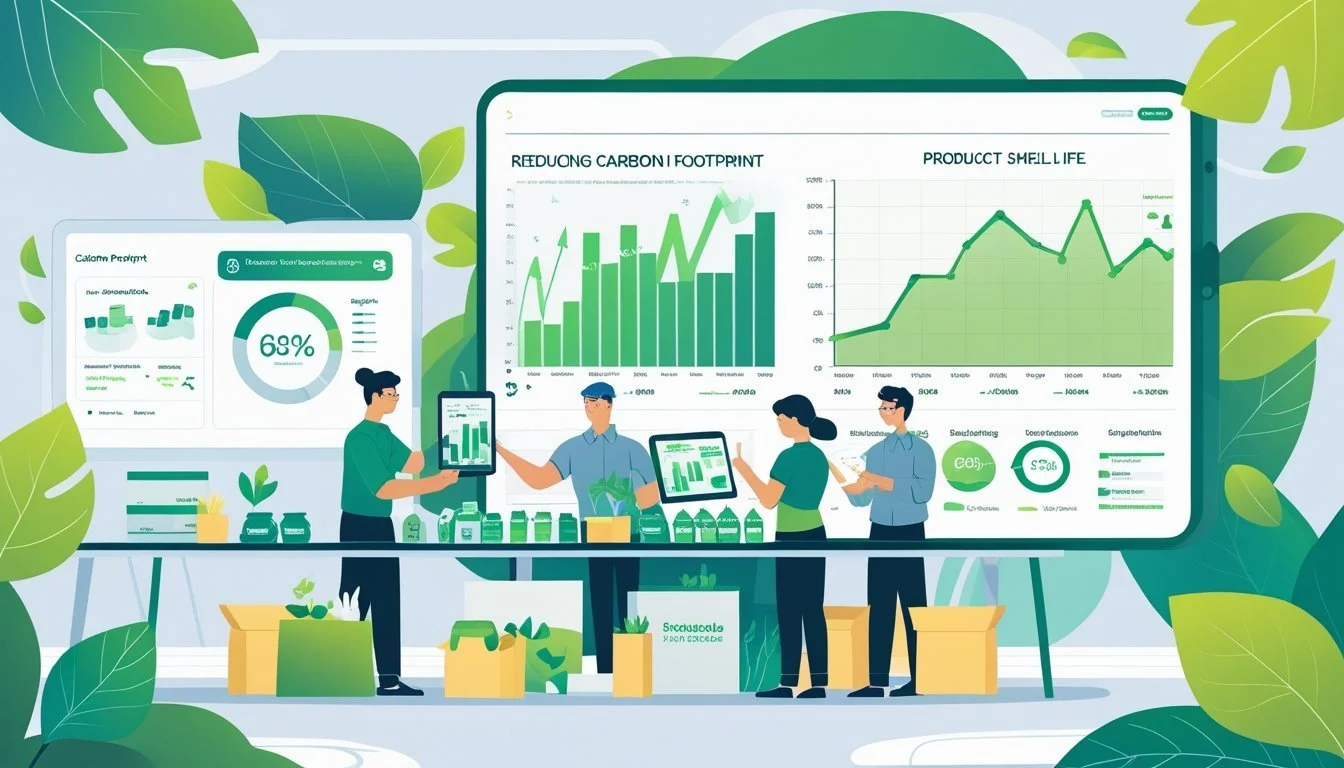
Lowering a product’s carbon footprint relies on early choices during design and development. Decisions about durability and material use directly impact a product’s environmental performance throughout its entire lifecycle.
Designing for Longevity
Prioritizing product longevity reduces the frequency of replacement and disposal, lowering cumulative emissions over time. Designers can extend product life through robust construction, modular components, and easy repairability. For example, using standardized fasteners and accessible electronics can simplify in-field repairs.
Introducing upgrade-friendly architectures helps products adapt as needs evolve, reducing obsolescence. This approach encourages users to repair or upgrade instead of discard. Clear maintenance guidance and the availability of spare parts further extend usable life.
Benefit Table:
Strategy Carbon Footprint Impact Modular Design Reduces replacement Repairability Lowers waste Durable Materials Long-term emissions cut
Material Selection and Recycling
The choice of materials is crucial for carbon reduction. Opting for recycled or renewable materials can sharply decrease a product’s embodied carbon. Materials like recycled aluminum, bioplastics, or remanufactured components are increasingly viable options.
Products should be designed for easy separation of parts to support efficient recycling or reuse at end of life. Incorporating clear material labeling and minimizing mixed-material assemblies improves recyclability. Using fewer coatings or adhesives also simplifies downstream processing.
Key considerations:
Select certified recycled materials where possible.
Design parts for straightforward disassembly.
Plan for the entire material lifecycle, not just first use.
These actions help retain material value and reduce landfill waste while shrinking the product’s overall carbon footprint.
Digital Transformation and Smart Shelf Life Management
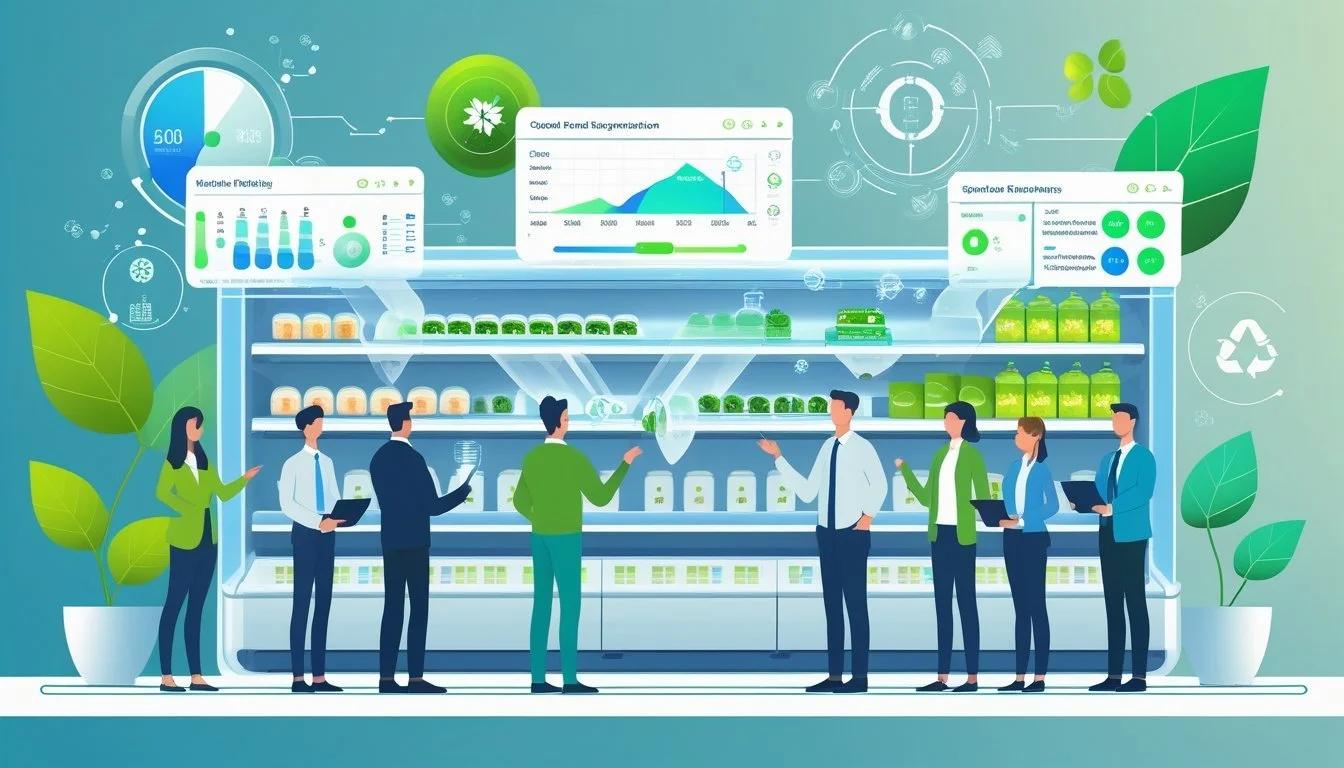
Smart shelf life management is being driven by digital transformation, which leverages new technologies to support sustainability, improve accuracy, and reshape the supply chain. Automation, analytics, and connectivity help organizations optimize inventory, lower waste, and minimize the carbon footprint associated with expired goods.
IoT and Real-Time Tracking
The Internet of Things (IoT) enables real-time monitoring of products across the supply chain. Smart sensors and electronic shelf labels track temperature, humidity, and expiration dates, providing instant updates to central systems.
This continuous visibility helps reduce product spoilage and ensures that shelf life data is always current. Retailers and manufacturers can act quickly if storage conditions deviate from safe ranges, minimizing waste and supporting compliance.
Benefits include:
Immediate alerts for parameter breaches
Centralized inventory status overview
Lower manual labor requirements
Adopting IoT improves traceability, allowing sustainability efforts to be measured and managed precisely. This fosters more accountable and resource-efficient supply chains.
Data-Driven Decision Making
Advanced analytics process the data gathered by IoT solutions, driving smarter shelf life strategy. By integrating sales trends, environmental factors, and real-time inventory levels, organizations can identify patterns and anticipate demand more accurately.
Data modeling helps determine optimal rotation and order quantities, reducing instances of overstocking or stockouts. It makes it easier to forecast expirations and adjust storage practices proactively.
Key advantages:
Feature Impact on Shelf Life Predictive analytics Reduces waste, improves stock turns Automated alerts Increases responsiveness Dynamic pricing Moves soon-to-expire stock faster
This approach supports innovation in how businesses approach both operational efficiency and sustainability, aligning shelf life management with overall digital transformation goals.
Managing E-Waste and End-of-Life Products
Addressing e-waste and end-of-life products is essential for reducing environmental impact and supporting responsible carbon footprint management. Effective strategies include extending product use and implementing structured recycling processes to minimize waste and resource extraction.
Reuse and Repurposing Strategies
Extending the life of electronic products through reuse reduces the volume of e-waste generated. Businesses and consumers can implement internal take-back programs, encourage repair services, or support secondary markets to keep products in circulation longer.
Repurposing outdated devices for alternative uses—like turning office computers into learning devices for schools—shifts products away from disposal streams. This approach uses fewer new materials and directly cuts down on waste.
Clear guidelines and incentives for reuse also help organizations manage inventory efficiently. Audit programs or checklists can be established to identify equipment suitable for repurposing, ensuring products are evaluated before being discarded.
Recycling Initiatives and Responsibility
Recycling plays a crucial role in reducing e-waste’s environmental impact. Implementing formal recycling initiatives helps extract valuable materials like metals and plastics for reuse in manufacturing.
Manufacturers can take responsibility by designing products with end-of-life considerations, using modular components or recyclable materials. Partnerships with certified recycling facilities support proper processing and limit hazardous byproducts.
Public awareness and clear labeling of recyclable parts allow users to separate components and reduce contamination in the recycling stream. Compliance with local and international e-waste regulations ensures safe handling, storage, and transport of end-of-life products.
Retail and Portfolio Implications
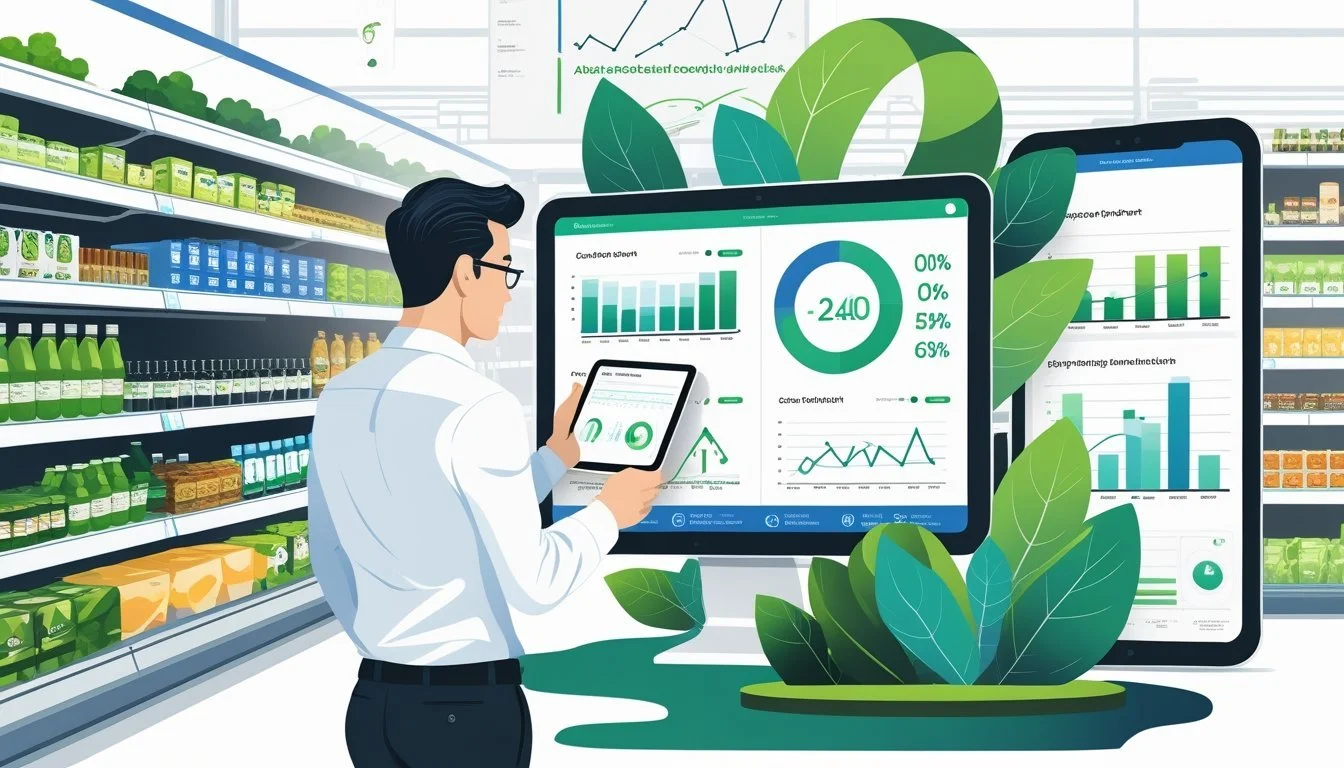
Integrating carbon footprint analysis into shelf life strategy drives efficiency across inventory management and investment decisions. Lowering greenhouse gas emissions can uncover new value for retailers, manufacturers, and investors.
Optimizing Inventory and Shelf Space
Retailers are increasingly pressured to manage dead stock and reduce product wastage, as both impact carbon emissions and margins. By tracking the carbon footprint of individual products, they can better identify which items contribute most to emissions "hotspots" and prioritize these for review.
Key strategies include:
Adjusting order quantities and frequency to better match demand
Implementing more dynamic shelf life policies for high-impact products
Using data-driven tools to pinpoint underperforming stock
A more sustainable shelf life strategy can increase shelf turnover, reducing expired products and storage time. This boosts profitability and decreases emissions from unsold or wasted inventory.
Benefit Impact Lower dead stock Fewer emissions from waste Improved shelf allocation Reduced storage costs and energy use Better demand matching Fewer markdowns and shrinkage
Capital Expenditures and Cost Considerations
Shifting to low-carbon inventory strategies affects capital expenditures (CapEx). Investments may be needed in forecasting software, refrigeration, and supply chain analytics to support sustainability targets.
Initial costs can rise with upgrades, but longer-term outcomes often include:
Less Infrastructure for excess storage
Reduced energy bills from optimized shelf space
Fewer write-offs, boosting return on assets
Retailers and portfolio managers may need to rebalance CapEx, focusing on automation and tracking tools that directly reduce emissions. Transparent reporting of these investments can also address increasing environmental, social, and governance (ESG) expectations among investors.
Innovation and Future Trends in Shelf Life Strategy
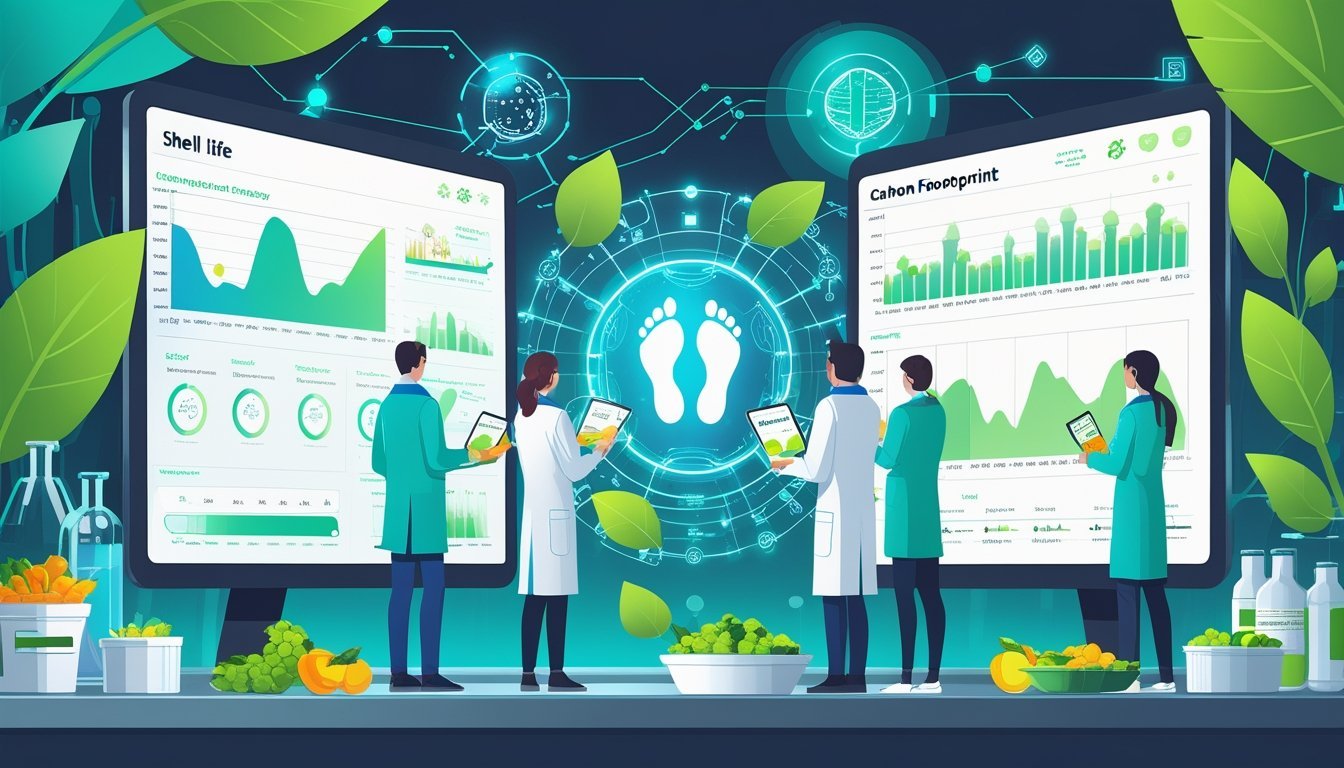
Innovation to extend shelf life increasingly targets both improved sustainability and a reduced carbon footprint. Advances in technology, research, and regional priorities are shaping how industries approach food longevity and waste reduction.
Research and Development Impact
Active research efforts focus on reducing food waste by extending shelf life with minimal environmental cost. Novel packaging materials, such as nanocomposite coatings, have demonstrated potential by preserving cut fruits for up to 40 days with improved freshness retention.
Technologies like high-pressure processing and ozonation are being tested to reduce spoilage and microbial load in products. Ozonation, for example, has been shown to add at least 15 days to the shelf life of greenhouse tomatoes without resorting to chemical preservatives.
The push for sustainability also highlights the need for natural antioxidants and antimicrobial blends, supporting clean-label demands. R&D teams prioritize innovations that maintain product quality while lowering energy use and carbon emissions throughout the supply chain.
Regional Focus: Europe
Europe emphasizes sustainable shelf life strategies due to strong regulatory frameworks and ambitious carbon reduction targets. In the European poultry industry, studies model how extending product shelf life up to 25 days can greatly reduce food waste across supply chains producing up to 1,000 kg/day.
European food companies invest in both new technologies and cleaner ingredient lists, seeking options without artificial preservatives or e-numbers. Regional efforts often involve collaboration between governments, research institutes, and manufacturers to support carbon-neutral goals.
Consumer preferences and environmental policies in Europe drive industry-wide adoption of shelf life innovations. This approach enables the region to combine reduced waste, consumer safety, and lower environmental impact in commercial food production.

