
Understanding the Risks and Prevention Strategies
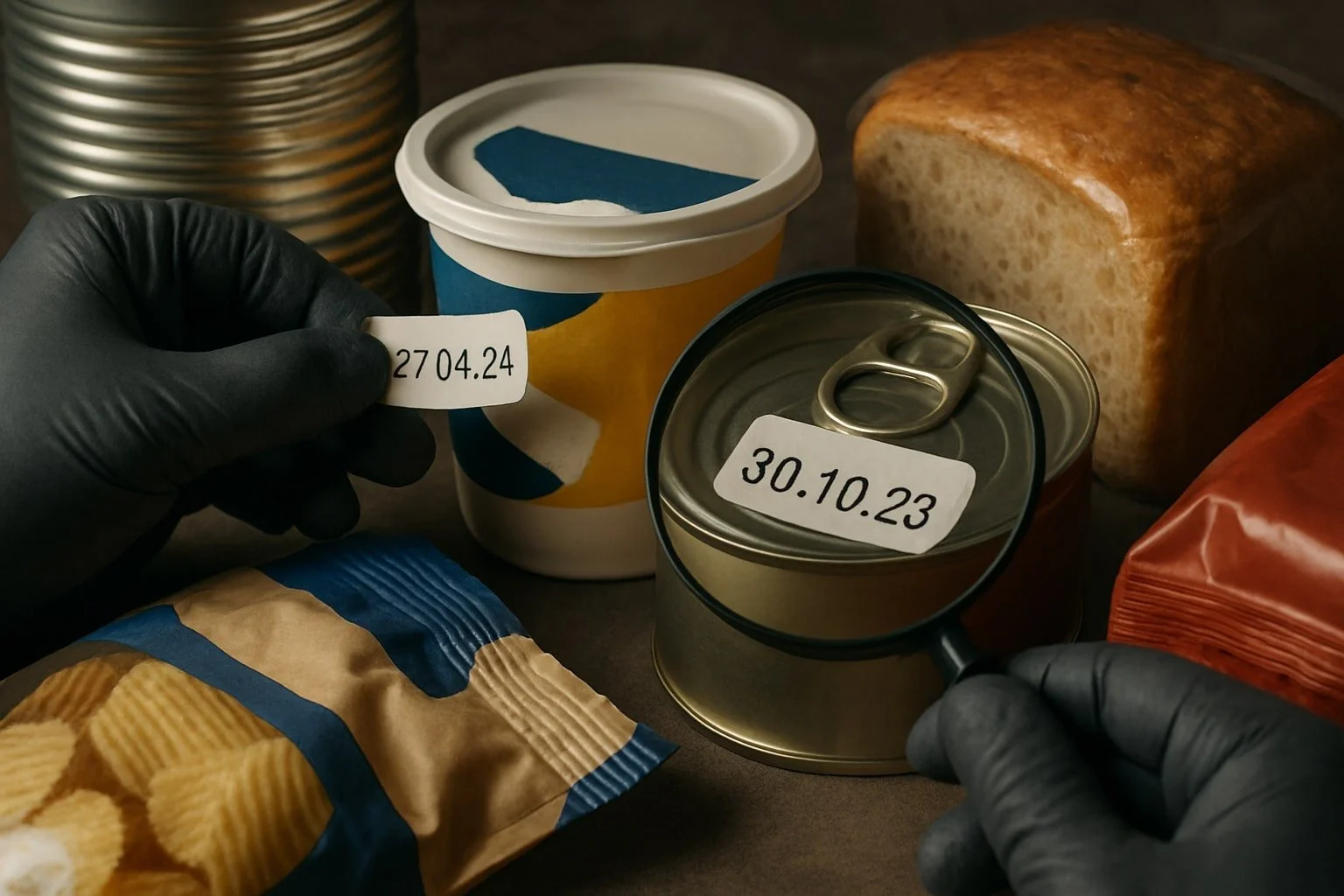
Food fraud is a growing problem worldwide, with faked expiration dates posing real risks to both consumers and businesses. Unscrupulous actors may alter or tamper with labels to make food appear fresher or safe to sell past its actual shelf life. This not only undermines consumer trust but can expose people to spoiled or unsafe products.
Investigations have uncovered incidents of products like cheese, chicken, and packaged goods being relabeled or sold with fraudulent expiration dates. While some items may not immediately become unsafe after their stated date, deliberately misleading consumers about freshness is considered deceptive and is prohibited in many countries.
The practical and financial motives for faked expiration dates mean that food fraud can occur at any point in the distribution chain. Understanding the signs and risks associated with expiration date tampering is essential for anyone who wants to make informed choices about the safety and authenticity of their food.
Understanding Food Fraud
Food fraud poses risks to both consumers and food businesses by undermining trust, safety, and authenticity. It involves deliberate actions taken for financial gain, often at the expense of food quality and consumer health.
Definition and Forms
Food fraud is the intentional dishonesty related to food products. This includes adulteration (adding undeclared substances), substitution (replacing ingredients or products with lesser-value alternatives), and misrepresentation (false labeling or altered information).
Common examples are using cheaper syrups in place of pure honey, or mislabeling fish species. It can also involve tampering with packaging or faking expiration dates to extend shelf life. The activity spans from raw ingredients to finished products and their packaging.
Forms of food fraud include:
Adulteration: Mixing or adding substances to lower costs.
Substitution: Replacing expensive ingredients with cheaper ones.
Mislabeling: Providing false information on the label or expiry date.
Counterfeiting: Faking brand, origin, or certification details.
Motivations Behind Food Fraud
Economic gain drives food fraud across the supply chain. Producers, distributors, or retailers may seek to reduce costs or boost profits by fraudulent means. For example, selling expired products with altered expiration dates allows businesses to avoid inventory losses and maximize revenue.
The scale of fraud varies. Large organizations or small, independent operators may engage in food fraud when regulatory oversight is weak or when economic pressures are high. In many cases, financial incentive outweighs the perceived risk of detection or legal penalties.
Key motivations include:
Cutting costs on ingredients.
Avoiding financial loss from expired or unsellable goods.
Gaining a competitive edge through deceptive marketing.
Impact on the Food Industry
Food fraud erodes trust between consumers, brands, and retailers. Incidents of adulteration and faked expiration dates can lead to product recalls, reputational damage, and decreased consumer confidence.
Economic consequences include legal liabilities and lost sales. Affected brands often face regulatory penalties and must invest in strengthening supply chain controls. Small businesses may struggle to recover after food fraud is exposed.
The food industry must allocate significant resources to compliance, monitoring, and testing to prevent fraud. This vigilance is vital for protecting public health and maintaining fair competition. Collaboration across the industry is essential to effectively combat economically motivated adulteration and similar threats.
Importance of Expiration Dates
Expiration dates inform consumers about when a food product is expected to maintain its best quality, and when it may no longer be ideal for consumption. These dates are part of a broader system of date labeling that helps with food safety, quality, and inventory management.
Purpose and Types of Date Labels
Date labels serve to provide guidance on when a product is at its optimal quality and safety. Manufacturers use several types of date labels, each with a distinct purpose:
Expiration date: Indicates the last date a product should be consumed for safety reasons.
Use-by date: Refers to the last date for peak quality, especially important for perishable items.
Best before date: Suggests when a food item is expected to be at its best flavor or texture.
Sell-by date: Used primarily for stock control, telling retailers how long to display the product.
These labels are not always related to safety. Most focus on quality, though some, like use-by dates on highly perishable foods, are also safety-related.
Best Before vs. Use-By vs. Sell-By
Best before, use-by, and sell-by dates each have specific meanings, but they are frequently misunderstood.
The best before date is about freshness and indicates when the food is at its finest quality. Foods may still be safe to eat after this date, but flavor or texture can decline.
The use-by date often applies to foods like dairy and ready-to-eat meals. After this date, the food may no longer be safe, even if it looks and smells fine.
The sell-by date helps stores manage inventory. It is not a consumer safety date and does not indicate when the food will spoil.
Understanding the difference prevents unnecessary food waste and ensures safety.
Peak Freshness and Shelf Life
Many consumers rely on expiration dates to gauge peak freshness and shelf life.
Shelf life refers to the period a product remains safe and maintains its intended quality under recommended storage conditions. Although food may still be edible past its expiration date or best before date, it's the peak freshness window where taste, texture, and nutrition are optimal.
Manufacturers determine these timeframes with testing and storage studies. Factors like packaging, temperature, and the type of food affect how long it stays fresh. For example, properly stored eggs may last several weeks beyond the sell-by date, while fresh milk has a relatively short peak freshness period.
Being aware of shelf life and storage practices, in addition to reading expiration dates, offers the best assurance of consuming food at its highest quality.
Faked Expiration Dates: Methods and Motives
Food fraud involving faked expiration dates presents a challenge for both regulators and consumers. Specific techniques and motives drive this practice, often making detection difficult and increasing the risk to food safety.
Techniques Used to Alter Labels
Tampering with expiration dates takes place at multiple points in the supply chain, including warehouses, distribution centers, and retail outlets. Methods include physically removing the original dates and printing new ones, or applying an adhesive sticker with an updated label directly over the manufacturer's mark.
Manual relabeling is common and often involves simple tools like solvents to erase printed dates or thermal label printers to create convincing new labels. Smart labels equipped with tamper-evident features can make this more difficult, but these technologies are not yet standard.
More sophisticated operations might intercept product shipments, replace packaging, or manipulate digital records tied to inventory and labeling systems. Such actions require coordination and inside knowledge, making organized fraud harder to detect.
Intent Behind Tampering
The motives behind expiration date fraud are primarily economic. Businesses prolong the perceived shelf life of products to avoid losses from unsold or expired stock. Selling items past their legitimate expiration date allows companies and individuals to recover investments and generate additional revenue.
This practice is especially prevalent with high-volume or perishable goods, such as dairy, meat, or bakery products. Some smaller retailers also engage in mislabeling to stay competitive or reduce waste, despite the safety risks.
Economic pressure, lack of enforcement, and consumer confusion about food labeling contribute to these practices. Many consumers throw away edible food due to unclear or faked labels, resulting in both financial and food waste.
Risks of Food Fraud and Faked Expiration Dates
Food fraud, including tampering with expiration dates, undermines food safety and exposes consumers to avoidable health risks. Contaminated or mislabeled products can lead to harmful consequences ranging from mild illness to severe health effects.
Health Effects and Foodborne Illnesses
Faked expiration dates can lead to the sale of spoiled or unsafe foods. Consumption of expired products increases the risk of foodborne illnesses caused by bacteria such as Salmonella, E. coli, and Listeria.
Individuals may experience symptoms like stomach pain, vomiting, diarrhea, and fever. Vulnerable populations—including children, the elderly, and those with weakened immune systems—face heightened risks of severe complications.
Risks associated with food fraud include:
Exposure to undeclared or unauthorized ingredients
Increased risk of foodborne outbreaks
Potential for long-term effects from chronic exposure to low-level contaminants like pesticides or heavy metals
Maintaining accurate expiration dates is critical for ensuring consumer safety and protecting public health.
Allergy Risks and Nutritional Impacts
Mislabeling of expiration dates is often linked to broader food fraud practices, such as substituting or omitting ingredients. This can result in the presence of undeclared allergens like nuts, dairy, or gluten, which pose immediate, serious threats to allergic individuals.
Accurate labeling directly affects nutritional value. If ingredients are switched or diluted, consumers may not receive the nutrients they expect and may ingest excessive additives or contaminants.
Key impacts of food fraud on allergies and nutrition:
Hidden allergens may cause allergic reactions, including anaphylaxis
Mislabeled products can lead to misleading calorie counts or nutrient information
At-risk groups may unknowingly consume unsafe foods, heightening health risks
For individuals with allergies or specific dietary needs, reliable expiration dates and transparent labeling are essential for consumer safety.
Examples of Commonly Faked Foods

Food fraud affects a wide range of popular items, from everyday grocery staples to specialty products. Counterfeit and mislabeled foods can pose safety risks, lower quality, and mislead consumers on everything from ingredients to sourcing.
Dairy Products and Eggs
Dairy products like cheese and milk are frequent targets for adulteration and labeling fraud. One well-known example is the mislabeling of non-organic or non-kosher cheese as premium or specialty types, including organic and kosher-certified varieties. Authorities have fined companies for falsely labeling cheese as kosher to command higher prices.
Milk can be diluted with water or have cheaper ingredients added to mimic fat content. Yogurts and processed cheeses may be bulked with vegetable oils or thickening agents instead of milk solids.
Egg fraud often involves selling caged or barn-raised eggs as “free-range” or “organic.” Date tampering on cartons is also a concern, with expired eggs sometimes repackaged and relabeled to appear fresh. This not only deceives buyers but can result in foodborne illness.
Oils, Grains, and Spices
Olive oil remains one of the most commonly faked foods worldwide. Instances include substituting extra virgin olive oil with lower-grade oils or mixing with soybean or sunflower oil, then labeling the product as pure. Expiration or harvest dates are occasionally changed to hide old or rancid oil.
Grains like rice can be blended with cheaper or lower-quality varieties. In extreme cases, reports have surfaced about fake rice made from non-food substances, although such situations are rare and mainly localized.
Spice fraud is widespread, especially in high-value spices like saffron, vanilla, and turmeric. Saffron threads may be mixed with dyed fibers. Ground spices can be adulterated with fillers like flour, sawdust, or expired material. Outdated spices may also be relabeled with new expiration dates to misleadingly extend shelf life.
Tea, Beverages, and Honey
Tea fraud often happens through artificial coloring, use of lower-grade leaves, or mixing tea dust with other plant materials. Some teas are marketed as specialty blends but actually contain few or no authentic ingredients. Expired teas have been found relabeled with new best-before dates.
In bottled beverages, especially fruit juices and wine, fraud includes dilution and artificial flavor additions. Old batches may have new labels applied, masking expiration or origin.
Honey is heavily targeted for fraud, including mislabeling, “honey laundering,” and the use of additives like corn syrup. Cheap counterfeit honey sometimes contains no or very little real honey, and origin labeling can be forged to evade restrictions or fetch premium prices. Products near or past expiration are sometimes relabeled and sent to new markets.
Seafood, Candy, and Chocolate
Seafood fraud is common in the retail and restaurant industries. Fish such as red snapper and tuna are routinely substituted with less expensive species. Sometimes, farmed fish are labeled as wild-caught, or products are shipped with altered or missing expiration dates.
Candies and chocolates have also been in the spotlight for fraud. Outdated or rejected batches may be relabeled with new expiration dates and sold at full price, compromising safety and quality. In counterfeit chocolate, fillers are sometimes used, and the cocoa content misrepresented.
Occasionally, specialty candies imported from other countries are found to contain unapproved dyes or preservatives. Fake labeling, presenting them as premium or safe, further misleads buyers.
Chips and Organic Products
Chips, particularly imported types, have been found with replaced expiration dates or counterfeit packaging. In some reported cases, expired chips are returned to distributors and relabeled before resale. This not only misrepresents freshness but could risk the consumer’s health.
Organic products face numerous fraud attempts. Non-organic grains, fruits, or vegetables are sometimes mislabeled as “organic” to achieve higher prices. Documentation forgery and relabeling expired goods to reset shelf life have been uncovered in several audits and investigations.
False organic certification and the fraudulent use of organic logos undermine consumer trust. Enforcement agencies continue to stop operations that repackage or falsify documentation for both processed and fresh foods in this category.
Global Cases and Investigations

Food fraud involving falsified expiration dates remains a consistent issue worldwide. Multiple investigations reveal both small- and large-scale operations, sometimes linked to other types of fraud.
Notable International Incidents
Authorities across Europe have seized substantial quantities of expired or illicit food products. In Spain, the Civil Guard uncovered two major cases involving ham with manipulated expiration dates, leading to seizures totaling nearly 49 metric tons. A separate incident in the European Union led to the seizure of illicit food products worth €30 million.
Coordinated enforcement efforts often uncover links to financial crimes, such as VAT fraud. For example, one gang investigated in connection with manipulated food labels also generated at least €1 million in profits. Regulatory agencies—including the EMA and FDA—continue to monitor for contaminants such as melamine, lead chromate, heavy metals, and unauthorized artificial colors, prioritizing public health and safety.
Case Study: Lithuania
Lithuania has faced cases of food fraud involving falsified expiration dates, particularly in wholesale and distribution. Investigations by local authorities revealed the relabeling of expired goods, which then re-entered the market posing risks to consumers’ health.
Recent enforcement focused on products potentially contaminated by heavy metals and other banned additives. Efforts included cooperation with European regulatory agencies to trace suspect products and remove them from shelves. Authorities in Lithuania also regularly test for melamine and unauthorized artificial colors in imported foods, reflecting a broader trend of vigilance across the region.
Regulations and Quality Assurance

Food supply chains rely on strict rules and routine checks to prevent food fraud and faked expiration dates. Regulatory oversight and quality assurance frameworks are necessary to protect public health and maintain trust.
Regulatory Bodies and Standards
Government agencies regulate food labeling and expiration dates, aiming to prevent fraud and protect consumers. In the United States, the Food and Drug Administration (FDA) sets standards for food safety, including guidance on expiration and "use by" dates. These agencies establish requirements that differ by region, food type, and risk level.
Internationally, organizations like the Codex Alimentarius Commission help harmonize standards between countries. Compliance with these regulations is mandatory for food businesses. Failure to meet requirements can lead to recalls, fines, or legal action.
Regulatory bodies also update policies in response to new risks. They collaborate with other agencies to enhance supply chain integrity and reduce the incidence of mislabeled or fraudulent products.
Supplier Verification and Compliance
Supplier verification ensures that all participants in the food supply chain comply with regulations around labeling and expiration dates. Food businesses are responsible for assessing their suppliers’ processes, documentation, and track records. Evaluating third-party audits, certifications, and vulnerability assessments is standard practice.
Compliance programs often require documented records of expiration dates and batch information. Companies may use traceability systems and digital tools to verify authenticity at each stage. This increases transparency and limits the opportunities for fraud.
Regular supplier evaluations help identify risks and address weaknesses quickly. Many retailers and manufacturers also require vendors to follow recognized quality standards, such as GFSI (Global Food Safety Initiative) schemes, to strengthen compliance.
Quality Assurance Measures
Quality assurance (QA) involves systematic activities that guarantee the accuracy of expiration date labeling. QA teams routinely inspect raw materials, packaging, and finished products for compliance. Random batch testing helps detect inconsistencies or evidence of tampering.
Core QA measures may include:
Segregation of expired or soon-to-expire stock
Physical audits of inventory
Review of digital labeling systems
Companies often train employees on food fraud risks and reporting protocols. Some also maintain whistleblower systems for reporting suspected violations. Consistent documentation and clear procedures reduce the chance of error or intentional fraud within the supply chain.
Consumer Awareness and Response
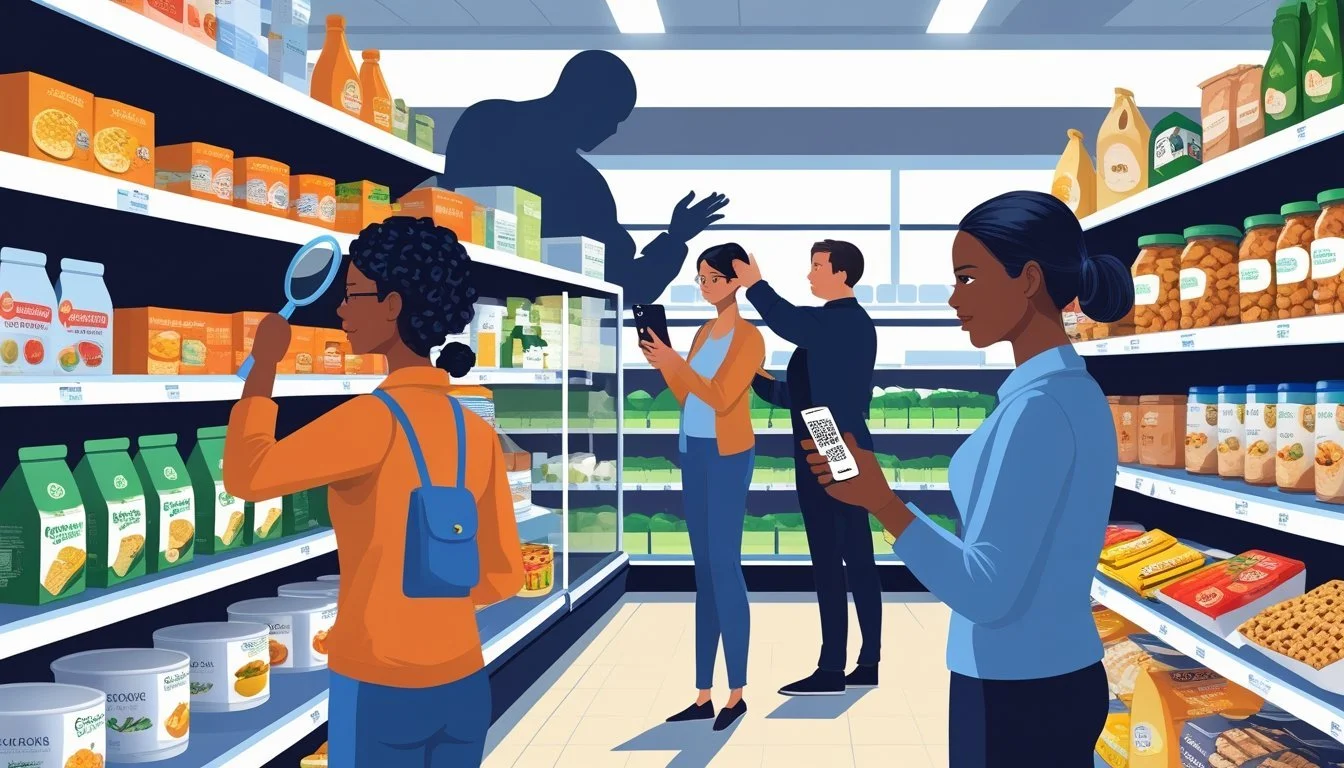
Consumers face increasing risks from food fraud, particularly when it involves altered expiration dates. Understanding how to identify fraudulent labeling, build trust in food products, and safeguard company brands can help limit negative outcomes for both customers and businesses.
Detecting Faked Expiration Dates
Detecting faked expiration dates is a practical skill that helps protect consumer health and finances. Methods often involve checking for inconsistencies in label fonts, smudging, or misaligned printing, which may indicate tampering. Some consumers also look for signs of relabeling, such as remnants of adhesive from previous stickers.
A table comparing authentic vs. fraudulent packaging features can be helpful:
Feature Authentic Packaging Possible Fraud Indicator Label placement Uniform, straight Crooked, overlapping Print clarity Sharp, consistent Blurry, inconsistent fonts Sticker residue None Visible adhesive Date format Standardized Irregular, mismatched formats
Staying informed about common tampering techniques through educational material in stores or online also prepares consumers to detect suspicious products before purchase.
Building Consumer Trust
Trust in the accuracy of food labeling is necessary for confident purchasing decisions. When consumers know that expiration dates are trustworthy, they are less likely to waste food or engage in unnecessary risk.
Retailers and manufacturers can foster trust by adopting transparent practices, such as using tamper-evident packaging and clear, standardized date formats. The introduction of smart labels is also gaining ground. These labels provide real-time freshness information, reducing consumer reliance on visual cues alone.
Providing clear in-store information, staff training, and visible reporting channels for suspected fraud further reassures shoppers. Publicizing efforts to ensure label accuracy through website updates or signage can also help establish consumer trust.
Protecting Brand Reputation
A brand’s reputation can suffer if products are found with fraudulent or misleading expiration dates. Even isolated incidents can trigger widespread concern, resulting in lost revenue and negative media coverage.
Actively combating food fraud by conducting regular audits and collaborating with supply chain partners is crucial. Many brands implement short, easy-to-follow procedures for customers to report suspected fraud. Rapid responses to complaints—as well as offering replacements or refunds—can mitigate long-term damage to brand image.
Brands that proactively communicate their food safety measures, both online and in-store, can differentiate themselves in a competitive marketplace and demonstrate their commitment to consumer well-being.
Broader Impacts

Food fraud involving fake expiration dates creates significant challenges throughout the food supply chain. This issue affects both the amount of food wasted and the ways consumers perceive and respond to packaging labels.
Food Waste Due to Fraud
Relabeling expired products leads to avoidable food waste. Confusion about expiration dates causes consumers and businesses to discard billions of pounds of food every year. According to findings from Harvard Law School and the Natural Resources Defense Council, the majority of this waste is driven by misunderstandings, not actual safety concerns.
When criminal organizations tamper with expiration dates, the waste problem is multiplied. Food that might still be safe for consumption can be dumped prematurely, while unsafe products may stay on shelves longer. This misuse not only squanders edible resources but also adds pressure on food banks and increases disposal costs.
Commonly wasted items include canned goods, dairy, and packaged meats. Over time, the environmental footprint of unnecessary food disposal grows, resulting in lost natural resources and higher greenhouse gas emissions.
Mislabeling and Public Perception
Misleading expiration labels undermine public confidence in food safety systems. Harvard studies indicate that consumers often interpret "sell by" or "best before" dates as strict safety deadlines, despite these being primarily for inventory and quality control.
Mislabeling creates a false sense of security in some cases, while in others, it leads to unwarranted alarm and waste. When fraud is exposed, public trust in food retailers and producers can suffer significant damage. Lists of commonly targeted products, such as olive oil and seafood, highlight sectors most vulnerable to fraud.
Table: Key Perceptions Due to Expiration Mislabeling
Label Type Common Consumer Belief Intended Use Best Before Indicates safety cutoff Quality, not safety Sell By Unsafe after this date Stock rotation for stores Use By Required discard deadline Sometimes safety, sometimes quality
Addressing these gaps in understanding is essential for restoring confidence and reducing wasted food.

