
Key Strategies for Sustainable Supply Chains
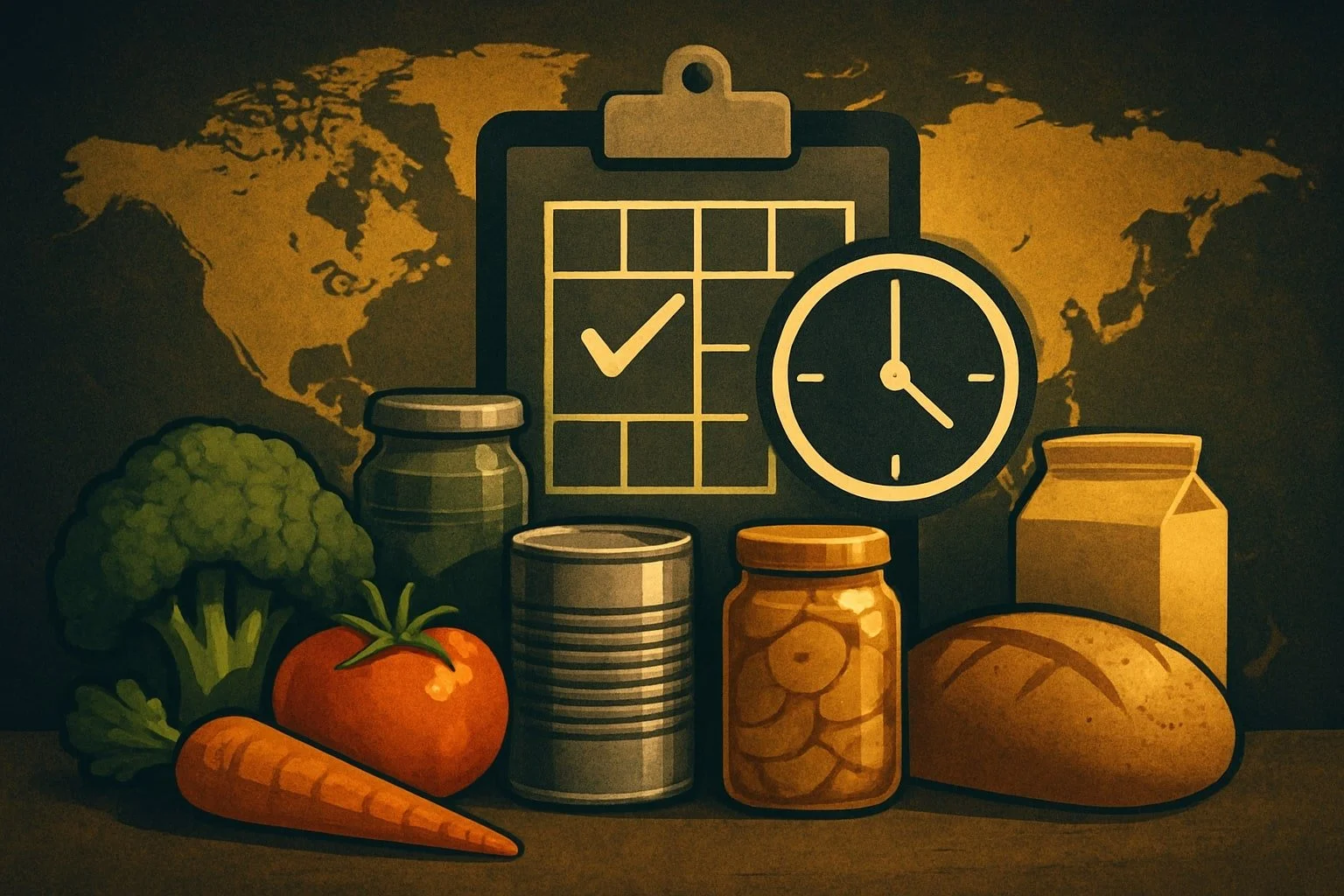
Shelf life plays a critical role in global food security planning by directly affecting food availability, waste, and supply chain efficiency. As food products move through complex production and distribution systems, the length of time they remain safe and nutritious determines how much ultimately reaches consumers, especially in regions far from sources of production.
Reducing food loss and waste is now a core goal for global sustainability, with international efforts targeting significant reductions by 2030. Longer shelf life enables better stock management, extends distribution reach, and helps lower the risk of shortages, supporting both retailers and communities in meeting food security targets.
Innovations in packaging, preservation, and supply chain management continue to improve shelf life outcomes, making it a key factor in strategic food security decisions. By understanding and optimizing shelf life, countries and companies can make more efficient use of resources and help build a more resilient global food system.
Understanding Shelf Life and Its Role in Food Security
Shelf life directly influences the availability of safe, nutritious foods and the stability of food supplies. Managing how long food remains consumable helps limit spoilage, reduce waste, and ensure consistent access to quality food.
Defining Shelf Life of Food
Shelf life refers to the time span during which a food product maintains its intended safety, nutritional value, sensory properties, and overall quality. It ends once the food becomes unsafe or loses its desirable traits such as taste, aroma, or texture.
Factors that define shelf life include storage conditions, packaging, temperature, exposure to light, and the food’s composition. Perishable items like milk and fresh produce have a short shelf life due to high moisture content and quicker microbial growth. In contrast, processed or preserved foods such as canned goods last much longer under optimal storage.
Manufacturers often determine shelf life through laboratory testing and observation, using expiration or best-before dates to inform consumers. This information is crucial for both retailers and buyers, enabling realistic planning in transportation, storage, and consumption.
Importance of Shelf Life in Global Food Security
Shelf life is central to food security because it affects how efficiently food can be distributed and consumed without excessive loss. Extended shelf life allows food to be safely transported over longer distances and stored for future use, which can stabilize supply during shortages or disruptions.
Proper shelf life management helps reduce food waste, which is a major issue affecting global food supply chains. For countries with limited storage infrastructure, extending shelf life can mean access to nutritious foods even outside harvest seasons.
Producers, policymakers, and aid organizations rely on shelf life data when planning food assistance, stockpiling, and supply logistics. By reducing spoilage rates and waste, shelf life management supports more predictable food availability and improves food security in vulnerable regions.
Impacts on Nutritious Food and Healthy Diets
Foods rich in nutrients—such as fruits, vegetables, dairy, and lean proteins—tend to spoil faster due to their composition and moisture content. Short shelf life can make it challenging for populations to access and consume a varied, healthy diet, especially where fresh food supply is inconsistent.
Efforts to extend shelf life through improved storage, better packaging, and preservation technologies help ensure more people have access to nutritious foods. This is particularly critical in regions prone to food insecurity, where diet quality often suffers due to a limited selection of fresh, healthy options.
Longer shelf life also encourages international trade in nutrient-dense foods, expanding the availability of healthy diets worldwide. However, there is a balance to be struck—prolonging shelf life should not lead to the excessive use of additives or processing that diminishes nutritional quality.
Shelf Life Influence on Supply Chains and Food Production
Shelf life has a direct impact on how food is moved, managed, and produced across global agrifood systems. Its significance is reflected in storage practices, production planning, and the efficiency of the agri-food sector.
Food Supply Chain Dynamics
Shelf life determines the flow and scheduling within the food supply chain. Products with a short shelf life, such as fresh fruits and vegetables, require rapid transport and specific storage conditions to prevent spoilage. According to recent data, an estimated 20–50% of produce is lost before reaching consumers, with perishability being a key factor.
Logistics, warehouse management, and inventory policies are deeply influenced by expected product freshness. Technologies such as cold chain systems and first-expired-first-out (FEFO) warehouse protocols are implemented to reduce waste and ensure food safety. This helps maintain stability in markets and food availability.
Efficient supply chain operations depend on matching transportation speed, handling, and storage environments with each product's biological limitations. Failure to account for shelf life often leads to increased waste and cost.
Role in Food Production and Processing
In food production, shelf life considerations drive the choice between fresh or processed methods. Processing technologies such as sterilization, rapid freezing, and aseptic packaging are utilized to extend the usability of products. These interventions not only protect food quality but also enable longer distribution windows.
Producers must balance these preservation methods against resource inputs and shifting demand patterns. For example, sterilization and controlled atmosphere storage are prioritized for high-value or sensitive goods, while basic packaging may suffice for more robust items. Innovations in processing and storage continue to support global efforts to minimize loss throughout the production phase.
Shelf life measurements also influence harvest timing, batch sizes, and manufacturing schedules. This coordination ensures that food is delivered within its best consumption window, directly affecting supply chain performance.
Value Chain Implications
Shelf life is a critical factor shaping the structure and value of agri-food chains. It affects the economic value at each stage, from farm to fork. Extended shelf life contributes to broader market reach, allowing exporters and producers to serve distant consumers and reduce price volatility.
For suppliers, understanding shelf life is essential to limit losses and maintain product standards. Retailers and distributors may adopt practices such as tighter inventory turnover and demand forecasting to adapt to varying perishability levels.
Across the value chain, preserving shelf life supports food security by optimizing available resources, aligning supply with actual consumption, and curbing unnecessary waste. This forms a central pillar in sustainable food system management.
Storage Technologies and Facilities for Shelf Life Extension
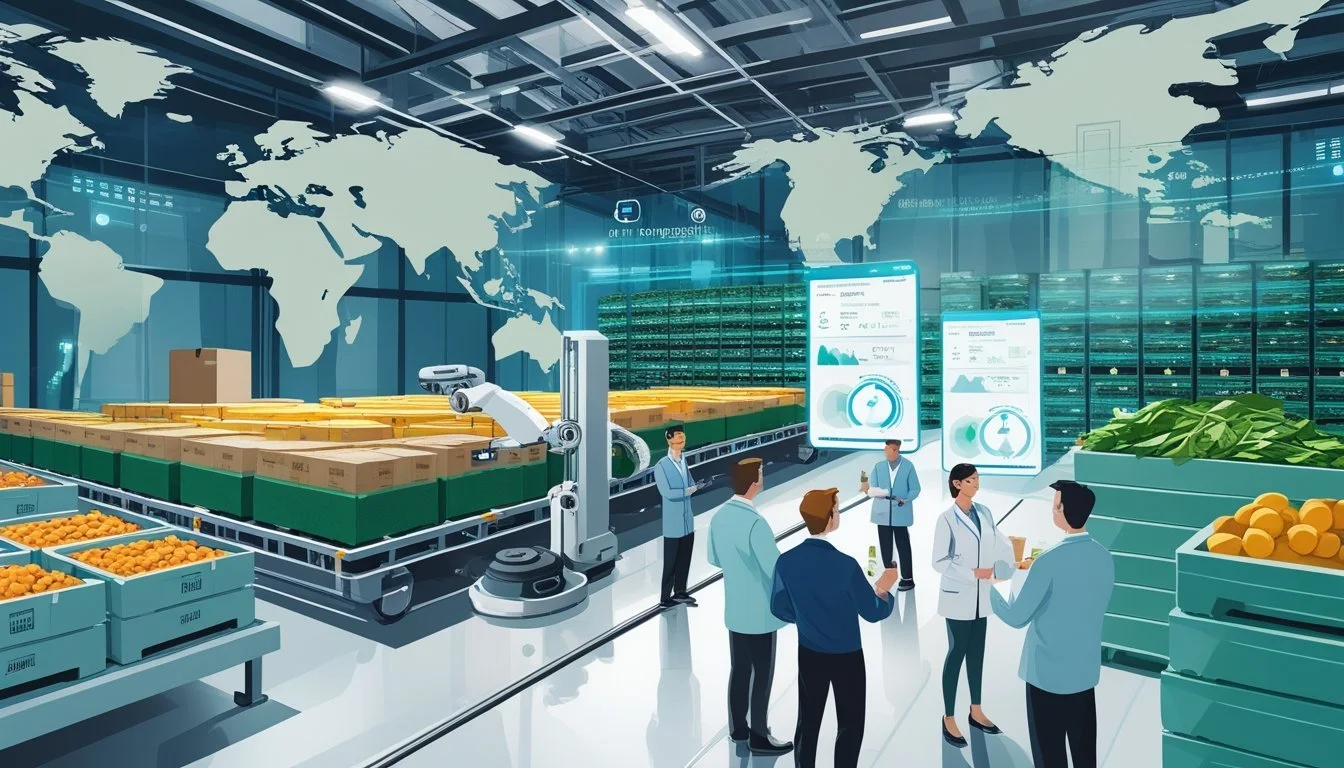
Advances in food storage play a crucial role in minimizing food loss and ensuring safety. Effective storage solutions rely on consistent environmental control, modern technology, and robust infrastructure to maintain food quality.
Cold Storage and Refrigeration
Cold storage and refrigeration systems are essential for preserving perishable foods. Chilled environments slow microbial activity, enzymatic reactions, and chemical changes that degrade quality.
Refrigeration keeps fruits, vegetables, dairy products, and meats safe for longer periods. For example, milk stored at 4 °C can have its shelf life extended significantly.
Key benefits of cold storage:
Reduces food spoilage and waste
Maintains nutritional and sensory qualities
Supports year-round food distribution
Maintaining strict temperature control and regular maintenance of refrigeration equipment is necessary to avoid breakdowns and ensure food safety.
Optimal Storage Facilities
Optimal storage facilities combine temperature, humidity, and airflow controls to match the requirements of different food types. Proper insulation and ventilation systems help prevent moisture buildup, which is a common cause of spoilage.
Facilities are increasingly equipped with monitoring systems for real-time tracking of storage conditions. Product traceability solutions allow managers to identify and isolate problems quickly, preventing large-scale food loss.
A variety of storage types are used:
Controlled-atmosphere warehouses
Modified atmosphere storage
Dry storage rooms for grains and legumes
Each facility is designed to maintain specific parameters for specific foods, which is vital for long-term preservation.
Technological Innovation in Storage
Recent technological advances have further optimized storage environments. Smart sensors and automation allow precise monitoring of temperature, humidity, and gas composition. These innovations give facility managers early warning of potential failures or unsafe conditions.
Nanotechnology is being explored for new packaging that inhibits microbial growth and improves barrier properties. Digital platforms now facilitate product traceability, helping to identify where spoilage or contamination has occurred along the supply chain.
Innovations such as remote monitoring, artificial intelligence, and Internet of Things (IoT) integration make food storage more efficient and responsive to changing conditions. Together, these advances extend shelf life, reduce waste, and support food security goals.
Minimizing Food Loss and Waste Through Shelf Life Management
Shelf life plays a central role in determining how much food is lost or wasted at every stage of the supply chain. Effective management can help stabilize food supplies, protect resources, and support food security goals by reducing preventable spoilage and waste.
Causes of Food Loss and Waste
Food loss and waste occur for a variety of reasons across different stages. In production and harvest, improper handling, damage from pests, and inadequate storage lead to early loss. During distribution, delays and temperature fluctuations result in spoilage, especially for perishable goods.
Retail settings face issues such as overstocking, improper stock rotation, or damaged packaging. At the consumer level, household food waste often results from confusion about date labeling or over-purchasing items with short shelf lives.
Below is a table summarizing primary causes by stage:
Stage Main Causes Production Pests, inadequate storage Distribution Spoilage, transit delays Retail Overstocking, mislabeling Households Confusion over labels, excess buy
Post-Harvest Losses Prevention
Post-harvest losses happen between production and retail and are impacted by storage, transportation, and packaging choices. Enhancing temperature control—such as using cold storage for fruits and vegetables—can significantly extend shelf life and reduce loss.
Protective packaging helps prevent mechanical damage and contamination from bacteria or pests. Regular monitoring for humidity and temperature also reduces spoilage rates. Proper agricultural and veterinary practices further shield produce from pests and diseases at early stages.
Small changes, such as improved ventilation or using moisture absorbers, provide additional protection, especially in regions with limited cold chain infrastructure.
Food Waste Reduction Strategies
Effective food waste reduction strategies target both businesses and consumers. Retailers can implement first-in, first-out (FIFO) inventory systems to ensure older stock sells before newer items. Dynamic pricing—offering discounts on items nearing expiration—encourages faster sales and less waste.
Consumers benefit from clear date labeling, better meal planning, and proper storage techniques to prolong shelf life at home. Governments and organizations run awareness campaigns to educate people about food date meanings and safe consumption.
Digital solutions, like food-sharing apps and household waste tracking, support behavior change and prevent unnecessary discards. Many countries now consider mandatory waste reduction targets, encouraging innovation across food supply chains.
Environmental and Social Impacts of Prolonged Shelf Life
Extending the shelf life of food products can directly affect environmental sustainability and influence social outcomes. Longer shelf life can lower food waste, support more efficient resource use, and improve equity in access to food.
Reducing Greenhouse Gas and Methane Emissions
Wasted food generates significant greenhouse gas emissions throughout its life cycle, from farming and transport to disposal. When food ends up in landfills, it decomposes and produces methane, a greenhouse gas estimated to be over 25 times more potent than carbon dioxide over a 100-year period.
Increasing shelf life delays spoilage and reduces the volume of food sent to landfills and incinerators. As a result, fewer emissions are released, particularly methane from anaerobic decomposition. Improved packaging, refrigeration, and preservation techniques can help reduce both direct waste and landfill methane production.
By reducing the frequency of wasted food, shelf life extension also decreases the overall need for agricultural production. This lessens pressure on natural resources such as land and water and contributes to the goals of sustainable and regenerative agriculture.
Waste Hierarchy and Sustainable Practices
The waste hierarchy prioritizes actions to prevent waste generation, followed by reuse, recycling (including composting and anaerobic digestion), recovery, and landfill disposal. Extending shelf life directly supports the top tiers of this hierarchy by preventing food from becoming waste in the first place.
Longer shelf life allows retailers, distributors, and consumers more time to use food before spoilage, reducing the need for disposal or alternative recovery options. This helps shift the food supply chain toward more sustainable practices, such as better inventory management and less reliance on energy-intensive waste treatment processes.
In systems where waste still occurs, shelf life extension gives stakeholders more flexibility to divert unsold or surplus food to composting or anaerobic digestion facilities rather than landfill. This alignment with the waste hierarchy underpins broader sustainability strategies in food systems.
Social Benefits and Equity
More resilient shelf life benefits communities by increasing access to safe and nutritious food. Products with longer shelf life are easier to transport and store, particularly in regions with limited cold chain infrastructure or frequent supply interruptions.
Shelf stability also lowers distribution losses and enables food banks and aid organizations to serve vulnerable populations more efficiently. This enhances food equity by making nutritious food available in underserved areas while also supporting disaster preparedness and response efforts.
Extending the shelf life of staple foods directly addresses factors such as affordability and reliability. This helps reduce disparities in food access and contributes to broader social benefits, from improved nutrition to economic resilience in low-income communities.
Ensuring Food Safety and Health with Proper Shelf Life Control
Proper management of shelf life plays a direct role in minimizing health risks and maintaining consumer confidence. Shelf life decisions shape not only the safety of the food supply but also impact the variety and quality of products available.
Food Safety Regulations and Oversight
Food safety regulations define guidelines for shelf life to limit spoilage and the growth of harmful microorganisms. Authorities like the Canadian Food Inspection Agency (CFIA) and Health Canada set and enforce these rules for all food sold in Canada.
Producers must validate shelf life using standard methods such as microbial testing, chemical analysis, and controlled storage studies. These precautions are legally required to protect public health and ensure only safe products reach the market.
Key requirements include:
Clear labelling of expiration or best-before dates
Documentation of storage conditions
Traceability of ingredients and processes
These measures help regulators monitor compliance, and facilitate recalls if necessary.
Health Risks and Foodborne Illness
Improper control of shelf life increases the risk of foodborne illness. Foods stored too long or beyond their expiry can allow bacteria like Salmonella, Listeria, or E. coli to grow to unsafe levels.
Foodborne illness can cause symptoms ranging from mild discomfort to serious or life-threatening conditions, especially in vulnerable populations such as children, the elderly, or those with weakened immune systems. Detailed shelf life management reduces these risks by ensuring food is consumed while it is still safe.
Surveillance and prompt removal of unsafe products help prevent outbreaks and maintain public trust in the food supply.
Maintaining Product Range and Quality
Effective shelf life control supports a diverse product range while preserving food quality. By optimizing storage methods, companies can offer foods with extended shelf lives, including both perishable and shelf-stable options.
Proper practices such as heat treatment, drying, or improved packaging prevent spoilage without compromising flavor, texture, or nutrition. This allows for a wider selection of healthy foods to be distributed globally.
Efficient shelf life management also reduces food waste and supports consistent product quality across markets. This is critical for long-term food security planning and global supply chain stability.
Market and Consumer Impacts of Shelf Life Planning
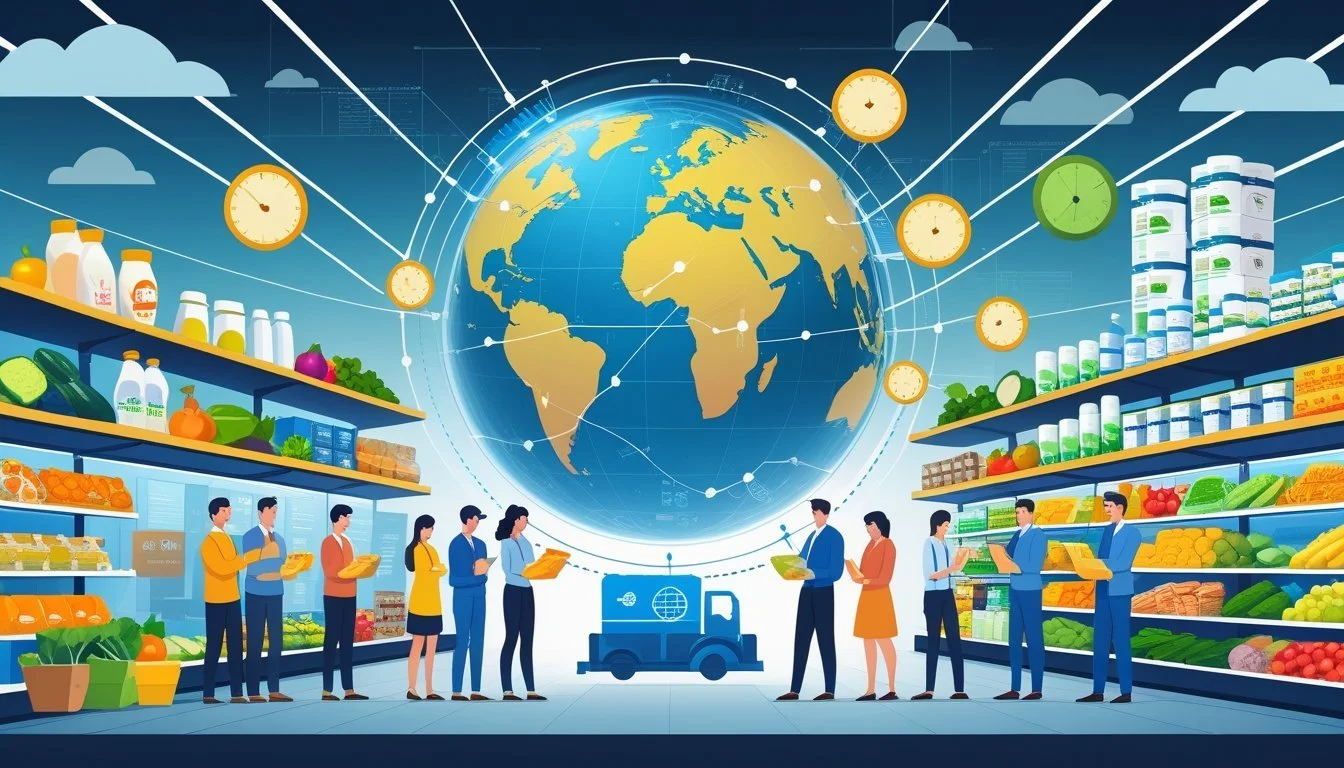
Shelf life strategy shapes how food moves from production to consumption. It affects cost, access, waste, and the types of products available in stores and homes.
Retail, Supermarkets, and Grocery Shops
Retailers rely on precise shelf life management to reduce waste and maintain profit margins. Supermarkets and grocery shops often adjust inventory levels, ordering patterns, and display practices based on expected product life.
Short shelf lives demand rapid turnover, leading to frequent restocking and potential markdowns. Overstocked or outdated goods can become waste, which leads to economic loss. Longer-lasting products allow for more flexible logistics, reduced spoilage, and sometimes, wider geographic distribution.
Retailers also use shelf life extensions—such as improved packaging or new preservation methods—to mitigate product loss. For fresh items like produce and bakery goods, short shelf lives remain a challenge.
Influences on Consumer Behaviour and Choices
Consumers closely associate freshness with quality and safety. Short shelf life products often create urgency, pushing shoppers to prioritize immediate use, limiting bulk purchases.
Research shows many hesitate to buy items appearing less fresh, which can result in higher waste at the store level. Longer shelf lives aid meal planning, enabling people to buy in advance and reduce frequency of shopping trips.
An example table of shelf life effects on consumer behaviour:
Shelf Life Typical Consumer Action Short Frequent shopping, avoid bulk buys Medium Planned buying, moderate waste Long Bulk buying, reduced waste
Preservatives and storage methods influence perceptions. Some buyers avoid goods with added chemicals, which affects sales of artificially preserved products.
Business Models and Vertical Integration
Shelf life planning alters supply chain design and business models. Companies pursuing vertical integration—where production, processing, and retail happen under one umbrella—can better control product freshness and distribution timelines.
Firms with direct oversight of supply increase agility in logistics and inventory decisions. This approach often leads to faster movement from farm to shelf, which is essential for short-lived goods.
Business models that emphasize local sourcing may focus on rapid supply and sale to handle limited shelf life, while those relying on global distribution prioritize preservation techniques to maximize time-to-market. Retail alliances with suppliers can also streamline shelf life management, minimize waste, and optimize pricing strategies.
Special Considerations: Perishable Products and Developing Regions
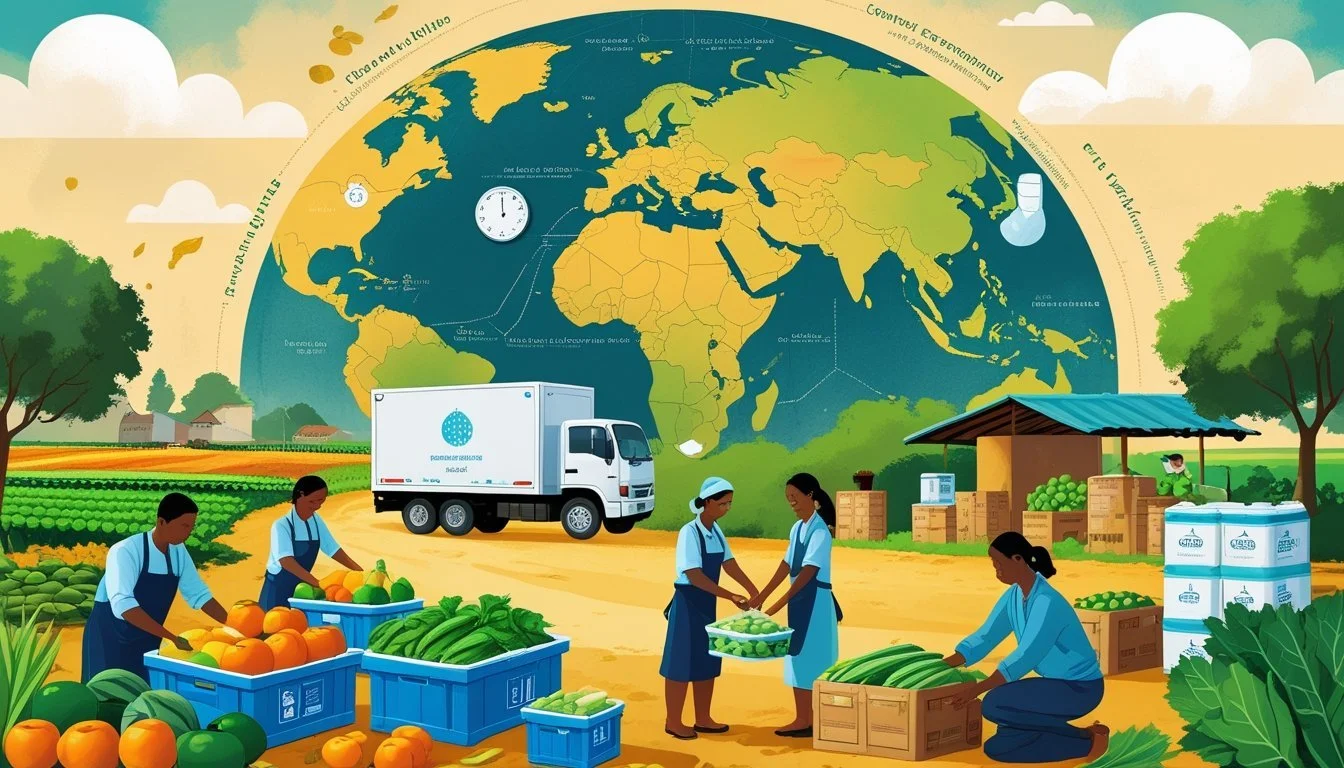
Shelf life has a direct impact on food loss, access to nutrition, and the effectiveness of distribution systems. Managing perishable goods is particularly complicated in regions facing infrastructure and resource limitations.
Managing Perishable Products and Fresh Produce
Perishable products such as dairy, meat, fruit, and vegetables require careful handling and robust storage systems to slow spoilage. Temperature control, such as the use of cold chains, is central for extending the shelf life of these foods.
Technologies like refrigerated transport and modified-atmosphere packaging provide added protection but are costly and not always accessible in every region. Ethylene management is also critical for fruit and vegetables since it accelerates ripening and deterioration.
Below is a table showing estimated shelf life for select fresh produce under ideal conditions:
Product Optimal Shelf Life (Days) Key Storage Factor Strawberries 3–7 Refrigeration Leafy Greens 7–10 Moisture, Cool Temp Tomatoes 4–7 Ethylene Isolation Milk (Pasteurized) 7–10 Cold Storage
Challenges in Developing Countries
Developing countries face persistent challenges with food storage infrastructure and reliable electricity, increasing risks of spoilage in perishable products. Without consistent access to refrigerated storage and transportation, fruit and vegetables often deteriorate before reaching consumers.
These losses reduce both food security and income for smallholder farmers. In some regions, post-harvest losses for fruit and vegetables can exceed 30%, making supply chain inefficiencies a primary concern.
Investments in decentralized cooling hubs, improved packaging, and capacity-building programs are crucial for mitigating spoilage. Community-based cold storage and solar-powered refrigeration are increasingly explored solutions where grid electricity is unreliable.
Supporting Balanced Diets and Meal Planning
Perishable foods play a significant role in providing varied, nutrient-rich diets, but their limited shelf life complicates meal planning in households and institutions. Short shelf lives require more frequent market visits, which may not be possible in rural or remote areas.
Unreliable storage can restrict the availability of fresh produce, leading to a greater dependency on less nutritious, non-perishable foods. This shift threatens dietary diversity and can contribute to malnutrition.
Promoting education in meal planning, alongside improved local supply chains, helps households maximize the use of available perishable products. Simple methods like community meal schedules, bulk purchasing cooperatives, and training in food preservation techniques can support healthier, better-balanced diets even with shelf life constraints.
Current Research and Future Directions in Shelf Life and Food Security
Shelf life research is influencing strategies to reduce food waste, cut environmental impacts, and maintain food supplies. New studies are addressing practical methods to extend perishability, share information efficiently, and adapt to changing climates.
Information Sharing and Collaboration
Effective information sharing is central to aligning food producers, distributors, and policymakers. Platforms for real-time data exchange allow stakeholders to identify supply chain bottlenecks and act swiftly to maximize shelf life.
Collaboration between international agencies, such as the FAO and national governments like the Government of Canada, accelerates knowledge transfer. This process supports local adaption of best practices and proven technologies.
Research consortia are investing in digital infrastructure to manage traceability. For example, by using blockchain systems, shelf life data remains accessible and verifiable throughout the supply chain.
Research Priorities and Innovation
Current research focuses on technologies to slow spoilage, such as biodegradable coatings, modified atmosphere packaging, and targeted refrigeration. The impact of these innovations is actively measured in terms of food loss reduction and sustainability improvements.
A major research priority is understanding post-harvest biology at the molecular level, which allows for targeted interventions to delay decay. Public–private partnerships are channeling funding into these priority areas, ensuring rapid development and testing of new solutions.
Investments are also directed at scalable processes. For instance, advances in predictive analytics offer the potential to anticipate food system disruptions and adapt storage protocols accordingly.
Influence of Climate Change
Climate change is altering crop yields, seasonal variability, and transportation logistics. Shelf life extension technologies must be flexible enough to address these rapidly changing environmental conditions.
Researchers are modeling the interaction between climate variables and food spoilage patterns. Their goal is to design adaptive packaging and storage strategies that remain effective under more volatile temperature and humidity conditions.
Governmental organizations, including the Government of Canada, are supporting studies on mitigation strategies. This includes resource-efficient cold chains and drought-resistant packaging materials to safeguard food availability in unpredictable climates.

