
How Oxygen Depletes Food Quality
Understanding the Impact on Freshness and Shelf Life
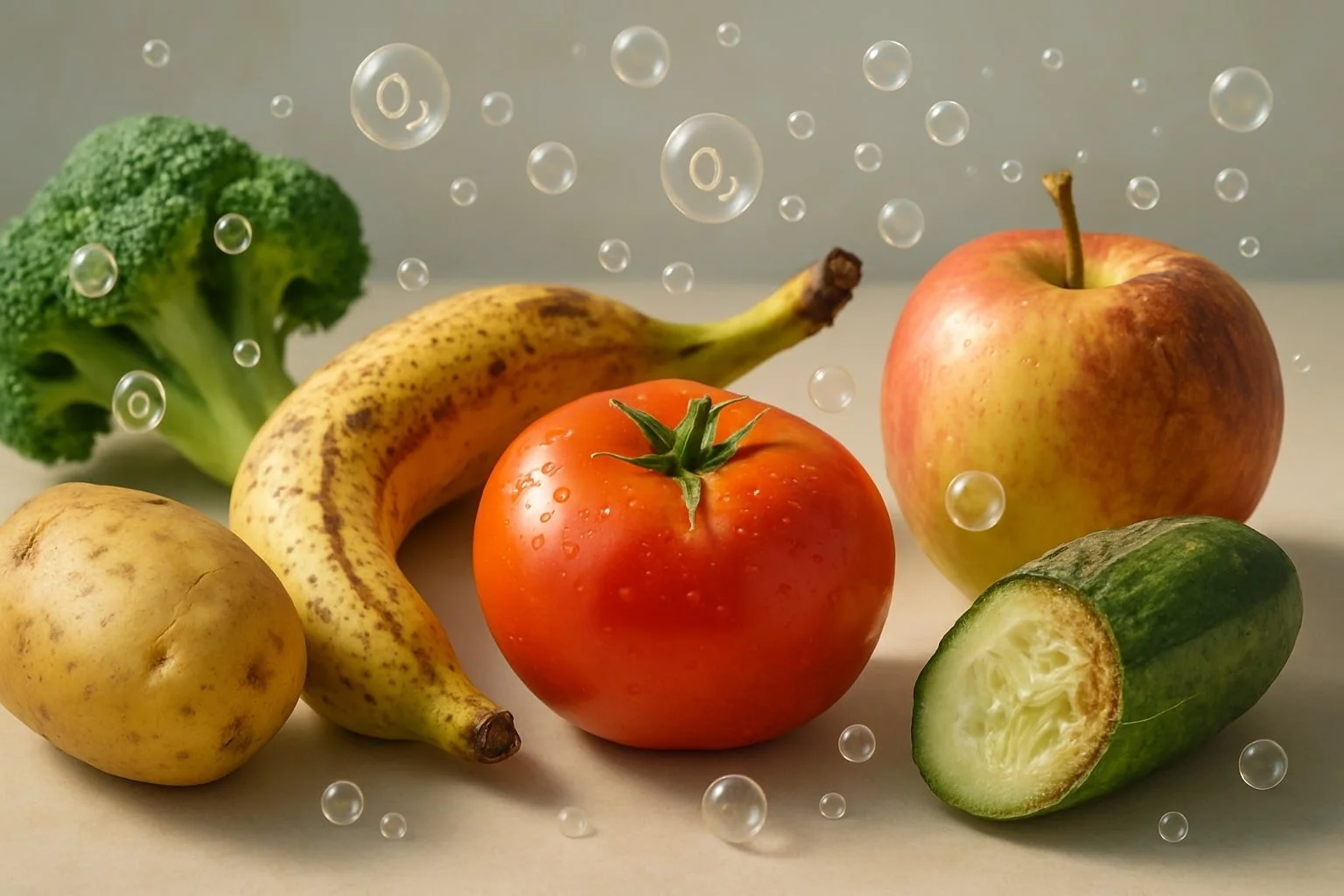
Oxygen plays a significant role in the deterioration of food quality, affecting both shelf life and nutritional value. When food is exposed to oxygen, it can trigger oxidation, which leads to the breakdown of essential nutrients, loss of flavor, and spoilage. This process not only impacts taste and texture, but also reduces the overall appeal and safety of perishable products.
Common preservation methods such as modified atmosphere packaging, vacuum sealing, and oxygen absorbers are designed to limit oxygen exposure and slow down food degradation. As consumers and businesses look for ways to keep food fresh, understanding how oxygen contributes to food spoilage becomes essential for making informed choices and maintaining quality.
How Oxygen Impacts Food Quality
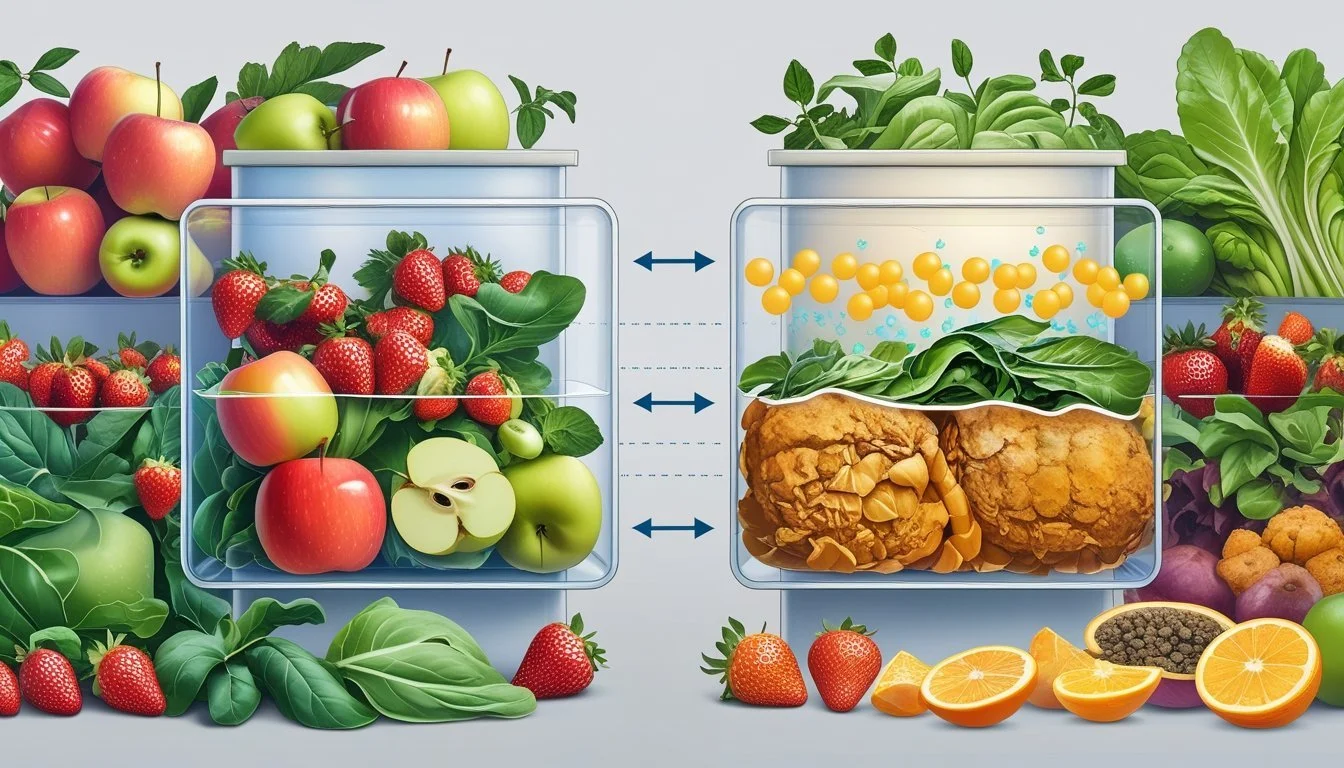
Oxygen exposure affects food in several key ways: it drives chemical changes that lead to spoilage, decreases nutritional integrity, and alters sensory attributes like taste, color, and smell. Each of these effects can reduce shelf life and overall food quality.
Oxidation and Spoilage
When food is exposed to oxygen, oxidation of fats, oils, and some vitamins can occur. This chemical reaction often results in rancidity, especially in products rich in unsaturated fats such as nuts, oils, and snack foods. Rancidity is marked by unpleasant odors and flavors.
Oxidation can also impact color and texture. For example, fresh-cut fruits and vegetables, such as apples or potatoes, turn brown due to enzymatic reactions triggered by oxygen. Similar processes cause discoloration in meats and seafood.
Spoilage from oxygen exposure is not limited to chemical changes. Oxygen can promote the growth of aerobic microorganisms, including spoilage bacteria and molds. These microbes further degrade the product, reduce shelf life, and may make food unsafe to eat.
Key impacts of oxidation and spoilage:
Off-flavors (rancidity)
Discoloration
Shortened shelf life
Increased microbial growth
Loss of Nutritional Value
The presence of oxygen can degrade vital nutrients, specifically vitamins such as vitamin C and vitamin A, which are sensitive to oxidation. Over time, this reduces the nutritional quality of food, even if spoilage is not immediately visible.
For instance, stored fruit juices can lose significant amounts of vitamin C due to prolonged oxygen exposure. The same is true for some grains and processed foods, where fat-soluble vitamins deteriorate.
Proteins can also be affected by oxygen, leading to changes in amino acid composition and reduced nutritional value. Maintaining nutritional integrity requires minimizing oxygen contact during processing and storage.
Nutrients most affected:
Nutrient Susceptibility Vitamin C Very High Vitamin A High Some Proteins Moderate
Influence on Sensory Attributes
Oxygen exposure directly impacts sensory properties—taste, aroma, appearance, and texture—which shape consumer perception of food quality. Loss of freshness is a common result, especially in products like coffee, nuts, and baked goods.
Changes in aroma come from the breakdown of flavor compounds and creation of new, undesirable molecules during oxidation. Fats and oils, in particular, develop off-odors and staleness.
Visual changes are also evident. Browning in cut fruits, fading in vegetable color, and loss of gloss in seafood can all be traced to oxygen exposure. These changes diminish consumer appeal and can signal underlying quality degradation.
Sensory attributes affected by oxygen:
Flavor: development of bitterness or staleness
Aroma: loss of freshness, off-odors
Appearance: discoloration, browning
Texture: increased toughness or dryness
Chemical and Biological Mechanisms of Degradation
Oxygen exposure leads to a series of changes in food that decrease its shelf life, safety, and quality. These changes involve specific chemical reactions, the activity of spoilage microbes, and the action of native enzymes.
Chemical Reactions in Food
Oxygen triggers oxidation reactions that impact key nutrients, including fats, proteins, and vitamins. For example, lipid oxidation results in the development of rancid odors and flavors. Unsaturated fatty acids in foods are particularly susceptible to forming peroxides and secondary metabolites.
Protein oxidation can cause loss of solubility and the formation of carbonyl groups, leading to undesirable color or texture changes. Important vitamins such as A, C, and E also degrade through exposure to oxygen, reducing nutritional value. Table 1 highlights selected chemical effects:
Compound Key Effect of Oxygen Lipids Rancidity, off-flavors Proteins Loss of texture/solubility Vitamins A/C/E Loss of nutritional value
Microbial Growth and Spoilage Bacteria
Many spoilage bacteria require oxygen for growth and metabolism. When food is exposed to air, bacteria such as Pseudomonas spp. and Bacillus spp. can proliferate rapidly and break down food components.
Aerobic conditions favor the growth of molds and yeasts, leading to surface spoilage, visible mold, and fermentation by-products. These microbes can produce off-odors, slime, or toxins that directly impact food safety and acceptability.
Reducing oxygen exposure is a hurdle in preservation strategies, as noted in research. Oxygen scavengers and modified atmosphere packaging are common methods used to limit microbial growth caused by oxygen.
Enzymatic Activity and Rancidity
Enzymes naturally present in food, such as lipoxygenase and polyphenol oxidase, become active in the presence of oxygen. Lipoxygenase, for example, accelerates the oxidation of polyunsaturated fats, worsening rancidity.
Polyphenol oxidase catalyzes the browning of cut fruits and vegetables, resulting in discoloration and loss of sensory quality. Some enzymes remain active even at refrigeration temperatures. Limiting oxygen is critical for controlling these reactions and extending shelf life.
Enzymatic rancidity does not only alter flavor but can also change texture and nutritional value in processed and fresh foods. Storing food in low-oxygen environments drastically slows these reactions.
Nutritional and Sensory Deterioration
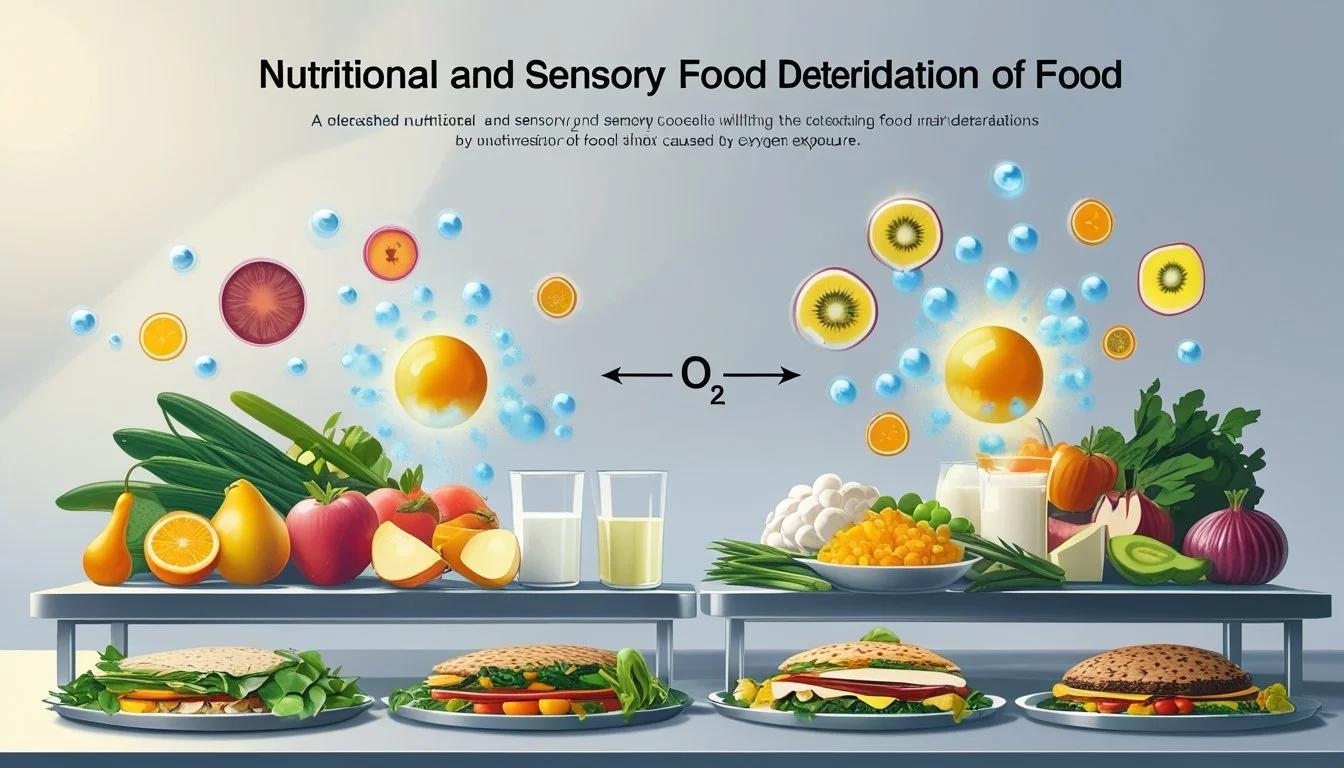
Oxygen exposure leads to chemical changes in food that cause loss of nutrients and decline in taste and appearance. Specific vitamins, pigments, and fatty acids are among the most affected, often resulting in foods that are less nutritious and appealing.
Nutrient Loss in Foods
When foods are exposed to oxygen, a process called oxidation can degrade essential nutrients. Vitamins such as vitamin C, vitamin E, and some B vitamins are particularly sensitive to oxidation and can break down quickly. Fatty acids, especially polyunsaturated fats found in oils, nuts, and fish, also oxidize, making them less beneficial and potentially producing harmful byproducts.
Minerals themselves do not degrade, but the loss of nutrient-rich compounds or breakdown of food structure can impair absorption. The decline in nutritional quality is more pronounced in cut, chopped, or processed foods. This effect is commonly seen in packaged vegetables and fruits, where nutrient retention drops with increased oxygen exposure during storage.
Changes in Flavor, Aroma, and Texture
Oxidation alters the flavor compounds in foods. Oils may become rancid, fish develops off-tastes, and snack products lose their crispness. These changes occur because oxygen reacts with fats and proteins, producing new molecules that are different from those responsible for the original taste and aroma.
Aromas can shift from fresh and desirable to stale or unpleasant due to the breakdown of volatile organic compounds. Texture changes are also common, such as bread turning hard or rubbery, and fruit losing its firmness. Consumers often notice these sensory shifts even before visible spoilage, making the food less appetizing.
Discoloration and Off-Flavors
Oxygen exposure causes discoloration in a variety of foods. For example, cut apples and potatoes turn brown due to enzymatic browning, while meat can shift from bright red to brown or grey. The pigments responsible for fresh colors, such as chlorophyll in vegetables or myoglobin in meat, are especially prone to oxidation.
Off-flavors develop alongside these visible changes. Oils and fats take on a "painty" or "soapy" taste, while dairy products can taste sour or metallic. These changes not only signal nutrient loss but also affect the safety and acceptability of the food for consumers.
Types of Foods Most at Risk
Foods that are exposed to oxygen can lose flavor, nutrients, and safety more rapidly. Certain types are especially vulnerable due to their composition and how they are processed or stored.
Oxygen-Sensitive Foods
Oxygen-sensitive foods include many perishable and processed items. Products such as fresh meats, seafood, dairy, and ready-to-eat meals are notably affected by oxygen because it accelerates spoilage and supports the growth of bacteria and molds.
Pet food, particularly wet varieties, is also prone to quality loss when exposed to air and requires effective sealing methods. Processed foods with fats or oils, such as snack foods and bakery items, often undergo oxidation, leading to rancidity, off-flavors, and loss of nutritional value.
Proper packaging methods—such as vacuum sealing or modified atmosphere packaging—are critical in preserving the freshness and safety of these products. Foods stored at inappropriate temperatures with oxygen exposure face even greater risks of spoilage and contamination.
Grains, Legumes, and Flour
Grains and legumes, such as rice, beans, and lentils, are often stored in bulk for extended periods. When exposed to oxygen, these products can become rancid due to the oxidation of natural fats present in the seeds.
Flour is at risk for similar reasons. Oxygen can trigger the loss of vitamins—especially vitamin E—and lead to stale flavors. Storage pests and molds also proliferate more readily in the presence of oxygen, posing food safety concerns.
Bulk storage best practices include using airtight containers and low-oxygen environments. For long-term storage, using oxygen absorbers can help preserve quality by reducing spoilage and nutrient degradation.
Dried Fruits, Nuts, and Coffee
Dried fruits and nuts are high in natural oils, making them susceptible to oxidation. Oxygen exposure leads to rancidity, unpleasant odors, and a reduction in essential nutrients such as vitamin C and antioxidants.
Coffee beans and ground coffee degrade quickly if exposed to air, resulting in the loss of aromatic compounds and a flat taste profile. Even within sealed packaging, prolonged storage can still allow some oxygen transfer and affect quality.
To help retain freshness, these products benefit from vacuum-sealed packaging or resealable, airtight containers. Proper handling and storage play critical roles in maintaining the sensory and nutritional quality of dried fruits, nuts, and coffee.
Packaging and Storage Solutions
Controlling oxygen exposure during food storage is essential for preserving shelf life, flavor, and safety. Different packaging technologies are designed to reduce oxygen contact, manage moisture, and slow down the deterioration caused by oxidation.
Oxygen Absorbers and Scavengers
Oxygen absorbers and scavengers are small packets that are placed inside food packaging to remove residual oxygen. These packets typically use iron powder, which reacts irreversibly with oxygen from the air inside sealed packages.
Using oxygen absorbers is especially important for products sensitive to oxidation, like dried fruits, grains, or jerky. The main benefit is that they help maintain color, aroma, and texture without introducing chemicals into the food itself.
Key Features:
Easy integration into flexible packaging or containers
No effect on food taste or aroma
Common in mylar bags, airtight containers, and long-term storage
They are particularly useful in extending the shelf life of non-perishable foods where even low amounts of oxygen can cause spoilage.
Barrier Material and Airtight Packaging
Barrier materials play a crucial role in protecting food from oxygen ingress. Packaging such as mylar bags or multilayer films can significantly slow the rate at which oxygen enters the package. The choice of material determines how much oxygen, moisture, and light penetrate the food product.
Airtight packaging is achieved by using food-grade plastics, glasses, or metal containers with tight seals. This type of packaging helps keep out not only oxygen but also humidity and contaminants.
Comparison Table: Packaging Barrier Properties
Material Oxygen Barrier Moisture Barrier Usage Examples Mylar Bags High High Dry goods, grains Glass Jars Very High High Preserves, sauces Polyethylene Moderate Moderate Snacks, short term
Proper barrier selection is critical for products that degrade quickly when exposed to even minimal oxygen.
Vacuum Sealing and Modified Atmosphere Packaging
Vacuum sealing works by removing air, including oxygen, from packaging before sealing it closed. By eliminating the oxygen, the environment is less favorable for spoilage microorganisms and oxidation. This is common for meat, cheese, and fish.
Modified Atmosphere Packaging (MAP) involves replacing the air inside a package with gases such as carbon dioxide or nitrogen. This method is frequently used for fresh produce, bakery products, and ready-to-eat foods to better control respiration rates and moisture loss.
Both vacuum sealing and MAP are highly effective in slowing spoilage and extending shelf life, but they require specialized equipment and proper technique to minimize residual oxygen.
Active Packaging and Moisture Control
Active packaging refers to technologies that actively interact with food or the internal package atmosphere to improve preservation. Oxygen scavenging films, antimicrobial layers, and moisture absorbers are examples often built into modern packaging.
Control over moisture content is just as vital as oxygen control. Moisture absorbers help prevent the growth of mold and bacteria, which thrive in damp environments. For dry foods, maintaining low humidity within airtight containers is especially essential.
Packaging solutions that combine oxygen and moisture control—such as mylar bags with both oxygen absorbers and desiccant packs—offer enhanced protection against deterioration, extending shelf life for a variety of foods.
Best Practices for Food Storage
Maintaining food quality over time relies on techniques that control oxygen exposure and moisture. Using proper storage strategies can slow spoilage, preserve nutrients, and extend shelf life for a variety of foods.
Long-Term Storage Techniques
Long-term food storage focuses on keeping food dry, safe from pests, and protected from oxygen. Dried foods—such as grains, beans, powdered milk, and pasta—benefit most from airtight containers.
Recommended methods:
Use mylar bags, vacuum sealers, or food-grade buckets with gasketed lids.
Incorporate oxygen absorbers to remove residual oxygen in the container.
Store containers in a cool, dark place to prevent temperature fluctuations and sunlight exposure.
Label containers with packing dates and rotate stock regularly. Periodically inspect food storage for container damage or moisture intrusion.
Canning, Refrigeration, and Freezing
Canning, refrigeration, and freezing each offer a way to limit spoilage and slow quality loss.
Canning uses heat and vacuum sealing to create an oxygen-poor environment. Foods such as fruits, vegetables, and meats can be safely stored for years if jars remain sealed and intact.
Refrigeration slows microbial growth and oxidation, ideal for short-term storage of fresh produce, dairy, and leftovers.
Freezing halts microbial activity and slows most chemical reactions. Use airtight packaging to prevent freezer burn and moisture loss.
Maintain proper temperatures: refrigerators at or below 4°C (40°F), and freezers at or below -18°C (0°F). Always follow food safety guidelines for each preservation method.
Role of Absorber Size and Packaging Methods
Selecting the correct oxygen absorber size is crucial. The right size depends on the container's volume and food type. For example, dense foods like grains need less absorber capacity compared to foods with more air pockets.
Table: Guide to Oxygen Absorber Sizes
Container Size Common Absorber Size 1-pint jar 100 cc 1-quart jar 300 cc 1-gallon bag/bucket 1000–2000 cc
Choose packaging that is airtight and moisture-resistant. Mylar bags with heat sealing, glass jars with new lids, and vacuum-sealed bags are effective choices. Avoid using thin plastic bags or containers that can easily be punctured. Proper stacking and handling help maintain the integrity of long-term food storage systems.
Impacts on the Food Industry and Food Security
Oxygen exposure is a critical factor influencing food spoilage, quality degradation, and health benefits across various sectors, including food production and pharmaceuticals. Efficient management of oxygen can counter wastage, enhance food preservation, and safeguard nutritional value.
Food Waste and Reduce Food Wastage
The presence of oxygen in packaging or during storage speeds up the spoilage process, causing discoloration, odor, and flavor changes in food. As a result, retailers and households discard large quantities of spoiled goods, contributing substantially to food waste.
In the food industry, efforts to minimize oxygen exposure, such as vacuum packaging and modified atmosphere packaging (MAP), directly help reduce food wastage. Cutting down spoilage benefits food security by improving product availability and lessening the burden on distribution systems. Reducing waste also lowers operational costs and limits environmental impact.
Oxygen Mitigation Example Result Vacuum Packaging Packaged cheese, cold cuts Reduced spoilage MAP Ready meals, fresh produce Less waste, longer shelf life
Food Preservation and Extended Shelf Life
Oxygen plays a key role in triggering oxidative reactions, which break down fats, vitamins, and proteins in food products. These chemical changes lead to a shorter shelf life, increased risk of rancidity, and loss of sensory qualities such as taste and aroma.
By removing or limiting oxygen through packaging techniques, the food industry can extend the shelf life of perishable goods. This not only maintains the quality and safety of food and beverages but also has applications in pharmaceuticals, where stability is crucial. Technologies like nitrogen flushing and MAP help retain product freshness, enabling longer storage and transport.
Preserving Freshness and Health Benefits
Exposure to oxygen leads to nutrient loss, particularly in sensitive compounds like Vitamin C, unsaturated fats, and certain antioxidants. Oxidative reactions degrade these nutrients, diminishing the health benefits that food provides.
To preserve freshness and nutritional value, manufacturers use barriers, antioxidants, and controlled atmospheres. These methods help food retain its color, flavor, and beneficial nutrients, supporting consumer health. In pharmaceuticals, controlling oxygen is equally important to protect active ingredients and ensure product efficacy.
Minimizing Oxidative Damage
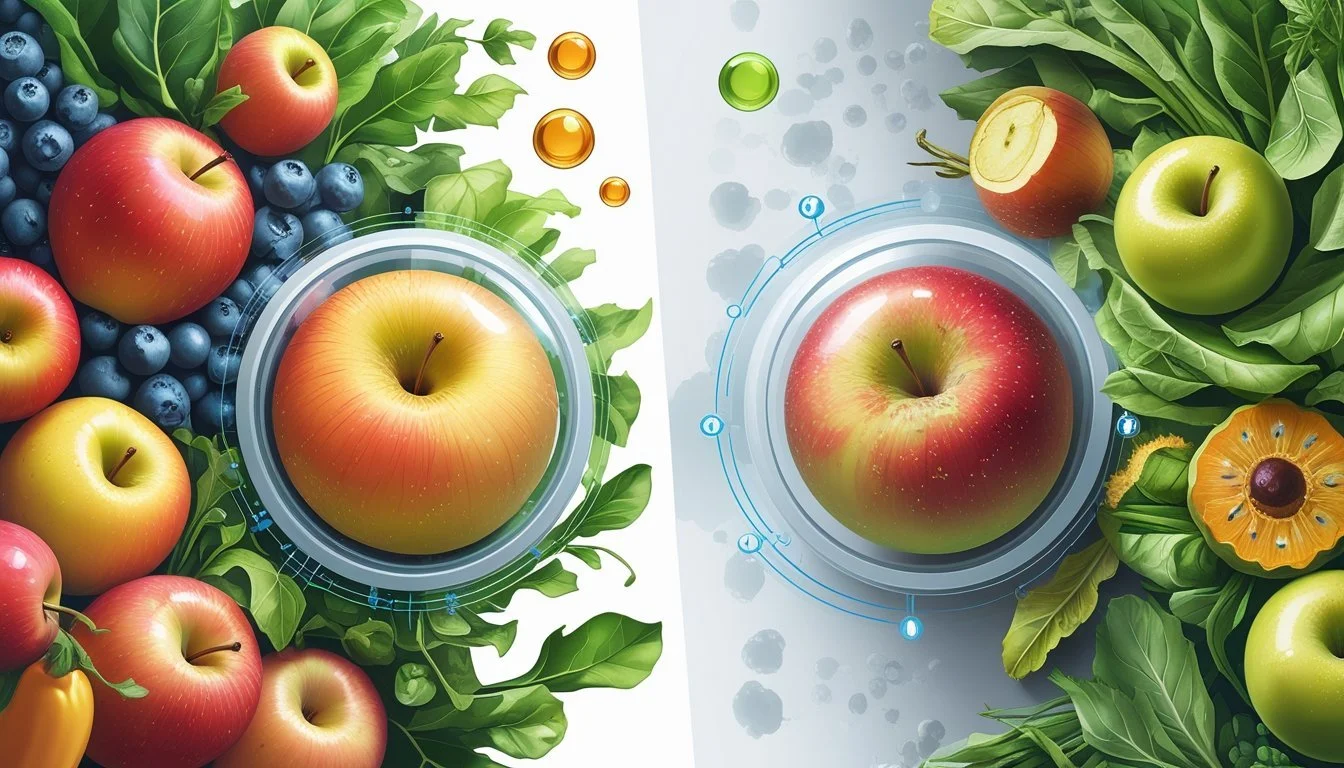
Oxygen exposure is a primary factor in food degradation, impacting both shelf life and nutritional value. Addressing oxidative damage involves the strategic use of additives and storage techniques tailored to different food types.
Role of Chemical Preservatives
Chemical preservatives are widely used to hinder oxidation in processed foods. Antioxidants like ascorbic acid (vitamin C) and tocopherols (vitamin E) interrupt free radical reactions, delaying the spoilage process. These additives help retain color, flavor, and nutrient content, especially in products with high fat content, such as oils and snacks.
Chelating agents like EDTA bind metal ions that can catalyze oxidation, further improving shelf stability. Table 1 summarizes common preservatives and their primary functions:
Preservative Role Ascorbic acid Antioxidant Tocopherols Antioxidant EDTA Metal chelator BHA/BHT Synthetic antioxidant
The effectiveness of preservatives depends on the food matrix and storage conditions. Regulations govern their permitted levels to ensure consumer safety.
Considerations for Perishable Goods
Perishable items such as fresh produce, meats, and dairy are especially sensitive to oxidative damage. Reducing oxygen contact is essential. Methods include vacuum packaging, modified atmosphere packaging (MAP), and airtight containers to limit oxygen exposure.
Proper refrigeration slows oxidative reactions by lowering temperatures. For certain fruits and vegetables, edible coatings can act as barriers, cutting oxygen diffusion.
High-quality packaging materials with low oxygen transmission rates provide additional protection. Storing foods away from light also helps, as light exposure can accelerate oxidation, especially in products rich in unsaturated fats.
Conclusion
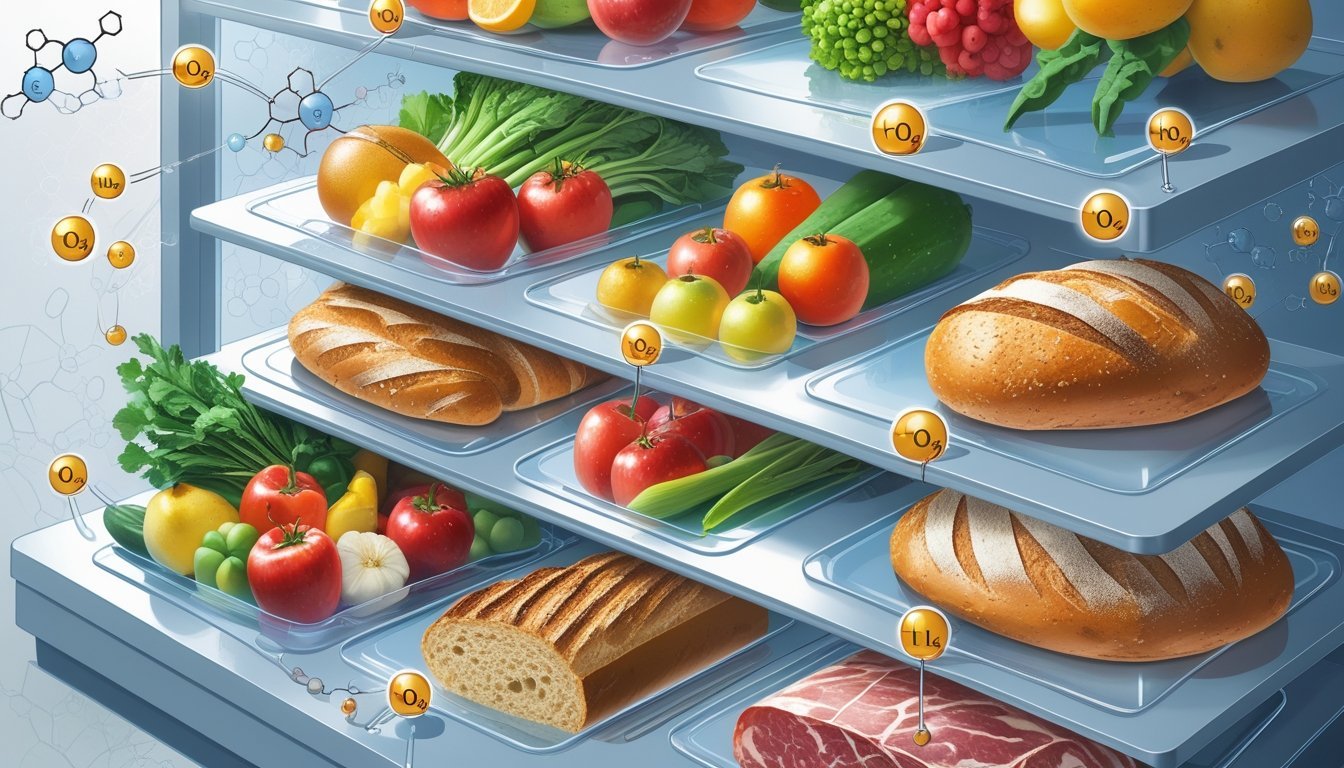
Oxygen exposure directly impacts food quality by accelerating spoilage processes such as oxidation. These changes can cause noticeable losses in flavor, color, texture, and nutritional value.
Key effects of oxygen on food quality include:
Flavor loss, leading to stale or rancid tastes
Color changes, such as browning or fading
Texture degradation, including staleness or sogginess
Nutrient breakdown, especially vitamins
Advancements in packaging, including oxygen absorbers and improved materials, have reduced these negative effects. These methods help extend shelf life and maintain higher food quality.
Producers and consumers who want to preserve food quality should consider oxygen exposure when choosing storage and packaging techniques. Simple steps such as using vacuum sealing or oxygen-absorbing sachets can make a measurable difference.
Addressing oxygen’s role in food deterioration supports better nutrition, waste reduction, and more stable product characteristics during storage. Staying informed about oxygen management is an important aspect of modern food preservation.

