
The Role of Food Grade Gases in Storage Enhancing Food Safety and Shelf Life
Food grade gases like nitrogen, carbon dioxide, and oxygen have become essential tools in the food industry, offering practical solutions for food storage challenges. These gases are used to extend shelf life, reduce spoilage, and maintain the quality and safety of a variety of foods. Their roles span a range of applications, from keeping packaged food fresh to preserving nutrients during freezing.
By carefully controlling the environment around stored food, these gases help slow down the natural spoilage processes. This means food stays fresh for longer periods without the need for artificial preservatives. Their use is especially important in modified atmosphere packaging, where the correct balance of gases can have a significant impact on both texture and taste.
The importance of food grade gases in storage continues to grow as the demand for convenient and longer-lasting products increases. As consumers look for safer and higher-quality foods, these gases are playing an increasingly vital role in meeting those expectations.
Understanding Food Grade Gases
Food-grade gases serve specific roles in food preservation, packaging, and storage. Selecting the correct gas and ensuring it meets strict safety and regulatory requirements is essential for maintaining product quality and safety.
Types of Food Grade Gases
Several gases are classified as food-grade due to their purity and compatibility with foods. The most common types include carbon dioxide (CO₂), nitrogen (N₂), and oxygen (O₂).
Carbon dioxide is often used for carbonation in beverages and for extending the shelf life of packaged foods. Nitrogen provides an inert atmosphere, displaces oxygen, and prevents spoilage or oxidation. Oxygen supports the preservation of color in meats but is used selectively due to its role in oxidation.
Less common, argon and helium are sometimes used for specialty applications because of their inert properties. Hydrogen and ozone may be utilized for specific sterilization or packaging processes. All gases must be certified as food-grade to avoid contamination.
Properties and Safety Standards
Food-grade gases must meet strict purity standards to ensure they do not introduce contaminants into the product. The composition and impurities of these gases are regulated with thresholds set by relevant food safety authorities.
Gases are often supplied in high-pressure cylinders or bulk tanks, requiring robust handling and storage procedures. Storage environments must be clean, dry, and secure to prevent gas degradation or risk to personnel. Labeling and tracing cylinders is necessary to ensure compliance and track usage.
Handlers must use appropriate safety equipment, perform regular maintenance, and follow clear operating procedures. This reduces risk of leaks, contamination, or accidental exposure in processing or storage environments.
Regulatory Requirements
Compliance with food safety regulations is mandatory when using industrial gases in food applications. Regulatory bodies, such as the U.S. Food and Drug Administration (FDA) and the European Food Safety Authority (EFSA), set standards regarding allowable impurities and handling protocols.
Documentation for every batch of gas delivered must detail purity, source, and storage conditions. Food-grade certification is essential, and regular audits are performed to verify ongoing compliance.
Operators must ensure staff are trained on regulatory guidelines, perform routine inspections, and record all handling and storage activities. Failure to meet these requirements can lead to severe legal and safety consequences.
The Science Behind Food Preservation Using Gases
Food-grade gases such as nitrogen, carbon dioxide, and oxygen are essential in storage methods that help maintain food quality and prolong shelf life. These gases affect chemical and biological processes that influence food freshness and safety.
Mechanisms of Preservation
Industrial gases modify the storage atmosphere to slow spoilage and prevent undesirable changes. For example, nitrogen acts as an inert filler, displacing oxygen and minimizing oxidation, which is a primary cause of rancidity and loss of nutrients in products like oils and snacks.
Carbon dioxide inhibits microbial growth, particularly in meats, dairy, and fresh produce. It interferes with the metabolism of spoilage bacteria and mold, reducing their activity.
Oxygen can both support and hinder preservation depending on the application. In some cases, reducing oxygen levels is crucial to prevent the growth of aerobic bacteria and delay enzymatic browning. In other contexts, controlled oxygen amounts prevent anaerobic conditions that could foster harmful pathogens.
Impact on Shelf Life and Freshness
Using food-grade gases significantly extends shelf life compared to traditional air storage. Modified atmosphere packaging (MAP) is a common application, adjusting the mix of gases to the needs of different foods.
For example, fresh-cut vegetables stored under reduced oxygen and elevated carbon dioxide retain crispness and color longer. Bakery products kept with nitrogen show slower staling, while meats packed in carbon dioxide-enriched packaging delay both spoilage and changes in color.
The careful control of gas composition ensures that organoleptic qualities—such as taste, texture, and aroma—are preserved during storage, directly impacting how fresh a product seems to consumers.
Effect on Food Quality and Safety
Food-grade gases contribute to enhanced safety by limiting conditions that allow foodborne pathogens to develop. By maintaining optimal oxygen levels, they minimize risks related to Clostridium botulinum and other anaerobic bacteria.
Nitrogen and carbon dioxide help protect sensitive foods from oxidation, thereby preserving vitamins and natural flavors. This approach reduces the need for chemical preservatives, supporting cleaner labels and more appealing products.
Packaging integrity is also vital. High-purity gases, along with strict regulatory compliance, ensure that the preservation process itself does not introduce contaminants, supporting both food safety and overall quality throughout storage.
Modified Atmosphere Technologies in Storage
Modified atmosphere technologies are central to extending the shelf life and preserving the quality of perishable foods during storage. These methods rely on careful control of gas mixtures to inhibit spoilage and maintain product freshness.
Modified Atmosphere Packaging (MAP)
Modified atmosphere packaging (MAP) is a widely used technology in the food industry for shelf life extension. MAP involves replacing the air inside packaging with specific gas mixtures, often reducing oxygen and increasing carbon dioxide or nitrogen levels. This process slows microbial growth and reduces oxidation, directly impacting spoilage rates.
The effectiveness of MAP depends on the type of food and its respiration rate. For example, fresh meat is often stored in low-oxygen and high-CO2 atmospheres to prevent microbial growth, while fresh produce might require a delicate balance to avoid spoilage or discoloration. MAP technology can be tailored to meet the unique preservation needs of different products.
Gas Mixtures and Applications
Common gases in MAP include:
Gas Main Function Oxygen (O₂) Maintains color in red meat Carbon dioxide (CO₂) Inhibits microbial growth Nitrogen (N₂) Acts as an inert filler, prevents package collapse
The choice of gas mixture is critical and varies by product. High CO₂ levels are effective at suppressing unwanted microorganisms in products like cheese and poultry. Nitrogen is frequently used as a filler gas for its inert properties, displacing oxygen and minimizing oxidative changes.
Gas mixtures are not static; they can change due to the permeability of the packaging material and the respiration of the stored food. Regular monitoring and adjustments are important to maintain efficacy throughout storage.
Advanced Packaging Technologies
Recent advancements in packaging focus on improving the control and stability of modified atmospheres over time. Technologies such as active packaging utilize oxygen scavengers and CO₂ emitters to regulate the internal environment dynamically. These systems respond to changes caused by product respiration and gas permeability of the packaging.
New developments include:
Smart packaging with indicators for gas concentration
High-barrier films that slow gas transfer
Integrating sensors for real-time monitoring
These advances enhance food safety, quality, and shelf life while providing more precise control over the storage environment. Enhanced packaging solutions continue to improve efficiency and reduce spoilage in the supply chain.
Applications of Food Grade Gases in Various Food Products
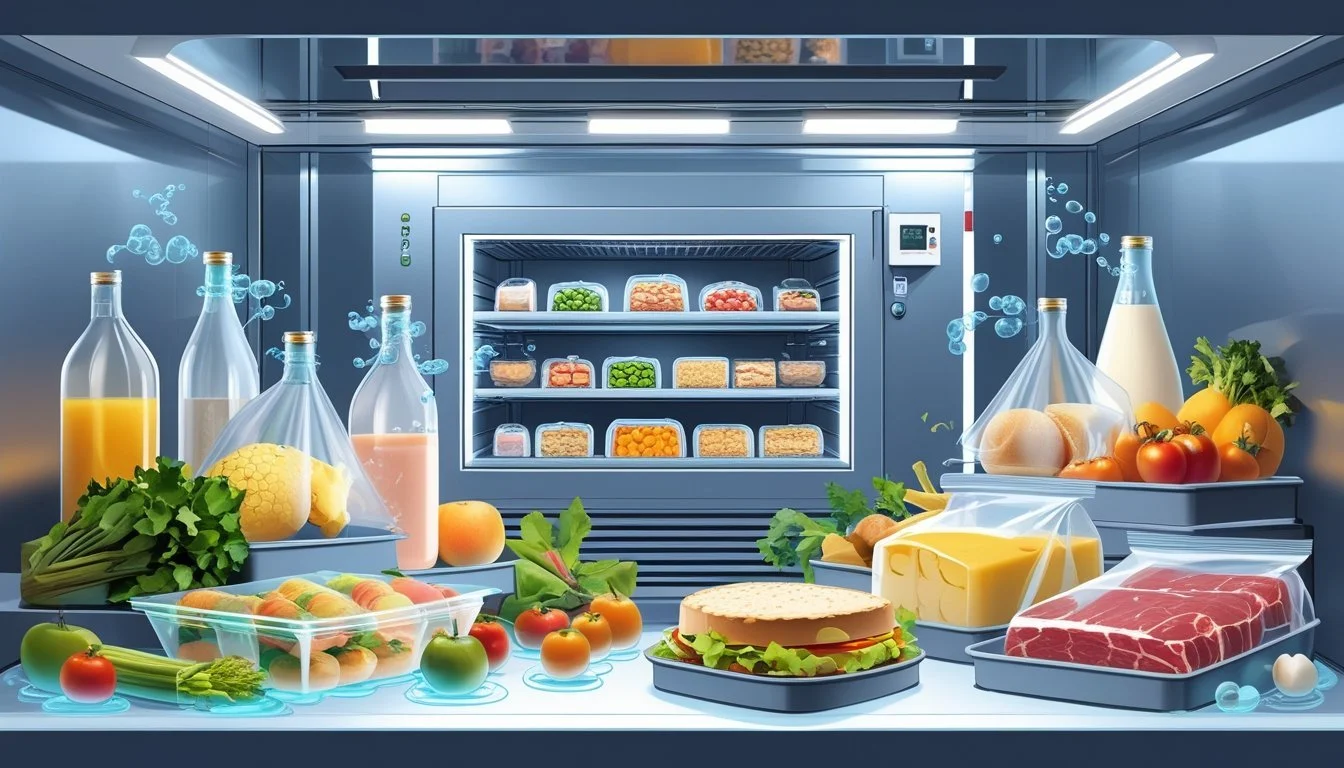
Food grade gases play a key part in preserving quality and safety during storage and distribution. Their controlled use helps extend shelf life, control spoilage factors, and maintain texture, flavor, and visual appeal.
Meat, Poultry, and Seafood Storage
Chilling and packaging meats, poultry, and seafood require gases like carbon dioxide (CO₂), nitrogen (N₂), and sometimes a mix of both. CO₂ inhibits microbial growth, which is vital for preventing spoilage and maintaining product quality. Nitrogen is used to displace oxygen, slowing down oxidation and rancidity in fatty foods.
In modified atmosphere packaging (MAP), food-grade gases replace or reduce oxygen in packaging. This stabilizes color in red meats and helps prevent pest infestations and bacterial spoilage, especially important in seafood that is more prone to rapid quality loss. These approaches not only preserve freshness but contribute to safer and more efficient food distribution.
Produce and Fresh Fruit Preservation
Fresh produce and fruit are susceptible to rapid spoilage due to respiration and the emission of ethylene, a ripening hormone. Food-grade gases such as nitrogen and carbon dioxide are used to reduce oxygen in storage rooms and packages, slowing down respiration rates and delaying ripening.
For ethylene-sensitive crops, controlling ethylene levels with these gases helps minimize over-ripening and waste. This not only preserves freshness but also maintains the crisp texture and bright appearance expected by consumers. Proper gas management also limits pest infestations, improving the stability and shelf life of produce during transport and in storage.
Beverage Industry Applications
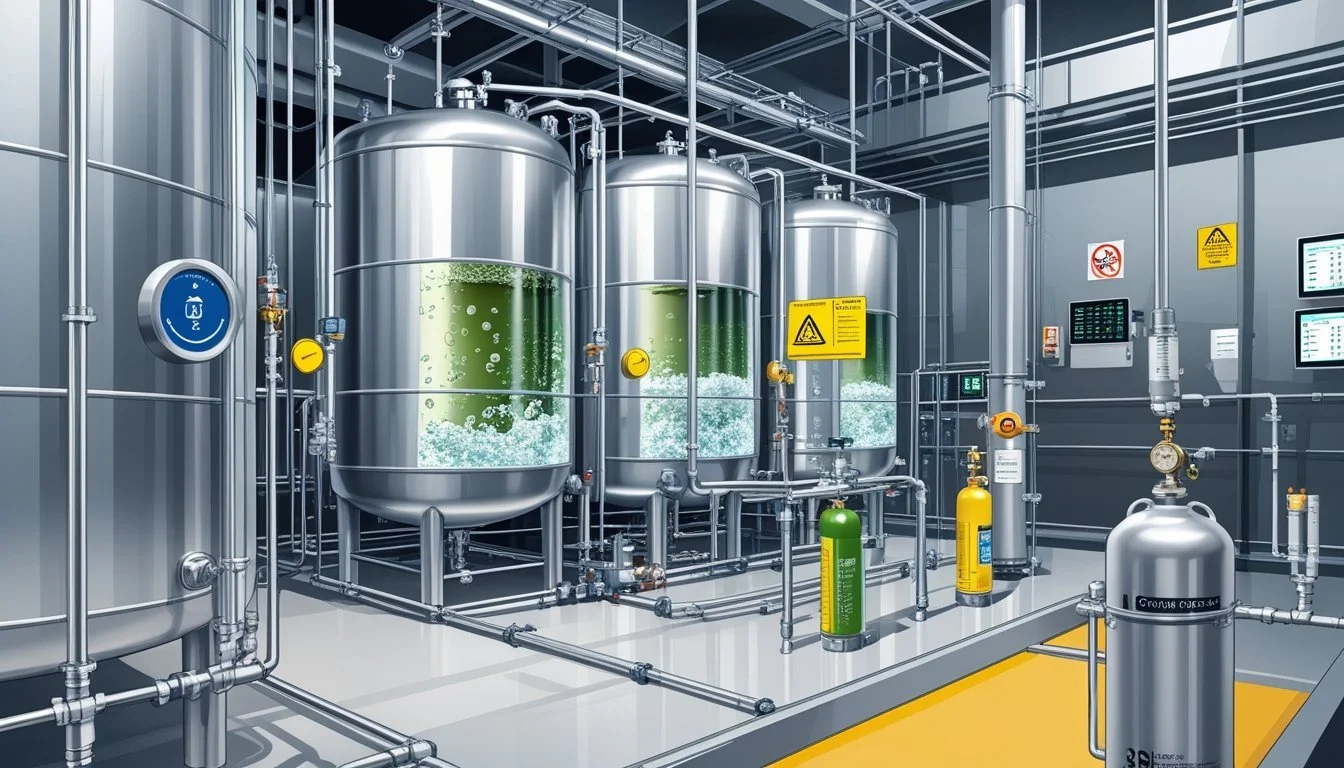
Food grade gases play an essential role in beverage production, not only affecting flavor and texture, but also ensuring product stability and safety. Gases such as carbon dioxide and nitrogen are central in processes from carbonation to packaging.
Carbonation in Beer and Soft Drinks
The carbonation of beer and soft drinks relies heavily on food grade carbon dioxide (CO₂) for both taste and mouthfeel. During beer production, natural CO₂ is produced in the fermentation process, but additional gas is often injected to achieve the desired level of fizziness.
For soft drinks, nearly all carbonation is created by infusing CO₂ into the liquid under pressure at bottling plants. This not only creates the characteristic bubbles but also provides a mildly acidic environment, which can slow the growth of spoilage microorganisms.
Control of carbonation levels is crucial, since under- or over-carbonation affects product quality and consumer satisfaction. Accurate dosing systems ensure consistency across batches, helping companies comply with quality standards for beverages.
Wine and Mineral Water Bottling
In wine bottling, inert gases such as nitrogen or argon are used to displace oxygen from bottles before sealing. This helps to prevent oxidation, which can alter the flavor and reduce the shelf life of wine.
Mineral water producers also use CO₂ to carbonate some products and maintain sterile conditions during bottling. Nitrogen may be used for "sparging" or flushing bottles and tanks, minimizing dissolved oxygen and preserving the water's mineral profile.
Implementing these gases in the bottling process extends storage life, retains original taste, and ensures overall beverage quality. Brand owners benefit from reduced spoilage and greater product reliability on store shelves.
Freezing, Chilling, and Cryogenic Processes
Freezing and chilling use food grade gases to quickly reduce product temperatures and extend shelf life. Both traditional and cryogenic processes rely on achieving extremely low temperatures to preserve food quality, texture, and safety.
Cryogenic Freezing and Chilling Techniques
Cryogenic freezing and chilling methods use gases such as nitrogen and carbon dioxide to achieve rapid temperature reduction. These gases can lower product temperatures far below the capabilities of conventional mechanical systems.
Food is exposed directly or indirectly to these gases, often in tunnel or batch freezers. This rapid reduction in temperature helps prevent large ice crystal formation, which can damage food texture. The result is improved preservation of flavor, color, and nutritional value.
Cryogenic techniques are widely used for high-value products like seafood, meat, fruits, and some ready-to-eat meals. Equipment relies on precise gas flow and temperature controls to maintain consistent product quality.
Use of Liquid Nitrogen and Dry Ice
Liquid nitrogen (LN2) and dry ice (solid CO2) are the most common cryogenic agents for freezing and chilling food. Their extremely low temperatures enable fast heat removal from products.
Liquid nitrogen boasts a boiling point of -196°C, allowing ultra-rapid cooling or freezing when applied as a spray or immersion. It leaves no residue and is considered food safe, making it suitable for a variety of products.
Dry ice, with a temperature of -78.5°C, is often used in shipping and temporary storage. It slowly sublimates into carbon dioxide gas, creating a cold, controlled environment around packaged foods and helping to inhibit microbial growth.
These agents are selected based on the specific requirements of the food, duration of storage, and logistical needs.
Ensuring Food Safety and Preventing Spoilage
Food grade gases help minimize spoilage by reducing the presence of harmful microorganisms and extending shelf life. Their use in food storage also addresses contamination issues and helps maintain product integrity.
Sterilization and Inerting
Sterilization involves using gases such as ozone or high-purity nitrogen to destroy bacteria, molds, and yeasts on food surfaces and in packaging. These methods are vital where traditional heat sterilization could damage the product's texture or quality.
Ozone is effective in eliminating a wide range of microorganisms. It decomposes into oxygen, leaving no unwanted residues. Nitrogen and carbon dioxide are used for inerting, a process that displaces oxygen in packaging and bulk storage tanks. This lowers oxidation rates and inhibits growth of aerobic microbes.
The modified atmosphere packaging technique uses controlled mixtures of gases to create conditions less favorable for spoilage. This reduces the risk of foodborne illness and maintains the original flavor, color, and nutritional value.
Gas Used Main Function Common Applications Nitrogen Inerting Snack foods, meats, ready meals Ozone Sterilization Fresh produce, packaged salads Carbon Dioxide Microbial control Dairy, bakery, soft drinks
Controlling Pest Infestations
Gaseous treatments can help prevent and control pest infestations in stored food products. Controlled atmospheres with high concentrations of carbon dioxide or nitrogen are used to eliminate insects and their larvae without chemical pesticides.
In grain storage, for example, flushing silos with nitrogen quickly reduces oxygen, which is necessary for pests to survive. Carbon dioxide acts as a fumigant, entering insect respiratory systems and causing asphyxiation. This method is safe for humans and does not leave toxic chemical residues.
The use of food grade gases for pest control allows for longer safe storage of commodities such as cereals, nuts, and dried fruits. Regular monitoring of gas concentrations ensures optimal effectiveness and compliance with food safety standards.
By replacing traditional chemical treatments with physical and atmospheric controls, producers reduce contamination risks, supporting enhanced safety for consumers.
Food Grade Gases in Snack Food and Processed Products
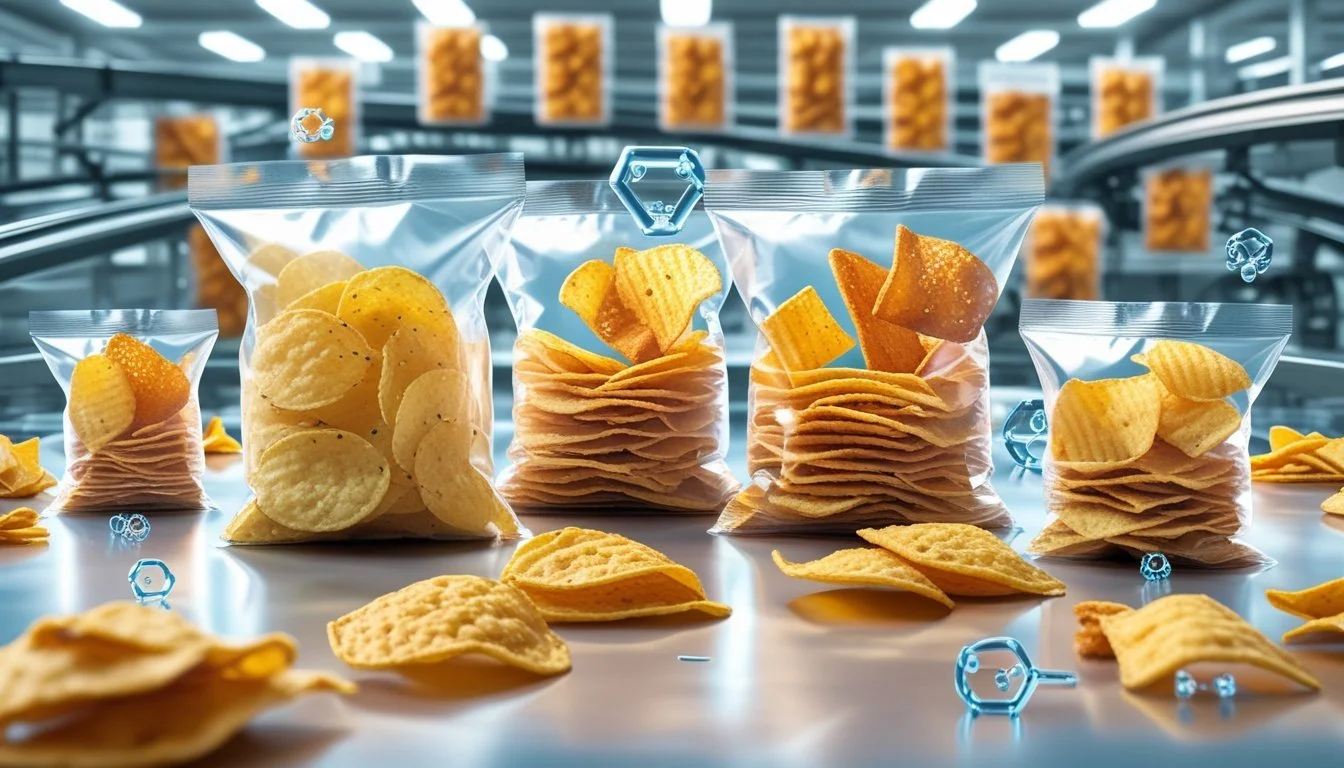
Food grade gases help protect the quality of snack foods and processed oils by minimizing spoilage and extending shelf life. Their use supports industry efforts to meet consumer demands for fresh, consistent-tasting products while responding to growing nutritional awareness.
Maintaining Texture and Freshness
Snack foods, including chips, crackers, and baked items, are prone to texture and quality changes from exposure to oxygen and moisture. Food grade gases like nitrogen are commonly used to flush out oxygen from packaging, a method called modified atmosphere packaging (MAP).
This reduction of oxygen helps maintain the desired crispness of products by preventing oxidation and moisture absorption. Nitrogen's inertness makes it ideal for this application, as it does not react with the food or alter its flavor. Shelf life is further prolonged, which allows the industry to distribute snack foods over longer distances without loss of quality.
In addition to nitrogen, carbon dioxide may be included for some snack foods to inhibit microbial growth. The use of these gases ensures the product remains appealing in taste and appearance, addressing key quality concerns for both manufacturers and consumers.
Applications in Vegetable and Hydrogenated Oils
Vegetable oils and hydrogenated oils, widely used in processed foods, are susceptible to rancidity due to oxidation. Packing these oils in a nitrogen or carbon dioxide atmosphere helps displace oxygen and slows down degradation processes.
This protective packaging is especially important for oils that are sensitive to light and air, ensuring their nutritional properties and flavor are preserved over time. Producers often select gas concentrations based on the specific oil type and product requirements.
Maintaining oil quality supports industry goals for healthier formulations, as oxidation can produce off-flavors and potentially harmful compounds. The result is a more stable product profile, matching consumer expectations for both safety and nutrition in processed food items.
Emerging Trends and Future Outlook
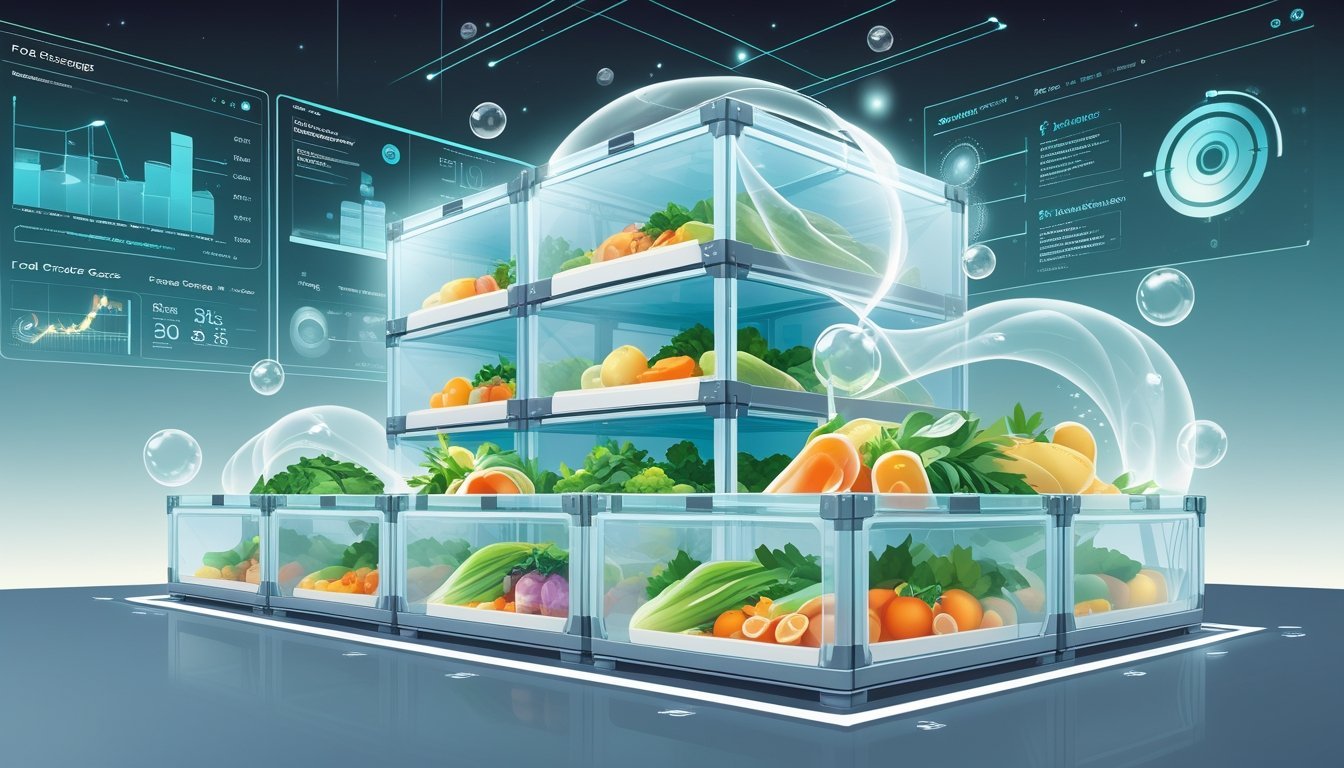
Food grade gases are experiencing rapid changes driven by technology advancements and evolving demands in the food and beverage industry. Key areas of transformation include new gas technologies and a shift toward more sustainable practices influenced by consumer expectations.
Innovations in Gas Technologies
Recent advances in food gases have improved storage conditions for processed and packaged foods. More precise gas blends are now used in modified atmosphere packaging (MAP) to better inhibit spoilage and maintain product quality. Technologies like smart sensors allow real-time monitoring of gas levels during storage and transport.
Cryogenic freezing methods are gaining ground for their ability to quickly chill products while preserving texture and flavor. Food production facilities now benefit from automated gas dispensing systems, which offer improved consistency and efficiency. These innovations not only extend shelf life but also reduce food waste across the supply chain.
Innovations are addressing challenges in keeping fresh and frozen foods safe over longer periods. Adoption of new packaging technologies that pair advanced food gases with durable materials is reshaping how food producers manage perishables, from processing lines to final delivery.
Sustainability and Consumer Preferences
The food packaging sector is seeing greater demand for sustainable solutions. Consumers are showing a preference for eco-friendly packaging and a reduced carbon footprint in food production and storage. Companies are moving toward recyclable and biodegradable packaging options that work effectively with modern food gases.
Efforts to minimize food waste align with environmental goals, prompting the use of gas blends that extend freshness and shelf life. The industry is also shifting toward carbon dioxide capture and using renewable sources for nitrogen and oxygen generation. This approach lowers resource consumption and directly addresses environmental impact.
Transparency is increasingly important, with consumers looking for clear labeling around packaging technologies and the role of food grade gases. Producers are responding by emphasizing both product safety and environmental responsibility throughout the supply chain.

