
The pH Factor: How Acidity Impacts Shelf Life in Food Preservation
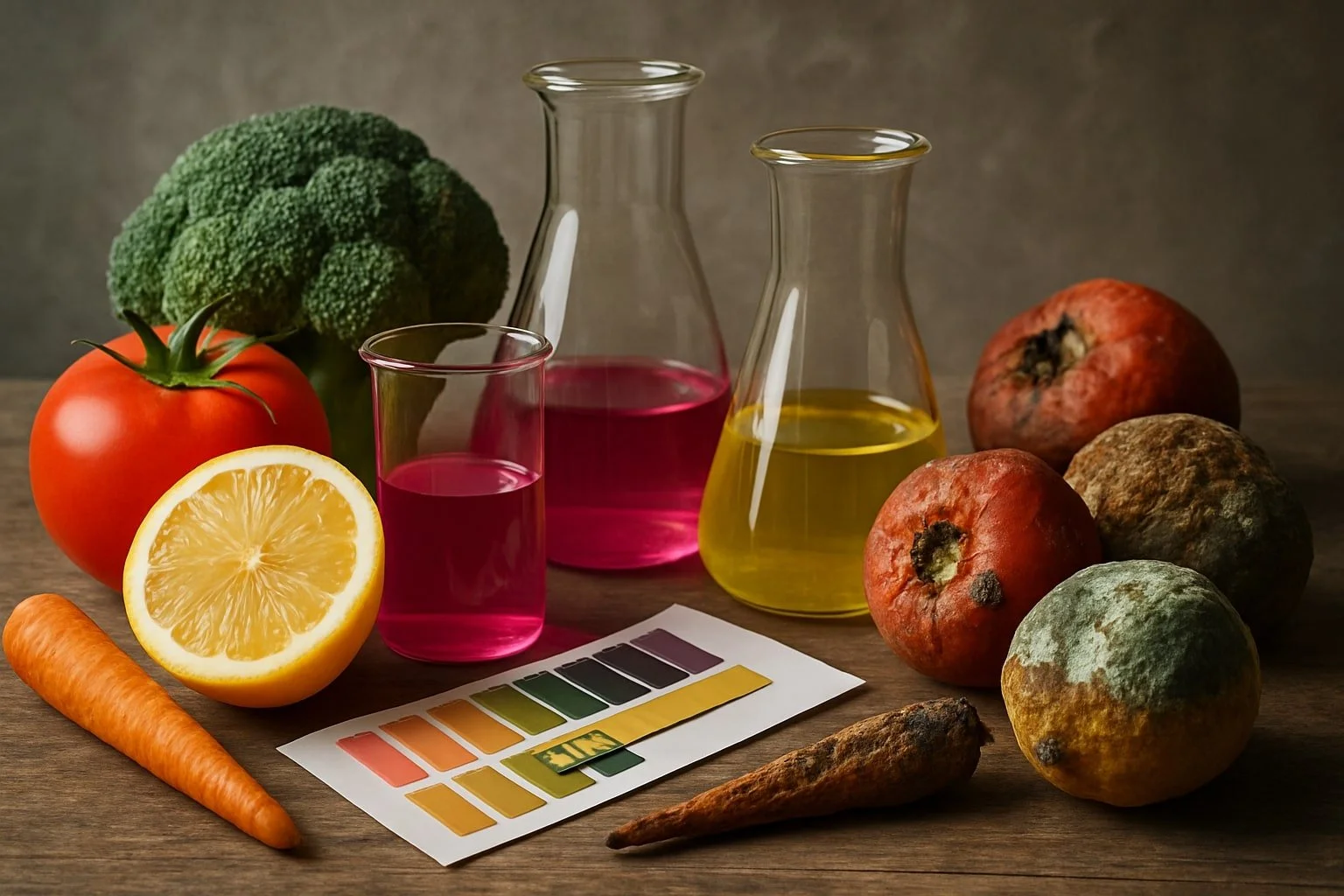
Acidity plays a critical role in determining how long food products remain fresh and safe to eat. By adjusting pH levels, food manufacturers can inhibit the growth of bacteria and fungi, effectively slowing spoilage and extending shelf life. Foods with a lower pH—meaning they are more acidic—offer an environment that is far less hospitable to harmful microorganisms.
Techniques such as adding acids like citric acid or vinegar are frequently used to preserve foods ranging from pickles to fruit preserves. Understanding how pH affects the longevity and safety of products helps consumers make smarter choices at the grocery store, and empowers producers to ensure quality.
Understanding pH and Acidity
pH is a core measurement in food science, directly affecting flavor, preservation, and microbial growth. The relationship between acidity, alkalinity, and food shelf life can be understood by examining the pH scale and its chemical implications.
Defining pH and the pH Scale
pH stands for “potential of hydrogen” and measures how acidic or alkaline a substance is. The pH scale ranges from 0 to 14. Values below 7 are acidic, 7 is neutral, and above 7 are alkaline (basic).
The scale is logarithmic, meaning that each whole number change represents a tenfold difference in hydrogen ion concentration. For example, a food with a pH of 4 is ten times more acidic than a food with a pH of 5.
Normal foods display a wide range of pH values. For instance:
Food Typical pH Lemon juice 2.0–3.0 Tomato 4.0–4.5 Milk 6.5–6.7 Egg white 7.6–8.0
Testing pH is a standard part of food safety and quality control.
The Role of Acidity in Food Preservation
Acidity plays a crucial role in limiting the growth of spoilage organisms and foodborne pathogens. Most bacteria and molds cannot thrive in highly acidic environments. Foods with low pH, such as pickles and jams, naturally have longer shelf life due to their reduced risk of microbial contamination.
This effect is central in canning and fermenting processes, where acidity is sometimes increased intentionally. FDA regulations often set minimum safe pH thresholds for certain preserved foods, usually targeting a pH below 4.6 to prevent botulism.
Low pH can also impact texture and taste, but its primary importance in preservation is controlling microbial activity. Higher acidity often means a safer, longer-lasting product.
Difference Between Acidity and Alkalinity
Acidity and alkalinity are chemical properties determined by the concentration of hydrogen ions (H+). Acids have more free hydrogen ions, while alkaline substances have fewer.
On the pH scale, acidic foods fall below 7, with examples like vinegar and citrus fruits. Alkaline foods, above pH 7, include items like egg whites and baking soda. Neutral substances, like distilled water, have a pH of 7.
Understanding this distinction is important because microbial growth is influenced differently by each end of the scale. Most food pathogens prefer a neutral to slightly acidic environment, so shifting the pH significantly in either direction changes the food's safety profile.
How Acidity Influences Shelf Life
Acidity plays an essential role in food preservation by affecting the pH level, inhibiting spoilage organisms, and supporting shelf-stable food quality. Shelf life stability often depends on how well the pH value is managed during storage and processing.
Relationship Between pH Level and Shelf Stability
A food’s pH level determines how quickly microorganisms can grow and cause spoilage. Products with a pH below 4.6—such as pickles, jams, and many fruit-based foods—are much less likely to support the growth of bacteria, yeasts, or molds. Lowering the pH is a primary method for creating shelf-stable foods.
Bacteria, including the dangerous Clostridium botulinum, typically cannot grow at low pH levels. This makes acidity a critical factor for the safety and shelf stability of preserved foods. The right pH balance extends shelf life by slowing down or stopping the processes that lead to microbial spoilage.
Maintaining proper pH values during manufacturing and storage not only protects food from pathogens but also reduces the need for refrigeration in many products. Foods that achieve stable pH levels remain safe and of high quality for longer periods.
The Impact of Acidity on Freshness
Acidity helps retain freshness by limiting the activity of spoilage organisms and enzymes. Foods with a lower pH maintain their appearance, flavor, and texture for longer, as acidic environments inhibit reactions that lead to wilting, browning, or softening.
Lactic acid and citric acid are examples of acids used to lower pH and delay spoilage. For example, acidified canned vegetables maintain crispness and color significantly longer than non-acidic products. The pH value is also closely tied to taste, with higher acidity often associated with a fresher or tangier profile and reduced perception of staleness.
Freshness is also preserved when acidity prevents enzymatic breakdown, which can alter both the taste and nutritional value of foods. Foods kept at ideal pH balances often show improved retention of nutrients, aroma, and texture during storage.
Shelf Life Stability in Acid Foods
Shelf-stable acid foods benefit from a combination of low pH and careful ingredient selection. By choosing acids like vinegar or citric acid, manufacturers ensure shelf life stability without relying solely on heat processing or preservatives.
A table showing common acid foods and their typical pH values:
Food Typical pH Value Pickles 3.2–3.8 Salsa 3.5–4.2 Jams and Jellies 3.0–3.5 Canned Tomatoes 4.0–4.4 Carbonated Soft Drinks 2.5–3.3
Shelf stability is achieved when foods remain safe, palatable, and unchanged in quality for extended periods at room temperature. Proper acidification ensures that the risk of spoilage and contamination is minimized. Products that maintain stable pH levels can have shelf lives ranging from several months to even years, depending on how well acidity is managed.
Microbial Growth and Food Safety
The acidity of foods directly impacts how microorganisms grow, which affects both food safety and how long products last. Low pH levels make it harder for many harmful bacteria to thrive, but they do not prevent all types of spoilage.
pH and Microorganisms
Microorganisms, including bacteria, molds, and yeasts, have specific pH ranges where they can grow. Most bacteria prefer environments close to neutral pH (around 7.0), while many molds and yeasts can tolerate lower pH.
When pH drops below 4.6, it becomes challenging for most pathogenic bacteria to multiply. This is a critical cut-off used in food safety regulations, especially in canning. Clostridium botulinum, the bacterium responsible for botulism, cannot grow below this pH threshold, reducing the risk of one of the most dangerous foodborne illnesses.
Despite that, some molds and yeasts still grow at low pH, so acidity alone does not guarantee complete microbial safety. It remains important to combine pH control with other preservation measures.
Acidity’s Role in Controlling Pathogenic Bacteria
Acidity acts as a protective barrier against many pathogenic bacteria. Foods with higher acidity—such as pickles, citrus fruits, and vinegar-based products—are less likely to support the growth of common pathogens like Salmonella, E. coli, and Listeria.
Low pH environments disrupt bacterial cell function, slowing metabolism and inhibiting reproduction. They also enhance the effectiveness of heat treatments, allowing gentler processes to achieve microbial safety.
However, some bacteria may survive for short periods at low pH but generally do not grow or cause illness. This is why proper acidification limits the risk of foodborne outbreaks but does not replace the need for good hygiene and handling practices.
Effects of pH on Food Spoilage
Acidity influences not only safety but also the rate and type of spoilage. Low-pH foods are less prone to bacterial spoilage but remain susceptible to spoilage by acid-tolerant molds and some yeasts.
Spoilage organisms can still cause undesirable changes, such as off-odors, gas production, or visual mold growth, even if pathogenic bacteria are controlled. For example, jams and fruit preserves often grow surface mold if storage seals fail.
Maintaining pH within proper limits helps achieve microbial stability, but monitoring and secondary controls remain necessary. Shelf life depends on controlling both spoilage and pathogenic microorganisms through a combination of acidity, temperature control, and packaging.
Acidification in Food Processing
Acidification is used in food processing to control microbial growth, improve safety, and extend shelf life. The approach involves adjusting the pH of foods to levels unfavorable for spoilage organisms and pathogens, often targeting a pH of 4.6 or lower.
Methods of Acidification
There are several main methods used to acidify foods. Direct acidification involves adding acidulants, such as acetic acid or citric acid, directly to the product. Fermentation is another common technique, where bacteria like Lactobacillus convert sugars to lactic acid, lowering the pH naturally. Sometimes, a combination of acidulant addition and fermentation is used for a layered effect on pH levels.
Thermal processing combined with acidification is also widely practiced, especially with low-acid foods. Acidification allows these foods to be safely processed at lower temperatures. Monitoring and verifying pH throughout production is essential, as even small adjustments can impact safety and shelf life.
Acidulants and Natural Sources
Acidulants are substances added intentionally to foods to lower their pH. Common acidulants include acetic acid (found in vinegar), citric acid (from citrus fruits), and lactic acid (produced by fermentation). Each acidulant gives different sensory and preservative effects.
Natural acid sources like lemon juice and fermented dairy contribute not just acidity but also flavor and nutritional components. Food processors select acidulants based on factors such as effectiveness at lowering pH, impact on taste, cost, and regulatory approval. The choice of acidulant can also affect color stability and product consistency.
Acidulant Common Source Typical Use Cases Acetic acid Vinegar Pickles, sauces Citric acid Citrus fruits Beverages, jams Lactic acid Fermentation Yogurt, sauerkraut
pH Adjustment Techniques
Precise pH control is vital for safety and quality. pH is measured using calibrated meters or test strips to ensure accuracy. Adjustment can occur during mixing, fermentation, or after thermal treatment depending on product needs.
Gradual addition of acids helps avoid rapid pH changes that may cause texture problems or protein denaturation. Buffering agents are sometimes used to maintain stability, especially in products sensitive to acid shifts. Documentation and routine monitoring are required for regulatory compliance and consistent product outcomes.
pH Measurement and Monitoring
Monitoring the pH of foods requires precise tools, correct techniques, and attention to detail. Accurate measurement supports food quality, safety, and shelf life by enabling control of acidity at each stage of production.
Importance of Accurate pH Measurement
Precise pH measurement is essential because even minor changes can impact food flavor, texture, and microbial stability. Foods with a pH below 4.6 inhibit pathogen growth, making serious accuracy crucial for safety and shelf-life standards.
Regulatory agencies often define product safety based on pH levels. For example, jams, pickles, and dairy products require strict pH control to meet both legal and sensory quality standards.
pH consistency can also affect consumer acceptance. Routine measurement and monitoring ensure each batch of food is within target parameters, limiting recalls and safeguarding consumer health.
Tools for Monitoring pH in Foods
pH meters are the standard tool for monitoring acidity in the food industry. These devices come as benchtop or portable models, featuring glass electrodes sensitive to hydrogen ion concentration.
Some common pH measurement tools include:
Digital pH Meter: Offers high precision and data logging.
Indicator Strips: Simple and quick, but less accurate.
Combination Electrodes: Suitable for viscous and solid foods.
Choosing the right pH meter involves considering sample type, accuracy needs, and ease of cleaning. Regular calibration using standard buffer solutions is necessary for reliable results.
Sample Preparation for pH Testing
Proper sample preparation ensures that pH readings reflect the true acidity of the food. Solid or semi-solid foods often require homogenizing or diluting with distilled water to allow the electrode to make good contact.
For accurate and reproducible results:
Grind or blend solids to release juices.
Use distilled or deionized water to avoid contamination.
Measure at controlled temperatures, as pH can shift with heat.
Avoiding air bubbles and ensuring consistent sample-to-solution ratios help minimize errors during pH measurement, especially with products like meat, cheese, and sauces.
Key Factors Affecting Shelf Life Beyond pH
Shelf life depends on a range of conditions that work alongside acidity. Elements such as water activity, temperature, oxygen, and processing techniques play critical roles in maintaining the stability and safety of food products.
Water Activity and Humidity
Water activity (Aw) directly influences microbial growth, chemical reactions, and enzymatic activity in foods. Foods with high water activity, such as fresh fruits and cooked meats, are at greater risk of spoilage and bacterial contamination.
Reducing water activity—by drying, adding salt, or increasing sugar content—slows or prevents the growth of most spoilage organisms. This method is common in shelf-stable products like jams, crackers, and dried meats.
Environmental humidity also impacts shelf life. High humidity can cause foods to absorb moisture, increasing their water activity and raising the likelihood of spoilage. Using desiccants in packaging and controlling storage humidity helps protect moisture-sensitive products.
Key Considerations:
Foods with Aw below 0.6 typically resist most microbial growth
Shelf life extension relies on controlling moisture from both ingredients and external sources
Temperature and Oxygen Exposure
Temperature is critical for both safety and quality preservation. Higher temperatures accelerate chemical reactions and encourage the growth of spoilage microorganisms. Many foods require refrigeration or freezing to maintain quality and inhibit the growth of bacteria, mold, and yeast.
Oxygen promotes oxidation, rancidity, loss of vitamins, and color changes in many foods. Minimizing oxygen exposure through vacuum sealing, modified atmosphere packaging, or oxygen absorbers slows quality loss and extends shelf life.
Factors Managed in Storage and Distribution:
Maintain low, stable temperatures for sensitive items
Limit oxygen exposure by using airtight packaging
Monitor for temperature abuse during transport, which can rapidly shorten shelf life
Influence of Packaging and Process Authority
Packaging acts as a barrier against moisture, oxygen, light, and contaminants. Choosing the right materials—like glass, metal cans, or multi-layer films—is essential for specific foods. For moisture- or oxygen-sensitive products, specialized barriers enhance stability.
Process authority refers to the food processing expert responsible for ensuring that a scheduled process meets safety standards. The scheduled process includes validated heat or pressure treatments used during manufacturing to inactivate pathogens and extend shelf life. Regulatory compliance and scientific validation underpin all critical food processes.
Critical Steps:
Select packaging based on the food’s unique stability needs
Validate processing parameters for each product type
Consult process authorities when developing new shelf-stable foods
Acidity in Different Food Categories
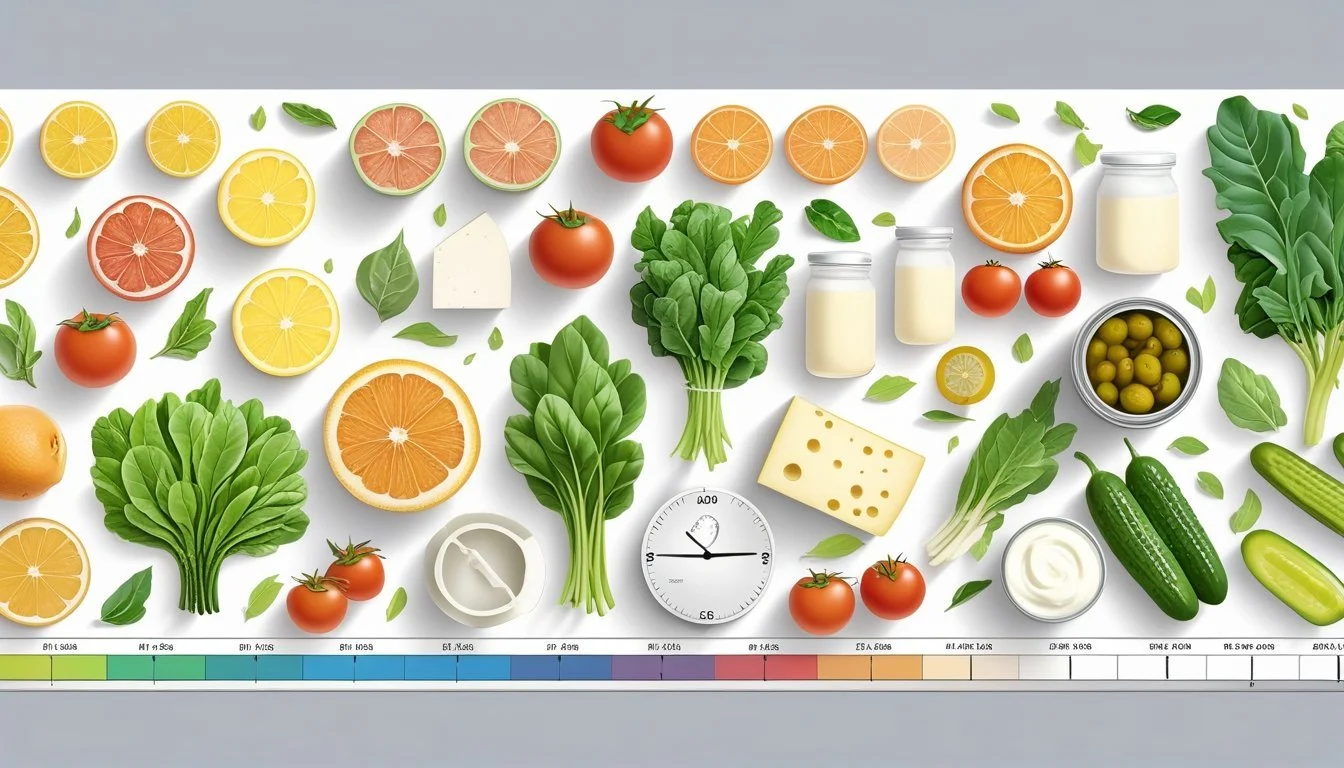
The shelf life of foods is closely linked to their pH. Acidic, neutral, and alkaline foods all face different microbial risks and preservation needs, which shapes how long they remain safe for consumption.
Acidic Foods and Their Shelf Stability
Acidic foods, including citrus fruits, tomatoes, vinegar, and fermented products, typically have a pH below 4.6. This low pH level inhibits the growth of many spoilage microorganisms and dangerous pathogens such as Clostridium botulinum. As a result, these foods are naturally shelf-stable under proper storage conditions.
Examples of Acidic Foods:
Vinegar (pH 2.4–3.4)
Lemon juice (pH 2.0–2.6)
Pickled vegetables
Many acid foods can be safely canned using a boiling water bath, making home preservation straightforward. Manufacturers sometimes add acids like citric acid or ascorbic acid to slightly less acidic foods to ensure safety during storage. The extended shelf life of acidic foods reduces food waste and supports a diverse food supply.
Low-Acid Foods and Preservation Challenges
Low-acid foods, including meats, poultry, dairy, and many vegetables, have a pH above 4.6. These foods are more prone to spoilage and foodborne illness due to their higher susceptibility to bacterial growth—especially botulism.
To ensure safety and shelf stability, low-acid foods require more rigorous preservation methods, such as pressure canning, refrigeration, or commercial sterilization. Acidification can sometimes be applied to these foods (creating “acidified foods”) to improve safety by lowering the pH.
Key risks with low-acid foods:
Shorter shelf life if not properly processed
Requirement for airtight containers or precise heat treatment
Greater monitoring during distribution and storage
Alkaline Foods and Shelf Life
Alkaline foods, with a pH above 7, include items like egg whites and baking soda solutions. These foods are rare in the average diet and are generally less shelf-stable than acidic foods.
Alkaline conditions do not inhibit pathogenic bacteria effectively, so spoilage or contamination can occur rapidly if not handled correctly. Most alkaline foods are best consumed fresh or with added preservatives.
The shelf life of alkaline foods depends heavily on moisture content, temperature, and overall handling. In commercial production, they are sometimes combined with acidic or neutral components to limit microbial risks.
Foods that remain close to neutral in pH, such as milk, must also be carefully handled since they do not benefit from inherent acidic protection.
Applications of Acidification
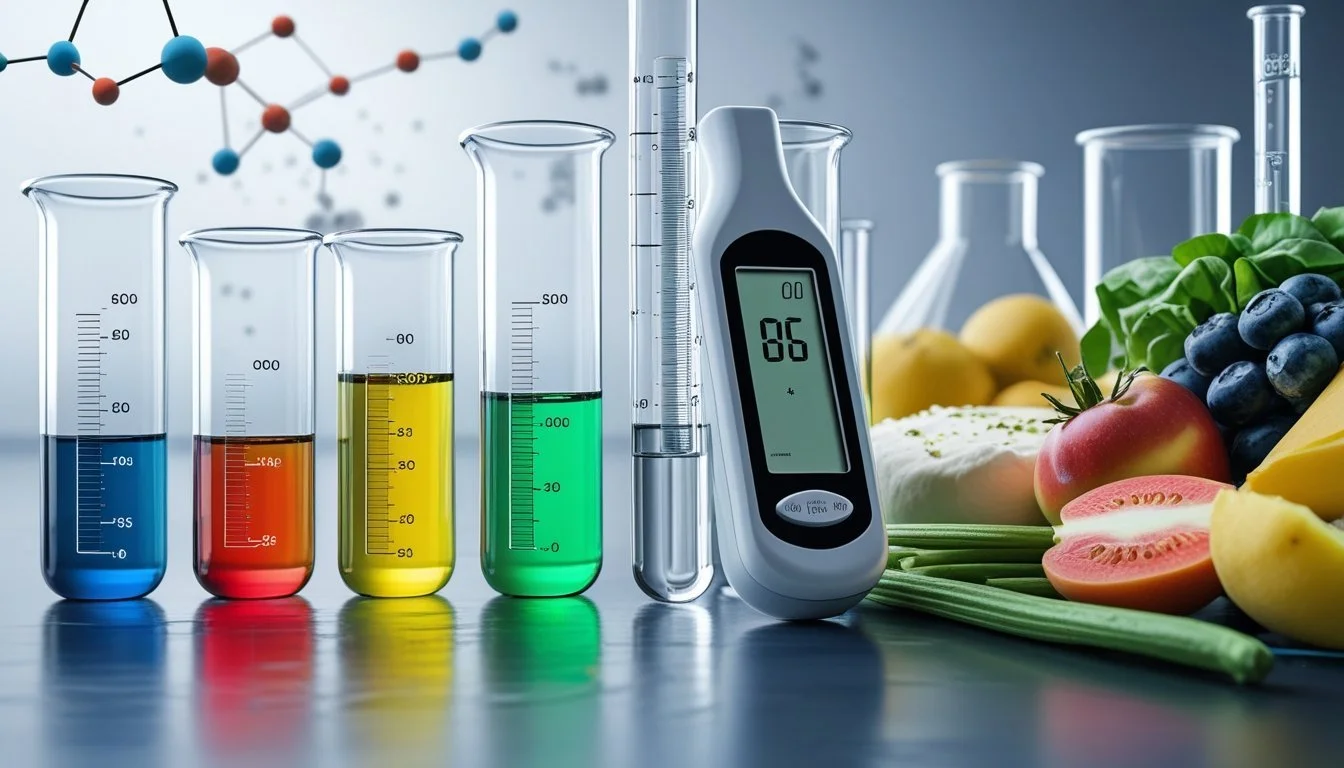
Acidification plays a vital role in food preservation and quality control. By lowering pH levels, it can prevent the growth of spoilage organisms and extend the shelf life of various foods.
Fermented Foods and Shelf Life Extension
Fermentation relies on the activity of lactic acid bacteria that convert sugars into acids, reducing the pH of the food. This process is common in products like yogurt, sauerkraut, kimchi, and pickles. As the pH drops below 4.5, harmful bacteria find it difficult to survive, making the food safer and more stable.
A lower pH not only impedes spoilage but also adds tangy and desirable flavors. For example, the acidification of bread dough by sourdough cultures can extend freshness and inhibit mold growth. The resulting environment favors beneficial microbes that contribute to both safety and improved shelf life.
Key preservation factors in fermented foods:
Increased acidity (pH < 4.5)
Suppression of pathogens
Flavor development as a byproduct
Canned Foods and Acidification
Canned foods require strict control of acidity to ensure safety, especially for low-acid vegetables and meats. If the pH is not reduced below 4.6 within 24 hours, there is an increased risk of botulism and spoilage from microorganisms that thrive in low-acid conditions.
Producers sometimes add acidulants such as citric acid or vinegar to achieve safe pH levels. Monitoring and controlling pH is mandatory in commercial canning to meet safety standards. Acidification also allows for milder heat treatments, helping preserve texture and nutrients while still ensuring the product is free from harmful bacteria.
Examples of acidification in canned foods:
Tomatoes acidified to safe pH before processing
Pickles and relishes using vinegar for preservation
Acidification is a fundamental safeguard in canned food production, enabling a longer shelf life and improved safety.
Acidity’s Effect on Flavor, Texture, and Nutritional Profile
Acidity in food is not just about taste—it shapes flavor profiles, influences texture, and determines the stability of sensitive nutrients. The interplay between pH, chemical reactions, and ingredients results in distinctive sensory and nutritional characteristics.
Influence on Taste and Flavor Profile
pH directly affects a food’s taste by influencing the perception of sourness, bitterness, and overall flavor. Foods with lower pH taste more sour, such as citrus fruits or vinegar, while alkaline foods tend to be more bitter.
Acidity can also suppress or enhance certain notes in complex foods. For example, adding acid to tomato sauce brightens its flavor, while high acidity in fruit preserves helps balance sweetness.
Flavor enhancement in processed foods often involves adjusting pH to highlight key ingredients. Low pH can also impact aromatic compounds, sometimes intensifying floral or fruity notes.
Impact on Texture and Browning Reactions
pH influences the texture of many foods by affecting proteins, starches, and pectins. In dairy products, acid causes milk proteins to coagulate, giving yogurt and cheese their firm structure.
Baked goods respond to acidity through tenderization. Lower pH prevents excessive gluten development, resulting in softer cakes or cookies.
Moreover, the Maillard reaction, responsible for browning and flavor in cooked foods, is slower at low pH. Acidic environments reduce browning, leading to paler crusts and gentler flavors in breads and roasted items.
Preserving Nutrients and Vitamin C
Acidity helps preserve sensitive nutrients, especially vitamin C and anthocyanins, which are prone to degradation at higher pH values. Maintaining a lower pH slows down oxidation and extends nutrient stability during storage.
In fruit juices and canned goods, acidity shields vitamin C against rapid loss. It's also crucial for retaining color and antioxidant activity in foods rich in anthocyanins, such as berries.
The following table summarizes nutrient retention in acidic foods:
Nutrient High pH (alkaline) Low pH (acidic) Vitamin C Degrades quickly Preserved longer Anthocyanins Color fades Color retained
Common Acidulants and Alkalizing Agents in Foods
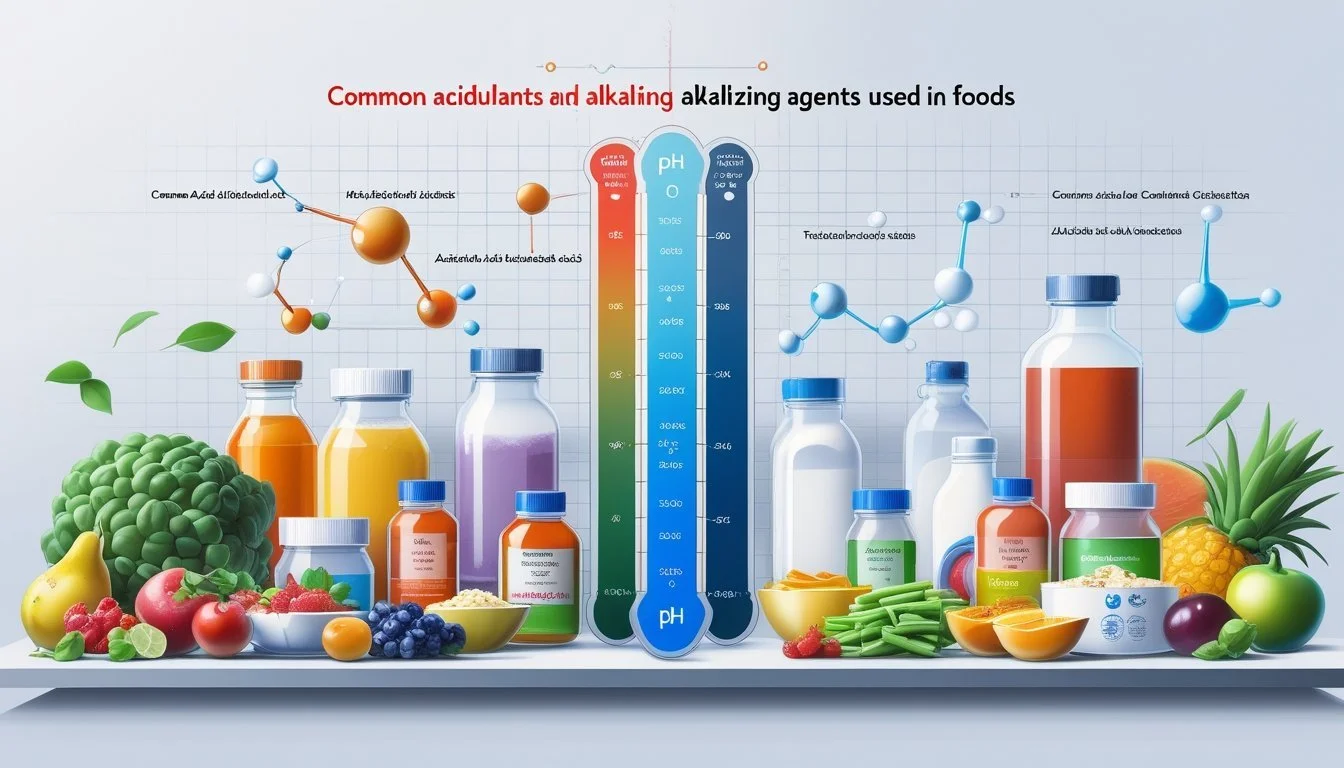
The pH of food significantly affects its shelf life, taste, and safety. Ingredients like acids and bases control this pH, acting as both preservatives and functional agents in a wide range of foods.
Vinegar and Acetic Acid
Vinegar is a widely used ingredient in food processing and preservation. The primary acid in vinegar is acetic acid, usually present at concentrations around 5–7%.
Acetic acid lowers the pH of foods, making the environment less favorable for spoilage bacteria and molds. This acidic environment helps preserve pickled vegetables, condiments, and sauces.
Different types of vinegar—such as white, apple cider, and rice vinegar—impart slightly varying flavors due to their raw ingredients. In addition to preservation, vinegar adds tanginess and can influence the texture of foods.
Common Uses:
Pickling vegetables
Salad dressings
Marinades
Table: Typical pH Range
Type of Vinegar pH Range White Vinegar 2.4 – 3.4 Apple Cider Vinegar 2.8 – 3.0
Lemon Juice and Citric Acid
Lemon juice is known for its high content of citric acid, making it one of the most acidic common food ingredients. Citric acid is also commercially added to many foods and beverages.
The strong acidity of lemon juice (pH 2–3) helps prevent browning in cut fruits, enhances tartness, and extends shelf life by inhibiting microbial growth. Citric acid is used in soft drinks, candies, and processed foods to regulate acidity and improve stability.
Citric acid’s buffering capacity allows it to help maintain a desired pH even when other acidic or alkaline ingredients are present. This property is essential in carbonated beverages, where pH control is critical for both flavor and preservation.
Key Functions:
Flavor enhancement
pH buffering
Microbial inhibition
Dairy Products and Natural Acidity
Dairy products such as yogurt and cheese naturally develop acidity during fermentation. Lactic acid bacteria consume sugars and produce lactic acid, lowering the pH and providing a tangy flavor.
The resulting acidity is important for texture, taste, and safety. For example, yogurt typically has a pH of 4–5, while aged cheeses may reach similar levels. Lower pH helps prevent spoilage and pathogenic microbial growth.
This natural acidification is controlled by selecting specific bacterial cultures. The balance of acidity influences the shelf life, body, and sensory qualities of dairy products.
Examples:
Yogurt (pH 4–5)
Aged cheeses (pH varies, often 4.5–5.5)
Baking Soda and pH Adjustment
Baking soda (sodium bicarbonate) is a common alkalizing agent in baking and food processing. It increases the pH when added to acidic foods, resulting in a more neutral or slightly alkaline environment.
Raising the pH can affect color, texture, and flavor in products like cakes and cookies. Reacting with acids, baking soda produces carbon dioxide, contributing to leavening by expanding the dough or batter.
It is also used in recipes to reduce acidity, improve browning, and soften certain vegetables during cooking. Too much baking soda can cause a soapy taste and an overly alkaline environment, which may reduce shelf life due to less acidic inhibition of microbes.
Table: Baking Soda Impact
Amount Added Effect on pH Small (¼ tsp/recipe) Slight increase Excessive use Strong increase
pH Control in the Food Industry

pH management in food production is vital for ensuring food safety, quality, and extended shelf life. Regulated processes and industry standards guide manufacturers in controlling acidity or alkalinity in a wide range of products.
Scheduled Process and Regulatory Standards
A scheduled process refers to a documented and validated method for producing foods, especially those considered low-acid or acidified, to ensure they remain safe while meeting required quality standards. Regulatory agencies, such as the FDA, mandate specific pH thresholds depending on the food category to control the risk of microbial growth. For example, low-acid canned foods (pH above 4.6) require stringent thermal processing.
Scheduled processes outline critical control points, such as target pH ranges and acceptable variation limits. Food manufacturers must routinely test pH during production with calibrated instruments. Accurate documentation is required to demonstrate compliance with regulations. This ensures products are not just consistent in flavor but also safe from spoilage and pathogens.
Role of Food Manufacturers
Food manufacturers play a central role in pH management from sourcing raw materials to final packaging. Ingredient selection and processing techniques—like fermentation or acidification—determine the initial pH of a product. Adjusting acidity frequently involves the use of natural acids (citric, lactic, or acetic acid) to inhibit microbial growth and achieve the desired shelf life.
Routine pH monitoring is built into quality assurance protocols. Manufacturing staff receive training on the significance of pH values and how deviations impact food safety. Detailed records for each batch allow for traceability and root cause analysis if spoilage or safety concerns arise.
Batch consistency relies on precise pH targets:
Dairy: pH controls texture and microbial safety
Meat: pH indicates freshness
Beverages: pH influences flavor balance
Consumer Expectations and Dietary Choices
Consumers increasingly expect transparency regarding how their food is made, especially concerning additives and preservative methods. The use of pH control agents is often communicated clearly on ingredient labels, as some consumers prefer foods that use natural acidification instead of synthetic acids.
Dietary choices can be influenced by pH management—fermented foods like yogurt, kimchi, and kombucha are favored not just for taste but perceived health benefits. Clean labeling that lists vinegar or lemon juice rather than chemical acidifiers tends to be more appealing to health-conscious shoppers.
For those with dietary restrictions, pH adjustments allow the creation of shelf-stable foods without gluten, dairy, or other allergens. Food producers must balance maintaining shelf life and safety with meeting evolving consumer preferences for minimally processed ingredients.
Health Risks and Safety Considerations
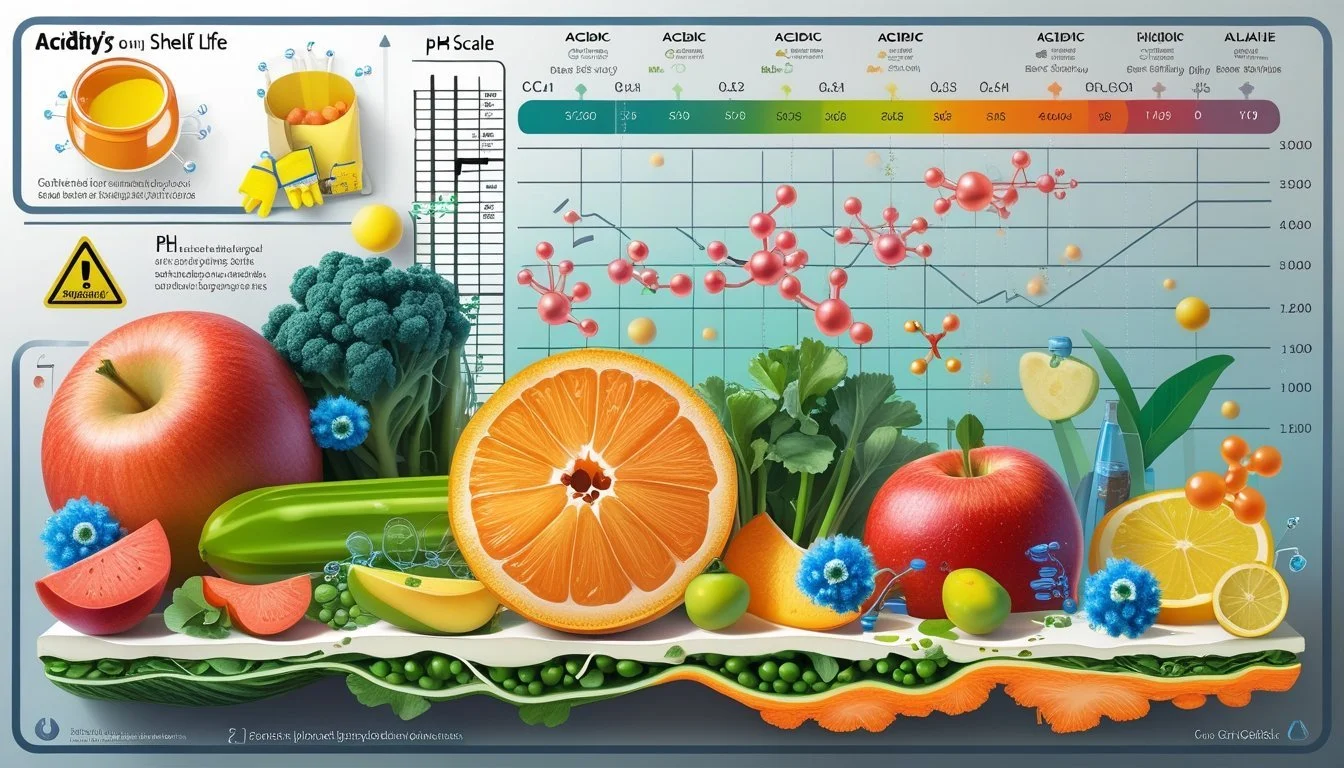
Maintaining correct acidity levels is essential for both food preservation and health. pH can reduce microbial risks but also affects how the body reacts to certain foods.
Botulism in Low-Acid Foods
Low-acid foods—those with a pH above 4.6—are especially vulnerable to the growth of Clostridium botulinum. This bacterium produces botulinum toxin, one of the most potent toxins known, which can lead to severe illness or death if ingested.
Common examples of these risky foods include canned vegetables (green beans, corn), meats, fish, and some dairy products. Without sufficient acidity, standard home canning methods may not destroy C. botulinum spores.
To avoid botulism:
Use pressure canning for low-acid foods.
Never taste food from bulging, leaking, or otherwise suspicious cans.
Follow tested recipes that address pH safety.
Even small errors in acidity management can have serious health consequences. For this reason, foods with pH above the safety threshold require more stringent preservation methods.
Acid Reflux and Dietary pH Balance
The foods people eat can influence both the symptoms and frequency of acid reflux, a condition where stomach acid moves into the esophagus, causing discomfort and potential damage to tissue.
Acidic foods—such as citrus fruits, tomatoes, and vinegar-based products—are common triggers for reflux symptoms. Managing dietary pH does not mean eliminating these foods, but moderation often helps.
Tips for balancing dietary pH to minimize reflux risks include:
Limiting highly acidic foods and drinks.
Eating smaller meals and avoiding lying down after eating.
Tracking symptom patterns to identify specific triggers.
Taking steps to balance the pH of one's diet supports both digestive comfort and long-term esophageal health.

